





 Battery size: 72kWh
 Max charge rate: 150kW
 WLTP range: 325 – 361 miles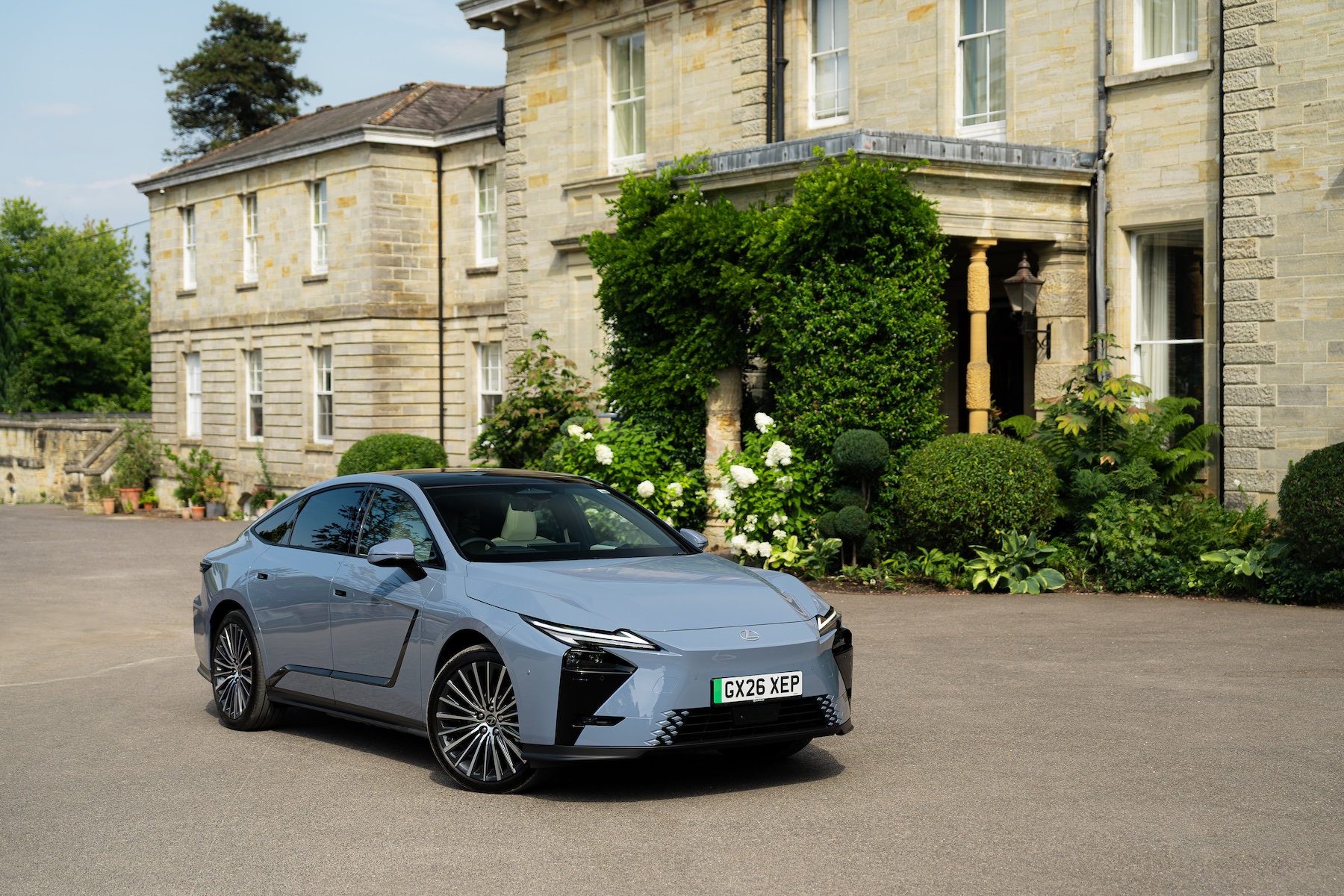



Introduction and model history
We Brits have only been able to buy an ES since 2018, after Lexus introduced it to replace the long-serving GS. But that 'self-charging' hybrid with front-wheel drive layout did nothing to dent the dominance of the Audi A6, BMW 5 Series and Mercedes E-Class in the badge-obsessed, high-flying world of the corporate car park. Lexus is having another go at trying to woo business buyers, though.
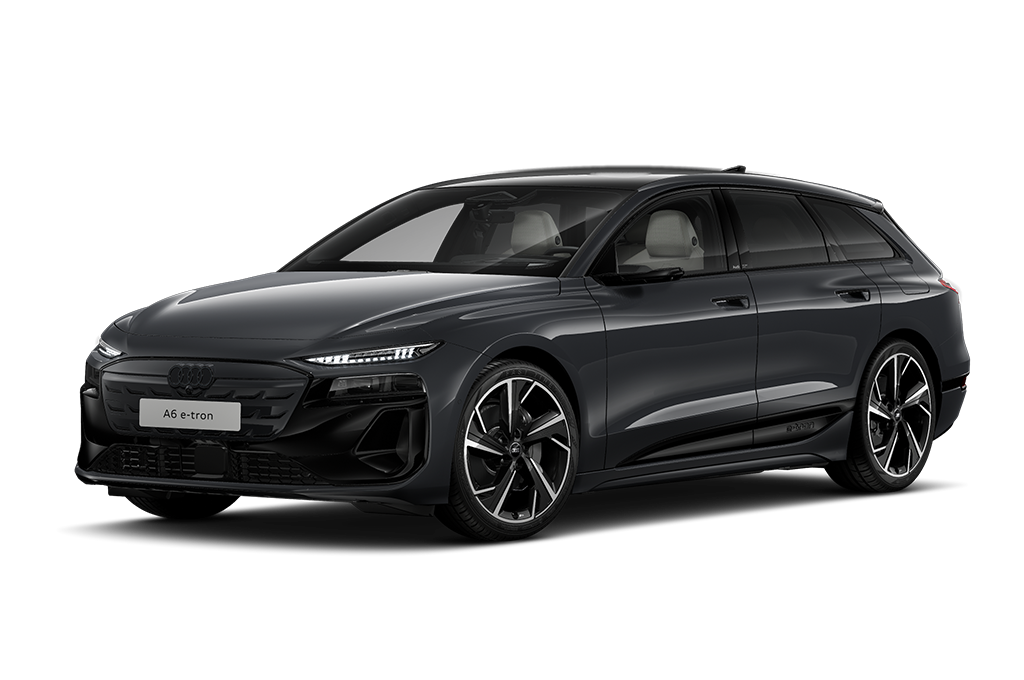
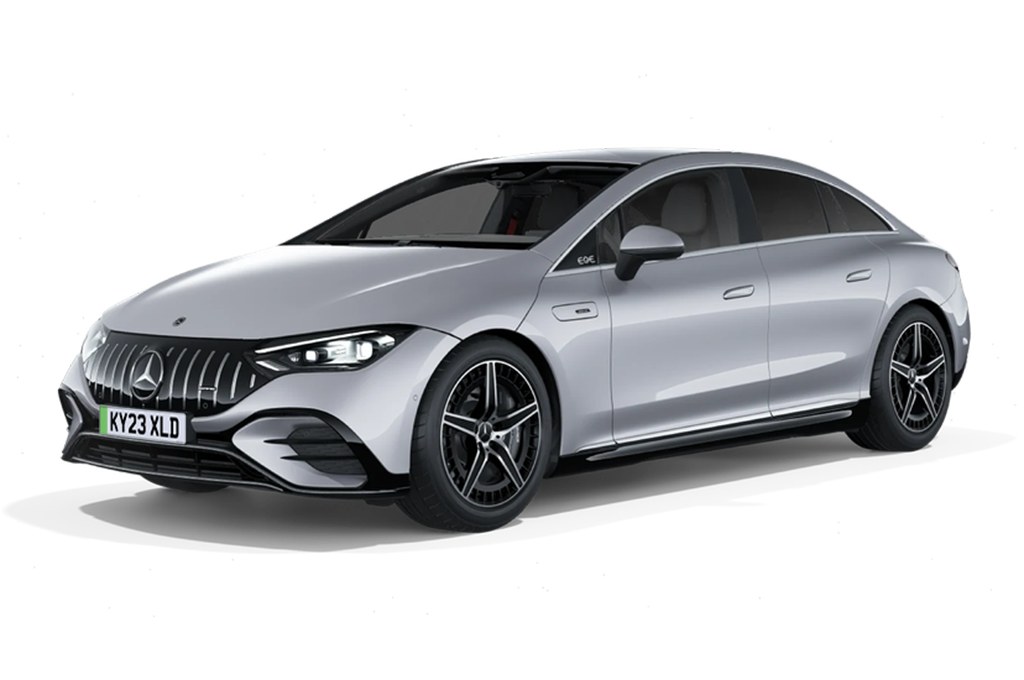
The new eighth-generation ES is pure-electric only this time around (a hybrid is offered in other markets but not in the UK), and just like seemingly every other Lexus, it aims to appeal to those bored with the typical German establishment. In this case, the Audi A6 e-tron, the Mercedes EQE, and of course, the BMW i5.
Range, battery and charging
Other markets get a hybrid ES along with a dual-motor pure-electric model, but the UK has to make do with a single motor car called ES 350e. It uses a 72kWh (77kWh gross) battery, which is good for a claimed range as high as 361 miles, or 325 miles for the top-spec car with its large 21-inch wheels. It's kind of par for the course in this market, and in my test drive I averaged 4.5 miles per kWh in the mid-spec Premium Plus model, which equates to 324 miles – Lexus claims 359.
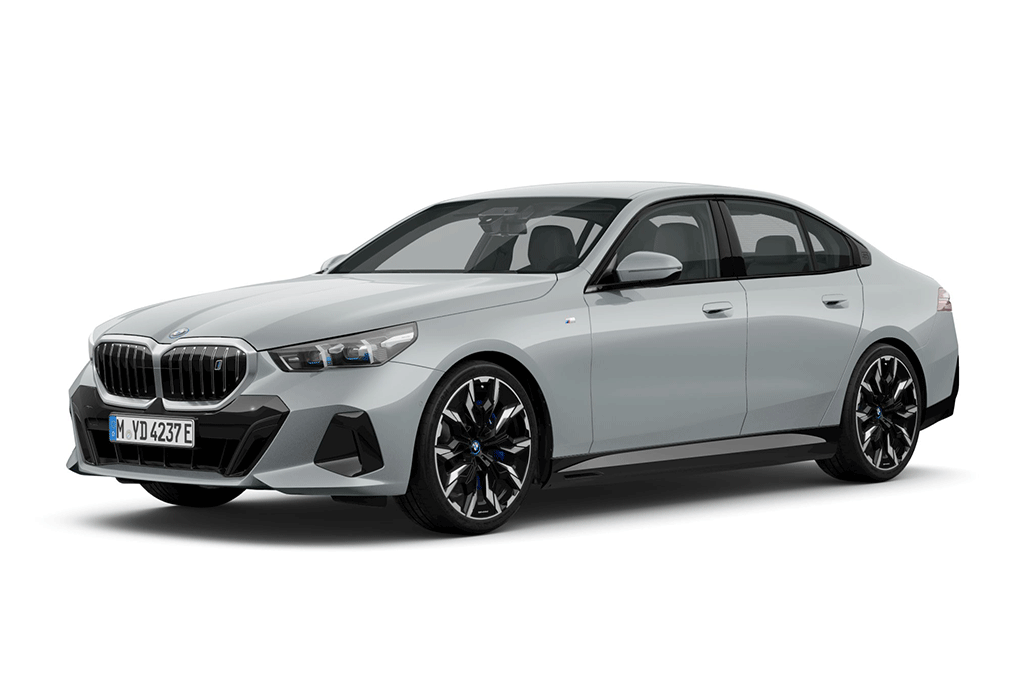
What's not class-competitive is the rapid-charging speed. While we applaud that 22kW AC charging comes as standard (which allows for a full charge in four hours), DC only tops out at 150kW – that may be fine for a small hatchback, but not for a posh saloon that starts at around £60,000. By way of comparison, a BMW i5 manages 205 kW and the A6 e-tron is good for 225kW thanks to its 800-volt electrical architecture. Even the new electric Mercedes C-Class peaks at 330kW, and that technically is class below the ES.
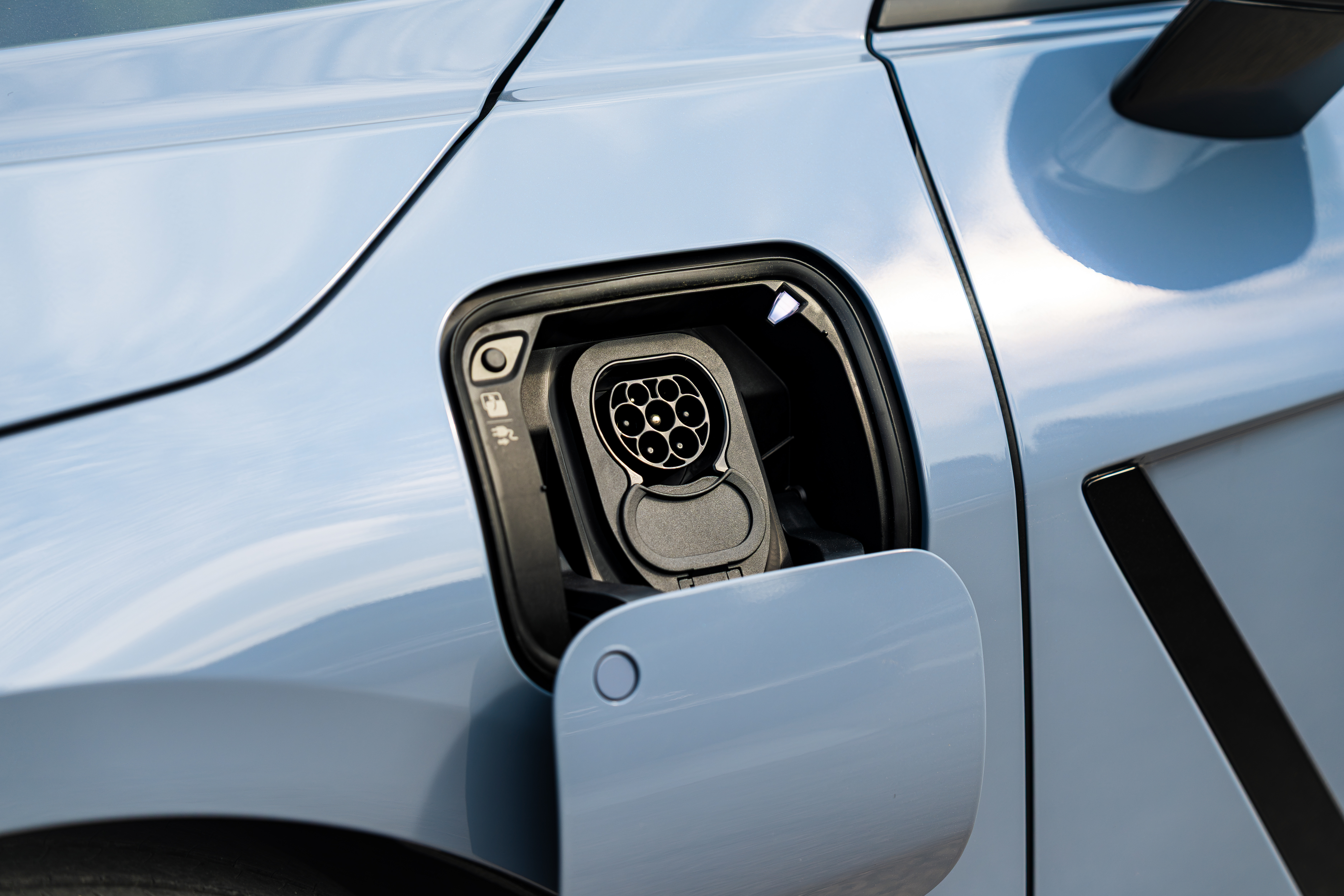
The ES also gets a fancy electrically-opening charging flat that's very reminiscent of the ones that Audi uses. Along with physically pressing a button on the flap, it can be opened via the infotainment screen and the Lexus smartphone app. It might be better to do that actually as the button on the flap is a bit temperamental, as Nicola found out in her video.
Practicality and boot space
At over five metres long, the ES certainly has some road presence. Happily, this equates to a roomy interior, although there are some caveats.
As the ES comes as a hybrid in other markets, there's a whacking big transmission tunnel that not only affects room in the back, but also takes some space away in the centre console upfront. The glovebox is also ridiculously tiny – in fact, I think you might struggle to fit a pair of fluffy gloves in it.
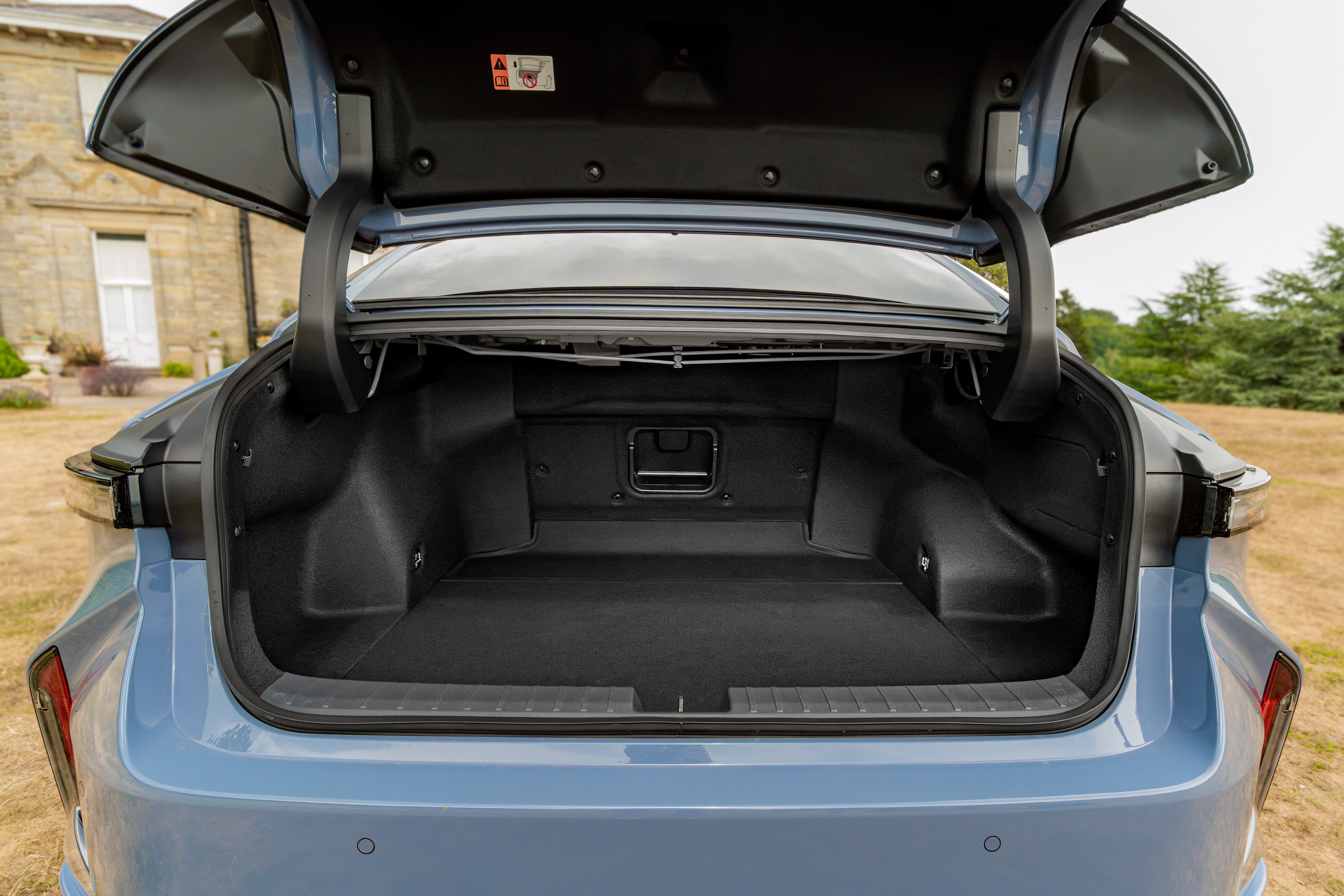
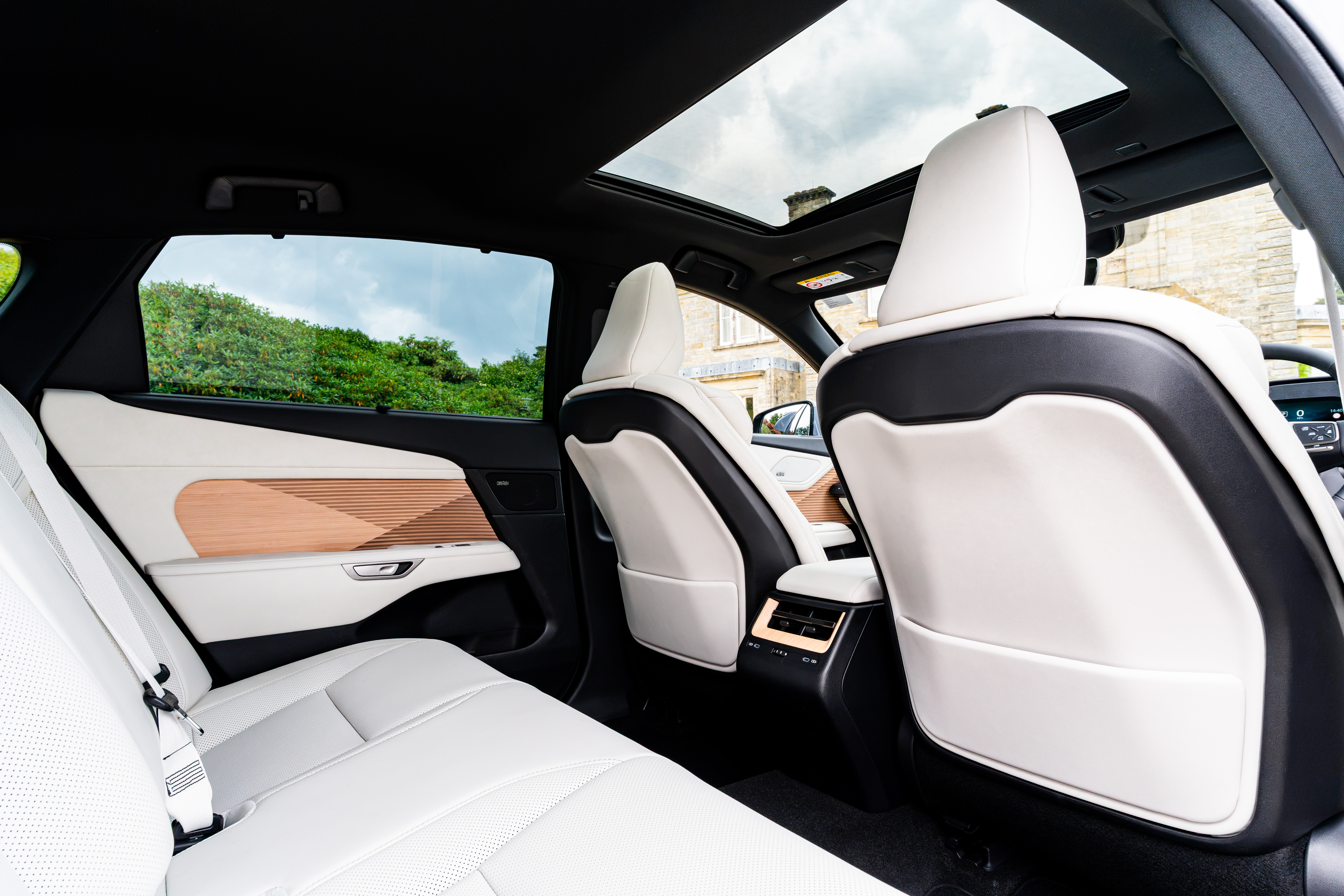
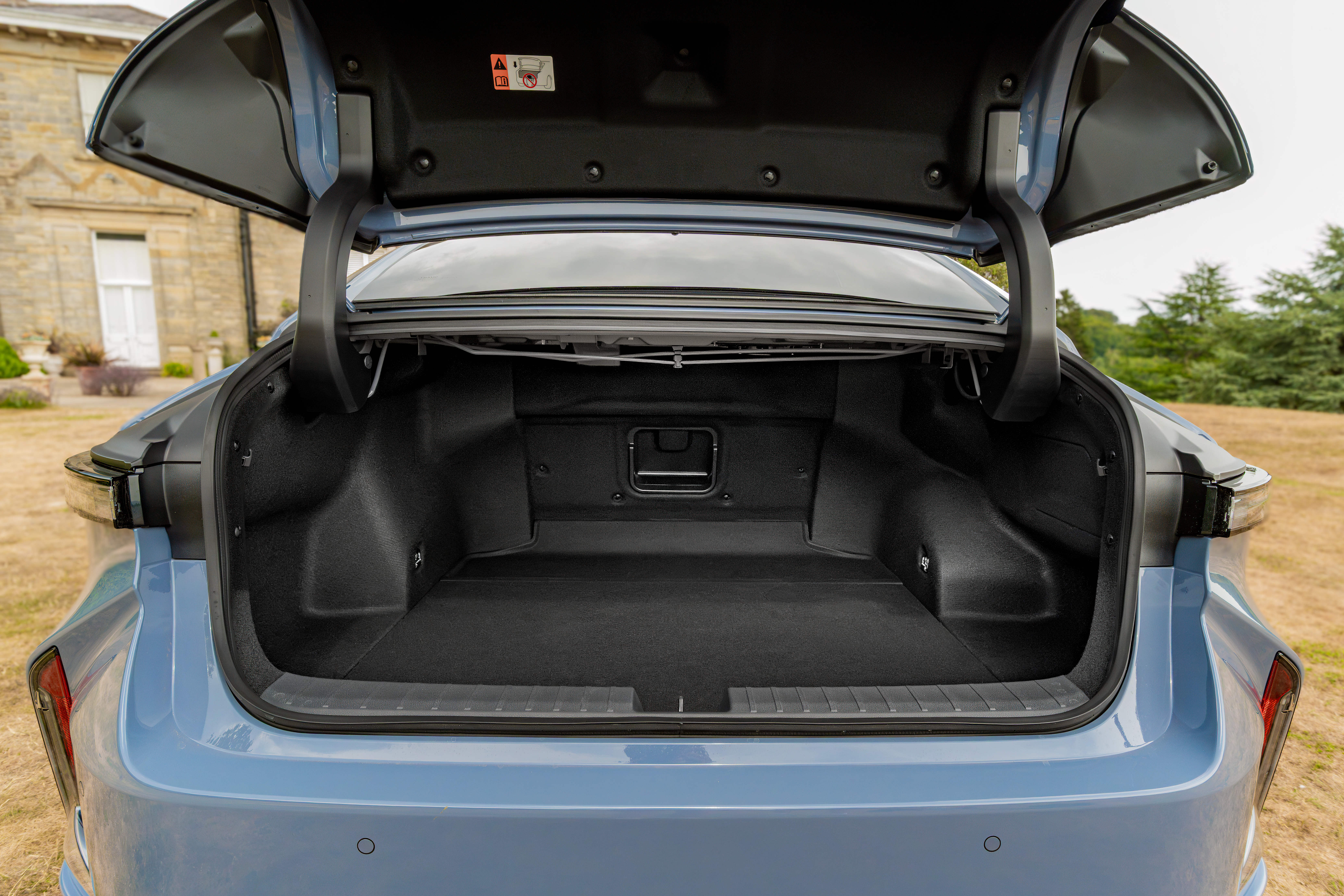
There are no complaints when it comes to rear legroom, though, as there's tons of it. Ride in top-spec Takumi model and the back seats recline, and there's a fancy control panel in the armrest to control the heated and ventilated and massaging seats, and much more. The lucky person who sits behind the front passenger can even lie down like they're on a business class flight thanks to an ottoman leg support cushion. Boot space is also class-leading – at 517 litres, the ES comfortably beats the BMW i5 (490 litres) and the Mercedes EQE (430 litres).
Interior, styling and technology
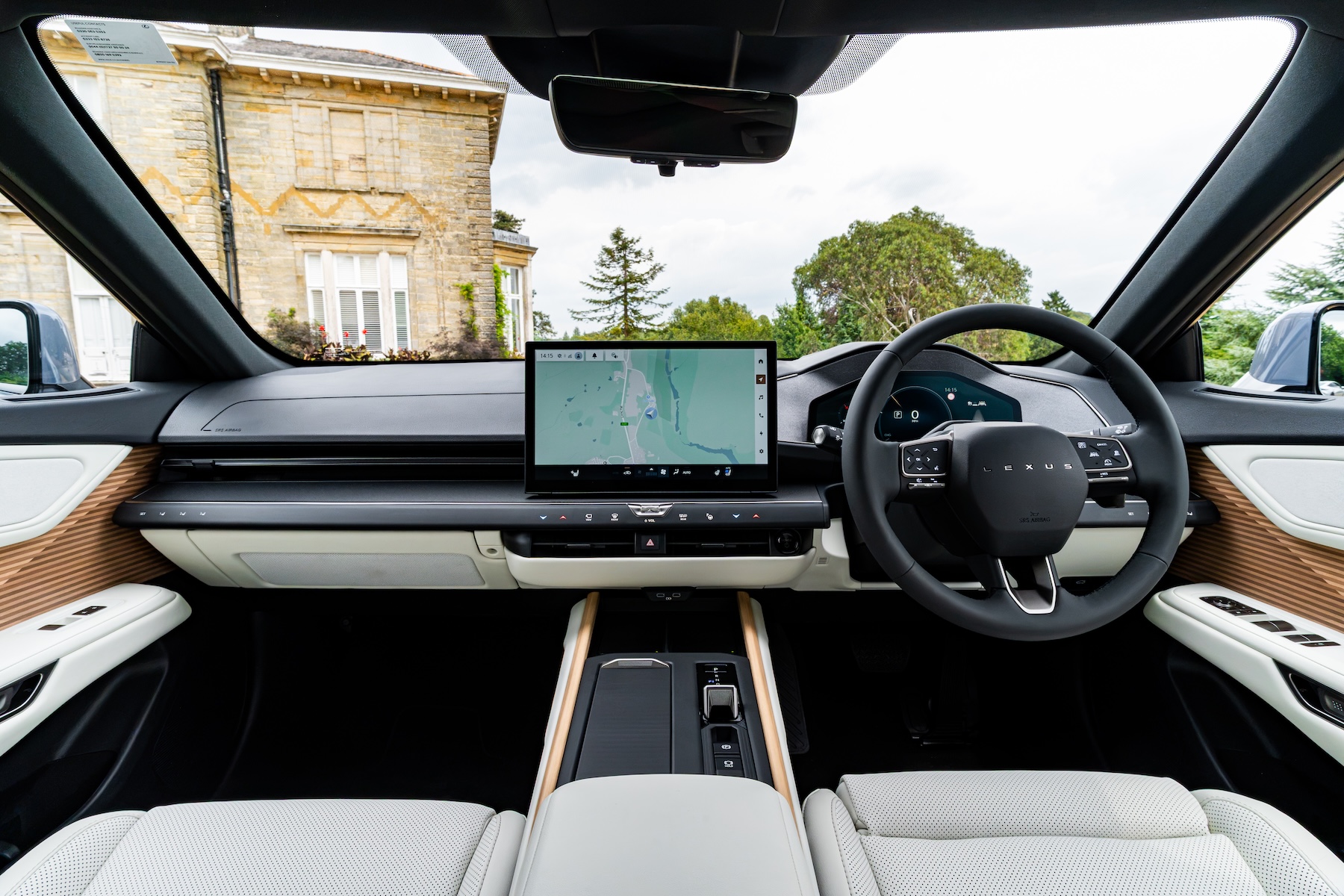
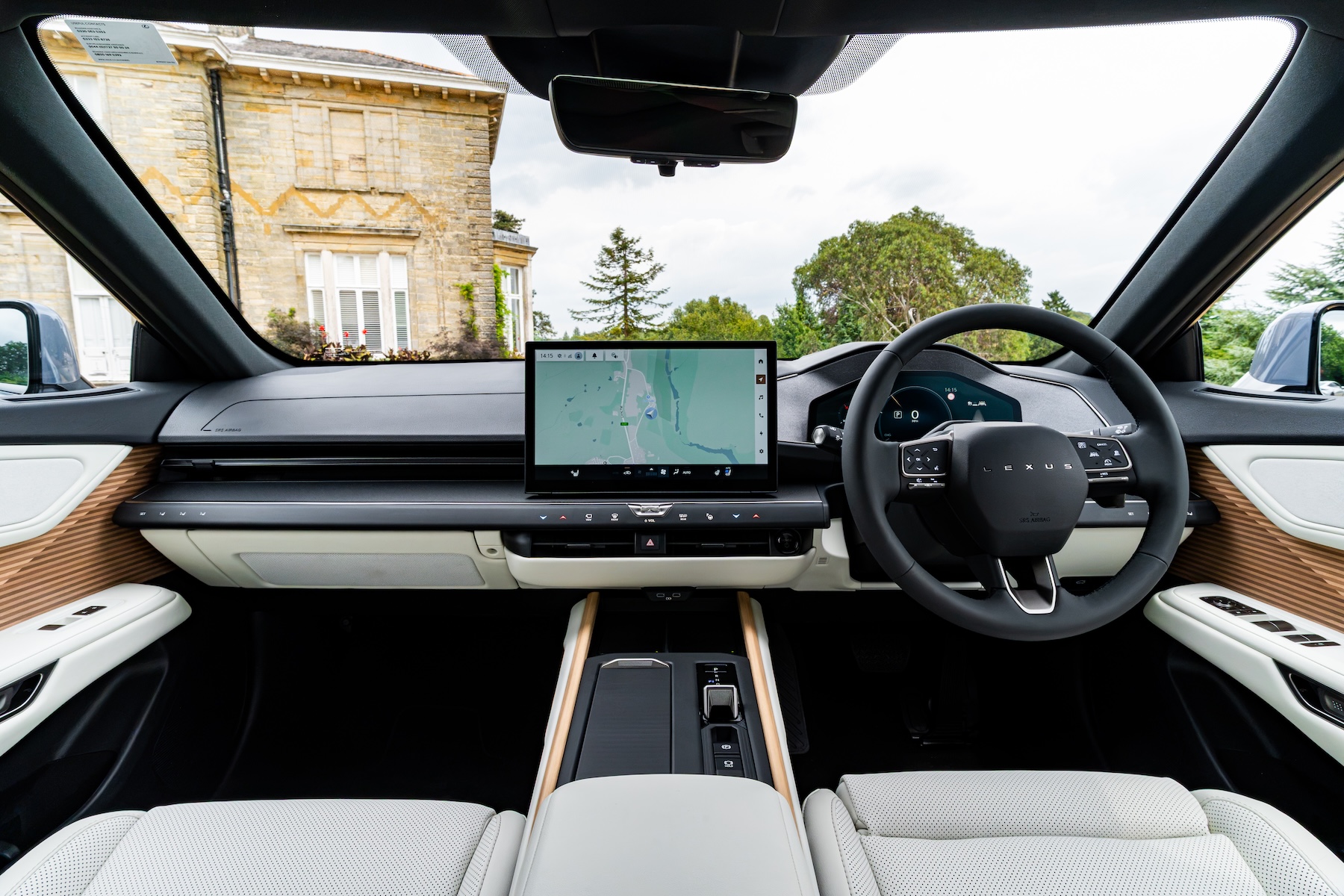
Lexus has introduced a new dashboard design with the ES. It's now very minimalist, with a focus on straight lines and no visual clutter. Fans of older Lexus models with a more wacky design and beautiful tactile switches look away now.
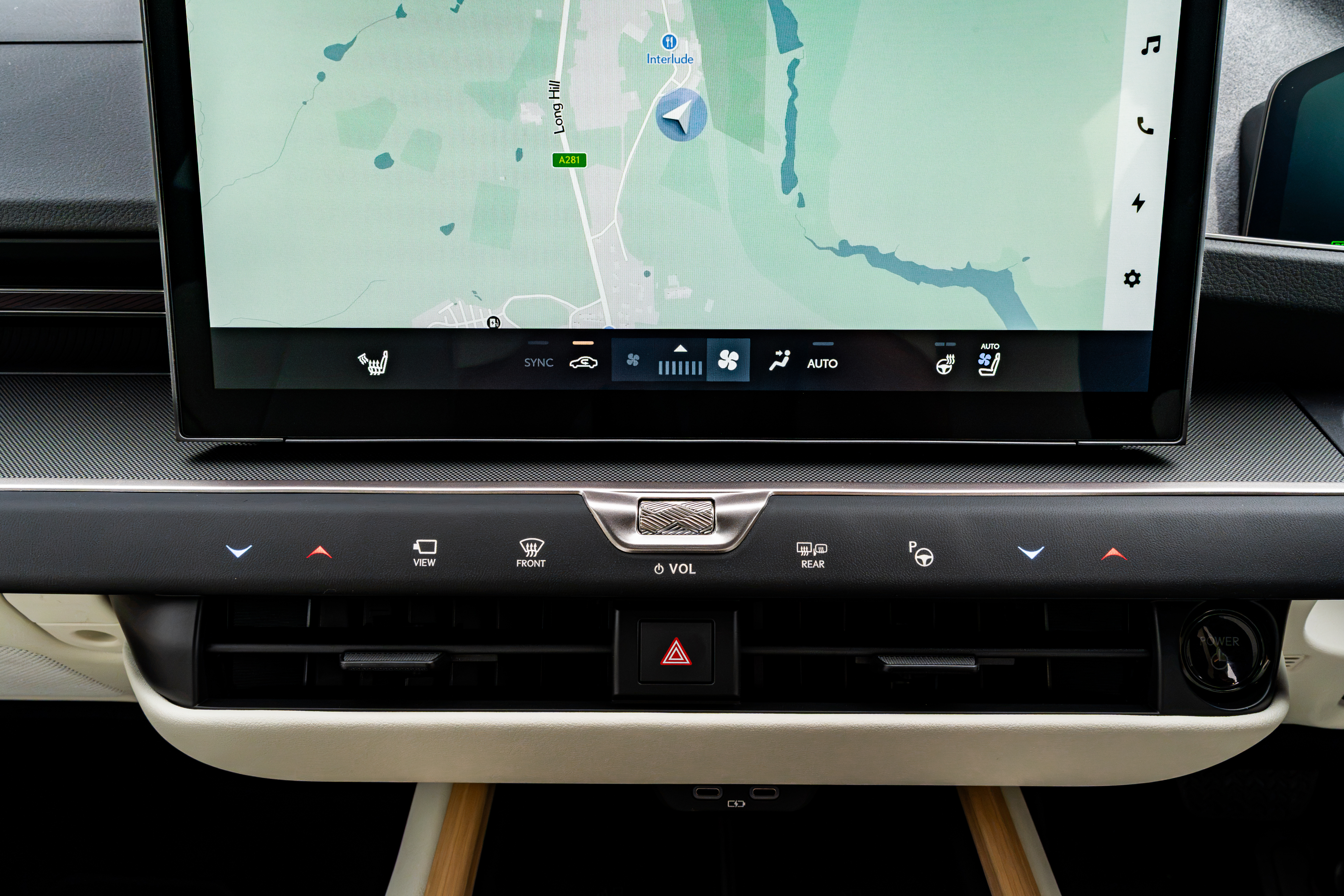
Naturally, as is the norm at the moment, everything is controlled through the large central touchscreen, and it's simple to use. It looks and feels like the same software you find in many other Toyota models – it's not fancy like a BMW i5's, but it gets the job done quickly and easily when you're on the move.
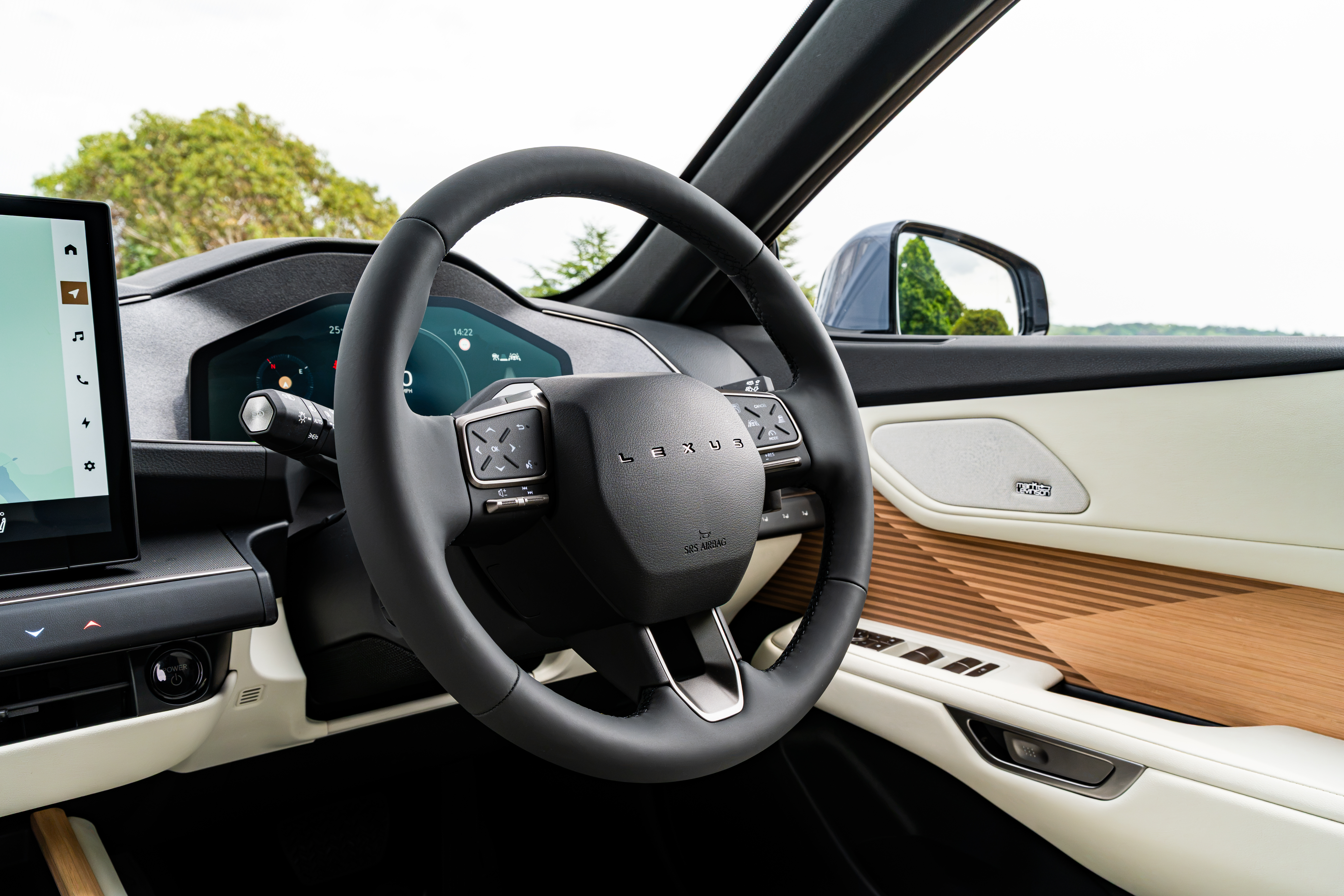
There's also a screen for the driver, which is clear and easy to rear, but it's of a curious shape. It's shaped to sit within the steering wheel rim, giving a great view when driving. But it's surrounded by a large placeholder that's covered in a strange microfibre trim – it look as though the area was designed for a much larger screen, with the one fitted looking as though it's slipping down into the steering column. The microfibre fabric also isn't used anywhere else in the interior, which just emphasises what a strange design feature it is.
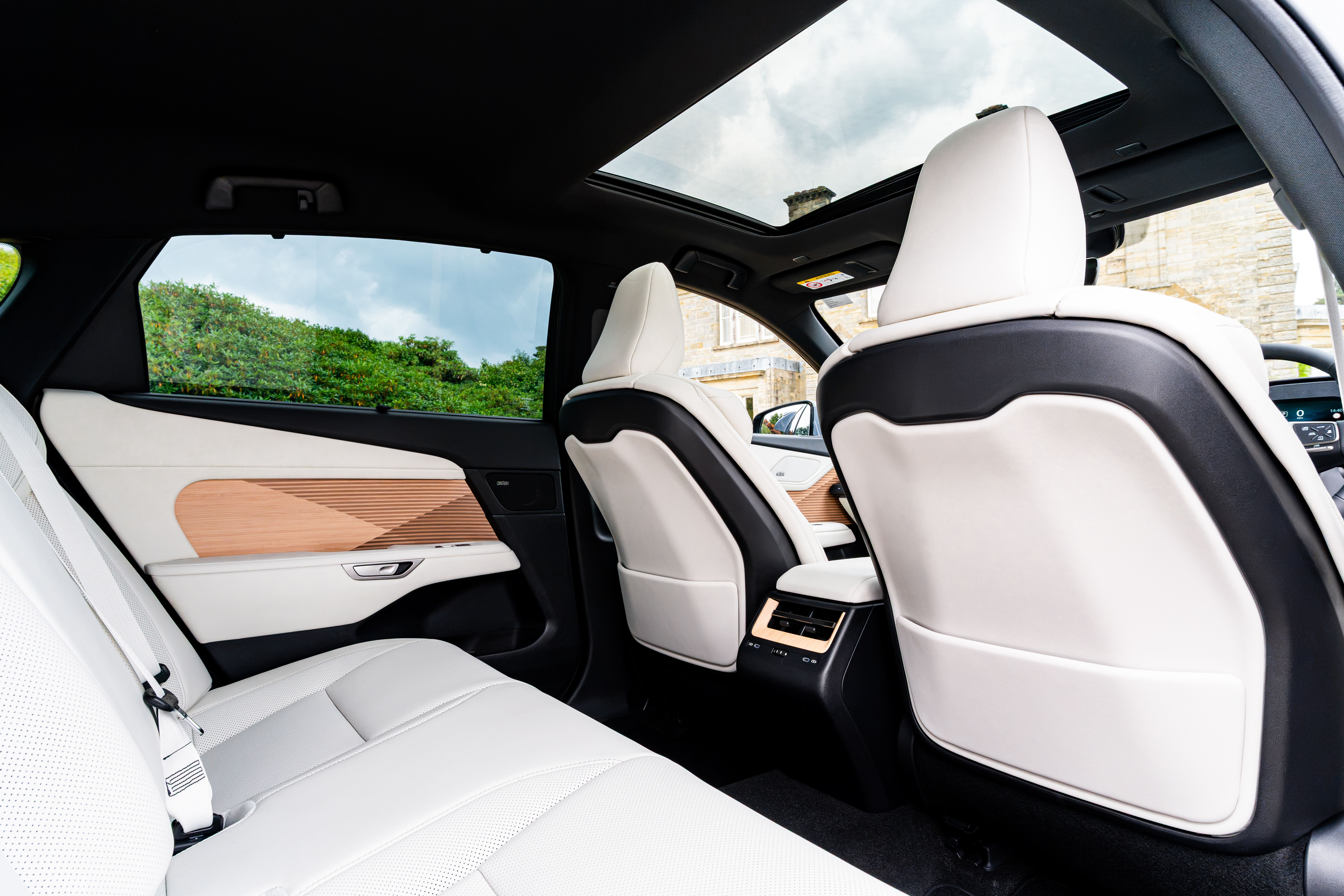
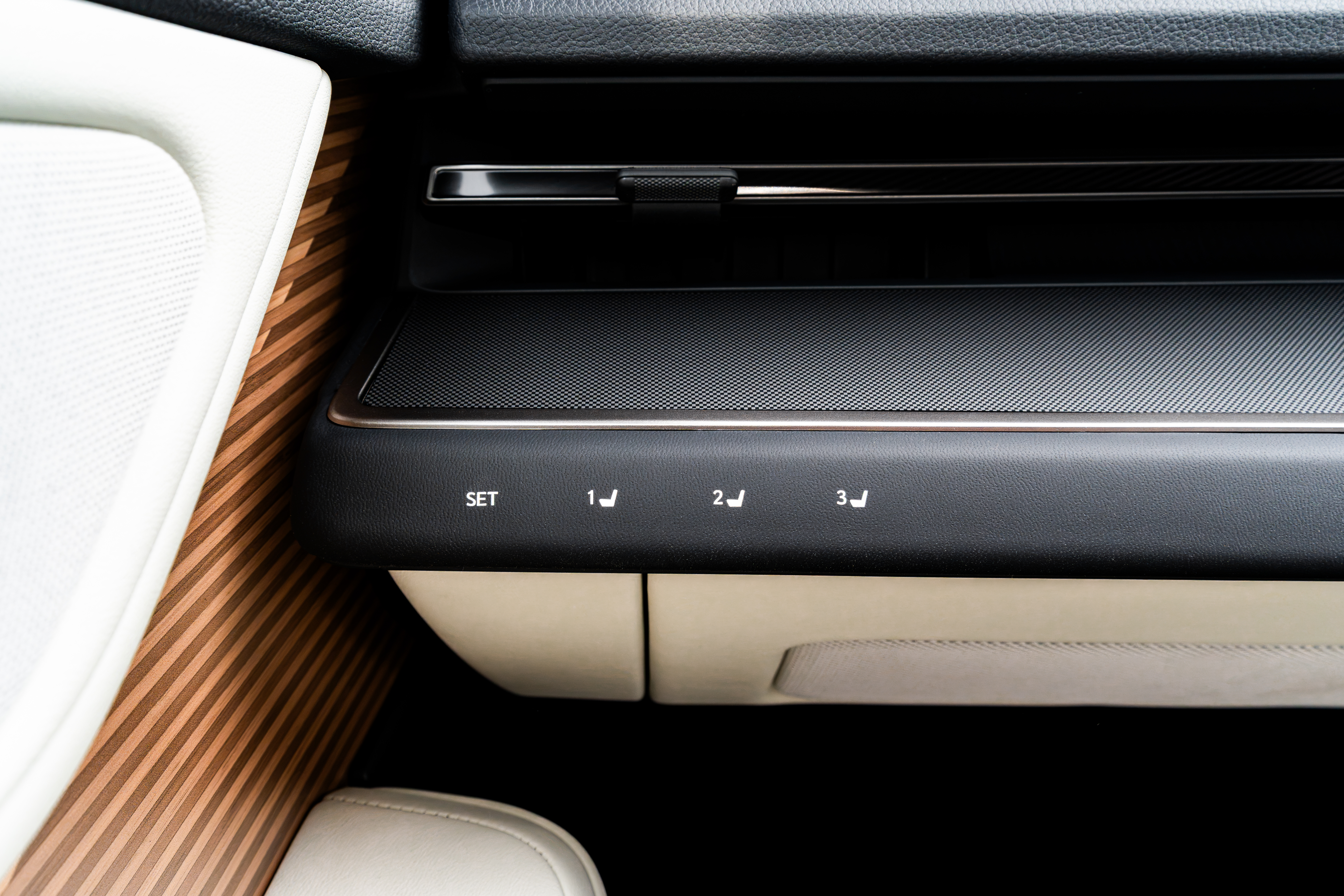
While the beautifully tactile knobs and switches of older Lexus models have gone, the quality is still there. The trim, upholstery and plastics all feel excellent – I particularly like the new backlit slabs of bamboo that have been nailed to the doors – and Lexus has thought about ease of use. While there are no physical buttons, when you switch the car on a row of icons appear along the rail under the screen and both the driver and passenger air vents. These mostly control the temperatures and electric seat memory settings, but when you press them you can feel that they are proper buttons, just not in the traditional sense.
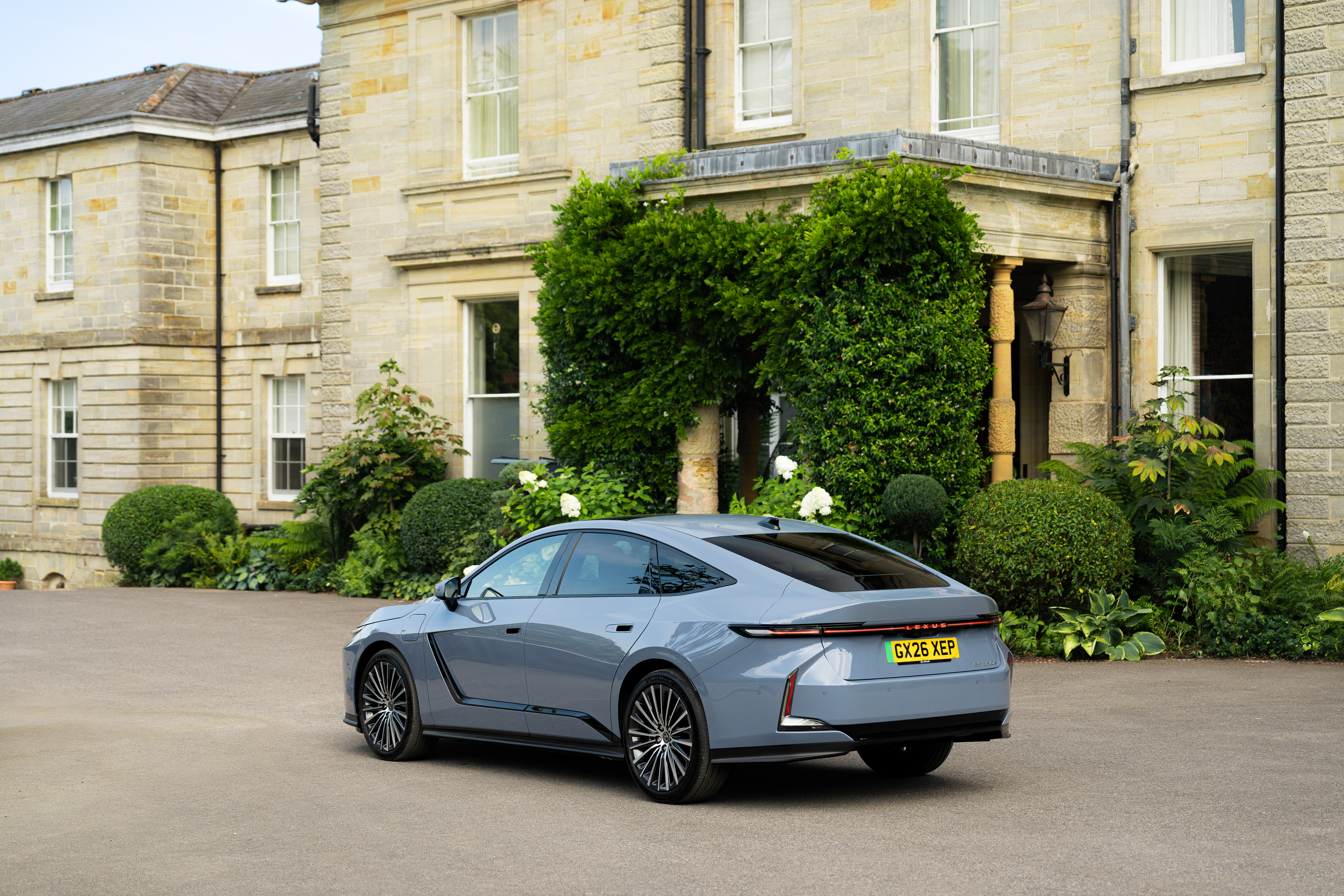
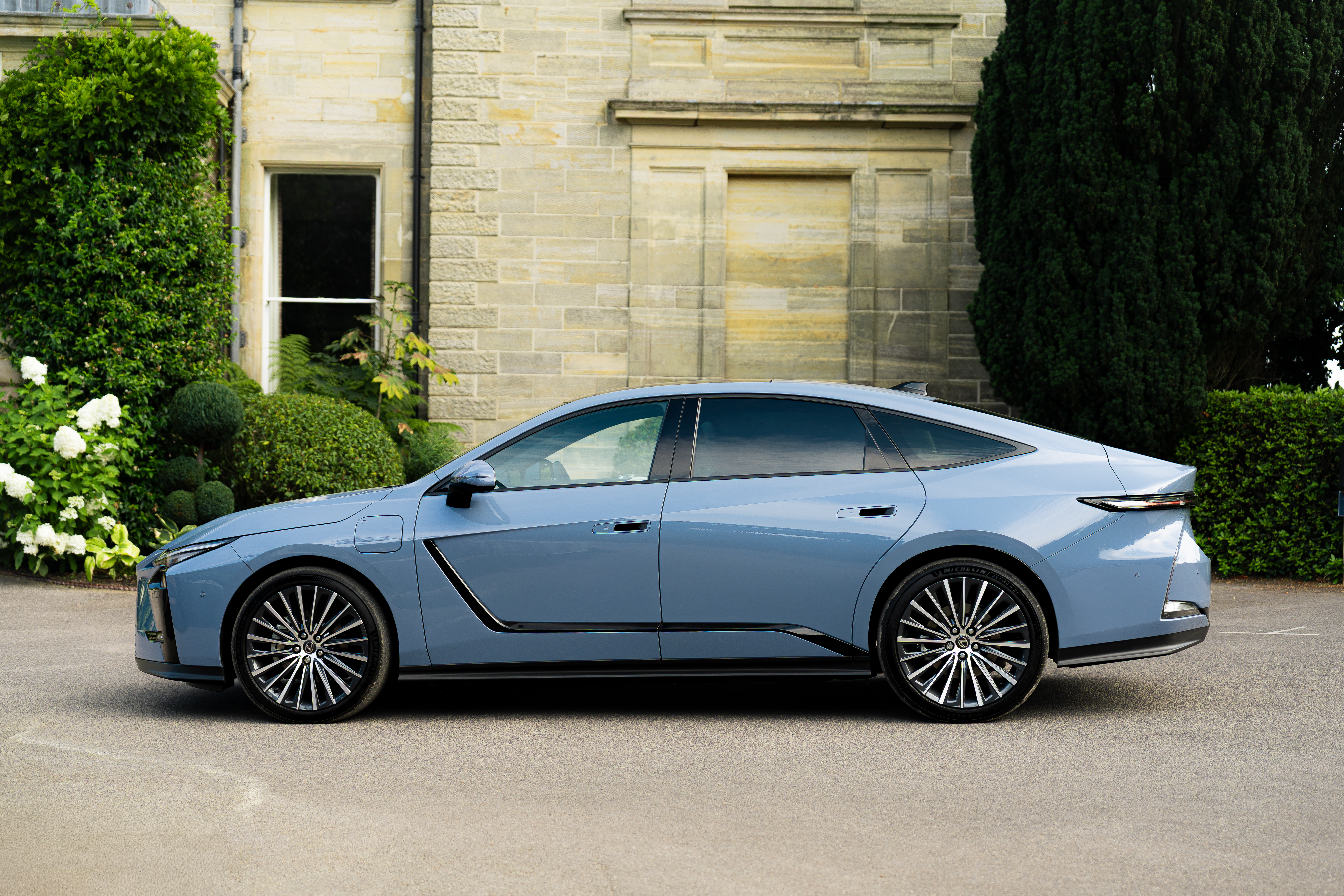
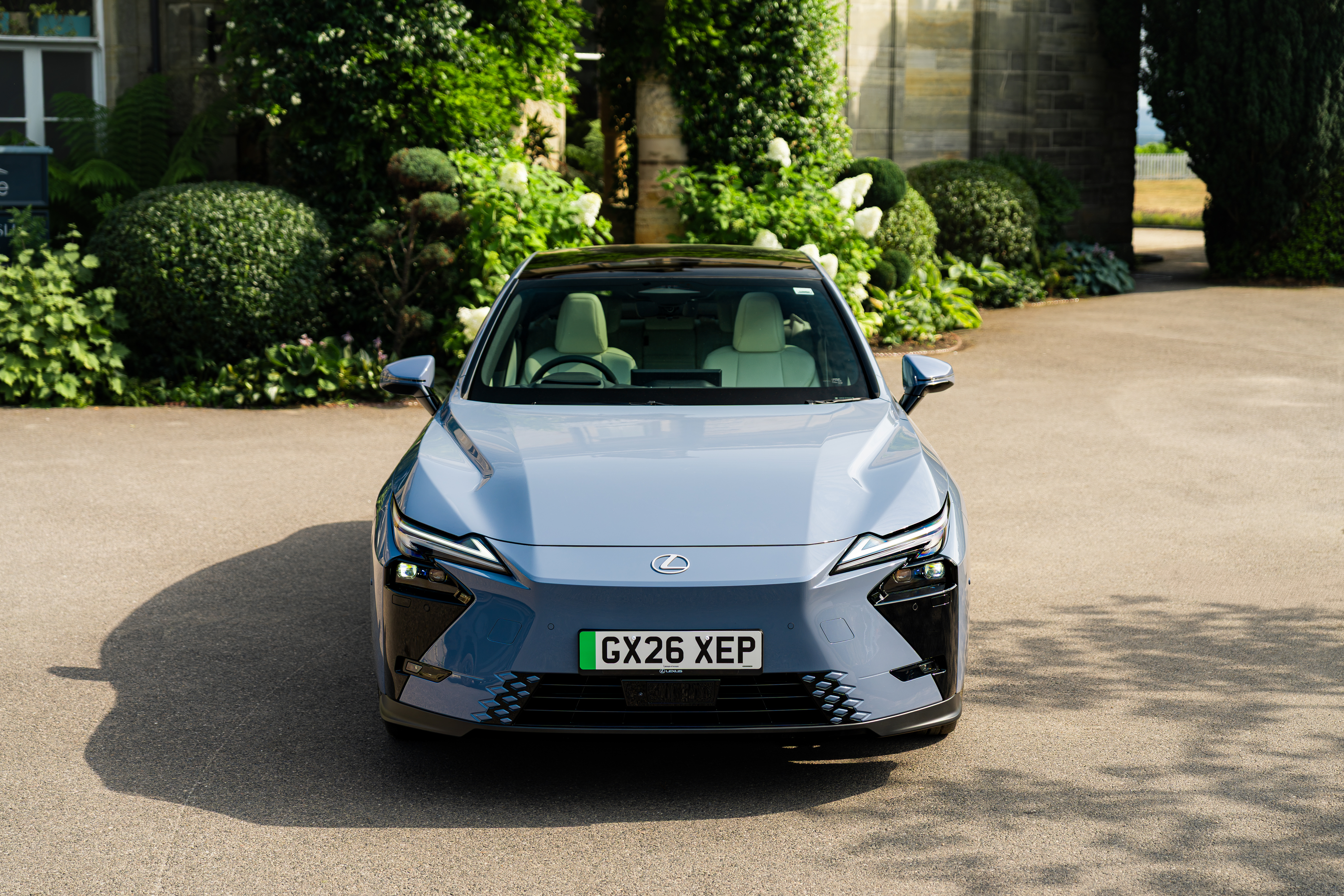
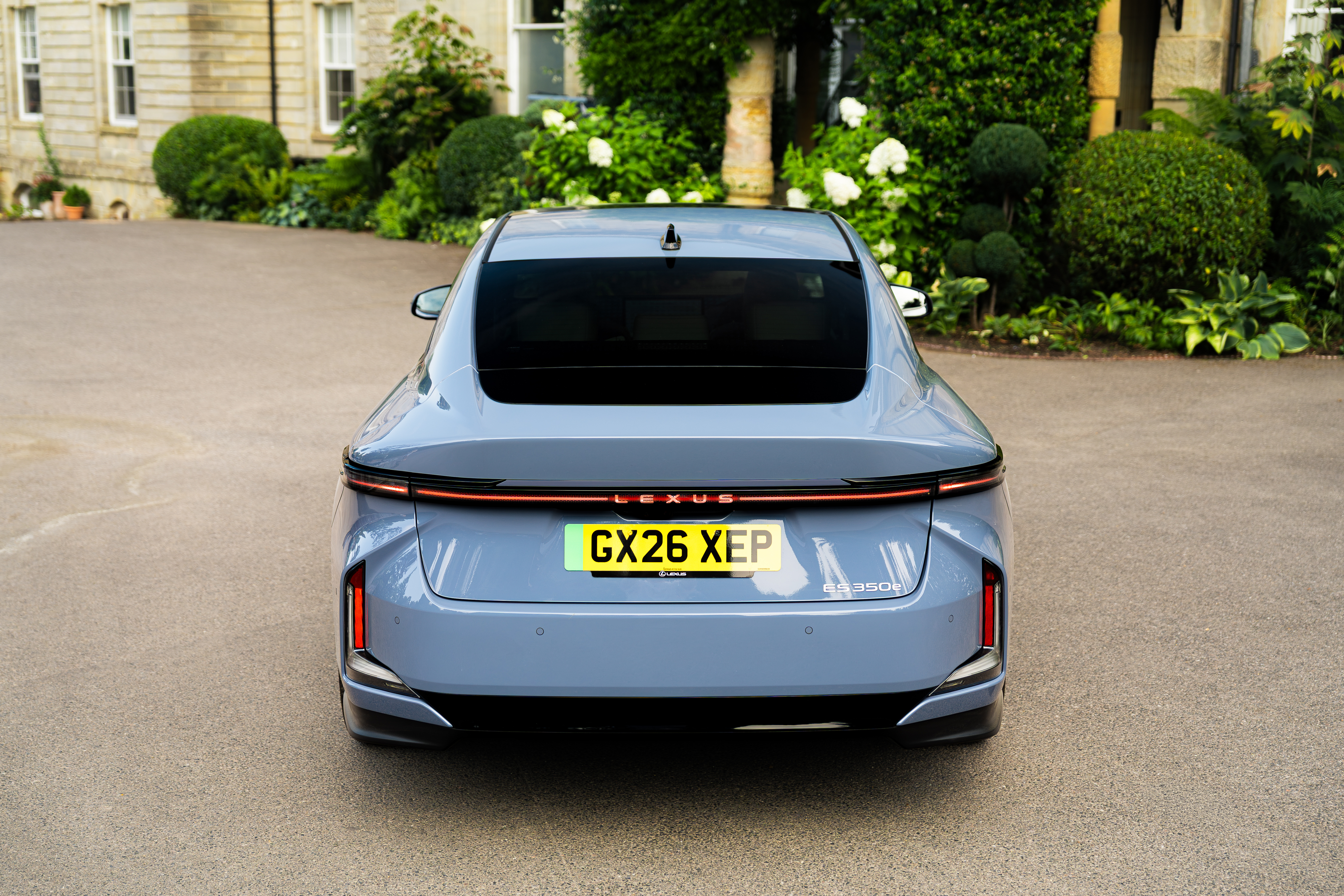
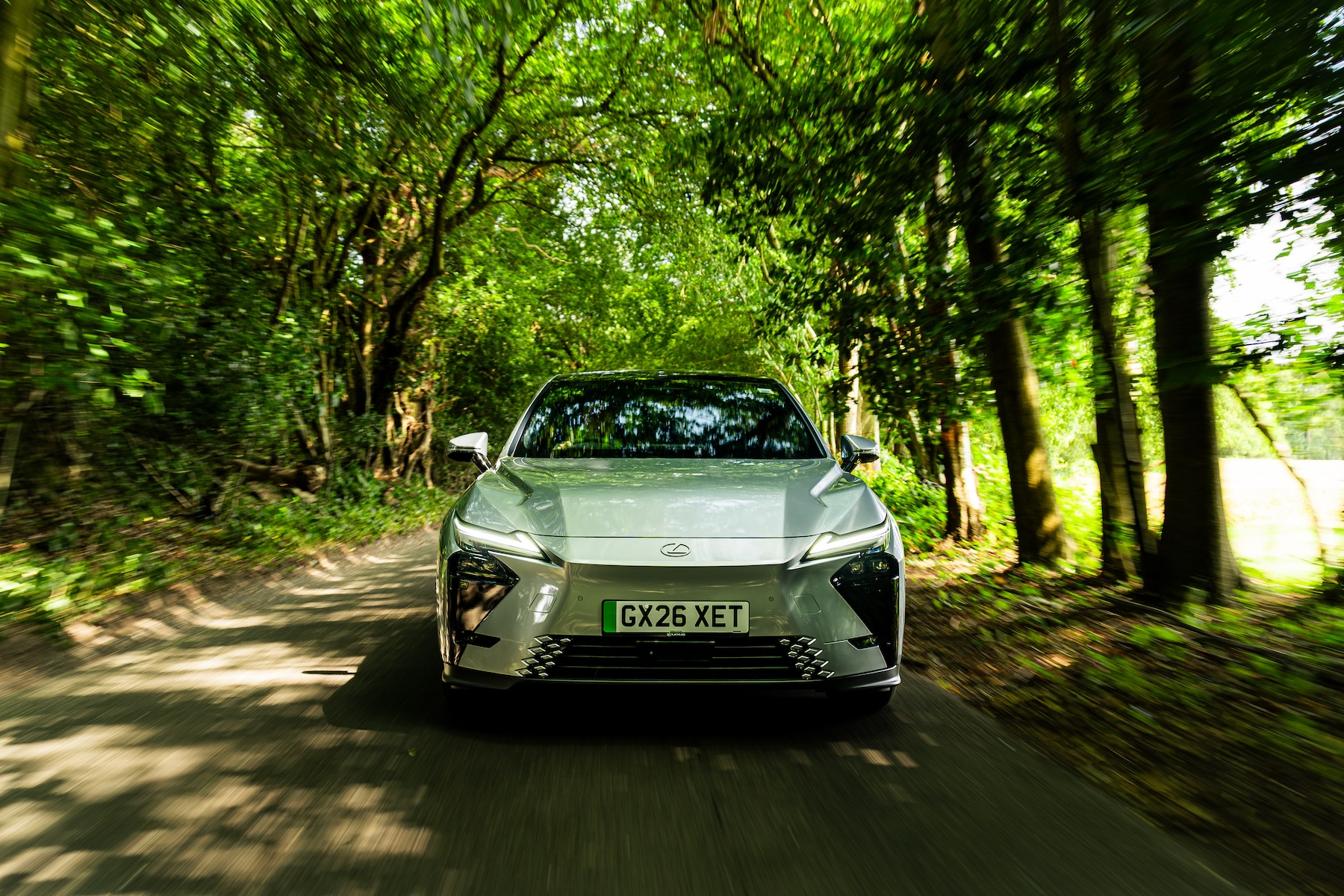
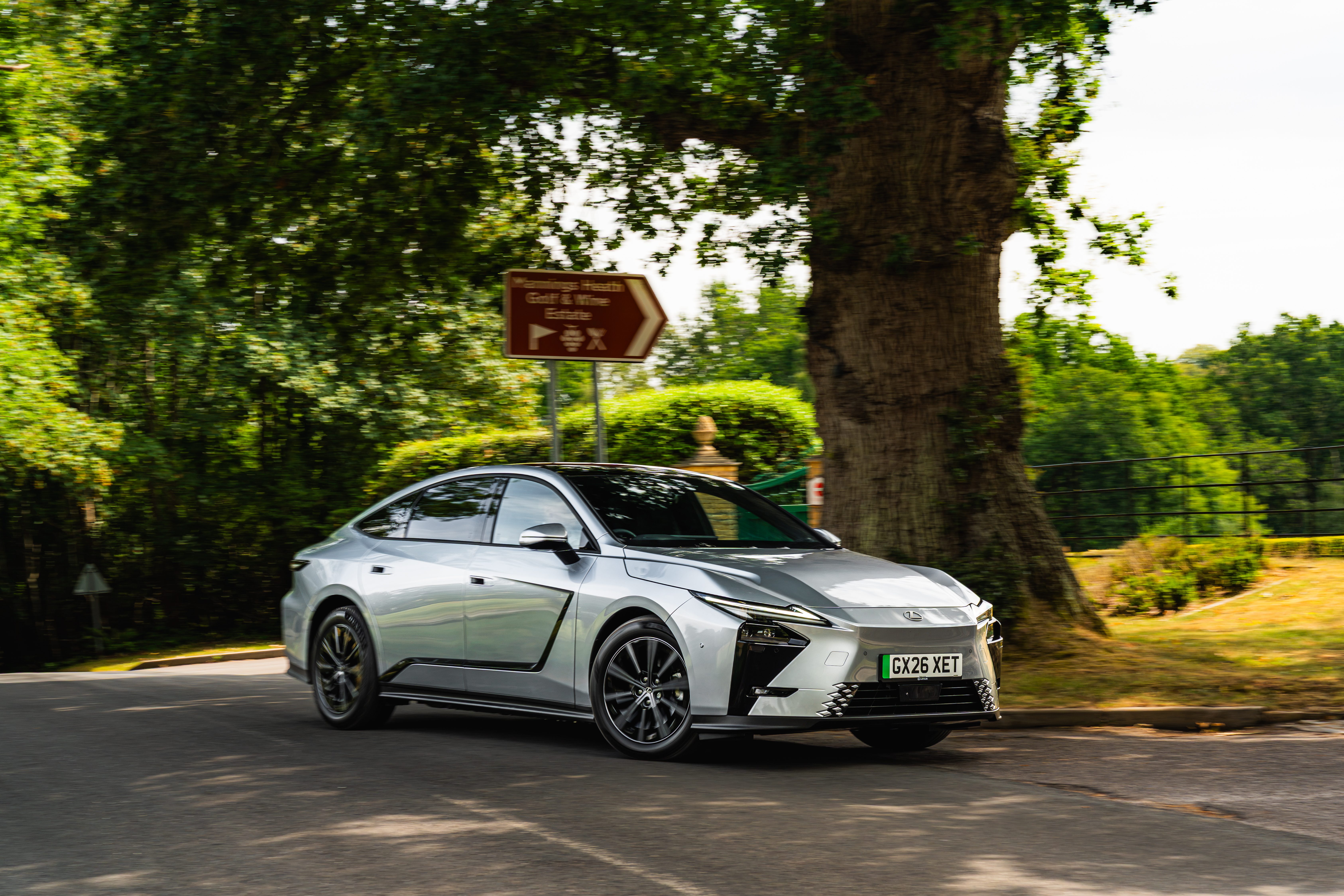
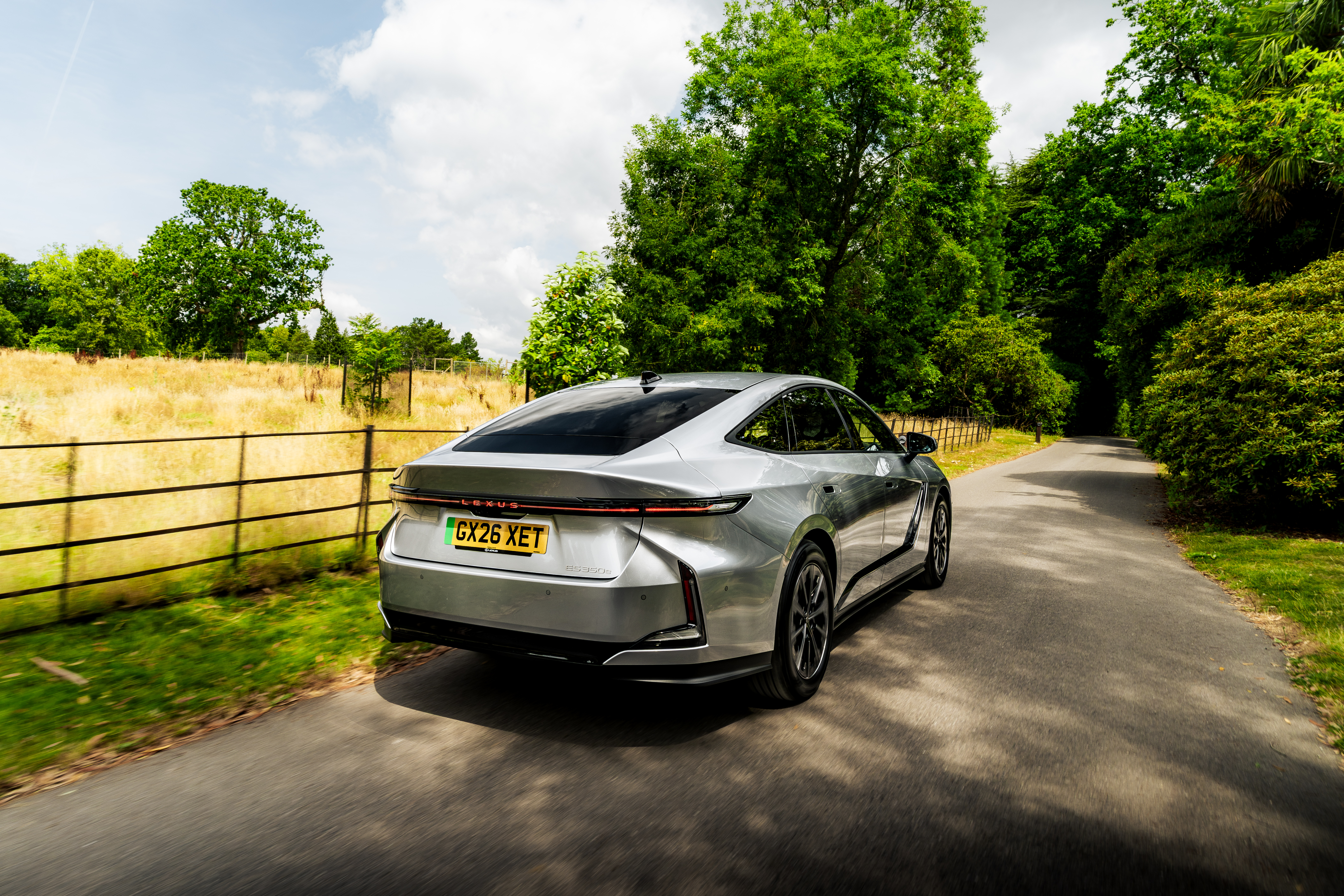
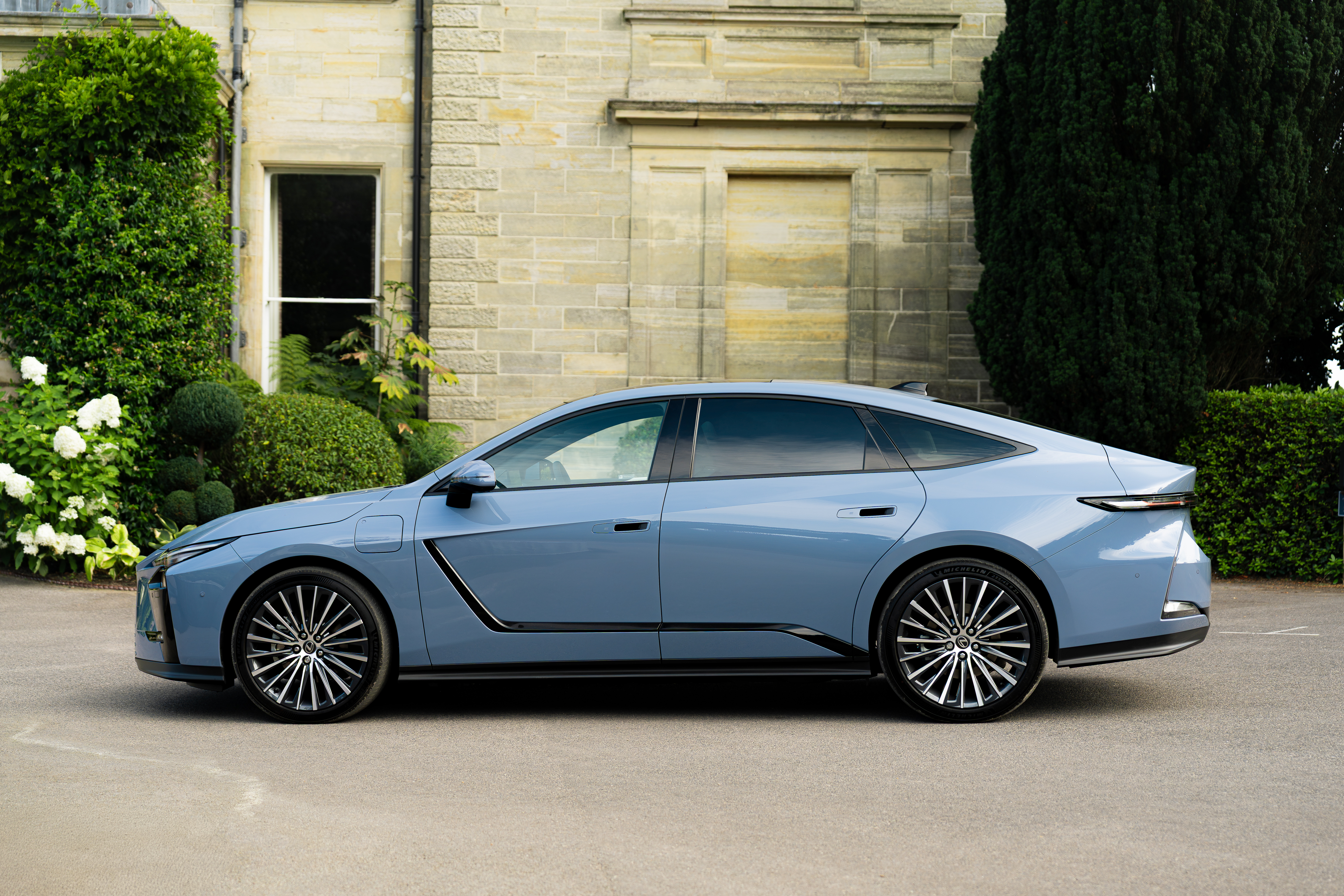
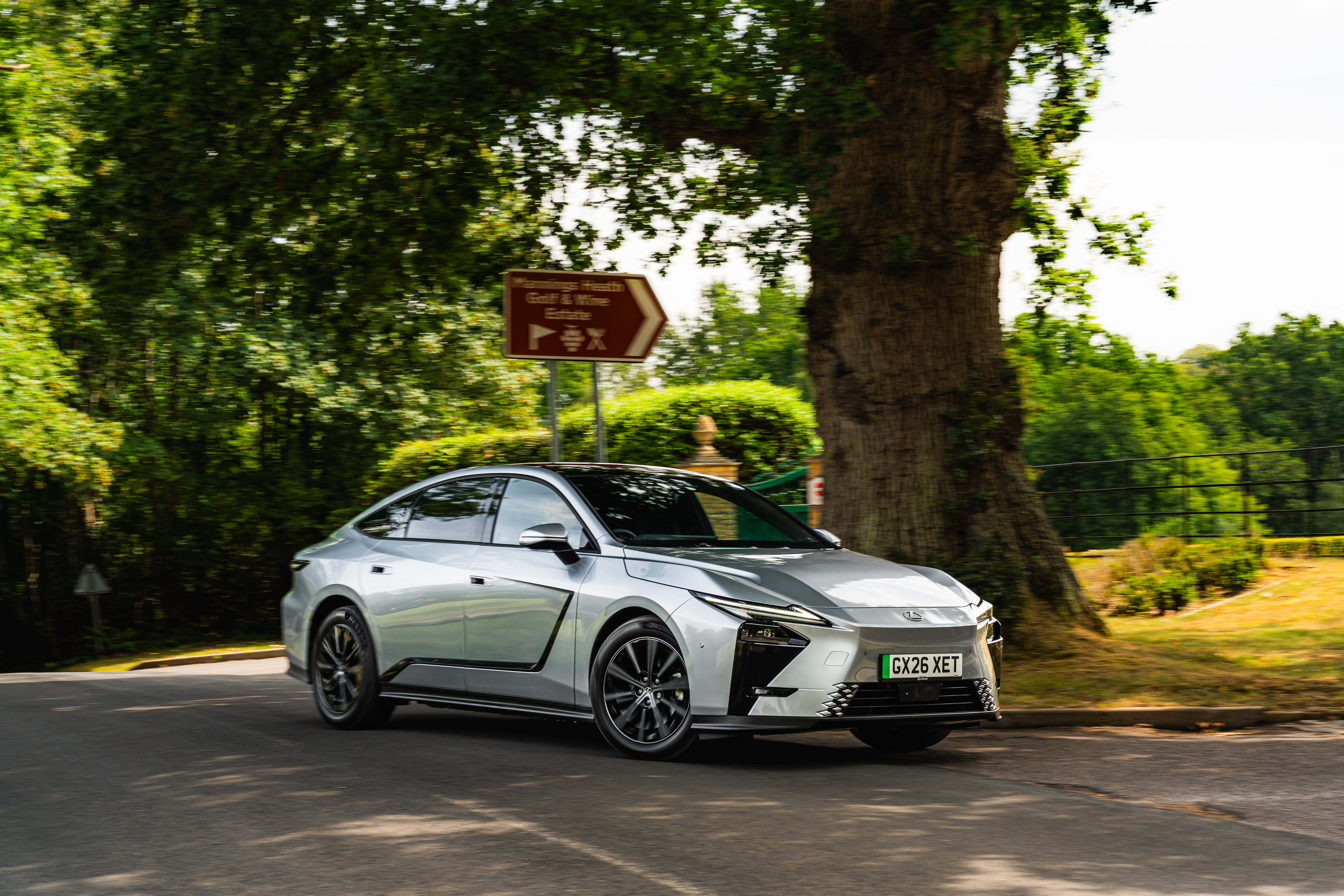
As for the exterior, I'd say it's quite a bold looking car. It's very different to the curvy shapes of the Audi A6 e-tron and Mercedes EQE, with the ES's bodywork being a riot of shapes, angles and creases. These cleverly disguise what is, in actual fact, rather a large car; the ES is 68mm taller than the A6, and you really notice this when standing next to it – the bonnet sits very high, and the car is almost of coupe-SUV proportions.
Motors, performance and handling
The ES 350e comes in just one flavour of power, too – a 221hp motor on the front axle. The ES is surprisingly quick from the off, and it feels alert around town, but that power quickly tails off as the speed builds – you can really feel it as you're accelerating on a motorway slip road, for example. It's not a really massive issue, but I don't think it's unreasonable to expect a £60,000 car to have a bit more muscle than 221hp. A Mazda 6e, which is smaller and £20,000 cheaper, has 268hp, while even the entry-level BMW i5 for £68,000 has 340hp. This means the ES is two seconds slower to 62mph than the BMW, which is a very important two seconds in the corporate car world. Lexus's decision not to bring the 338hp dual-motor ES 500e to the UK really stings at this point.
Power deficit aside, the ES is a nice car to drive. The steering is well-weighted and gives a good connection with the road, and the whole car wafts along like a very expensive luxury limo. This is no sports saloon like the BMW i5, but the ES does a far better job of whisking its passengers along in comfort than the Mercedes EQE, although it can't quite topple the Volvo ES90 for outright luxury.
It's on this topic that I come to my biggest gripe. The larger 21-inch wheels – available as standard on the top-spec Takumi – undo a lot of the ES’s lovely ride quality. My test car was a mid-spec Premium Plus with the 21s fitted as an option, and over every pot hole, crevice and bump, the car shimmied and banged along down the road. A drive in another Premium Plus with its standard 19-inch wheels was far more comfortable.
Running costs and pricing
The ES starts from £59,345 in Premium trim, rising through Premium Plus to the luxurious Takumi specification at more than £72,500. Standard equipment is generous throughout, meaning even entry-level cars feel properly premium – but you could say so they should be at these prices.
Base-spec Premium gets heated and ventilated seats, 64-colour ambient lighting, a digital rear view mirror and a sunroof, while the Premium Plus adds semi-aniline leather upholstery, a head-up display, an 11-speaker Mark Levinson speaker system, and the bamboo door trim. Top-drawer Takumi gets the reclining rear seats with an ottoman for the passenger, ventilated seats all-round, rear screen sun shade, and a few more luxuries.
Residual values will likely be strong, and the ES comes with Lexus's service-activated warranty, valid for 10 years/one million miles. All of these should help to keep the monthly payments down.
Verdict
If you're of the belief that the electric executive car market is a bit too staid and traditional then you'll appreciate the Lexus ES. It has a lot going for it – it's beautifully refined, comfortable, and feels like a quality product; it's very Lexus and I'm pleased that it exists as it offers some choice in a very traditional part of the market.
But just like nearly every other Lexus for the past 35-plus years it doesn't move the game on, and while it's easy to see the appeal there's no getting away from the fact that cars like the BMW i5 are more rounded. The ES's chief competition are all more expensive, but I think most buyers will be prepared to stretch to something that's more conservative, especially on finance and lease when the price margin is more negligible.

 9
9