





 Battery size: 67 kWh
 WLTP range: 311 miles
  Charging speed: 165kW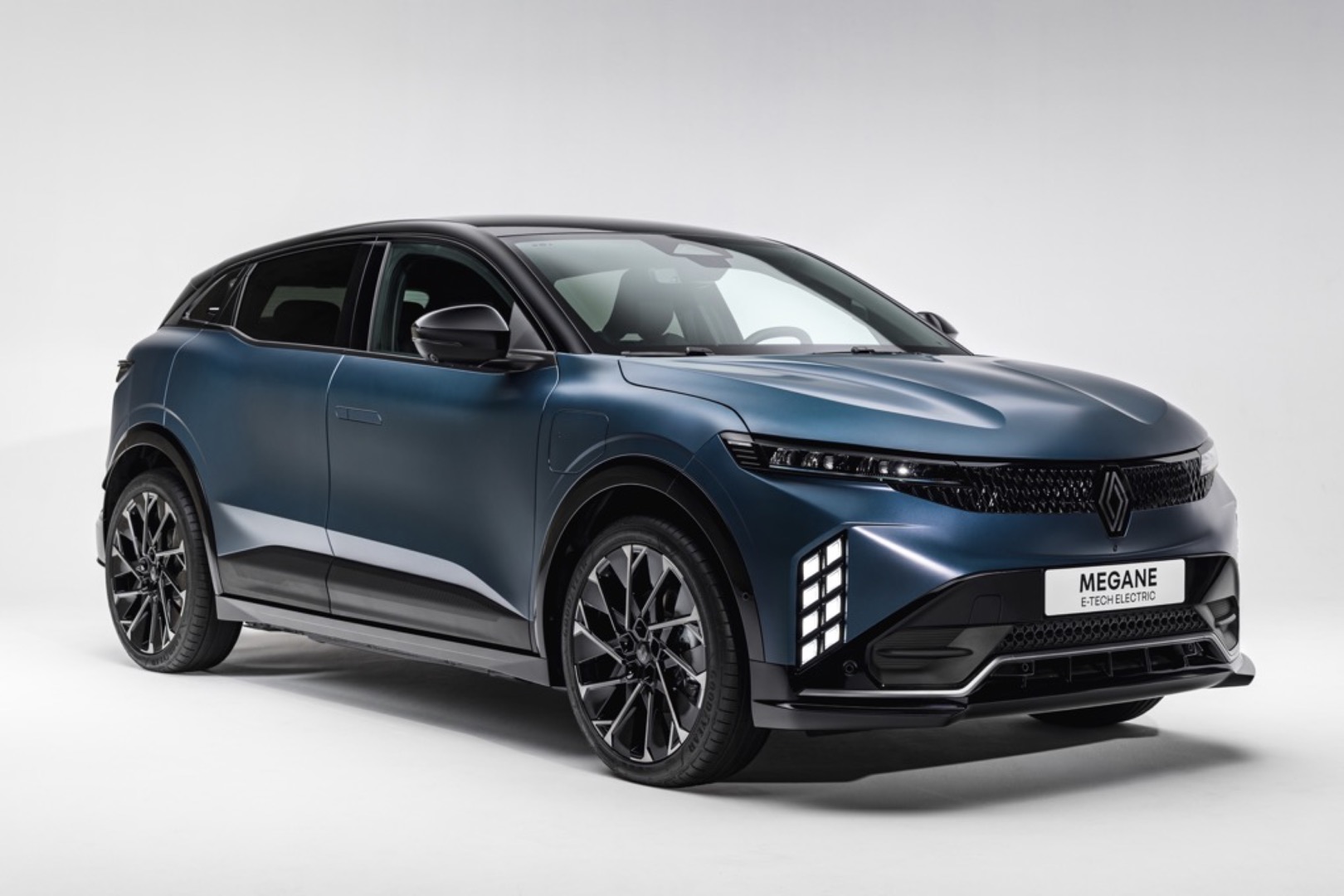



Introduction
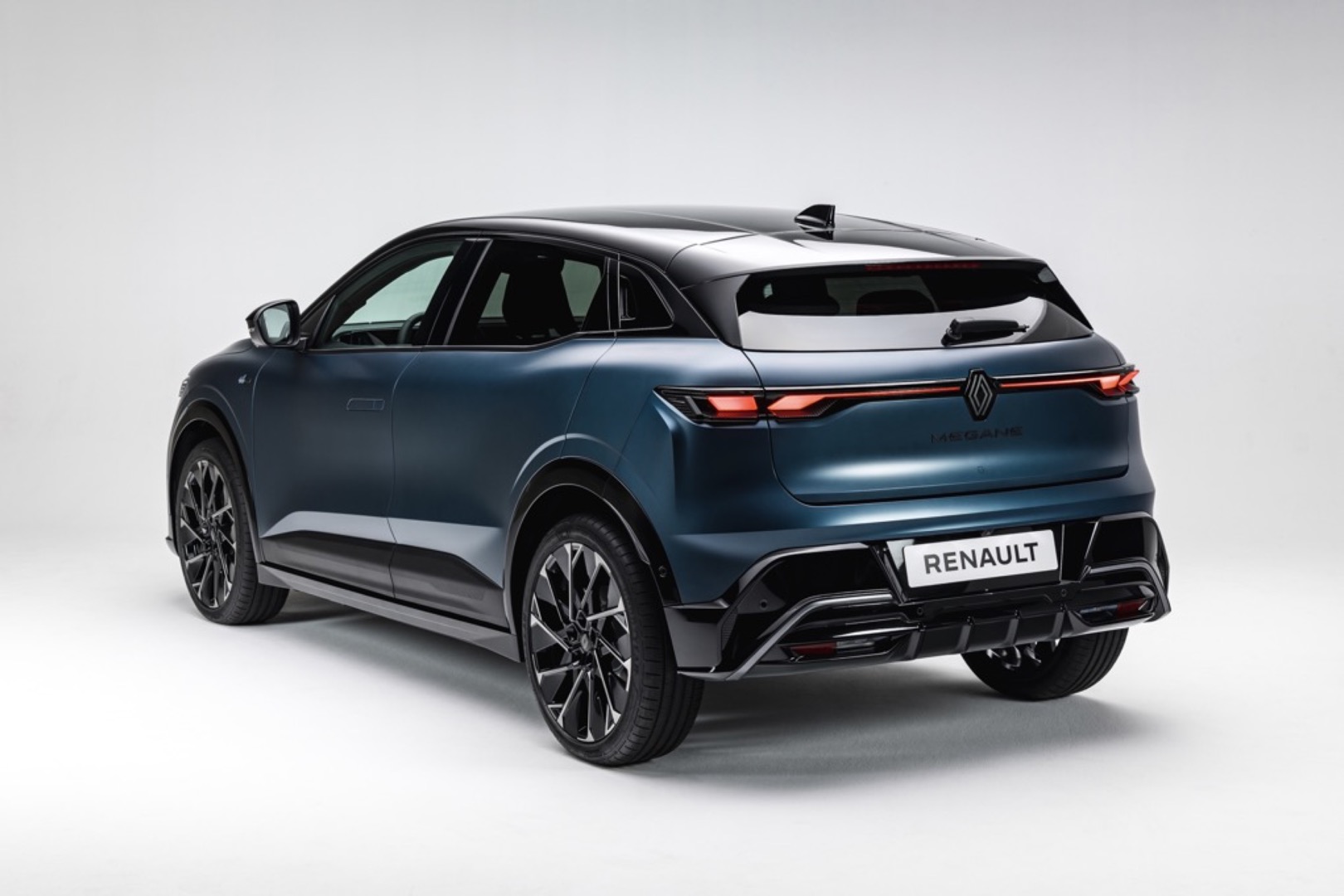
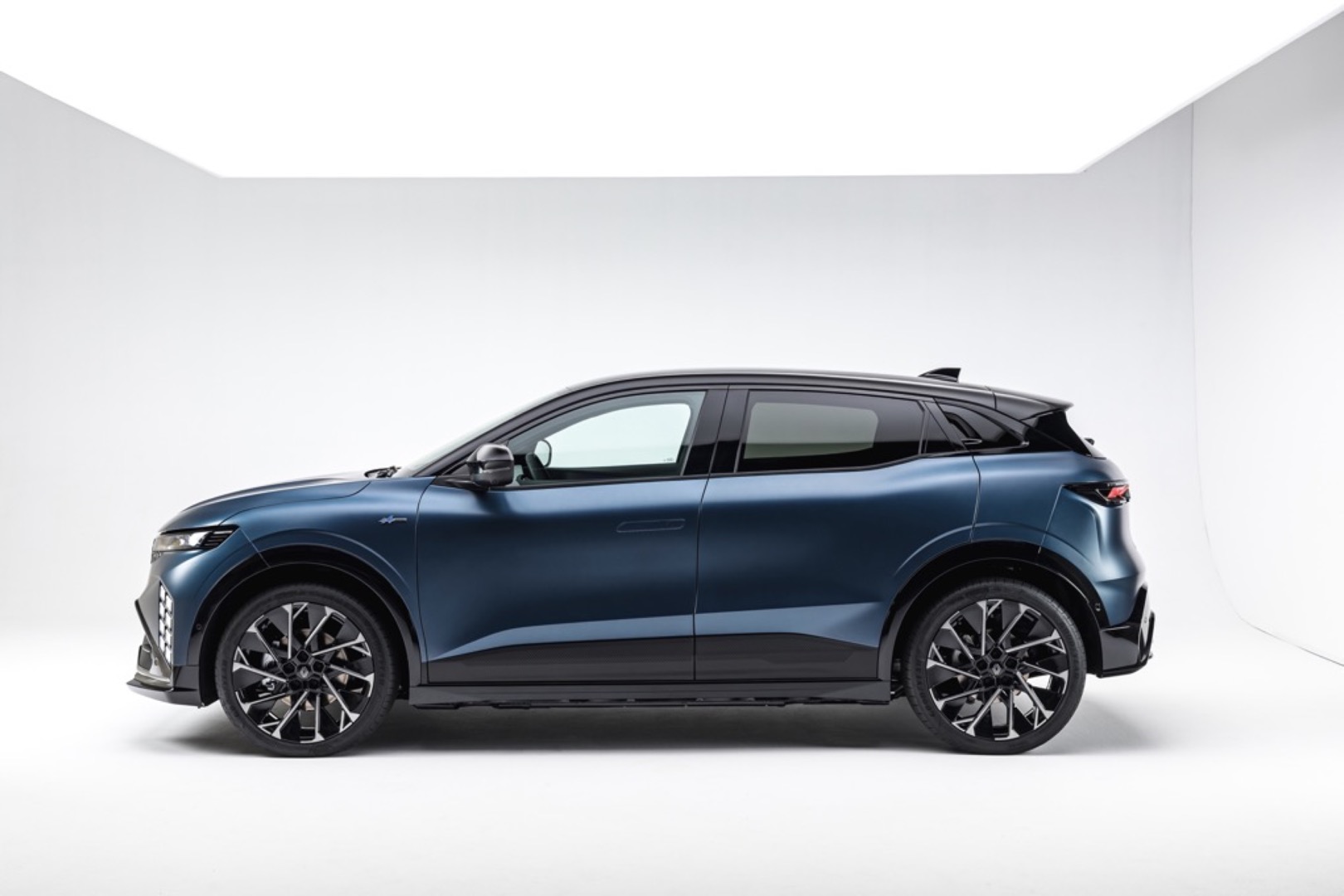
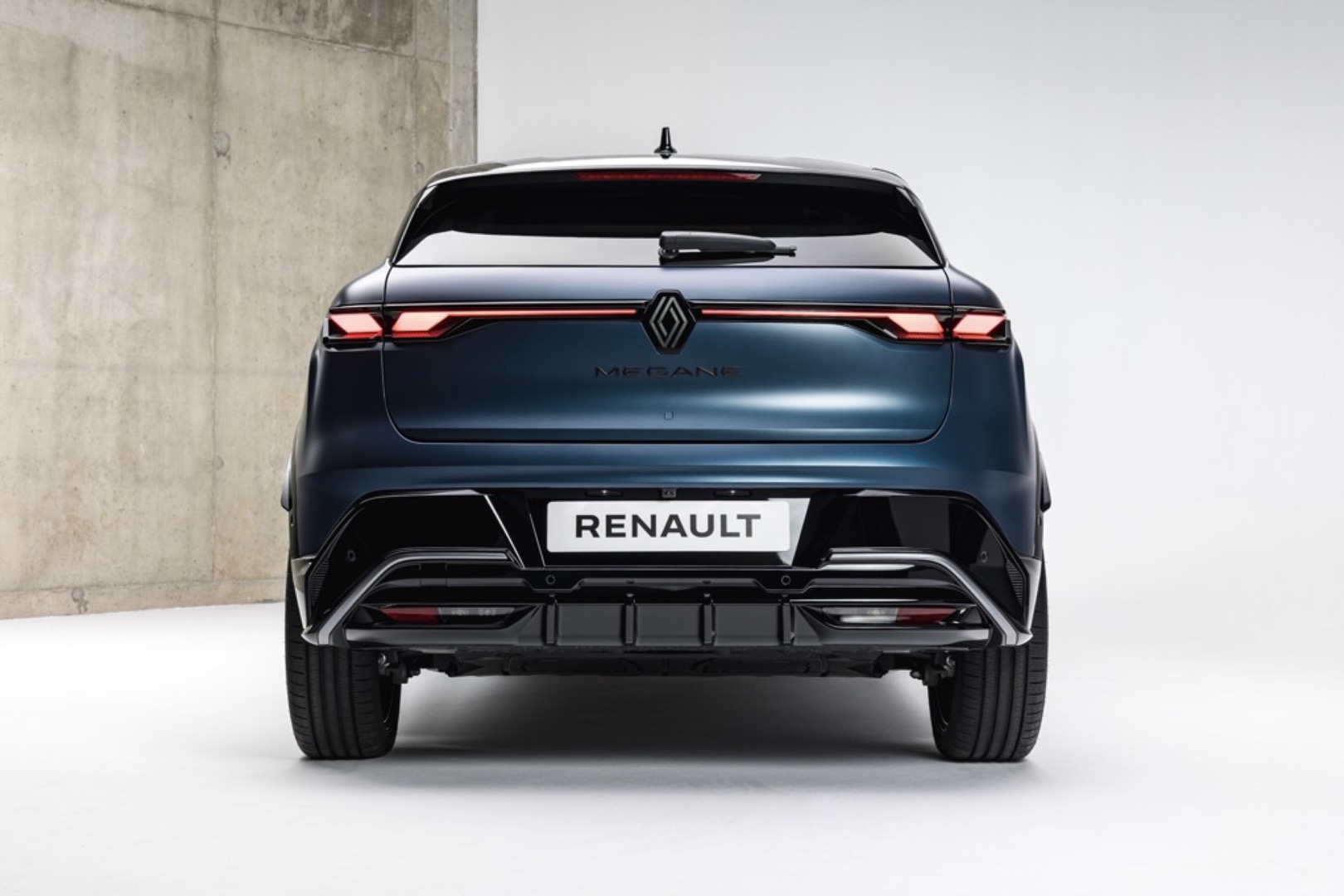
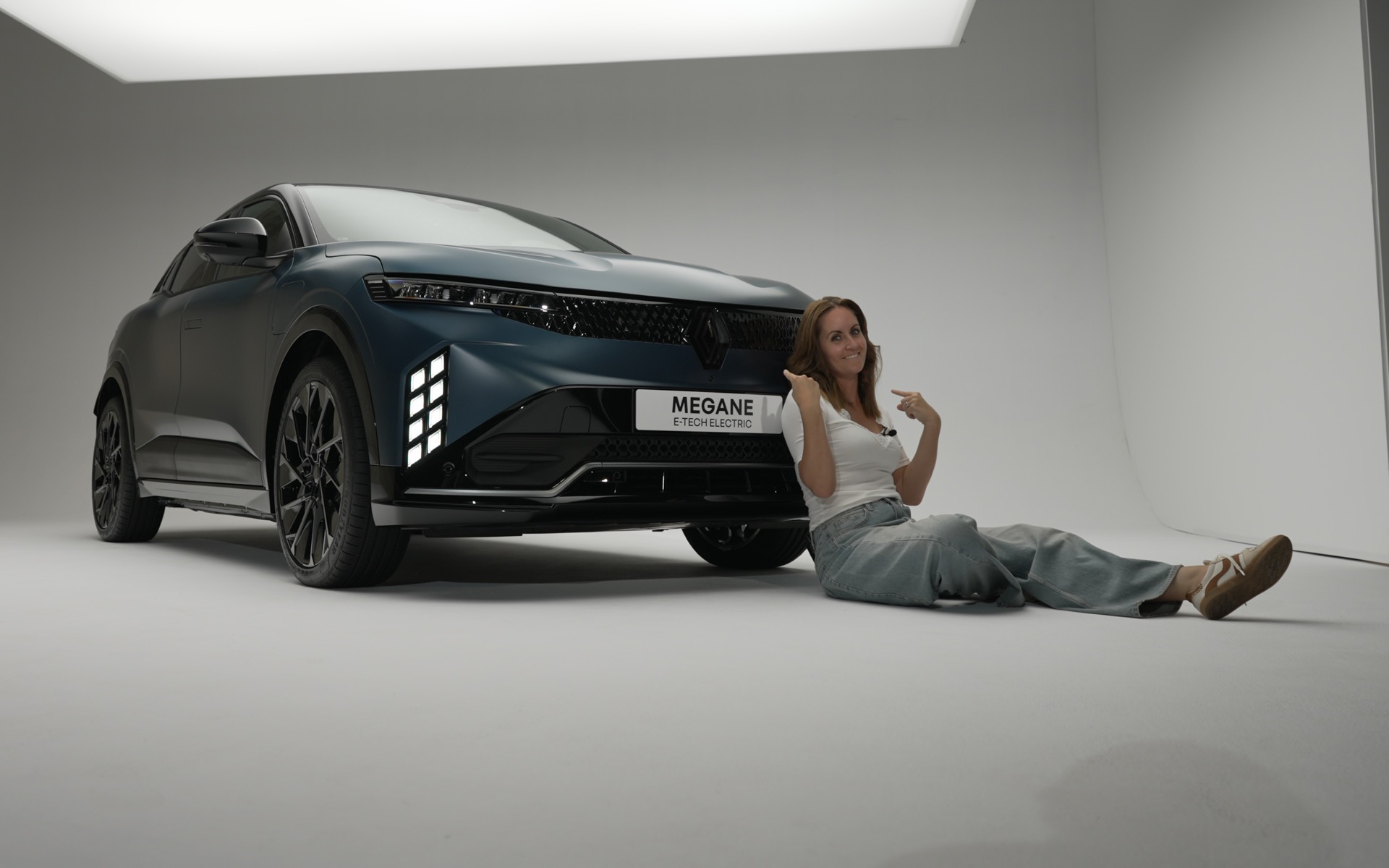
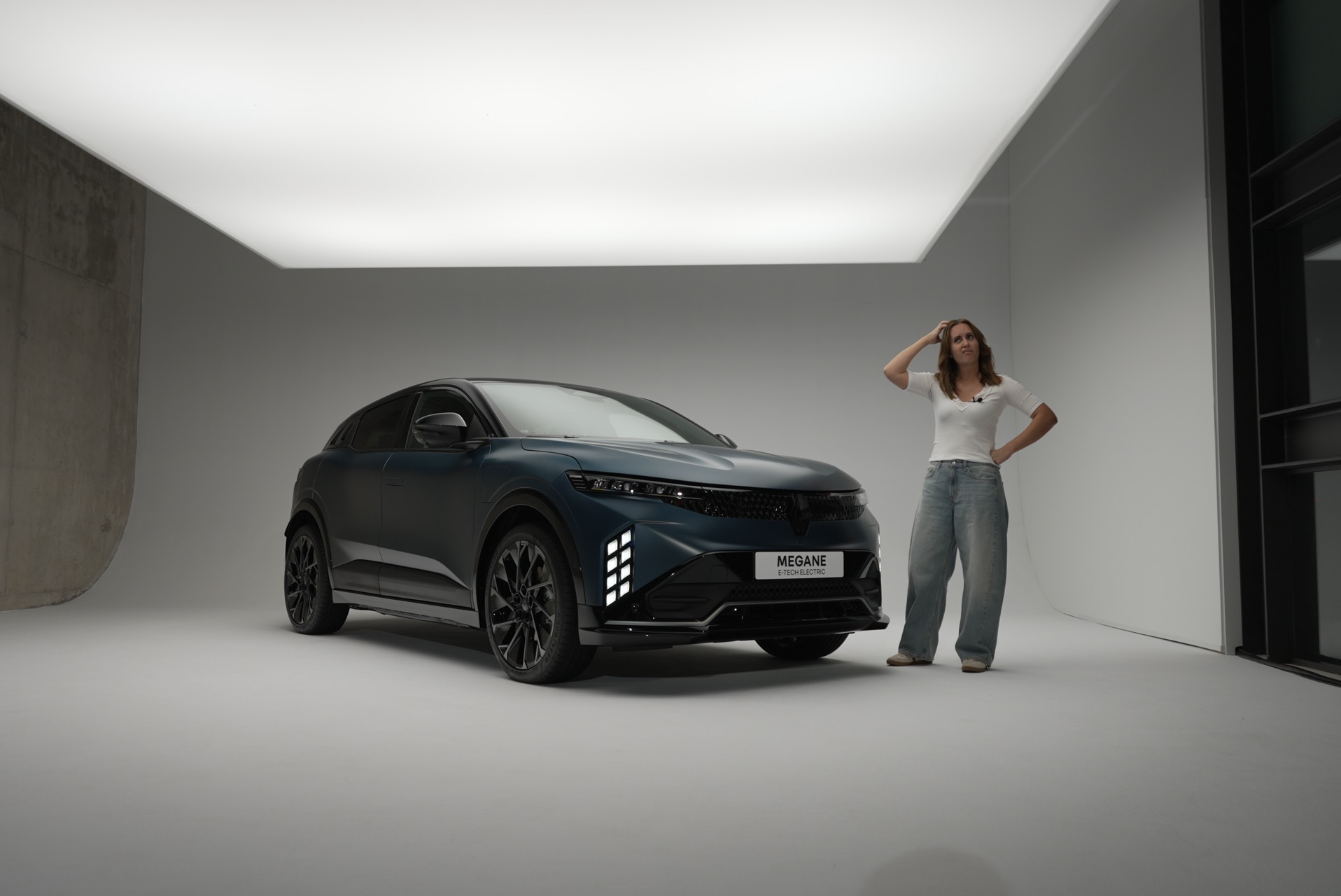
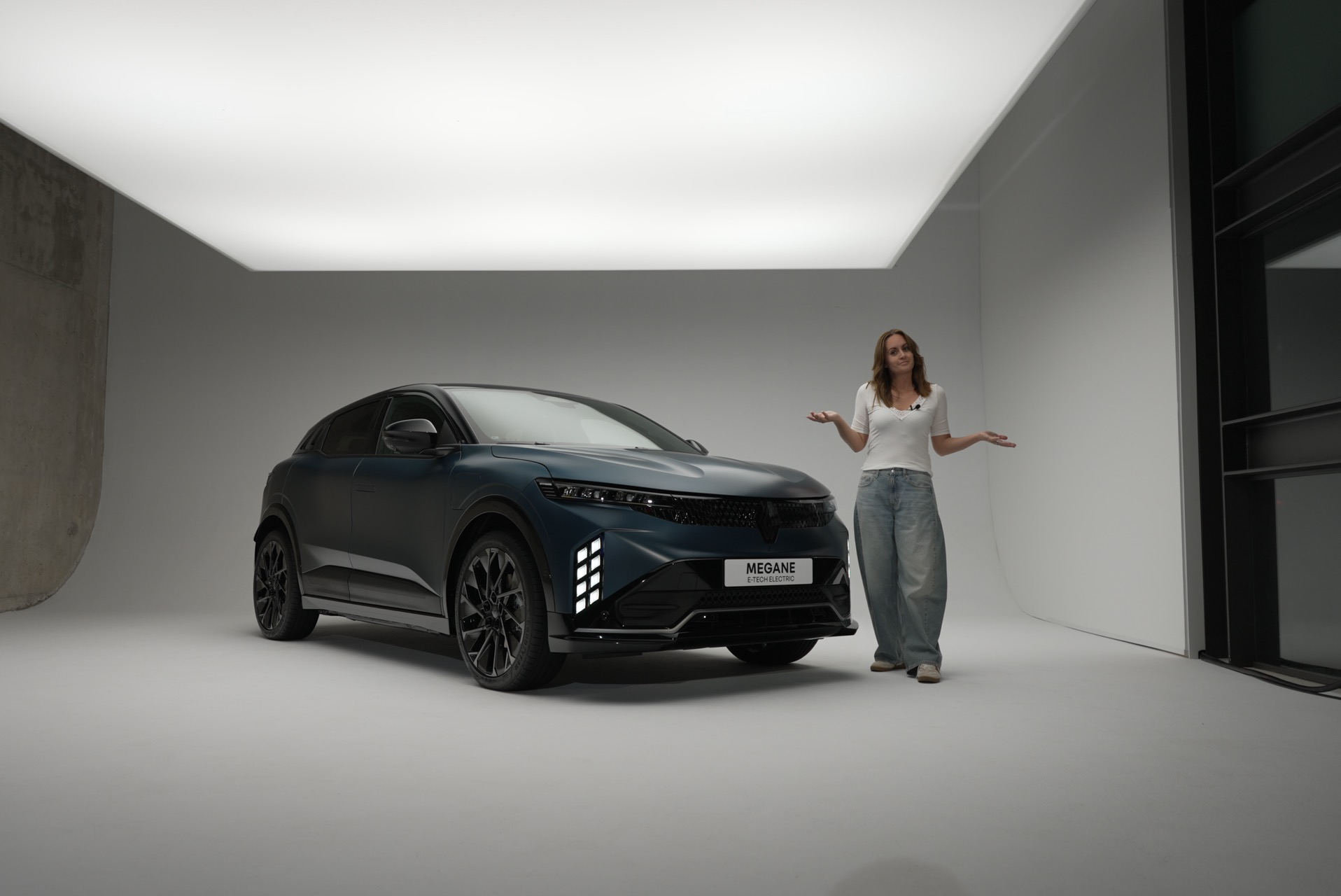
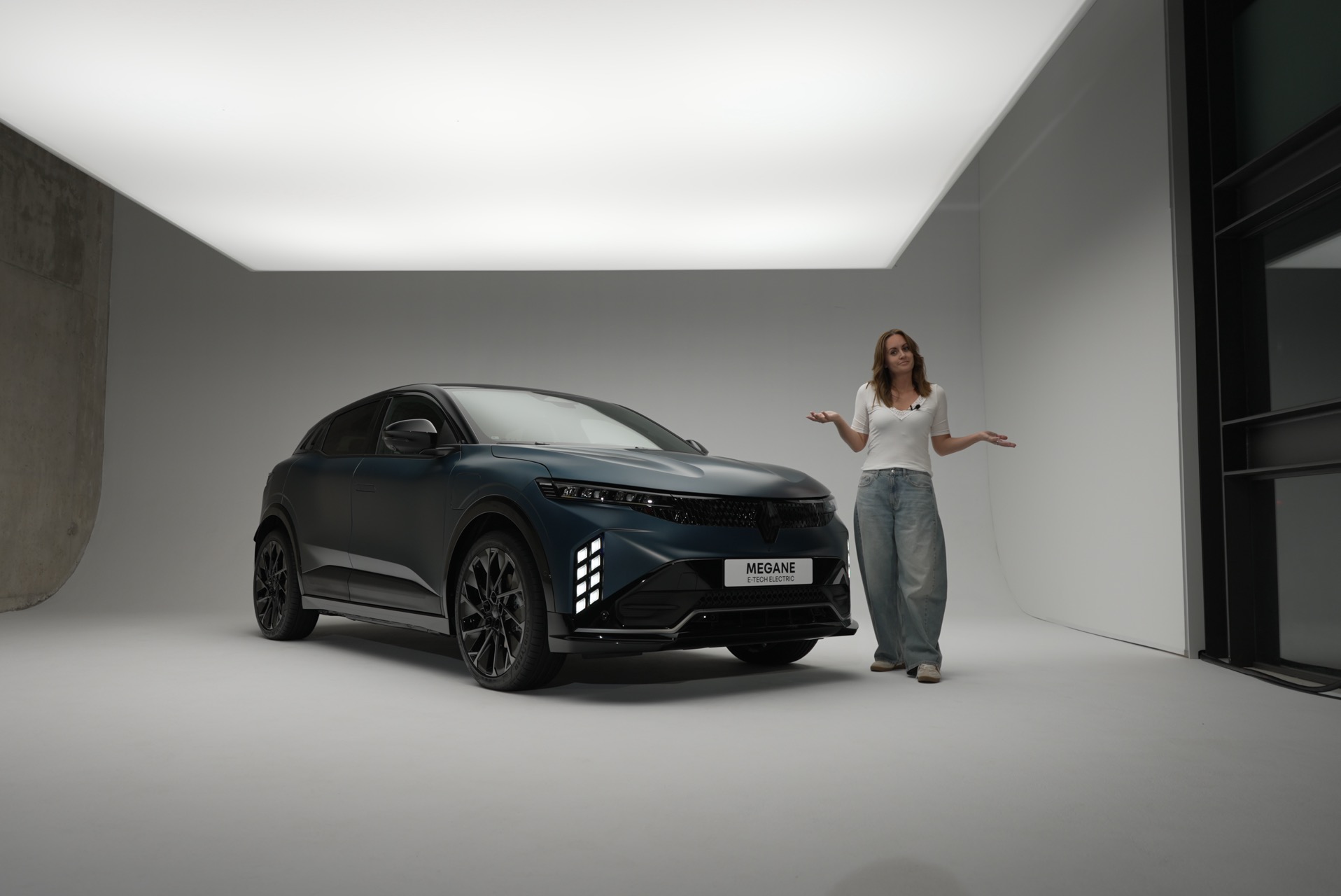
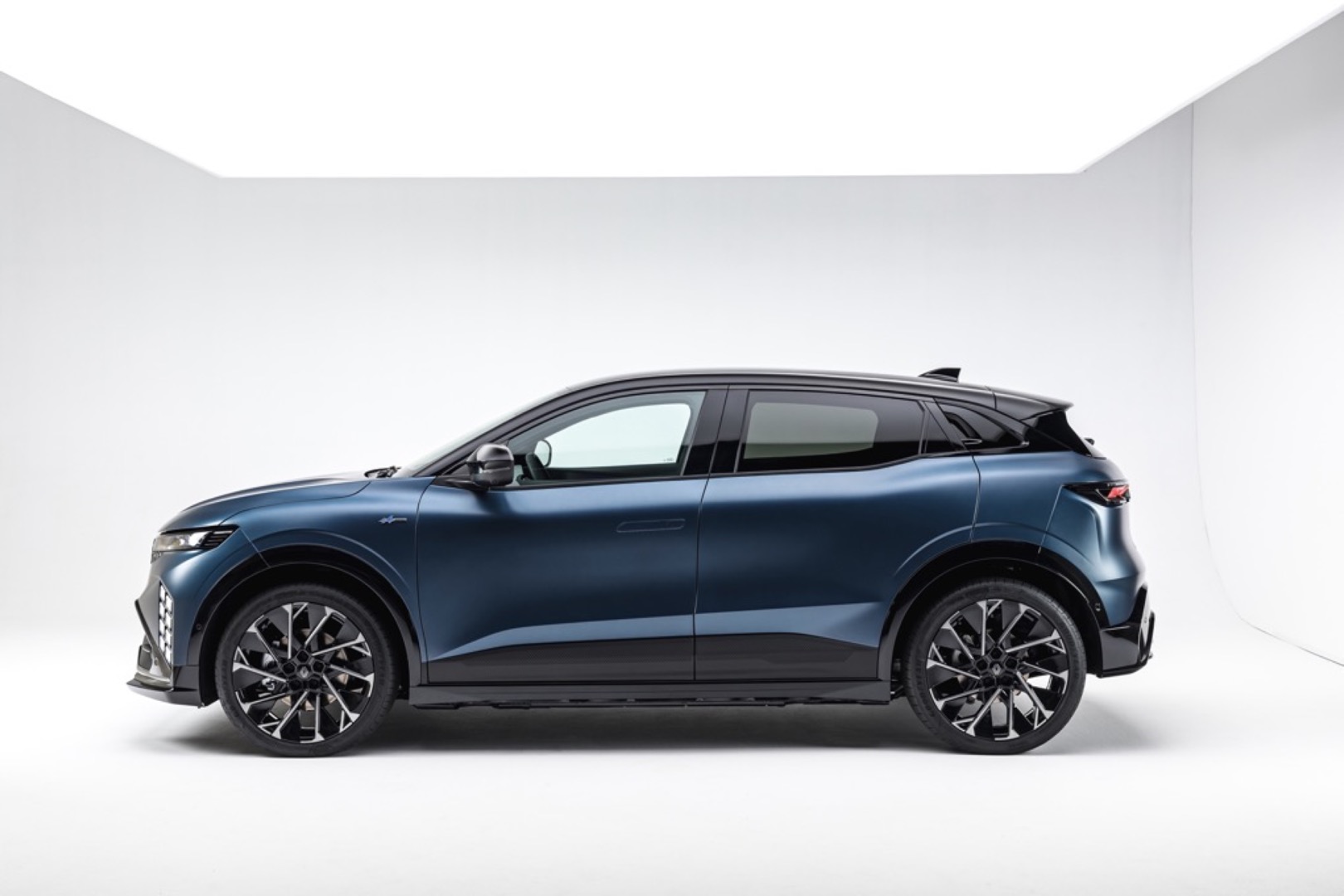
The original electric Megane was launched in 2022 so this update is overdue, but Renault has been busy. The dark blue colour of the car in the studio does it no favours, but it is different. For example, there's a new front end, which has been ‘deeply remodelled’ in Renault’s words. Apart from the headlights, everything is new, with a gloss black grille incorporating a diamond pattern, framing the new Renault logo.
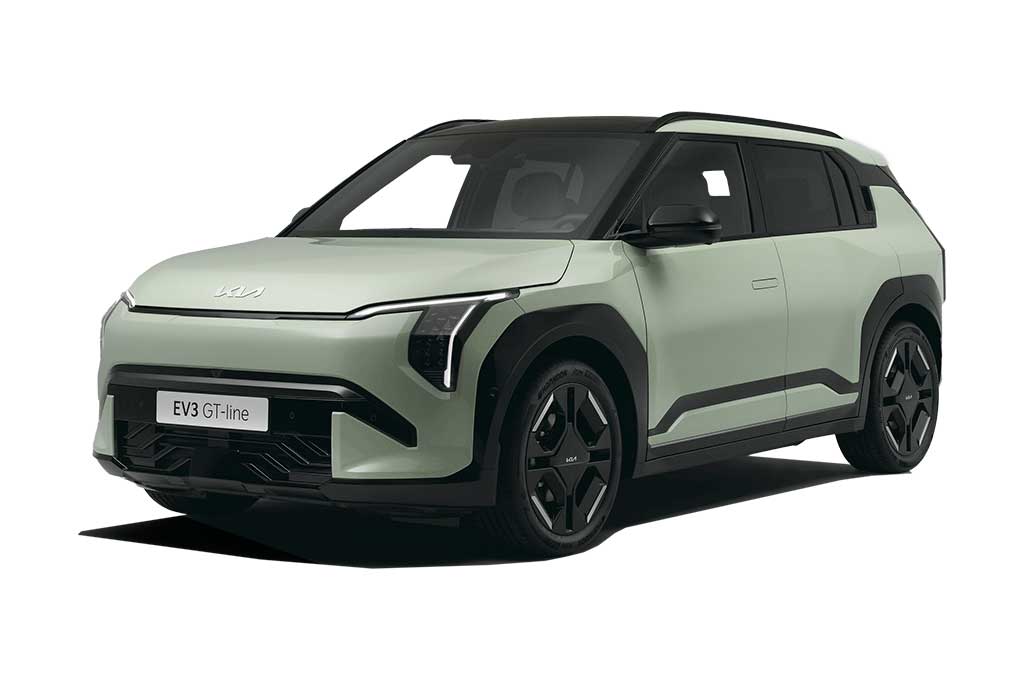
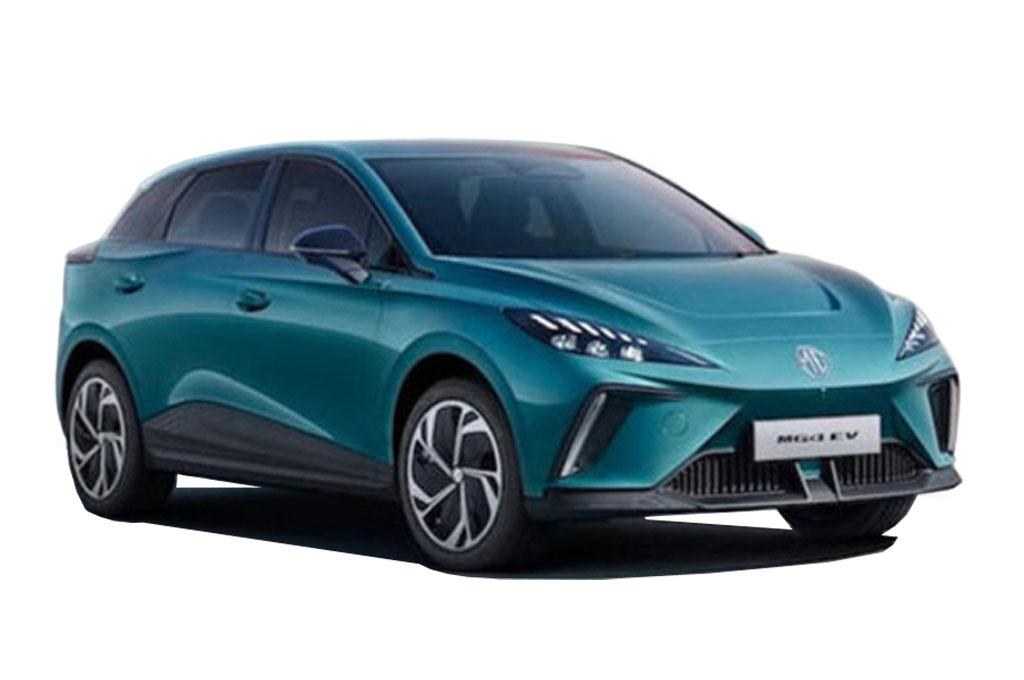
There’s also a new battery and motor, upgraded tech and chassis tweaks. There are a host of new rivals though, such as Kia’s EV3 and EV4, the Volkswagen ID.3 Neo, BYD Atto 3, Cupra Born, MG4, Volvo EX30…
Let’s take a close look.
Range, battery and charging
The big news is a new 67kWh LFP battery, which replaces the 60kWh NMC pack in the outgoing Megane. Besides the different (and hardier) chemistry, it also uses cell-to-pack tech, meaning that the battery shell is a structural part so actually helps to improve rigidity and strength of the car’s body. It also improves packaging efficiency so the battery takes up less space despite offering more range.
It’s interesting that Renault is using a bigger capacity LFP battery to replace NMC, and shows how energy density is improving on these packs, which have generally been used for shorter range, lower-priced cars.
Here it means the WLTP is 311 miles, up usefully from 280 miles previously. It helps that a more efficient heat pump and battery pre-conditioning are now included too.
This upgrade also improves charging performance, with the maximum DC fast-charging power increased to 165 kW - up 35 kW from the outgoing car. As a result, the battery charges from 15% to 80% in around 24 minutes.
If you plug in to AC, the usual 11kW charging is standard, with 22kW optional if you have access to commercial grade three phase points. Don’t forget that most buyers will use 7kW charging, as that’s the maximum you can usually charge at home in the UK.
Practicality and boot space
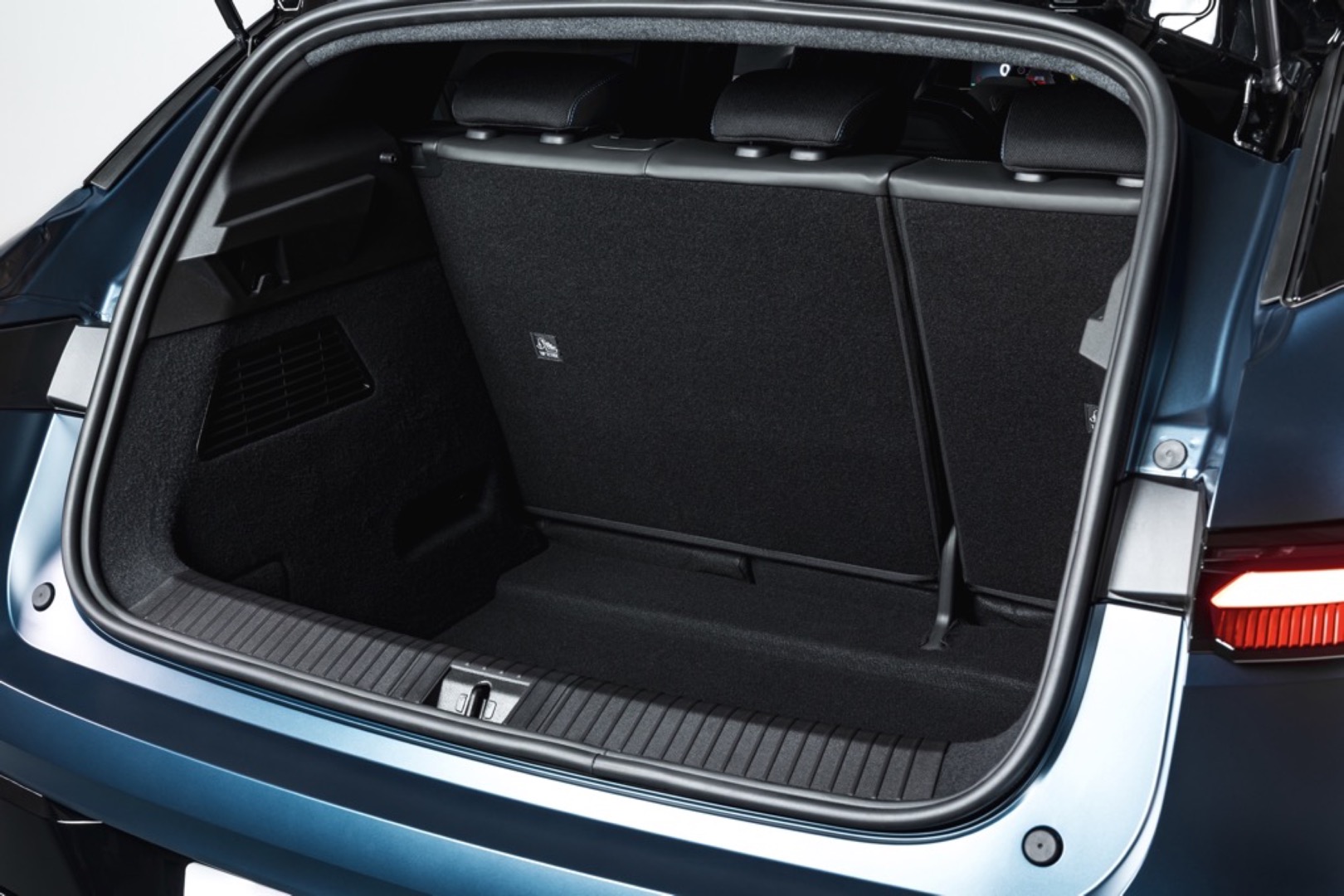
The Renault Megane is more than practical enough for the average family. There’s a decent amount of space up front, so that even tall drivers will be able to find a natural-feeling driving position. If you have long legs you might find the centre console bangs your knee though.
There’s plenty of space in the back seats, too. The flat floor means there’s plenty of legroom, and you can squeeze a third person in the middle – although there’ll be a fair bit of elbow-rubbing. The only downsides are that it does feel a bit dark in the back seats due to that tapering windowline and small rear window, and there’s no centre rear armrest.
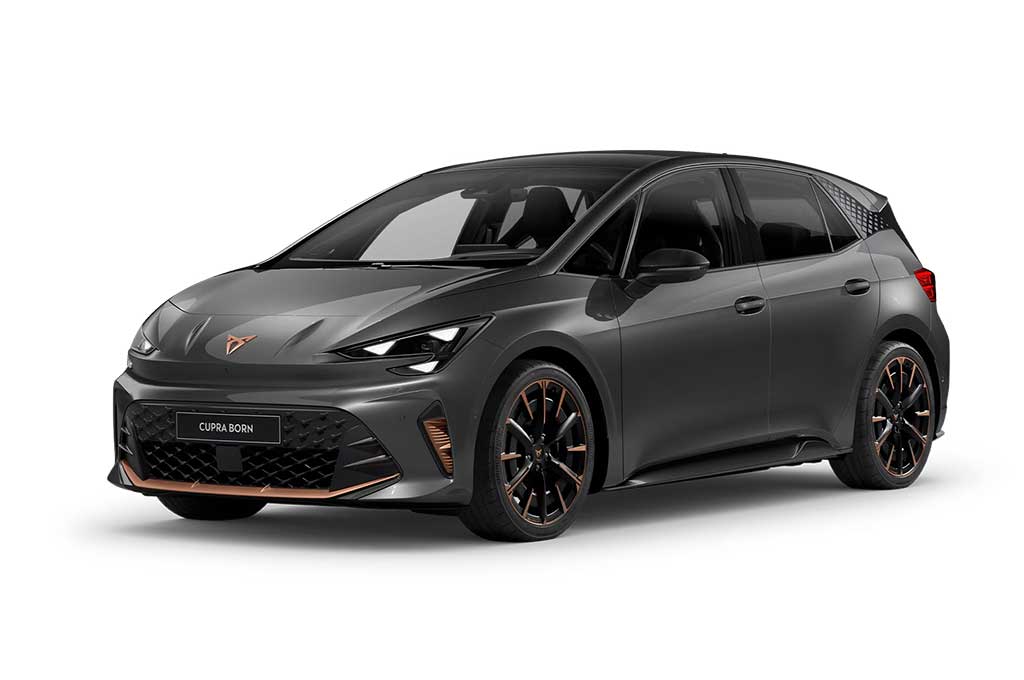
It’s better than the MG4 for rear passenger space and comfort, no doubt, but the VW ID.3 and Cupra Born feel airier - and have rear armrests.
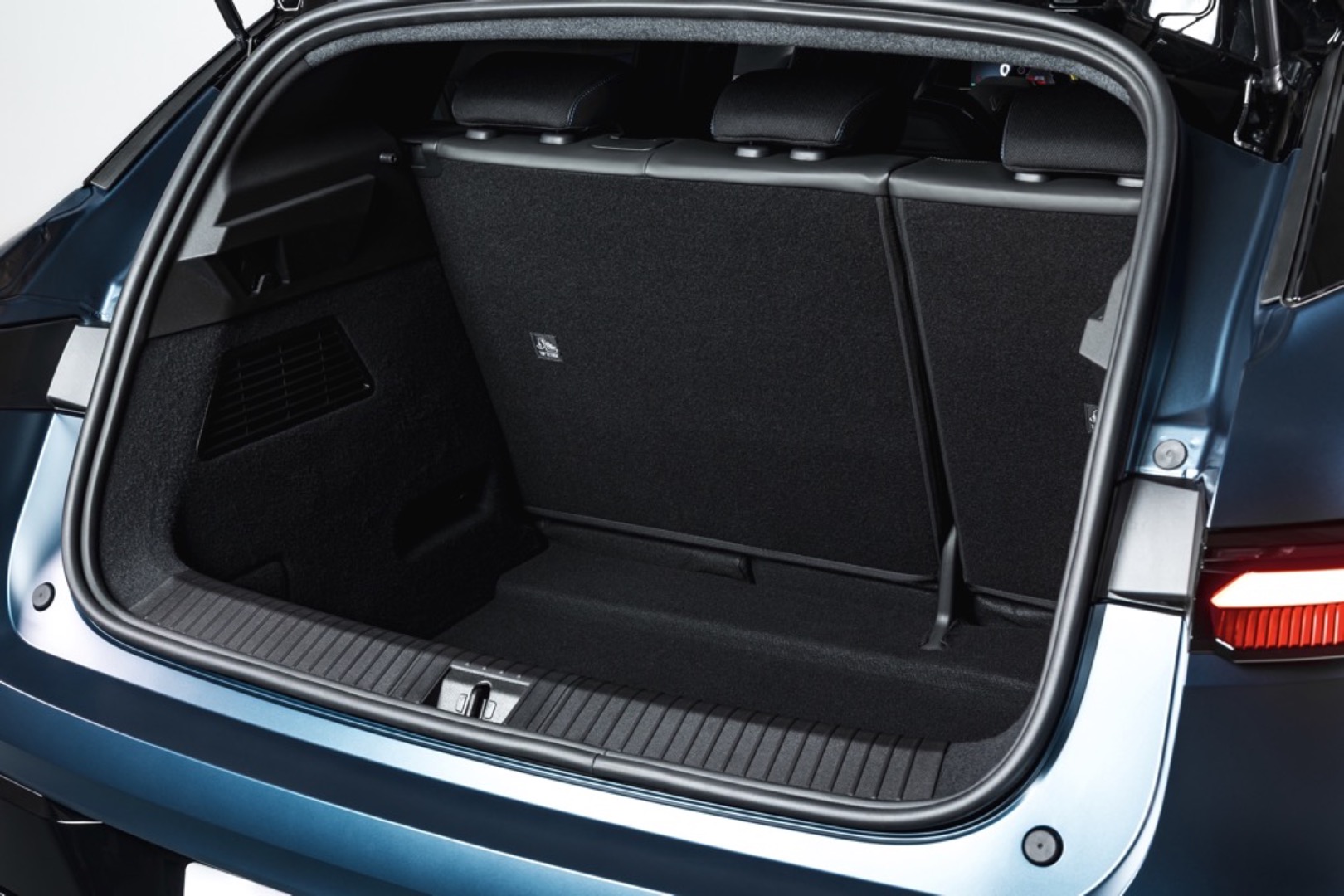
The boot is a decent 440 litres - that’s comfortably more than the likes of a Born or ID.3, but less than a Kia EV3 or even a Ford Puma. The space is deep - under a false floor of course - but the loading lip is high. That will be annoying if you have a heavy load or a dog. Or a heavy dog, perhaps.
Interior, styling and technology
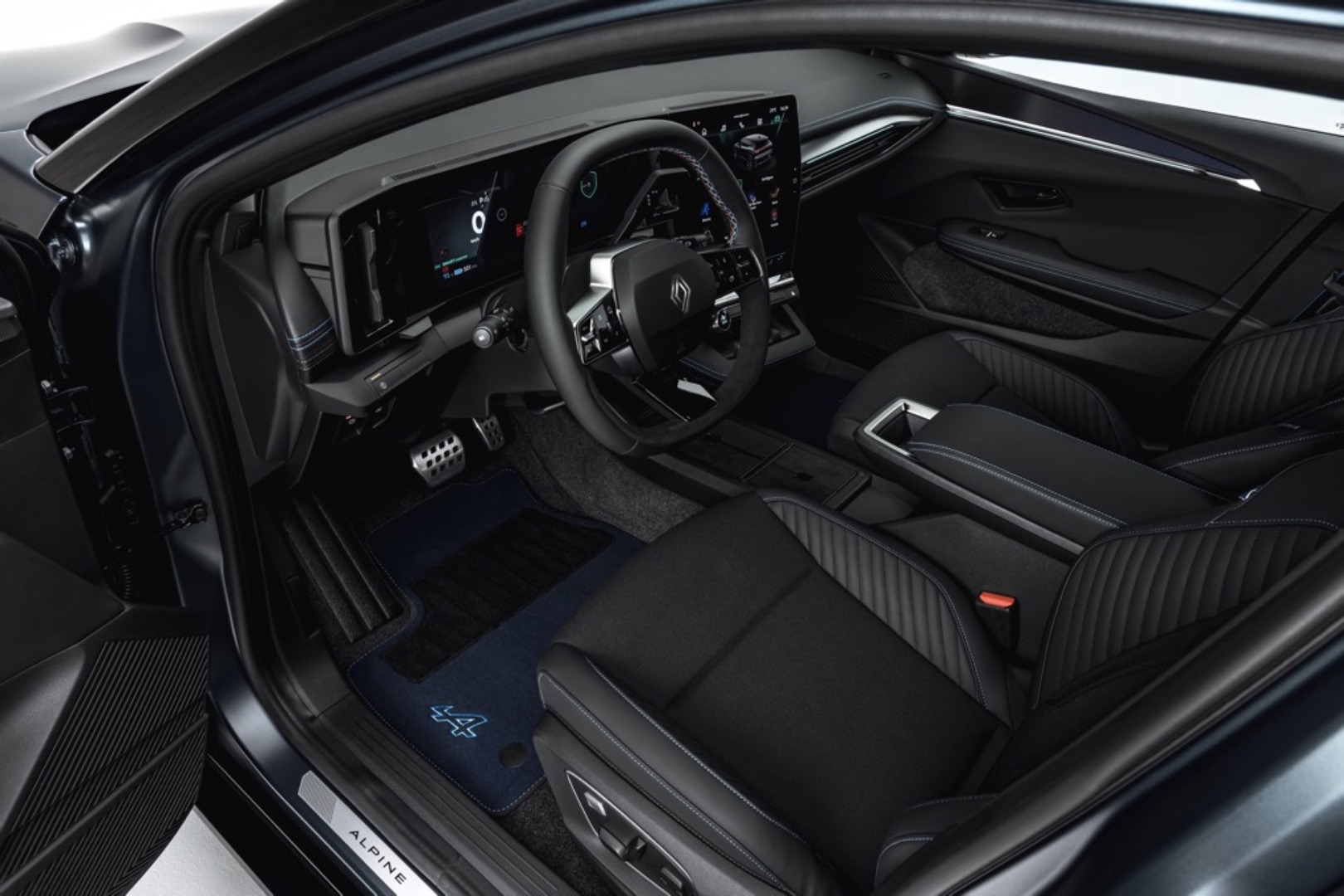
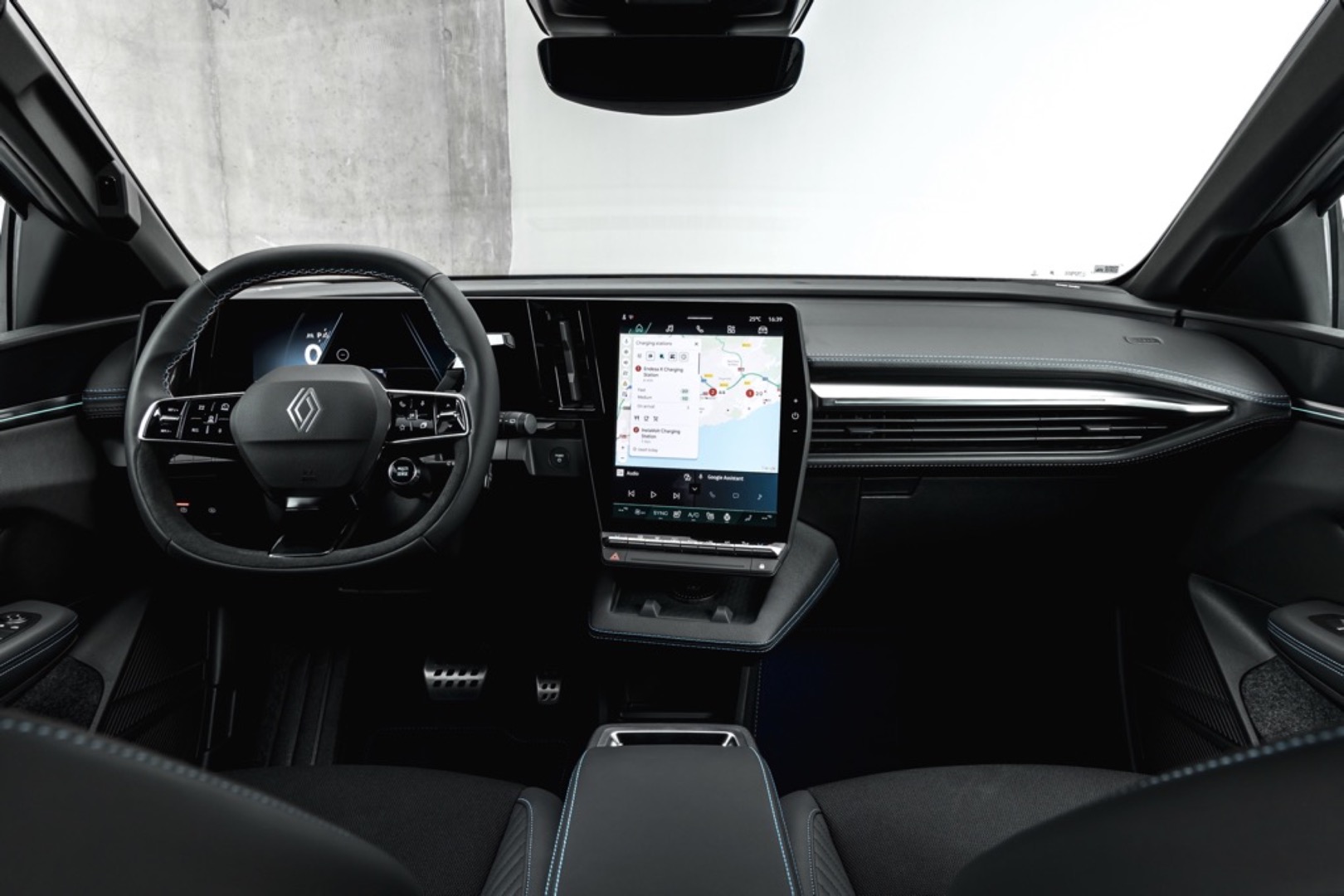
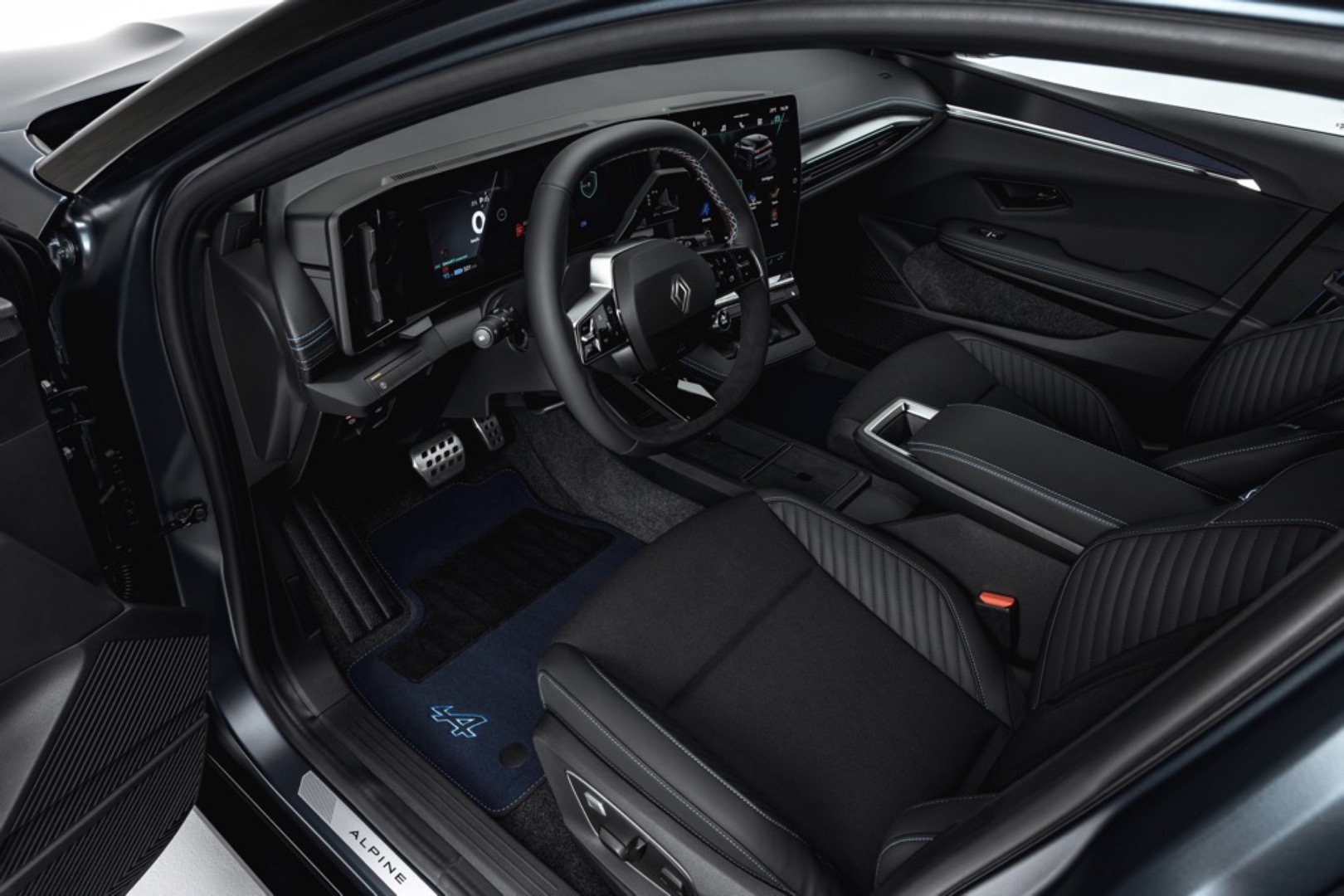
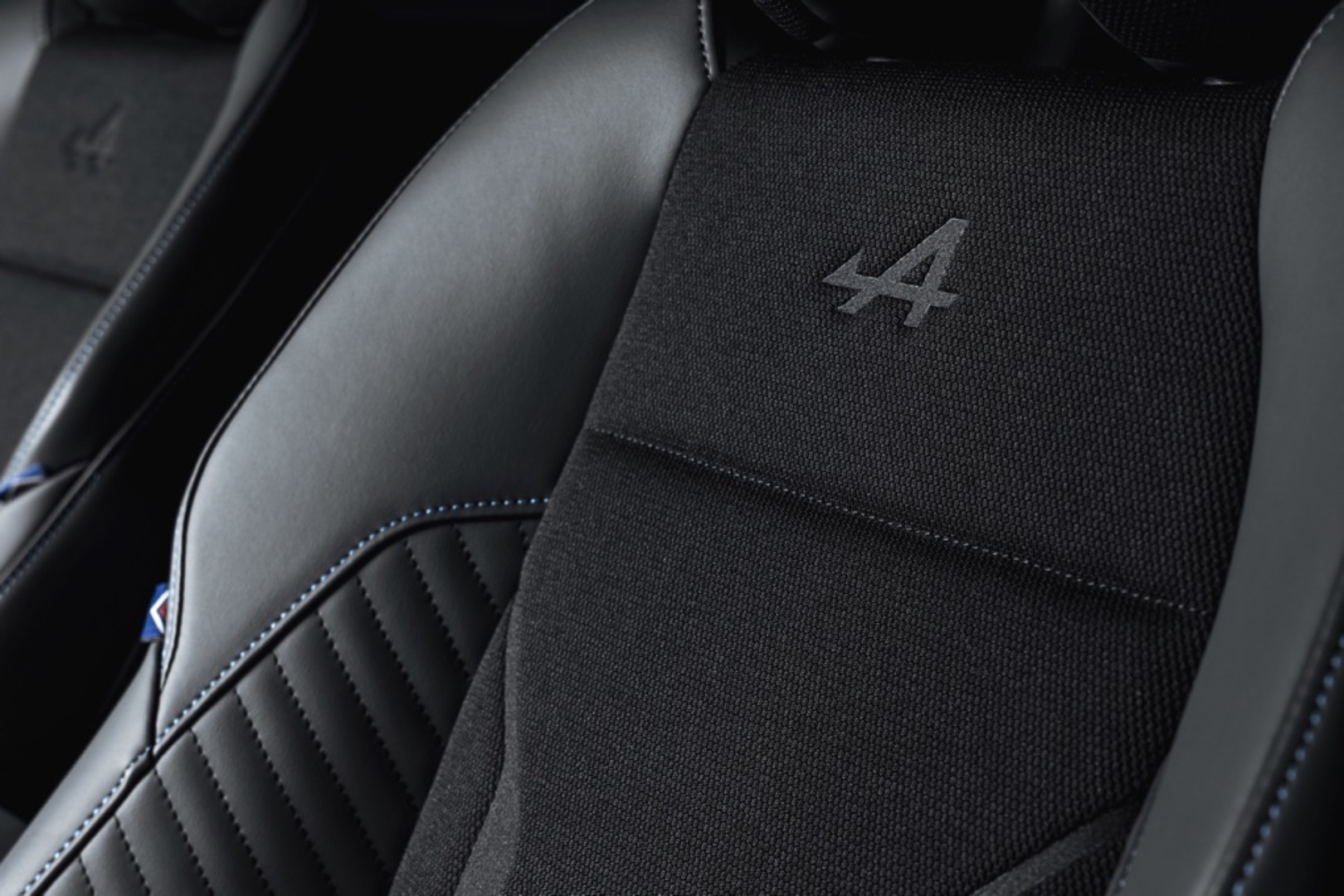
The Megane has plenty of nicely textured materials and gloss finishes to make it look interesting and classy. Not much has changed from the old car, but the Esprit Alpine trim level gets new door panel trim in spectral grey and customisable LED ambient lighting.
There is still the excellent Google infotainment system in both the available trims, and at last UK customers will get the same 12-inch screen as left-hand-drive markets on all versions.
I’m also a big fan of the blend of physical buttons and touchscreen use in the Renault models - including the Megane. It’s had 60 software updates since launch, and now gets Google Gemini, for natural, conversational AI voice commands.
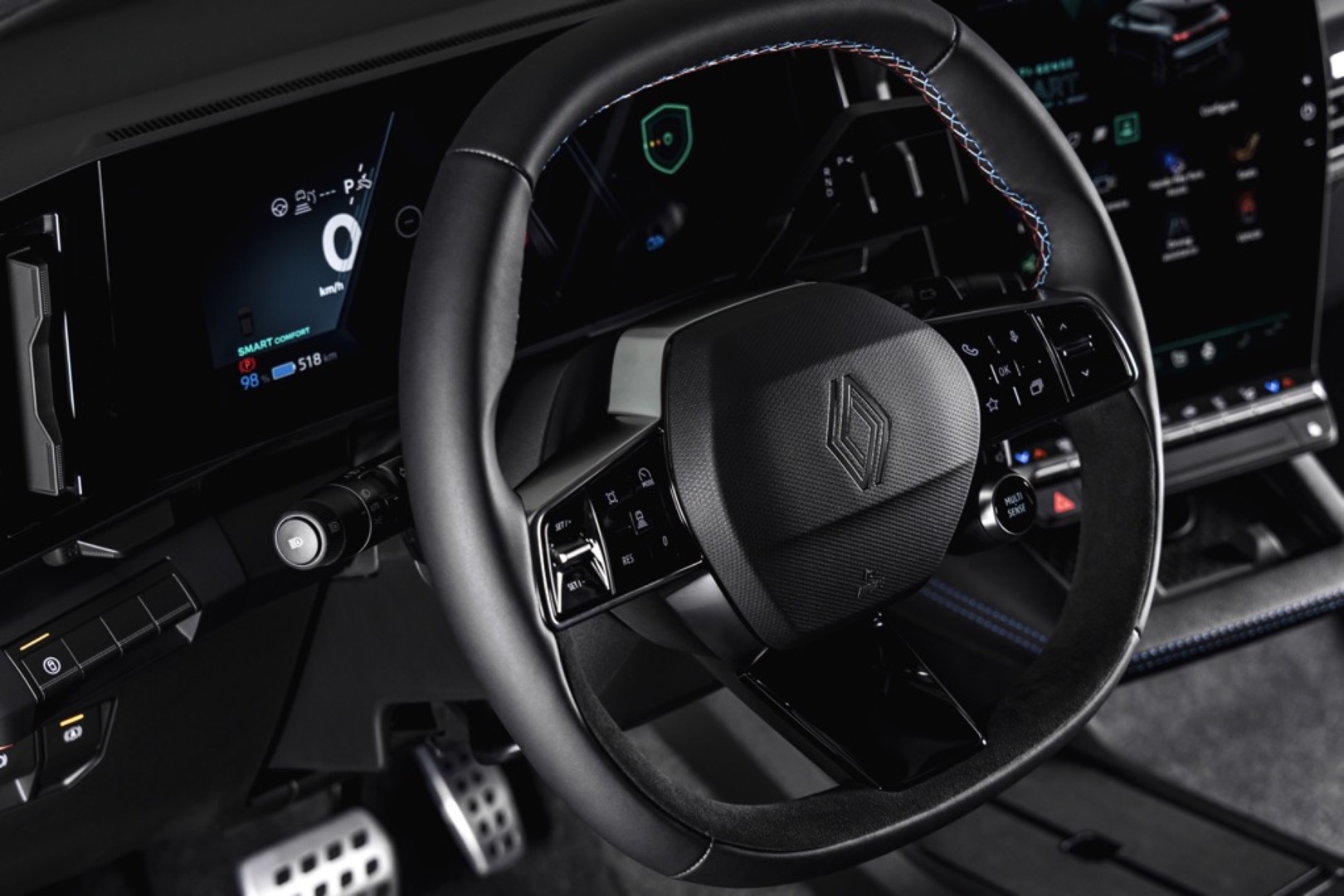
From the driver’s seat it is a bit confusing that you have three big stalks on the side of the steering column, to control the lights and indicators, adaptive cruise control and audio. It’s very easy to get the wrong stalk.
For the first time, Vehicle-to-Load is an option too, with an optional plug which slots into the charge port.
Motors and performance
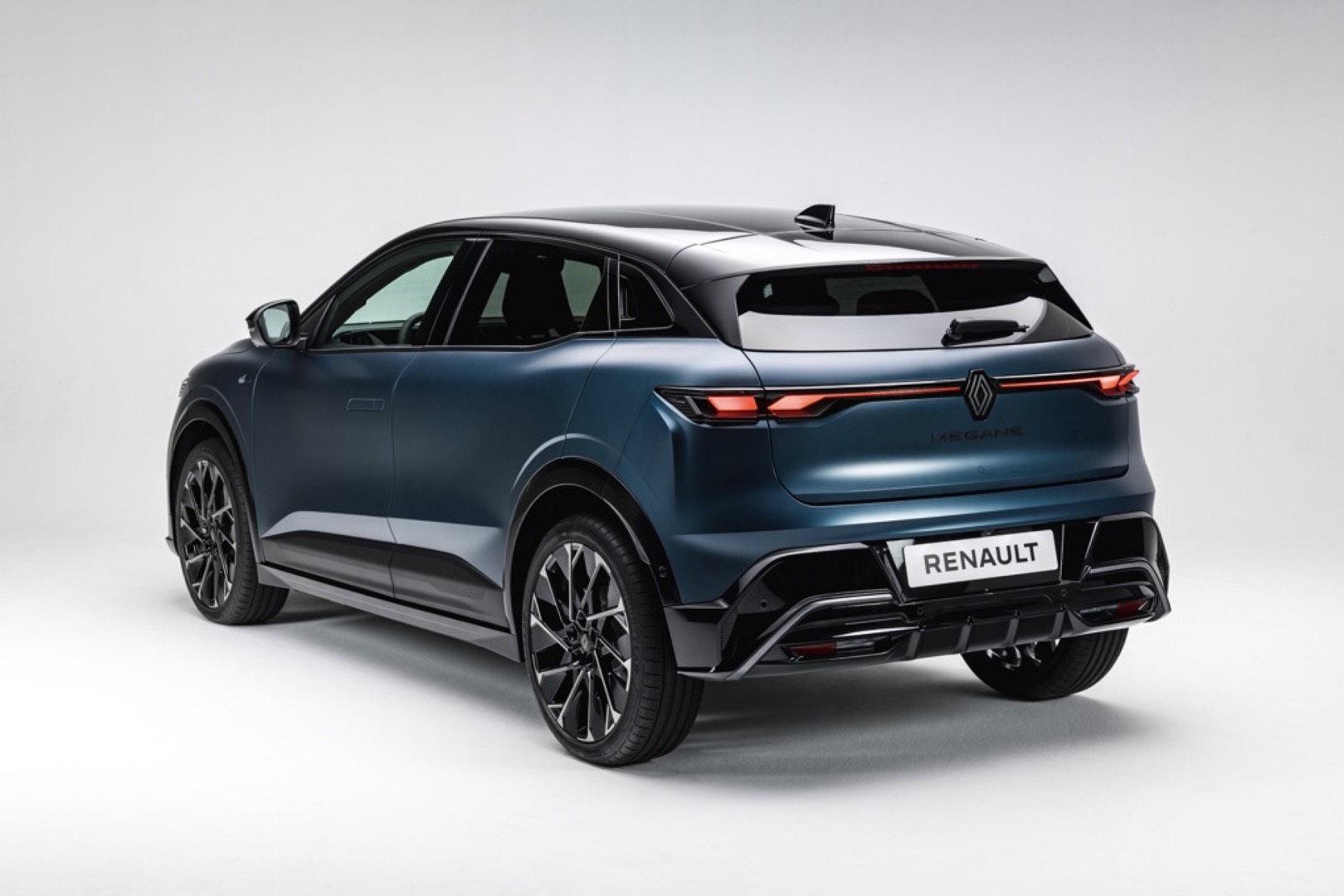
I’ve not yet driven this new car, but the old version was impressive and this promises to be even better. It gets a new electric motor (built in France) with 220hp, up from the 215hp of the old car. It is still front wheel drive, unlike some rivals.
It now gets a one-pedal mode with four variable levels of regen on steering wheel paddles.
The springs and dampers have also been tweaked, and the steering retuned to account for changes in weight and rigidity with the new cell-to-pack battery.
Pricing and on sale date
We don’t have finalised pricing for the UK, yet, but the Renault Megane is going to have to be good value given the proliferation of rivals it’s up against, including great options from lots of new rivals, including Geely, Jaecoo, Omoda and more. We reckon that it’ll cost around £33,000 before the UK plug-in car grant. And it is very likely to get the £1,500 grant at the least deducted from those prices, making it seriously competitive. Even so, it’ll all come down to the PCP and leasing monthly figures, won’t it? So, we’ll just have to wait and see.
As for warranty? Renault offers a three year, 100,000 mile warranty on the car, while the battery is covered for eight years and 100,000 miles. That’s the same length of time but more miles than you get with a VW or Volvo, but when you think there are usefully longer warranties with Kia, Hyundai, Cupra, MG, BYD, Geely, Toyota… Yeah, even with that higher mileage limit, Renault’s warranty feels a bit underwhelming, these days.
Verdict
Does the Megane now have enough to make sure it gets noticed? It has always been a great all-rounder; stylish enough to be desirable, practical enough to be easy to live with, and great fun to drive. Hopefully the new battery will mean the real-world range is better too. My only reservation is that it still feels dated next to newer rivals and lacks the ‘must have one’ factor of Renault’s small EVs. That means it will have to be great value to stand out.

.jpg?width=300&height=185)
 7
7