





 Battery size: 74 - 94 kWh
 Miles per kWh: 3.5 (est)
 E-Rating™: B
 Max charge rate: 400 kW
 Range: 288 - 366 miles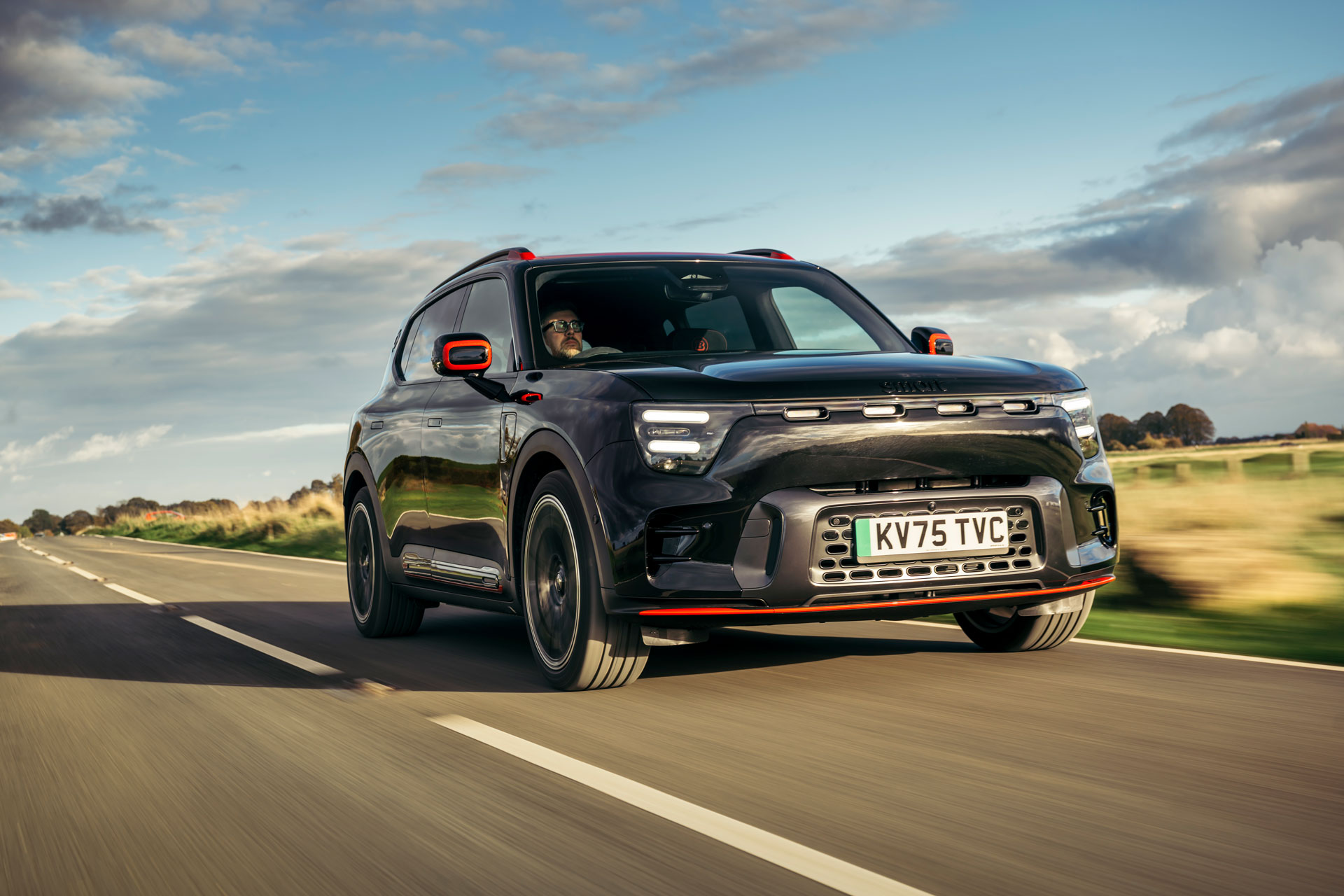





Smart #5 - introduction
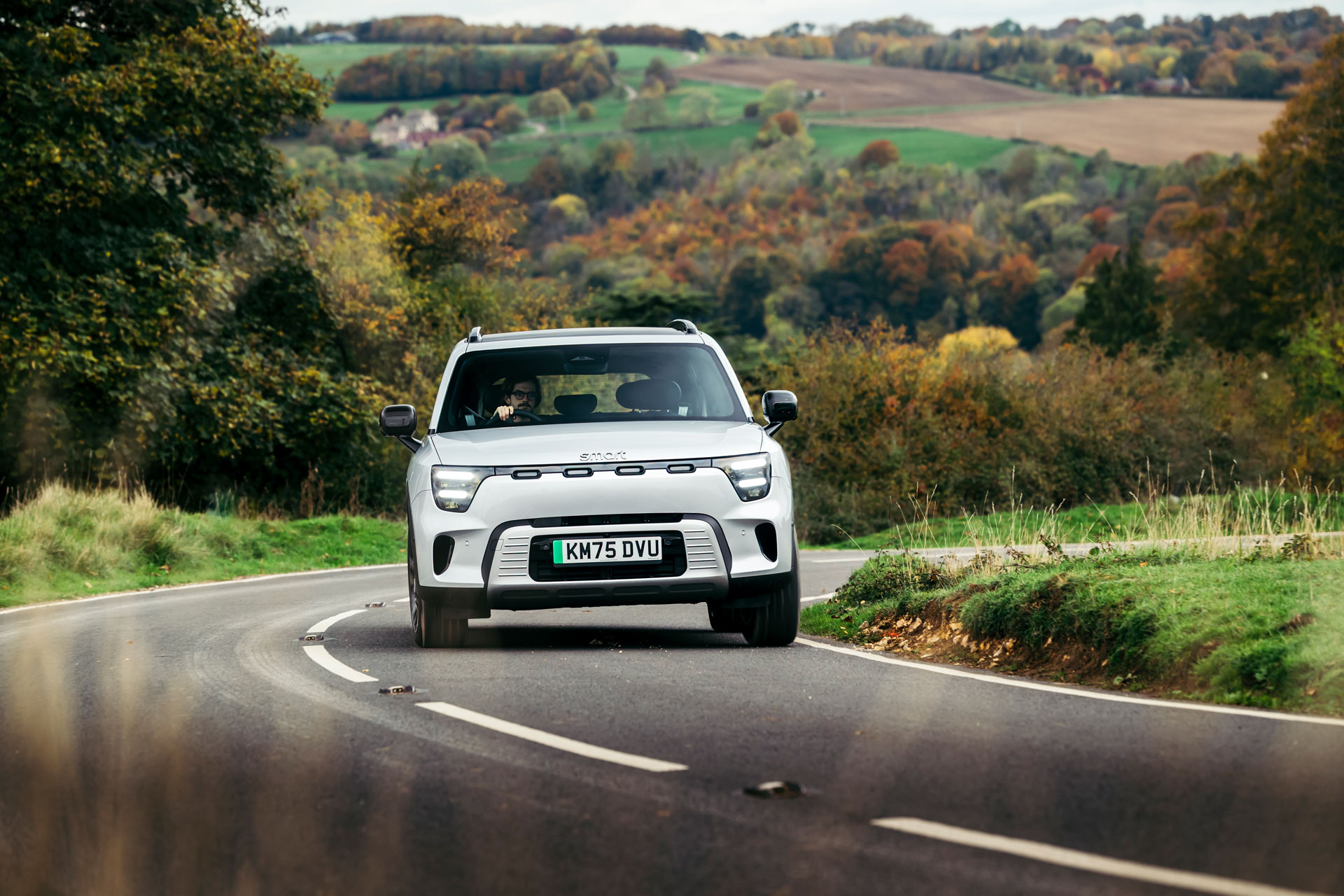
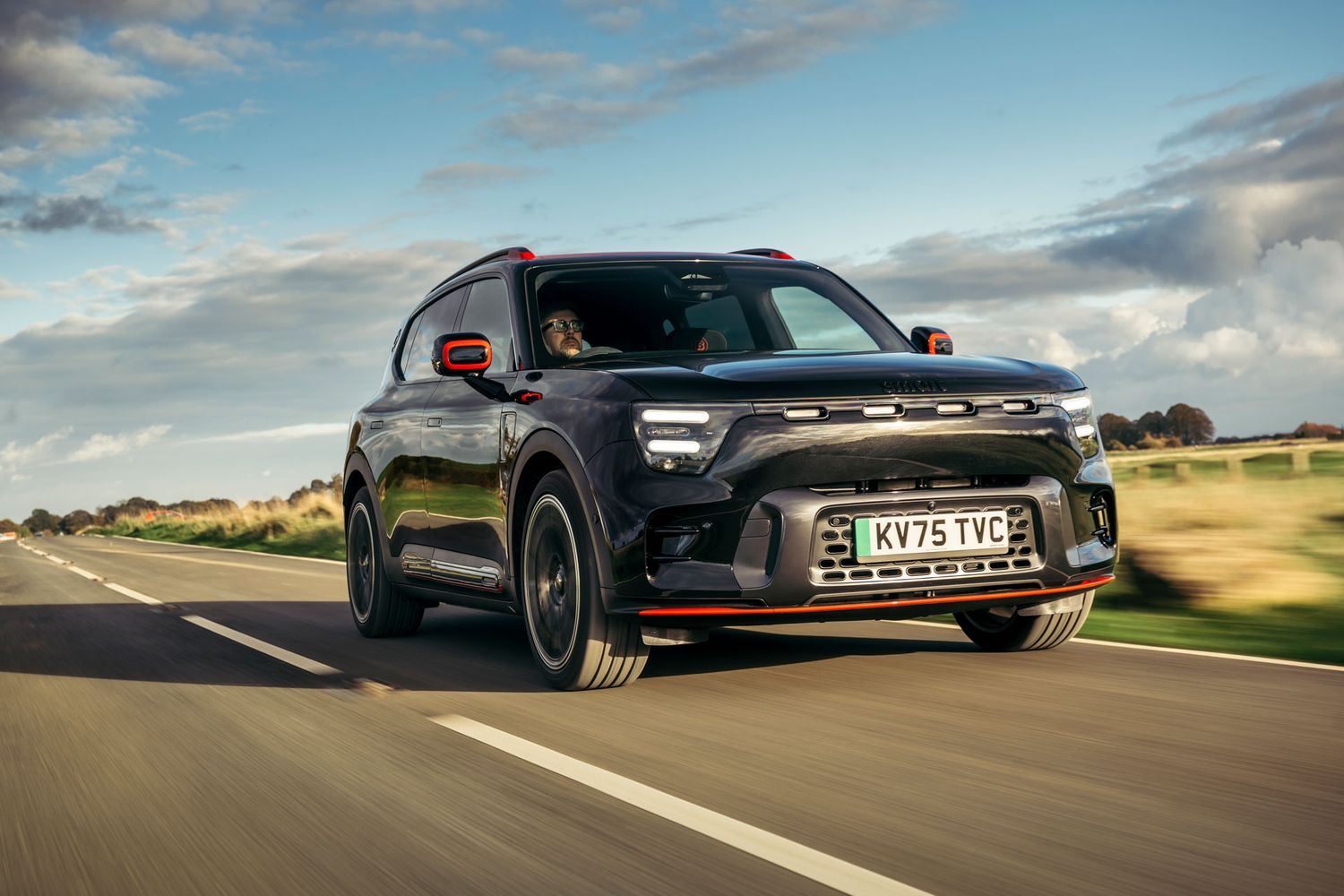
The #5 arrives with big ambitions: to lure families from cars like the Tesla Model Y. It aims to attract buyers who want something fresher, and convince Europe that Smart has grown up without losing its identity. The big question is whether the #5 is genuinely good, or whether Smart has simply upsized itself into generic territory.
Battery, range and charging
Smart has done its homework here. UK models start with a 74kWh (usable) LFP battery, with a 94kWh pack (usable) for those who need a little more range reassurance. The smaller battery’s 280-mile WLTP range is okay but the 366-mile figure quoted for the bigger pack is properly competitive and should make the #5 a viable long-distance family car.
Charging speeds are where Smart pulls clear of rivals like the Tesla Model Y, Polestar 4 and even the Hyundai IONIQ 9 and Kia EV9. The 800-volt architecture, which features on all models with the larger 100kWh battery, lets the car gulp electrons astonishingly quickly. Charging speeds peak at 400kW, which is more than most UK charging stations can deliver. Inbuilt pre-conditioning is activated if you set a rapid charger as your destination in the inbuilt navigation, meaning drivers have a fighting chance of getting close to that peak. That said, it’s a shame that drivers can manually activate it while using CarPlay or Android Auto as they can in Volkswagen Group cars, for example. Opt for the 74kWh battery, however, and you won’t benefit from those headline-grabbing speeds. The smaller battery’s 400 volt system delivers a peak charge of 150kW.
Smart claims a 10-80% charge time of around 20 minutes. I stopped to charge on a 150kW unit and saw a respectable 145kW at its peak, which bodes well for higher speeds on more powerful units. Even the base model manages respectable speeds, and the inclusion of V2L as standard is a smart touch for campers, tradespeople, or anyone wanting to boil a kettle from their tailgate. Another welcome touch is the ability to charge at up to 22kW on AC - something few of its rivals can claim.
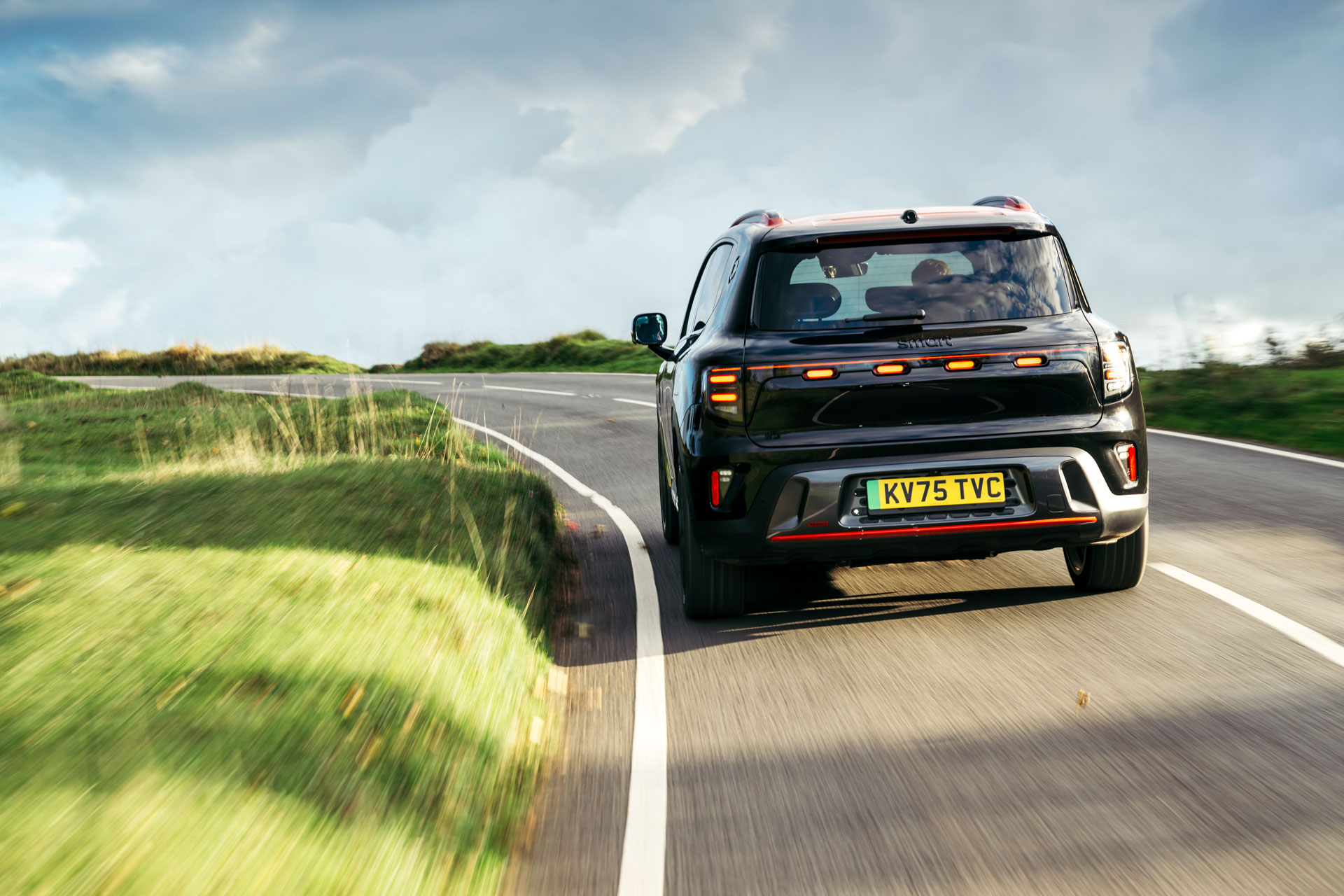
Efficiency? Well, it’s not great - as you might expect from a 2,378kg car with bluff aerodynamics. I averaged just over 3 miles per kWh during my week with a Brabus variant, which translates to a real-world range of 291 miles on a full charge. Not great, thanks to the #5’s charging capability, you won’t be stopped for long.
Practicality and boot space
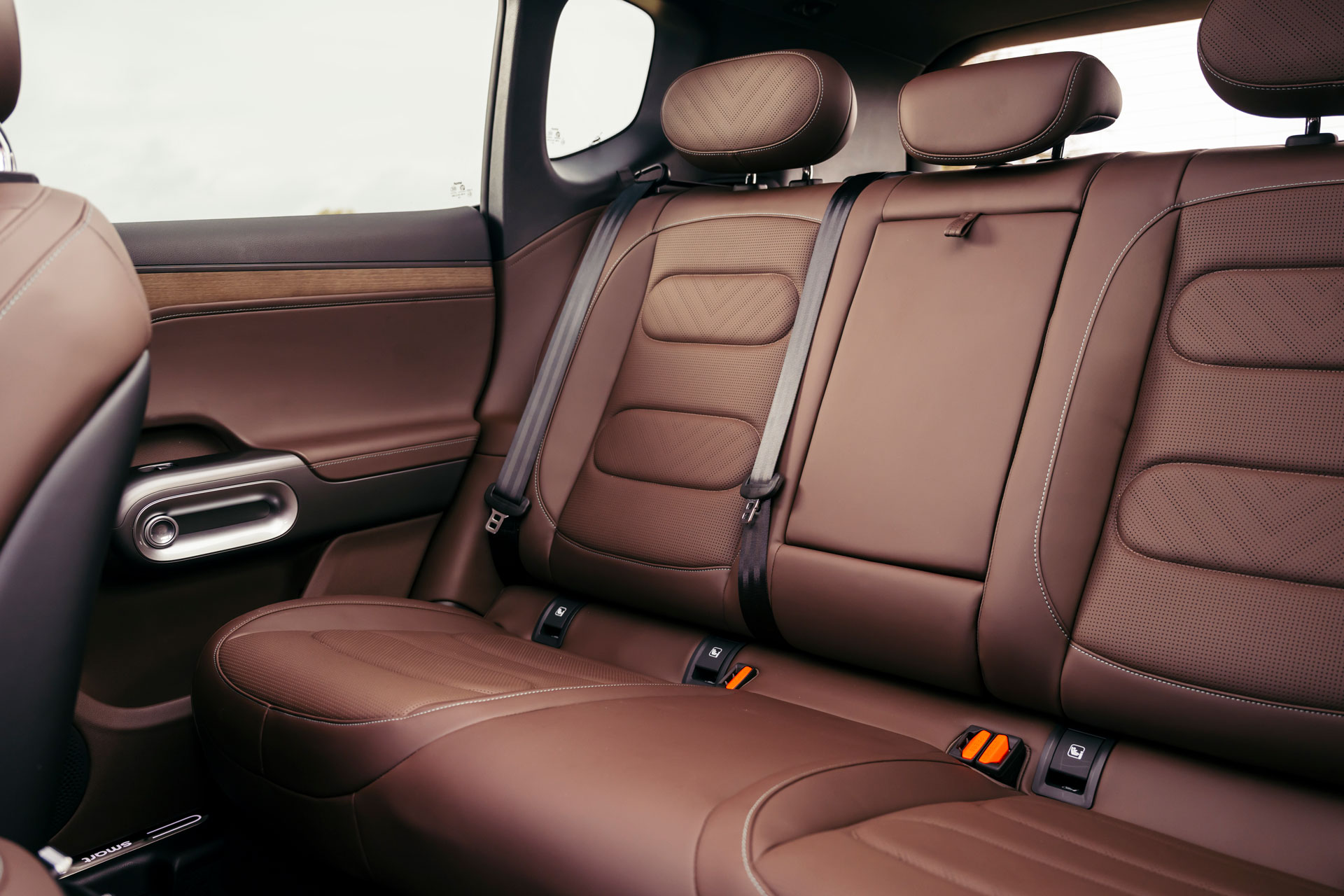
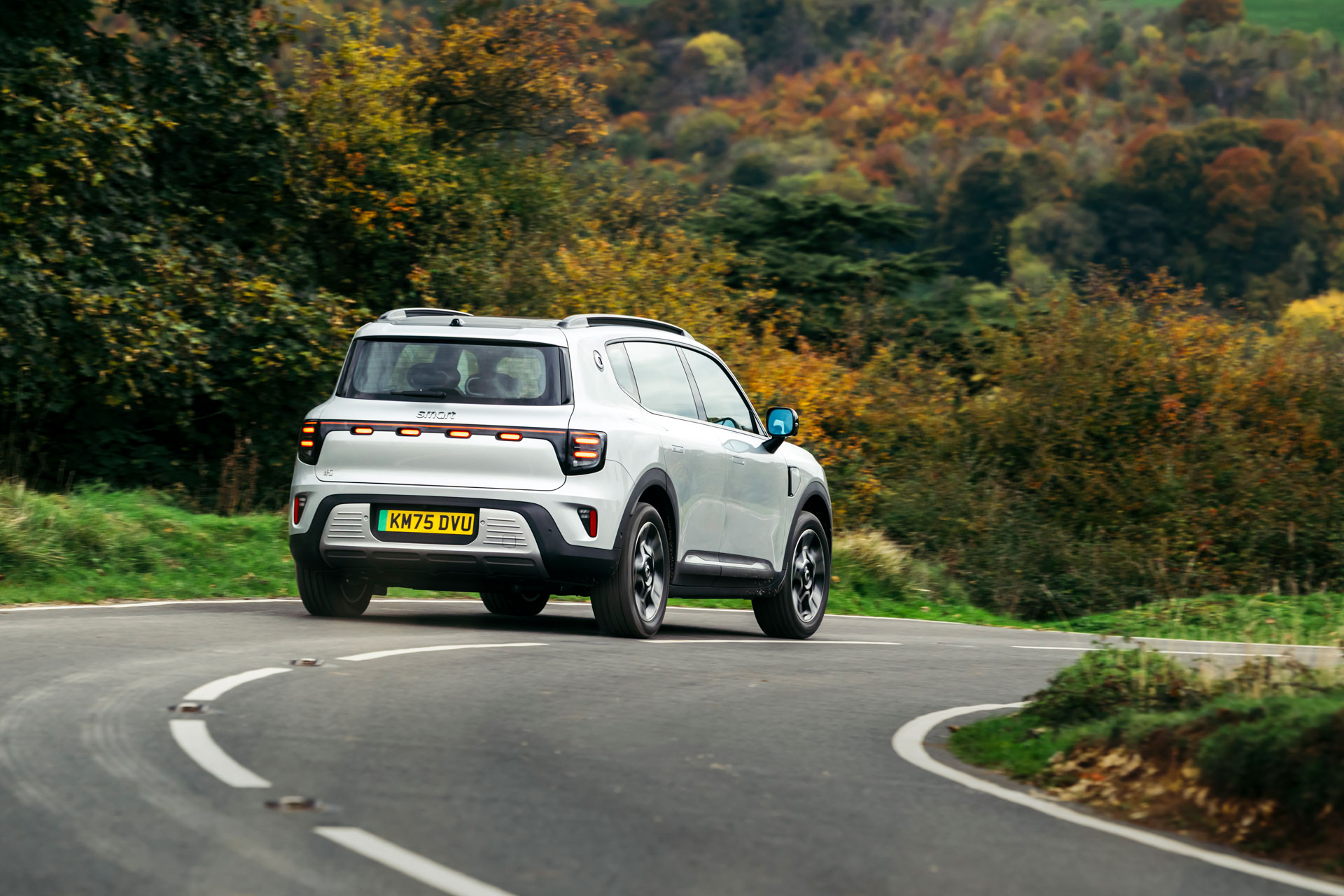
Let’s be clear: the #5 is massive by Smart standards and honestly pretty big by anyone’s. Fortunately, that size translates into one of the most useful cabins in its class. The flat floor and long wheelbase mean proper adult-sized room in the back, not just the token legroom you get in some rivals. It’s an easy car to load kids into, with doors that swing wide and seating that’s sensibly high.

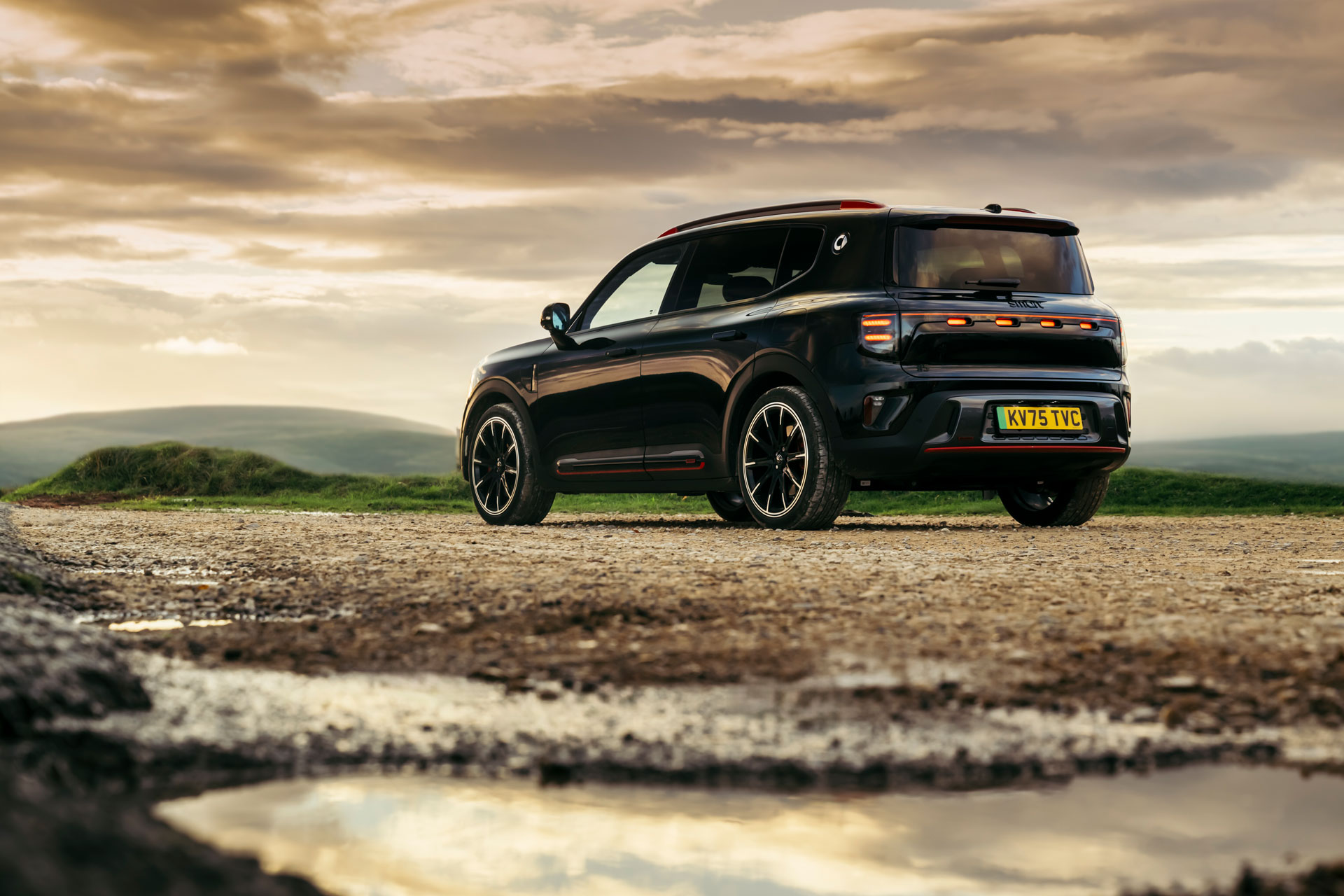
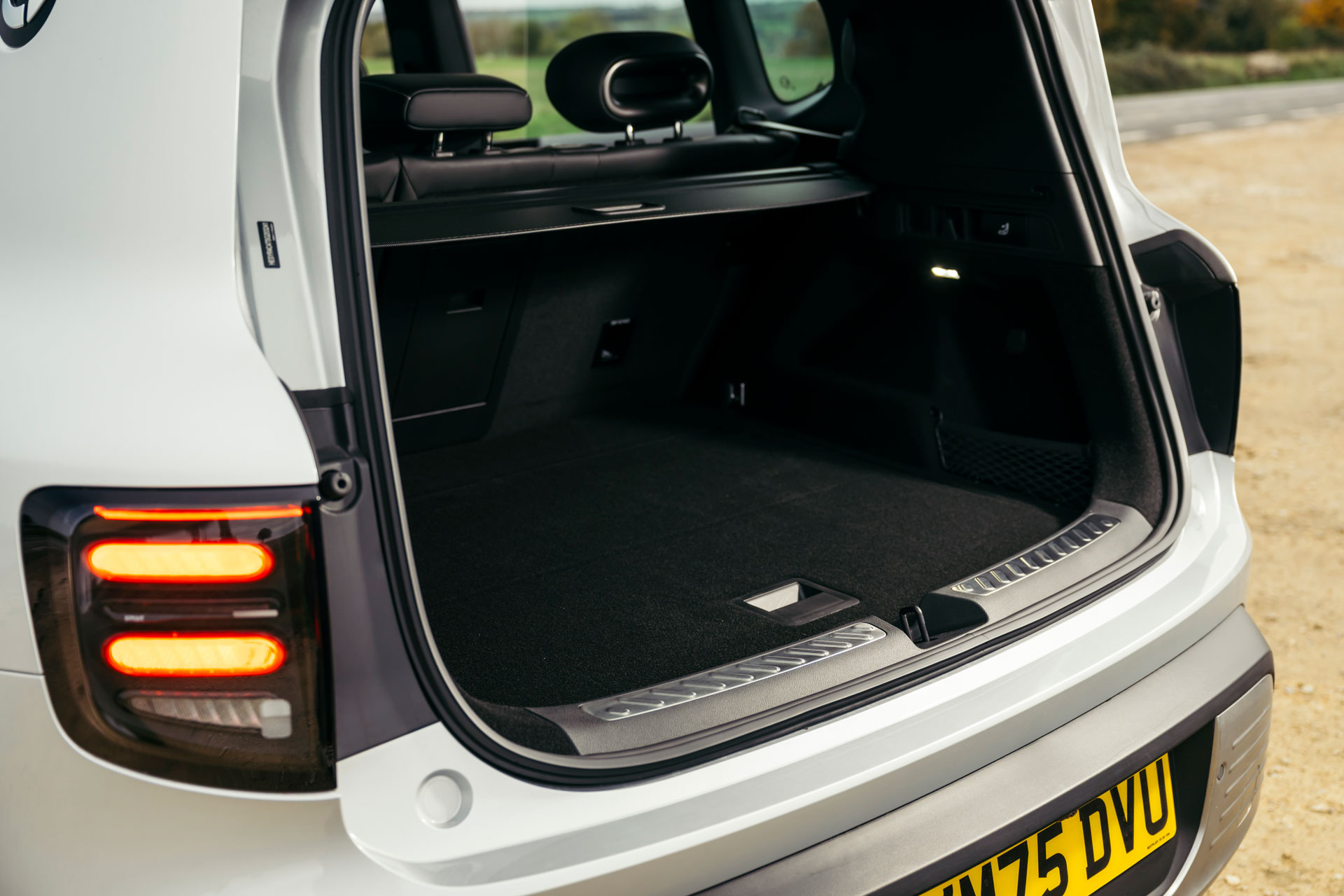
The boot is arguably the #5’s strongest single selling point. At 630 litres (extendable to 1,530 litres with the rear seats folded), it beats the Model Y and embarrasses most other mid-size EV SUVs. Want a car that handles a family holiday without stress? This is it. Fold the seats and you’re into small-van territory. The frunk (on certain versions) isn’t huge at 47 litres but keeps charging cables neatly out of the way. The clever 'sleep mode, flattens the rear load space into a makeshift bed, perfect for when you’ve fallen out with your other half. Overall, the #5 feels designed for actual, messy, everyday life rather than just brochure numbers.
Interior, Design and Technology
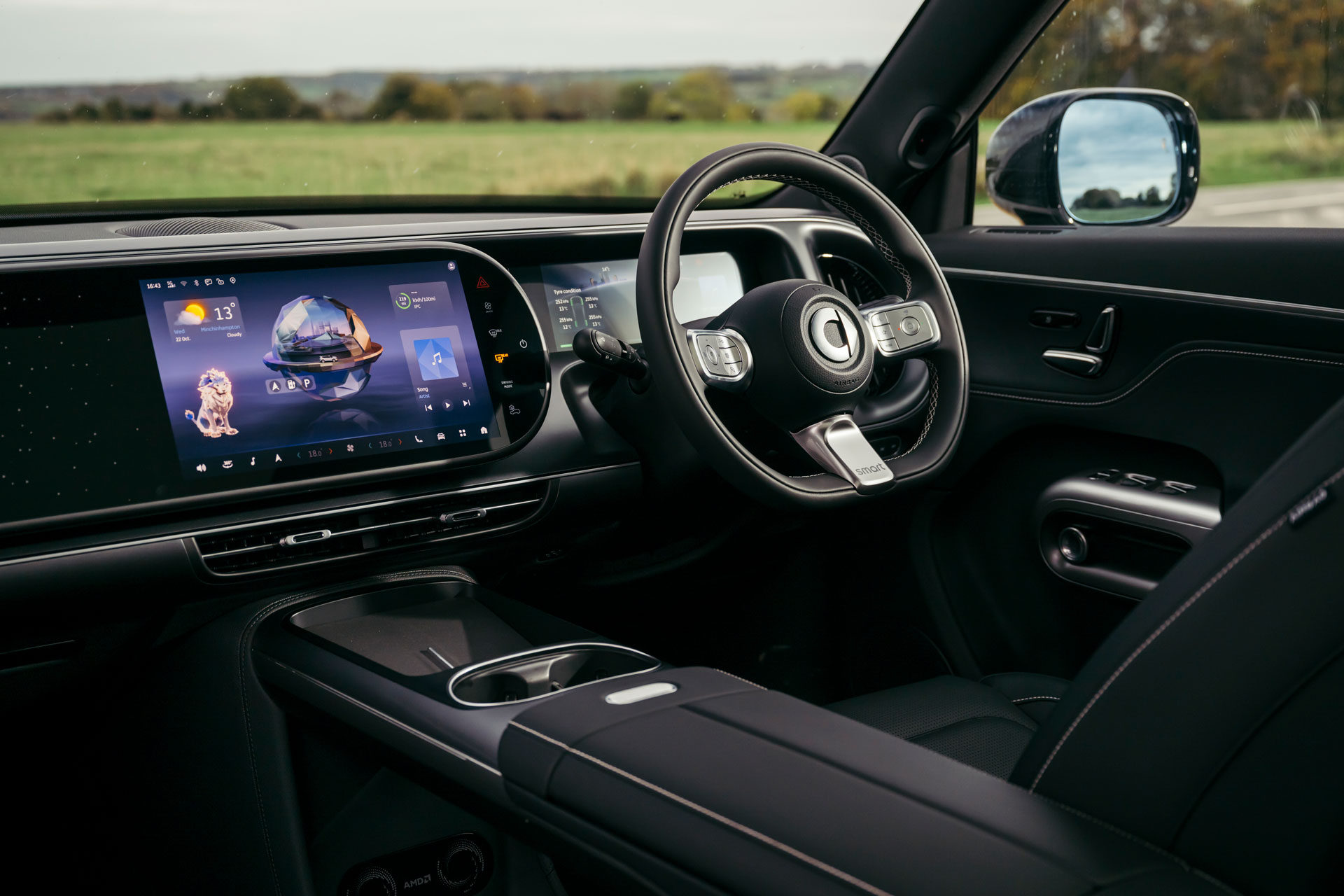
Inside, the #5 is unexpectedly plush. Not Mercedes-level luxurious, but spot far off and a notch higher than Hyundai or Skoda. The minimalist theme works partly because Smart has resisted the urge to turn the cabin into a glossy black fingerprint festival. Materials feel well chosen, and the panoramic roof floods the interior with light, giving the car a sense of sophistication.
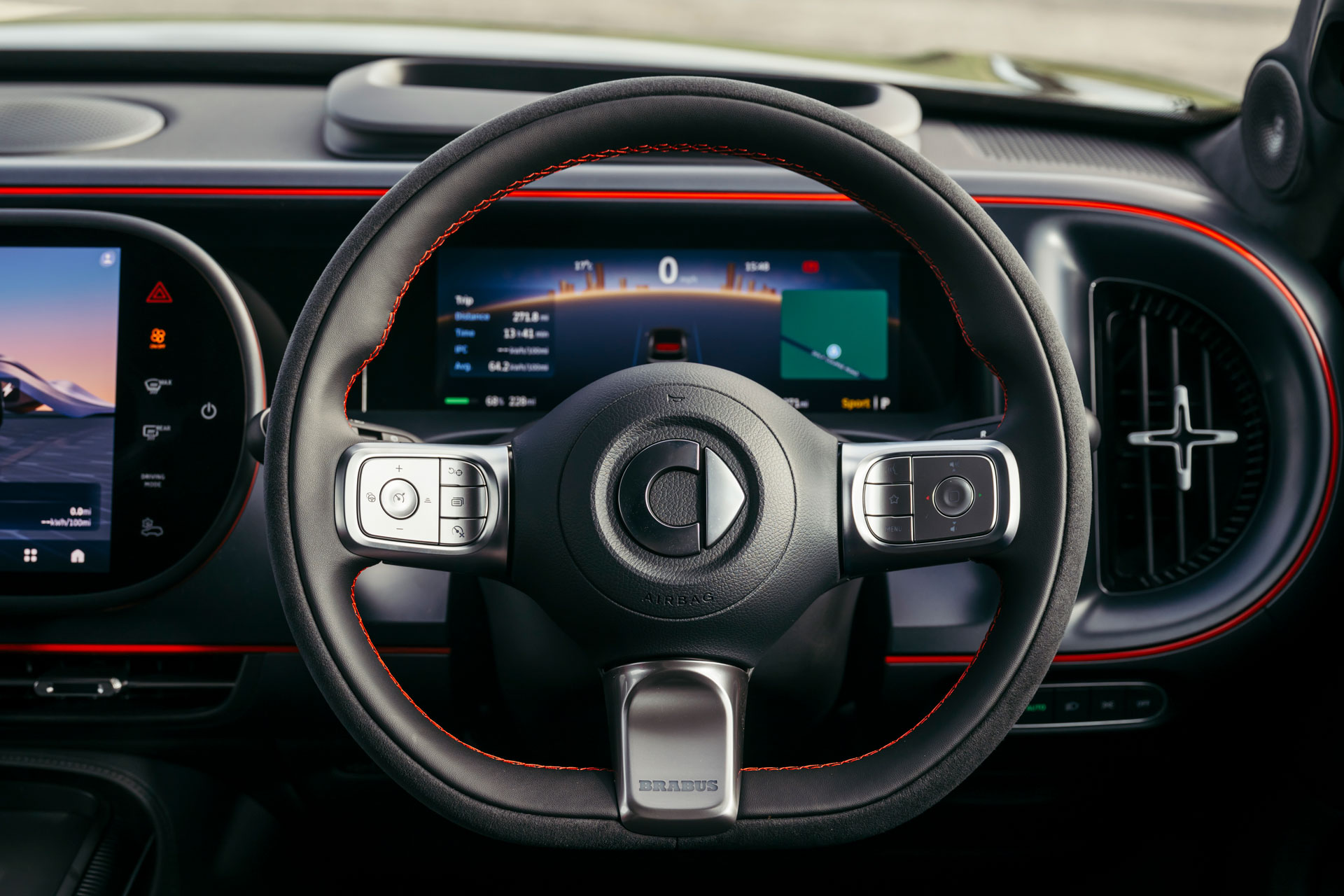
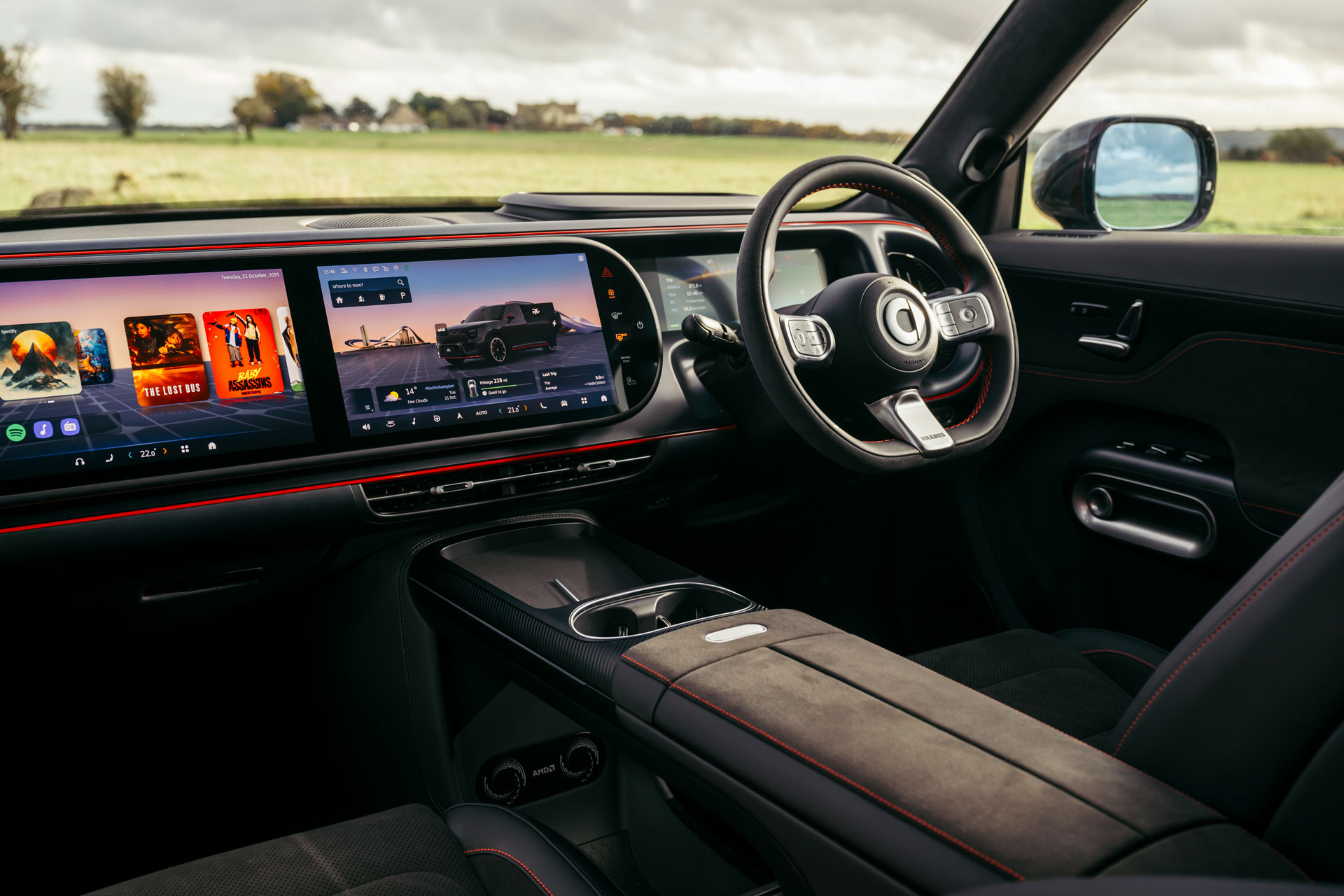
The screens, two 13-inch OLEDs plus a 10.25-inch driver’s display, dominate the experience. They’re brilliant to look at and fast to use, arguably better than Tesla’s interface in terms of layout and responsiveness. The 25-inch AR head-up display is genuinely helpful while the Sennheiser Dolby Atmos sound system is sublime on the Brabus model I tried, transforming the cabin into a rolling cinema.

But Smart’s obsession with removing physical controls can grate. Having climate, seat heating and drive modes locked behind touch menus veers into irritation at times, while having door opening buttons instead of a handle is also frustrating. Not least because you have to explain to every passenger how to get out. The animated AI assistant, Leo, will also divide opinion. Some buyers will find it adorable; others will want to shoot it within 30 seconds. Still, this is one of the most tech-forward interiors in the price range, and it feels genuinely modern rather than gimmicky.
While the Brabus version isn’t particularly representative of the range (early UK cars are all Brabus-spec), the driving position is decent and Alcantara-trimmed steering wheel and centre console are a delight to hold and touch. Strangely, though, the seat’s range of adjustments are rather limited. As a fully signed-up member of the long leg brigade, I like to have the front of the seat tilted upwards. That’s standard in most cars with electric seats, but in the #5, the front height it fixed. Operating the height adjustment only raises the back of the seat, tilting your whole body forward.
Motors, performance and handling
The #5 isn’t trying to be a sports car, but it has some surprises up its sleeve. The base rear-drive model with 335hp is (according to my colleagues who drove it on the international launch) perfectly pleasant and always refined. The big battery mid-spec, rear-drive models come with 358hp and 373Nm of torque and offer the best all-round mix of performance and efficiency. Move up to the all-wheel drive models and the madness really starts to begin. Pulse and Summit all-wheel drive variants ‘make do’ with 579hp and 643Nm of torque, while the Brabus version chimes in with 637hp and 710Nm of torque.
Performance for the Brabus version I drove is as astonishing as you might imagine. It doesn’t seem possible that a 2.3 tonne SUV can accelerate to 62mph in 3.8 seconds, but select Brabus mode, mash the throttle to the floor and it does. Easily. It makes no sense on any level, but it makes the #5 more entertaining than most of its rivals.
Handling is secure rather than thrilling; the #5’s weight makes itself known if you push hard. But for everyday driving, it rides exceptionally well, corners cleanly, and generally feels like a car designed to make long trips easy, not exciting. And that’s fine, this is a family SUV, not a hot hatch after all.
Price and Equipment
Prices starting just under £40k put the #5 right in the heart of the mid-size EV market. Equipment levels are generous even at the base trim, but it’s the £45–50k sweet spot (Premium, Pulse, Summit) that really shows the Smart off at its best. Once you start adding panoramic roofs, the AR HUD and the big battery, you’re getting a car that feels genuinely premium for the money. The Brabus is a want-it-not-need-it car at more than £50k, but it’s also the one that will deliver the most entertainment.

Verdict
I’ll admit it, the Smart #5 surprised me. I think Smart have managed to hit a sweet spot with its range and the #5 is the most competent model yet. The design is different enough to mark it out from the competition and the quality throughout is first class. It’s also exceptionally refined to drive with a lovely, absorbent ride and an easygoing nature. Aside from a few usability grumbles (put the buttons back, please), it’s a great family car that deserves to do well against the competition.
 9
9