





 Battery size: 67-79kWh
 Miles per kWh: 3.5-3.7
 E-Rating™: B
 Max charge rate: 200 kW
 Range: 294-355 miles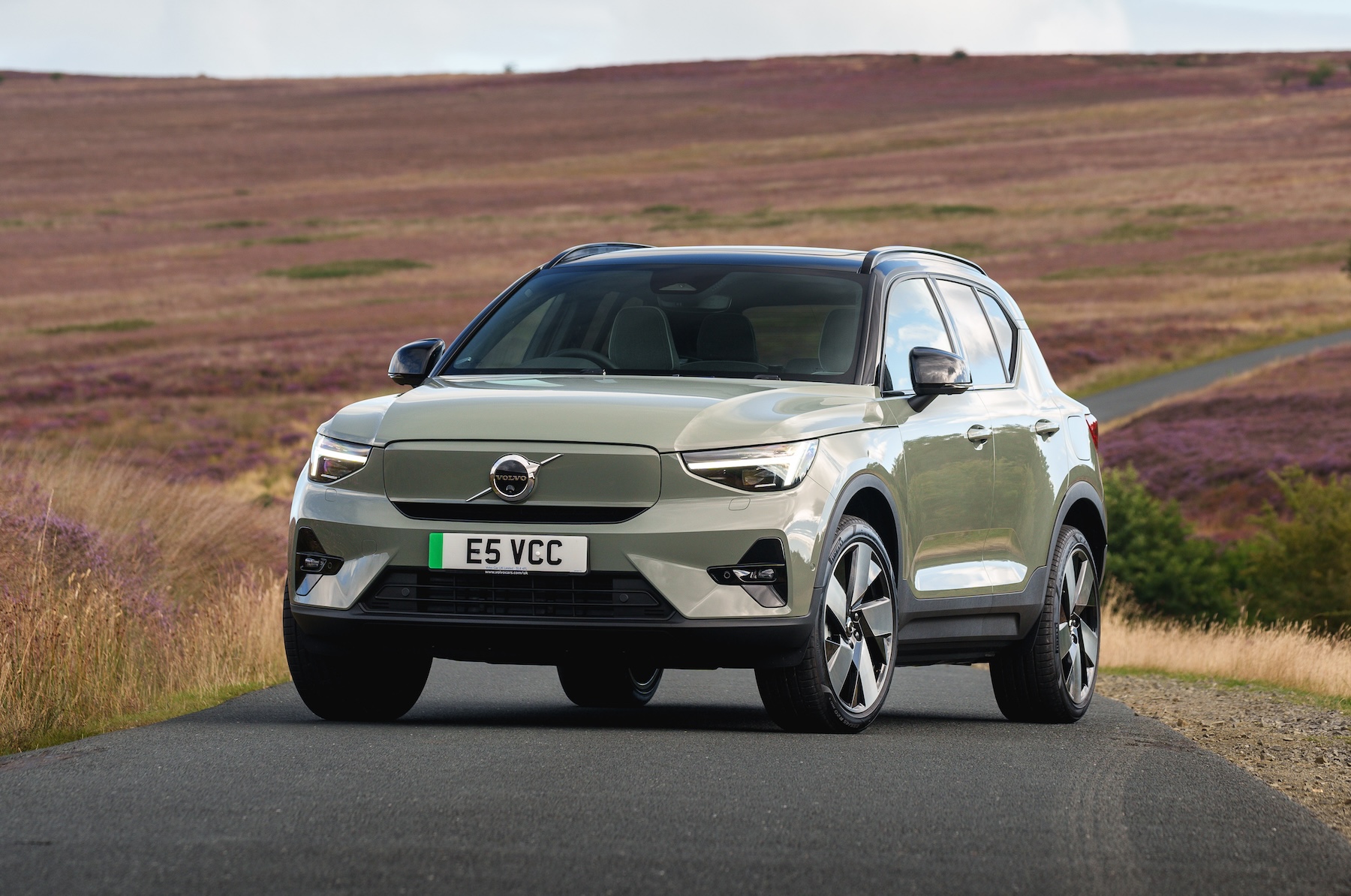
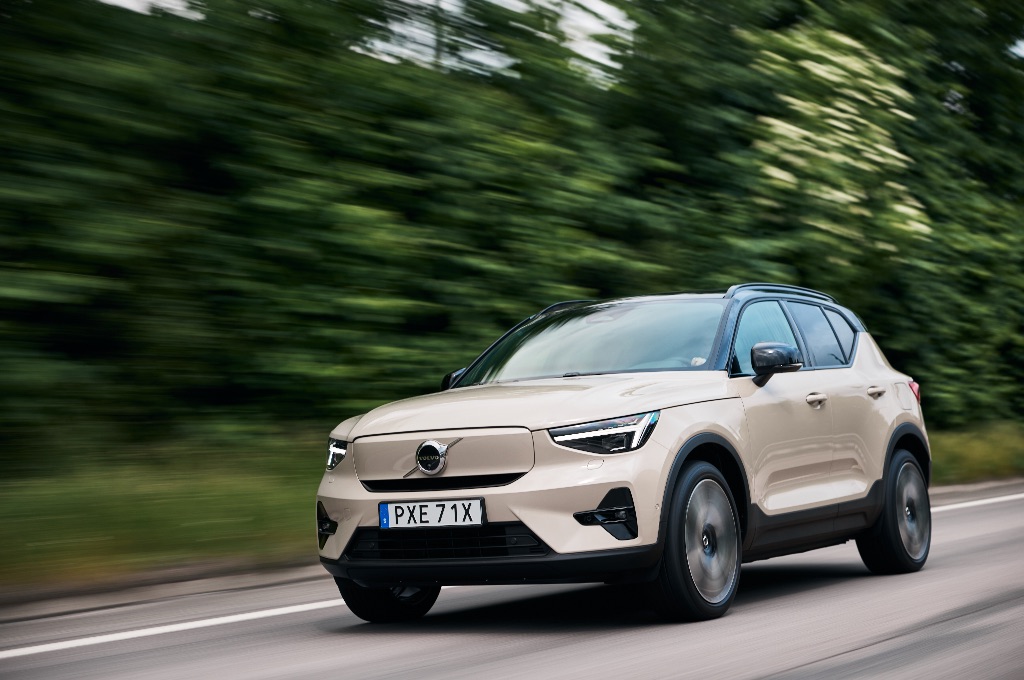
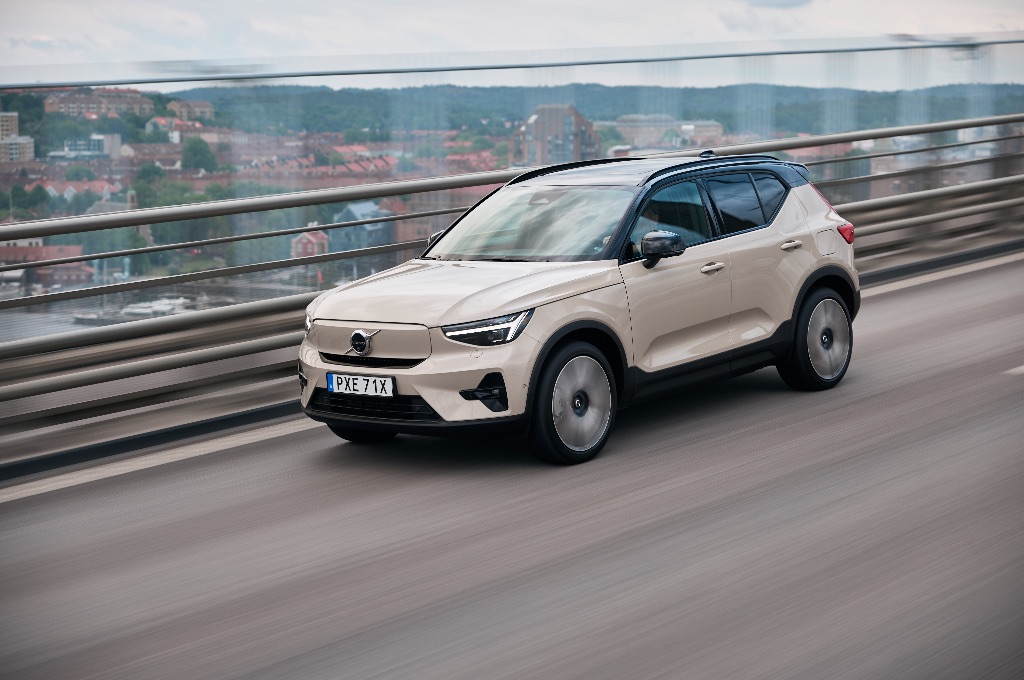
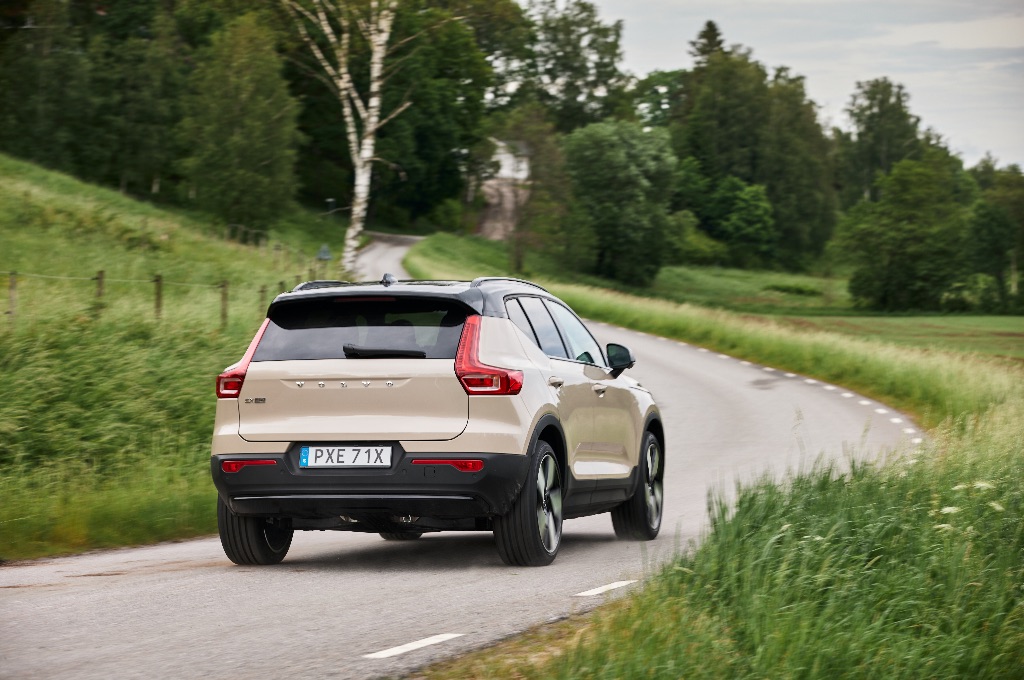
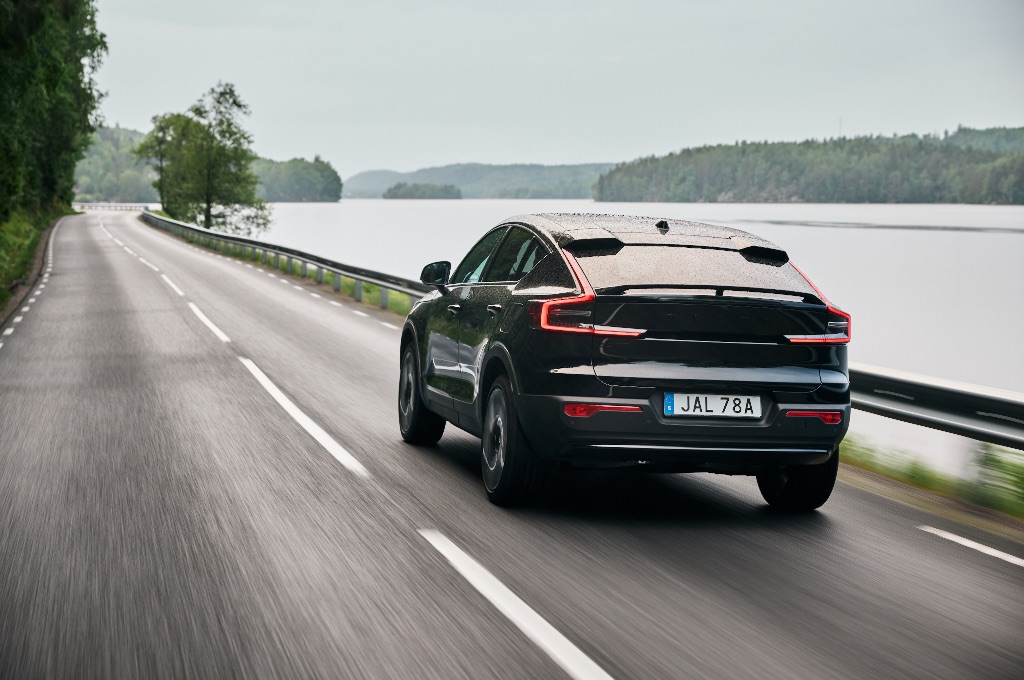



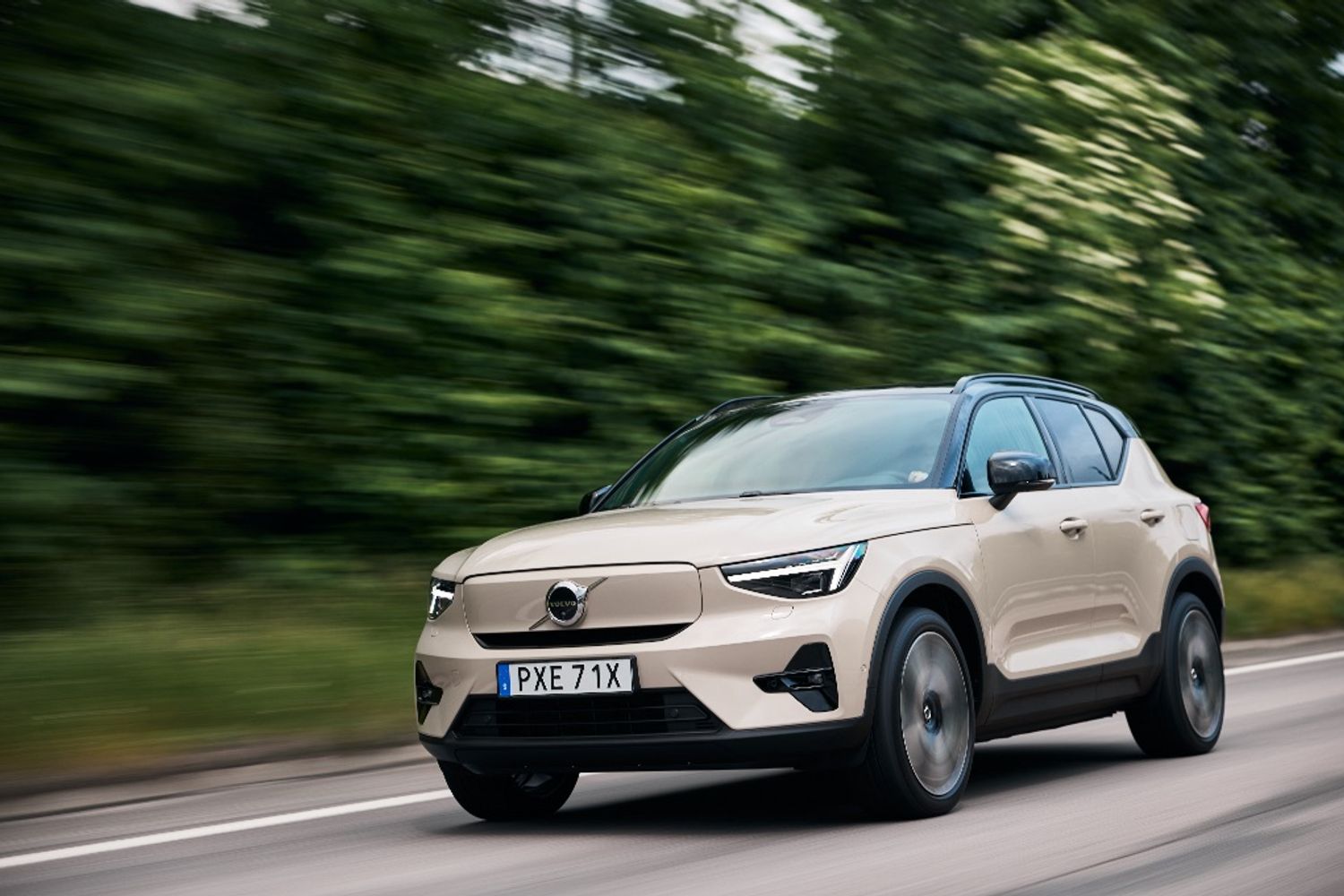
Volvo’s mid-size electric SUV has had a rename from XC40 to EX40 so it fits in with the company’s new line up. Besides the change of badge, it also had a big refresh for ‘model year 2024’ which made the whole range more efficient and better to drive.
The coupe version is now called the EC40 and is identical in most ways except for that swoopier back end.
There are other big changes at the back though. Volvo swapped the single-motor car from front- to rear-wheel drive. It’s not like the EX40 has become an overnight drift machine, but it is much nicer to drive, with less tugging through the steering as the front wheels aren’t trying to put the power down and direct the car at the same time.
There is still an all-wheel drive version too – not something which is available on some rivals – and in addition to the extra towing capacity and grip in slippery conditions, it also has a daft amount of power. There is even a Performance version with 442hp, which is more than a car like this needs. No doubt it’s a response to the Tesla Model Y’s speediness but it’s unnecessary.
Battery, range and charging
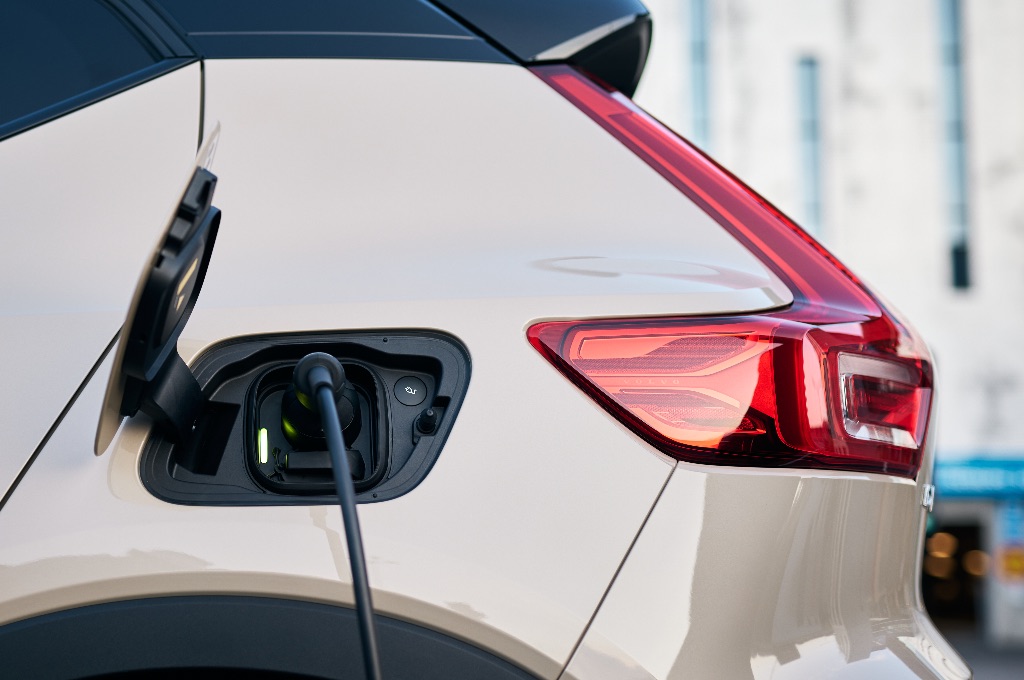
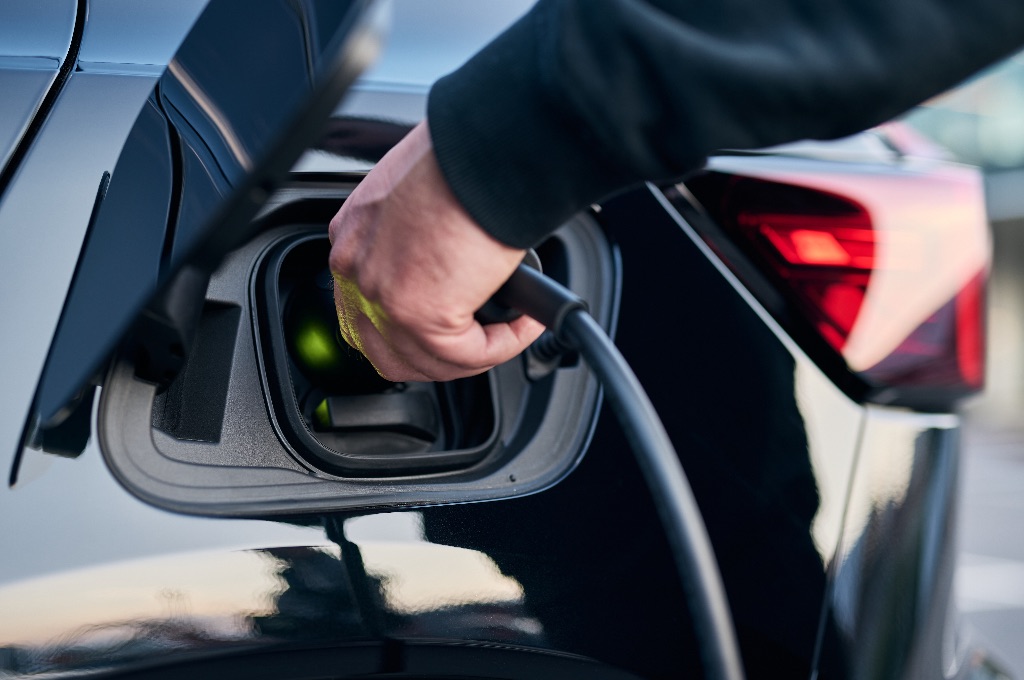
The switch to rear-drive has been in the name of efficiency. Both for the car itself and Volvo’s wider picture, as the new rear-mounted motor has been designed and developed in-house to sharpen up the production process. The headline for buyers like us is that range and efficiency figures have improved for both single and dual-motor versions.
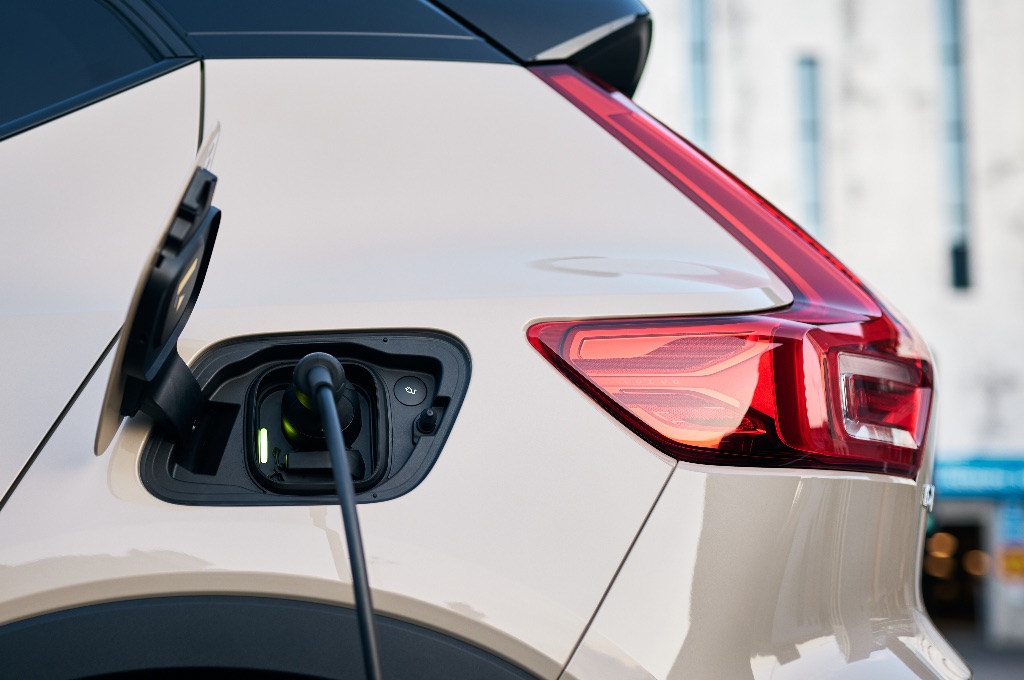
The base, rear-driven XC40 Recharge pairs a 69kWh battery (67kWh usable) with a 235bhp motor for up to 290 miles of range, an improvement from the 264 miles of the FWD car it supersedes. Efficiency is also better, up from a claimed 3.4 to 3.7 miles/kWh. It will accept 130kW charging for a boost from 10 to 80 per cent in 34 minutes.
The dual-motor, all-wheel-drive XC40 Recharge Twin also continues service with a new motor on the rear and a refreshed battery. It pairs 402bhp performance to 82kWh power (79kWh usable) for a claimed 334 miles (up from 270) and 3.5 miles/kWh (an improvement on 3.0). It can charge at a higher rate, accepting up to 200kW for a 10 to 80 per cent boost in 28 minutes.
There’s also an optional Performance Pack for Twin Motor models, which bumps power up from 402bhp to 436bhp but snaffles six miles of range.
Practicality and boot space
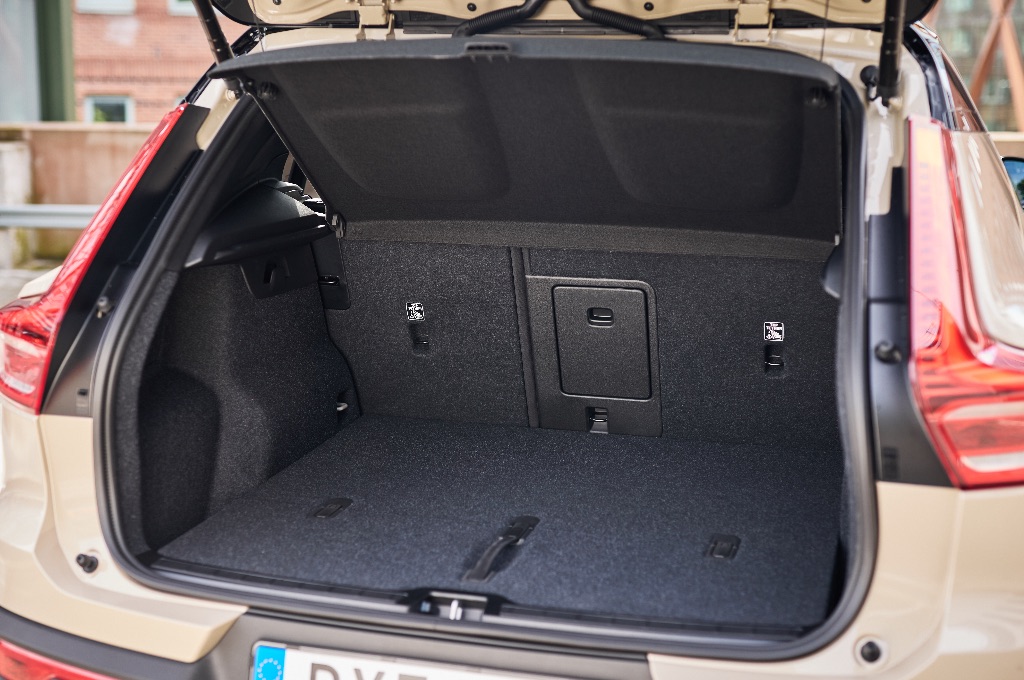
The EX40 is a proper mid-size SUV which has been designed with typical Swedish attention to detail for design and practicality. There are big door pockets and storage areas inside, and it even has a rubbish bin between the front seats – this will be especially welcome for anyone whose kids usually just throw wrappers and cans on the floor.
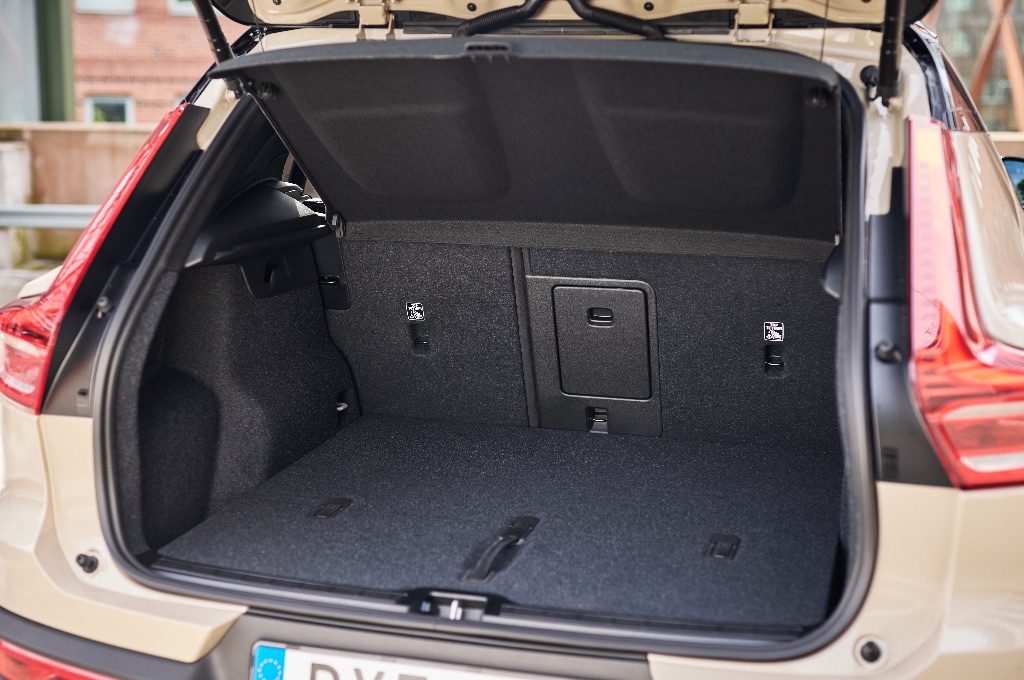
There’s plenty of space for four to be comfortable and five with a bit more of a squeeze. The passenger space isn’t too compromised by the conversion of the car to electric although the boot is a little smaller, losing 47 litres of space to the powertrain and batteries. It’s still big enough for a few suitcases, a pushchair of golf clubs though and you get 31 litres of space back in the form of a ‘frunk’ under the bonnet where the engine would usually sit. It’s a perfect place to store charging cables, except that the socket is at the back of the car!
If you've got younger kids, make sure you take your child seats to the dealer to see if they fit. The rear headrests are fixed and mean only certain boosters work.
Interior, design and technology
If looks are your big priority, there’s a fastback EC40 version that sacrifices a bit of interior space for exterior style, but actually ekes out a little more range with its more aerodynamic shape.
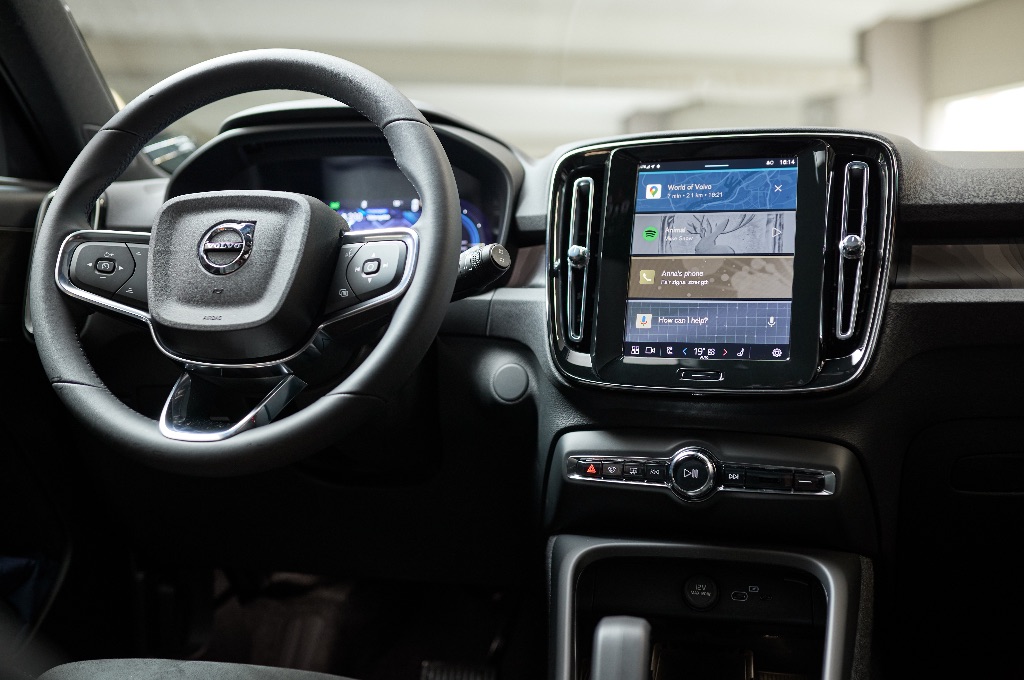
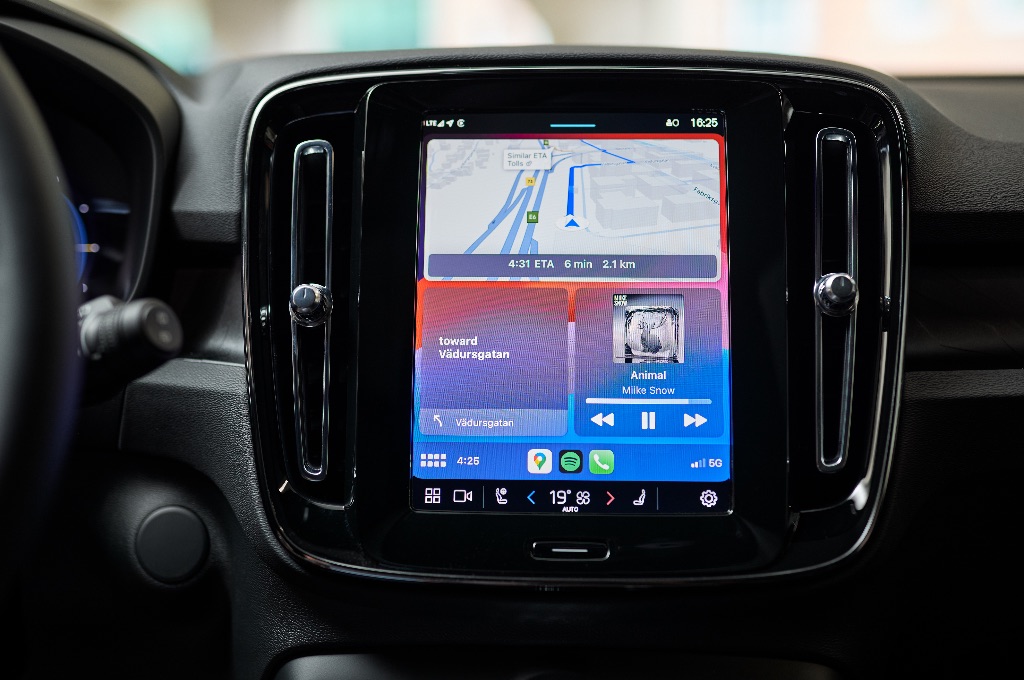
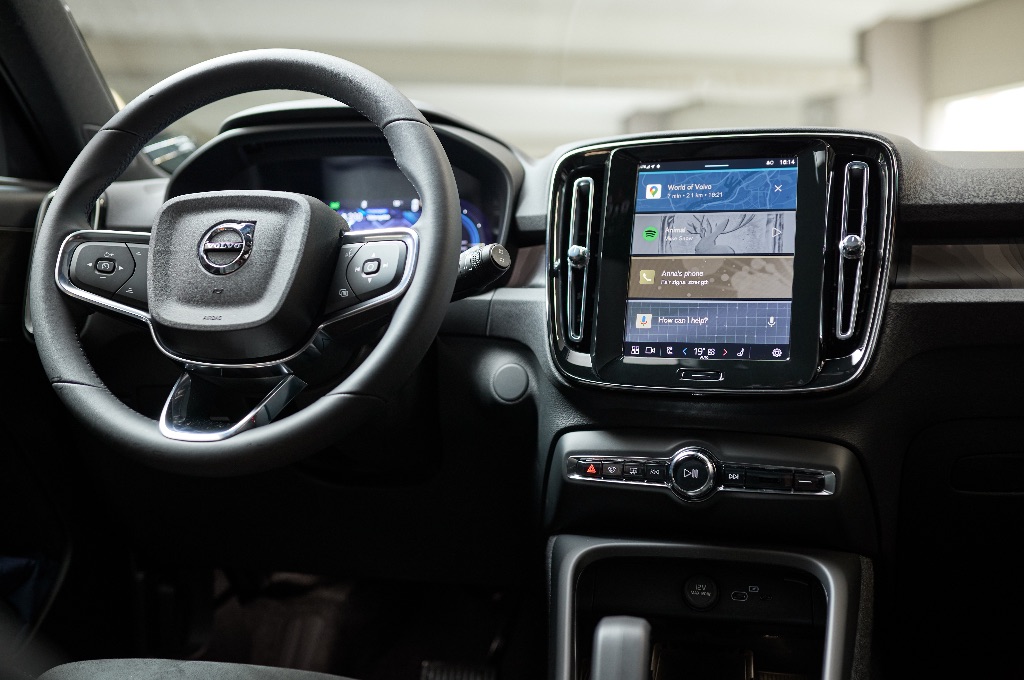
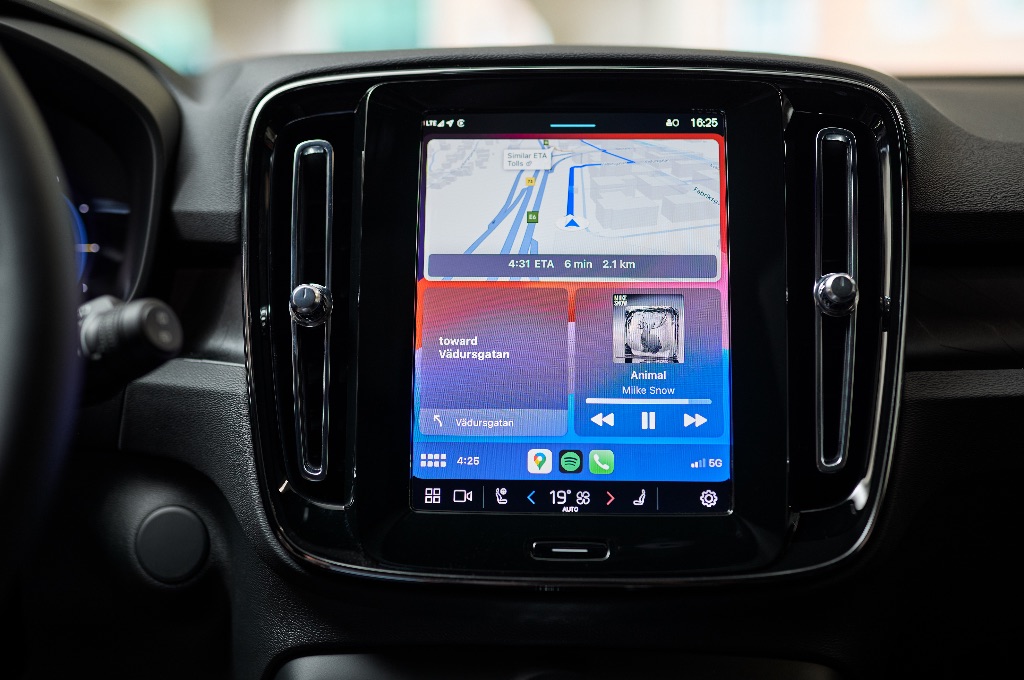
Either model eschews the aggression of its rivals for a softer-edged, calmer look, which we really like. And the calm continues inside, too. A large portrait touchscreen contains most functions but operates smoothly and intuitively, especially if you use its voice control. It’s not as domineering or distracting as a Tesla’s screen and feels slicker as a result. And unlike the early XC40s Volvo now displays both battery percentage and remaining range in the digital instrument panel. Common sense prevails!
It’s an interior that feels quite minimalist, with no drive mode switches (betraying the fact there are no drive modes…) and no starter button, either. You simply get in the car, toggle its neat little gear selector into D, and go. It can take a little acclimatisation if this is your first foray into electric cars but you’ll soon adjust.
The materials are pleasing, too. That gear selector is a delectable glass design on higher trim levels while the materials inside are cloth and fabric rather than traditional leather. It looks and feels better while setting a more sustainable tone.
There’s also plenty of space while rear passengers get USB-C ports to charge their devices. The EC40 slices away some headroom but will still accommodate most adults. And the boot space in both cars is about on par for this class, maxing out at 578/1328 litres with the rear seats up/down in the XC40.
Motors, performance and handling
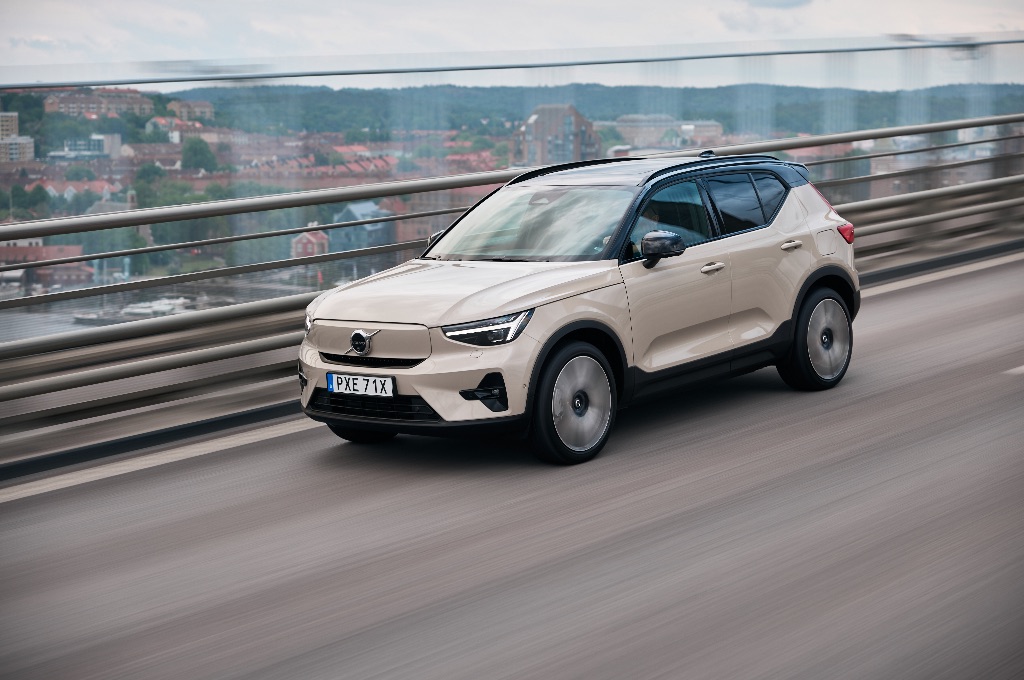
Even in the rear wheel drive models there is a respectable amount of power, but this is no sports car in disguise. If you really dig into its grip, you’ll get a slight sensation of being pushed out of corners rather than pulled. But it’s no stronger here than in a Volkswagen ID product with a similar layout.
Which is, of course, very well-judged for the task at hand. We found early XC40 Recharge Twins felt a touch too boisterous for family transport, so a calmer manner and smoother handling are spot on for a plug-in SUV. And in single-motor guise that feeling peaks. Within all speed limits it feels nearly as urgent as its AWD sibling and it’s only with sustained acceleration that you’ll notice the gulf its 7.3sec 0-62mph time (versus the Twin’s 4.8sec) might imply.
The dual-motor EX40 often feels too quick for the task at hand, its peak power bordering on the cartoonish in a tall family car. Its power is managed admirably, mind, and with 50:50 weight distribution, the handling is neat. There’s nothing to truly complain about. But you’ll be just as well served with more modest performance.
With no drive modes, you just get in the XC40 and go. But there are two options, switchable via a sub-menu on the central screen. One firms up the steering and feels a bit frivolous, while the other switches on one-pedal driving. There’s no option to cycle through several levels of brake regen here – it’s simply on or off. And boy is it strong when it’s switched on; pulling away from a standstill requires an inch more throttle than you might expect in order to overcome it, which in the Recharge Twin can lead to some overly keen standing starts. Again, though, you’ll adjust. Driving an EV without regen always feels a little wasteful.
Ride quality is better if you stick with the standard 19-inch rather than the optional 20-inch alloys, though they’re standard on the (pricey) Ultra trim level. There’s still a firm edge to the EX40’s ride, but probably no worse than its swathe of rivals also trying to keep two tonnes of battery-laden crossover neatly in control. There’s also a bit of tyre noise on rougher roads, another quirk afflicting a lot of EVs and a by-product of losing the sound of a traditional engine. However at most cruising speeds this car’s cabin proved peaceful enough to hear our own watch tick.
Running costs and pricing
If you are used to running a petrol or diesel SUV, the running costs of an all-electric EX40 are going to be a revelation. Just over a tenner’s worth of electricity from your home charger will take you about 250 miles. The same amount would buy you about 70 miles’ worth at a petrol station.
The biggest saving will be if you are getting the EC40 Recharge as a company car. The benefit-in-kind rules mean you’ll save enough out of your wages every year to go on a very nice family holiday.
However, the EX40 isn’t actually that efficient compared to more modern rivals, and especially the Tesla Model Y, which manages to go further on the same amount of power.
Also bear in mind that any EX or EC40 which tips over the £50,000 list price barrier (including any options) will be subject to the so-called luxury car supplement, so will cost a chunk more to tax in years two to six. That’s worth considering before you choose the posher trims.
Verdict
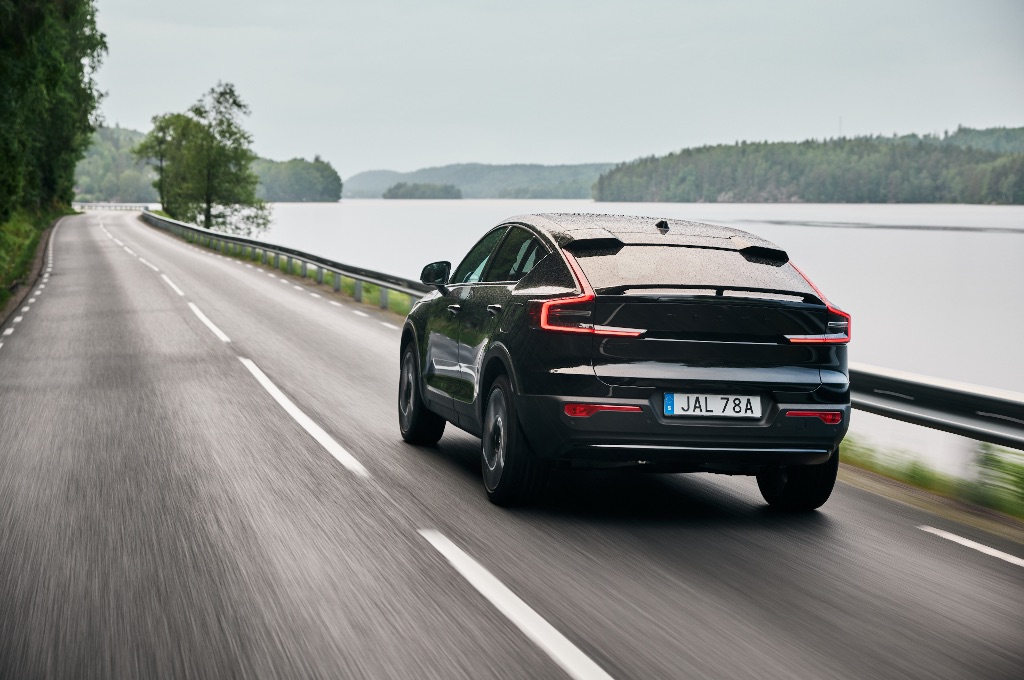
Consider the EX40 a usefully improved product compared to our first taste all those years ago. Whether the SUV os the swoopier EC40 coupe, it looks cool, calm and unthreatening and provides the electric SUV market with a softer edged choice. An approach that’s broadly reflected in its driving experience, too, chiefly if you opt for the more modest performance of the single-motor car.
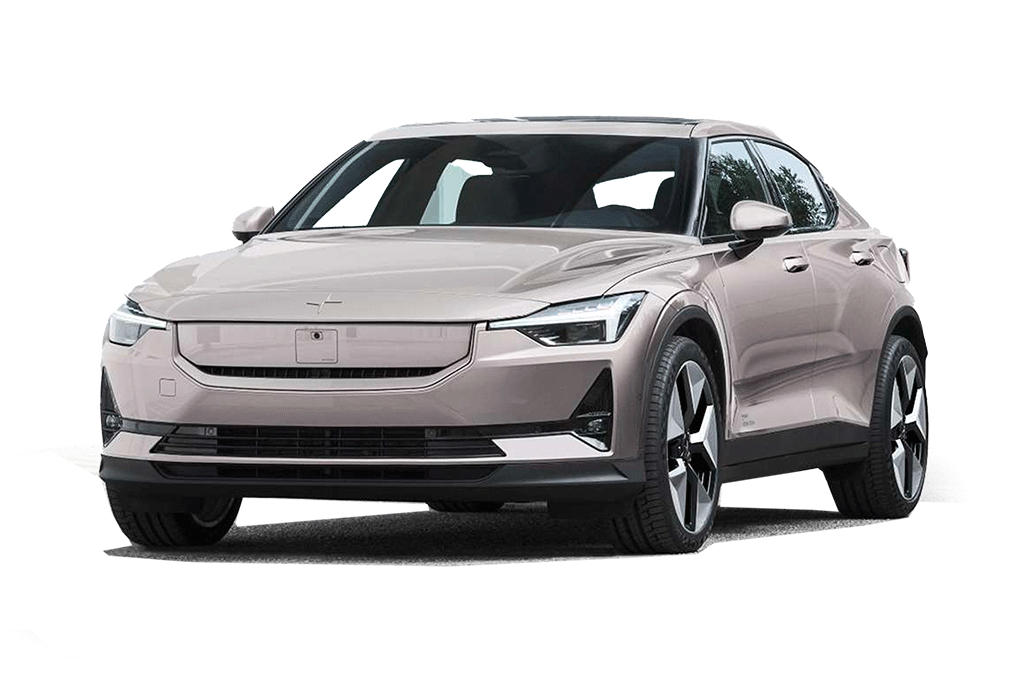
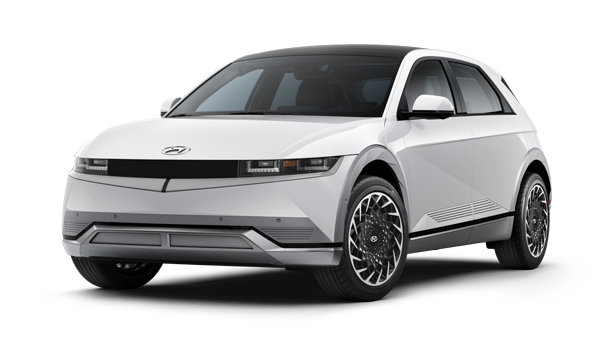
It’s cheaper, simpler to drive smoothly and only truly lags behind its more powerful sibling in on-paper stats and fully charged range. We’d advise checking out a few competitors before taking the plunge, particularly Korean ones; a Hyundai Ioniq 5 or Kia EV6 offers similar performance and range with quicker charging, albeit edgier looks. At the top end of the range, the BMW iX3 is going to steal the limelight. You can’t ignore the mechanically identical Polestar 2 either.
This is a market burgeoning with diverse options, but the EX40 and EC40 fight back with some keen finance and leasing deals. If the price is right, the EX40 is certainly worth a look.

.jpg?width=300&height=185)
 7
7