





 Battery size: 35.8kWh
 Max charge rate: 65kW
 WLTP range: 180 miles tbc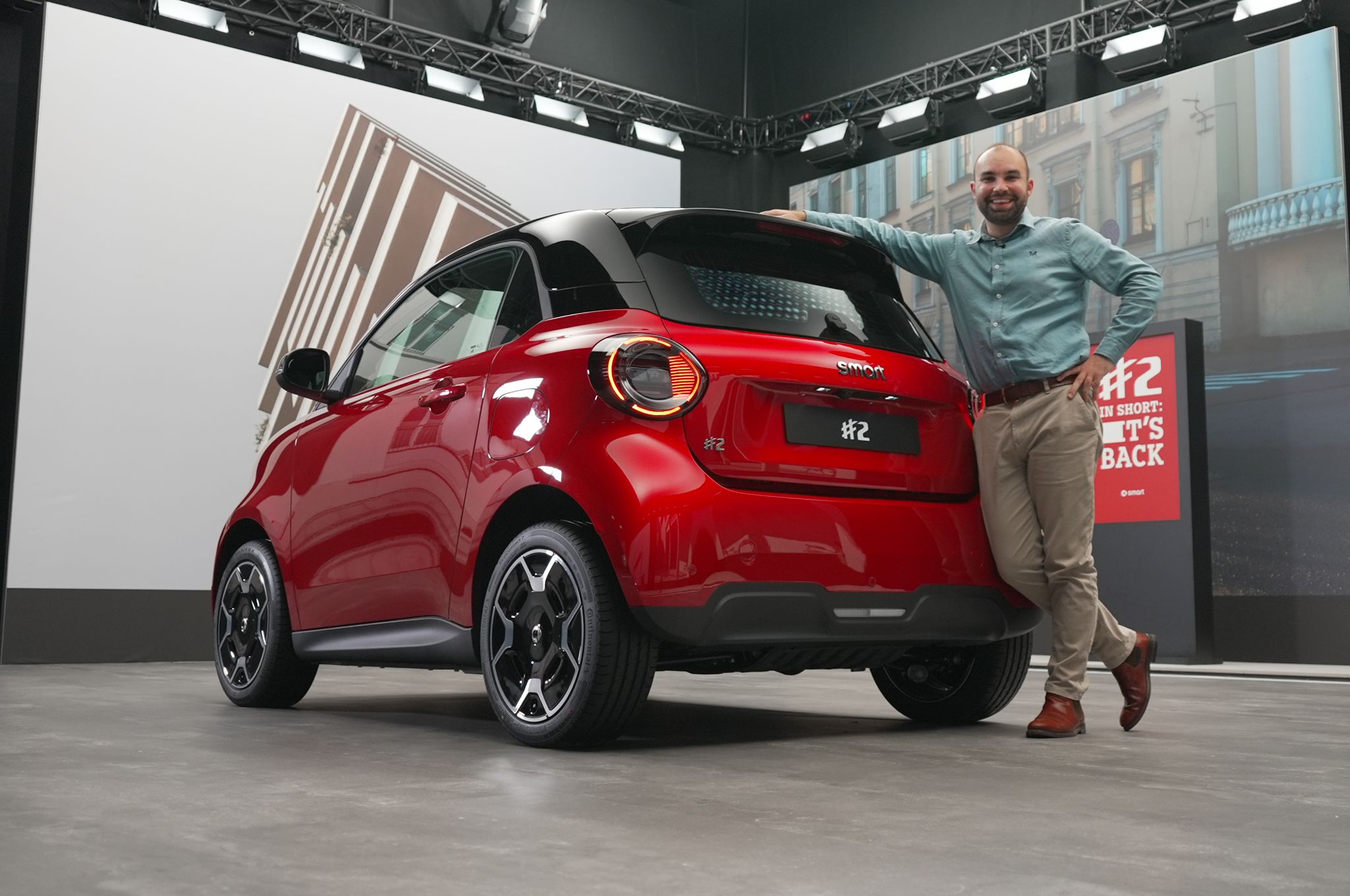



Introduction - new Smart #2
This is easily the most important new car from Smart in years. It doesn't chase outright range, nor does it have 18 touchscreens and a fridge inside, but it takes the brand back to its beginnings. And I have to say - I think this might be the car to really get the Smart brand out there to the masses, despite its diminutive size.
Thirty years after the original two-seat Smart ForTwo concept appeared at the Paris motor show, the brand is once again using the French capital's car show to reveal its idea of easy mobility, but this time it's electric. The #2 takes the company back to the idea that created the brand in the first place: make something incredibly small, incredibly manoeuvrable and specifically designed for city life.
The Smart brand has changed over the past three decades. It's now part of a joint venture between Mercedes-Benz and Chinese giant Geely, and its modern electric range includes the #1, #3 and #5. And the cars have been getting progressively bigger – the #5 is nearly 4.7 metres long, but the #2 is very different.
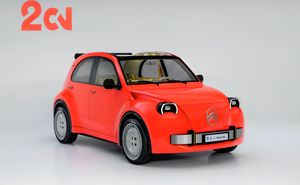
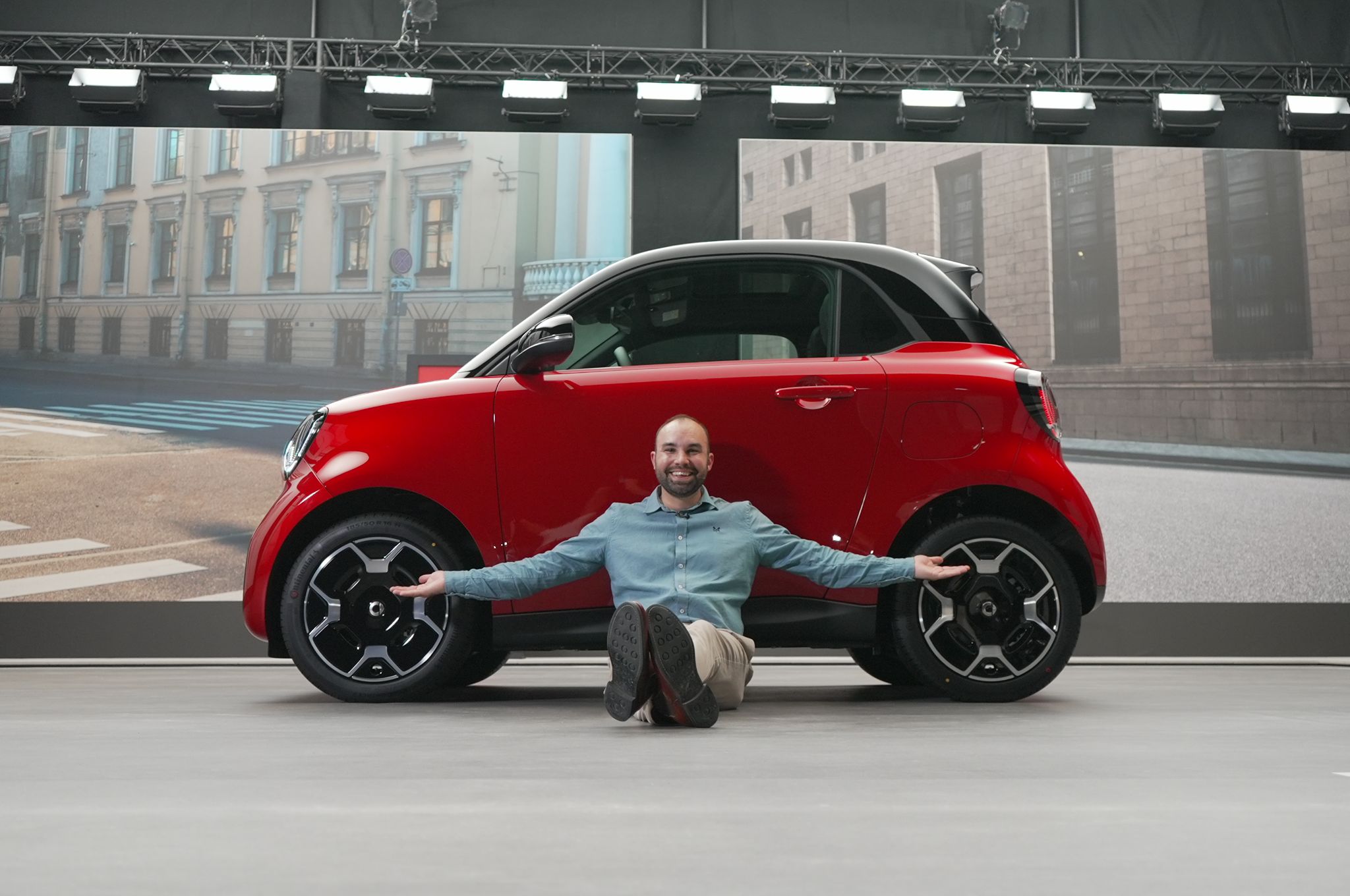
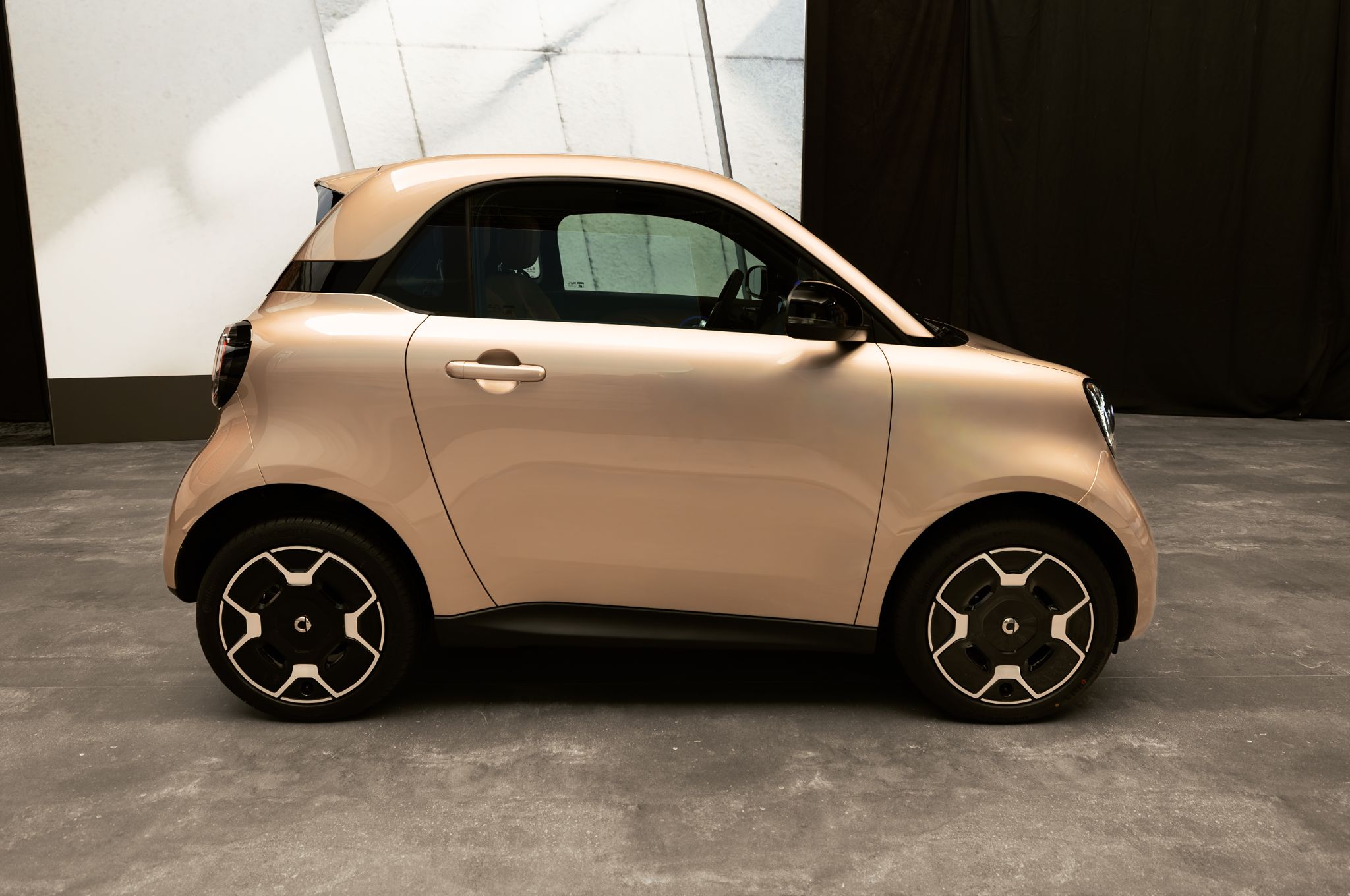
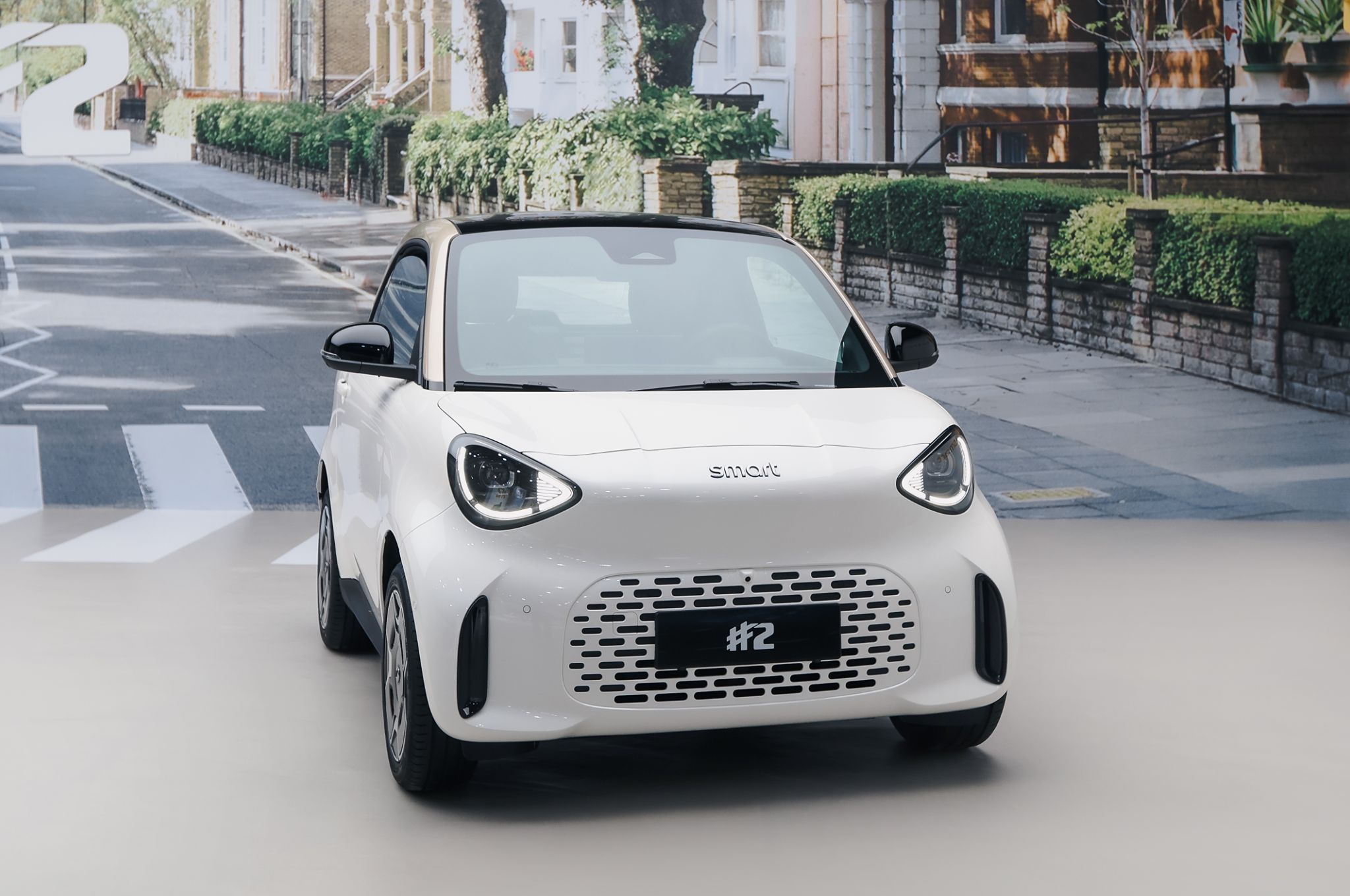
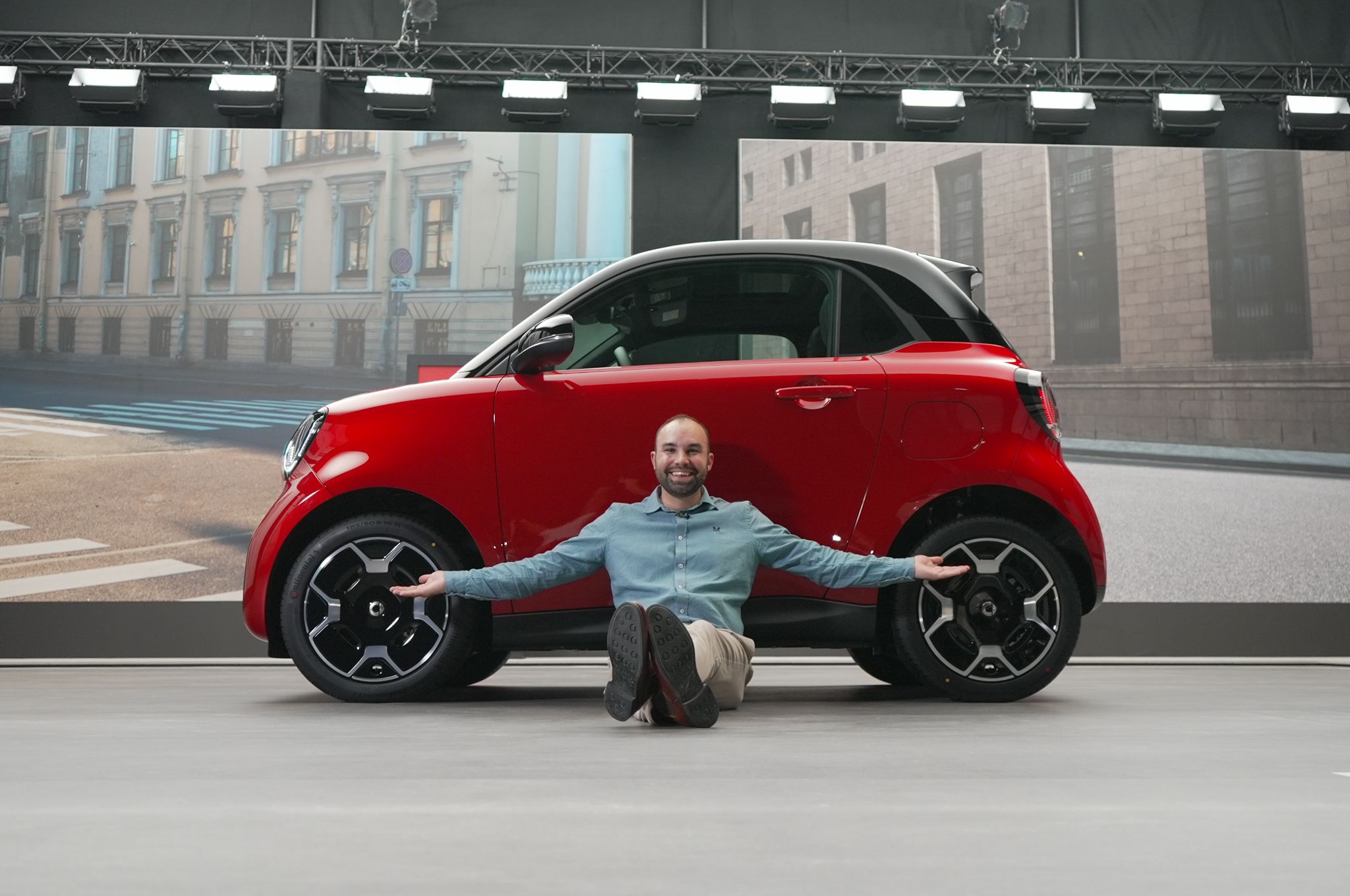
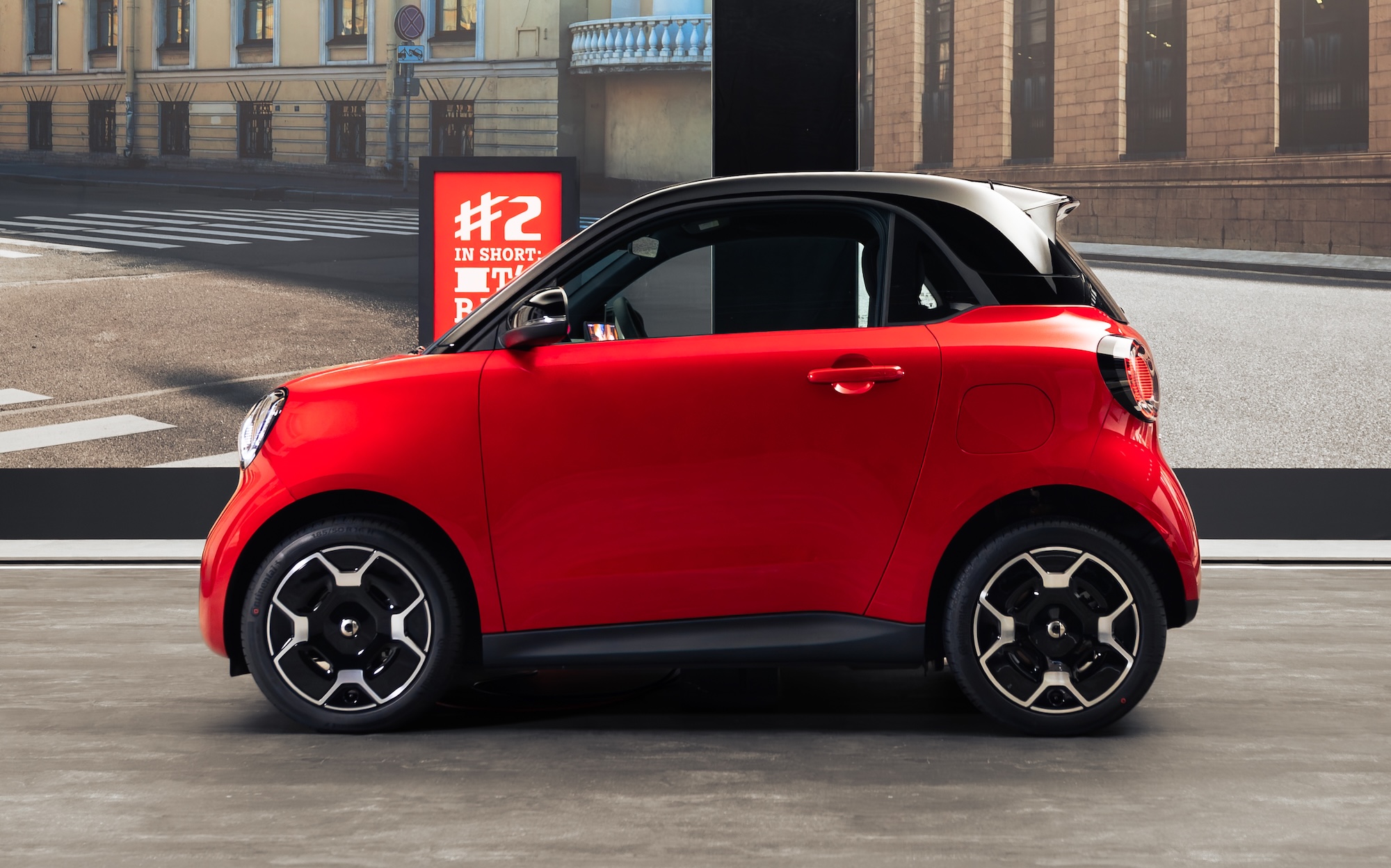
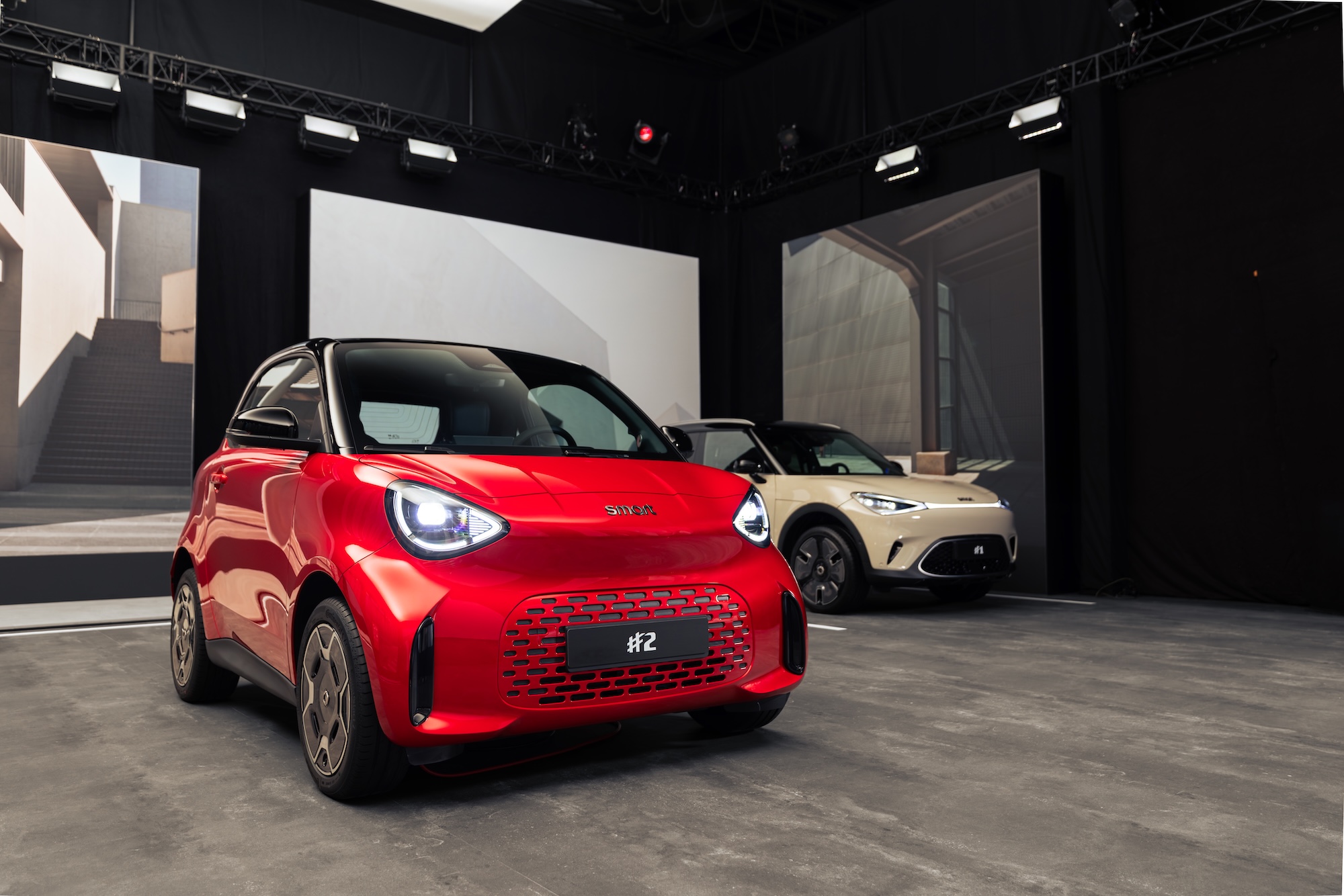
It measures just 2.75m long, making it only 51mm longer than the previous Fortwo and still comfortably shorter than cars such as the Fiat 500e and Renault Twingo. Yet it retains that classic Smart trick of pushing the wheels right into the corners, helping maximise the amount of passenger space inside a microscopic footprint.
Range, battery and charging
No surprises here – the Smart #2 gets a small battery.
It's a 35.8kWh LFP pack, and Smart is targeting a WLTP range of 180 miles, 290km. We might be used to 250-mile-plus hatchbacks recently, but that's pretty impressive from such a small battery – remember, the previous electric Smart EQ Fortwo had a 17.6kWh battery for an 83-mile range. Even the Mazda MX-30 could only liberate 125 miles from a 35.5kWh pack.
The official preliminary consumption figure is 13.6kWh per 100km, which works out at roughly 4.6 miles per kWh, so it should be pretty efficient, too.Rapid charging peaks at just 65kW. Again, that doesn't sound particularly impressive in 2027, but the battery is tiny, so Smart says it'll still go from 10-80% in around 20 minutes.
The entry-level Pure gets 7.4kW AC charging, taking around five hours for a 10-80% charge. Premium and Couture Edition versions increase that to 11kW, cutting the same charge to around three hours.
There's also Vehicle-to-Load capability, allowing you to run compatible electrical equipment from the car's battery with an adaptor.
Practicality and boot space
Let's get the obvious bit out of the way first – it's a two-seater. The clever thing about the original Smart City-Coupe and ForTwo models was that instead of pretending to be all things to all people, they concentrated on making life as comfortable as possible for the two people who actually fitted inside.
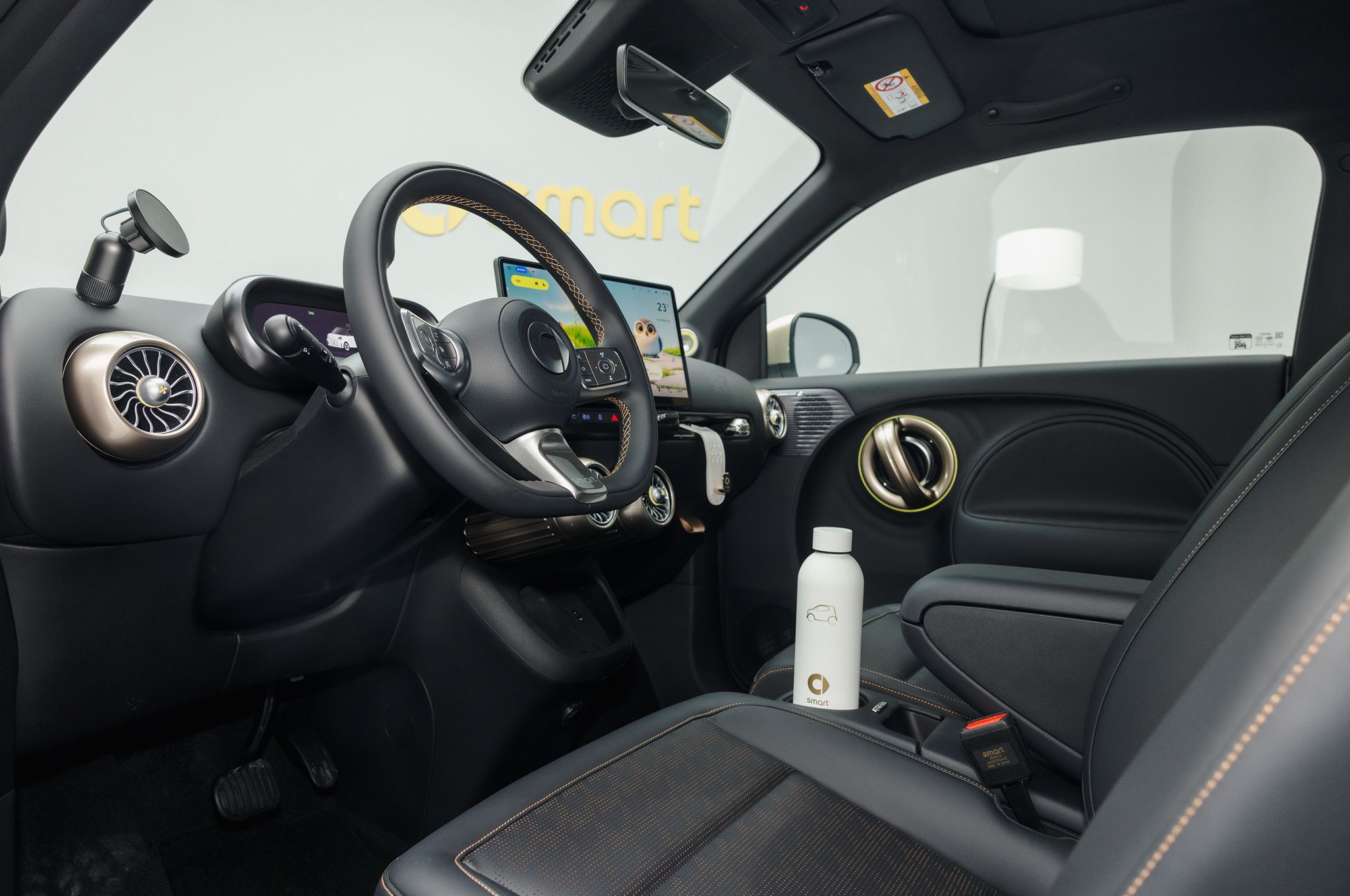
The #2 pulls off the same trick as its predecessors of being absolutely huge inside. It may be a tiny car in reality, but inside it feels enormous. Taller people won't have a problem getting comfortable, and there's even a decent amount of steering wheel adjustment. The driver's seat (which can be electrically-adjustable) can even slide forwards very close to the dashboard, meaning smaller drivers can get comfy too – to see how close, watch my walk-around video.
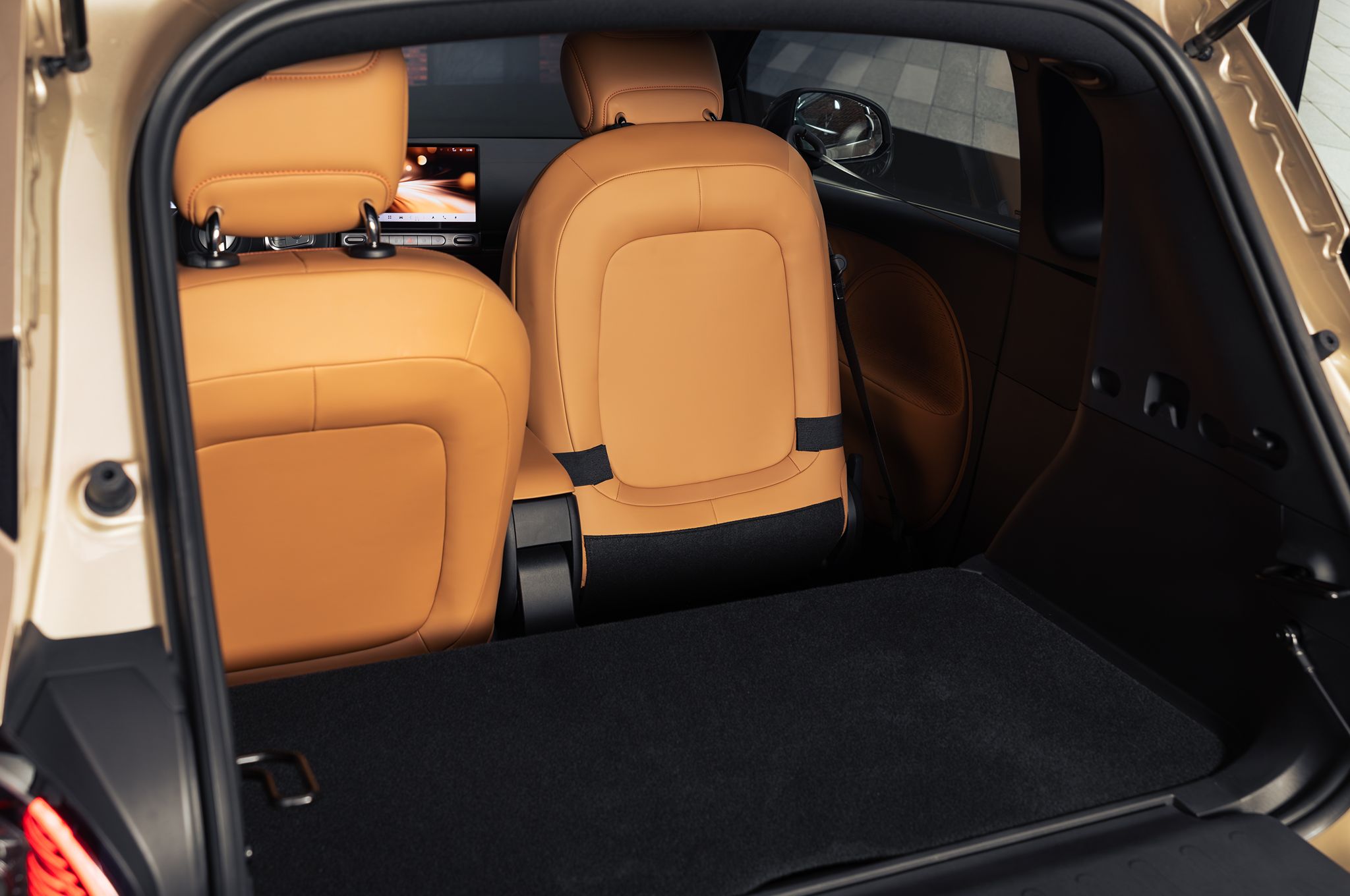
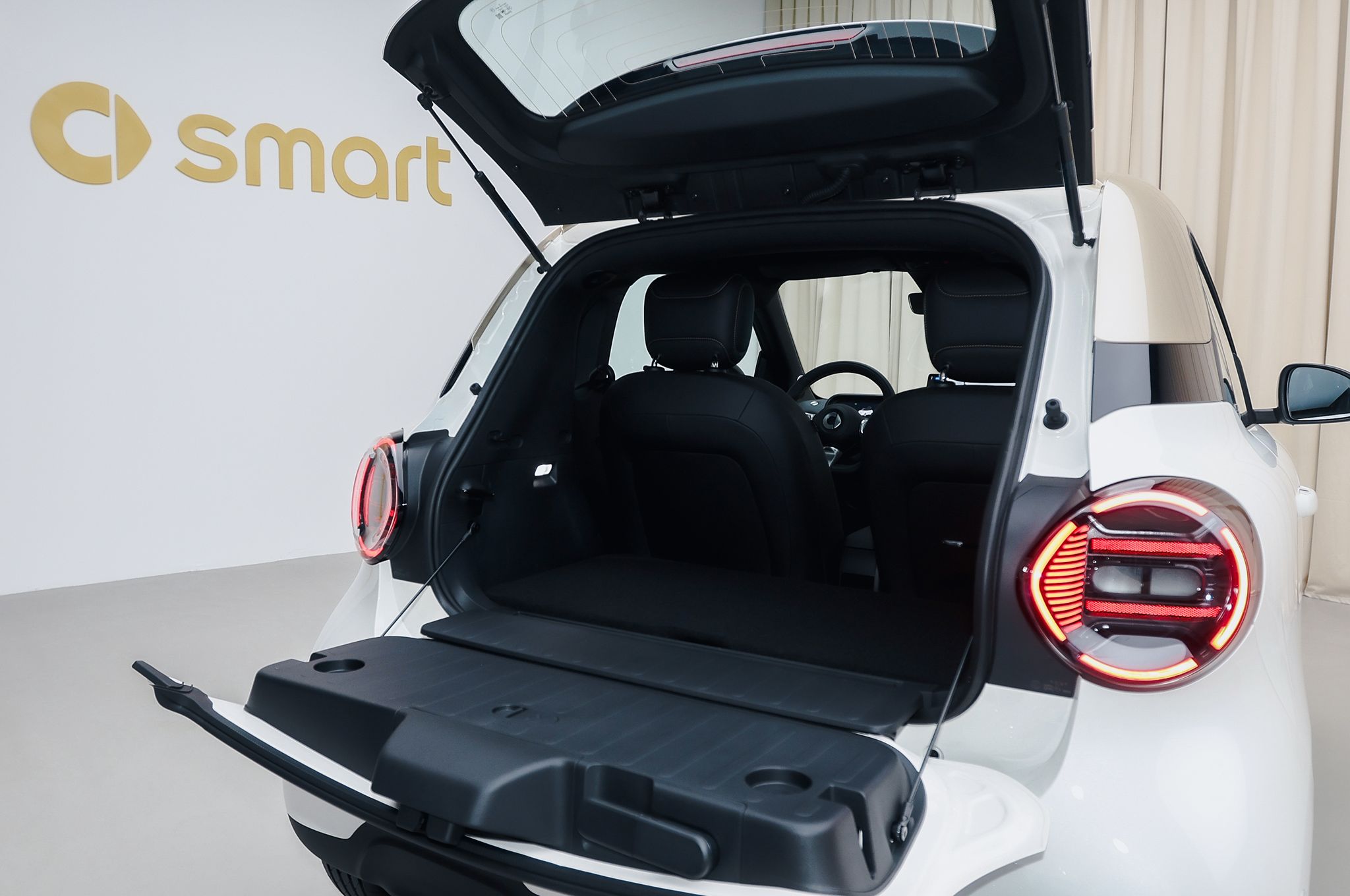
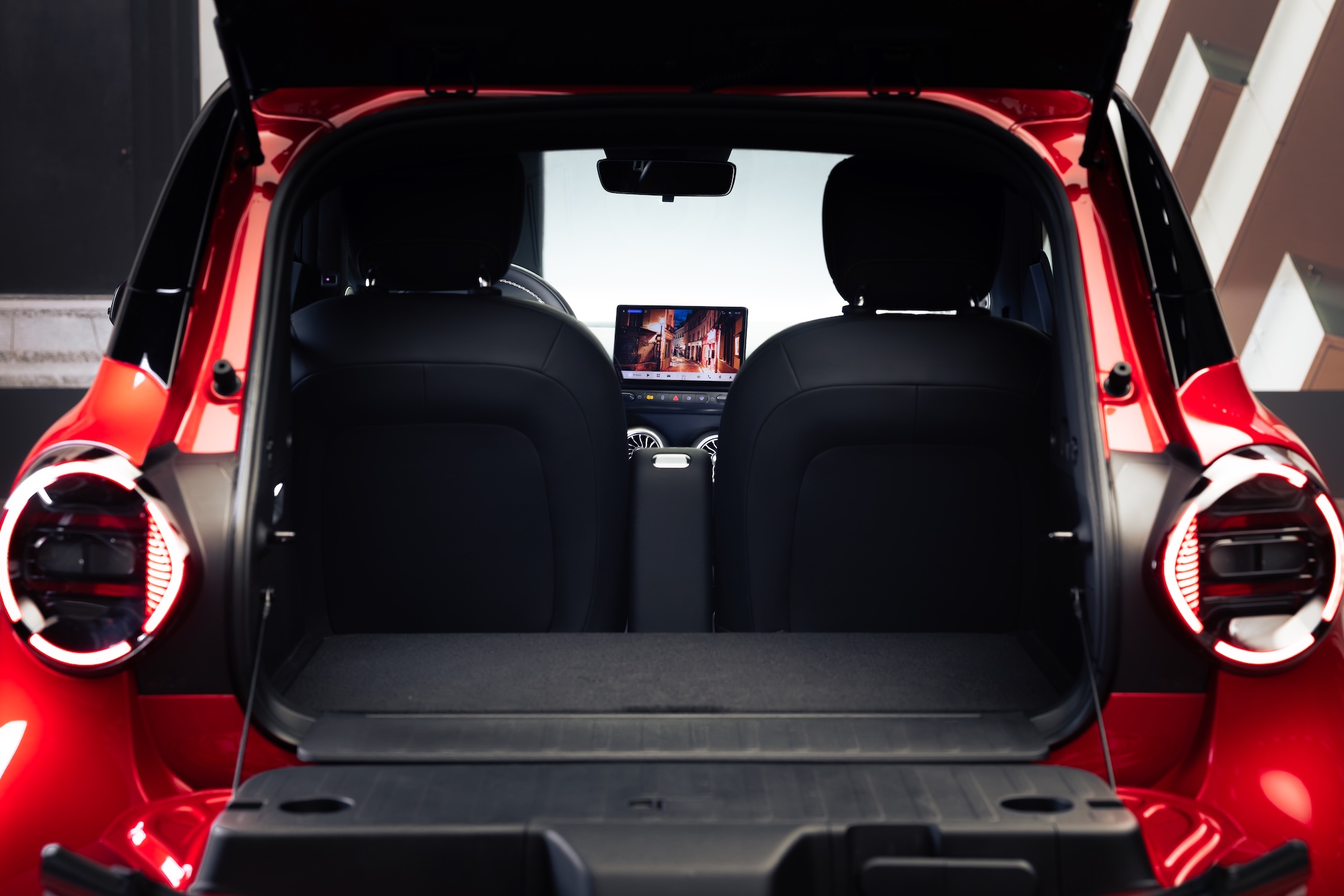
Despite being less than 2.75 metres long, Smart says the boot measures 305 litres. For some perspective, that's not far behind considerably larger small hatchbacks. And it's a pretty useable space, too – square and well-shaped, and there's even a very useful underfloor section which can be optioned with moveable sections for even more practicality.
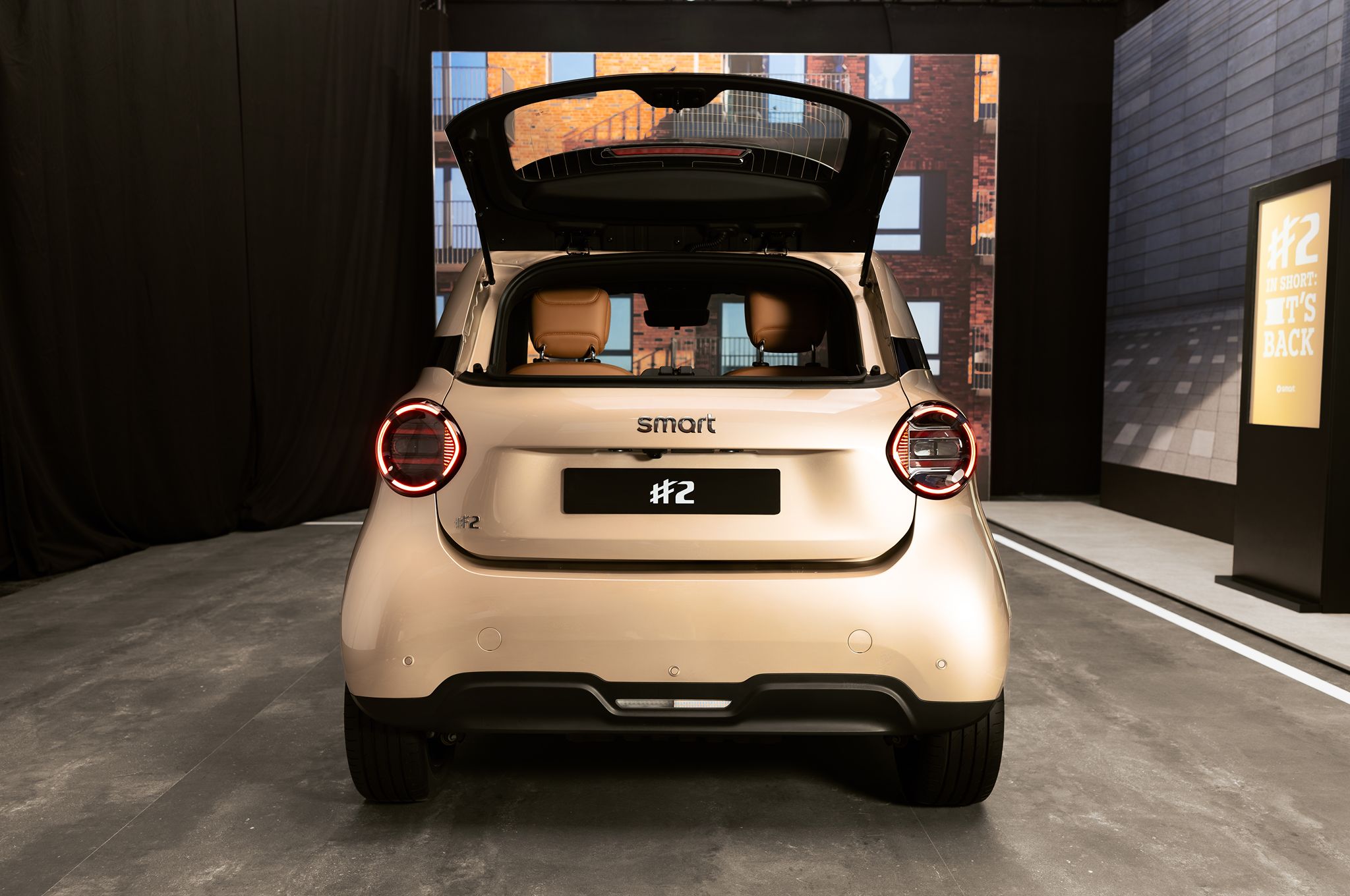
The split tailgate is back, too, which isn't just a nice nostalgic touch. It's genuinely useful when you've parked in a tight space because you don't need to swing one enormous bootlid upwards into whatever SUV has inevitably parked six inches behind you.
Interior, styling and technology
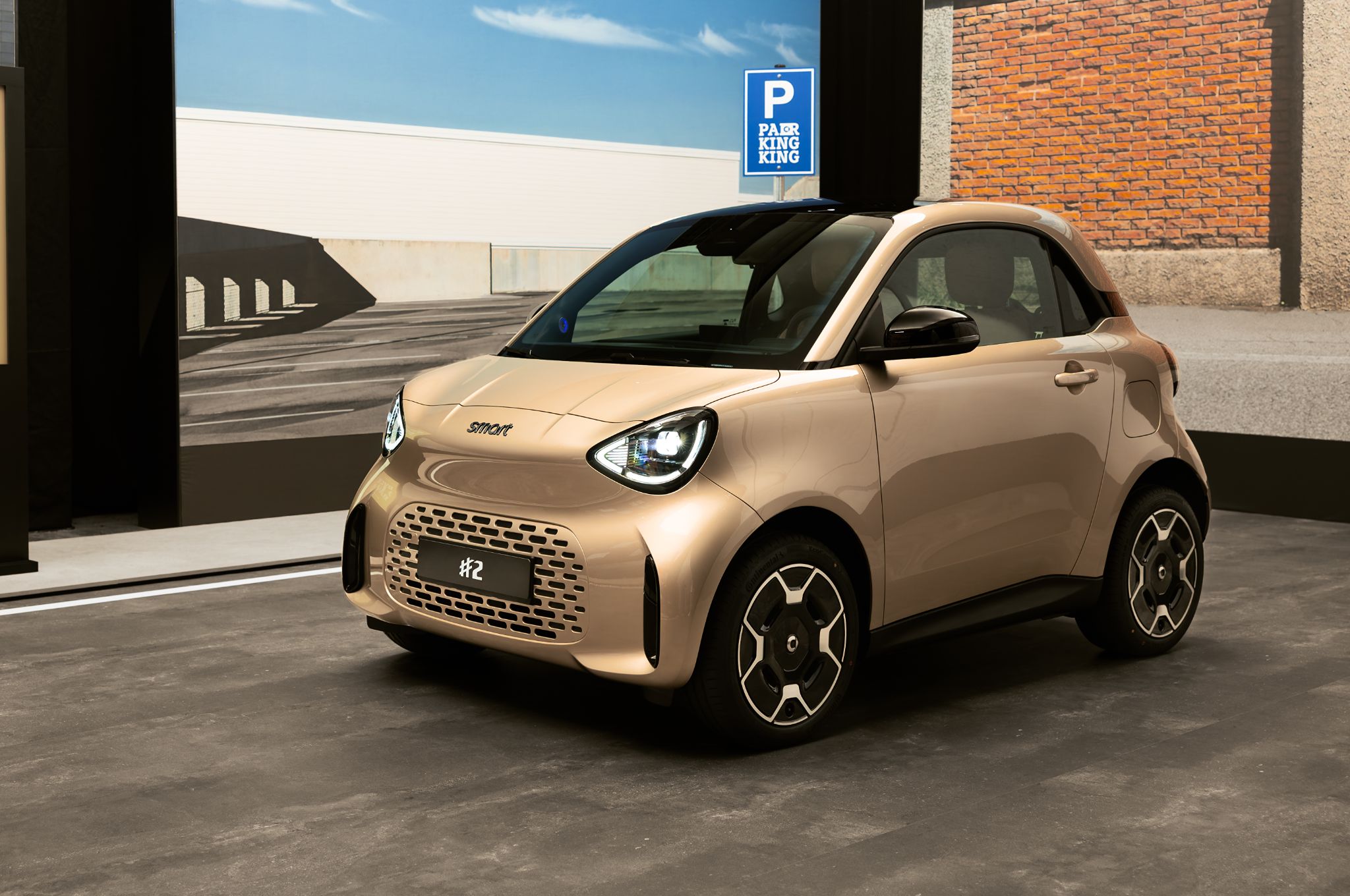
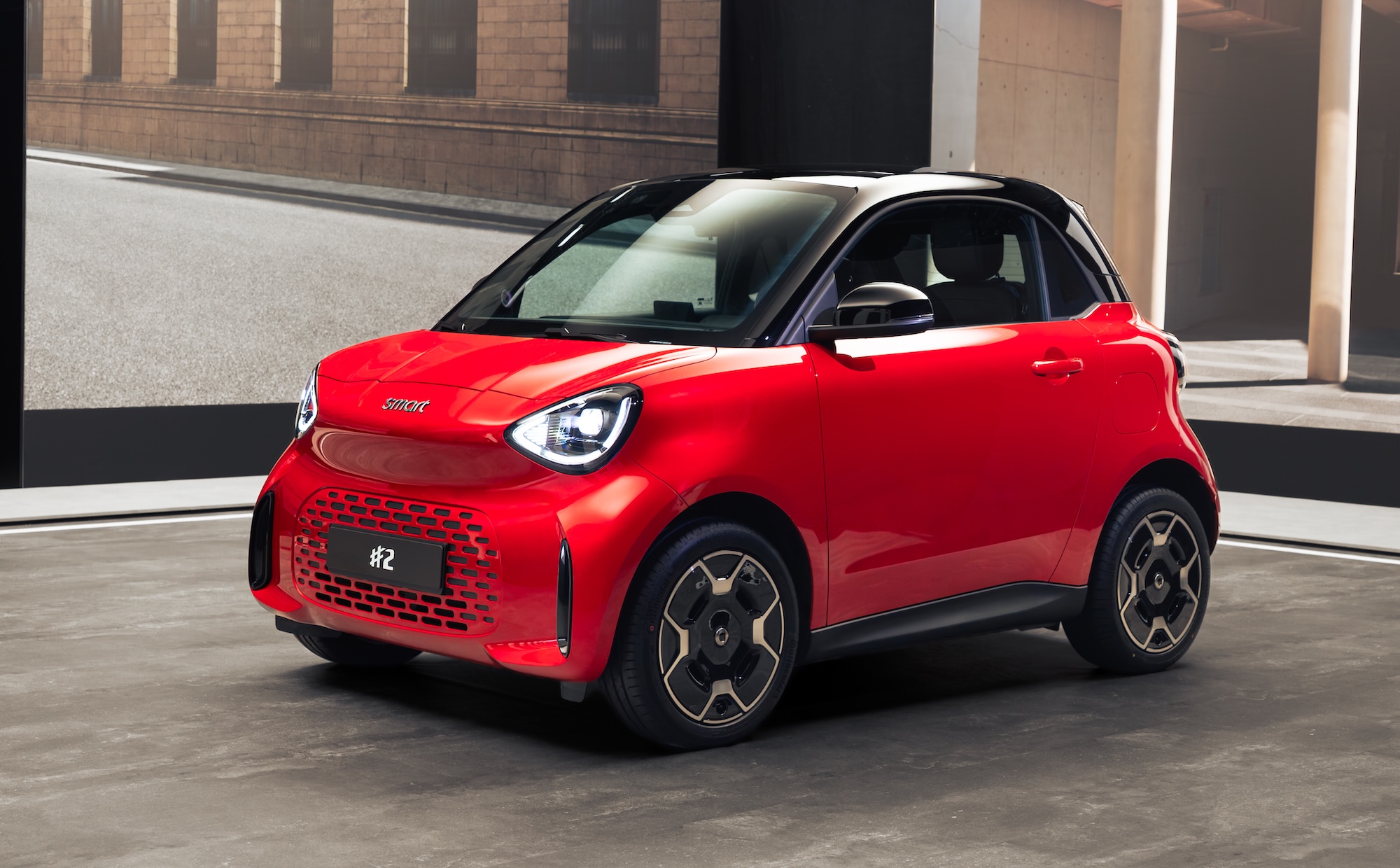
This is where Smart has done something rather clever, because the #2 doesn't really look retro. It just looks like a Smart.
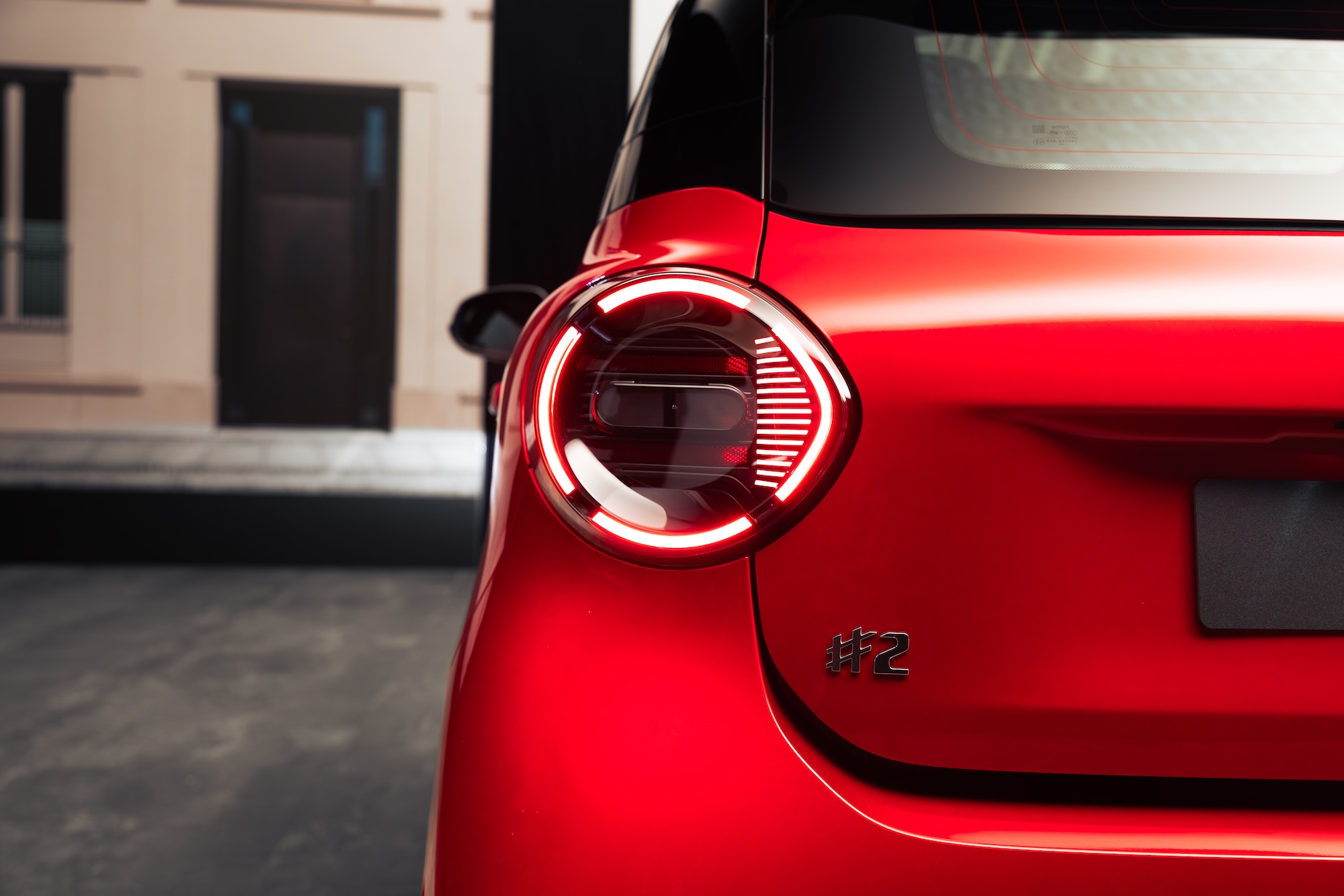
There's the upright, almost one-box silhouette, a two-tone body (on some trims), wheels pushed right into the corners and that split tailgate.The original City-Coupe and Fortwo successor were cars which you could recognise from 200 yards away, and the #2 manages to reference it without simply photocopying something designed in the 1990s.
Underneath is an entirely new Electric Compact Architecture, or ECA, while the famous Tridion safety cell has evolved into the Tridion Safety Cell Evo. The original Smart and Fortwo cars had the cell exposed as a visual sign of the car's impressive strength in the event of an accident, but technicalities aside, the cell gave the Smart its distinctive two-tone colour look. This time around, Smart has decided to hide the cell and not make such a visual show of it.
Chatting to the designers, they told me that safety is such a big part of all small cars these days that making a big fuss of how safe the Smart is isn't necessary. I also think they've done it so that the #2 fits alongside the other # Smart models – they naturally don't have the cell as they are more conventional cars. I get all this, but I still think it's a shame that this distinctive styling cue has been lost. The only two-tone feature is now choosing a different coloured roof, and you can do that with many other cars.
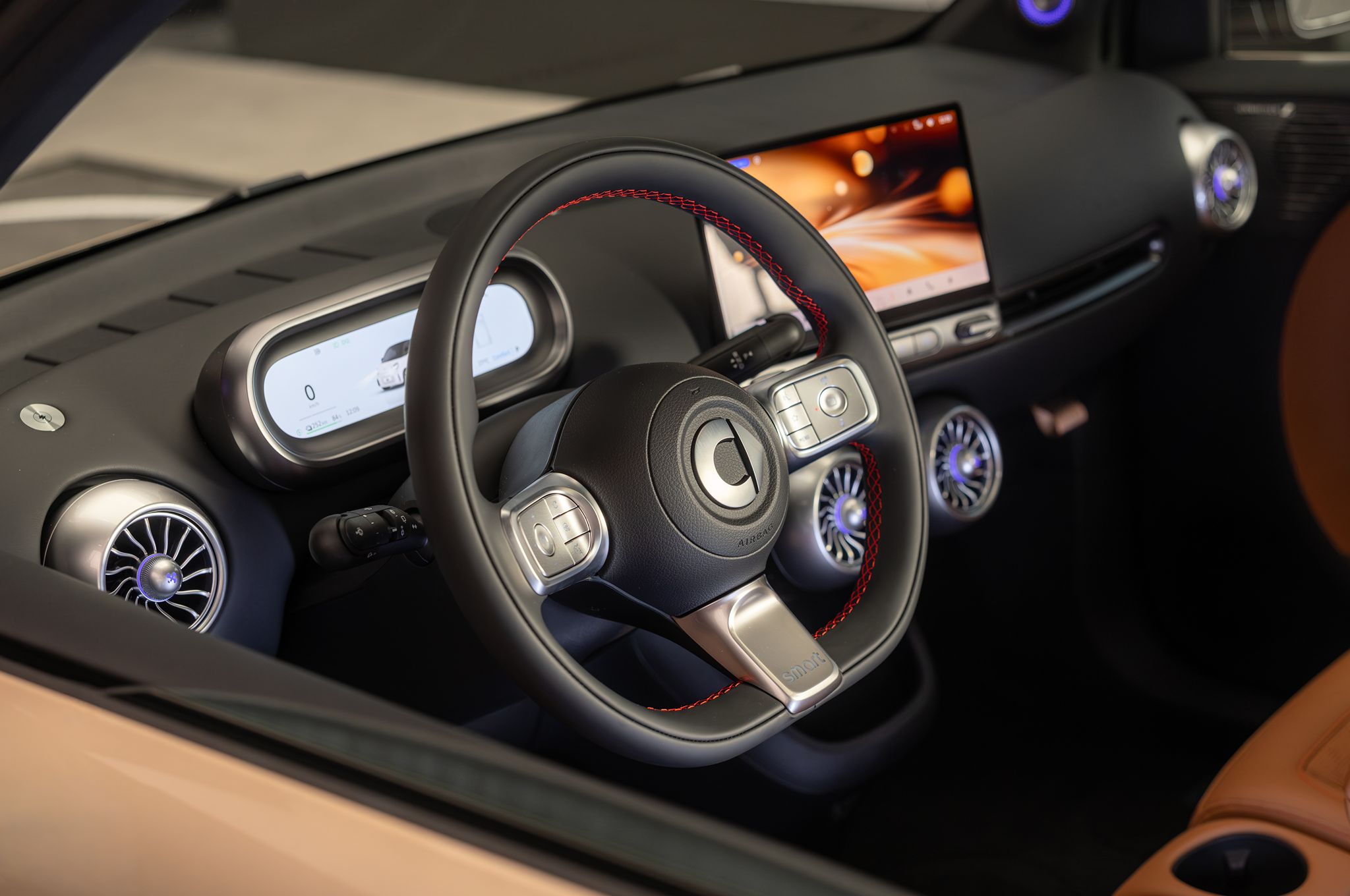
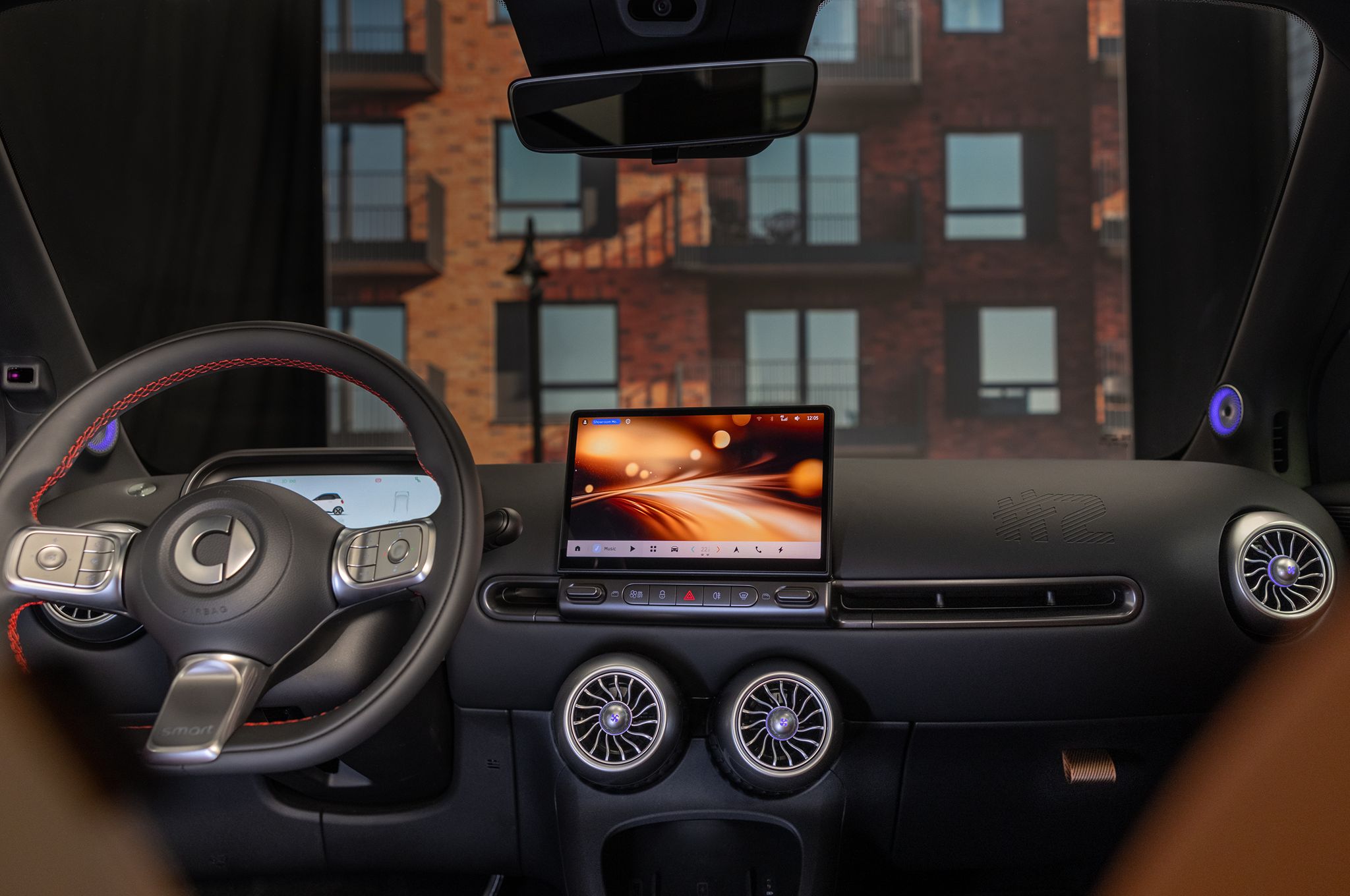
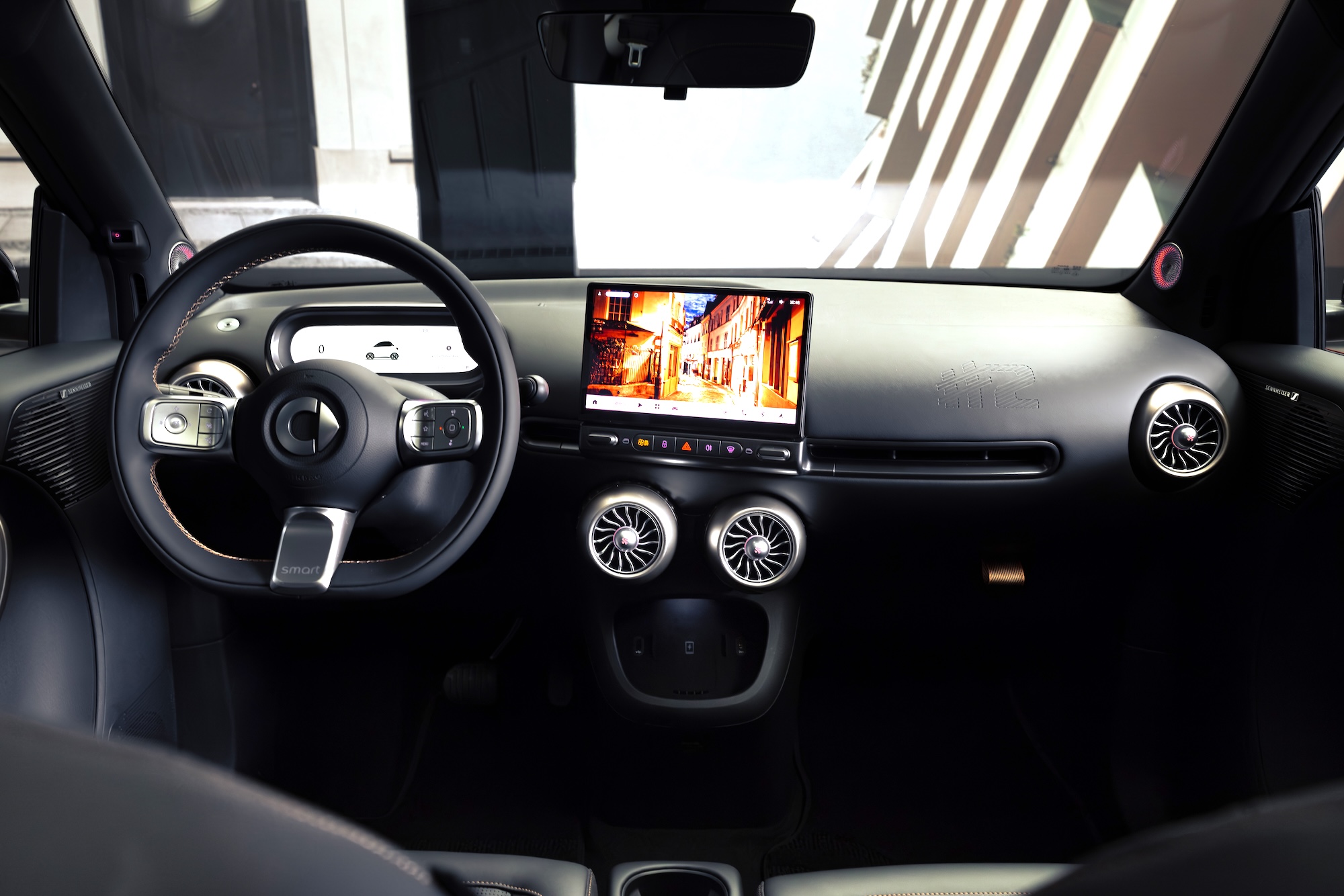
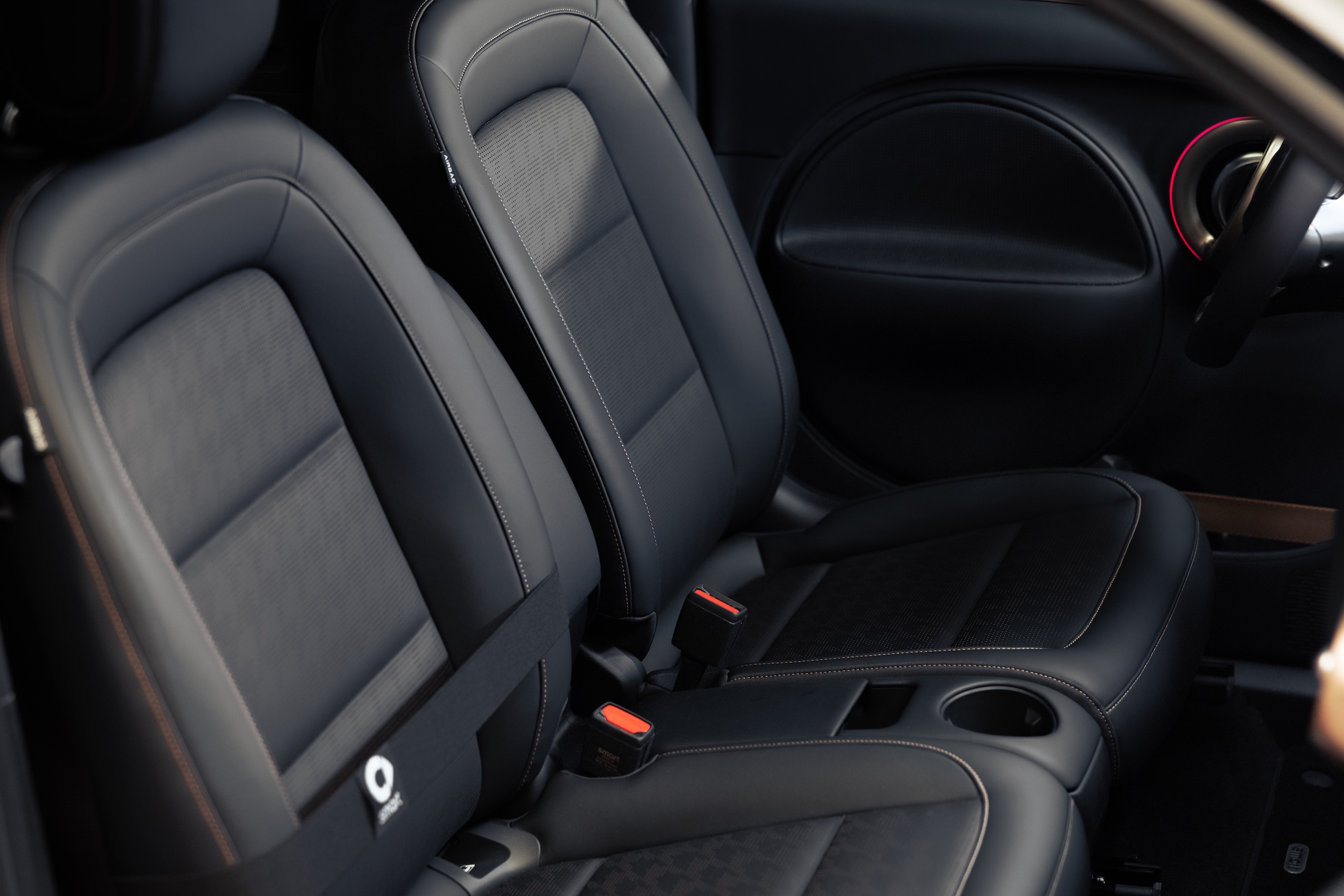
Inside, the cabin uses a continuous bench-style seat design and an S-shaped dashboard, and it feels surprisingly grown-up considering the microscopic dimensions outside.There's an 8.8-inch driver's display and a 10.1-inch central touchscreen. You also get 4G, Wi-Fi and Bluetooth connectivity, backed by an eight-year connectivity package.
Then there's something called the Smart Pillar. This is essentially an attachment point on the dashboard where owners can fit different little gadgets and accessories. It's a small thing, but it's exactly the sort of playful detail Smart used to be brilliant at – remember those pods on the Fortwo's dash for the rev-counter?
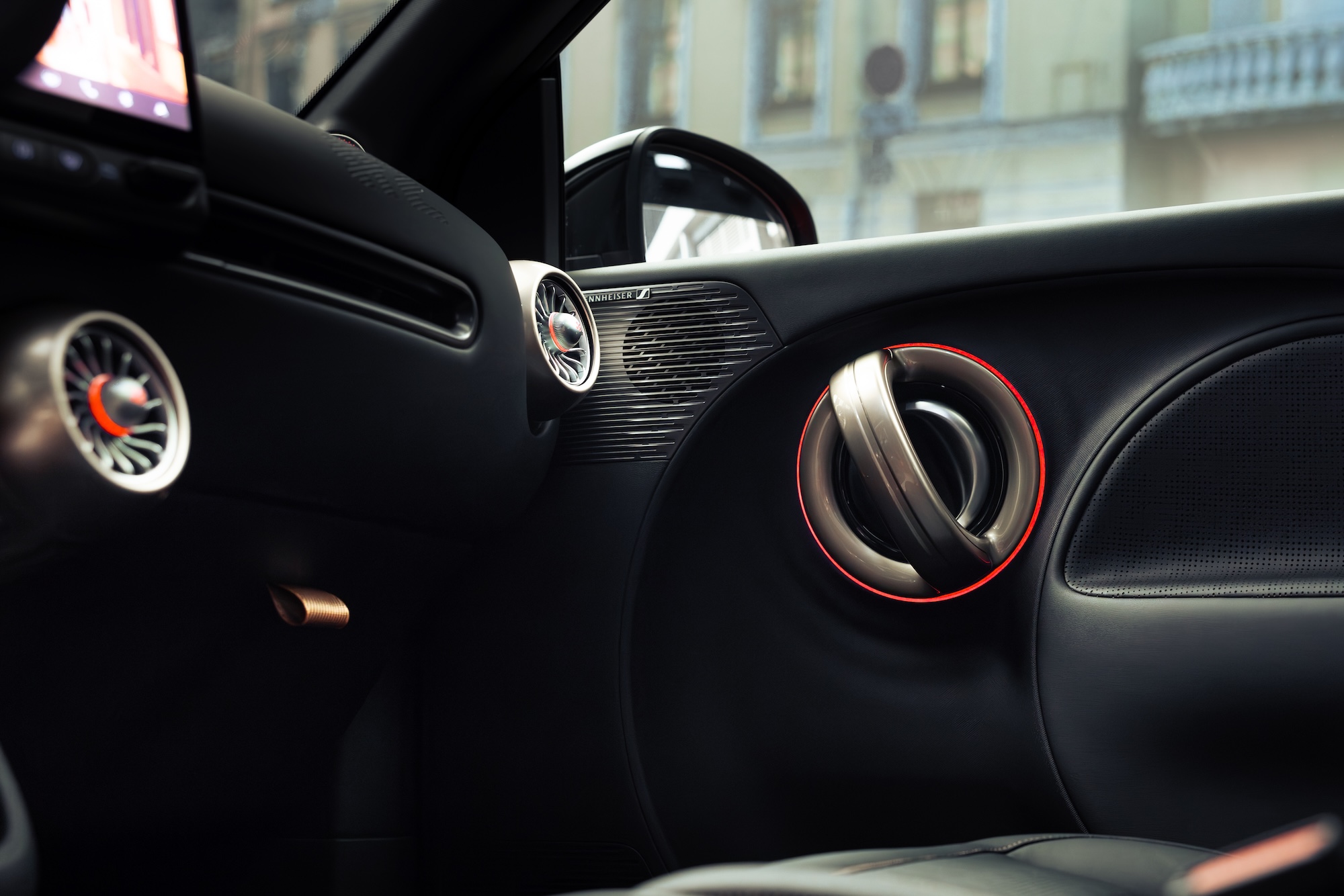
And there's a surprising amount of big-car equipment available, too. Premium models get heated faux-leather seats, a glass roof, heated steering wheel, ambient lighting and a seven-speaker Sennheiser stereo.
I was hugely impressed at the level of material quality and fit-and-finish. There's lots of tactile plastics and artificial leathers used, and it has a really upmarket vibe. I also love the little design details, like the turbine-style air vents and the chunky door handles. The whole thing feels less like a cheap city car and more like a much bigger car that's been miniaturised.
Motors, performance and handling
The Smart #2 gets a rear-mounted electric motor that produces around 82hp and 130Nm of torque.
Like it did with the #2's predecessors, Smart has fitted wider tyres at the rear to improve handling and stability. This time around, though, there's a five-link rear suspension setup, which Smart claims is a first for this class. Combined with the low centre of gravity provided by the floor-mounted battery, Smart reckons it'll deliver a mixture of decent comfort and entertaining handling.
We've haven't driven the #2 yet but we expect it to be a hoot around the city, with punchy acceleration, excellent visibility and sharp steering. It'll also be a cinch to park thanks to its turning circle, which measures just 6.95 metres kerb-to-kerb. Motorways and faster roads weren't the Fortwo's calling car, but the #2's calling car but it could surprise here – I can't wait to find out.
Pricing and on sale date
Potentially the biggest number isn't the range, or the turning circle, or even the length. It's the price.
Smart says the #2 will start at less than £20,000 in the UK, with full pricing to be announced later and order books opening from spring 2027.
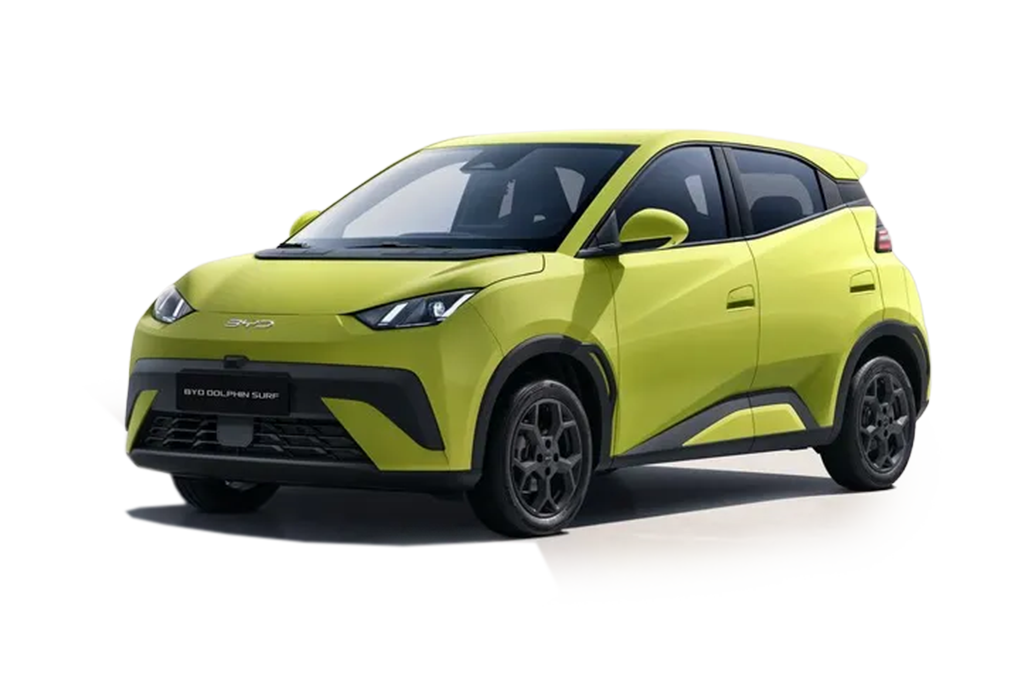
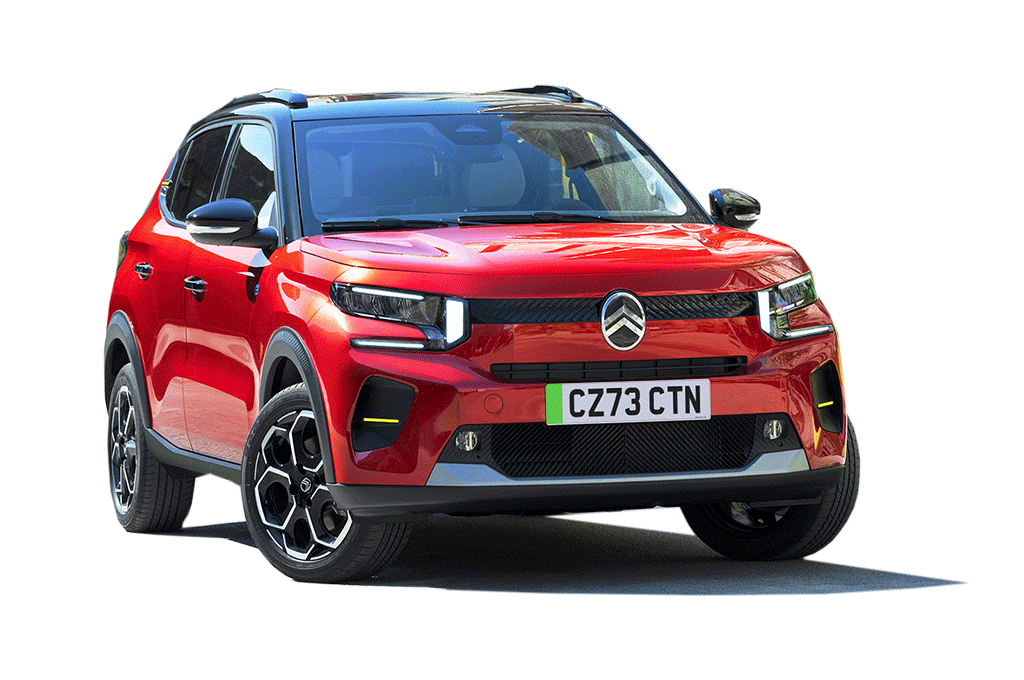
Yes, there are already affordable electric cars such as the BYD Dolphin Surf and Citroen e-C3, and the Renault Twingo will be another obvious rival. And all of those have one rather significant advantage – rear seats.
But the original Smart was never really about being the cheapest car you could buy. You paid for the clever packaging, style, character and ability to squeeze into tiny spaces. I do wonder, though, if the game has moved on a little since the 2000s, and people might not want to pay around £20,000 for two-seater? Could the #2 be seen as being just a little too dear? Let's see when the prices have been released.
The UK range will centre around Pure and Premium, while a limited-run Couture Edition will sit at the top.
Pure gets adaptive cruise control with Stop & Go, Highway Assist, Smart Pilot Assist, LED lighting and Vehicle-to-Load.
Premium adds 11kW AC charging, heated faux-leather seats, the panoramic Halo roof, 256-colour ambient lighting and that seven-speaker Sennheiser system.
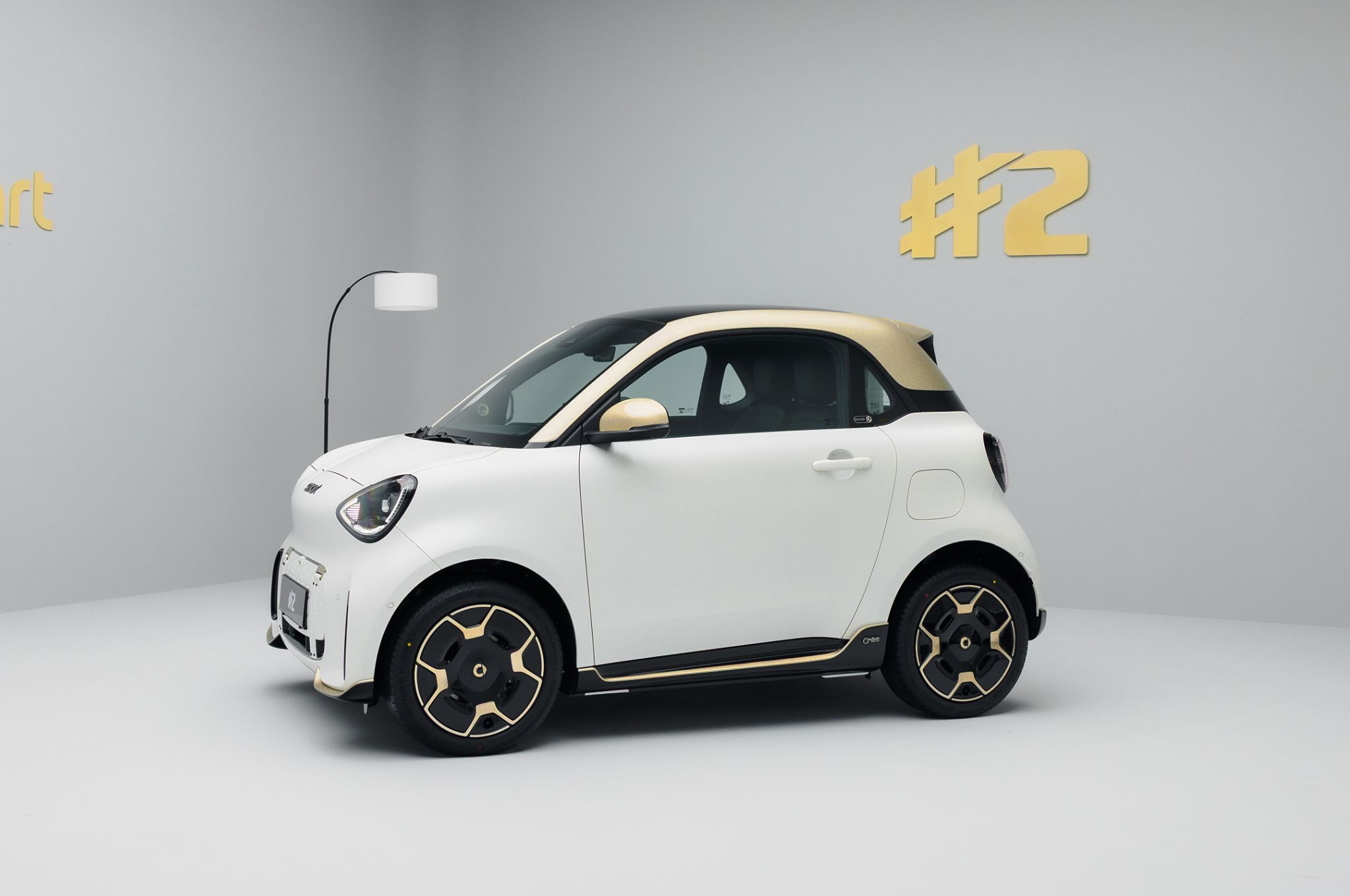
Then there's the Couture Edition. Only 999 will be offered across Europe, finished in Atelier White Matte with a Platinum Gold roof, gold detailing and special 16-inch wheels. There's even a numbered '1 of 999' badge inside.
Verdict
I'm really pleased Smart has made this car. Because somewhere along the way, Smart seemed to forget what made Smart interesting in the first place.The original wasn't memorable because it had the longest range, or the biggest boot, or the most horsepower. It was memorable because somebody looked at increasingly crowded cities and asked a very sensible question: Why are cars so enormous?
Thirty years later, that size conundrum is still a thing today, with ever-bigger cars seemingly being launched every week. The 'Smart Car' still has a much-needed place on UK roads, and if Smart gets the pricing right it could be a hit.

.jpg?width=300&height=185)
 9
9