





 Battery size: 58–77kWh
 Max charge rate: 165kW
 WLTP range: 373 miles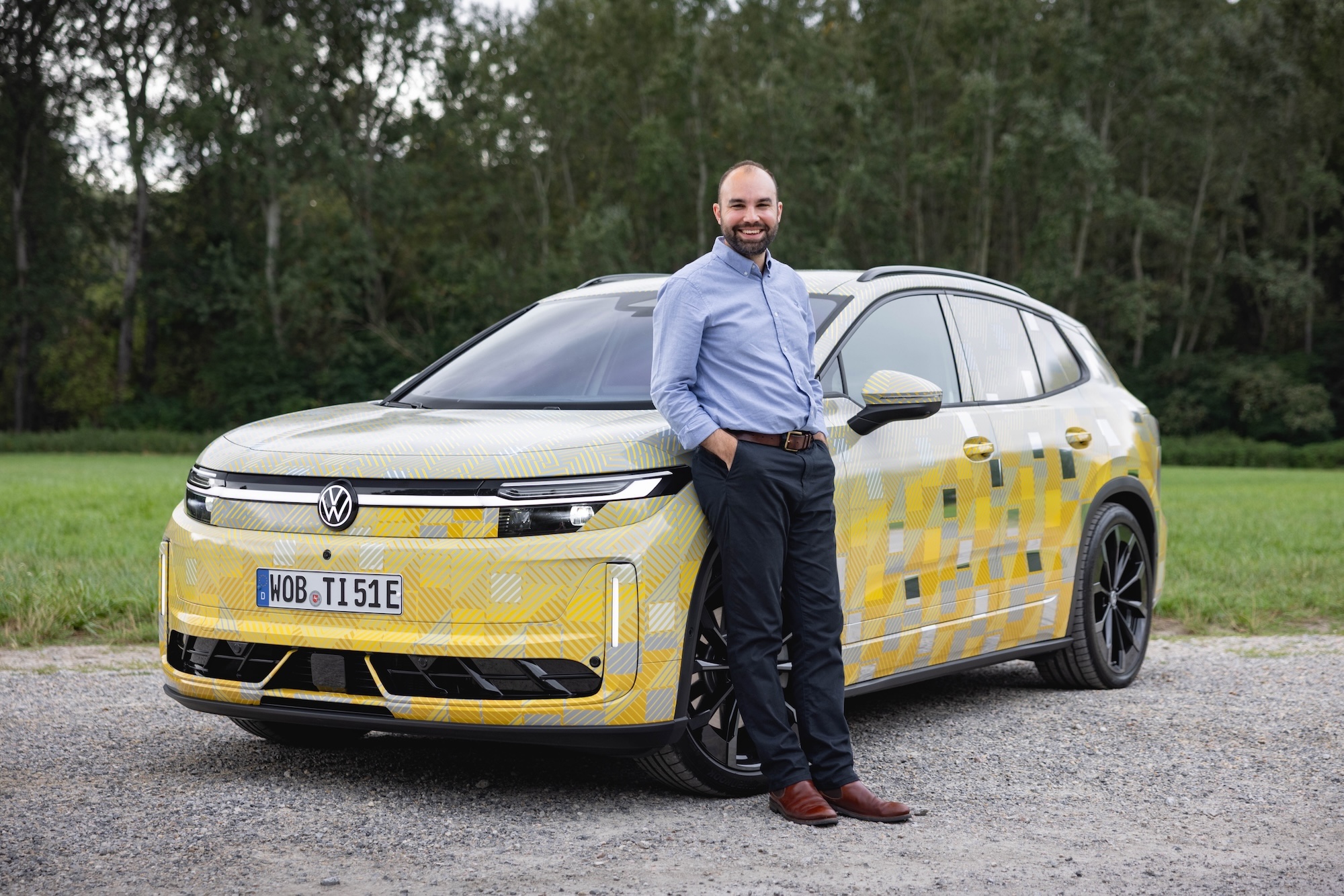



Introduction
It might be hard to believe, but the Tiguan is just as important to Volkswagen as the Polo, Golf, Passat and even the Beetle. More than 8.3 million have been built since the car launched in 2007, and Volkswagen says it is currently the bestselling model not only within the VW brand but across the entire Volkswagen Group.
Just like with the ID.Polo, this next phase of VW EVs are using traditional model names to make them both more familiar and appealing. It's all part of the new 'True Volkswagen' philosophy, which "consistently places the core values of the products at the centre of vehicle development", with these values being "timeless, friendly design, uncompromisingly simple operation, optimal use of space, quality that extends beyond class boundaries and innovative technologies".
Basically, VW wants to now build cars that actually feel like VWs – something that hasn't really been the case for the first wave of ID models, such as the ID.4. Along with the ID.Polo, there's a lot riding on this.
Range, battery and charging
The ID.4 came with 58kWh, 77kWh and 79kWh battery sizes, but the ID.Tiguan is expected to initially come with just the 58kWh LFP and 77kWh NMC packs.
Forecasted WLTP figures are around 280 miles (450km) for the 58kWh battery and 373 miles (600km) for the larger NMC pack. That means, on paper at least, the ID.Tiguan will have a slightly longer range than the outgoing ID.4.
As for charging, the smaller battery peaks at 105kW DC, while the 77kWh versions manage up to 165kW, which is the same as the ID.4.
That means around 26 minutes to get from 10–80% with the 58kWh battery and approximately 29 minutes for the bigger one. Every version gets 11kW AC charging, which means between eight and 12 hours on a home wallbox. There's also vehicle-to-load capability via Volkswagen's PowerSocket adaptor, allowing you to run electrical equipment from the car's battery.
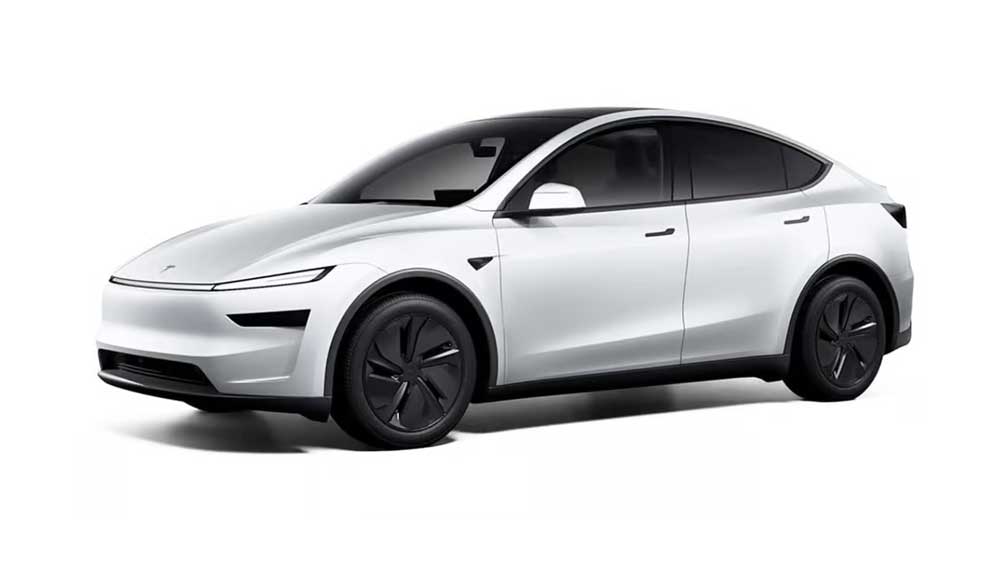
I can't help but feel a little disappointed here. We had hoped that the ID.Tiguan would sweep in with updated batteries and charging, as the ID.4's hardware was fine but nothing to write home about. Especially when you remember rivals like the Tesla Model Y and XPeng G6 are much faster to charge.
Practicality and boot space
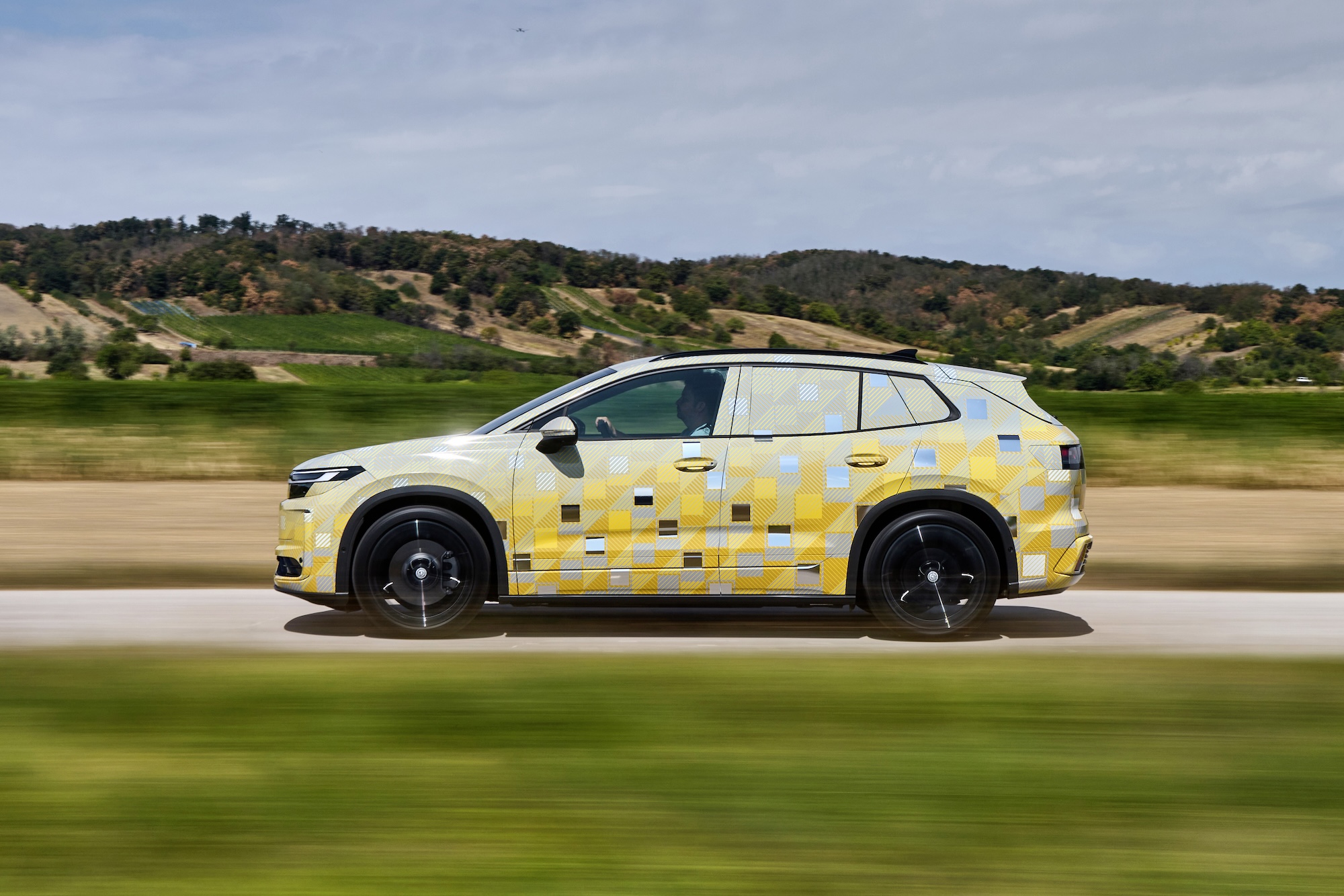
The new ID.Tiguan will be unveiled in full in the next few weeks, and then we will be able to reveal all of the details about the car's interior such as space.
If we were to speculate, details such as practicality and the amount of space inside will remain largely similar to the ID.4 as the ID.Tiguan is based on its predecessor.
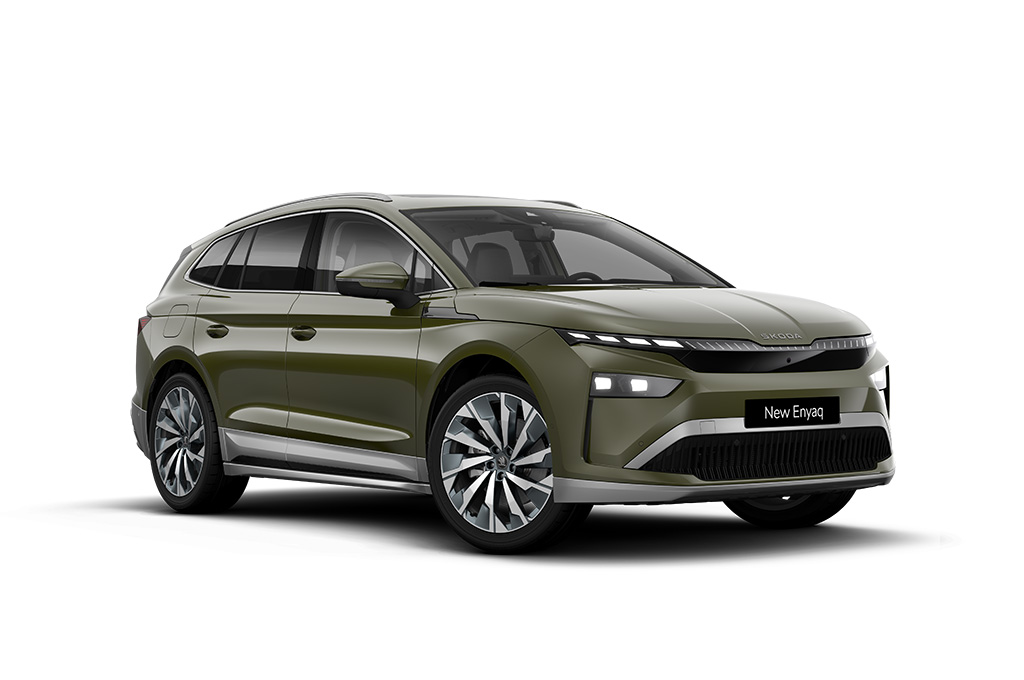
If our crystal ball reading comes true, it would mean the ID.Tiguan would sit in the middle ground between the Hyundai Ioniq 5 and Skoda Enyaq.
Interior, styling and technology
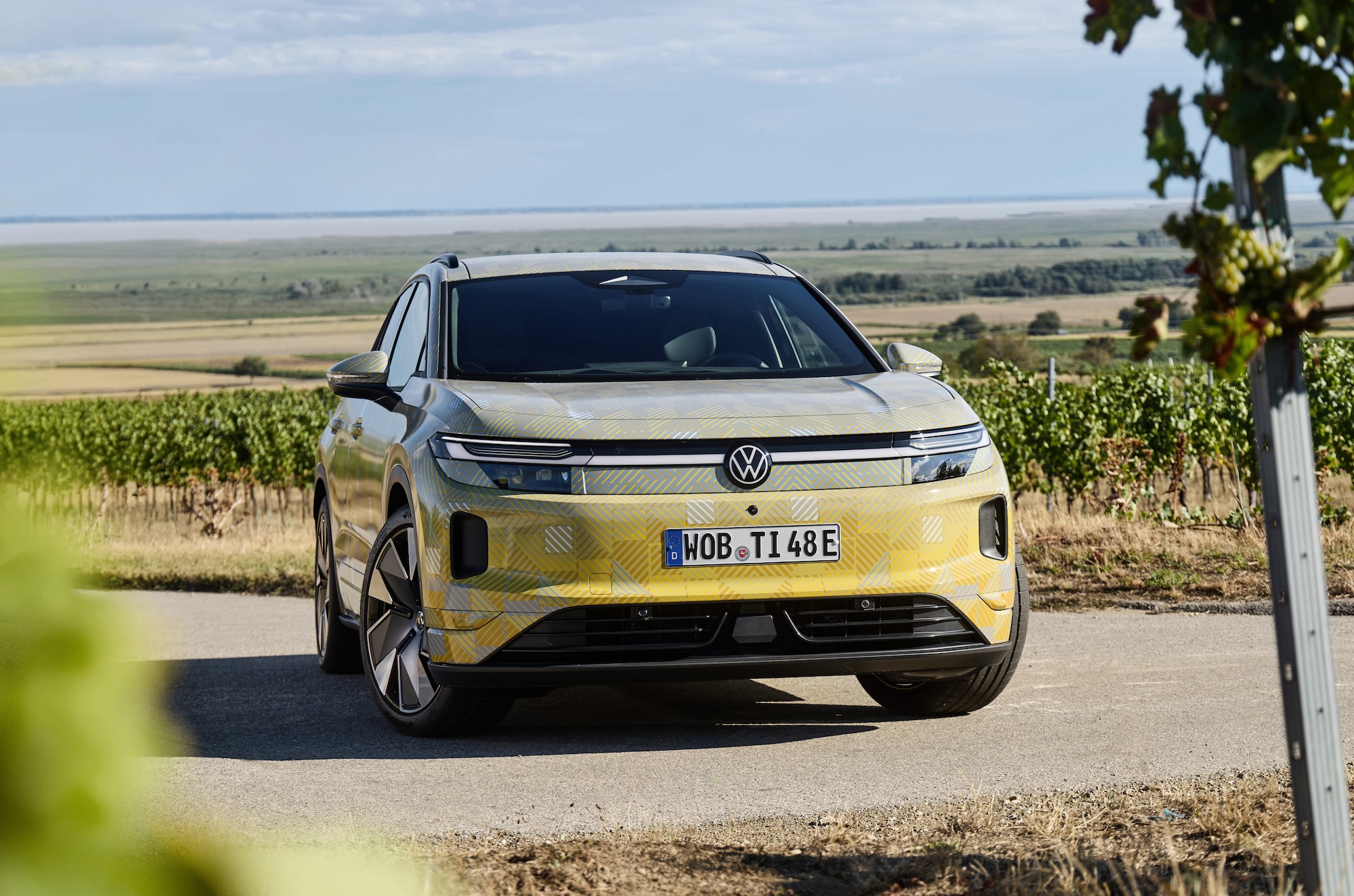
I have seen the new ID.Tiguan in a studio, but you will have to wait a few weeks before I can give you all the gossip – we’ve even filmed a full walkaround of the car giving you an in-depth look at the car’s exterior and interior design. At this stage I cannot even hint at what you can expect – even my drive of a camouflaged car had the interior covered to prevent it from prying eyes.
It’s not too revealing to say, however, that part of this new ‘True Volkswagen’ philosophy has been the company listening to feedback from customers and people such as Electrifying.com and implementing changes.
Key to these improvements have been interiors that have a more quality feel, less overwhelming technology, and a return to simplicity – buttons, knobs and controls, for instance. The ID.Tiguan will almost certainly incorporate all of this.
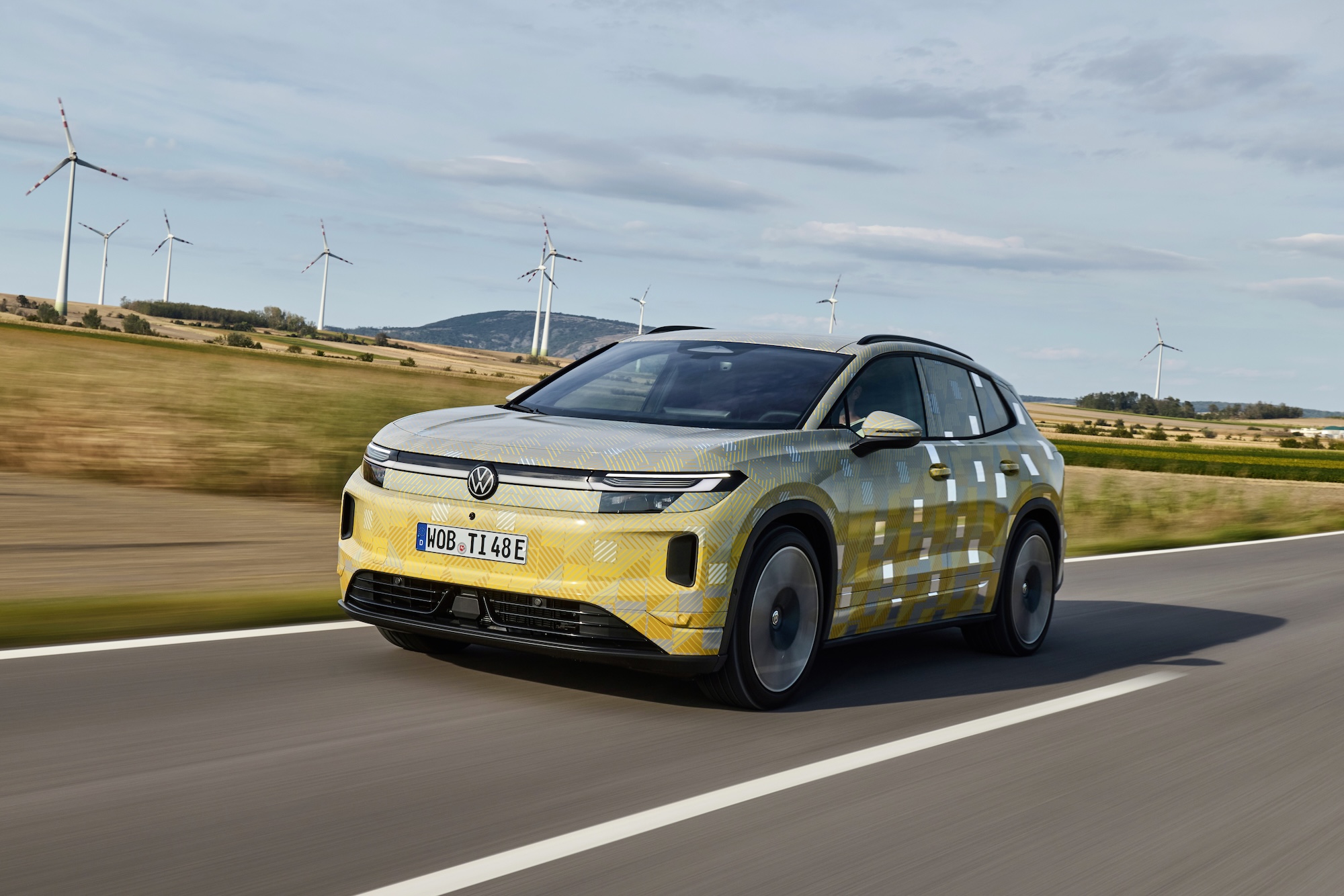
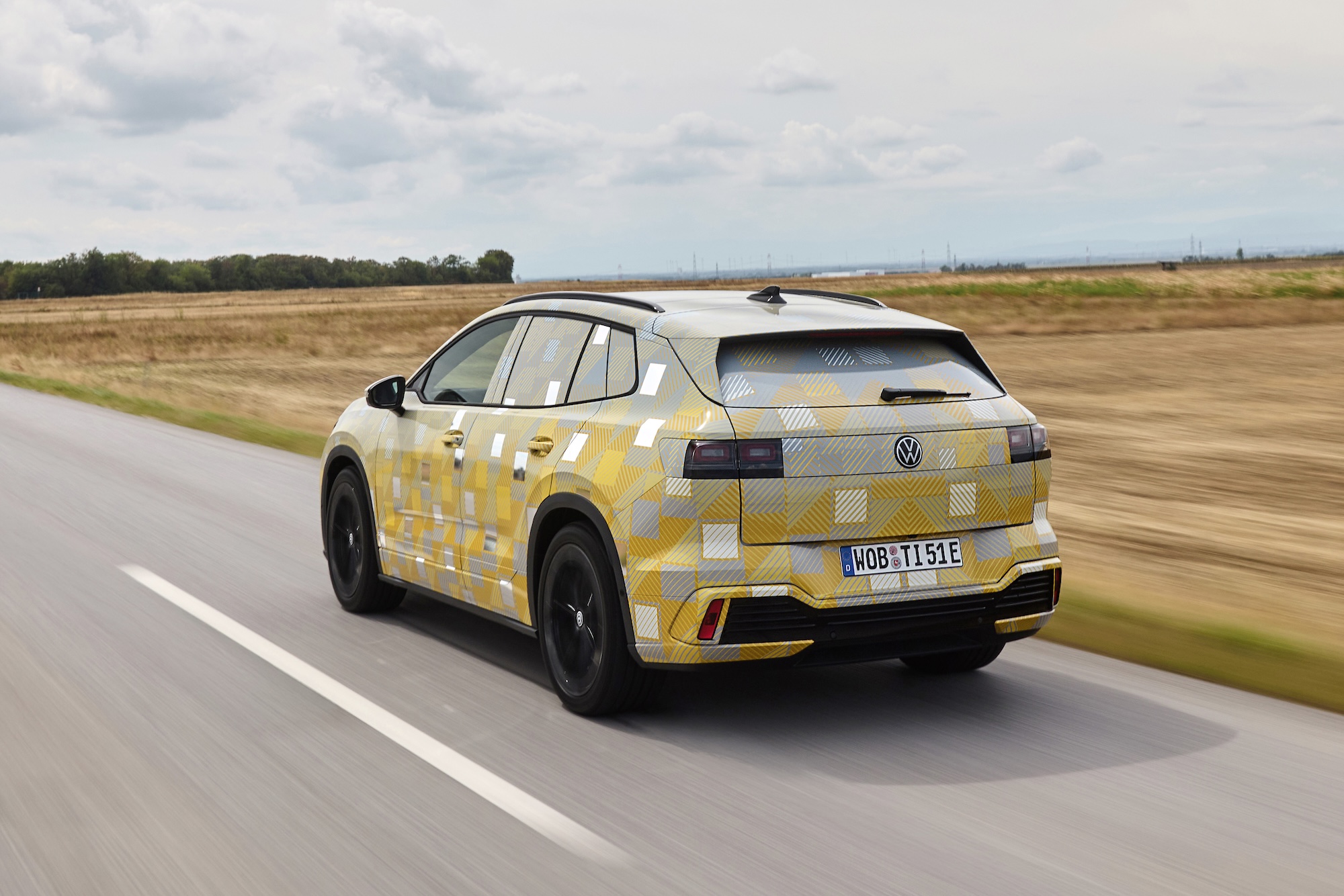
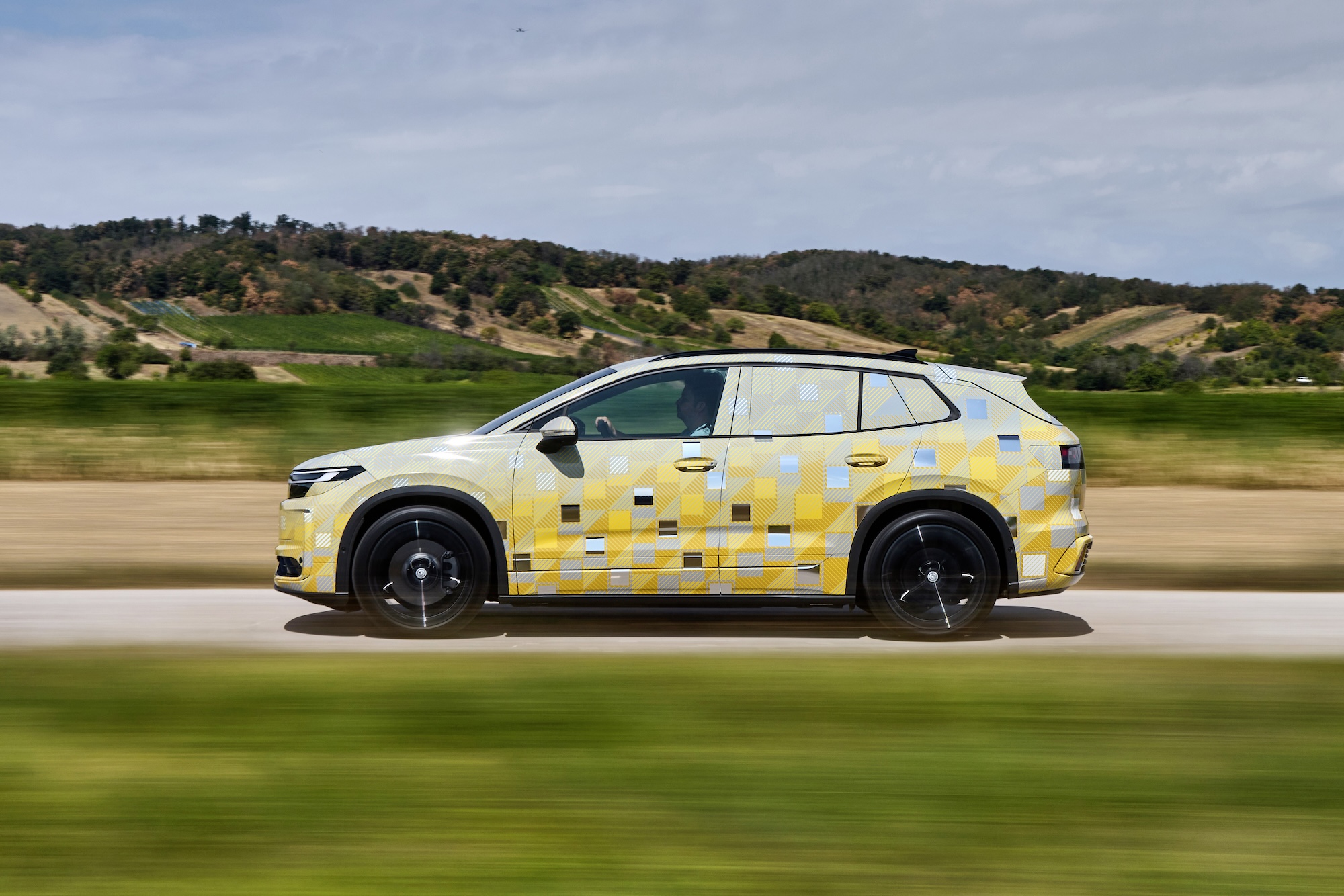
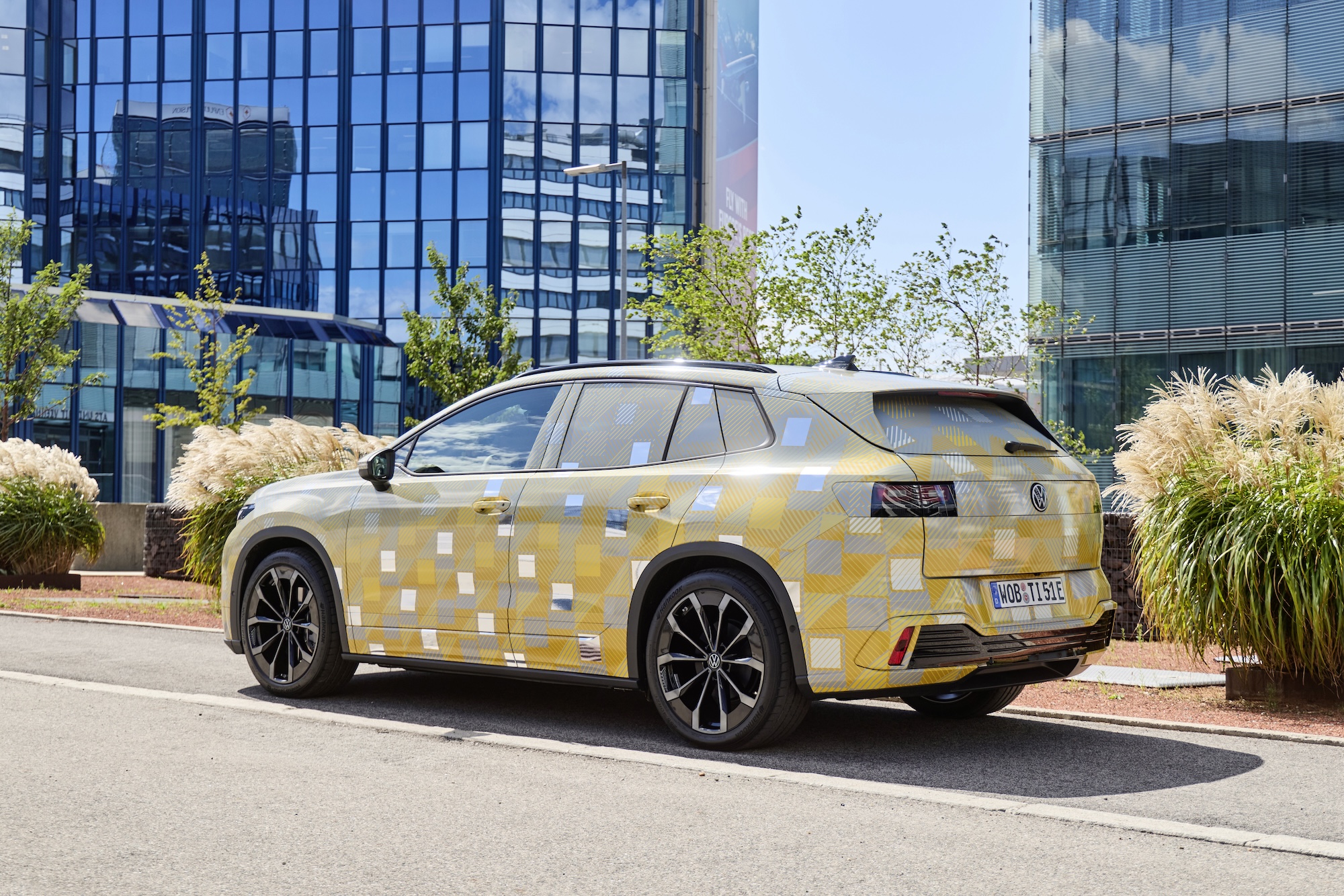
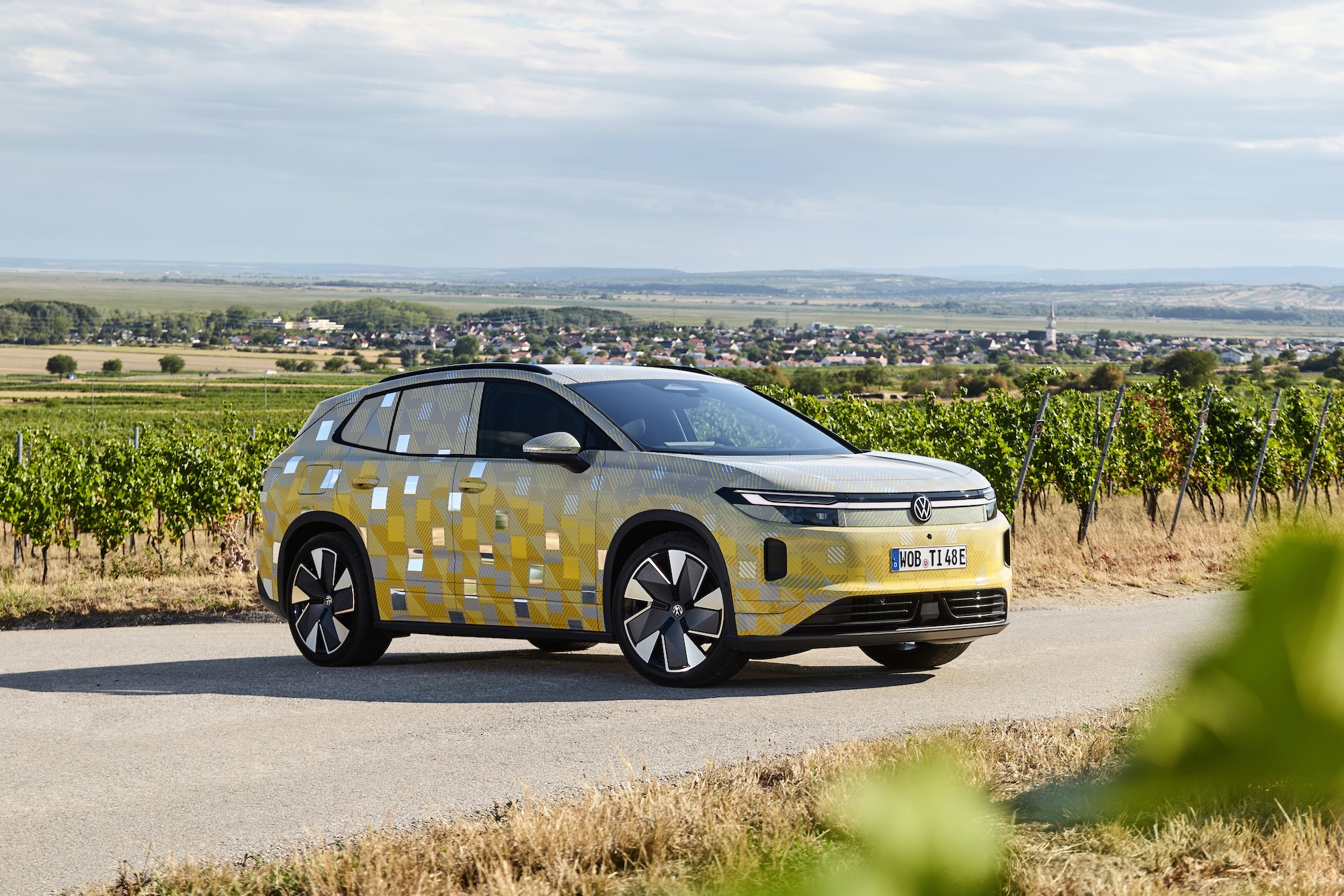
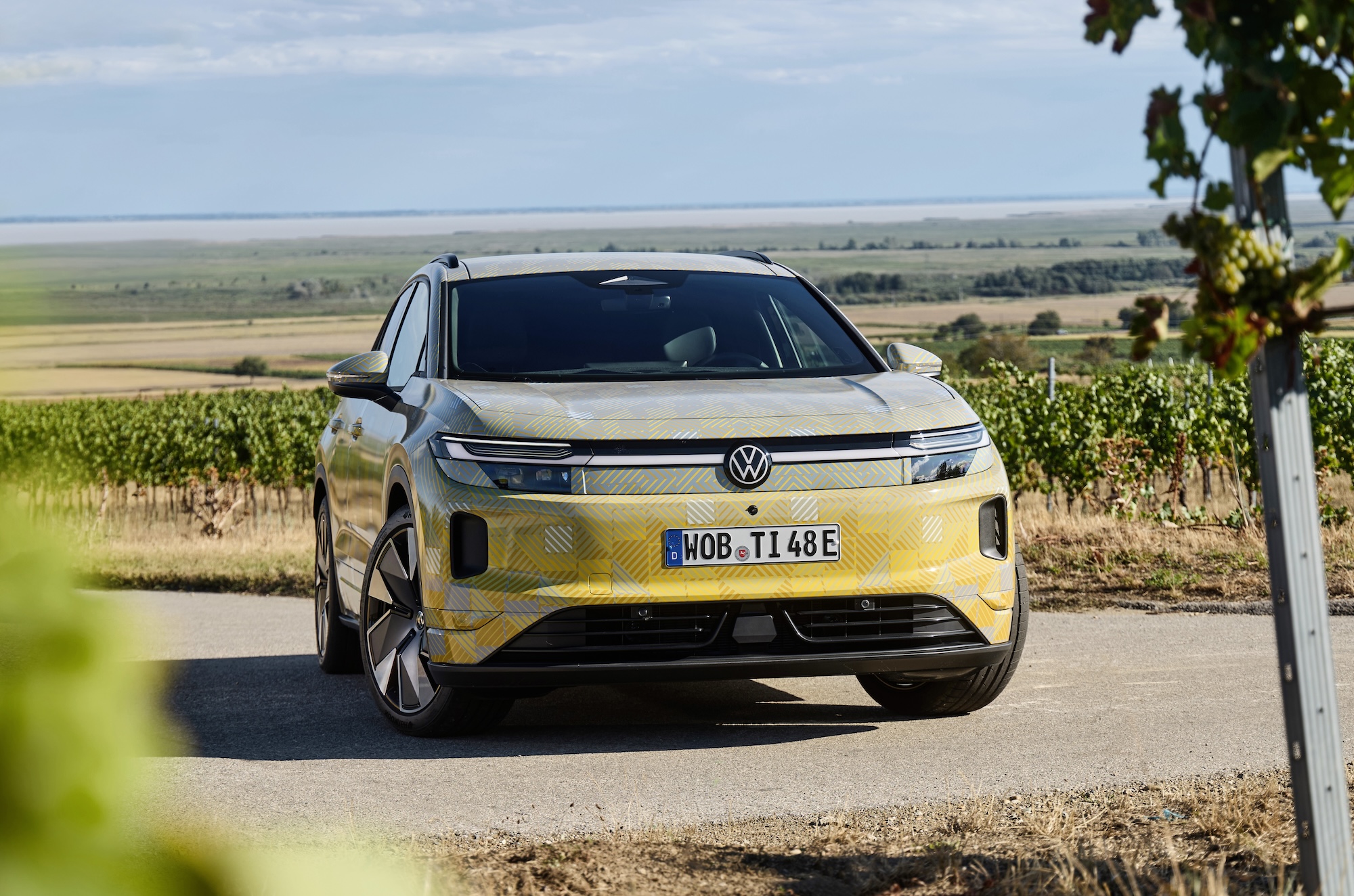
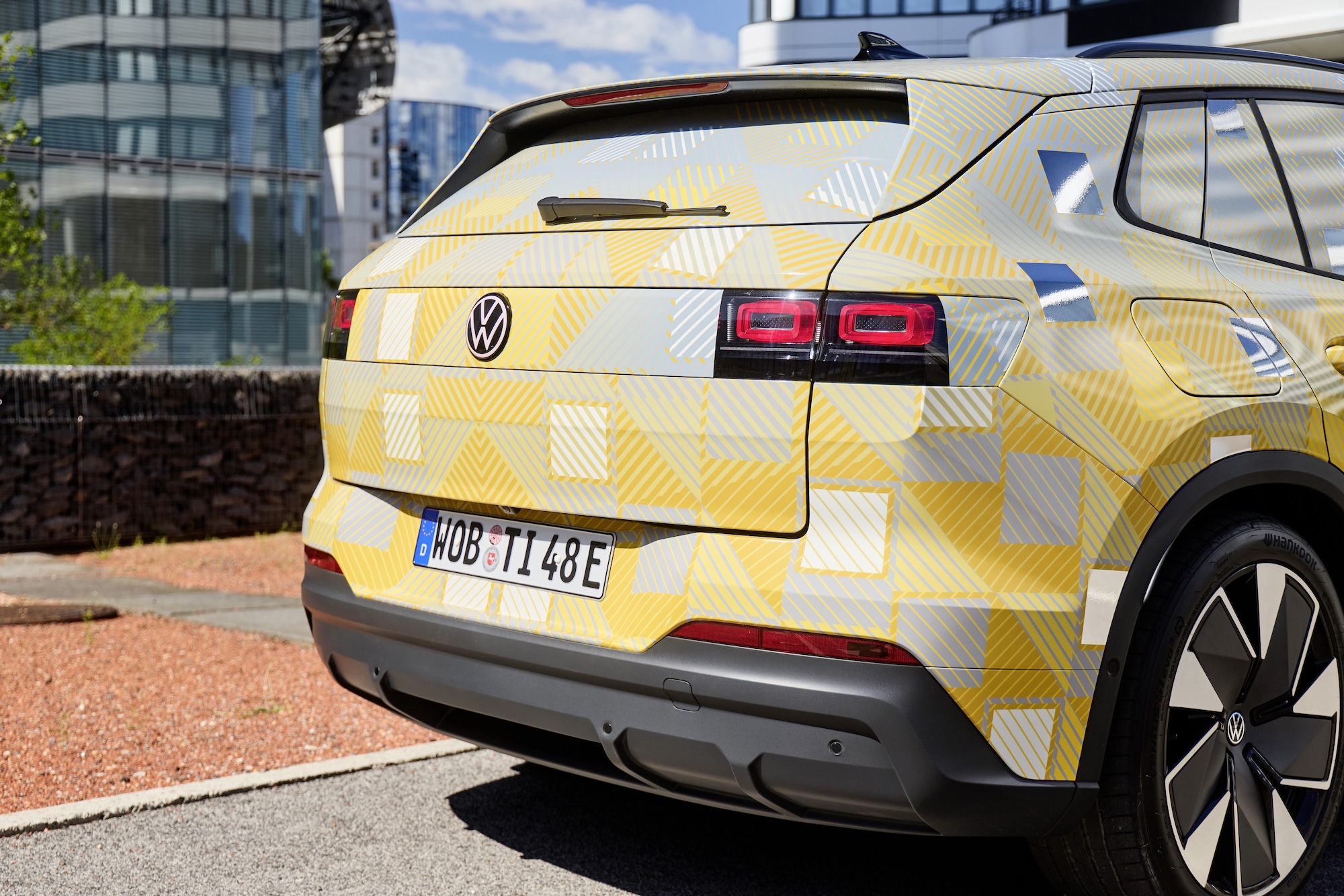
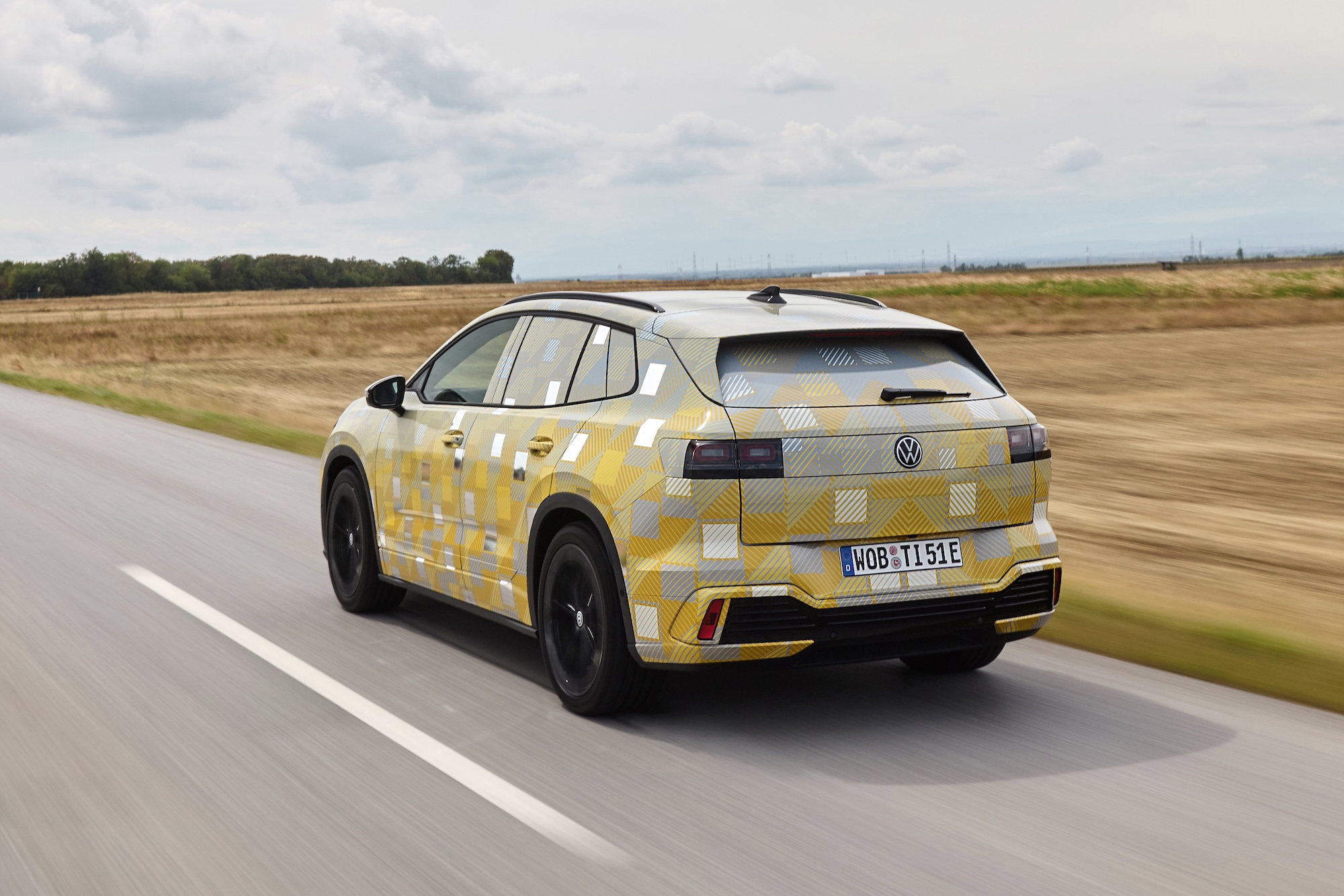
Meanwhile, for the exterior, the camouflaged wrap disguises a good many things, particularly the car’s detailing, but it doesn’t hide the ID.Tiguan’s shape. While the ID.4 has a swoopy, dare I say it blobby, kind of silhouette, the Tiguan is squarer and more classic looking. It’s, well, more like a traditional VW.
Motors, performance and handling
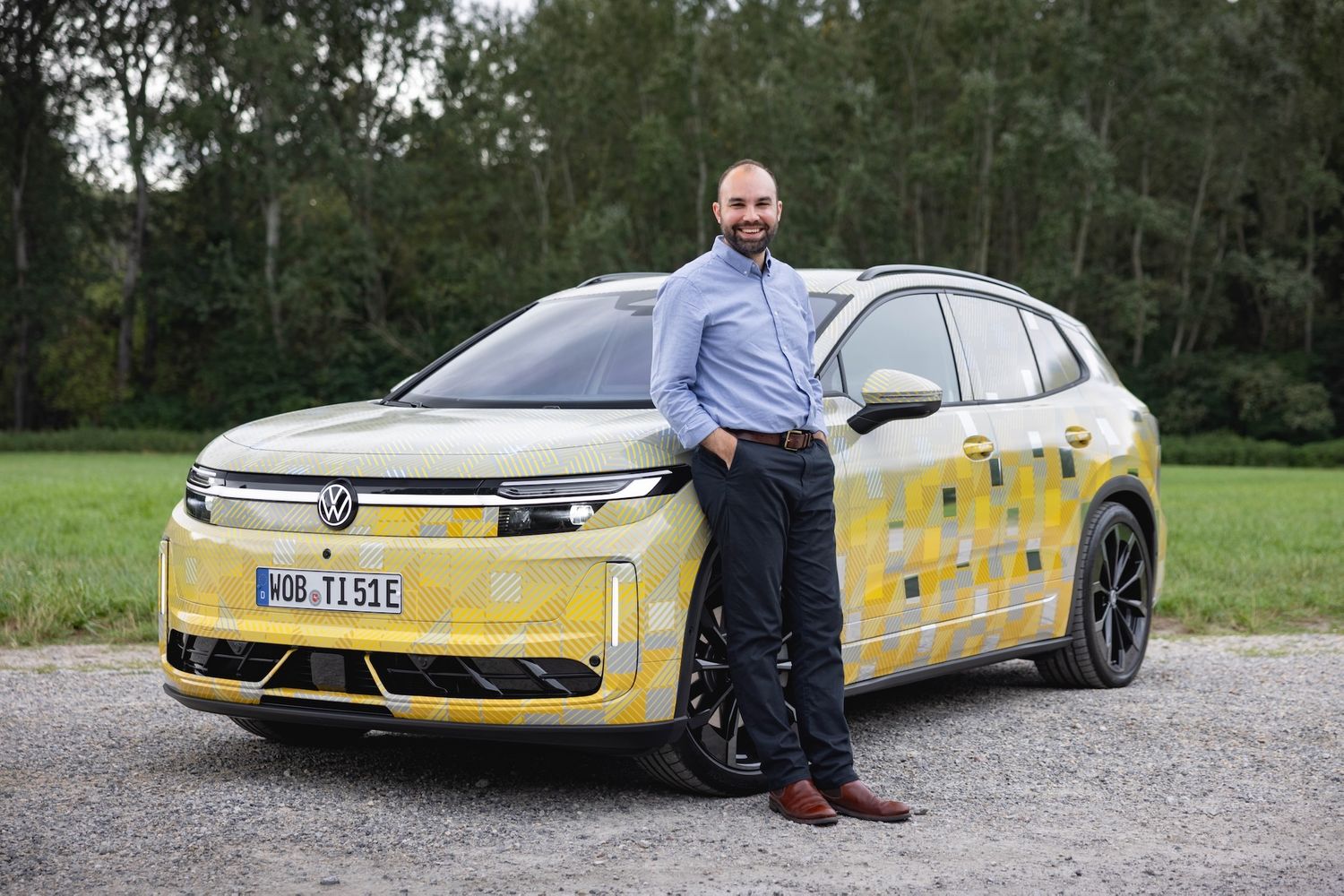
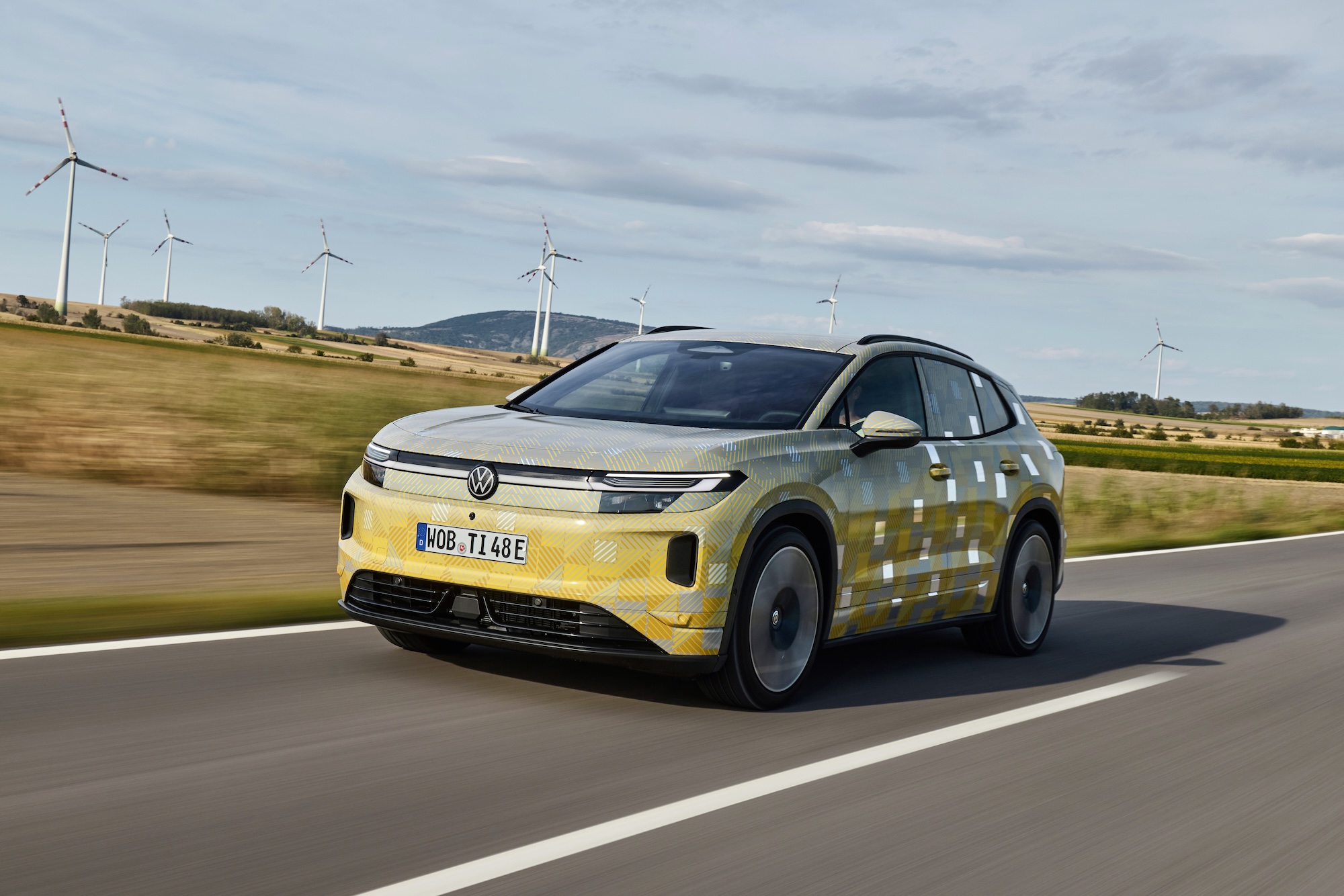
I caused quite a scene on the outskirts of Vienna, Austria. Driving a camouflaged ID.Tiguan turned quite a few heads I can tell you – especially with my car's jazzy wrap that's disguising the car's real design for a few more weeks.
I only got behind the wheel for around 30 minutes so my driving impressions are rather limited. But just like with the new ID.Polo there's a sense of old-school Volkswagen solidity on the road. The controls have a weighty, well-engineered feel, and even in my short drive the ID.Tiguan felt a cut above a Renault Scenic or a Nissan Ariya, for instance.
The Tiguan also felt quieter, softer and more refined than the ID.4 – more grown up, I suppose you could say. I'm sure a longer drive once the car has been fully unveiled will be even more impressive.
The new ID.Tiguan will come in three versions – 190hp for the 58kWh model, 286hp for the rear-wheel-drive 77kWh model, and 299hp for the twin-motor 77kWh version. The entry level version should be able to sprint from zero to 62mph in 8.5 seconds, and the 286hp model in 6.6 seconds. The 299hp four-wheel-drive model will be the quickest for the time being, getting to the benchmark 62mph in 6.3 seconds.
Pricing and on sale date
And here's the significant missing piece – we don't know what it costs yet.Volkswagen hasn't given us UK pricing for the ID. Tiguan, and that figure will ultimately determine just how convincing the whole package looks.
It's likely to follow the same trim line-up as the new ID.Polo, so the range should kick off with Life and rise to Style. There's even a rumour that the ID.Tiguan will come in a sporty R-Line spec just like the existing petrol and diesel-powered Tiguan – again, in an effort to make electric VWs seem more familiar and less odd-ball.
If I were to stick my neck out, I'd say prices would start from a smidge under £40,000 and rise to a little over £50,000. But as soon as we know more we'll let you know.
Verdict
Even on this very short drive and with the limited details we have so far, it's becoming clear that the ID.Tiguan feels like a very significant course correction for Volkswagen.
The ID.4 wasn't a bad car, far from it, but it arrived during a period when Volkswagen seemed convinced that an electric car had to look different, operate differently and sometimes make everyday things needlessly complicated.
The ID.Tiguan feels like the opposite approach. It's supposed to be a Tiguan, but an electric one, and that might be exactly what Volkswagen needed all along.

 6
6