





 Battery size: 37–52kWh
 Range: 230–280 miles
 Max charge rate: 90–130kW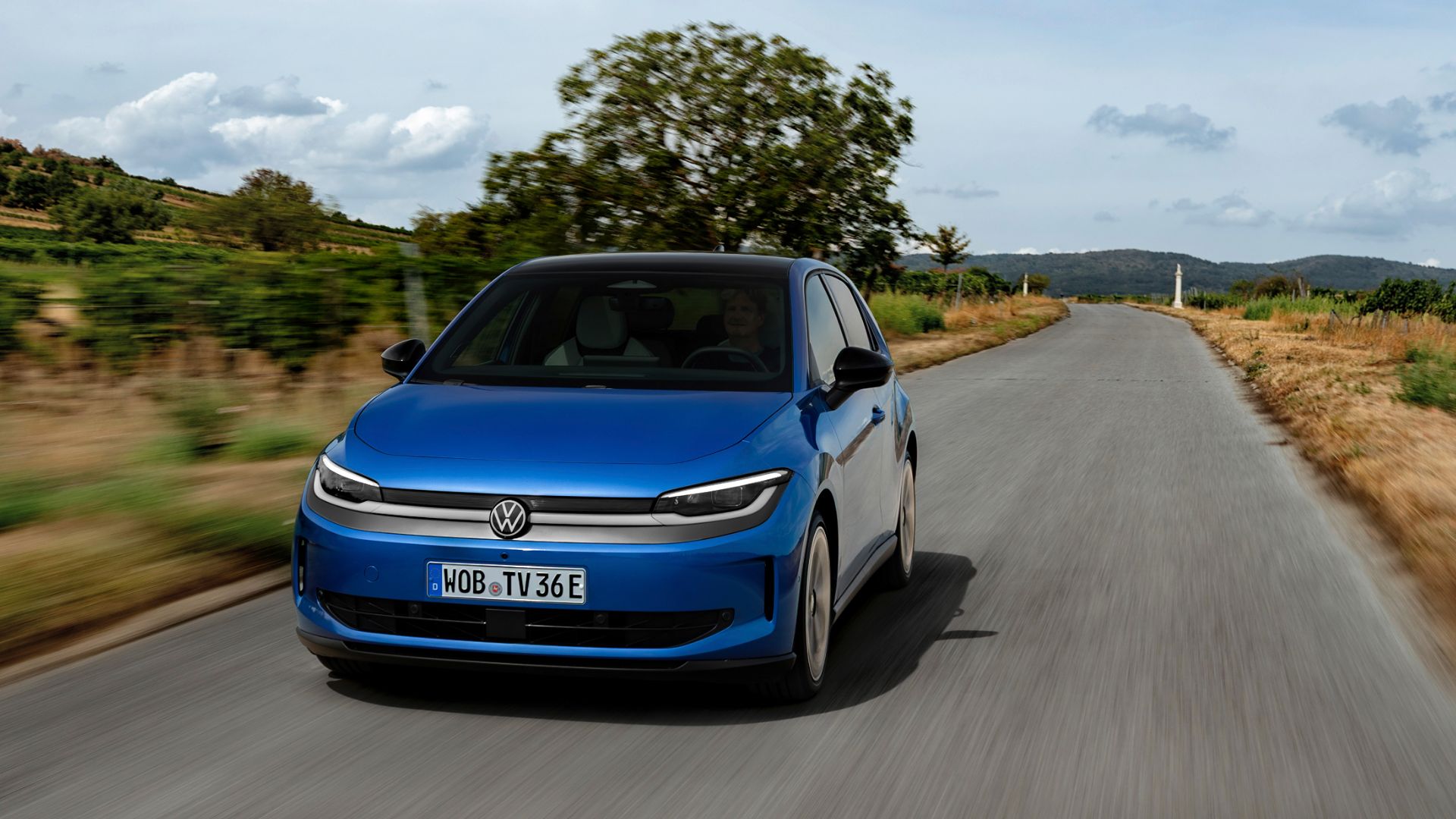
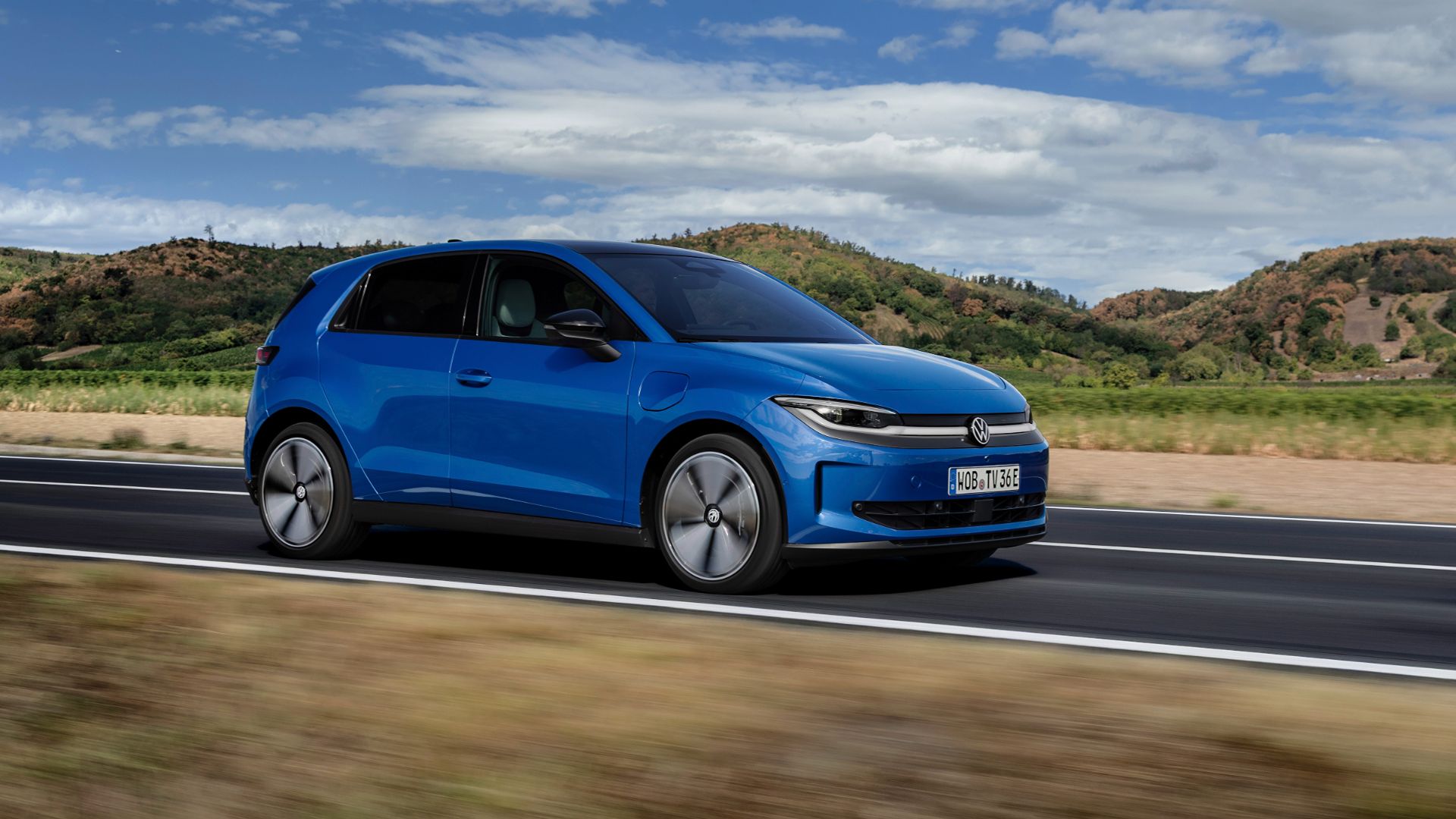
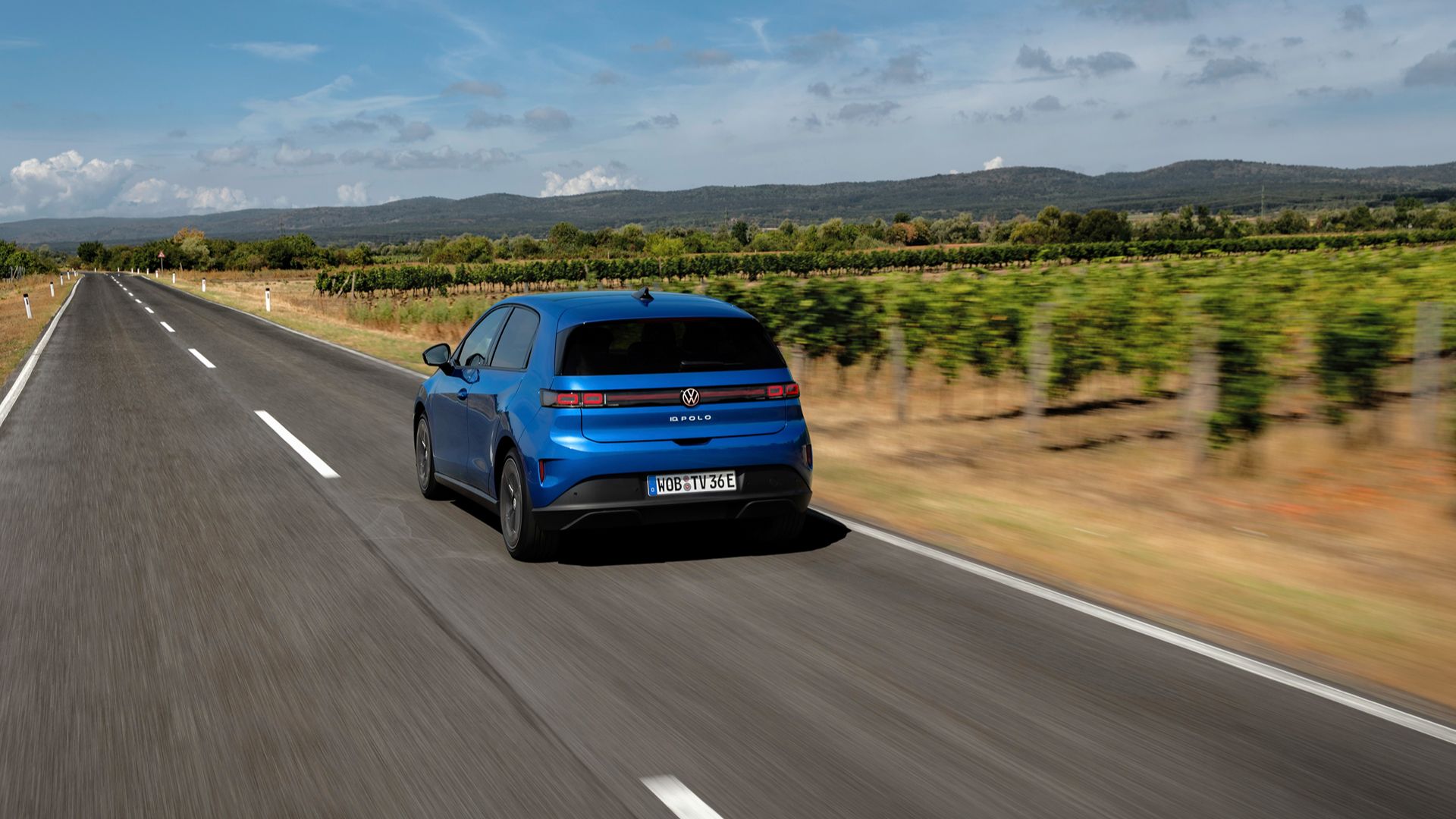
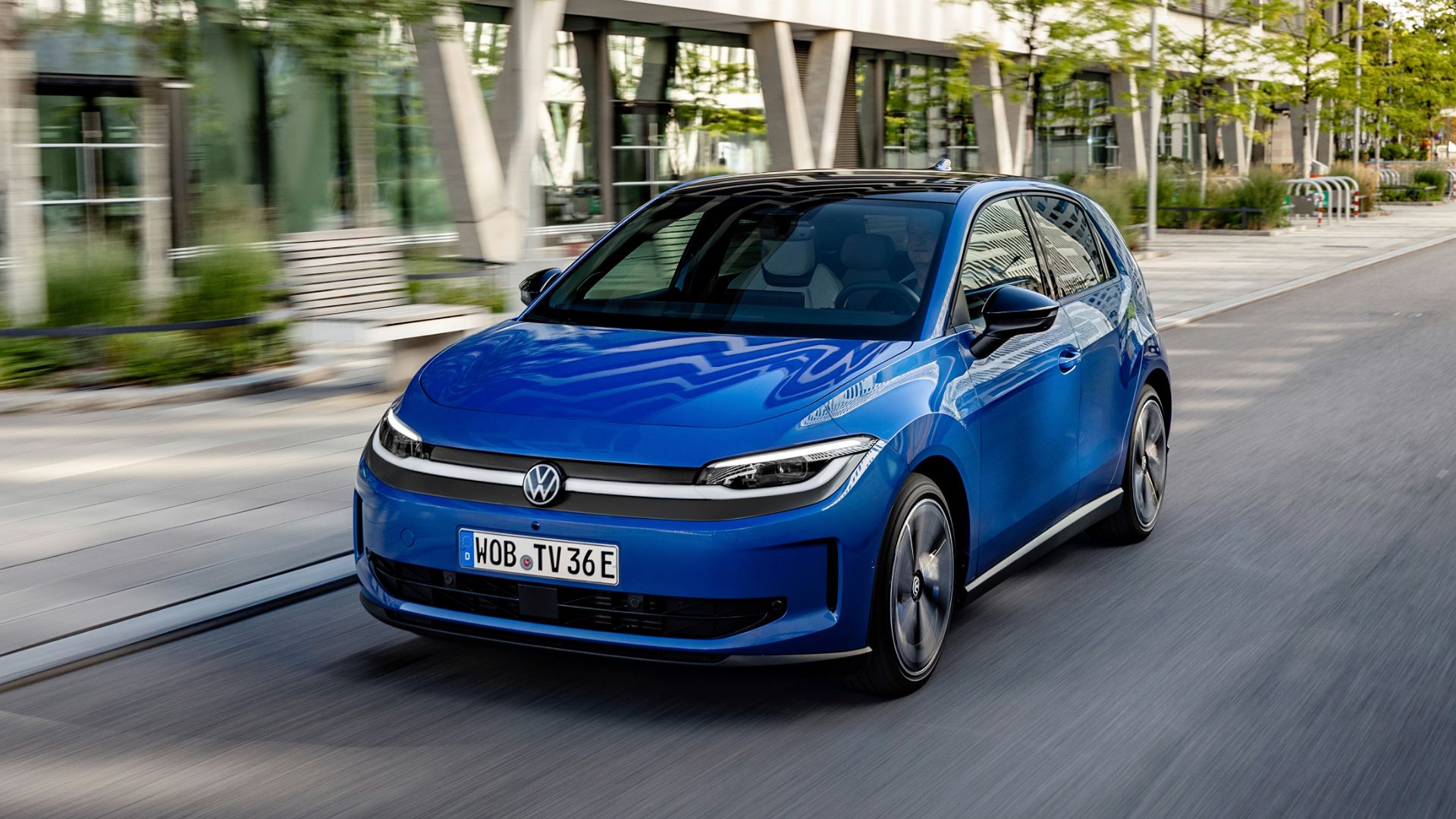
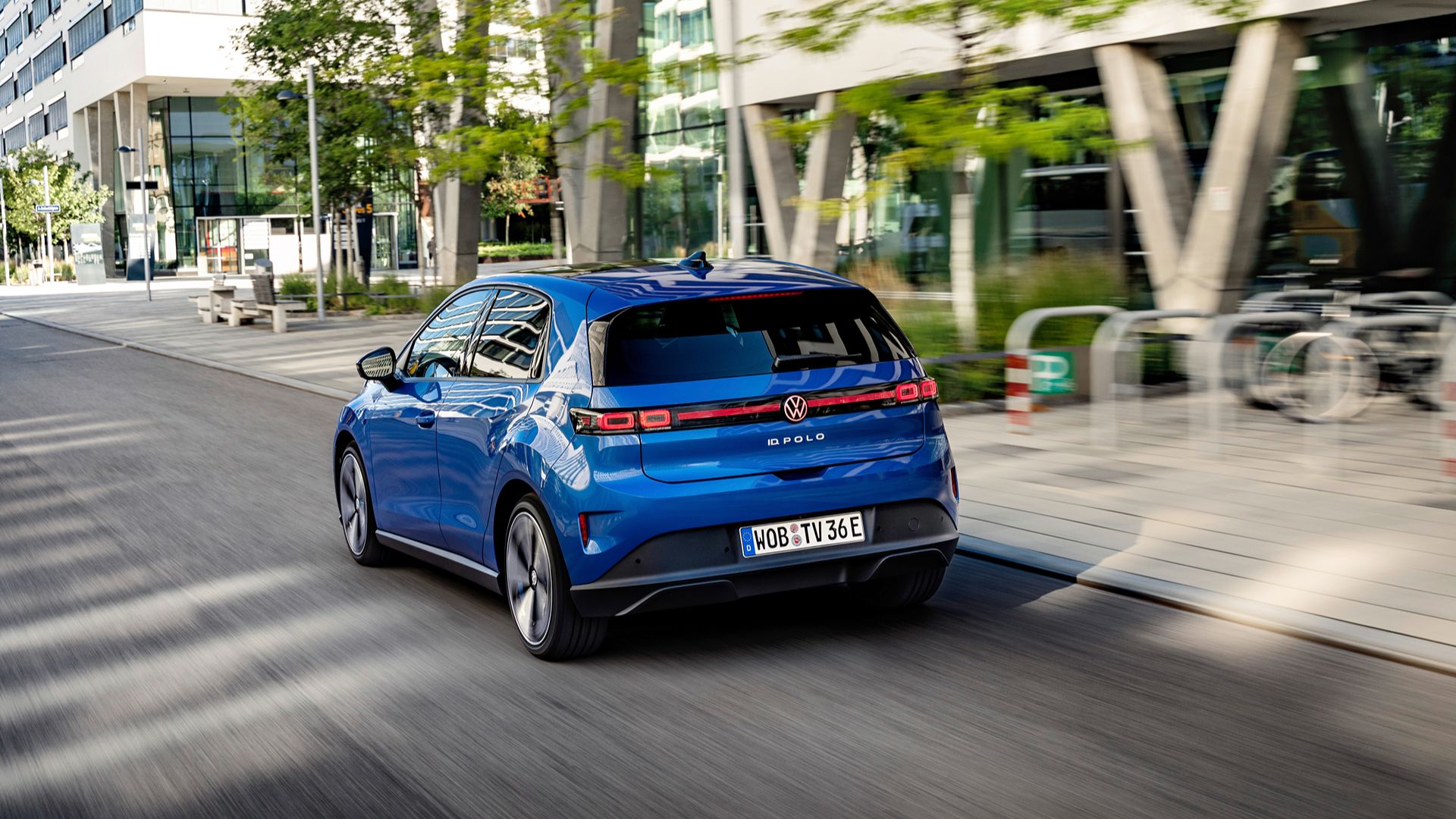
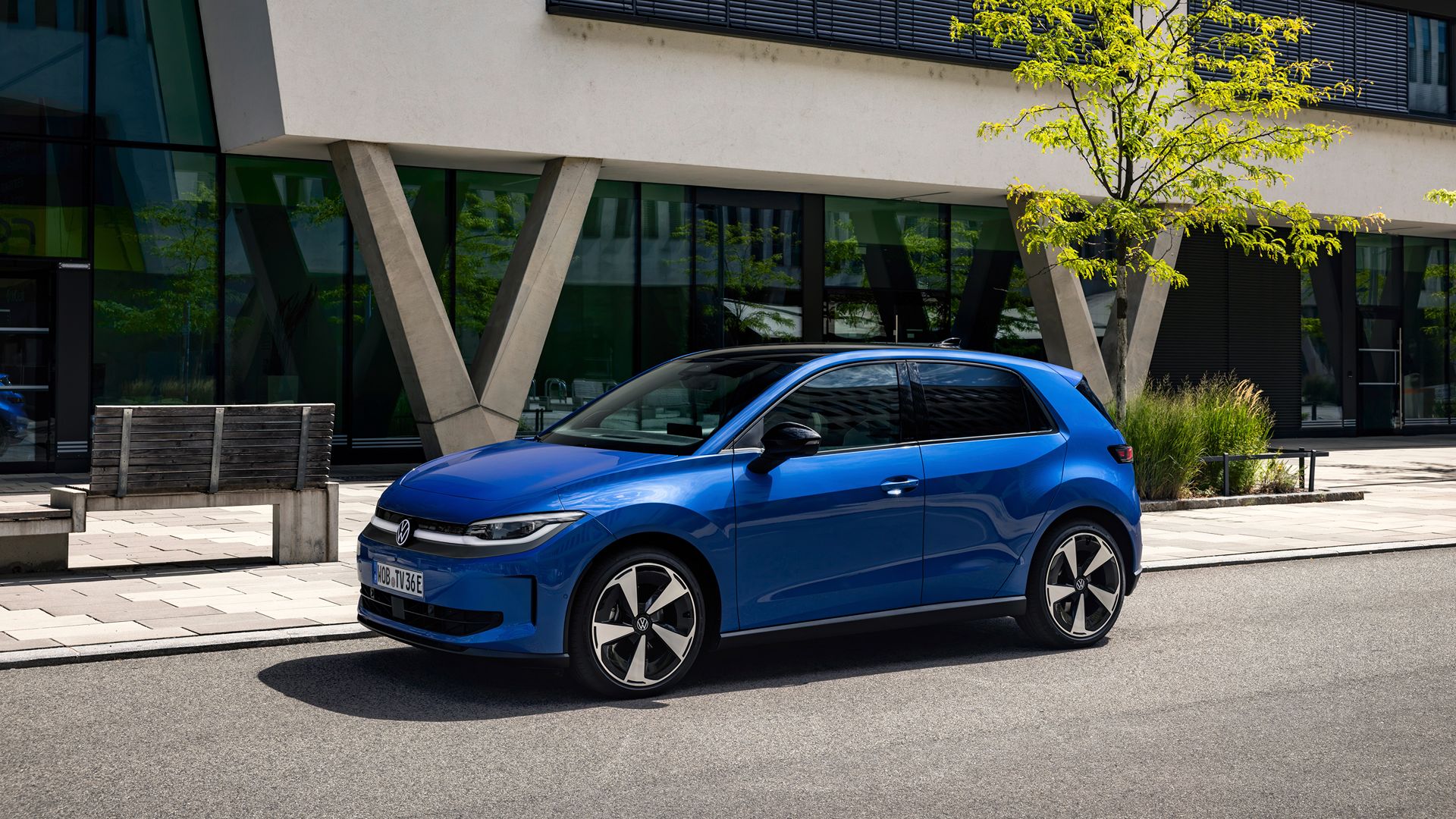



Introduction and model history
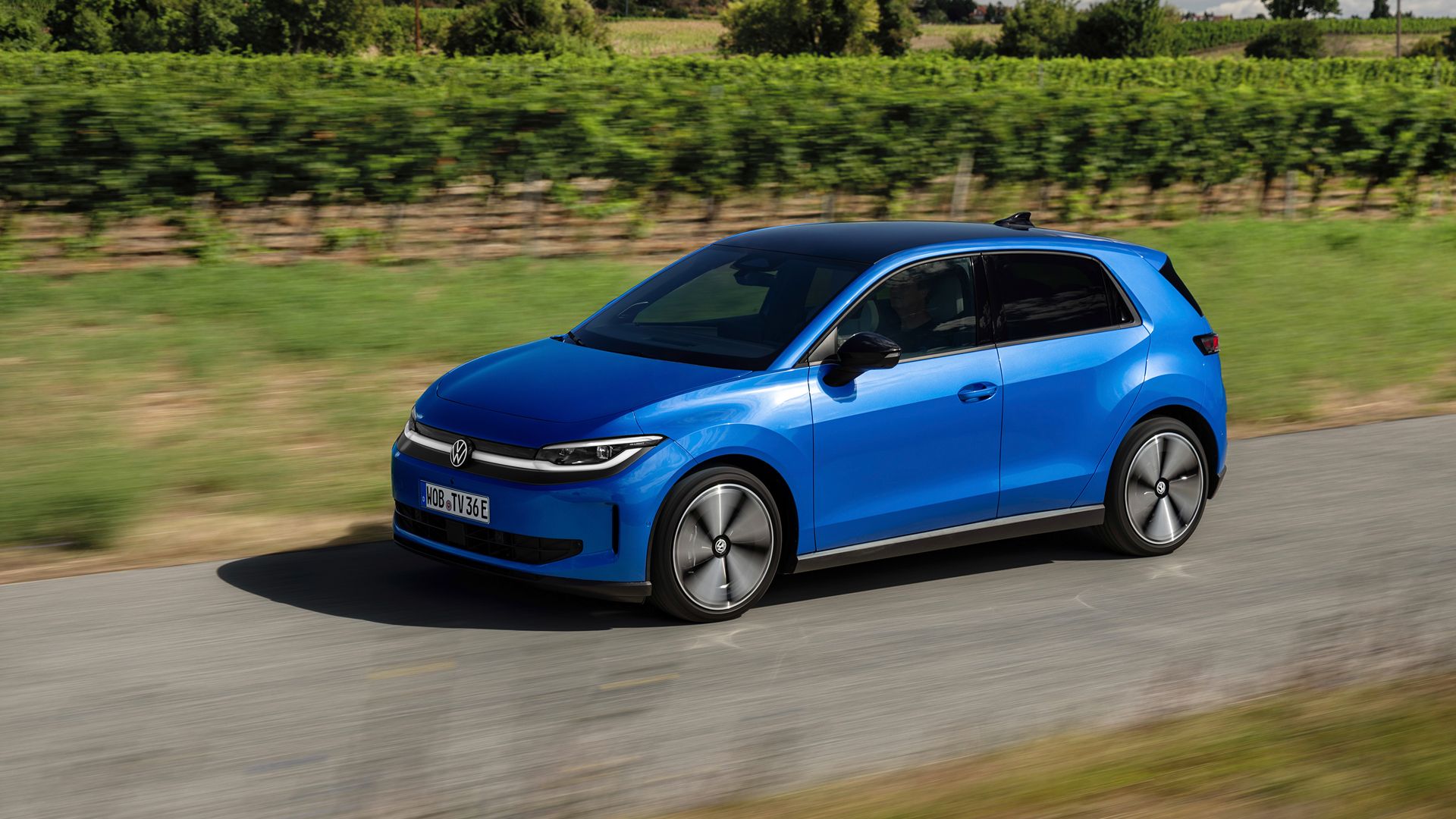
No, you're not going mad, VW was planning to launch this car as the ID.2 or ID.2all, which is how we've known it over the years since the concept car was originally shown. However, VW announced at the end of 2025 that it would go back to using its heritage names.
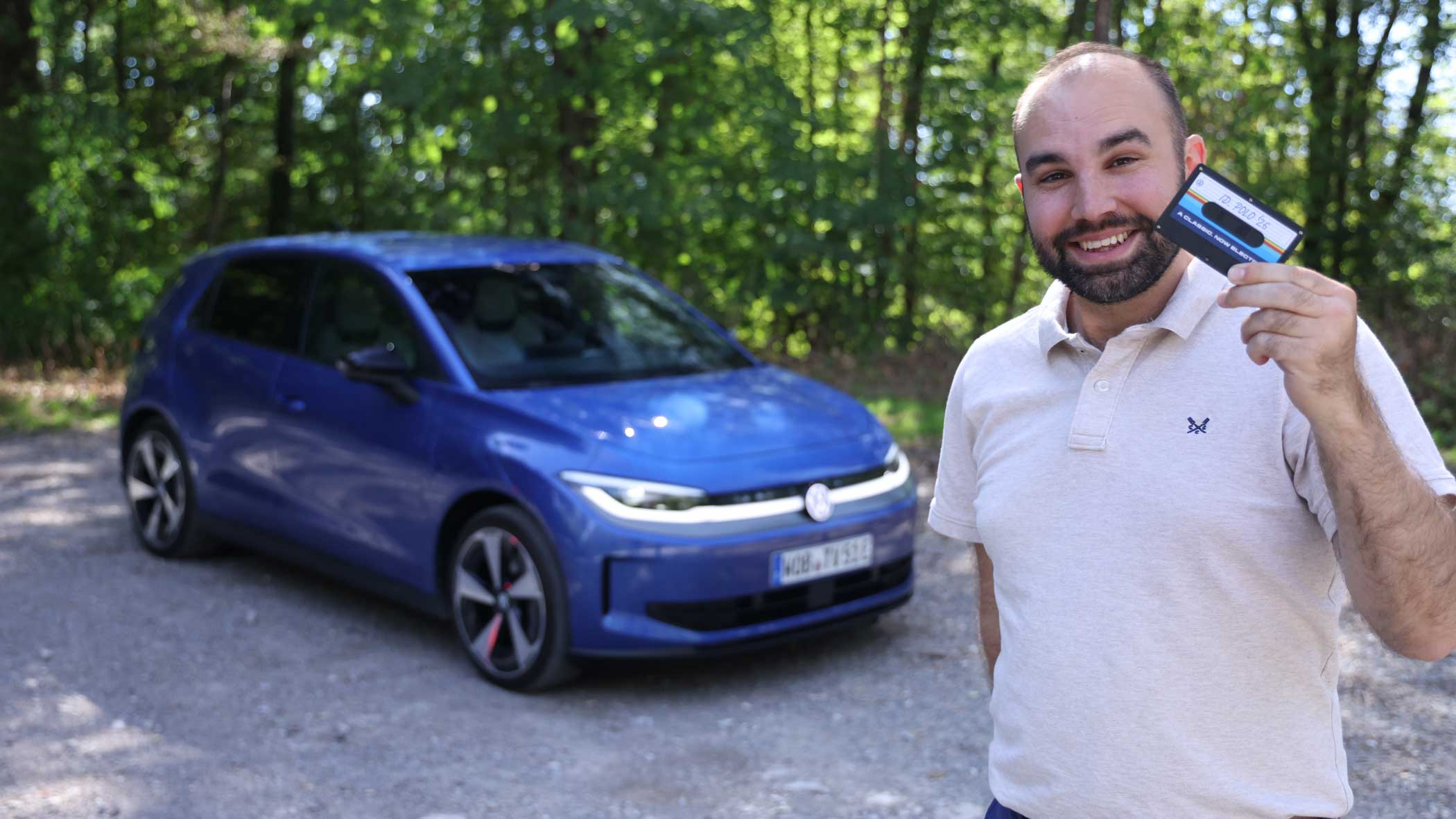
Hence, this car (which is smaller than the VW ID.3) is now the ID.Polo, and you can also watch our video and read all about our drive in the new VW ID.Cross as well, which is the all-new electric replacement for the popular VW T-Cross compact SUV.
The new ID.Polo sits on a modified version of the company's MEB platform, which we've already seen in most of the other ID models. This one has been updated so that it's now front-wheel drive (unlike the rear-wheel drive of the other electric Volkswagens), and is called the MEB+.
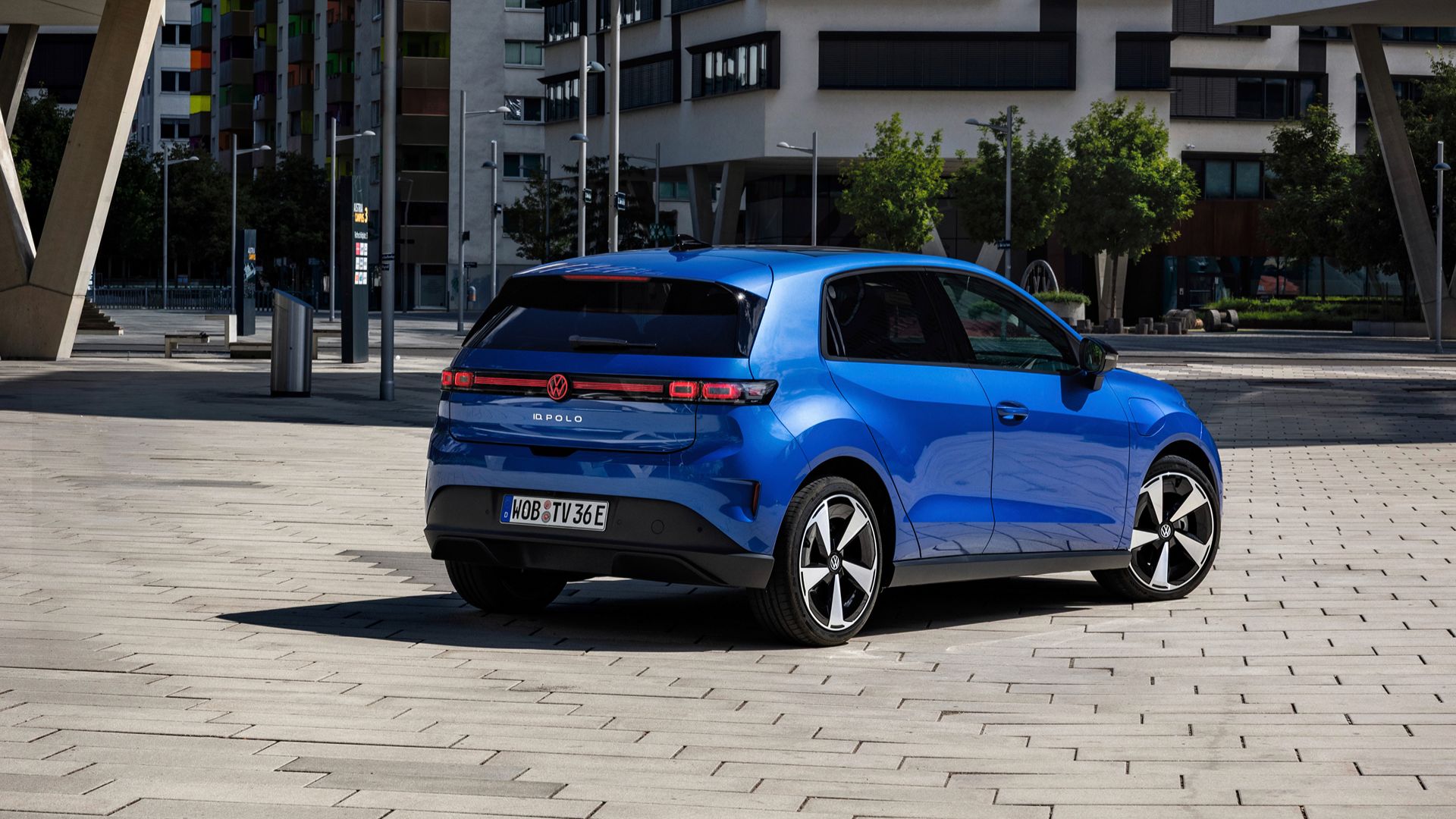
Interestingly, the ID.Polo hasn't grown compared with the current, petrol VW Polo. In fact, at 4.05m long it's a fraction shorter, although it's grown in width by some 60mm, to just over 1.8m wide (not including the side mirrors).
Range, battery and charging
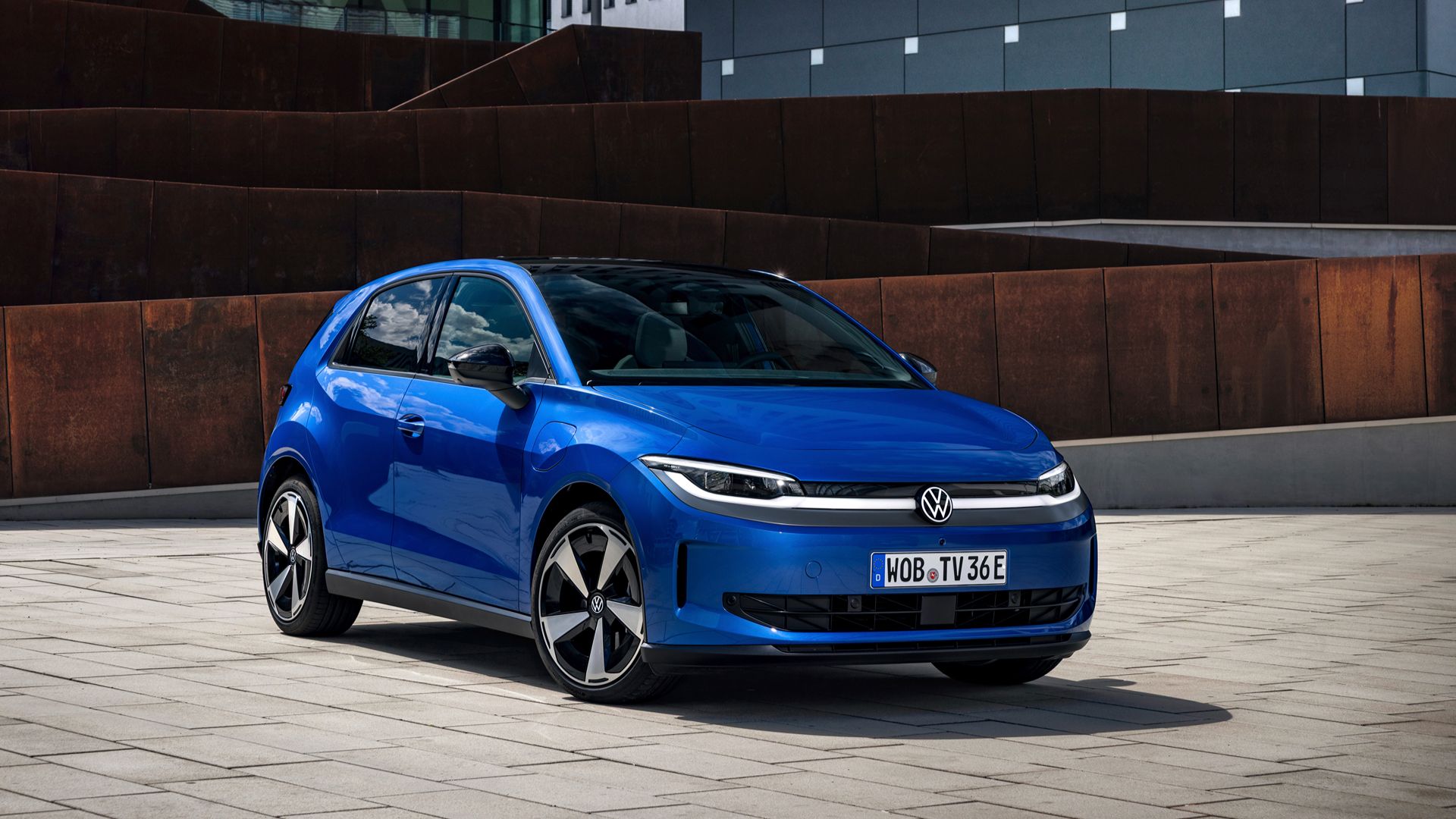
The new VW Polo EV is offered with two batteries. You can pick from a 37 or 52kWh (usable capacity) pack, with the smaller LFP battery offering around 200 miles of range and the larger NMC battery pack delivering a certified 281 miles.
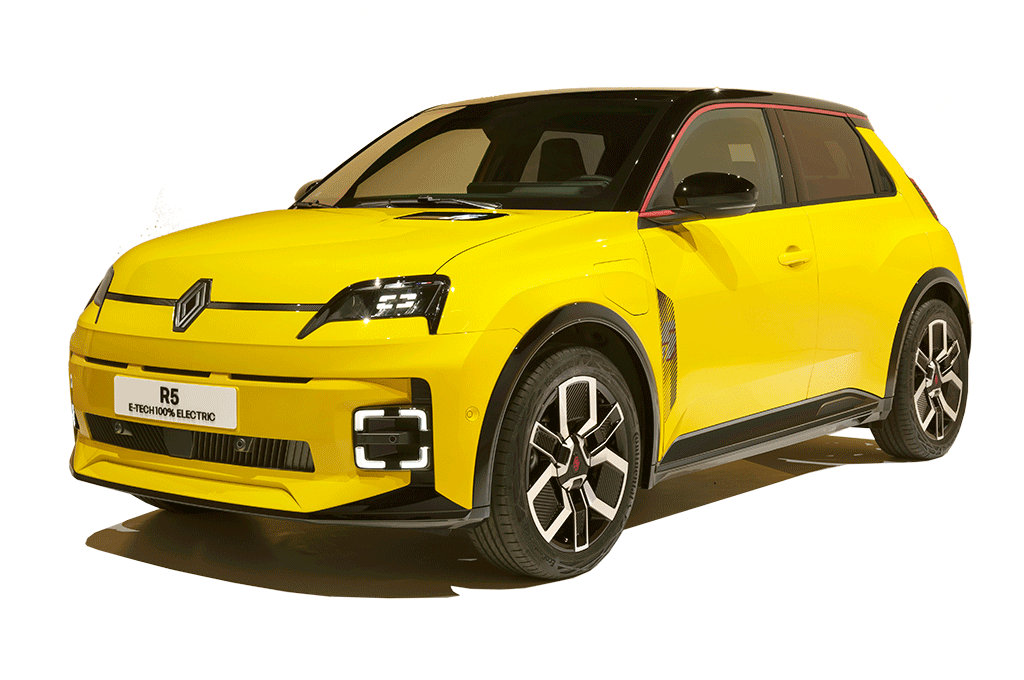
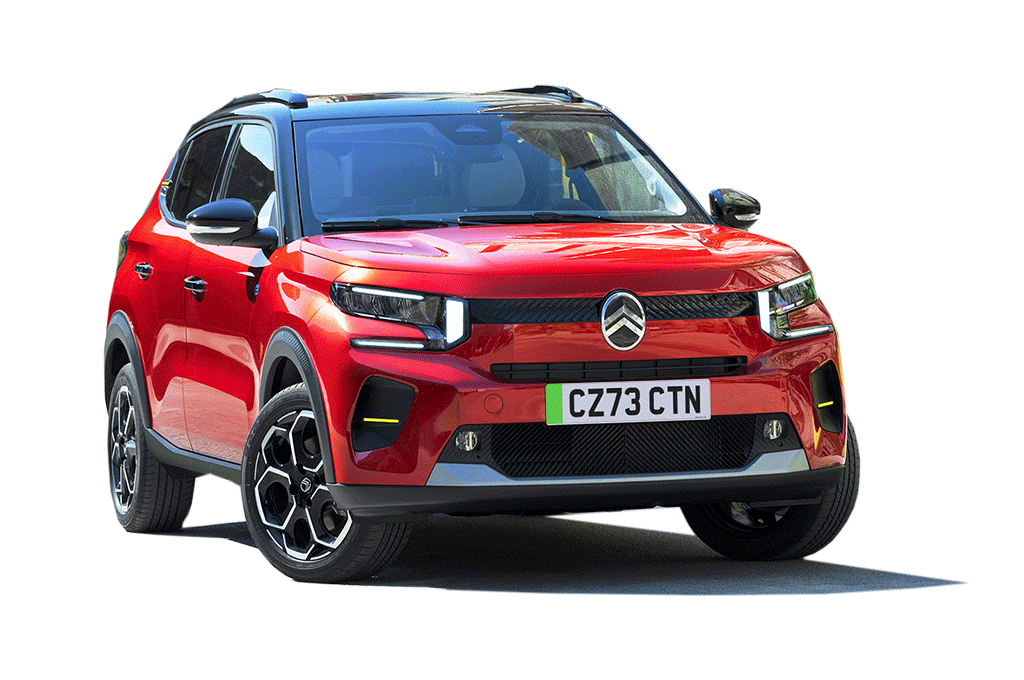
Those figures make the Polo one of the longest-range electric cars in the small EV class, given that chief rivals including the Renault 5 and Citroen e-C3 manage closer to 200 or 250 miles of WLTP range.
It looks like the ID.Polo will also be one of the fastest-charging cars in its class, depending on which battery you go for. The smaller battery VW ID.Polo will charge at up to 90kW, which is very similar to most other electric cars at this price point, but the bigger battery ID.Polo will charge at a maximum rate of 105kW.
That means that both versions of the ID.Polo will charge from 10–80% in under 30 minutes, while the bigger battery car is capable of that DC rapid charge in as little as 24 minutes.
We haven't been able to conduct a proper range and efficiency test yet, but it's top of our priorities list. We expect to be getting behind the wheel of a UK-spec Polo very soon.
There’s no word yet on whether the electric Polo will get a heat pump, but vehicle-to-load (V2L) charging is offered as an option.
Practicality and boot space
The ID.Polo is based on an updated version of VW’s MEB platform, and measures only 4.05m long, making it a very similar size to the Renault 5 and Fiat Grande Panda.
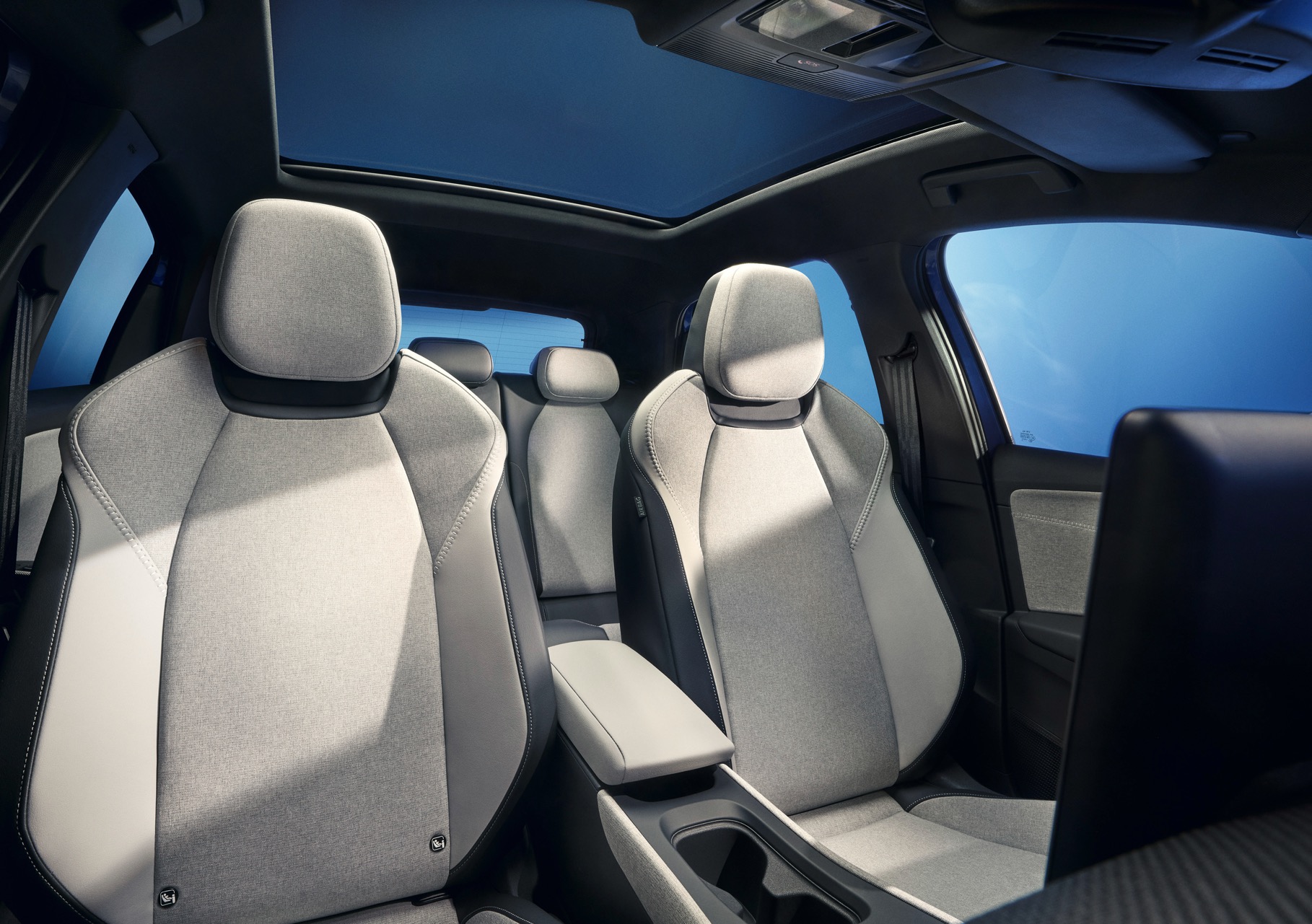
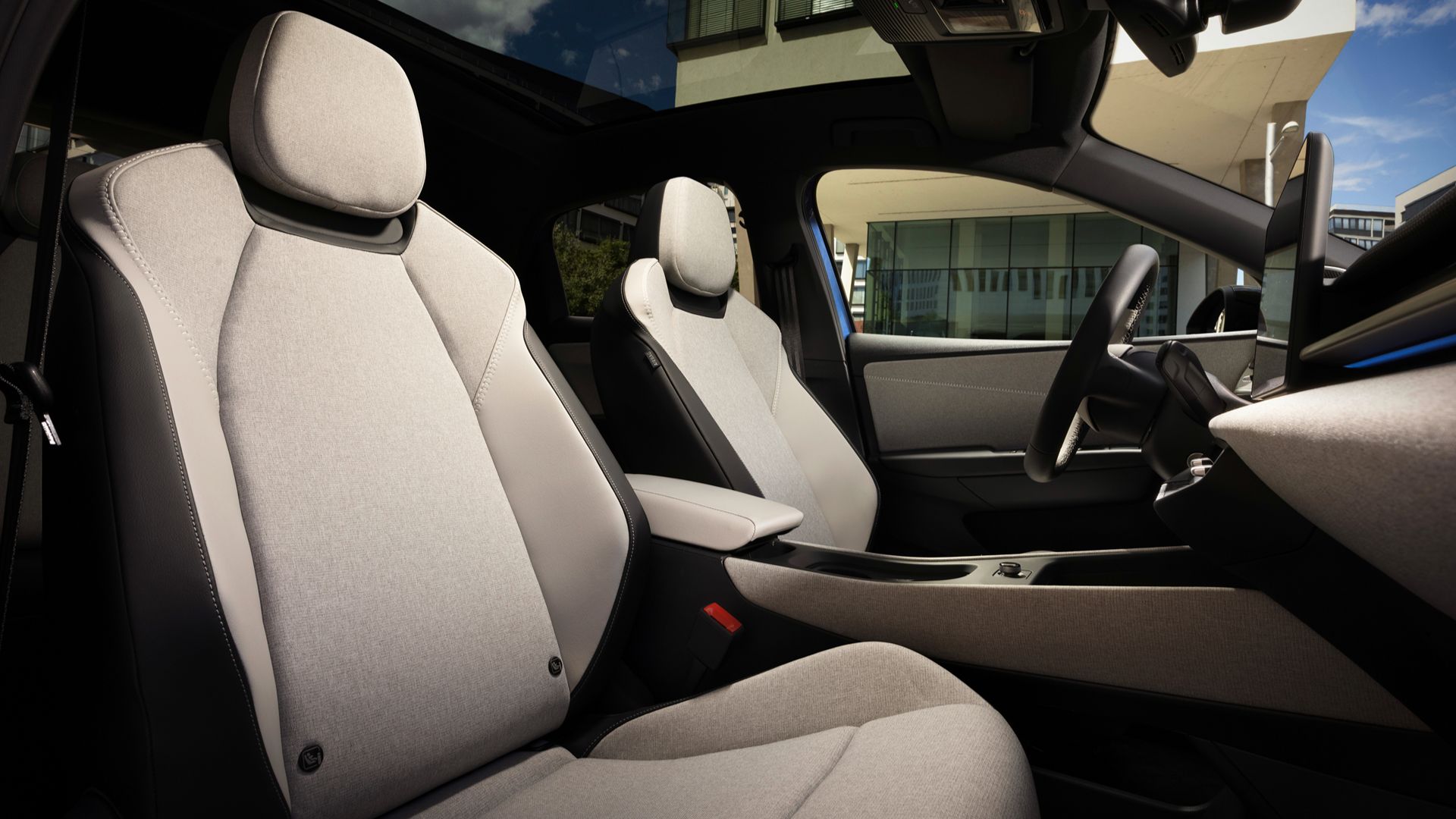
Yet, despite its dinky footprint, it doesn't skimp on interior space. Volkswagen has made clever use of the platform’s design, which allows for a longer wheelbase and short overhangs.
This means that the new Polo offers more interior room than you might expect from a car of its size – it's even roomier than the current combustion-engined VW Golf.
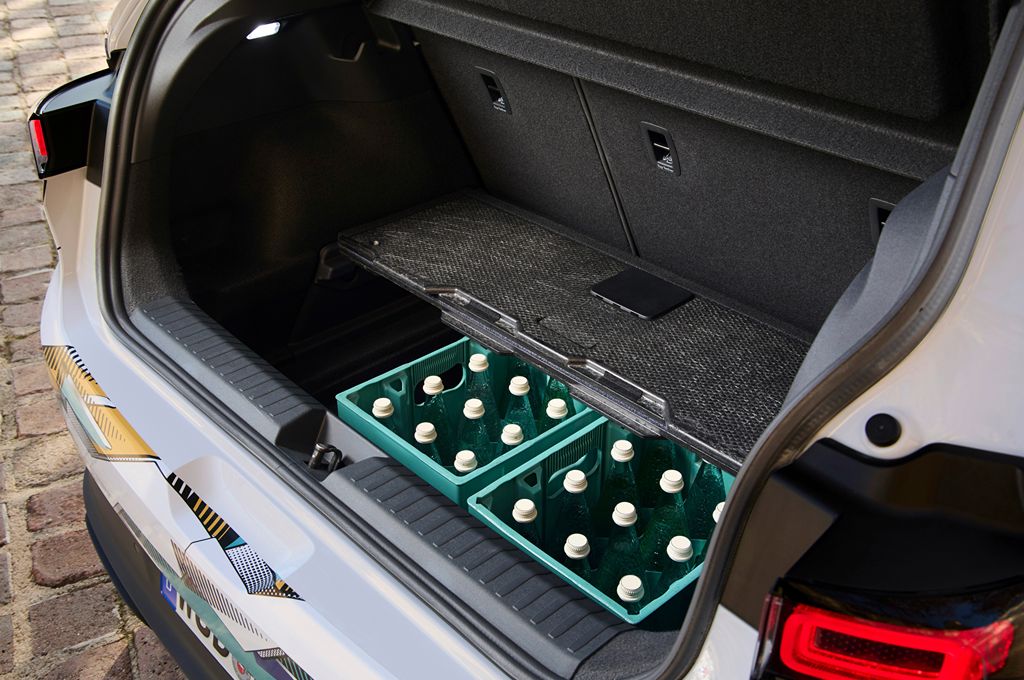
Boot space is particularly impressive, and has gone up from 351 to 435 litres, which is pretty massive! A lot of that space is in the deep underfloor storage, but that can be really useful if you want to hide your cables or muddy wellies under there.
Interior, design/styling and technology
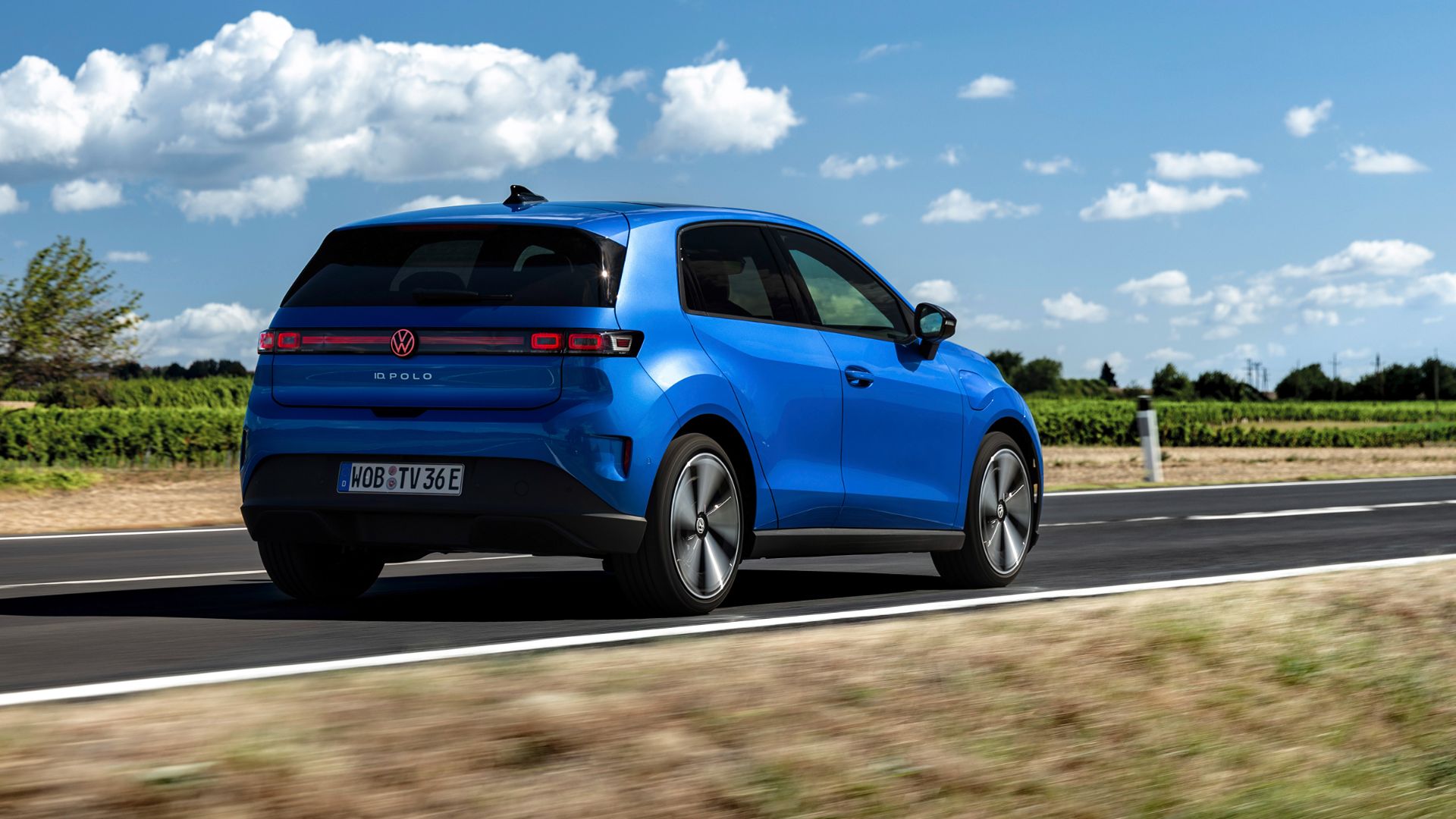
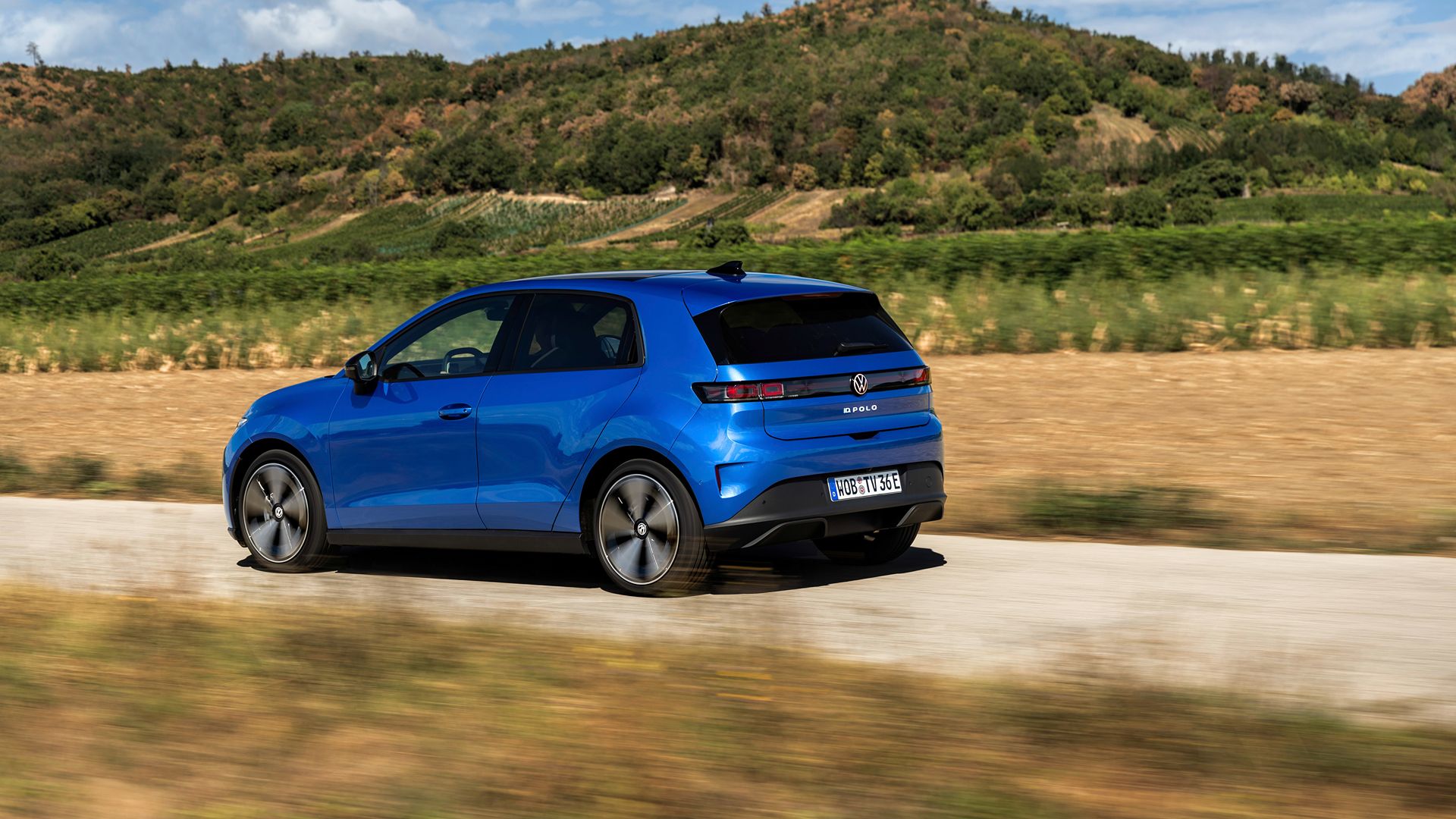
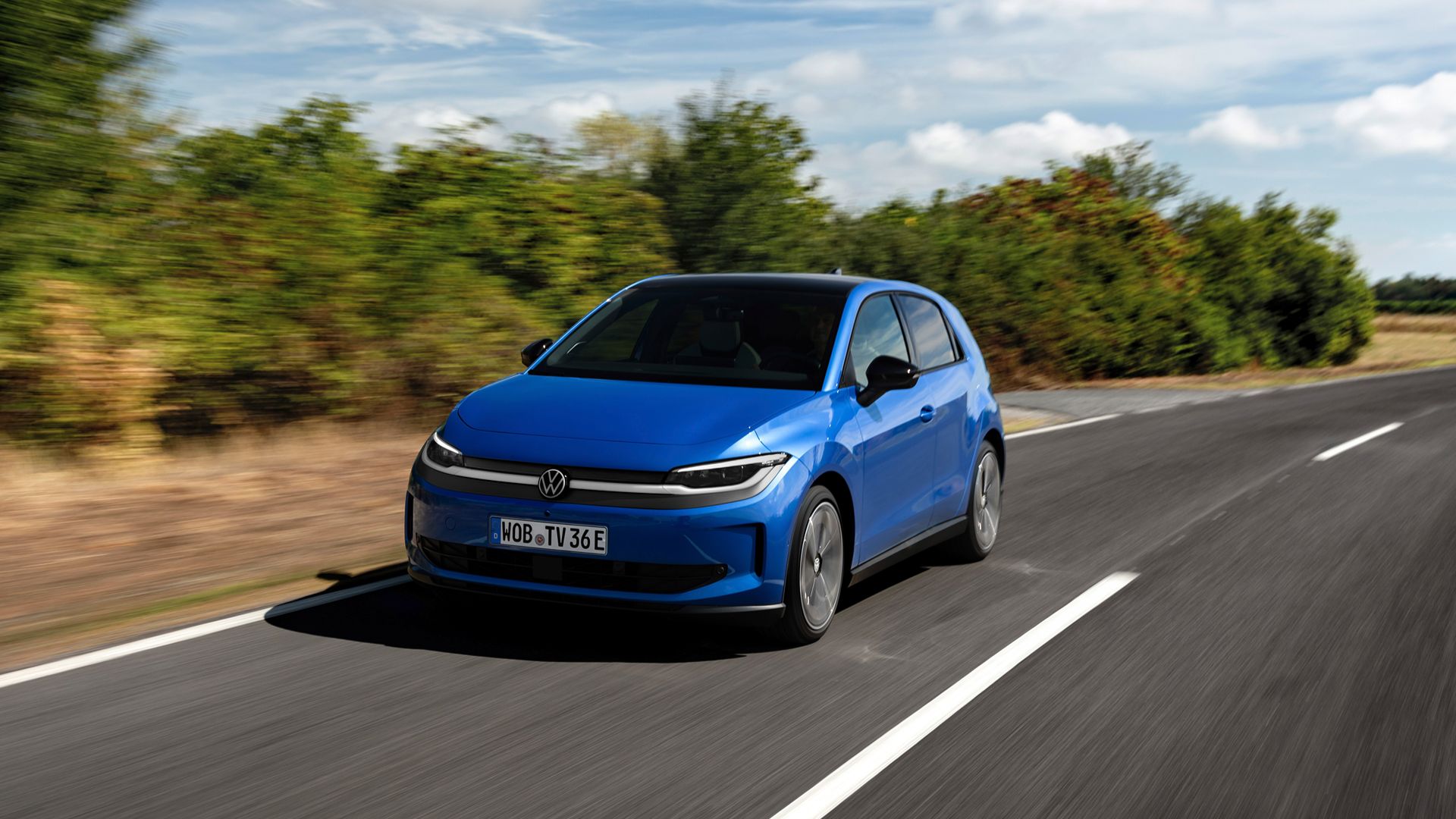
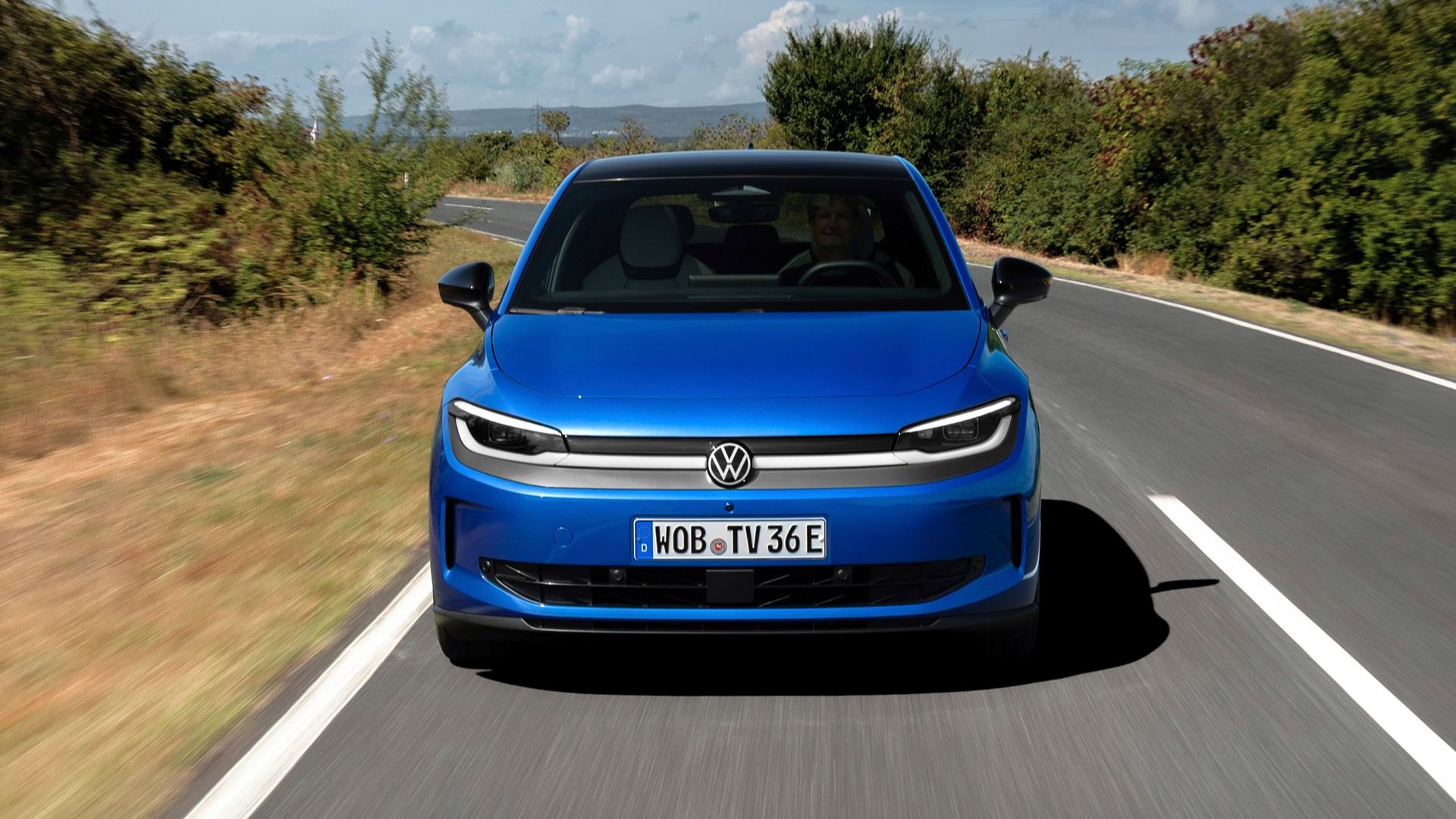
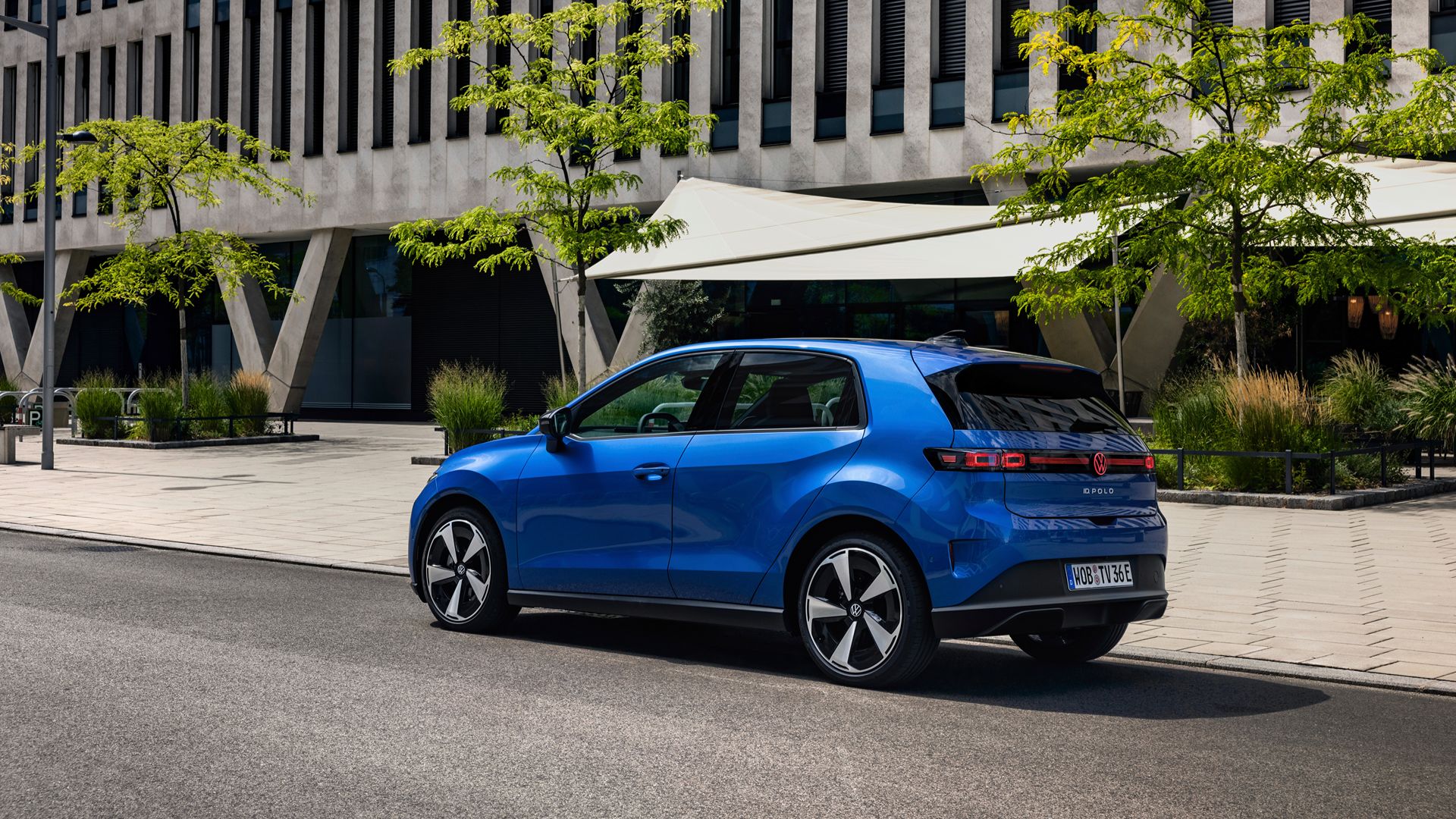
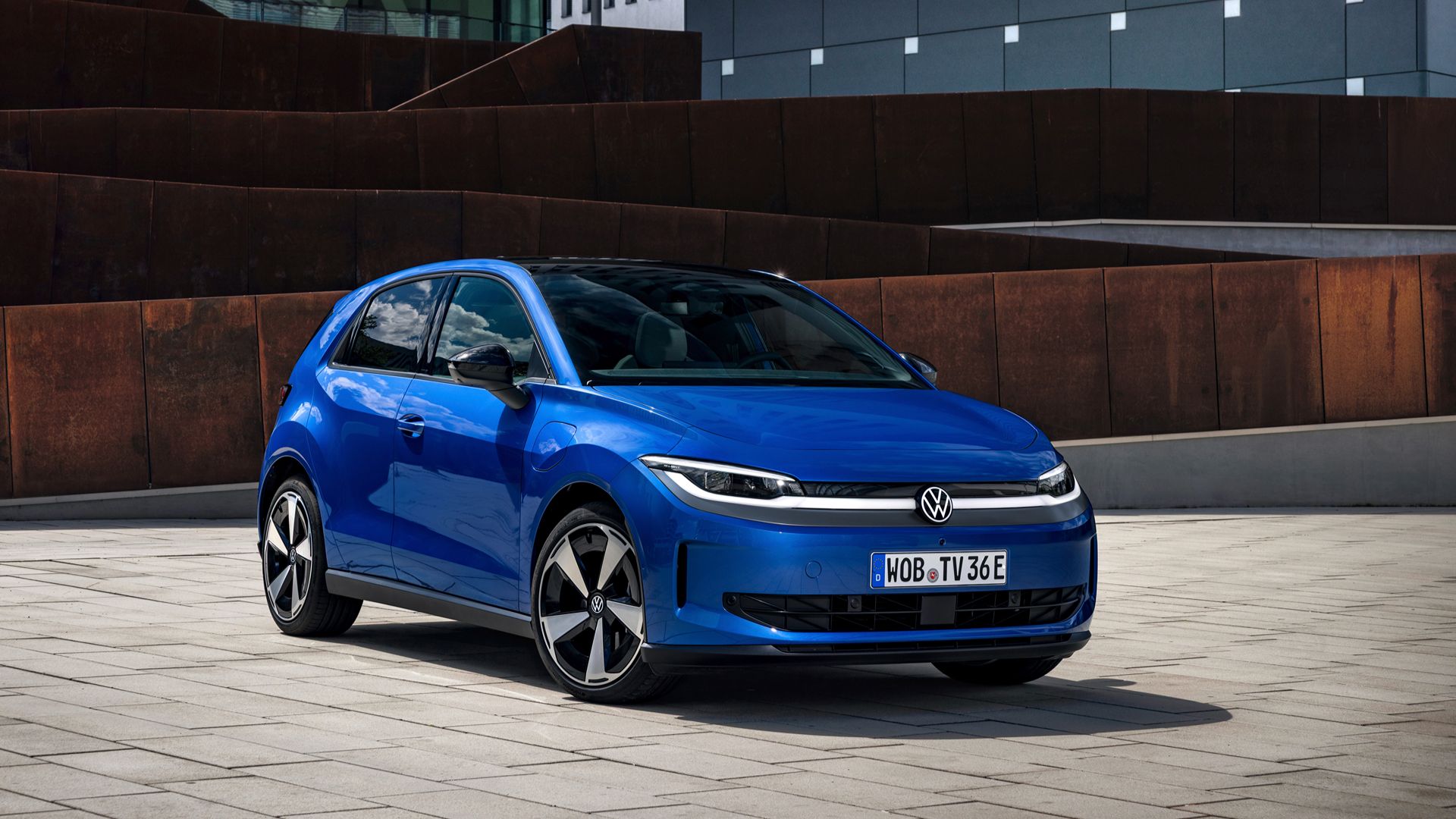
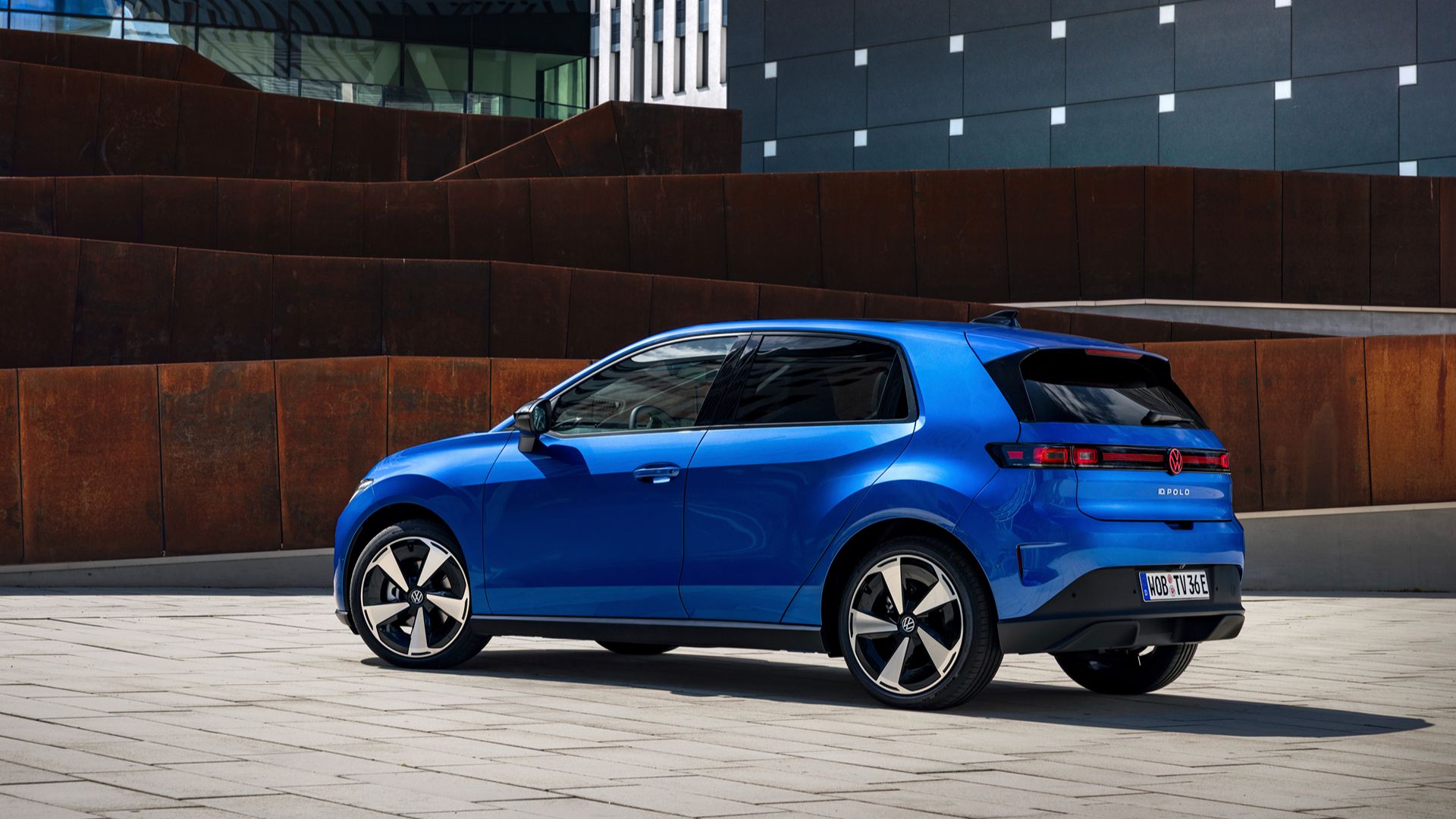
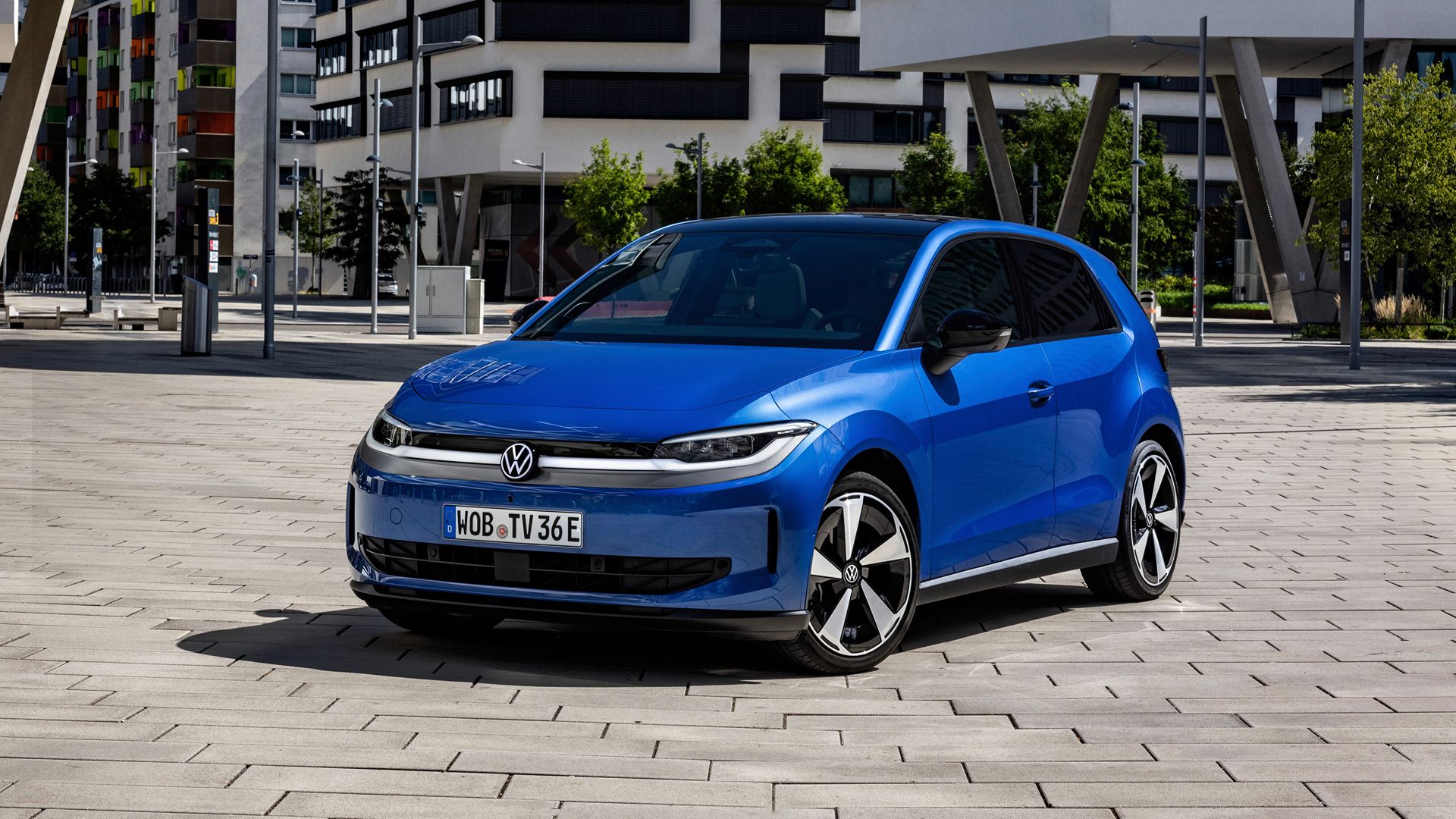
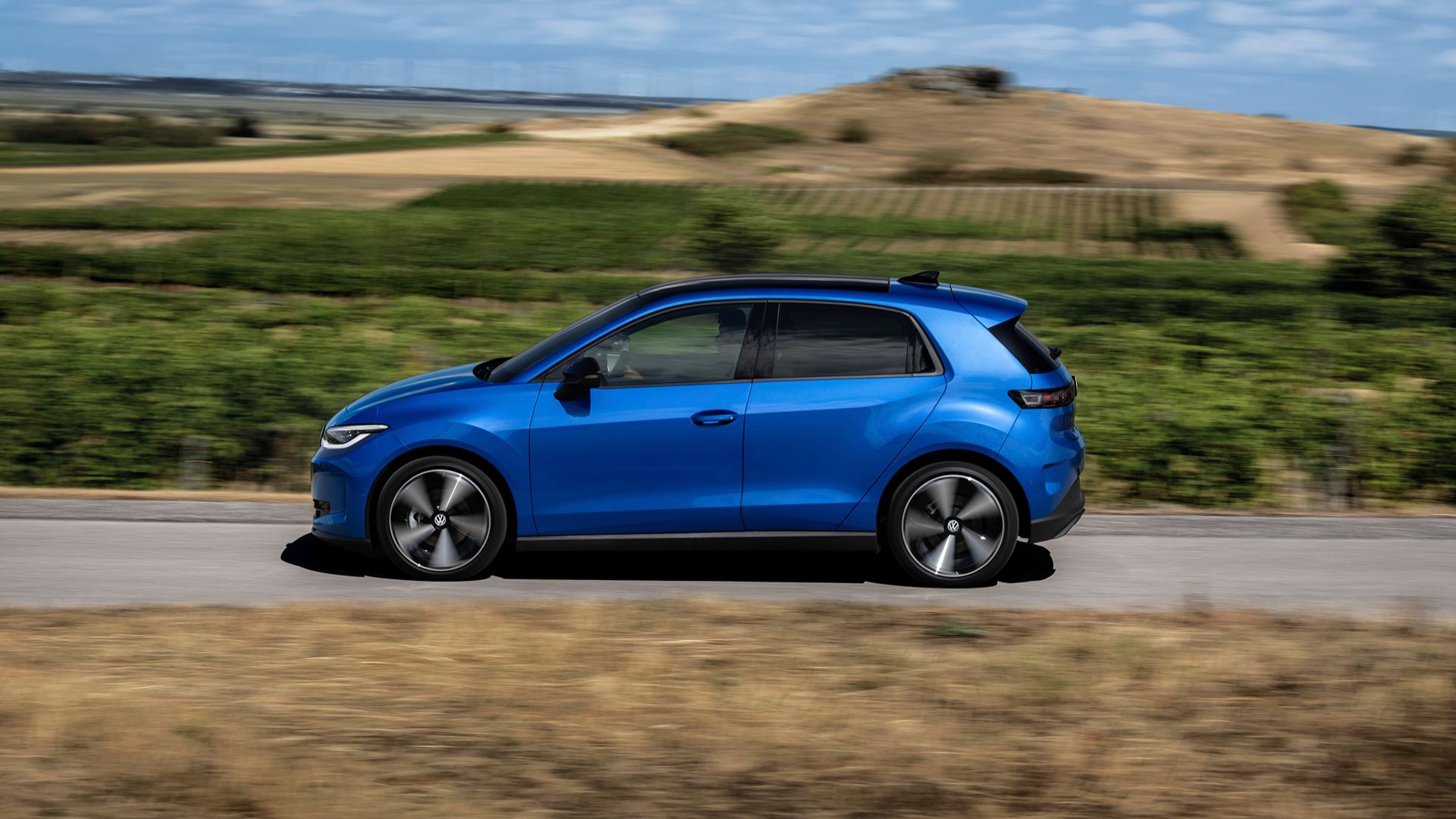
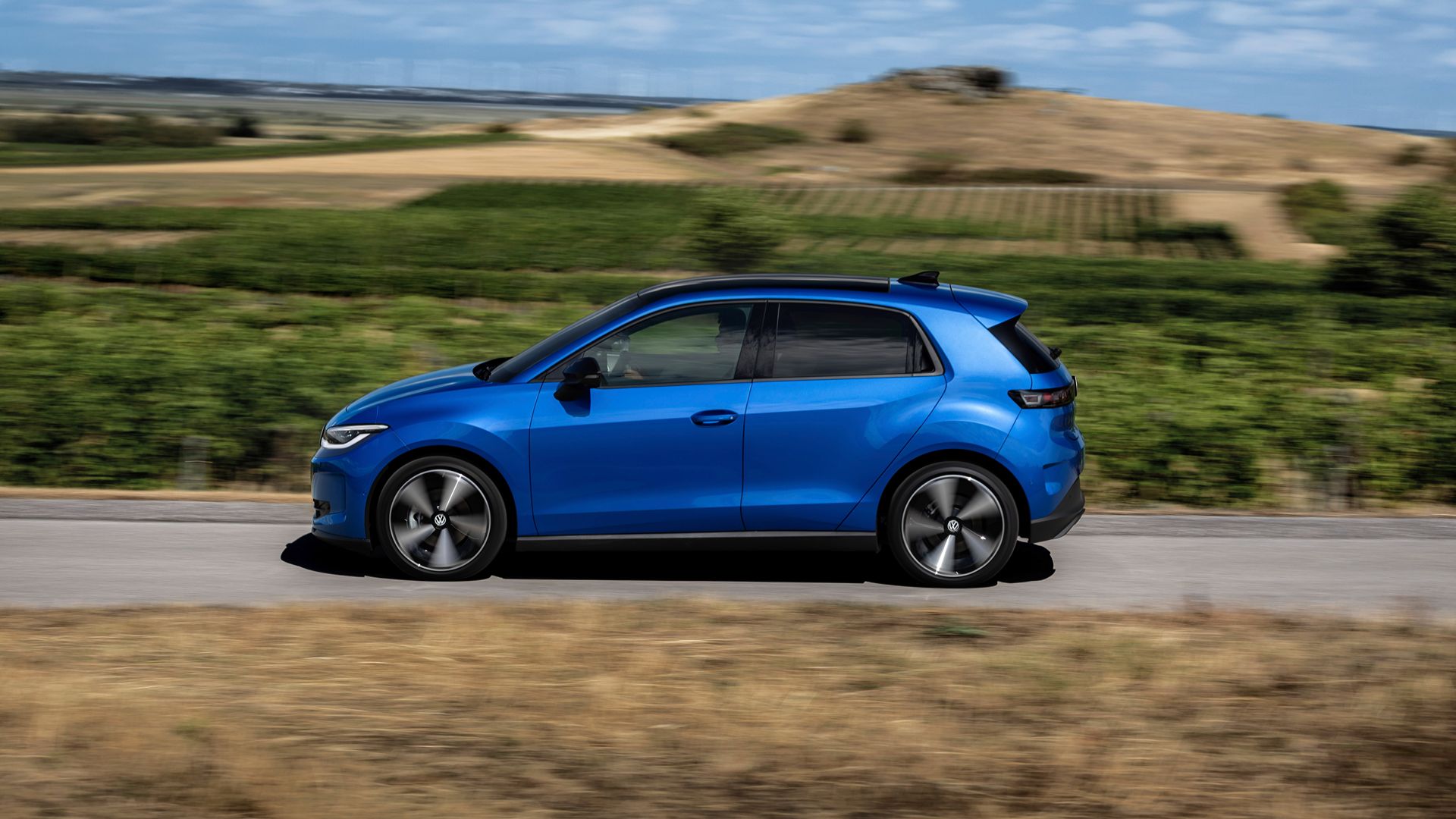
The new Polo has a classy exterior design, just as you’d expect from a Polo. It’s not showy, but in contrast to its predecessors there are some memorable design details.
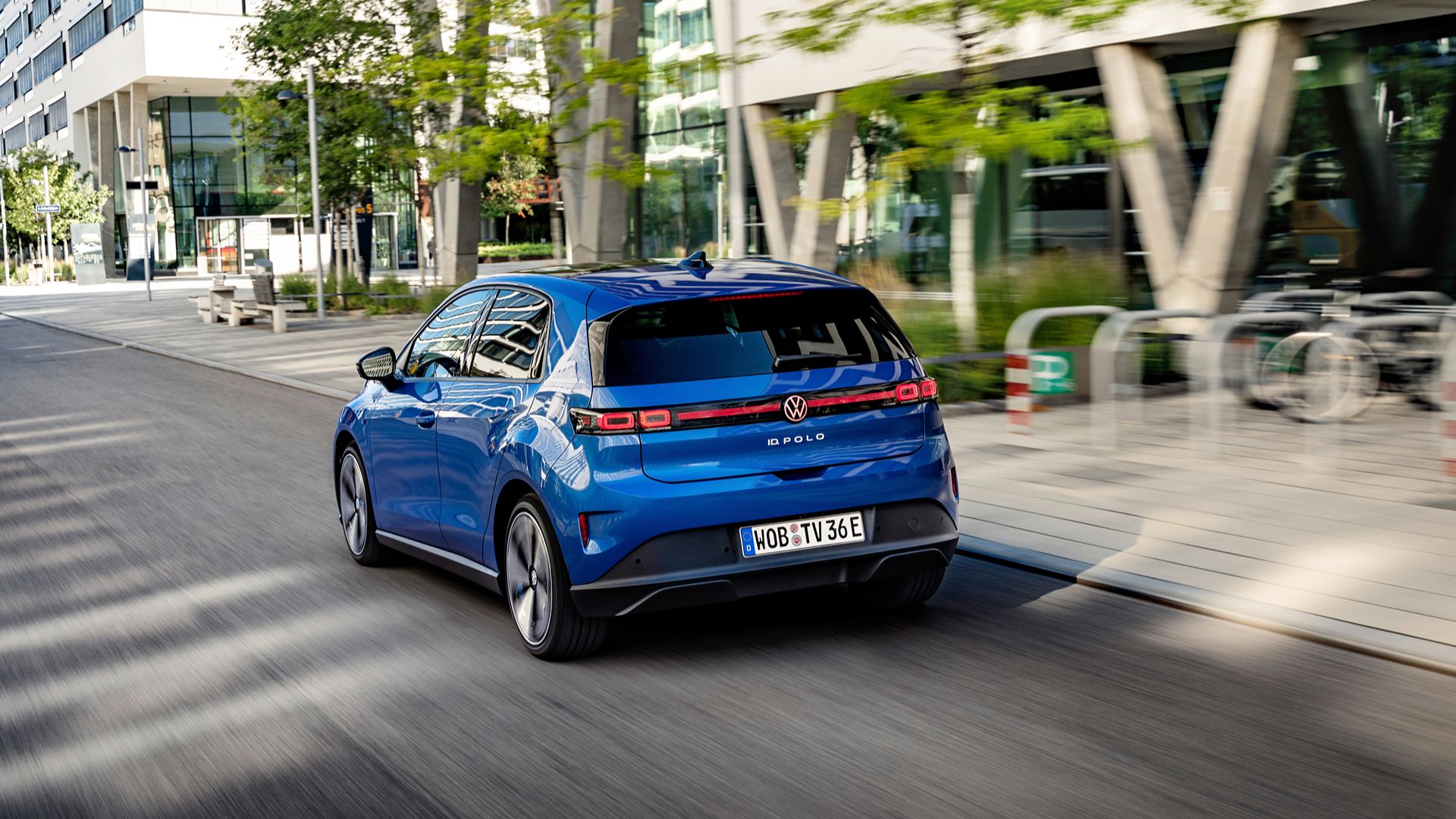
The shape and proportions are classic VW, even down to the c-pillar (the pillar between the back doors and tailgate) as it resembles the Mk1 Polo and Golf. But there’s a new ‘smiley’ face with a neat translucent LED light bar, and at the rear the lights – affectionately known as ‘whiskey glasses’ – give some style.
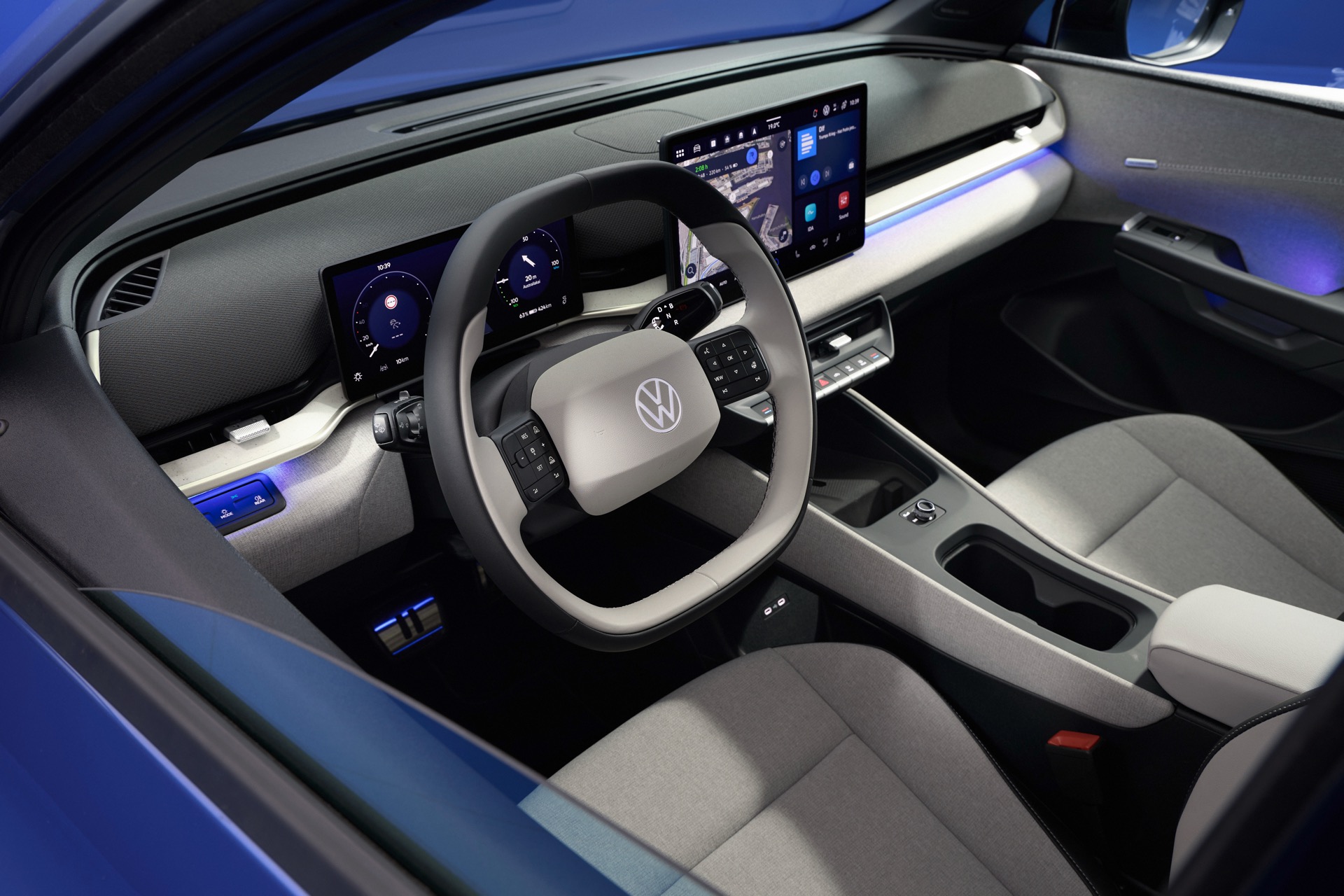
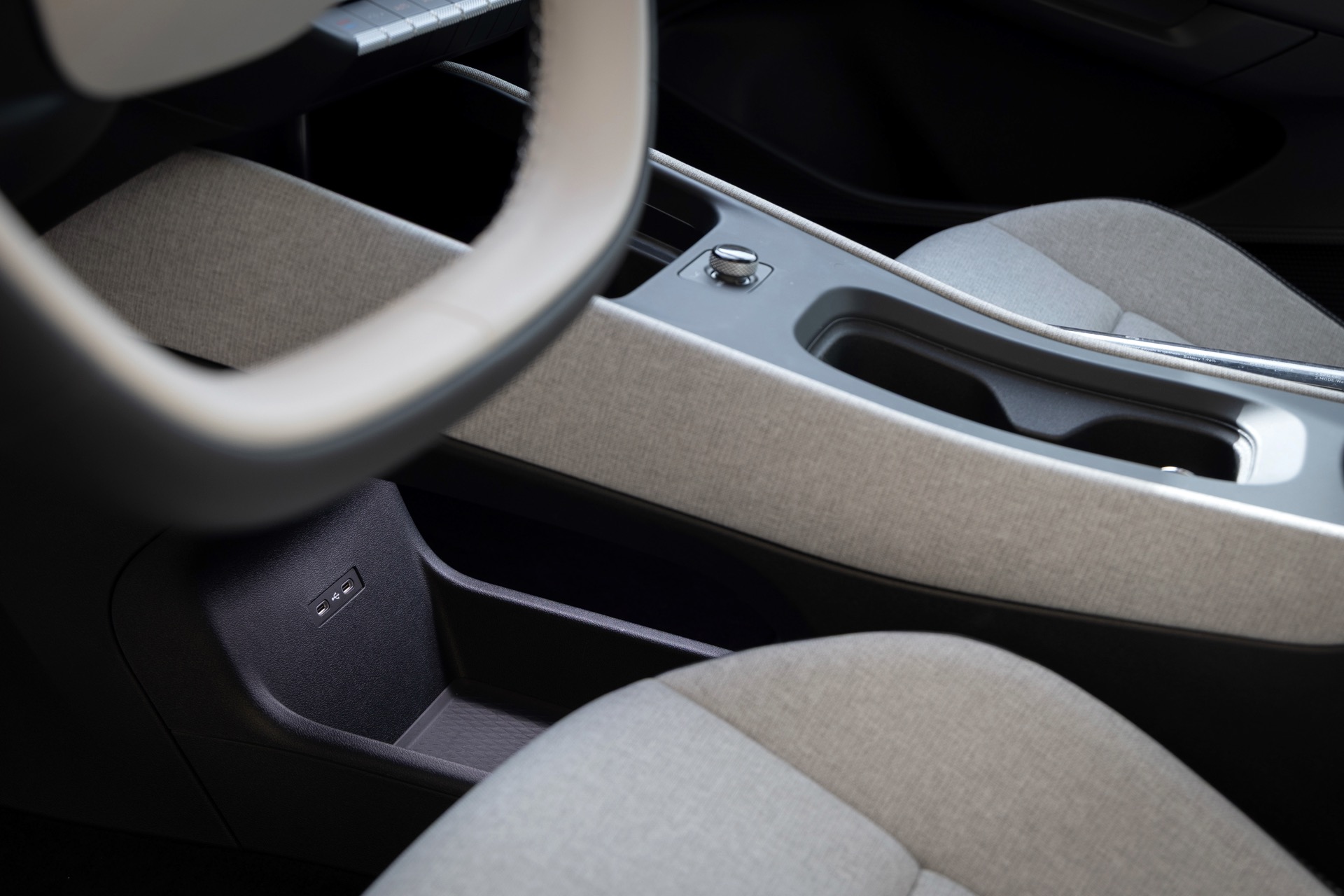
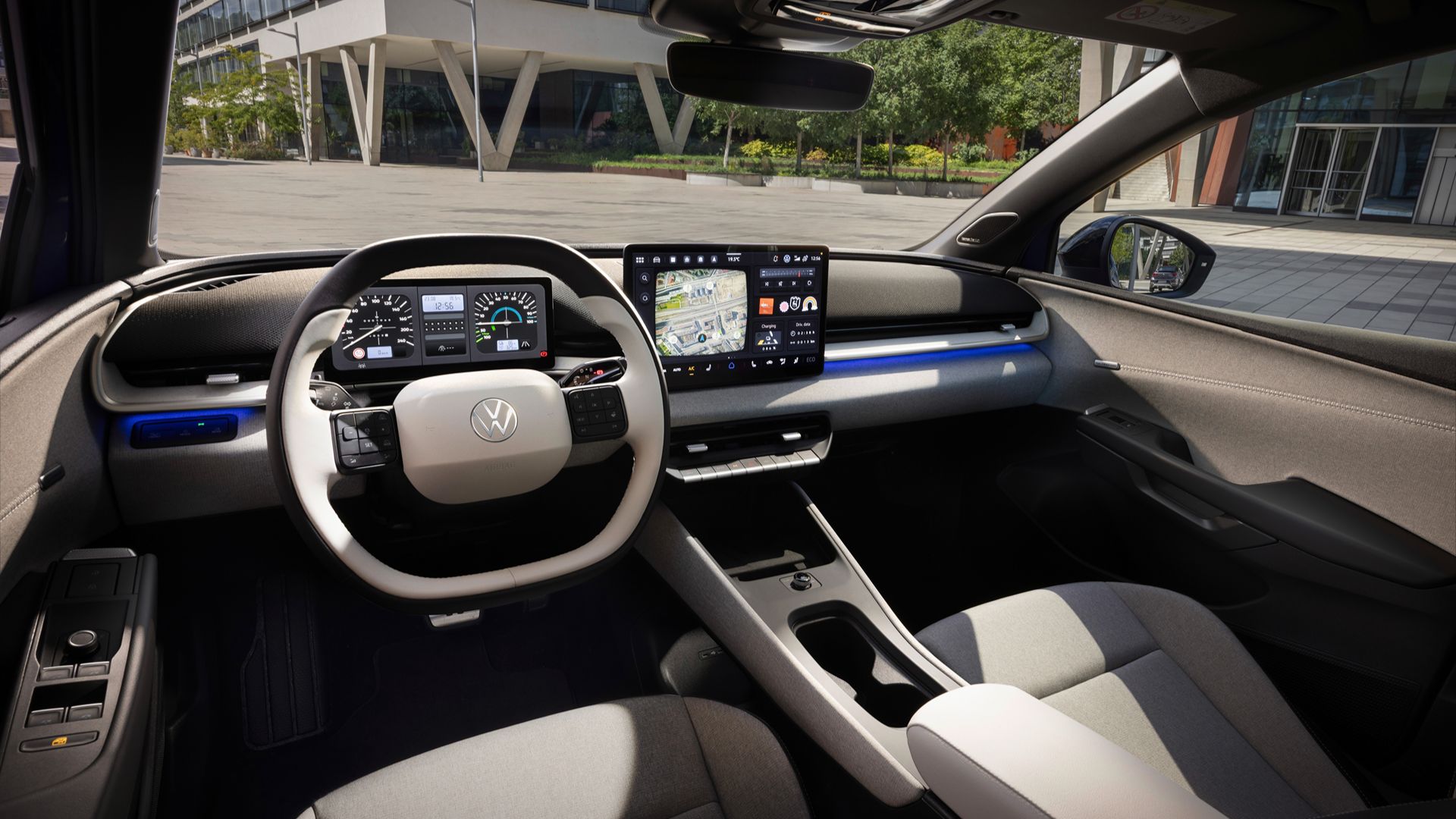
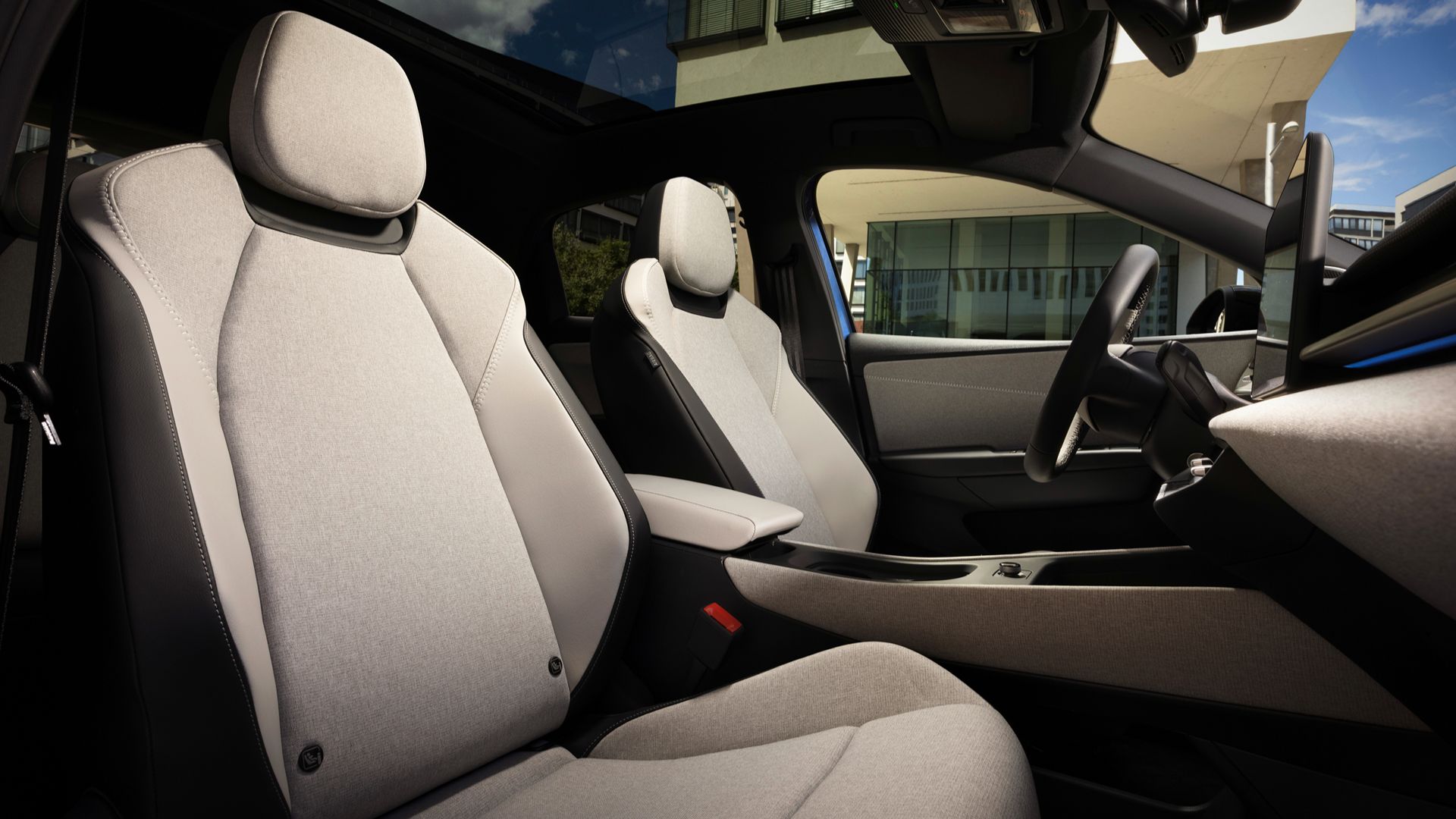
Inside the VW ID.Polo it all feels classier than you might think! Sure, I’d say that the Renault 5 has a more characterful finish with quirkier details, but the ID.Polo has that grown-up, solidly built feel that you expect of a new VW Polo.
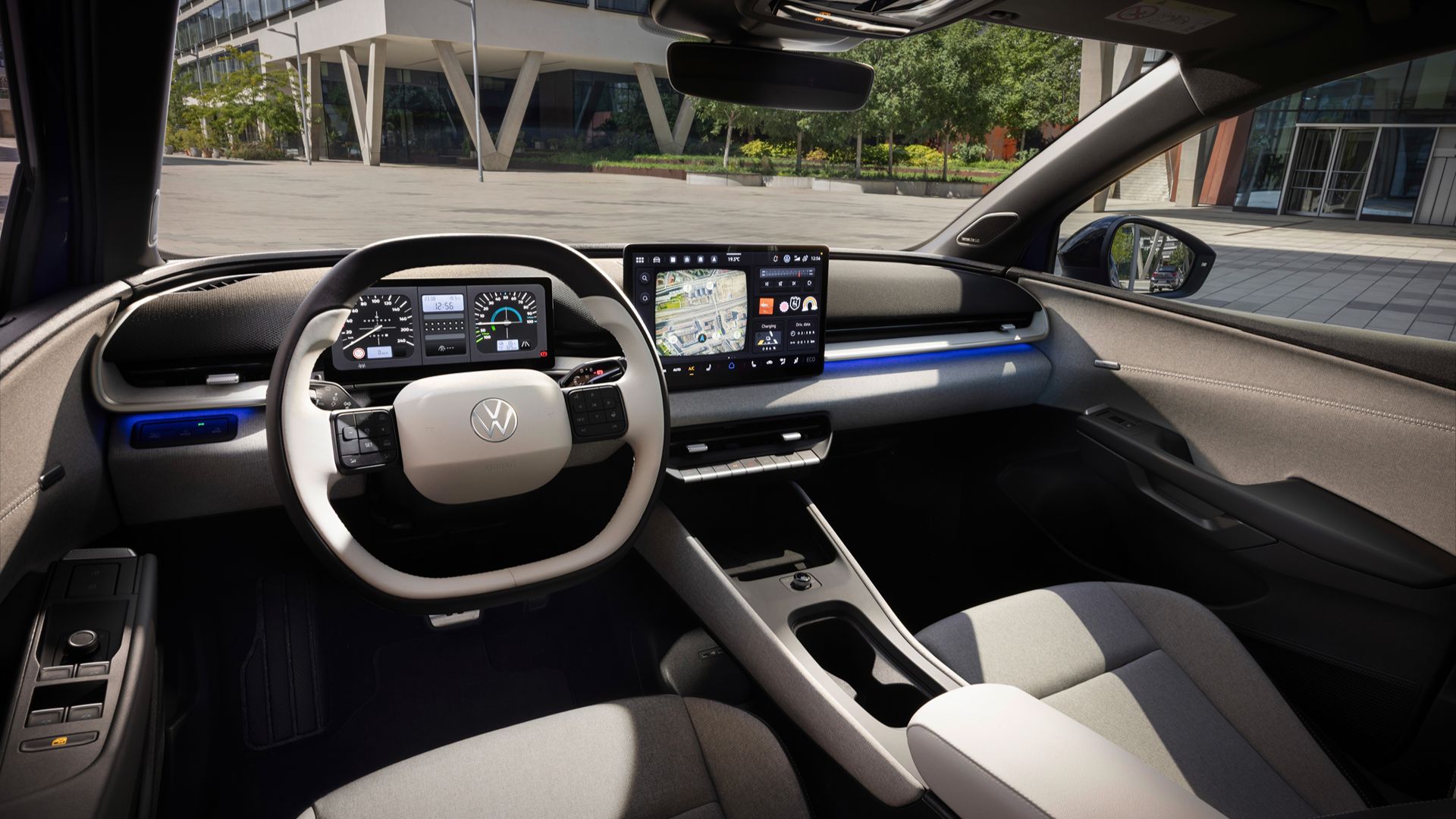
I like the subdued little ‘Volkswagen’ badge, the nicely damped (and manually adjusted!) air vents, and it all just looks simple and classy. It feels roomy up front, too, with decent elbow room and lots of adjustment. Again, it’s not exciting to look at but this does seem to be a more mature take on the small car recipe than you get with the Renault 5, Citroen e-C3 and BYD Dolphin.
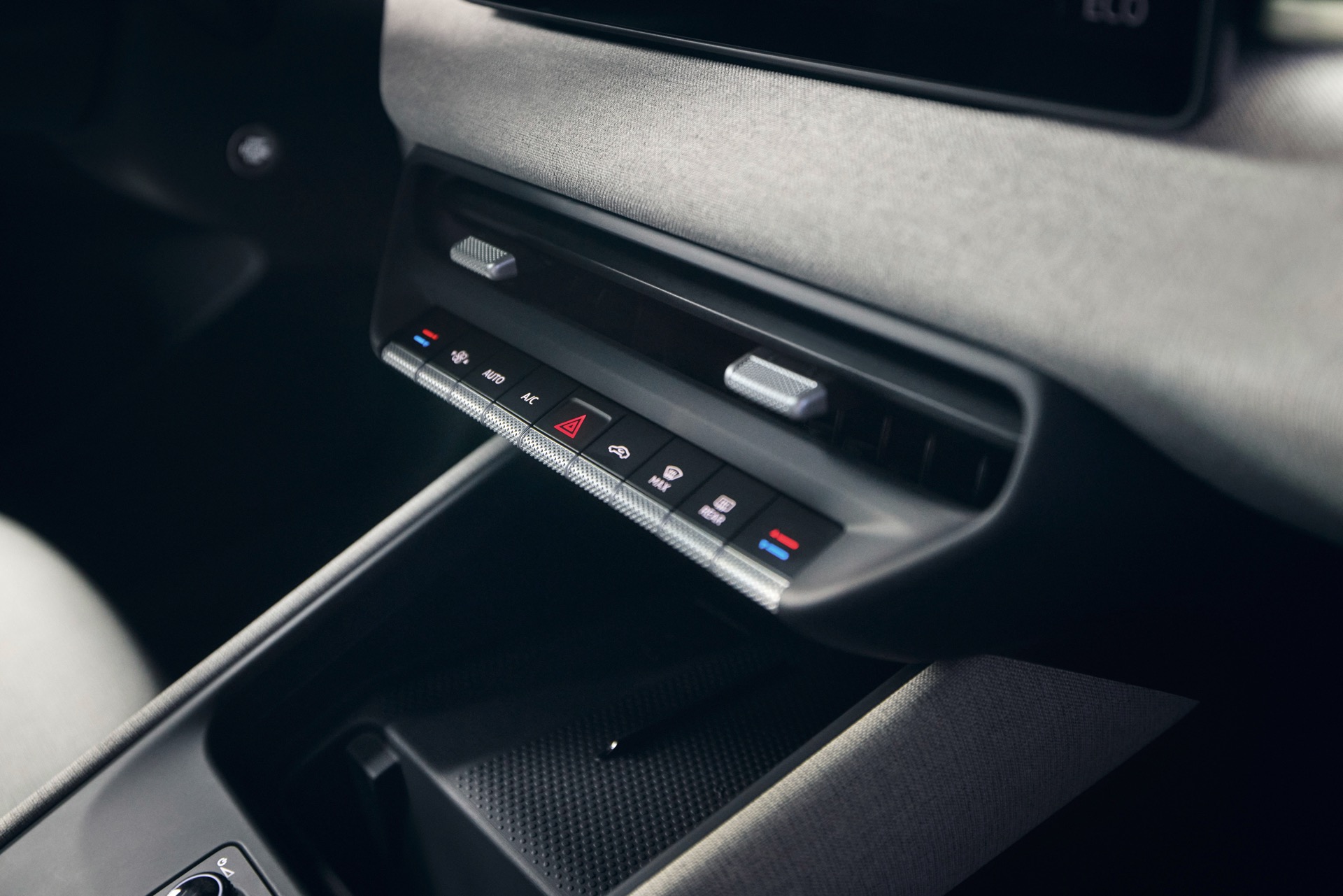
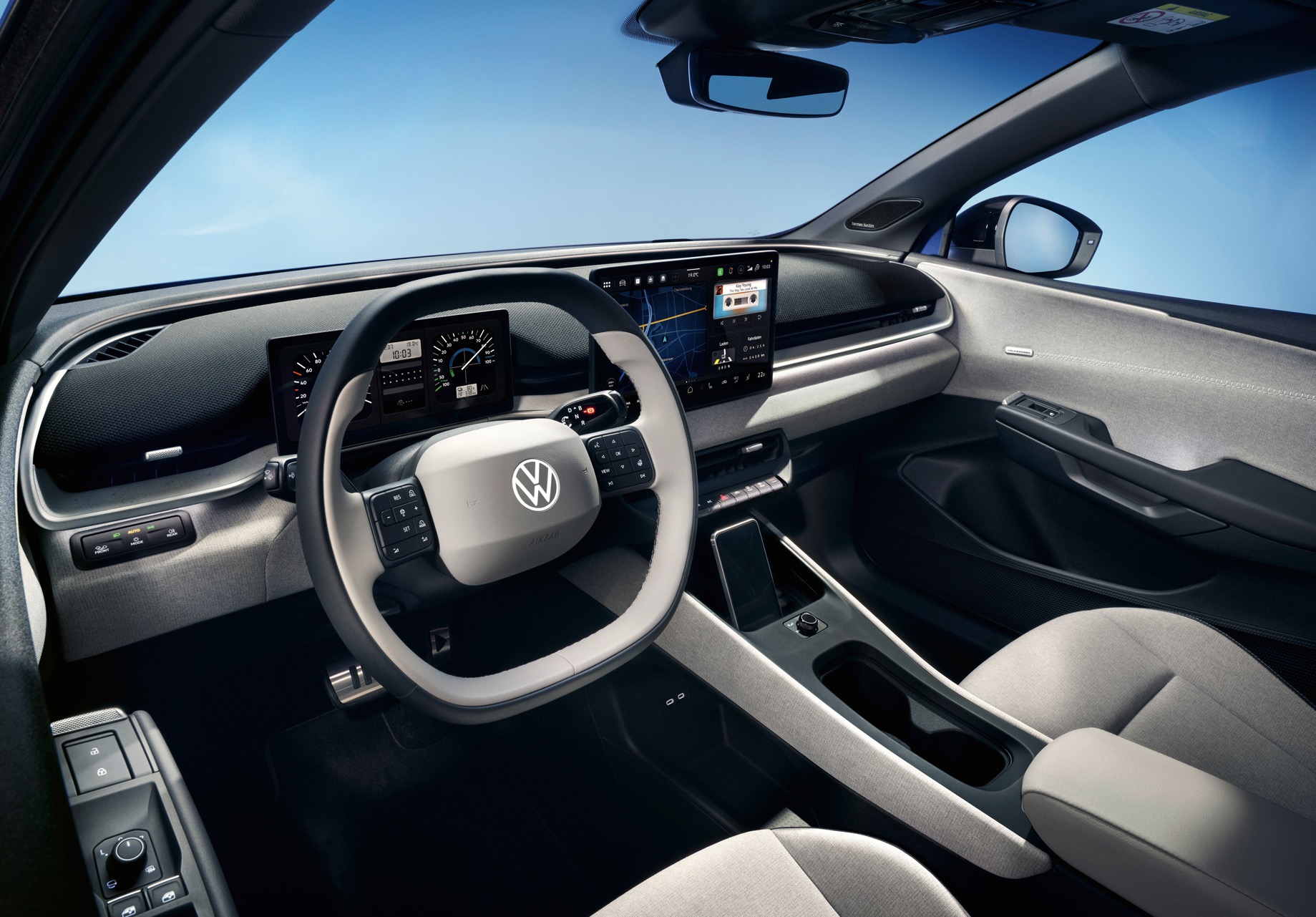
Most importantly – separate buttons for the aircon! Yes! VW has been listening, and while you still access most of the car’s features through the central 13-inch touchscreen, there are now proper climate control buttons.
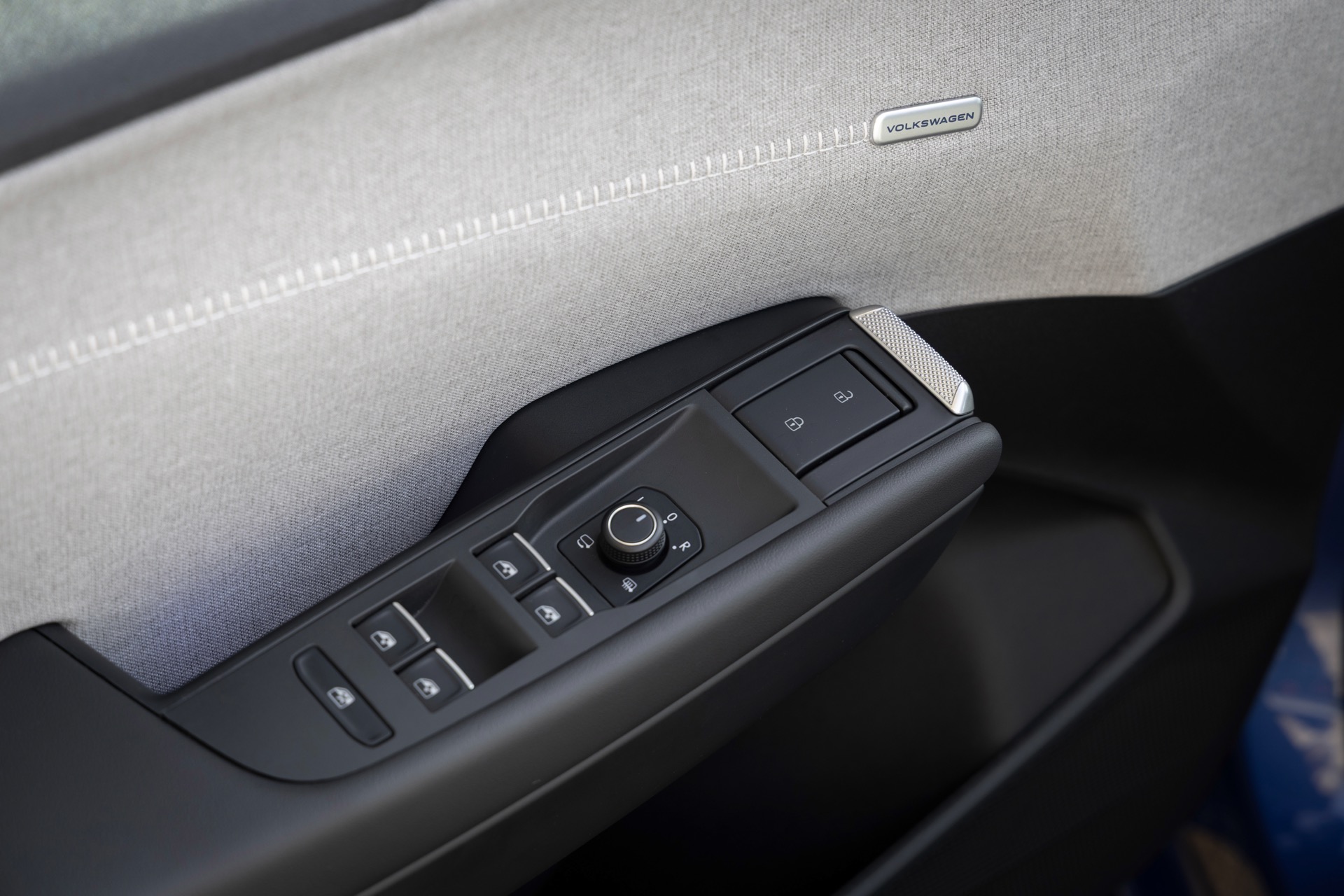
The steering wheel has also been redesigned to be easier to use, and there’s a rotary button for the volume control. And there are ‘normal’ physical buttons for the windows! Four buttons, just like you’d expect. No touch-sensitive button to switch between front and rear window controls, which is always annoying on the ID.3 (which surely should now become the ID.Golf?). Hurrah for all of that.
I like the retro function on the digital display behind the wheel, too. Press a button on the steering wheel and the digital driver’s readout changes to mimic the display from a Golf Mk1, which just goes to show that the VW might have some character and fun-factor, after all.
As for the touchscreen, I found it pretty easy to use. The menu icons are larger than before, and the software is quick and the graphics sharp.
It’s got all the functions you want, too, including wireless Apple CarPlay and Android Auto, and there aren't the annoying sliders at the touchscreen's base anymore. The glorious new buttons replace these.
Motors, performance and handling
Unlike the VW ID.3 and other VW cars based on this MEB platform, the VW ID.Polo gets an updated 'MEB+' platform that uses front-wheel drive and has been tuned even more carefully for efficiency.
Go for the smaller battery car and you get a 116 or 135hp electric motor, while the bigger battery ID.Polo gets 211hp. VW has revealed the Polo GTI too, which sports 226hp and a host of other upgrades. That car plans to target rivals like the Abarth 600e and Alpine A290.
We've already had a look at the ID.Polo GTI, find out everything you need to know here.
I reckon this big battery car will be the more popular option in the UK, thanks to that longer range of around 280 miles. It's also more than quick enough – 211hp gives a 0-62mph acceleration time of 7.1 seconds. It feels relatively zippy, but clearly doesn't step on the toes of the forthcoming ID. Polo GTI.
More importantly, though, the new Polo feels very grown-up and mature – characteristics that have always been part of the Polo's genes. It’s all very predictable, confident and natural-feeling; boring, perhaps, but that's because it's so good at every element of the driving experience. The only thing the Polo lacks is some fun in the corners; a Renault 5 is more engaging to drive, but the Polo rides better and is quieter.
Oh yes, the ride. It's very good. There are no adaptive dampers to choose from, but the suspension is soft enough to soak up the worst of the road’s bumps, while also keeping the body from wobbling about too much in faster corners and undulations.
The new electric Polo’s brake regen is variable, and changes depending on which drive mode you choose. You can also select B mode for full one-pedal driving. Is it as easy to vary the brake regen in the ID.Polo as it is in the Hyundai Inster or Renault 4? No. I definitely prefer having my brake recuperation modes controlled independently via paddles on the steering wheel.
But the VW’s setup generally delivers the regen settings that most people will want, and while it’s a tiny bit grabby in the heavier Sport and B mode settings. Ultimately, it didn’t take me long to get used to the system so that I could drive the ID.Polo nice and smoothly.
Running costs and pricing
While prices are higher than we hoped, they are still competitive against rivals such as the Renault 5, Citroen e-C3 and Fiat Grande Panda. The cheapest Life with the 37kWh battery and 116HP motor is £23,945. An extra £1,110 buys you an extra 19HP - which seems quite steep to us. The Style trim level starts at £28,470 for the 37kWh/135HP and adds LED matrix headlights, illuminated logos and front light bar, interior ambient lighting, 18-inch alloy wheels, sports comfort seats in the front and ‘play’ and ‘pause’ accelerator and brake pedals.
The bigger battery with 52kWh and a surprising 211HP costs £28,330 for the Life and £31,745 for the Style. But to complicate matters, this powertrain qualifies for the Tier 2 government grant, lopping £1,500 off these prices.
Verdict
The Volkswagen ID.Polo is exactly what you want from an electric version of this family favourite supermini.
Over the years, the Polo's earned a reputation as a solid, safe and well-rounded small car that's made it a default option for learner drivers, family motorists wanting a compact and efficient car, and even higher-mileage drivers who want a small car that doesn't feel compromised on a motorway journey.
And that's exactly the breadth of ability that the new VW ID.Polo is aiming to offer, too, with its tech, safety and what looks to be one of the longest ranges in the small EV class. It absolutely feels like the small-but-mature EV that you'd expect.

 9
9