





UK prime minister Keir Starmer has handed in his resignation as leader of the Labour party, triggering a search for his replacement who will take over the top job as prime minister.
At the front of the – admittedly quite short at the moment – queue is Andy Burnham, mayor of Manchester and newly elected MP in Makerfield.
He’s the only person who has said they will run in the Labour leadership election so far, and rival contender Wes Streeting, who resigned from his job as health secretary in May, has said he is throwing his support behind Burnham.
But what will it all mean for policy around electric cars? Surprisingly for someone with their eye on running the country, Burnham has been very light on explaining any policies, and if he is crowned leader without a contest it looks like we won’t find anything substantial out until a fresh king’s speech in the autumn and party conference season.
What was Keir Starmer’s EV policy?
The current government under Keir Starmer introduced the electric car grant in July 2025 – a two-tier subsidy of £1,500 and £3,750 for select electric vehicles in order to boost take-up of the technology.
It has worked, with EVs posting record sales shares in recent months, though of course the massive increase in fuel prices following Donald Trump’s attacks on Iran in February have also played a large role.
What has Andy Burnham said about electric cars?
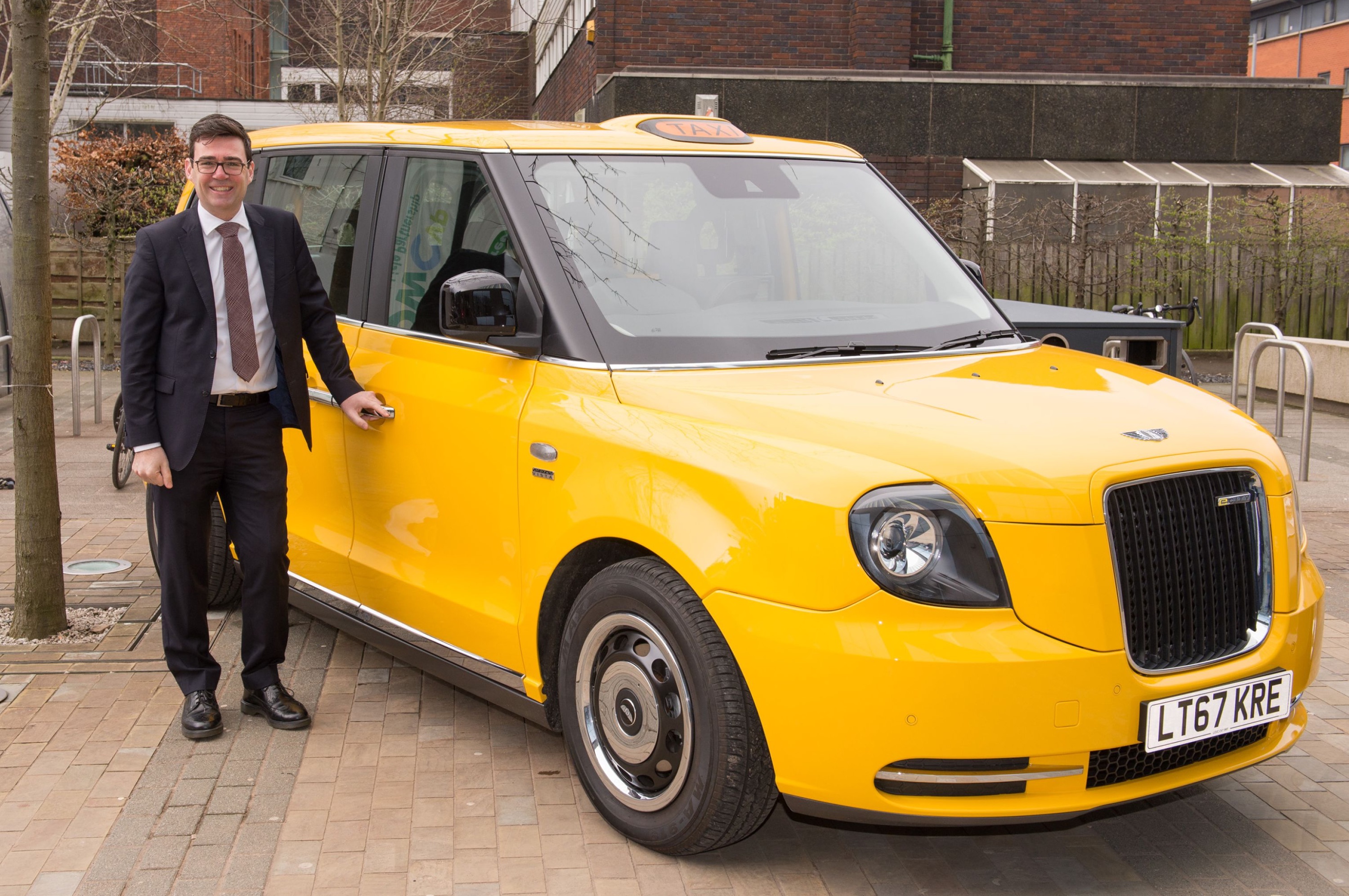
Our future putative prime minister has said very little about EVs publicly – in 2022 he spent over £100m on introducing a clean air zone in Manchester that would have seen polluting vans and lorries paying up to £60 a day to drive in the city.
The scheme didn’t affect private cars at all, but Burnham was forced to scrap the initiative after a massive backlash. He did however manage to order over 200 electric buses from Northern Irish manufacturer Wrightbus.
It's also worth noting at this point that Burnham is married to Marie-France van Heel, who sits on the board of directors of plucky up and coming charge network Be.EV – will she have something positive to tell him about electric vehicles?
Could the 2030 petrol and diesel ban change?
There have been rumours, but nothing yet made official, that the Starmer government was preparing to cave in to car industry lobbying on the zero emission vehicle mandate that currently requires 80% of cars sold in 2030 to be electric, ramping up to a total ban on petrol and diesel sales in 2035.
The apparent changes would have still seen purely petrol and diesel driven cars banned from sale in 2030, but the 80% figure knocked down to 50% and hybrids would have played a greater role in the sales mix.
Will Andy Burnham change transport policy?
While Burnham has loosely committed himself to the fiscal policies of Starmer and his chancellor, Rachel Reeves – a move mainly calculated at not upsetting the finicky bond markets that proved the undoing of Liz Truss and Kwasi Kwarteng in 2022 – he does at the same time seem willing to shake the tax system up a touch, which could have an impact on transportation.
He’s set to continue the nationalisation of rail firms, and even plans to extend that policy to water providers and even the National Grid. He’s also keen on regional devolution, which could speed up planning permission for the introduction of renewable generation.
But this is of course speculation. The reality of the matter is that the new prime minister has exactly the same finances to deal with and will be unable to introduce any ideas that are too radical.
What about the eVED road tax?
Discussion of the so-called eVED that was announced last year by chancellor Rachel Reeves has gone quiet, though we’re still a long way off the tax’s 2028 introduction date. Will Andy Burnham want to scrap the plan, or is it the inevitable direction that government EV policy is heading? It’ll be fascinating to watch.