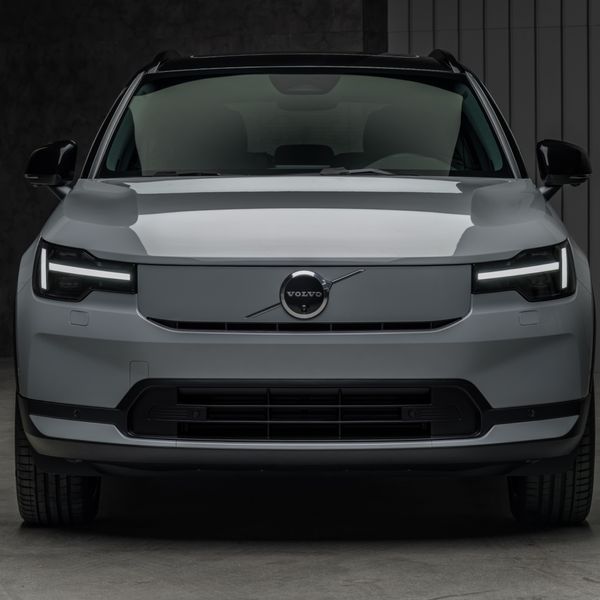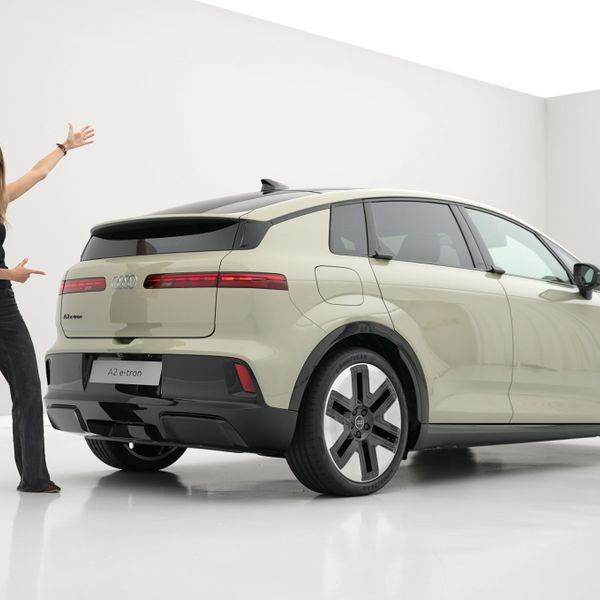






The prime minister is strongly considering weakening the rules on sales of electric vehicles, according to the latest reports.
The current version of the so-called zero emission vehicle mandate requires that 80% of vehicles sold in 2030 will be electric, with a ramping up of the mandate each year.
The 2026 figure is for 33% of cars to be zero emission, though carmakers get credits for reducing the average emissions of the combustion cars they sell, plus they can buy credits from other carmakers who have met the targets, or even borrow allocations from future years.
Still though carmakers have complained that the targets are too strenuous, claiming that demand for electric vehicles isn’t there or even that buyers flat out don’t want them, although the Department for Transport hit back against those claims earlier this year.
As we’ve seen in recent years, though, good electric vehicles will sell just fine, with buyers excited about the prospect of newer, cleaner technology making its way to the roads.
The reports suggest that the government is considering changes to the mandate that would maintain the ban on new purely petrol or diesel powered cars in 2030, but would soften the zero emission requirement from 80% to 50%, meaning half of cars sold would be hybrid or plug-in hybrid.
Toyota and Land Rover are two of the biggest carmakers in the UK, building hundreds of thousands of cars between them, and both lagging behind on the ZEV mandate numbers. Toyota has just launched its new electric Hilux pickup truck and Land Rover's much delayed Range Rover Electric is due by the end of the year.
Toyota in particularly is known to be active in lobbying for government policy to be more generous to hybrid technology, which it has invested in heavily over recent decades at a cost to its electric lineup.
The ZEV mandate was first introduced under prime minister Rishi Sunak’s Conservative government, but has already been watered down by the Labour administration since it came to power in 2024.
A review was baked into the initial ZEV mandate for 2027, but the government has come under pressure to bring that review forward with the intention of changing the rules.
The pressure has apparently revealed tensions in government between the energy secretary Ed Miliband, who wants to keep overall net zero targets in place, and the business secretary Peter Kyle, who is being lobbied by trade unions and manufacturers.
The general secretary of the Unite union has already called the proposed changes a “huge victory” according to the Guardian, while car industry body the Society of Motor Manufacturers says it would welcome the changes.
“The industry has long called for a review and easing of the pressure on manufacturers for whom the cost of compliance is unsustainably high,” said an SMMT spokesperson.
“There are ever more EVs on the market – over 160 at last count with more to come – so the industry’s commitment is not in doubt. But unless there is urgent relief of the mandate, which is still running well ahead of demand and about to ramp up, then the cost will be in jobs, investments and the viability of some businesses. We await the publication of any proposals.”
Electrifying founder Ginny Buckley says that there's more of a danger to the car industry in sending mixed messages: “The real risk to Britain’s car industry isn’t the transition to electric cars, it’s hesitating at the crossroads. Car buyers need consistent messaging, not policy wobbles and at a time when global instability is pushing up energy costs and prices at the pumps, doubling down on electrification is the smartest economic and energy security decision Britain can make.”