





Solid-state batteries have long been the holy grail of electric vehicles, but after years of development, they may finally be a viable option. Verge Motorcycles, a Finnish/Estonian mobility brand is claiming to have the world’s first production EV fitted with a solid state battery. Working with its in-house technology partner Donut Lab, the firm brand will start deliveries of its solid-state powered motorbikes within months.
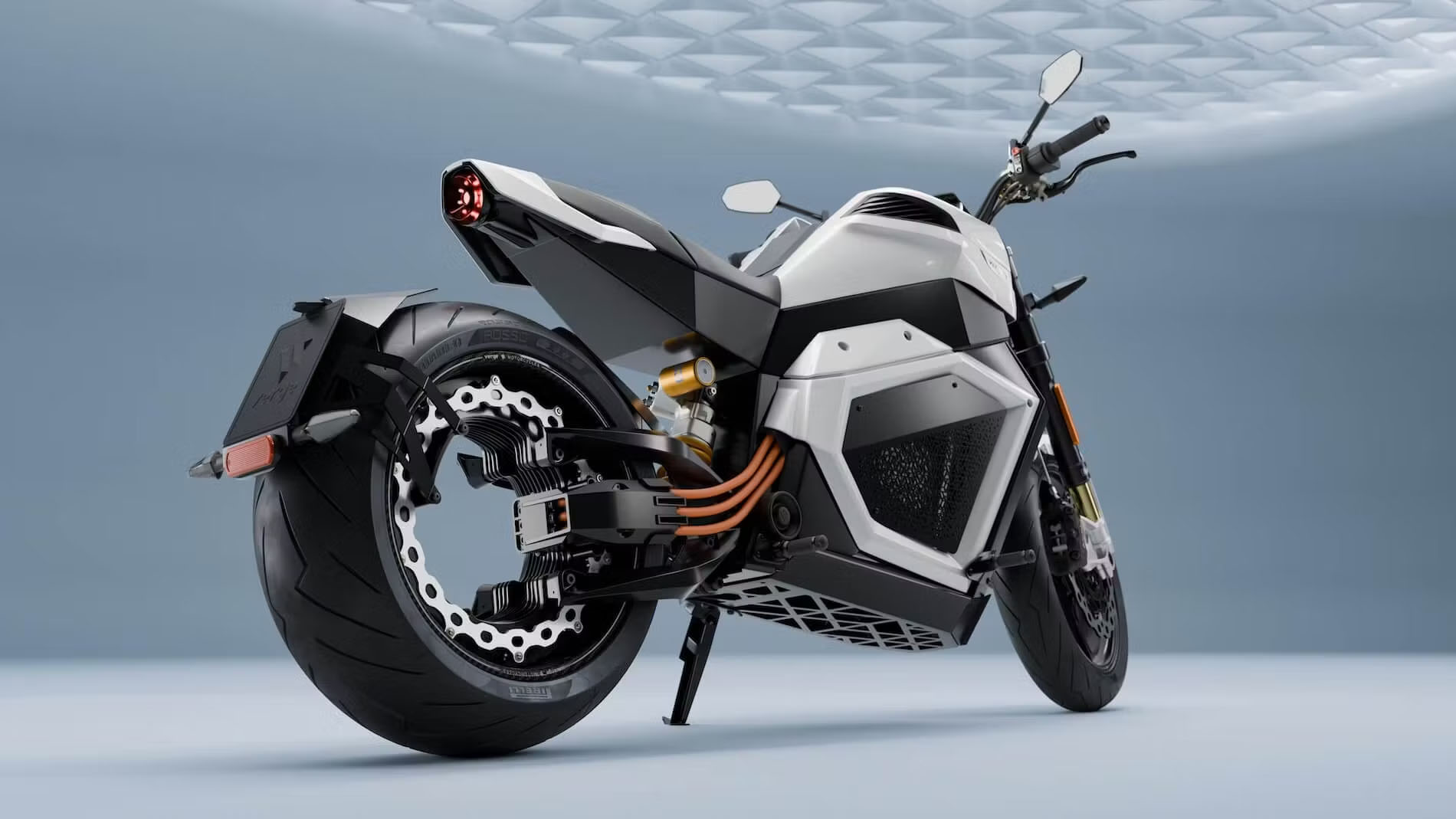
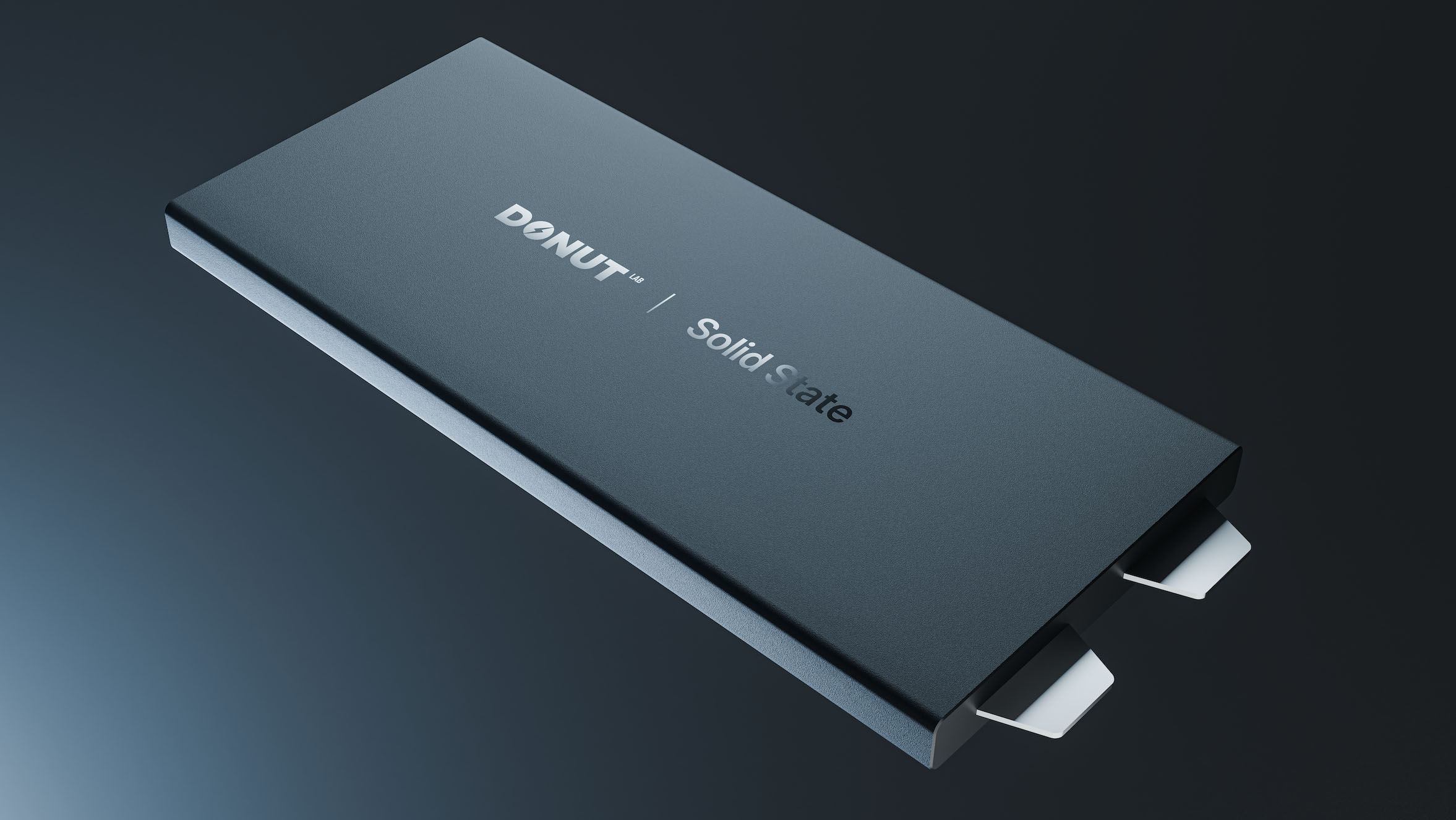
According to Verge, the solid-state battery will be fitted to the TS Pro and other models, offering real world benefits that include faster charging, lighter weight and the potential for greater range than conventional lithium-ion packs, all without increasing retail cost.
This tech leap could have wider implications beyond motorcycles. Solid-state chemistry has long been viewed as a key milestone for electric cars due to its safety and energy density advantages, and a successful deployment in production vehicles would mark one of the first times the technology has moved beyond laboratory prototypes into customer-ready EVs.
Customers can already order the new bike in the UK, with prices starting at £30,980 for the standard range battery (with a claimed 217 miles of range), rising to £33,480 for the extended range pack that offers up to 370 miles on a single charge. However, it should be noted that the range figures quoted by Verge are what it describes as ‘city riding’. The brand’s estimate for ‘highway’ riding is lower at 124 miles for the smaller pack and 196 miles for the larger pack.
According to Verge, the TS Pro has yet to undergo EU WMTC testing (the motorcycle equivalent of WLTP), so the final figure could be lower than the headline making 370 miles.
While the initial figures are eye-catching, questions remain about how a small Finnish technology company has achieved something that the likes of Toyota and BMW have been working on for decades - with significantly higher development resources. The brand has been understandably secretive about the construction and materials used in its pack, only stating that the battery is made entirely from abundant, affordable, and geopolitically safe materials, does not rely on rare or sensitive elements, and demonstrates a lower cost than lithium-ion.
Solid state batteries: why all the fuss?
Solid-state batteries have long been talked about as the next big thing for electric car technology – but are they really the game changer they promise to be? As ever with EV tech, the truth is a little more nuanced.
The pros are undeniably exciting. Unlike today’s lithium-ion batteries, which use a liquid electrolyte, solid-state batteries replace this with a solid material. That immediately brings big advantages. Energy density is higher, meaning more range from the same size battery – or the same range from a much smaller, lighter pack. In theory, that could deliver affordable EVs with 400+ miles of real world range without making them heavier or more expensive to run.
Solid-state cells are also far less prone to overheating, reducing the risk of fires and allowing engineers to push performance harder. Faster charging is another headline benefit: some developers claim solid-state batteries could add hundreds of miles of range in minutes rather than tens of minutes. Cold weather performance should improve too, addressing one of the biggest EV pain points in winter.
But there are significant cons, which explain why you can’t buy a solid-state EV car just yet. First is cost. Solid-state batteries are currently eye-wateringly expensive to manufacture, relying on complex processes and materials that don’t yet scale easily.
Durability is another hurdle. Many solid electrolytes struggle with long-term cycling, meaning capacity can degrade faster than expected over thousands of charges. There’s also the issue of charging at high power repeatedly, which can cause microscopic cracks in the solid material – not ideal for a battery expected to last a decade or more.
Then there’s timing. Carmakers from Toyota to Volkswagen have promised solid-state breakthroughs “later this decade” for years, but mass production keeps slipping. Early versions are likely to appear in low-volume, high-end models first, rather than the affordable EVs most drivers are waiting for.
So, are solid-state batteries the future? Almost certainly. Are they about to revolutionise electric cars overnight? Not quite. For now, rapid improvements in conventional lithium-ion batteries will continue doing the heavy lifting – while solid-state quietly gets ready for its moment.
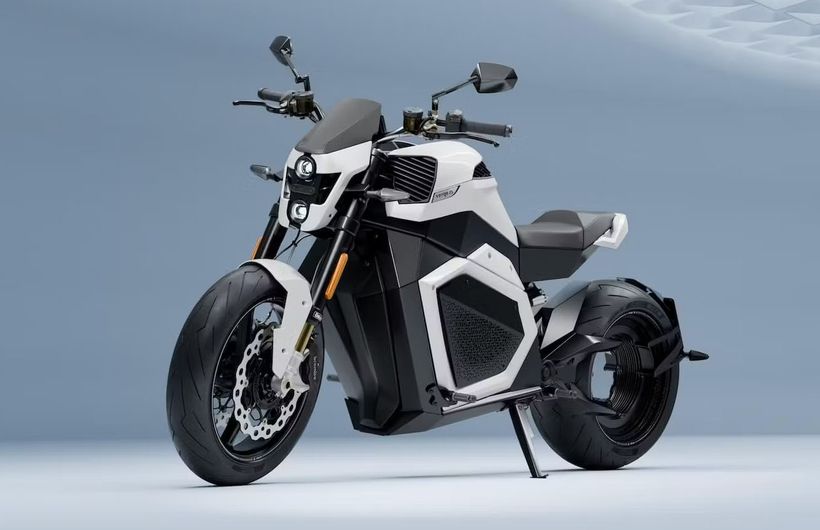 Verge TS Pro will be the first production 'vehicle' to come with a solid state battery. The downside? You'll get wet when it rains


.jpg?width=600&height=600)