





 Battery size: 82.6 - 108.7kWh
 WLTP range: 441 - 566 miles
 Max charge rate: 400kW
 E-Rating™: A+





Introduction – 2027 BMW i3 electric 3 Series
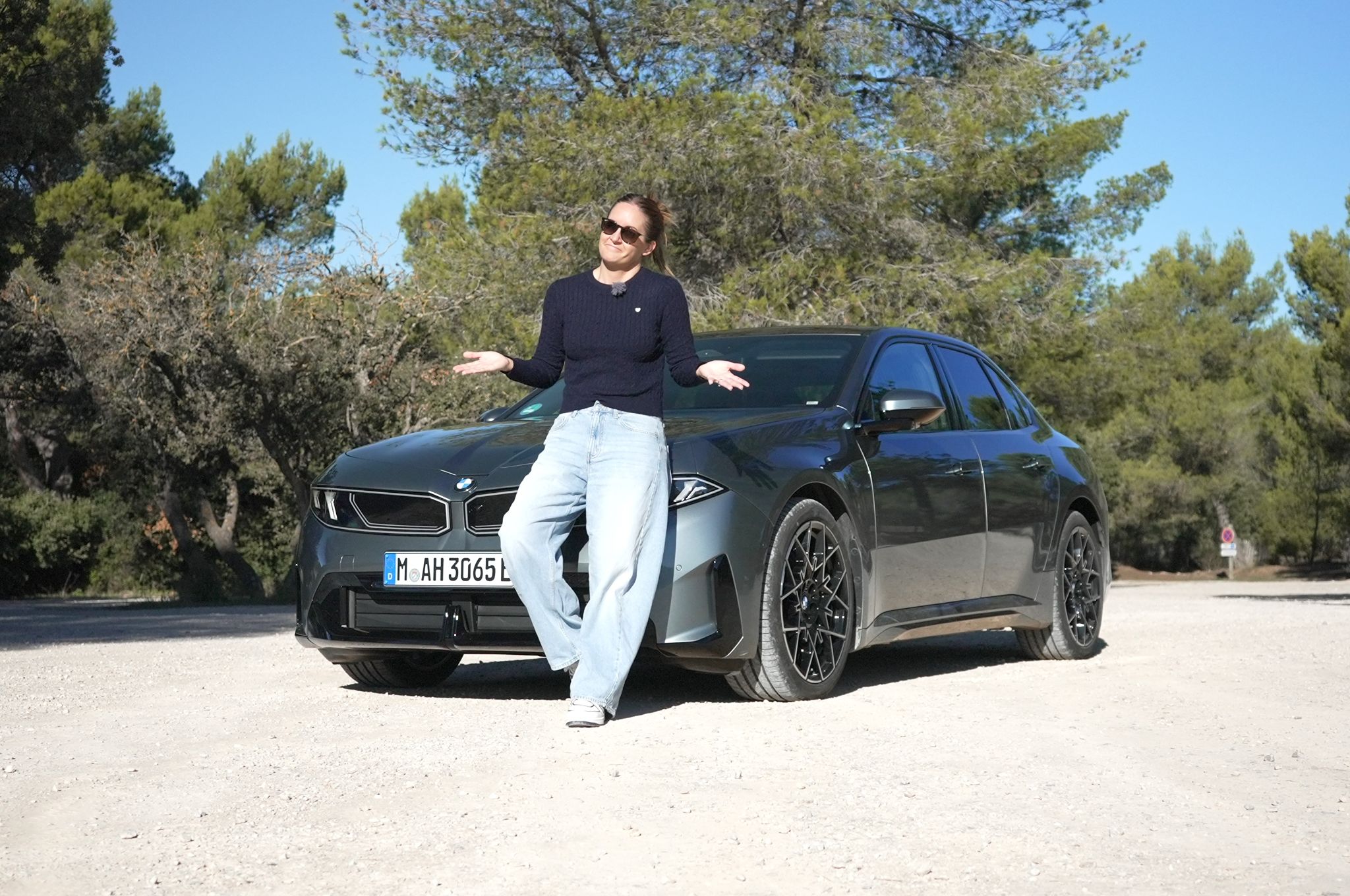
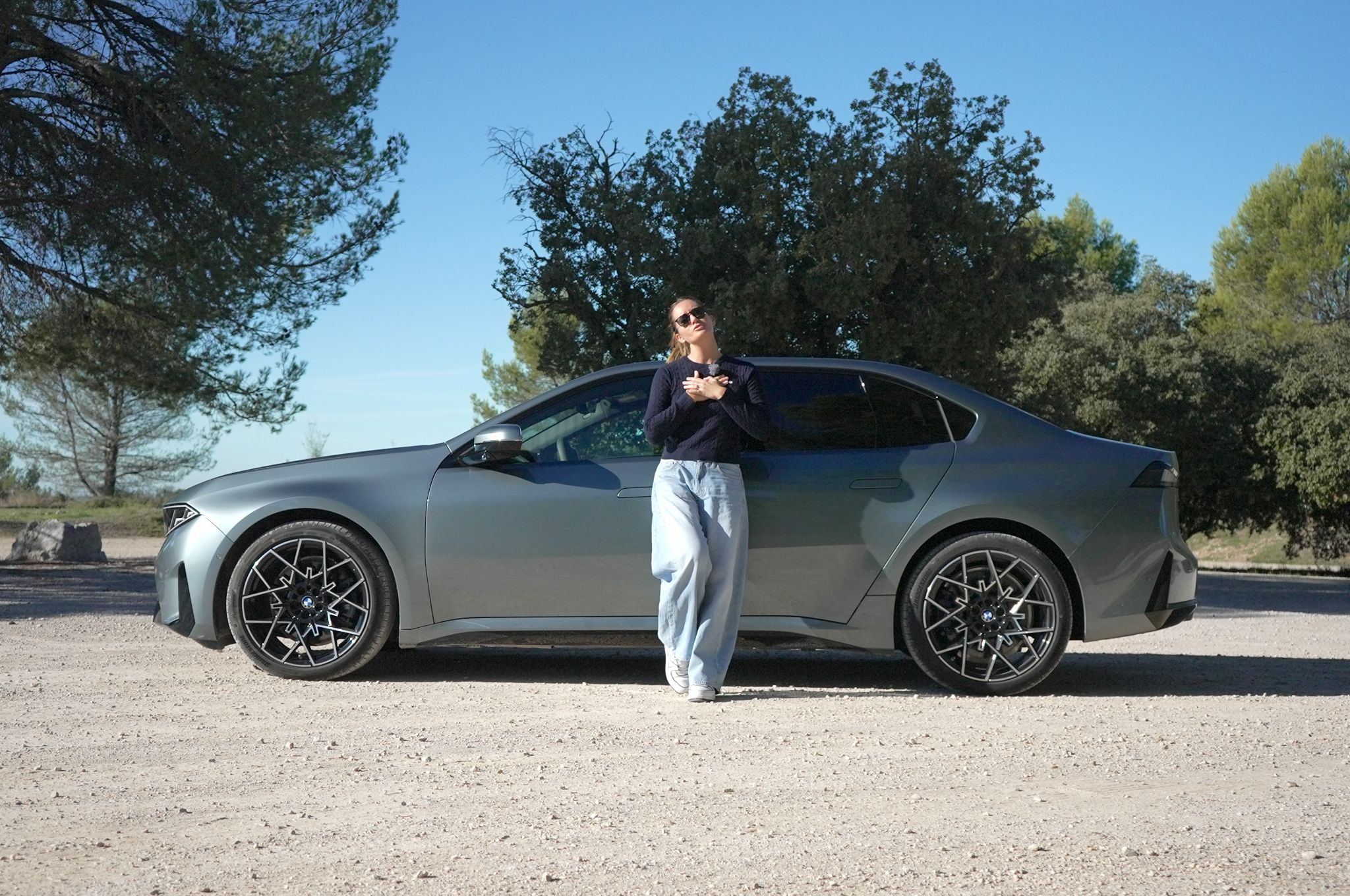
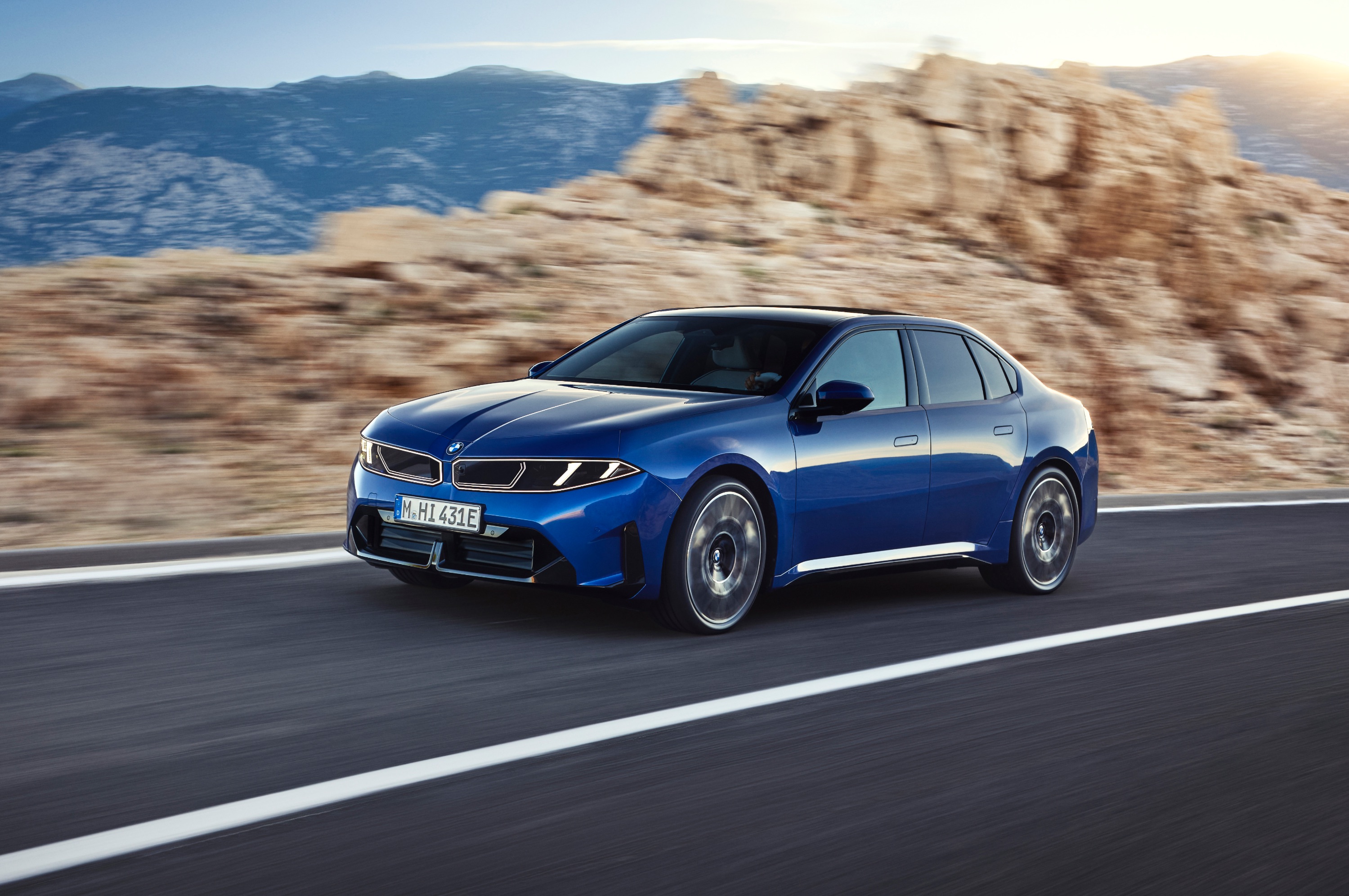
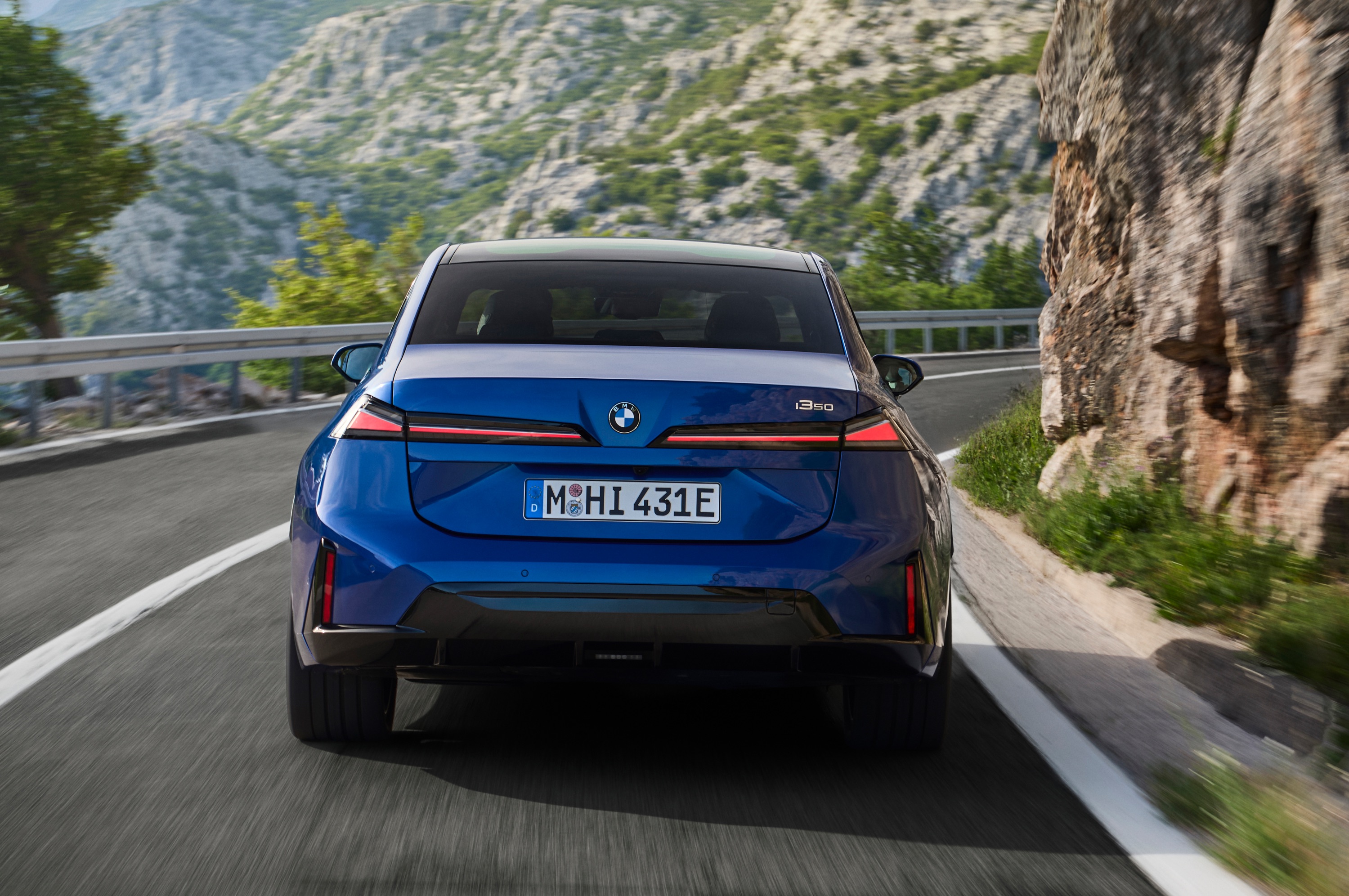
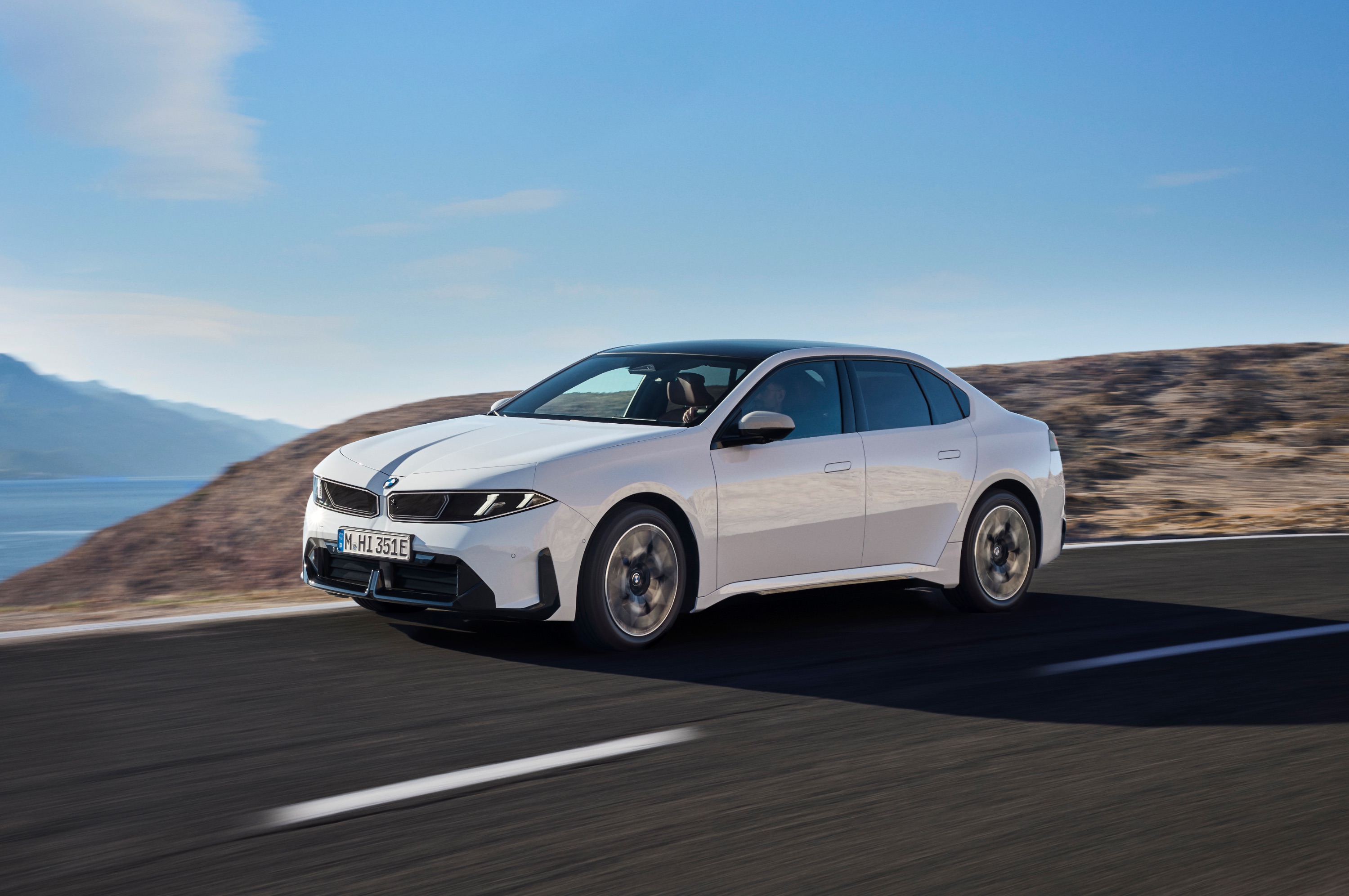
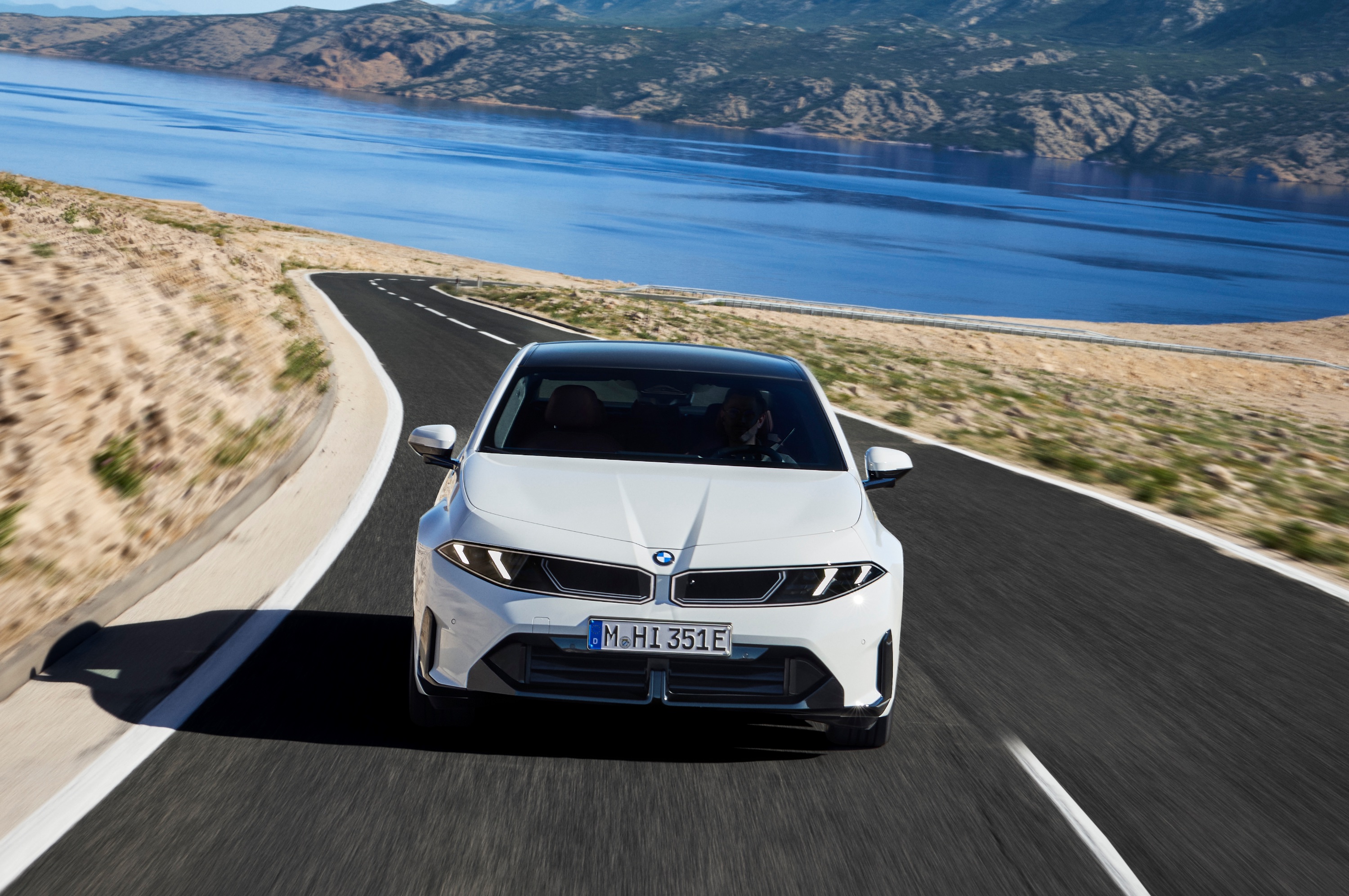
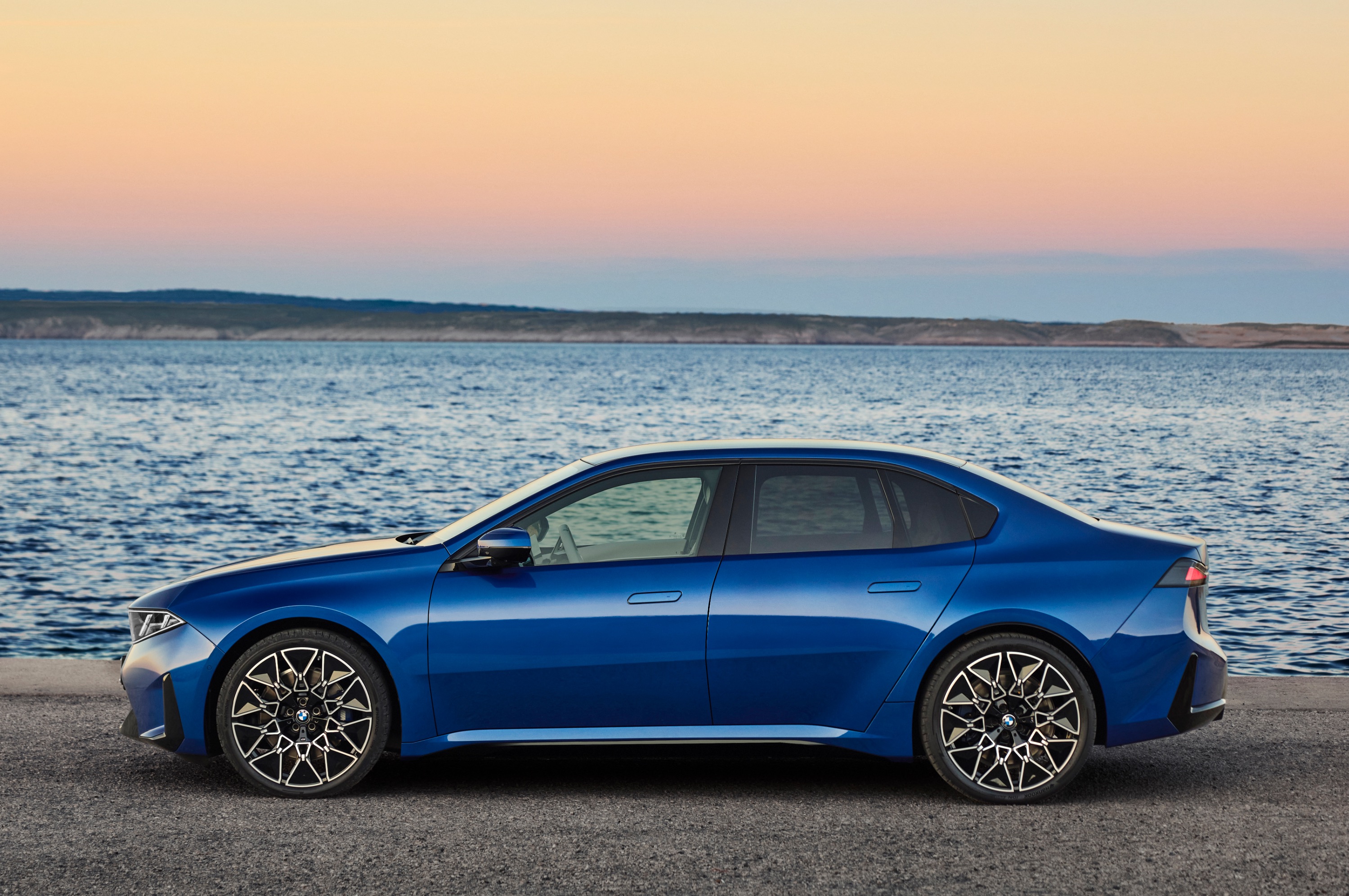
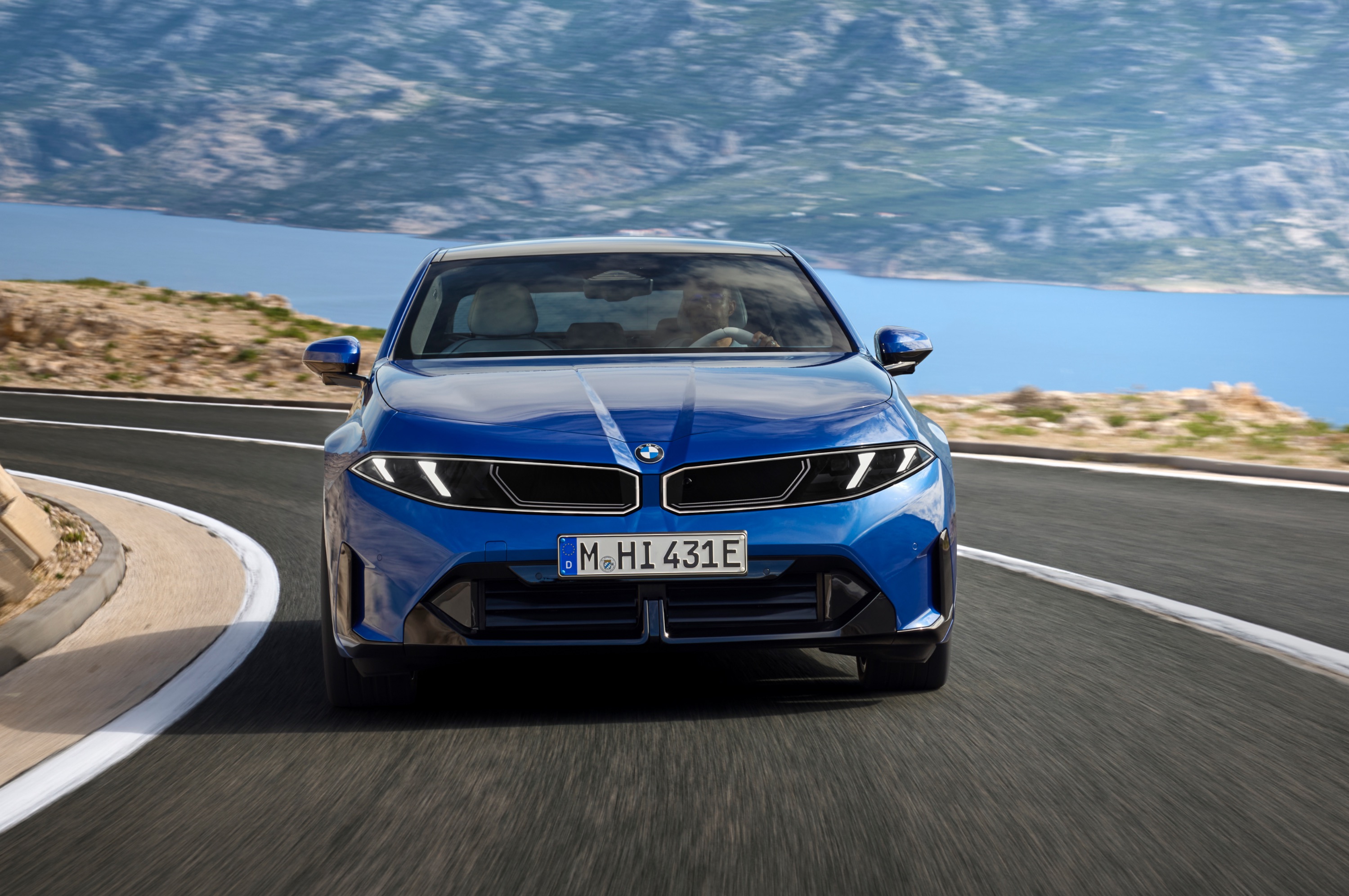
I can't believe I've finally driven the new BMW i3! It feels like I've been waiting for this for years. And yet, after months of waiting, the design is still a real talking point with the BMW ’s done with the design. It’s clearly inspired by that divisive Neue Klasse concept. It looks so futuristic that I'd say it looks like it’s skipped more than one generation compared with the outgoing petrol BMW 3 Series.
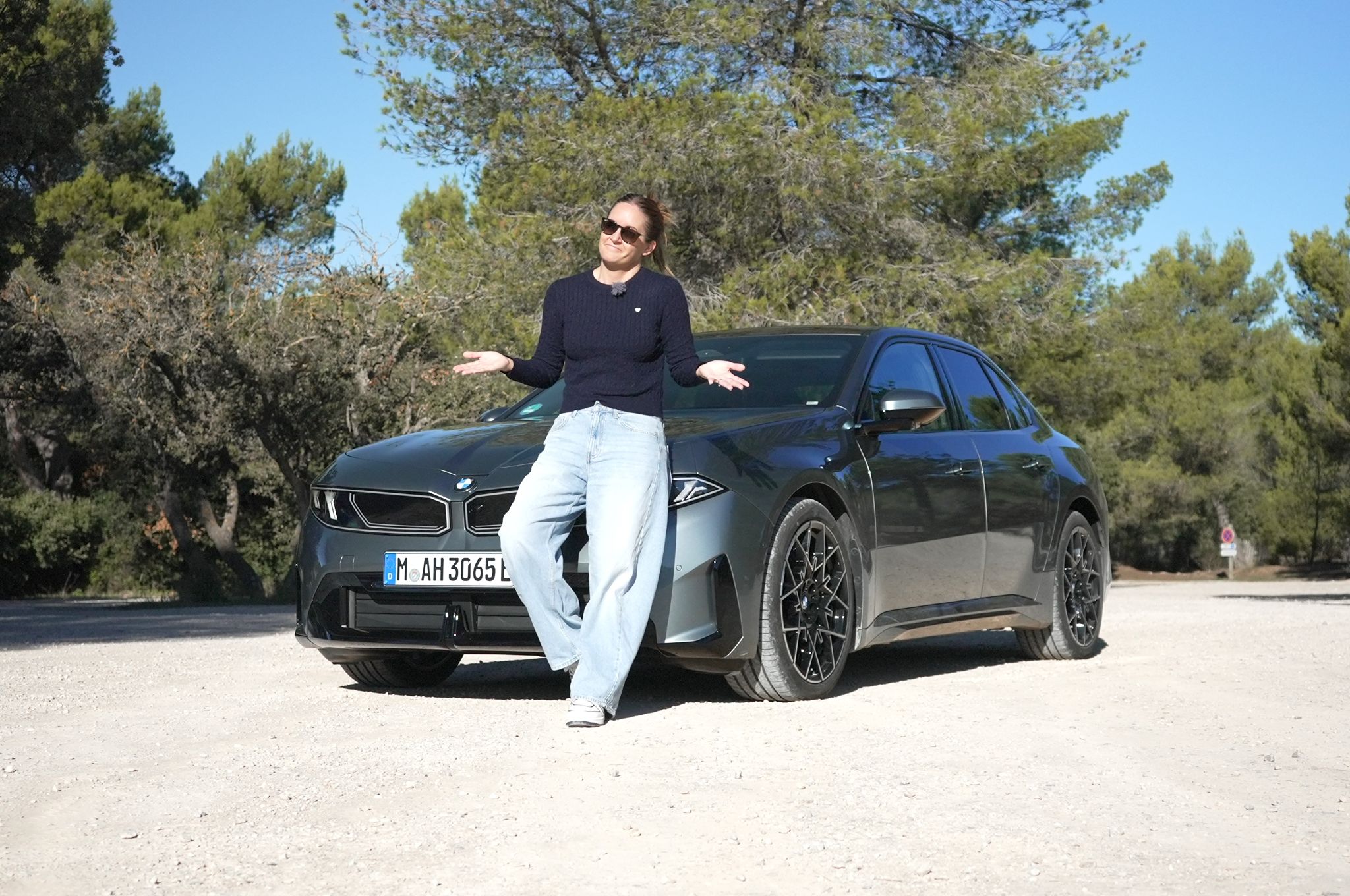
The new BMW i3 is cleaner, more modern and - to my eyes - more elegant than recent BMWs. It’s slightly bigger too, with a longer wheelbase and wider stance than the existing 3 Series, which should mean more cabin space and better stability on the road, although I'm in agreement that having cars get bigger with every generation isn't always a good thing!
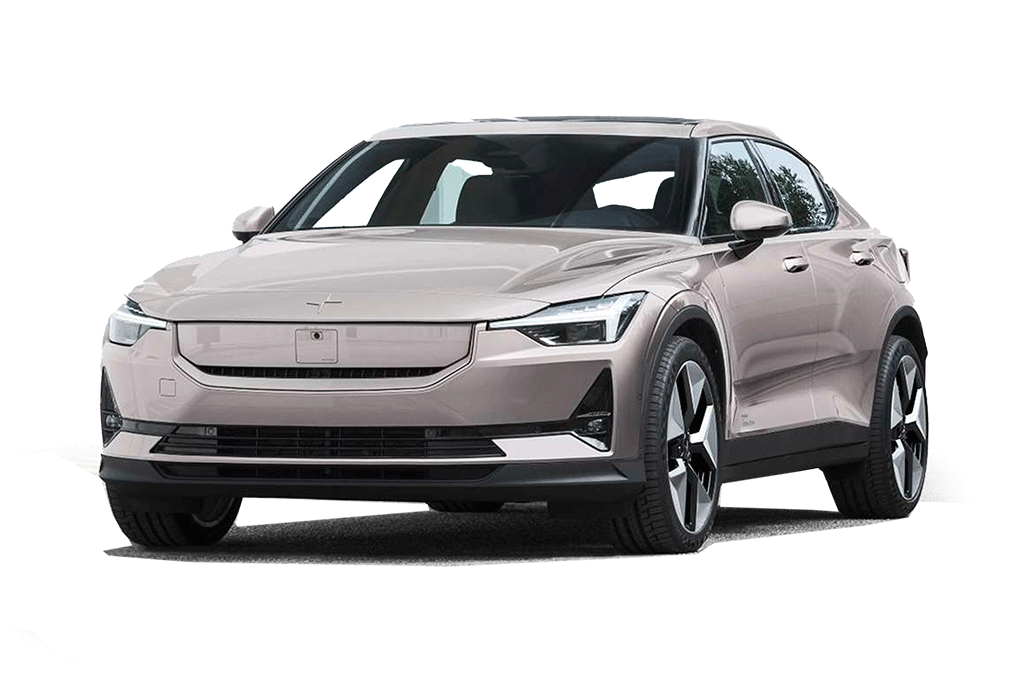
Still, at 4.76m long, 1.86m wide (not including the mirrors) and 1.48m high it's still very much a compact(ish) saloon that's on par with rivals like the forthcoming new electric Mercedes CLA and C-Class EQ Technology, Tesla Model 3 and Polestar 2, and a bit smaller than alternatives like the VW ID.7 and BYD Seal.
More than that, it's got class leading WLTP range, with the all-wheel drive BMW i3 50 xDrive delivering a phenomenal claimed range of 559 miles. How about that for a milestone, then?!
Range, battery and charging
BMW is promising big things here. The i3 sits on the new Neue Klasse platform, which uses the company's new, sixth-generation cylindrical battery cell technology for big range and efficiency from a very energy dense 108.7kWh usable NMC battery.

The BMW i3 50 xDrive gets that headline WLTP range of up to 566 miles, despite having a punchy 469hp and dual motors for all-wheel drive. If you don't need quite that much, the i3 40 gets an 82.6kWh usable battery capacity and yet still manages an impressive WLTP range of 441 miles.
That’s not just competitive, it makes the new BMW i3 the longest range EV that you can buy. The i3 50 xDrive is well ahead of the longest range Polestar 2 and Tesla Model 3, and our experience of real-world range in the BMW iX3 suggests that well over 400 to 450 miles will be achievable. We'll have to report back with more accurate real-world range when we've spent more time in it on UK roads, but if range is a priority then the BMW i3 will likely be one of the best executive EVs that you can buy.
Charging on the BMW i3 is just as impressive, courtesy of an 800V system (which is like having industrial wiring that allows for much faster charging than you get with the more common 400V system in most EVs). Peak DC charging is up to 400kW, which means you could add around 200 miles in just 10 minutes – if you can find a 400kW charger to match that kind of charging potential. A 10–80% charge could take just 20 minutes in ideal conditions.

One of the 150kW rapid chargers that are very common in UK motorway services will still be capable of delivering a 100 mile top-up in around 15 minutes in the new i3, while a 10–80% battery charge would take more like 30 to 40 minutes.
The battery will also automatically preheat to deliver the best charging speeds, provided you've put your charging stop in as the destination on the car's in-built nav, or there's a manual button to activate battery preheating (which I think is essential, as I prefer to use Apple CarPlay for my nav stuff, and don't often plan my charging stops on the nav.) Just make sure you hit the preheat button at least 30 to 45 minutes before you think you're going to rapid charge, to get the best charging speeds.
AC charging is up to 11kW, as standard, or 22kW is optional. Most BMW i3 owners will charge from a standard 7kW home wall box most of the time, which will take around 16–18 hours for a full charge from nearly empty.
You also get 3.7kW vehicle-to-load (V2L) capability, so that you can charge your electrical devices, and BMW tells us that it has 'future proofed' the i3 with functionality for vehicle-to-grid and vehicle-to-home charging. You can read all about what that means in our explainer.
Practicality and boot space
Because the new BMW i3 was designed as an EV from the ground up, there’s noticeably more space inside than a traditional 3 Series.
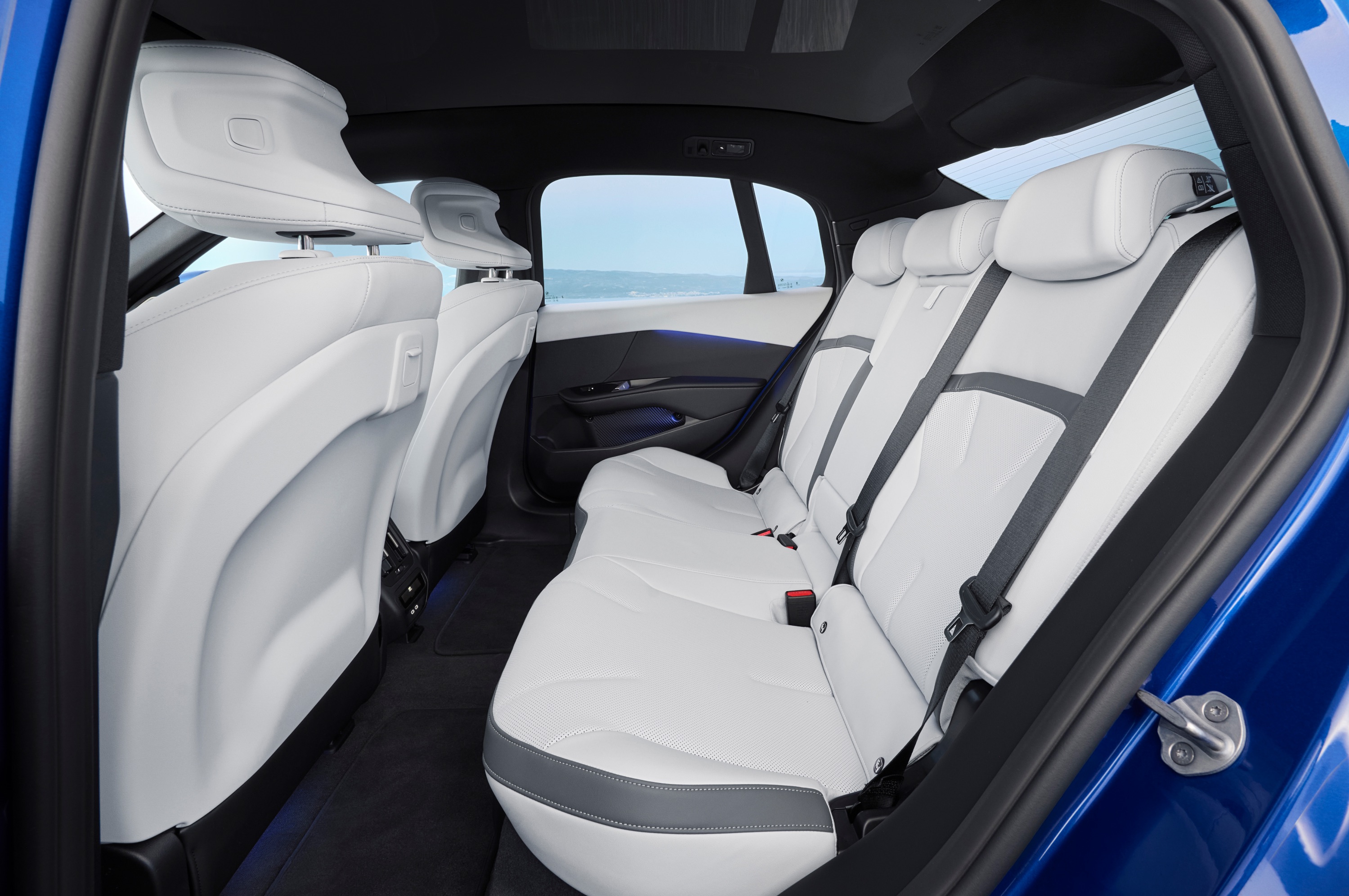
The longer wheelbase really pays off in the rear seats – I found it feels airier and more spacious, and definitely roomier than the rear seats of a Tesla Model 3, in particular. Mind you, there's not much space for your feet under the front seats, and taller adults might still feel a tiny bit hemmed in. I'm 5ft 4in tall, and I was very comfortable back there.
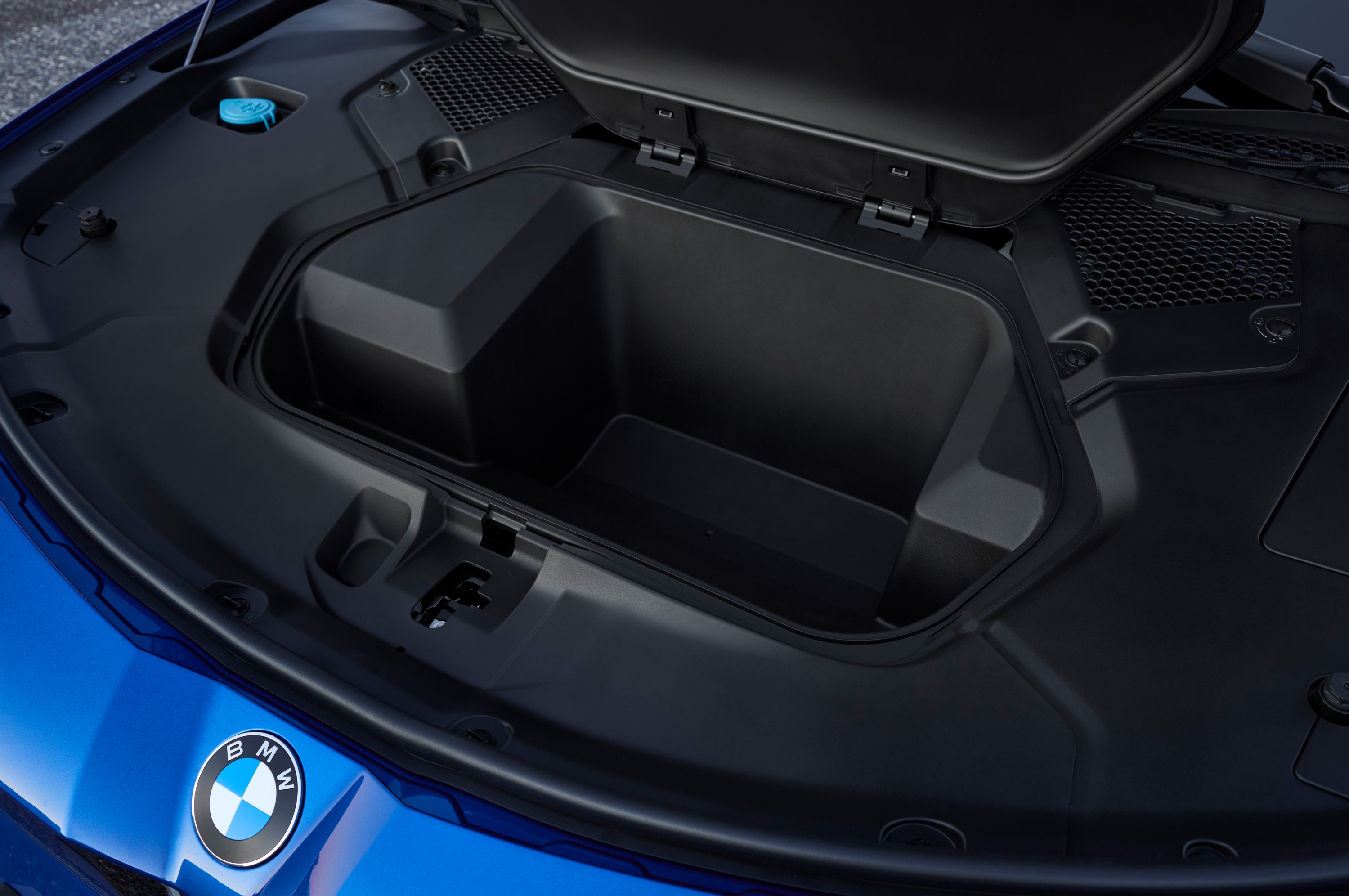
Boot space is up to 520 litres, which gives a really nice, deep boot space. There's also a 58-litre frunk, which is great for stowing your charging cables. Mind you, the new i3 is a saloon, so the Polestar 2's hatchback boot opening will give it an advantage. That is until the BMW i3 Touring arrives, which I think is going to look brilliant. As a dog owner I'd definitely be waiting for the estate version.
Interior, styling and technology
Inside, BMW has gone full minimalism – and I’m a big fan of it. It's all quite recognisable from the iX3, and that means a clean, modern and very 'next-gen' feel to everything. There are hardly any buttons, and even the traditional iDrive controller has gone.
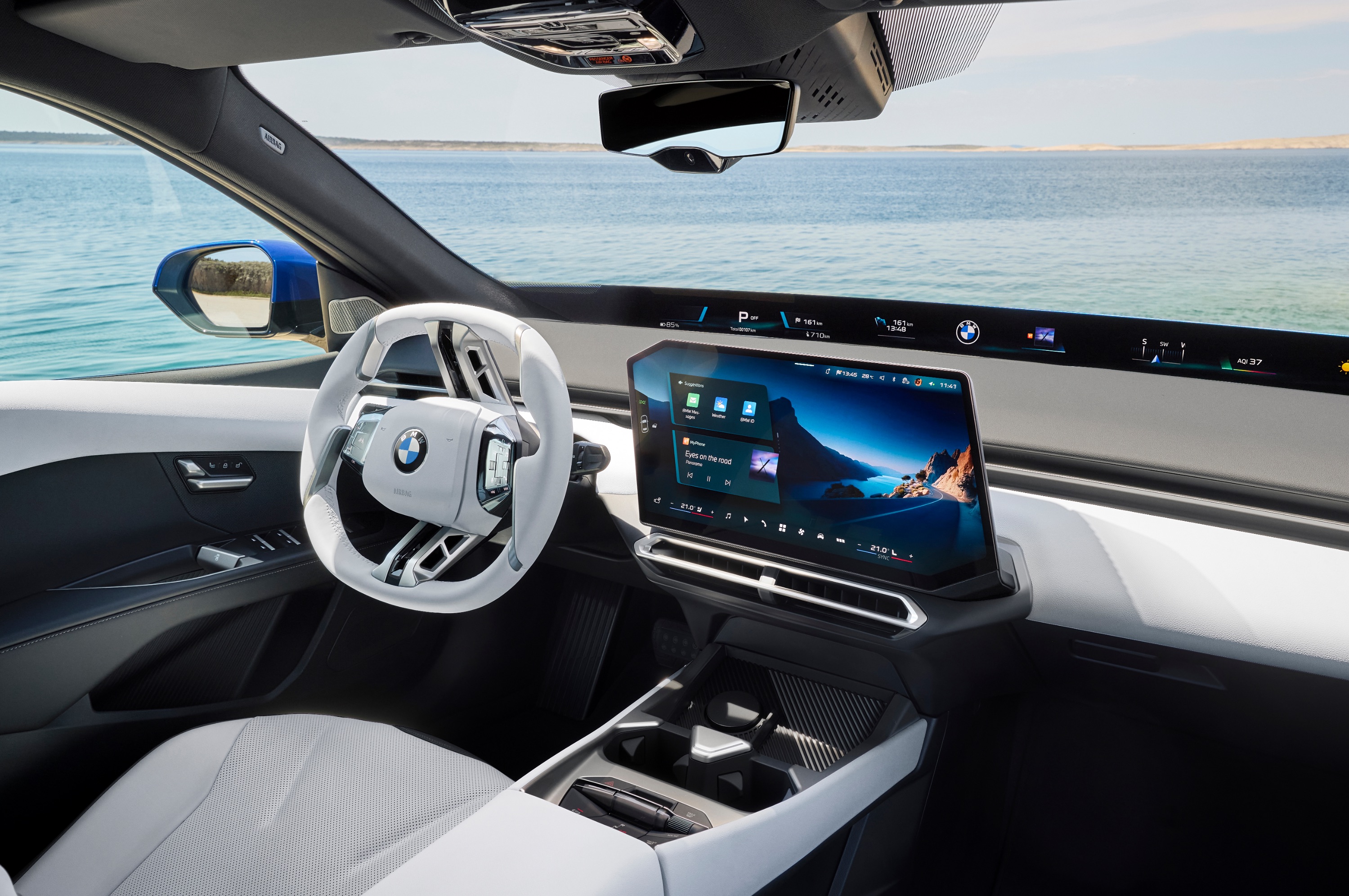
Everything is handled through the central touchscreen or steering wheel controls. Do you like the fancy steering wheel? I love it – I think I want it mounted on my office wall so that I can look at it, like some kind of ornament. I also like the way it feels and find it pretty natural to use, but I know some others find the steering wheel buttons a bit awkward. And I know that Wookie (aka Tom Ford) absolutely hates the fancy new BMW steering wheel, so it’s clearly a bit divisive. The good news is that a conventional steering wheel is a no-cost option, if you'd prefer it!
There are three trim levels to choose from – i3, i3 M Sport and i3 M Sport Pro. The base car is well equipped, with 19in alloy wheels, heated electrically adjustable front seats, wireless phone charging and Apple/Android connectivity, dual-zone air-con, rearview camera, adaptive cruise control and even an electric charging flap.
The M Sport upgrades you to fancier wheels, a nicer interior with ambient lighting and a sportier steering wheel, plus some exterior design tweaks. Meanwhile, M Sport Pro gets you better and sportier front seats, and a whole array of M-badged items around the cabin and the outside of the car. An M60 version of the i3 will arrive later and that will come with 20in alloys, three-zone air-con, fancier Harmon Kardon sound system and a 3D head-up display.
The big talking point inside the new i3 is BMW’s Panoramic Vision system, which projects information across a readout that sits above the steering wheel and runs the full width of the windscreen. It looks really slick, and I like that you can customise it by dragging widgets across, but I also like that you can choose 'Silent Mode', which turns off all but the essential information for less distraction and glow at night.
There are four interior 'moods'. Sadly no yellow corduroy, like you got in the concept car! I quite like this Digital White setup though, especially with that blingy, squared-off steering wheel that I've already mentioned I'm a fan of.
Naturally, you can set your phone up to be the key to the car, as well as with an app for control of the charging functions and cabin pre-heating. There are also over 60 apps including streaming services – you can even have Zoom for your work calls, if you want – and there's wireless Apple CarPlay and Android Auto as well.
Personally, I like the slanted screen, and the graphics are just fantastic. It responds quickly and I find the system pretty easy to use – although I wouldn't mind having a bit of a ledge to steady my hand for more accurate prodding of the screen when I'm driving. Let us know what you think of that new steering wheel, and the i3's interior design in general, by leaving a comment on the video.
Motors, performance and handling
Right, let’s talk about what the BMW i3 is like to drive! Initially, the BMW i3 is being offered as the i3 50 xDrive, which gets dual electric motors delivering 469hp and 645Nm. The 0–62mph time is 4.7 seconds, which is not as fast as some Teslas and even a BYD Seal, but I’d say is still plenty for any driver.
The iX3 40 comes with a 320hp electric motor and rear wheel drive. You might think the (relatively) cheap seats will lack performance, but you’ll still get from 0 to 62mph in 5.9 seconds, so it’s not too shabby at all for range or performance. A full-fat electric BMW M3 is also on the cards – but we won’t get to drive that for a while, yet.
I like the clever all-wheel drive motor setup in the i3 xDrive50 that I drove out on the International launch. It prioritises the rear motor, for efficiency, only bringing in the front motor when needed for grip or performance. Basically, it's rear-wheel drive most of the time so that you get the best real-world range, but provides near enough instant four-wheel drive when you need it. And it does feel really confident and grippy, so I’d say that the system works really well! You don’t feel it shuffling power around, it just does the job and makes this feel like a very sure-footed all-wheel drive electric car, despite it defaulting to rear-wheel drive in most circumstances.
I only drove it in dry conditions, but I reckon the xDrive50 will be really popular in the UK for that all-weather peace of mind, as much as for the longer range and better performance.

You'll also be able to add optional adaptive suspension to the i3, which I'd say is good news. As you can see from the vid - I did check! - but our test car didn’t have adaptive suspension as that’s only going to be available on the BMW i3 from a little bit later this year for an additional £775. Should you add it? Well, yes, I’d so. My i3 xDrive 50 test car came on 20-inch alloy wheels and felt pretty good on the lovely smooth roads in the south of France, but I’ve spent a lot of time in the iX3 in the UK, and the one thing with that car is that it’s a bit firm and restless over scruffy roads. So yes, if I were speccing a BMW i3 for myself, or for you lovelies, I’d definitely add the adaptive suspension. I will prise a BMW i3 on adaptive suspension away from BMW in the UK as soon as I can, and will update this review with impressions.
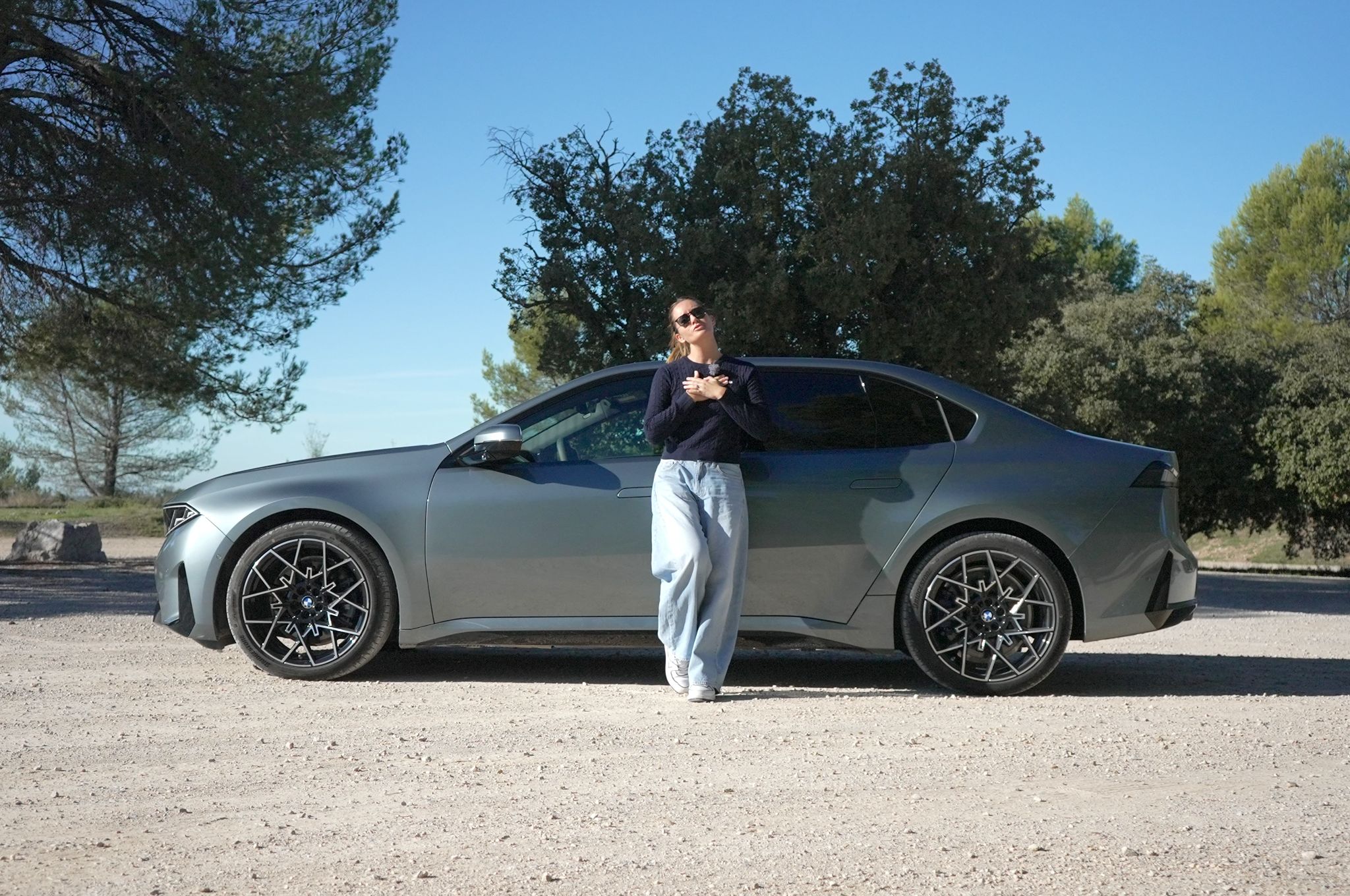
Otherwise, the BMW i3 is just peachy to drive. The steering is fairly weighty, and while you can alter that with the drive modes it always feels pretty direct and hefty, which I quite like. There’s enough feedback that you can feel what’s going on with grip levels as well, and you do feel more connected to the car than in some rivals, including the cushier, more wafty-feeling Mercedes C-Class and more neutral, poker-faced Tesla Model 3.
Is it still a sporty executive car? The executive saloon of choice for those who really like to drive and have an almost sportscar feel? Yeah, definitely. I actually think that rivals like the Kia EV6 get close to the same level of driver involvement as the BMW i3, but I would definitely say that the new i3 feels deliciously on its toes and responsive, and is still the one to go for if you like to have a bit of fun in your sporty electric saloon.
Running costs and pricing
Prices start from just under £48,000 for the BMW i3 40, while the longer range, all-wheel drive BMW i3 xDrive50 starts from just around £54,000 - or the M Sport trim that I suspect will be very popular as it brings bigger wheels and sportier styling costs around £55,000. A more powerful M60 version will be joining later as well, and an M3 after that, but for the ‘everyday’ BMW i3 models those list prices are very competitive.

Obviously, monthly finance deals and lease costs on the 2027 BMW i3 are critical, and it has to be said that it’s pretty expensive on any monthly finance arrangement right now. PCP and lease deals range from around £700 - £800 per month depending on what model you want, and that’s even with a chunky deposit or part-exchange of around £10,000. But as a salary sacrifice or company car, I can see this being massively popular, and if the BMW iX3 is anything to go by, these monthly prices won’t put off retail buyers who want the new i3, either.

The new BMW i3 xDrive 50 falls into insurance group 40, while the rear-wheel drive i3 40 models are a few groups less, which is a few groups lower - and therefore should mean marginally lower cost insurance - than the Tesla Model 3.
The warranty on the BMW i3 is for three years and unlimited mileage, which is a little underwhelming compared with Tesla, Kia and Hyundai, isn’t it? The high voltage battery is of course covered for eight years and 100,000 miles.
Verdict
BMW has absolutely nailed it with the new i3. I know the design is a bit divisive – some people love it, and some really don’t. But whatever you think of the styling, the tech and the way this thing drives is just outstanding. The real headline is that range! That, together with the charging speeds and new 'superbrain' architecture that ties it all together, suggest that BMW is serious about competing with – and possibly beating – the Tesla Model 3, Polestar 2 and even the new Mercedes CLA and C-Class.
Now that we know that the new electric BMW 3-Series is just as dialled-in and fun to drive as you’d hope, while also being refined and slick in your everyday commuting, I really do think that this will change the goalposts for executive EVs. This isn’t just one of the best electric executive cars you can buy - it’s one of the best executive saloons, regardless of whether it’s petrol, hybrid or otherwise. I love it. I do want the estate version, though, so hurry up with that, BMW!


 8