





A pay per mile tax on electric cars and a £1.3bn boost to the plug-in car grant to try and ease the pain of the increased costs the new tax will bring. Those are the headlines from the chancellor's 2025 budget statement.
You can read more about the implications of the 2025 budget below (we'll be updating this story as more details emerge) or follow the reaction to the budget proposals here.
Pay per mile tax changes
The government was criticised by the speaker of the House of Commons ahead of the budget statement for all of the leaks that have emerged in recent weeks, and there was fevered speculation on what measures that Rachel Reeves would introduce. The new pay per mile tax for EVs is called the electric Vehicle Excise Duty (eVED). What we know so far is that it will cost 3p a mile for EVs and 1.5p a mile for PHEVs, payable at the same time as VED – which EVs will still have to pay as usual. That figure will increase each year in line with the CPI level of inflation.
The Treasury says that it has pegged the charge at half the cost of what a combustion engined car would pay on fuel duty, and that the system is "long overdue" for change. It says that an EV travelling 8,000 miles in a year (it says that half of all EVs do less than 8,000 miles a year) will only pay £20 a month in eVED. Drivers will be asked to estimate their mileage for the coming year and will pay the eVED in advance, with any extra payment or refund happening the following year once actual mileage has been calculated.
The government has also said that the new eVED charge will only apply to cars, and not electric vans, lorries, motorcycles, coaches or buses. A consultation has already been launched on the detail of the tax – the Treasury says that it won't require people to say when or where they've travelled, but they will have to self-report mileage when they pay their VED, and it will be checked at the MOT test. The government is however investigating tech options where drivers and fleets can opt in to have their cars report their mileage to the DVLA.
And of course new cars aren't required to have an MOT test until they're three years old, so how will their mileage be checked? The current proposal is for new EVs (which don't need an MOT until they're three years old) to have to visit an MOT test centre annually to have their mileage verified. Another interesting snippet from the consultation document is that the government doesn't plan to refund your mileage when you sell an EV, rather it expects that you'll factor it in to the sale price.
The eVED has been criticised as having a discouraging effect on buyers thinking about going electric. The SMMT said on the eve of the budget that the policy needed a rethink. Ford's UK boss has publicly criticised the plans ahead of the budget, saying that the company had already seen people cancelling their orders.
An extra £1.3 billion for the electric car grant
Rachel Reeves announced a 12-month extension to the controversial plug-in grant for electric cars – which has been criticised for its confusing approach – along with adding an extra £1.3 billion into the overall pot. The scheme offers two levels of discount on a new EV – £1,500 and £3,750 – subsidised by the government and paid straight to manufacturers. The scheme started in July to support the move to zero emission vehicles and the government says it has helped 35,000 drivers switch to EVs, although there is no evidence the scheme has attracted new buyers.
Research by New AutoMotive, a non-profit organisation supporting the UK's transition to electric vehicles, found that the scheme had yet to expand the market for EVs. Its strict environmental based criteria, a points based system that the government has not explained – also mean that just four vehicles on sale have so far qualified for the full £3,750 grant. Experts fear it may be skewing the market, with one of those four – the Ford Puma Gen-E – selling out completely thanks to help from the scheme.
VED expensive car supplement threshold increased
The chancellor also announced in her budget statement that the VED expensive car supplement threshold will be increased to £50,000 for electric cars. The current threshold sits at £40,000, and if you buy a new car that’s priced higher than that you have to pay £425 a year extra on your annual VED bill for five years from the second year of car ownership. The scheme had been criticised because nearly two thirds of EVs currently on sale sit over the £40k threshold.
There had been speculation ahead of the budget that there would be changes made to the benefit in kind taxation system for company cars, but these have been pushed back to 2030.
Changes to Motability
Motability announced it was ditching 'luxury' cars just before the budget, along with a new target for 50% of the cars it buys in 2035 to be British built – a target that would be impossible under the new eligibility criteria. The chancellor also said that she planned to cut tax breaks for the Motability scheme worth hundreds of millions, including VAT relief for top-up payments made for more expensive cars. Insurance premium tax will also now apply to leases taken out under the scheme.
The Treasury has also said that provision of overseas breakdown cover will no longer apply to Motability cars, and that the mileage limit on leases will be reduced. It has also indicated that drivers who are exempt from VED payments – such as those in receipt of disability living allowance or the personal independence payment – will still have to pay the eVED as they wouldn't be exempt from fuel duty if they were driving a petrol or diesel car.
Ginny Buckley / Sam Burnett
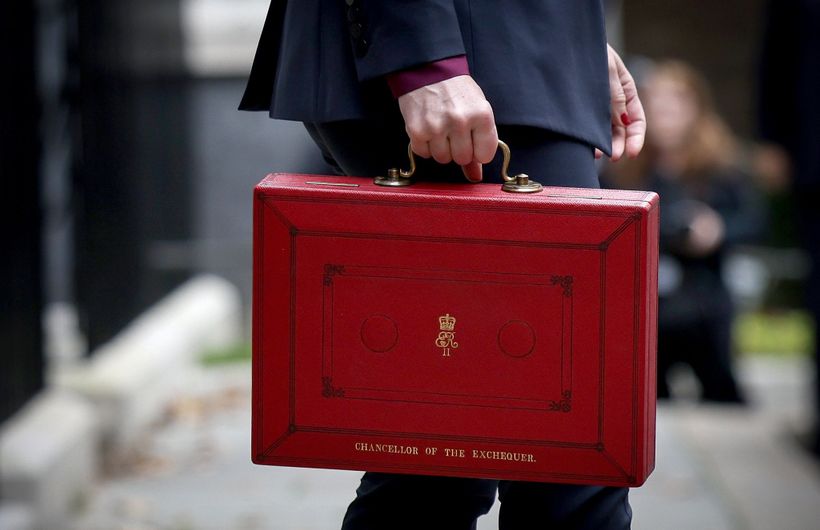 Cost increases on the way for electric vehicle drivers in the 2025 budget