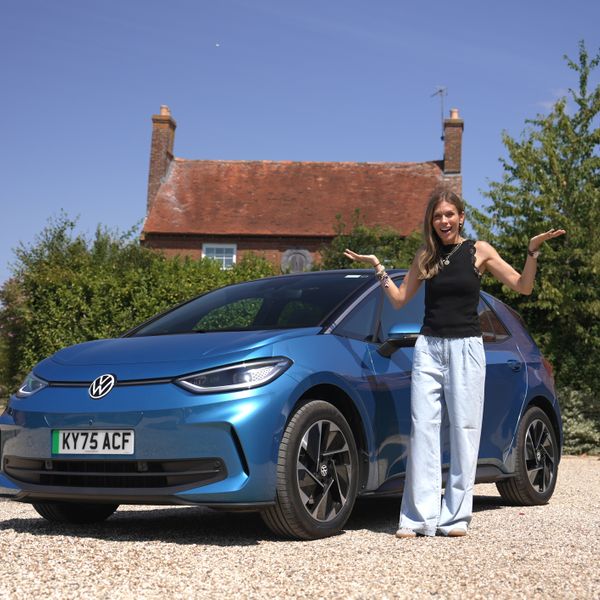






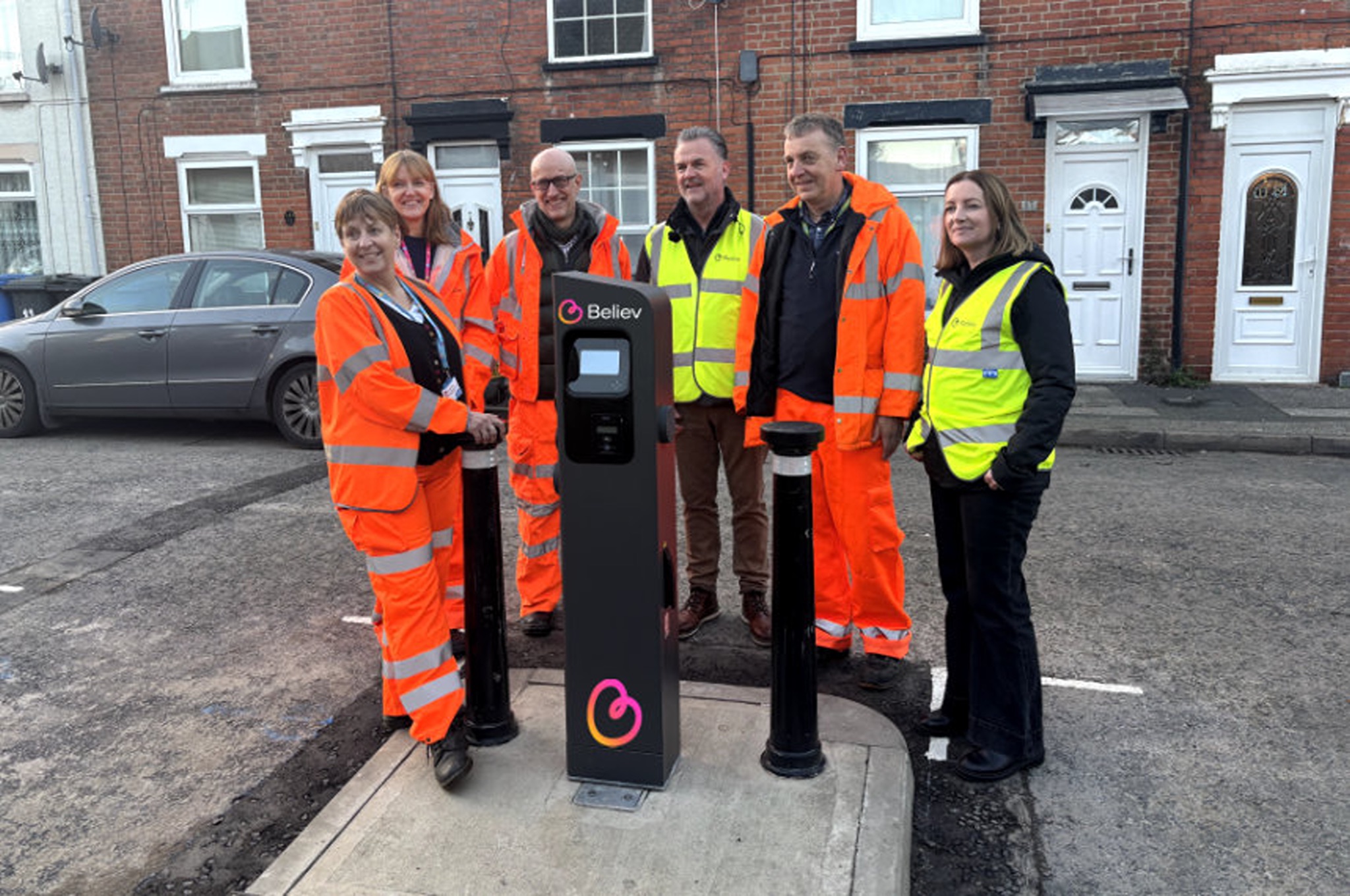
There was a bit of a surprise this week from (mostly) northern charging network Be.EV, which announced that it was acquiring the UK public charging arm of Mer, which runs a wide network of slower AC chargers in car parks concentrated significantly in the south of England and a number of faster chargers too.
We’ve had our eye on Be.EV since it announced its new pricing strategy of offering off-peak overnight (7pm–7am) rates of 39p/kWh, but its 650 or so charge points have left it filed in the ‘ambitious but not there yet’ folder.
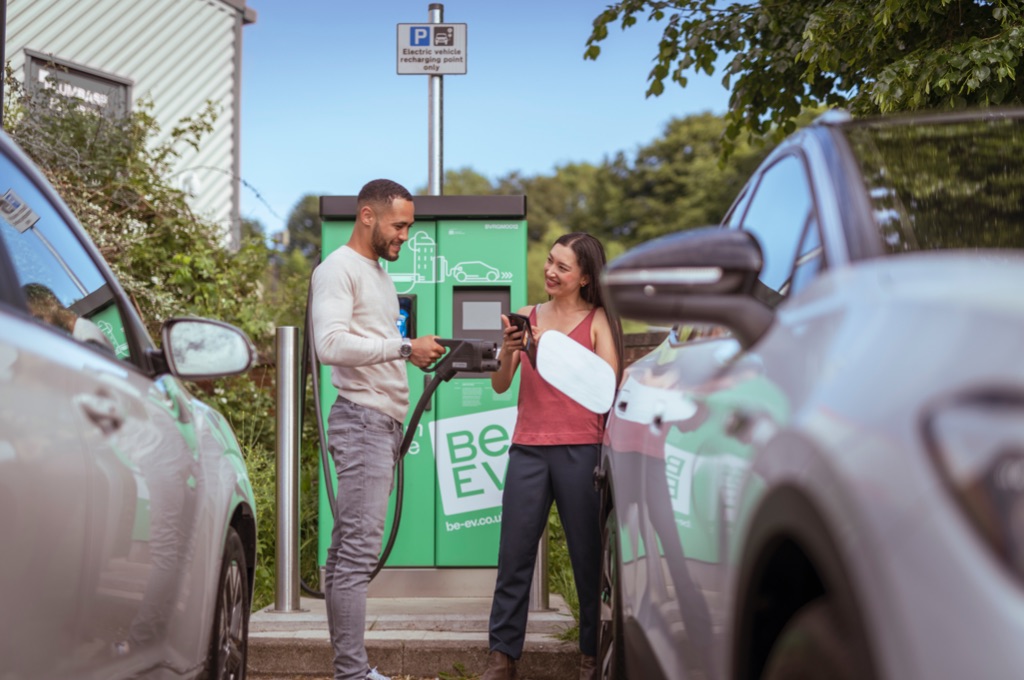
Suddenly Be.EV vaults not quite into the top 10 UK charge networks, but it’s looming in 13th place just behind Tesla’s Supercharger network according to the latest numbers released by mapping service Zapmap.
The news came just days after Shell subsidiary Ubitricity consolidated its place at number one in the list of charge points operated with its purchase of the SureCharge network and its 2,600 points.
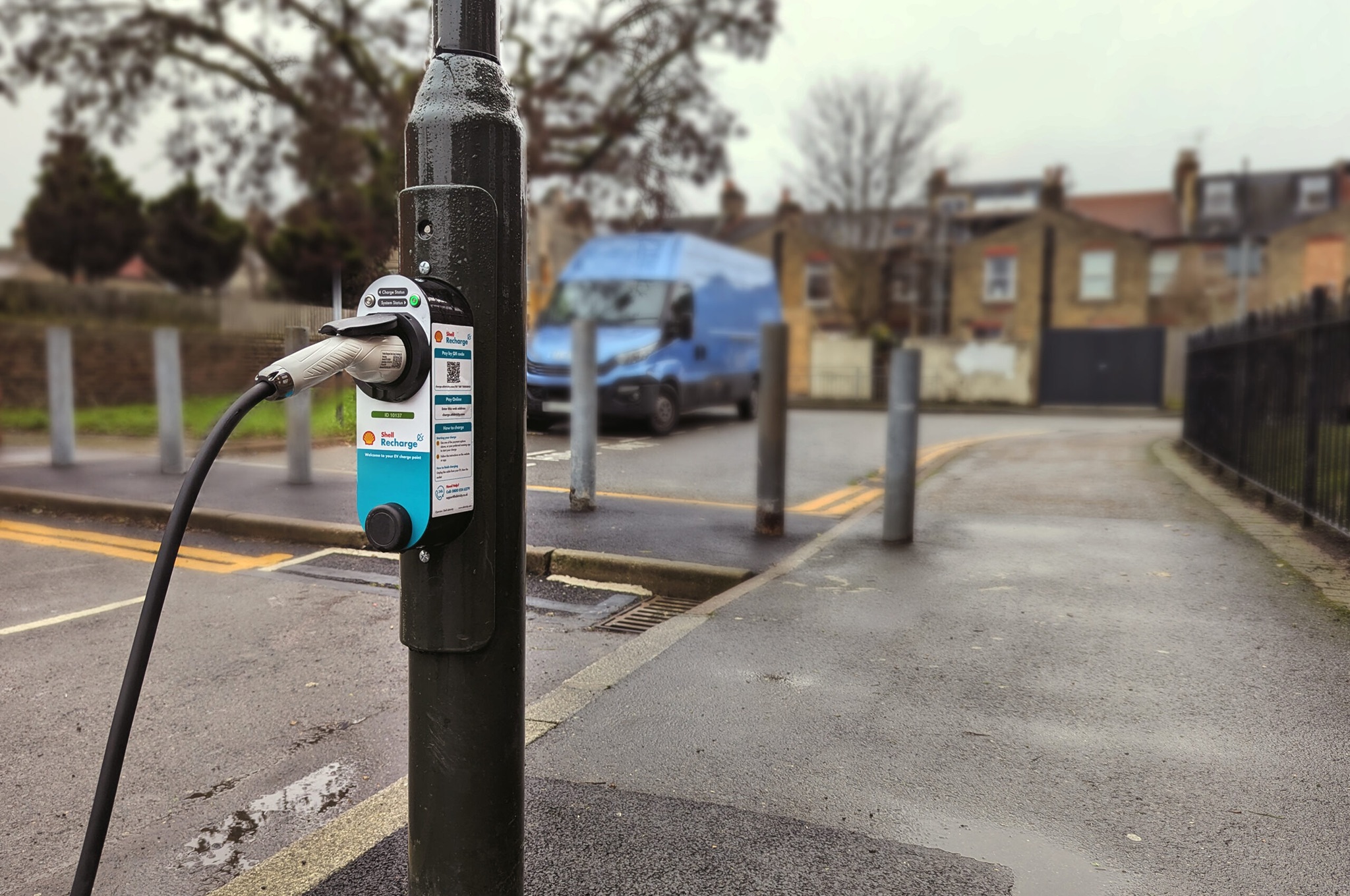
With over 14,000 charge points in the UK the Shell Recharge network is now double the size of the nearest contender, Connected Kerb. Notably Shell is one of three oil companies in the top 10 charge point operators by number of plugs, with BP and Total in fifth and sixth places.
There are over 100 charge point operators in the UK at the moment, but those top 10 operators control 54% of the UK’s charge points, but in the rapid and ultra rapid market (50kW plus) it’s even more concentrated, with the top five operators running 47% of the country’s chargers.
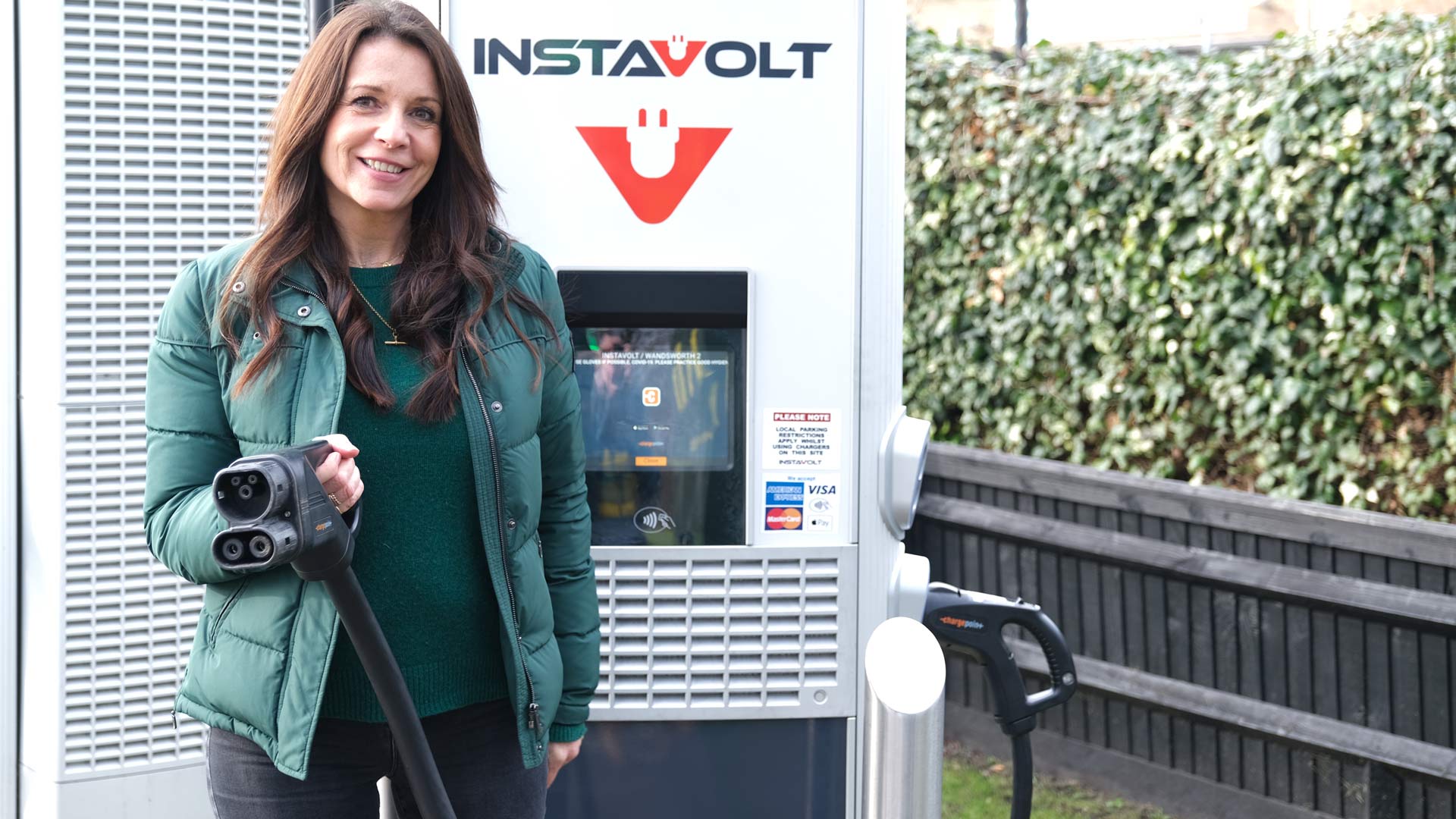
Total drops out of the top operators list here because it’s mostly focused on on-street charging in London, but BP and Shell are joined by independent petrol forecourt operator MFG in the listings.
Instavolt is the top operator of rapid and ultra rapid chargers in the UK, just sneaking in ahead of the Tesla Supercharger network with around 2,200 points each, while former frontrunner Ionity lags behind with around 660 chargers despite its car manufacturer backing.
The UK EV charging network is in constant flux, however, with fresh deals and expansion plans being announced all the time. And every week we hear of councils using money from the Department for Transport’s £381m local electric vehicle infrastructure fund to pay for new chargers intended to boost take-up of EVs by those who don’t have access to off-street parking.
Many of those deals are offering contracts to install and operate charge points in local towns for the next 20 years – what's to stop someone coming in with a low ball offer and hoping that one of the bigger players will come along shortly and buy them out.
Lack of access to off-street parking was a main concern for 54% of respondents when asked in an AA/Electrifying.com survey, so it’s entirely reasonable that the government should ease those concerns, but is enough being done to monitor the gold rush around EV charging infrastructure?
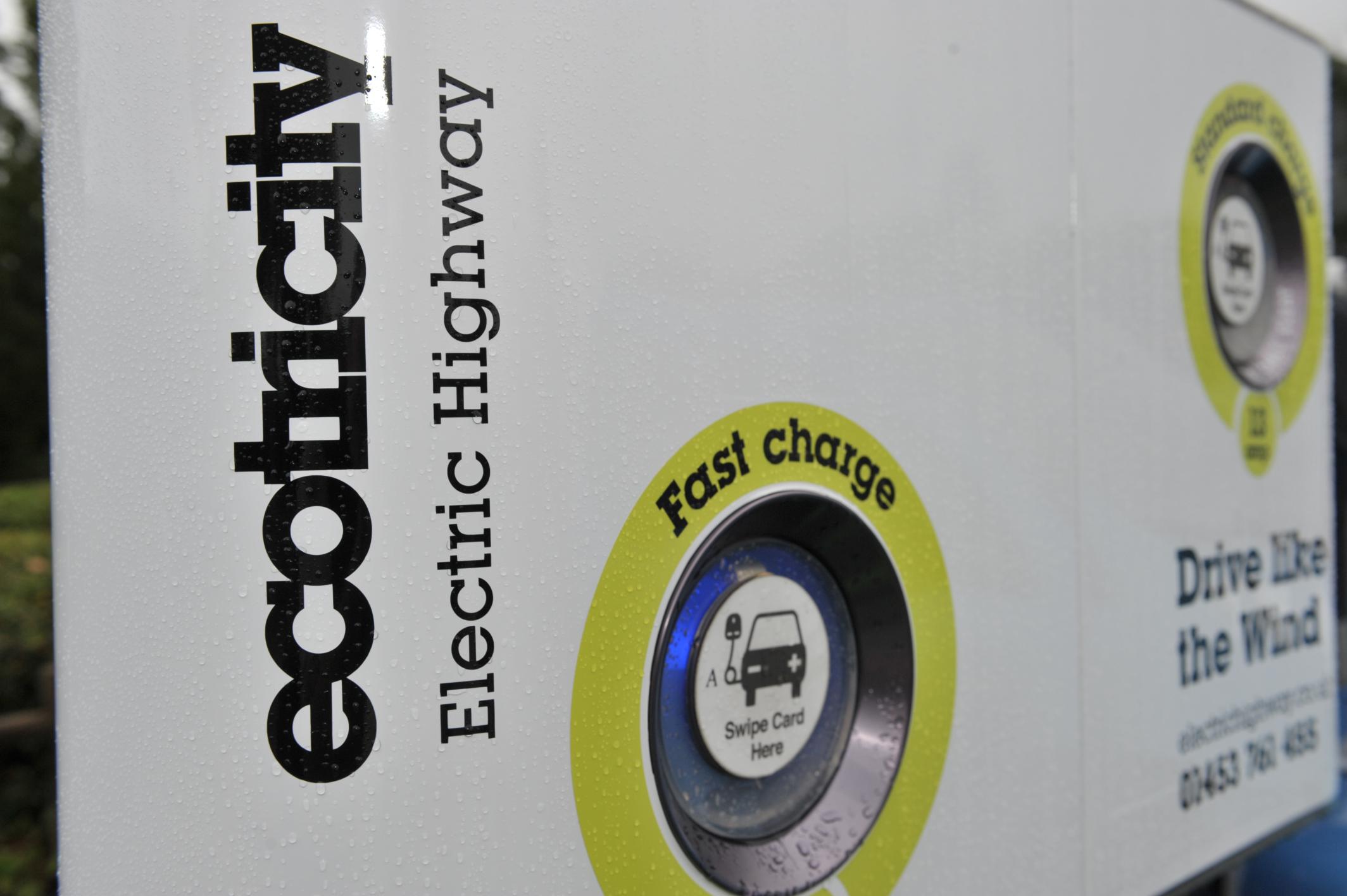
Gridserve has become a model of how to grow a charging network in recent years, which is all the more stark when you consider that in its former guise as charge operator Ecotricity it was a model of how bad things can be when there's no competition.
Healthy competition is good for all electric vehicle drivers, but alarm bells should be ringing if too many charge points end up under the control of too few operators…



.jpg?width=600&height=600)