





Cupra has revealed some careful upgrades to its Born electric hatchback – which means new lights front and rear, and of course a light up logo, because everyone has one of those these days. Inside there are new door panels (they really set the tone for a car, do the door panels) and an updated steering wheel.
The Born has been on sale since the very end of 2021 and benefited from some light tweakery back in 2024, but it seems like the car is set to stay on sale a little while longer yet. It's based on the same engineering platform as the likes of the Volkswagen ID.3 and Audi Q4 e-tron, which we’re both expecting to see updated during the course of 2026 as well. The Audi hasn’t been facelifted at all since it when on sale in mid-2021, but it’s striking that all three cars still feel fresh despite being positively elderly in car years.
Cupra obviously felt like it already had a pretty good car on its hands to start with though – you know a facelift is light touch when the press release gets excited about illuminated door handles and a new air vent for rear passengers. There's V2L capability now, so that's good, plus some new alloy wheels to choose from and a range of new paint colours.
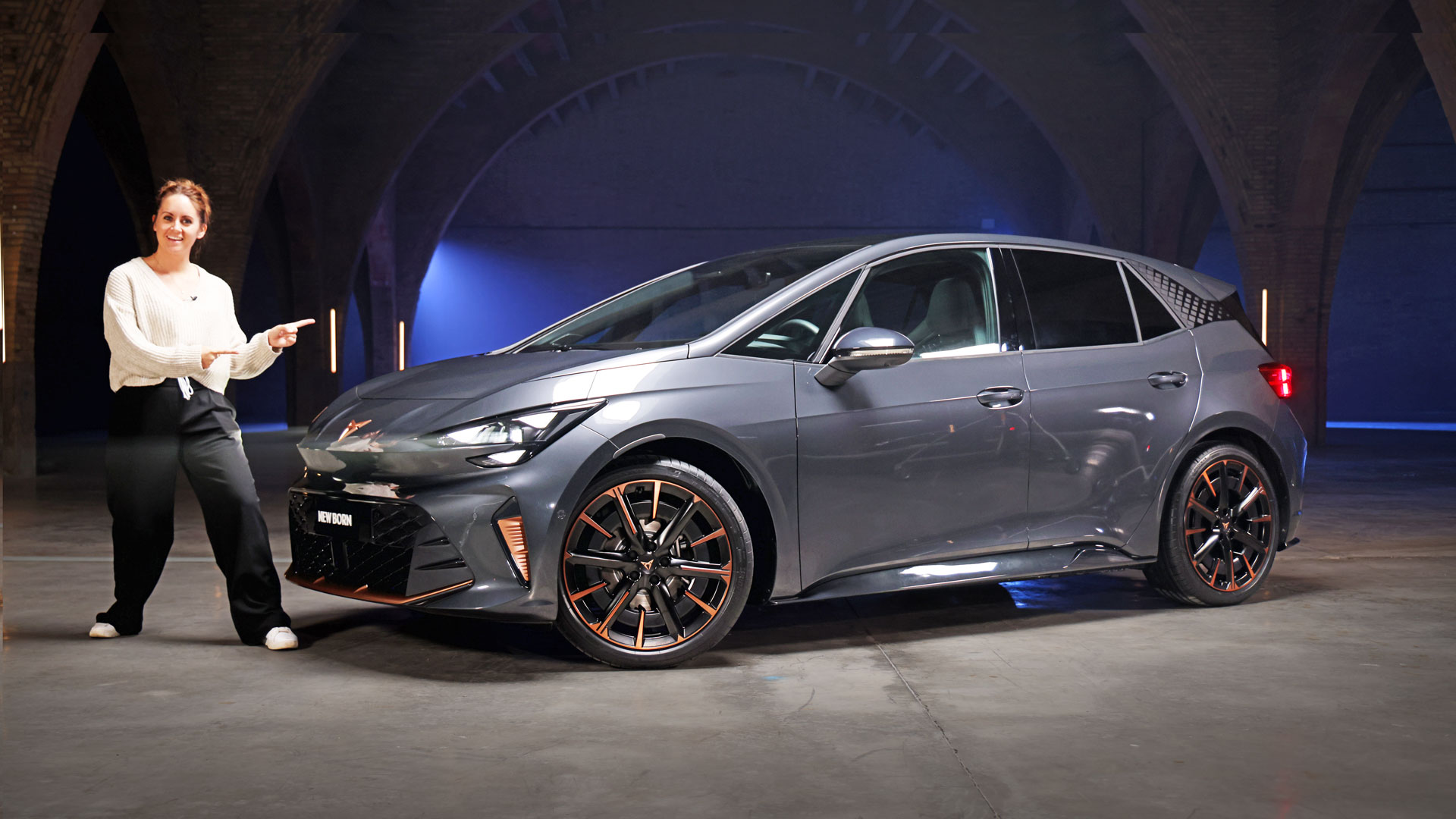
The Born remains a hit among the Electrifying team, though, and is probably the best all-round effort among its Volkswagen Group siblings, though – depending on whether you think the Skoda Enyaq belongs in the list.
The design of the touchscreen infotainment and the lack of buttons in the cars have all been criticised across the Volkswagen Group’s more recent generations, but the strategy has been somewhat vindicated by the fact that the cars can benefit from over the air upgrades making a significant difference to the onboard experience.
The Cupra brand itself has only been around since 2018, but it has already eclipsed the carmaker it was supposed to be a sporty subsidiary of – Seat has suffered from a chronic lack of investment in recent years and Volkswagen Group bosses have long been dodging accusations that they’re running it into the ground. Cupra sold nearly a third more cars than Seat did during 2025.
We sent Nicola over to Spain to have a sneaky peak at the upgraded Born – watch her video below or click here to read our full review of the upgraded Cupra Born.