





A new report has warned that rapid charging prices could hit £1 per kWh in 2027, up from an average cost of 79p/kWh in 2026.
The ‘Reverse the Charge’ impact assessment was produced by EV newsletter The Fast Charge in conjunction with charge point operator Zest, and highlights the big underlying costs of rapid charging.
How much are grid charges costing EV charging operators?
The report looked at tariffs published by the UK’s power network operators and found that the average grid charge – the same as your standing charge at home – had risen from just over £61 a week in 2021 to over £440 a week in 2026.
With costs increasing, an average rapid charger in the UK will cost over £77 a day in charges in 2027 whether anyone charges on it or not.
Why could rapid EV charging cost £1 per kWh in 2027?
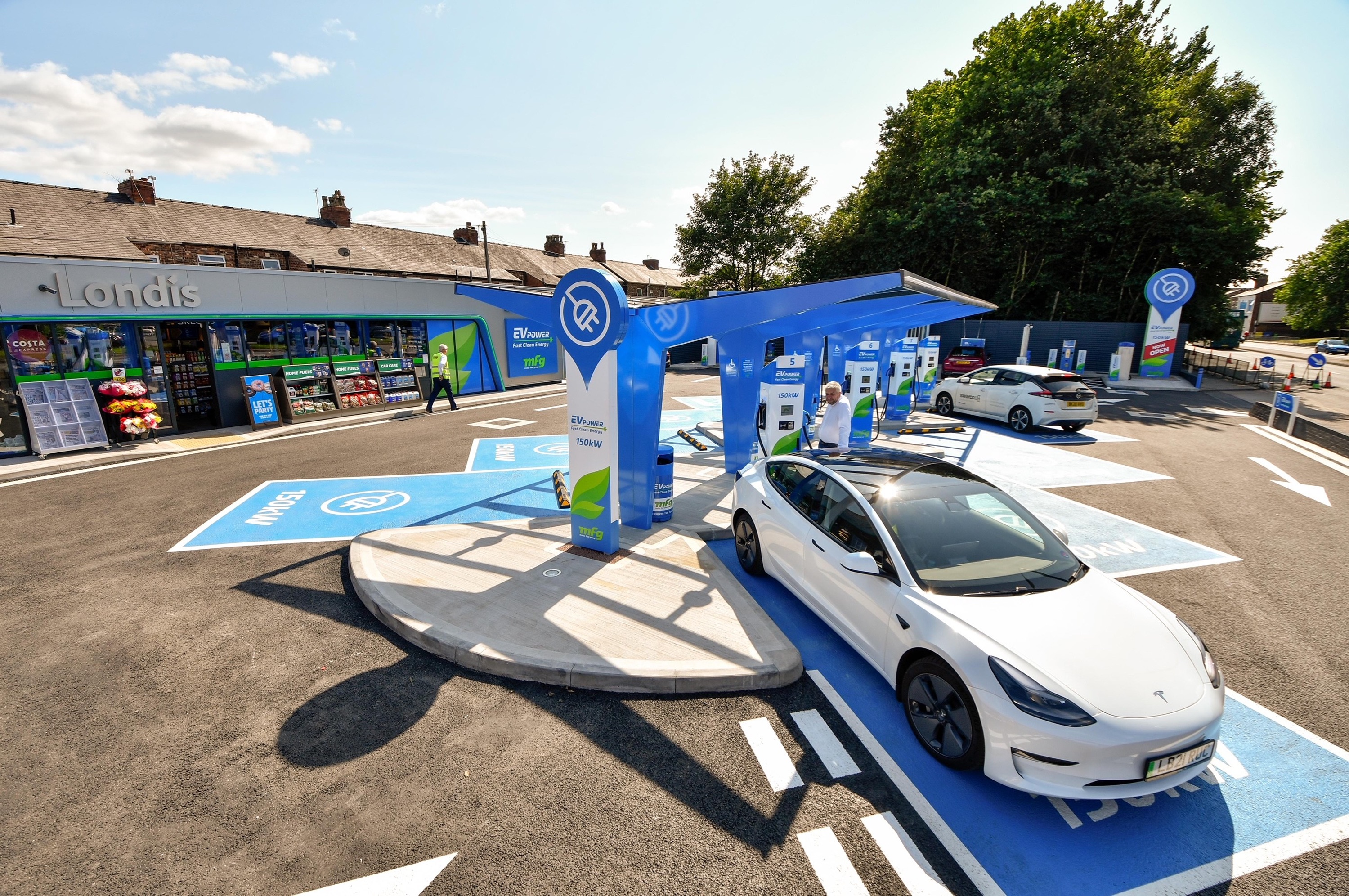
The Reverse the Charge report estimates that the average cost of a kWh on a rapid charger could hit £1 in 2027 thanks to the increased costs from the power networks and other costs that are rising in line with high levels of inflation.
Charging firm Zest provided some numbers to back up the report, saying that on a newly installed ultra-rapid charger in London that electricity and grid costs were taking 58p out of the 64p it was charging before VAT.
That figure leaves the firm only 6p to cover all of its other costs, including installation, maintenance, land rent or purchase and any administrative costs.
Why are EV drivers without driveways most at risk?
While domestic electricity bills are covered by Ofgem’s energy price cap, there are no such safety limits for corporate energy customers, which leaves charge point operators on the hook for higher energy bills.
Report author Tom Riley from The Fast Charge said that the government needs to act to reduce costs for EV drivers: “At a time when the cost of running non-EVs is near a record high, the government must do all it can to provide relief for people wanting to go electric so they can save money. At present, the UK is allowing a situation where going electric, especially if you don’t have a driveway, could be more expensive than sticking with a banger.”
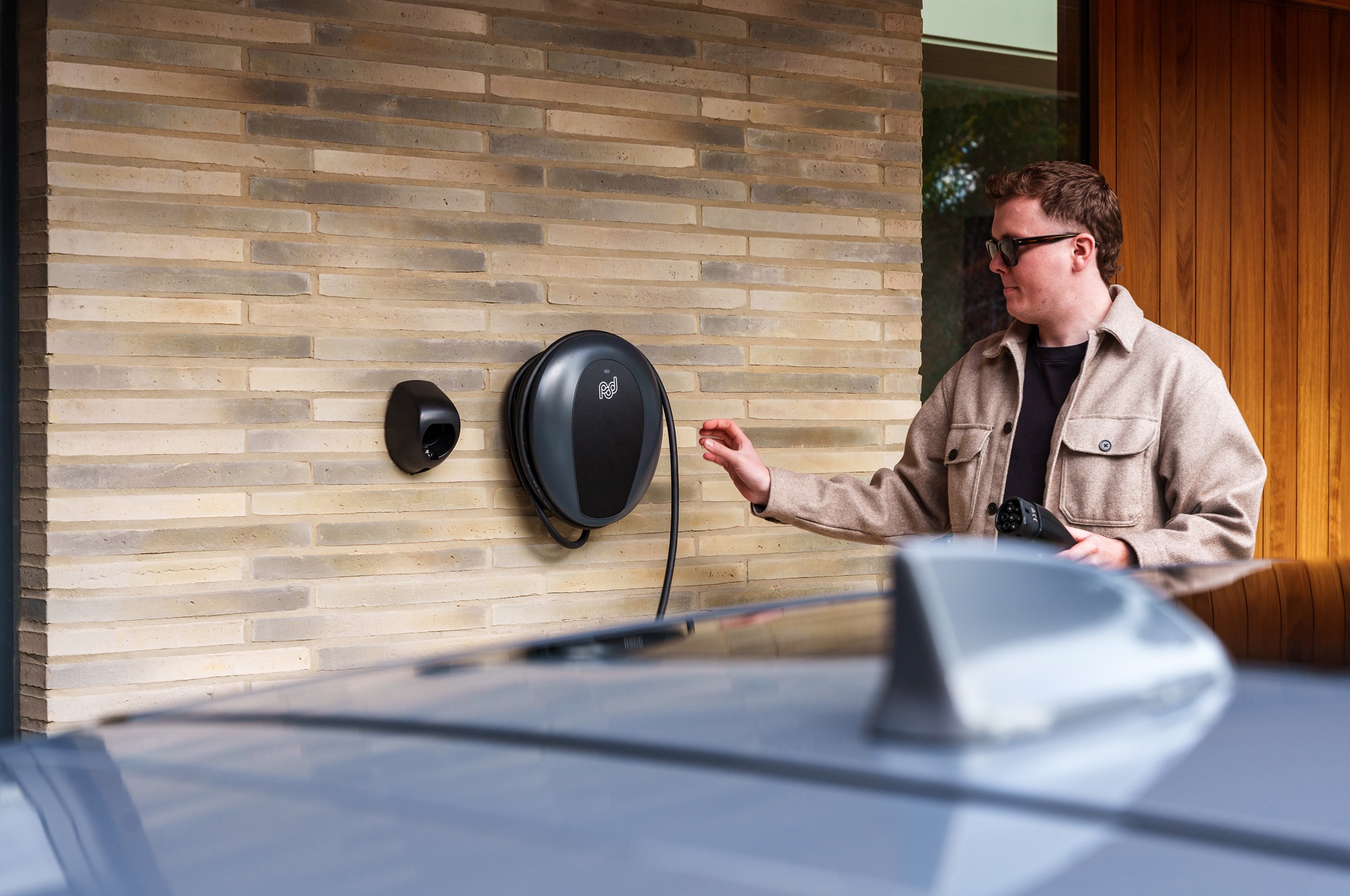
People who can charge at home are able to enjoy prices as low as 7p/kWh to charge their EVs, leaving a vast gulf to those who have to rely on public charging to fill their electric cars.
What is causing public EV charging prices to rise?
High underlying energy costs are the biggest issue, same as for domestic energy where the price cap is high, but a lot of charge point operators are also trying to raise money to fund their next round of investments in growing their networks.
It’s worth bearing in mind that the government had an opportunity to cut VAT on public charging at the budget to match the discounted levels enjoyed on home electricity, but instead it chose to change the rules to cement 20% VAT on public plugs.
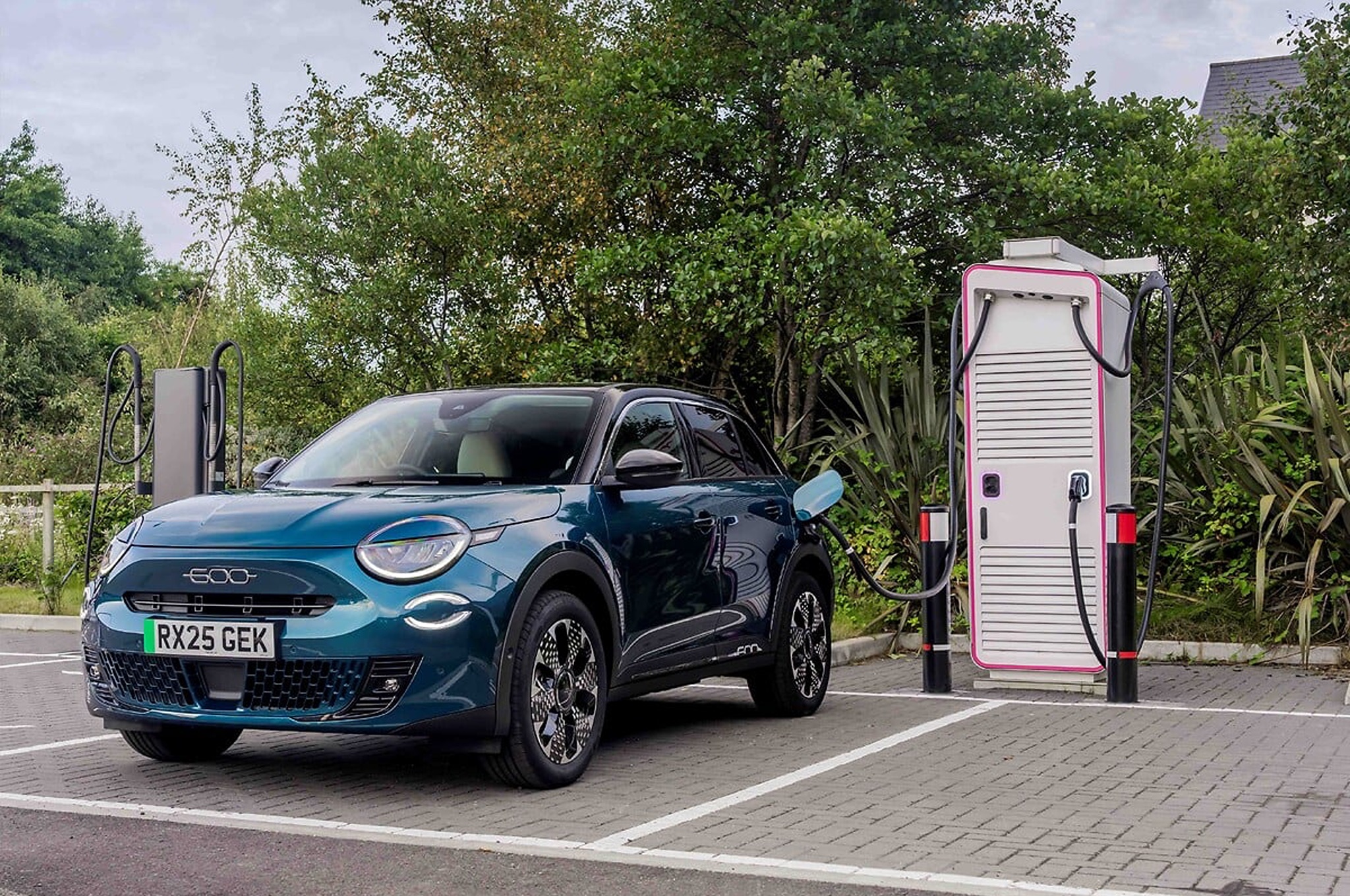
What’s happening with the cheaper charging the government announced after the budget?
Just after the budget there was an announcement of £100m over two years for EV drivers without home charging to be able to use local plugs more cheaply, before the government introduces a scheme where drivers can ‘port’ their home energy plans and use chargers for the same cost as they would pay at home.
Electrifying has been in contact with the Department for Transport on multiple occasions since then to find out how the new scheme is going to work, but DfT officials either haven’t replied or haven’t been able to say how the plan will work.
We’ve also been in touch with a number of charge point operators, who say that the government hasn’t contacted them either.