





The shift to electric may naturally focus on cars, but there's also an equally important switchover – vans. And van manufacturers have their own tough targets to meet.
The UK government's Zero Emission Vehicle (ZEV) mandate requires manufacturers to sell an increasing proportion of electric cars and vans every year. Introduced in 2024, the rules are designed to accelerate the switch away from petrol and diesel vehicles, with manufacturers facing financial penalties if they fail to meet their obligations.
And so the commercial vehicle market is following the path of passenger cars, with manufacturers all rushing to launch pure-electric vans – from traditional brands such as Ford, Stellantis and Renault, to Chinese newcomer names like BYD. Even Korean favourite Kia is getting on the act.
Let's take a look at how the electric sales targets for vans work and which brands are falling short.
What are the ZEV mandate targets for electric vans?
Under the current rules, 24% of the new vans sold by manufacturers in 2026 are supposed to be zero-emission vehicles. That's up from 16% in 2025 and 10% when the scheme was introduced in 2024.

The targets are set to increase sharply over the coming years, reaching 34% in 2027, 46% in 2028 and 58% in 2029. By 2030, the target rises to 70%, with the government aiming for all new vans to be zero emission by 2035.

Those electric van sales targets look tough to meet
Certainly van makers are having a tougher time with the switch to electric than their car counterparts. A little over 26% of cars sold in 2026 so far have been electric according to SMMT figures, versus just under 11% of vans.
The government has conducted a consultation on the mandate under pressure from vehicle manufacturers in the UK who complain that the targets are too stringent and they're losing money.
Ministers are set to make announcements any day now on proposals to ease the requirements facing manufacturers from 2027 onwards. That could mean a slower increase in electric van sales targets or further concessions to help manufacturers comply.
Can manufacturers avoid selling 24% electric vans?
Yes – manufacturers don't necessarily have to sell 24% electric vans to meet their 2026 quota. That's because the mandate includes a series of flexibilities allowing manufacturers to earn credits in other ways.
One of the most significant involves the CO₂ emissions of the petrol and diesel vans they sell. Manufacturers can earn additional credits by beating their emissions targets for non-electric vehicles, reducing the number of fully electric vans they effectively need to register.
That means selling lower-emission vans, including certain hybrid and plug-in hybrid models, can help manufacturers meet their obligations, even though those vehicles don't count as zero-emission vans themselves.
Manufacturers can also trade credits with other companies that have exceeded their targets, giving those struggling to sell enough electric vans another route to compliance.
According to independent research organisation New Automotive, these flexibilities have had a dramatic effect. Its analysis of registrations to the end of October 2026 estimates that the effective marketwide electric van target is just 15.7%, rather than the headline 24%.
Yet even against this lower threshold, the market is struggling. New Automotive's figures show that 31,203 fully electric vans were registered in the first 10 months of 2026, accounting for just 11.1% of the market.

Which van manufacturers are meeting the ZEV mandate targets?
The latest figures reveal a considerable divide between the manufacturers embracing electric vans and those still relying heavily on diesel.
According to New Automotive's October 2026 ZEV mandate tracker, only four of the 14 manufacturer groups it monitors are currently ahead of their estimated effective targets. And some of the biggest names in the van market are among those falling furthest behind.
Kia is the standout performer. The Korean manufacturer has registered more than 5,200 electric vans so far this year, with its entire recorded van sales volume consisting of electric models.
Its 100% electric share with the Kia PV5 Cargo puts it comfortably ahead of its estimated 24% target, giving it a surplus of more than 4,000 ZEV credits. And it seems to be launching more variants all the time.
Farizon is another manufacturer with an entirely electric sales mix, although its overall volumes are much smaller. It has built up a surplus of 343 credits.

Geely is also comfortably ahead of its estimated target, with an electric van share of 24.2% against an effective requirement of just 4.8%.
Volkswagen is another success story, although only just. It's the UK's biggest seller of electric vans by volume thanks to popular models like the ID.Buzz Cargo, registering 8,191 so far this year. But despite that, Volkswagen's estimated ZEV credit surplus has shrunk to just 30, down from 285 the previous month.
Ford has the biggest estimated credit deficit of any van manufacturer, according to New Automotive. Despite registering 7,620 electric vans – making it the second-largest electric van seller by volume – those vehicles account for just 9.4% of its enormous overall van business.
That's well below Ford's estimated effective target of 14.7%, leaving it with a deficit of around 4,300 credits. It's a useful reminder that selling large numbers of electric vans isn't necessarily enough, even if they're as good as the e-Transit.
Manufacturers also need those vehicles to account for a sufficiently high proportion of their total sales.
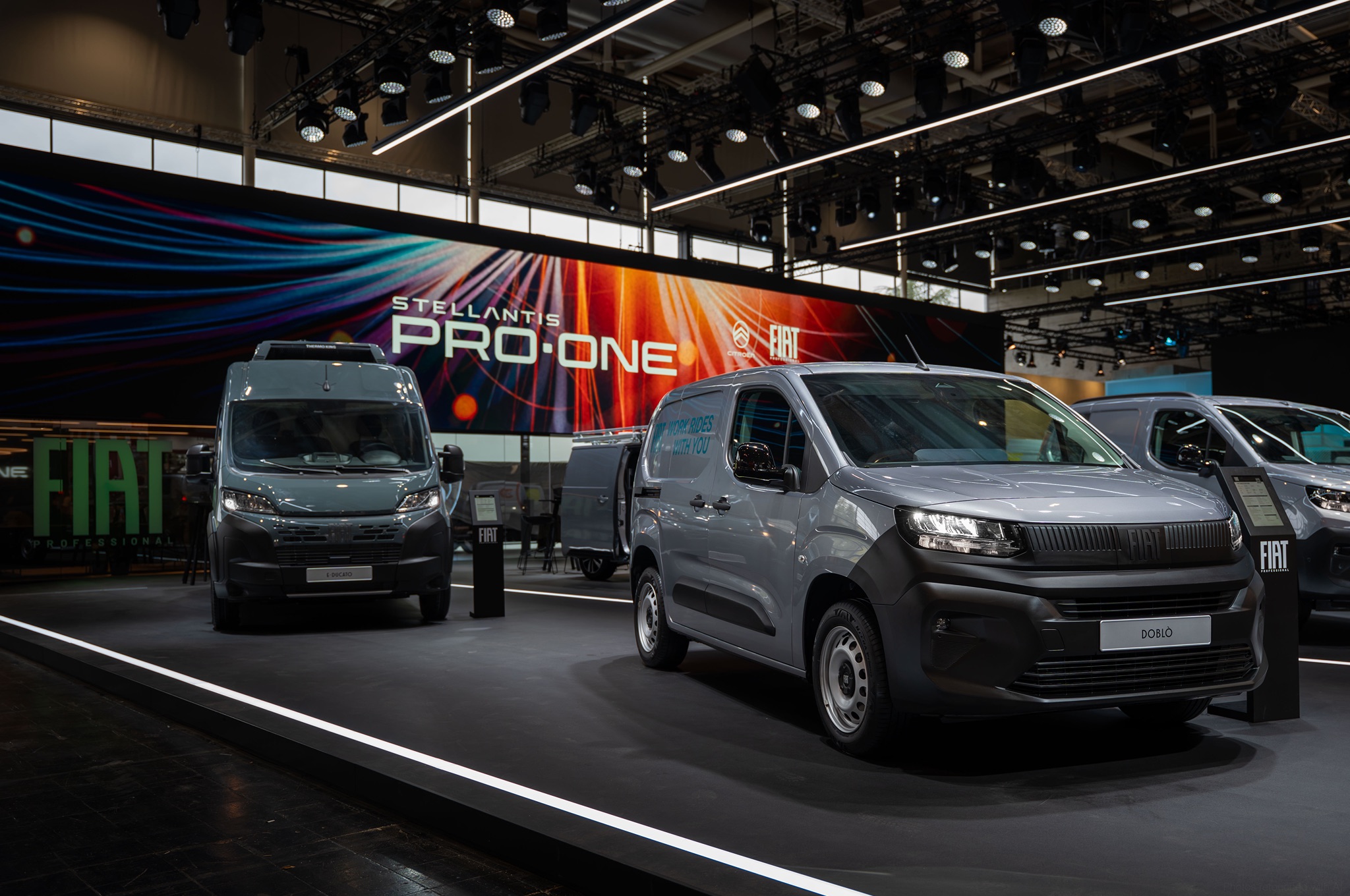
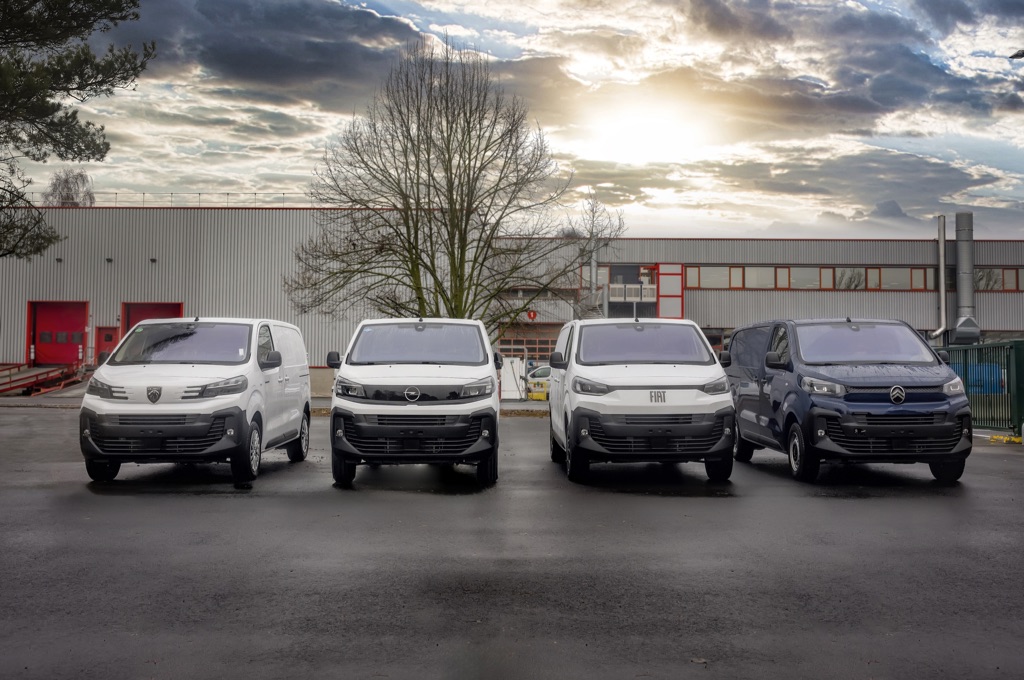
Stellantis, the group behind Vauxhall, Peugeot, Citroen and Fiat, is another manufacturer facing a substantial shortfall. Its electric van share stands at just 2.7%, compared with an estimated effective target of 7.9%, leaving it more than 3,400 credits behind. It will be hoping its new entry level Berlingo van among others will boost sales.
Renault is also struggling despite having a solid offering in the form of the Master E-Tech. Its electric van share is 5%, well below its estimated 19.2% target, resulting in a deficit of around 3,250 credits. The expectations are high for the new electric Renault Trafic due for launch imminently.
Mercedes-Benz is in a slightly better position, but remains behind its target. Electric vans account for 13.1% of its registrations, against an estimated requirement of 20.1%, leaving a shortfall of around 1,390 credits.
Other manufacturers running estimated deficits include Nissan, Isuzu and SAIC, the parent company of Maxus.