






The European Union has caved to pressure from carmakers and abandoned its planned 2035 ban on combustion engines in the region, instead allowing manufacturers a softer target of a 90% reduction in emissions, allowing them to continue selling hybrid and petrol engined cars.
The numbers of vehicles that carmakers will be able to sell will vary greatly thanks to a complex points system based on European manufacturers using low-carbon, locally made steel in their construction processes, as well as the amount of biofuels sold within the Union.
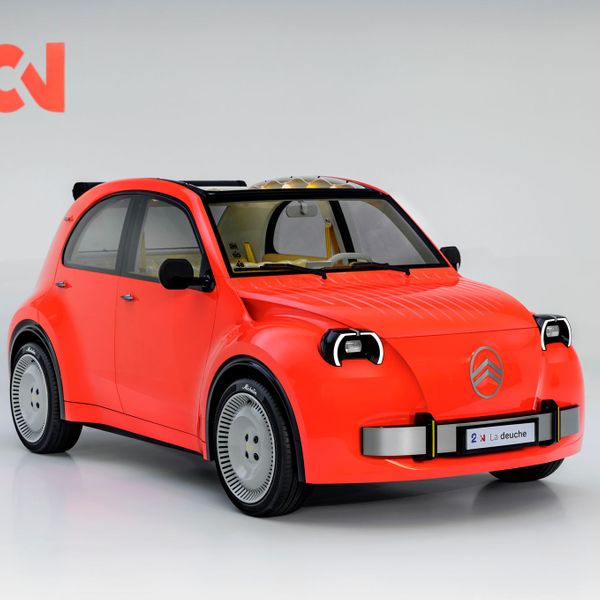
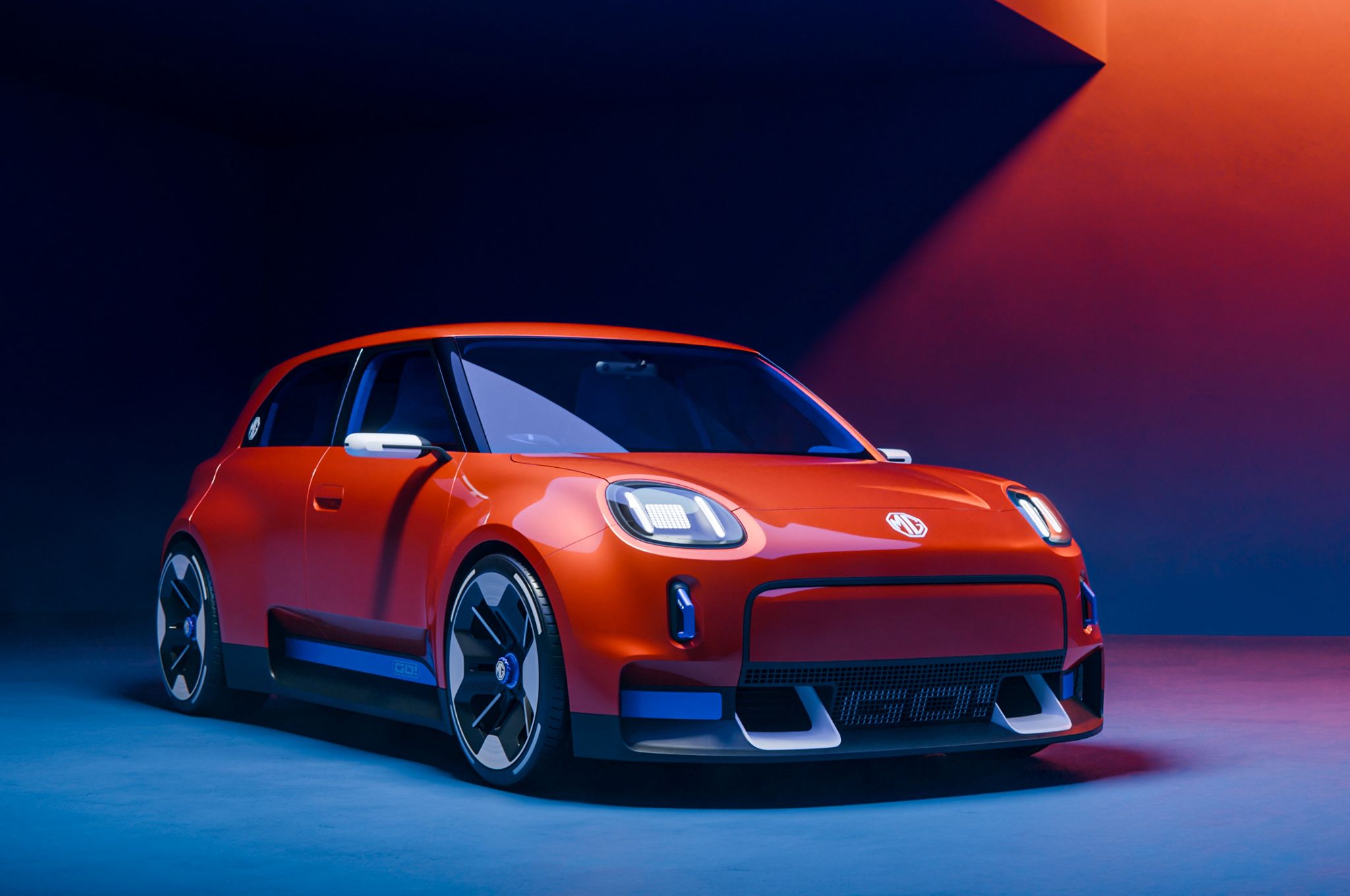
A new class of small car will also be created in the coming years, allowing carmakers to build smaller electric cars (under 4.2 metres long – think Volkswagen Polo or shorter) more cheaply thanks to reduced safety requirements. Manufacturers will be incentivised to build these cars in the EU with each one counting as 1.3 cars for the purposes of working out how many petrol cars they can sell.
What were the plans originally?
The European Union announced its previous policy back in 2022 – a ban on sales of new combustion engined cars in the region from 2035. The move was seen as a bold but necessary step, with many countries setting targets of getting to net zero emissions by 2050. The transport network is seen as a key part of reaching these goals.
The British version of the law was even stricter, with a ban on purely combustion driven cars in 2030 but certain types of plug-in hybrid models allowed until 2035. Carmakers are also required to sell an increasing proportion of zero emission cars each year – the so-called zero emission vehicle mandate.
Who was pushing for the change?
Seven member states were said to be pushing the European Commission to delay its proposed 2035 ban, including Germany, Italy and the Czech Republic, all countries heavily dependent on the automotive industry.
There are fears in the automotive industry and wider afield over underdeveloped electric charging infrastructure, sluggish EV sales and the rise of cheaper Chinese imports. Sigrid de Vries, boss of the European Automobile Manufacturers’ Association, said ahead of the announcement that the car industry wasn’t called for the abandonment of electrification, but that “a course correction is urgently needed” on the policy.
Many firmly established badges have already phased out petrol power, though companies like Porsche and Lamborghini are said to be back-pedalling on plans to go full electric with their smaller model line-ups.
Indeed, Porsche has been facing huge delays on its electric Boxster/Cayman replacements that are eventually supposed to be arriving in 2026, but the latest rumours suggest that Porsche is re-engineering the cars to take petrol engines.
Was anyone against it?
Unsurprisingly, companies that have better developed electric lineups aren’t too happy about the change in direction. The heads of both Volvo and Polestar in Sweden have urged the EU to maintain its current course, warning that slowing down on electrification would actually allow China to cement its leadership in the technology.
EU bosses have already tried implementing 45% tariffs on EVs imported from China, introduced at the end of 2024, but it has barely slowed the growth of the challenger brands that see the EU and the UK as markets ripe for growth.
How will the UK’s combustion ban be affected?
The move would obviously put the EU at odds with the UK, which introduced its tougher deadline of 2030 for a ban on sales of purely combustion engine driven cars back in 2020. That was shifted back to 2035 three years later, then reaffirmed as 2030 by the current government in 2024.
The so-called zero emission vehicle mandate, which ramps up towards the 2030 deadline and calls for an increasing proportion of new cars to be zero emission, has already caused headaches for carmakers in the UK. A complex credits system has been introduced that means companies like Tesla that only market EVs can sell their credits to other carmakers. Conservative Party leader Kemi Badenoch has already come out to say that she'll ditch the 2030 petrol and diesel ban indefinitely if she wins the next election.
The government has said that it's going to stand by its 2035 deadline for ditching petrol and diesel vehicles, but it will urgently commission a review early in 2026 to see how it can change the ZEV mandate to allow more flexibility. This means that the 2030 ban on pure combustion engines is all but dead in the water, and that carmakers will be afforded leniency on emissions over the next few years.
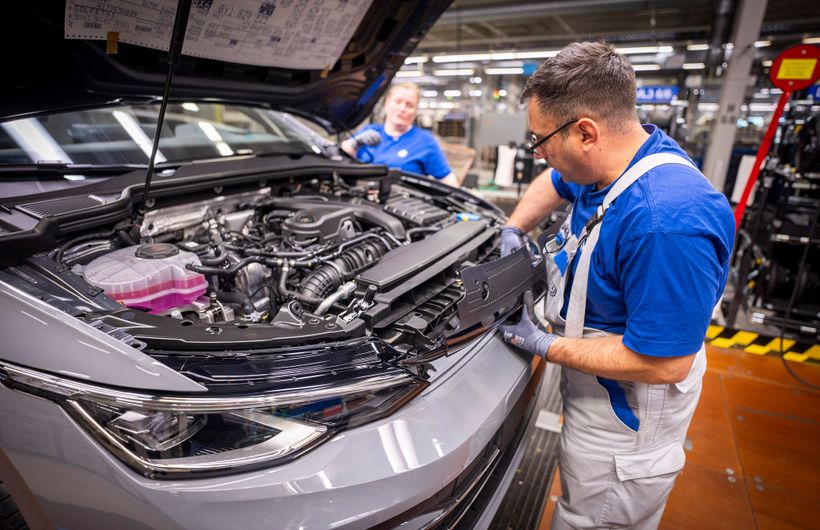 Carmakers like Germany's Volkswagen Group are a big part of the European economy – and they're struggling to sell EVs



.jpg?width=600&height=600)


