





One of the downsides of being an early adopter that nobody tells you is that you’re the first to suffer when things start to change... as pre-2019 Nissan Leaf owners have found out this week, with news that Nissan is ditching the 'NissanConnectEV' app that the drivers have relied on for remote services with their cars, which they’re now going to lose.
Drivers of pre-2016 Leafs will know their pain – they suffered the same fate back in 2024 when Nissan was forced to cut off their remote app service because the UK’s 2G signal was turned off.
But this time it feels a little different for the drivers, with Nissan scrapping the application apparently because it has become unviable to keep the service going. The decision affects drivers of pre-2019 Leafs and also owners of e-NV200 vans, which were sold in the UK until 2022.
Nissan told Electrifying: "This change is due to the legacy architecture of the current platform, which cannot be upgraded to support future enhancements or align with our ongoing development plans. Nissan remains committed to delivering the next generation of connectivity solutions to anticipate and meet the evolving needs of both current and future customers."
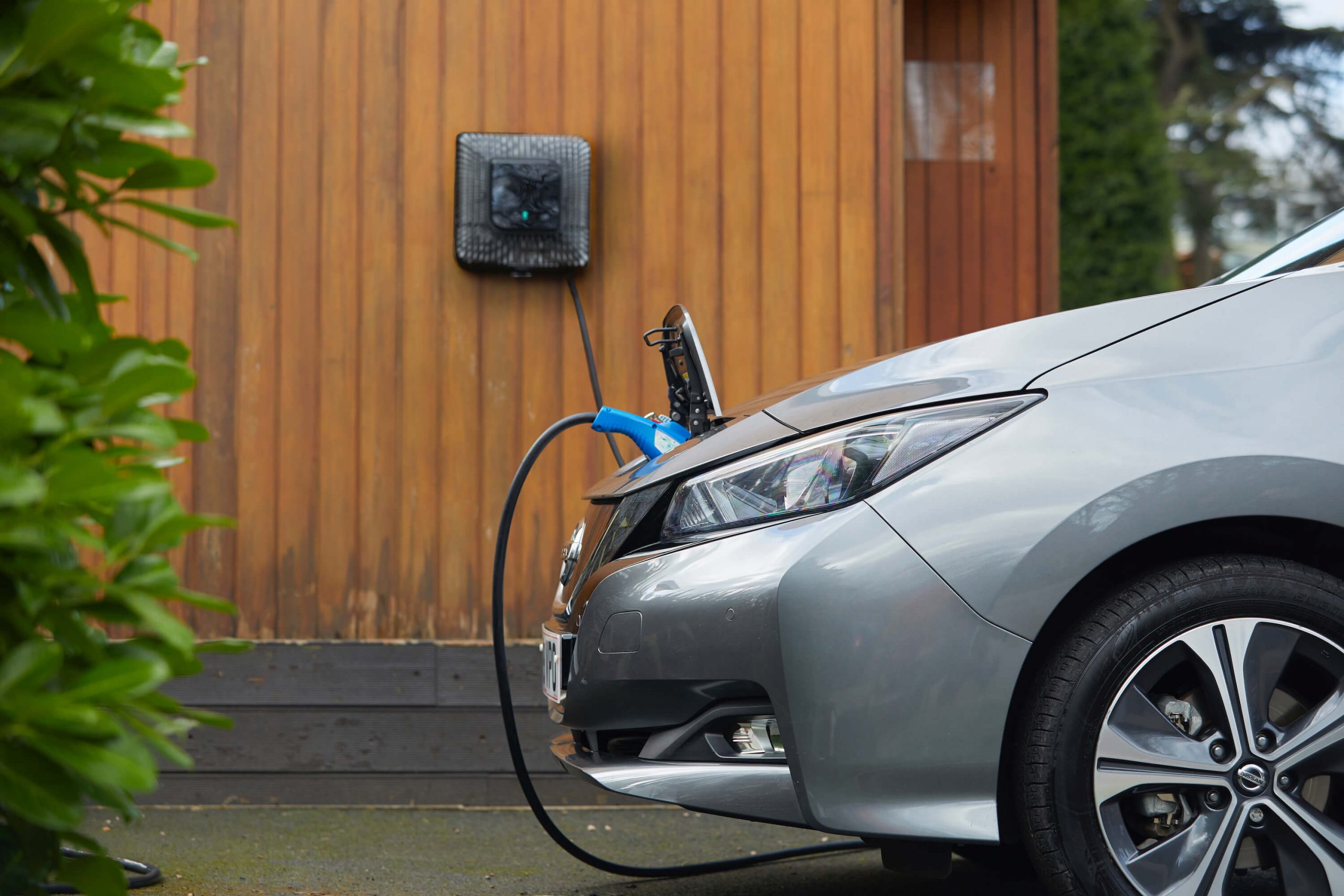
You'll still be able to set the charging via a timer on the infotainment screen if you're a Leaf owner, but you'll lose any of the remote charging or monitoring facilities as well as the locator that reminds you where you've parked.
It raises some difficult questions for carmakers as to how long they’re prepared to support the features they’re using to sell their electric vehicles – especially with an eight-year battery warranty required to qualify for the government’s plug-in car grant. Should owners expect their cars to start dropping features after four years of ownership?
In an Electrifying.com survey back in 2023, 85% of respondents said that they would consider a different car to avoid having to pay extra monthly ‘subscription’ fees over and above whatever they’ve paid for the car.
BMW controversially launched heated seats as a £15 a month subscription option back in 2022, and was forced to make changes after criticism. You can still pay extra to get fancy cruise control and adaptive full beam headlights in the German carmaker’s ‘ConnectedDrive store’.
But does ‘subscribing’ to a feature that’s already in your car guarantee you’ll always have it? And what are the consequences for secondhand buyers down the line? It seems like carmakers are taking us into dicey territory.