





As we pulled off and headed into the chaotic traffic of downtown Tokyo, a thought crossed my mind: "This is either going to be the most impressive bit of car tech I’ve ever tested or the worst idea I’ve ever had."
Would Nissan's AI-trained autonomous Ariya, equipped with the company's third-generation Pro Pilot technology, navigate its way through Ginza's tangle of pedestrians, cars and streets without any human intervention?
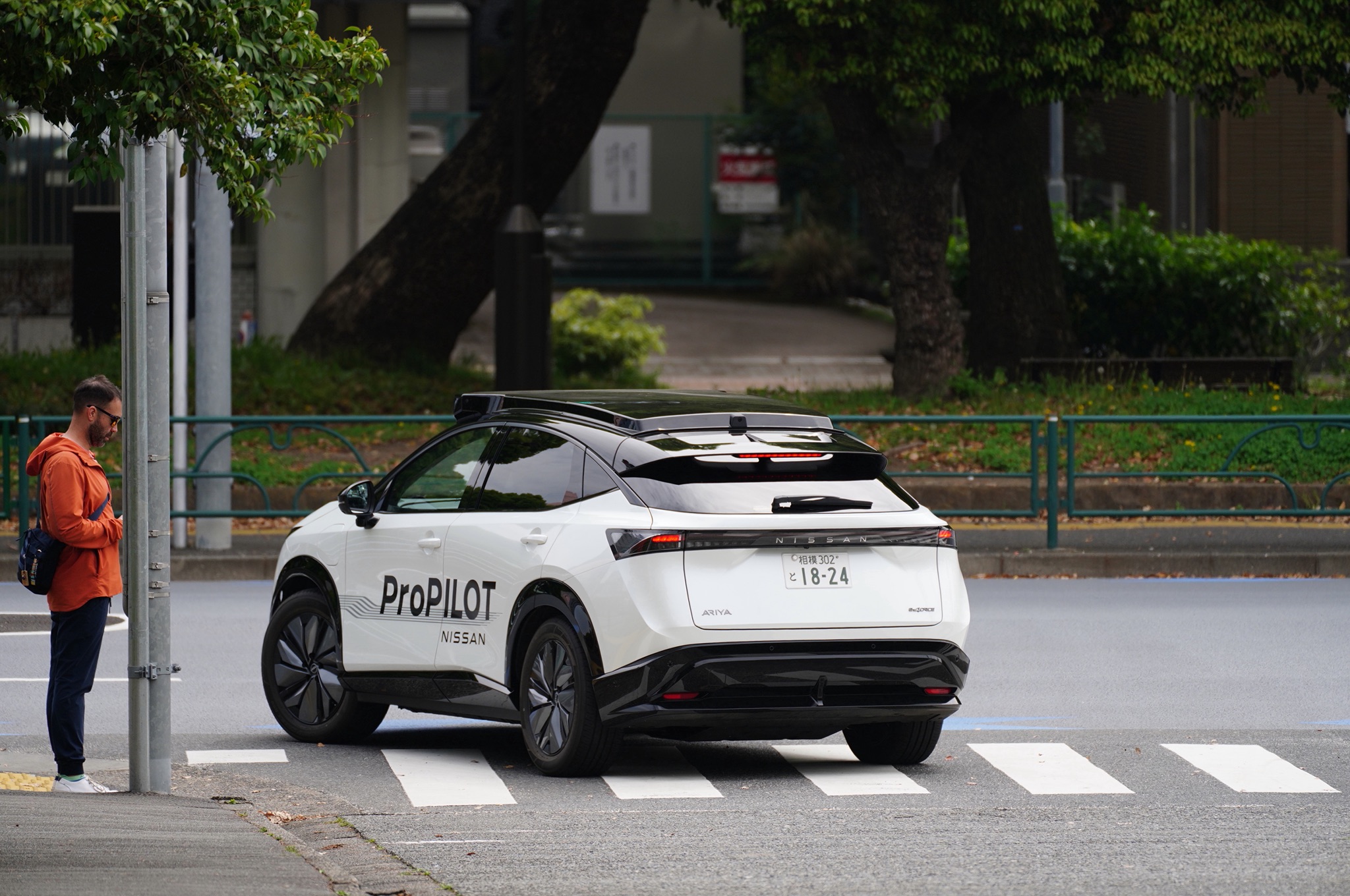
After driving thousands of autonomous miles in rural Japan, it was time to find out as I joined Nissan's head of autonomous vehicles on the next step of its journey, into complex city environments.
What struck me as the car pulled smoothly out at one of Tokyo's notorious multi-lane crossings is how natural it felt and how quickly it seemed completely normal to see the steering wheel moving independently. Nissan’s global head of autonomous driving development Tetsuya Iijima assures me it's up to the job, saying “it’s better than a human driver”.
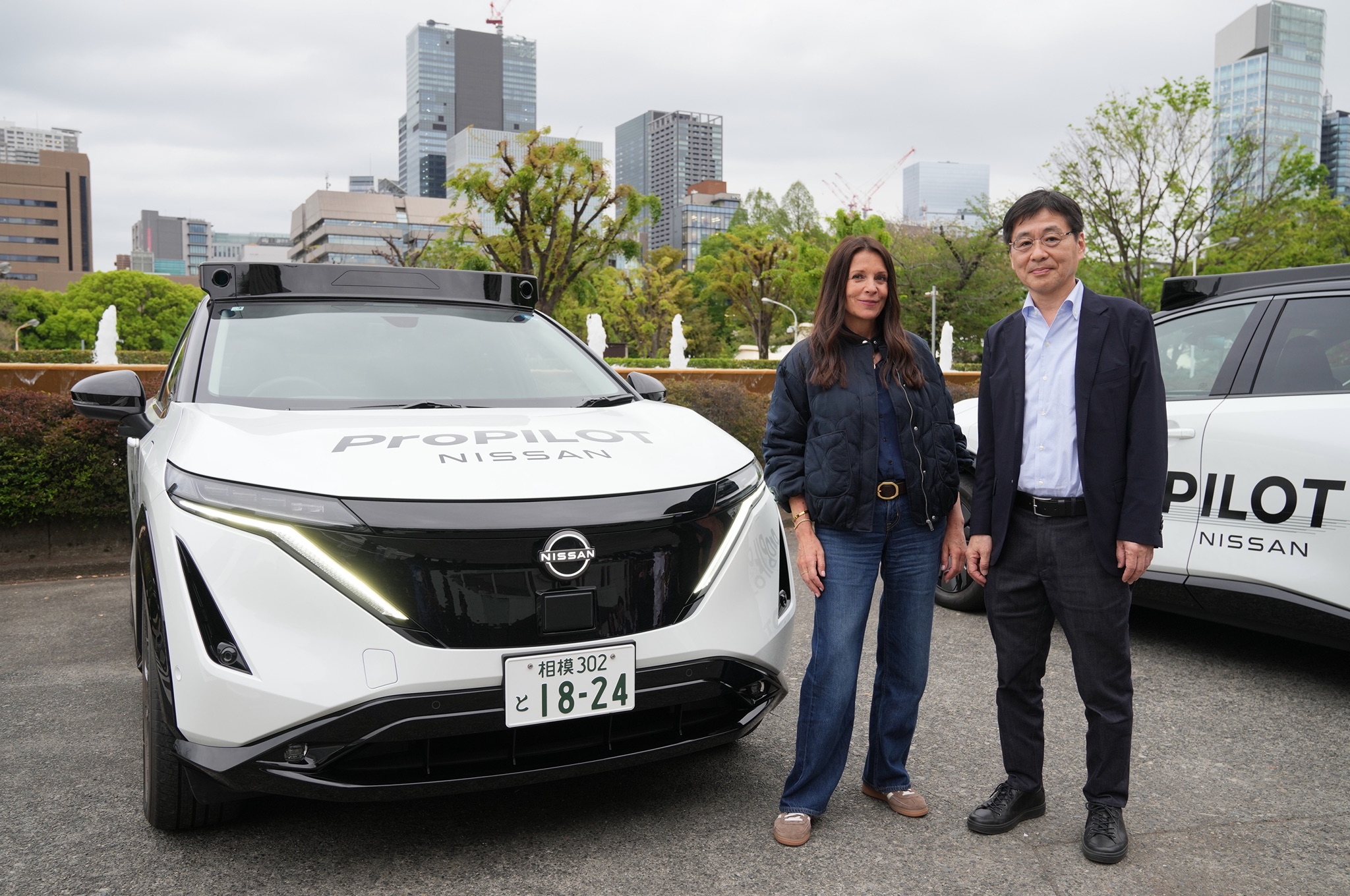
And he’s right to sound so sure, because there’s some confidence-inspiring technology at work in this family electric car. Nissan has developed the third-generation Pro Pilot system in collaboration with British tech startup Wayve.
Wayve builds the AI-driving ‘brain’, which is "trained on millions of real-world driving examples", while Nissan brings the system integration and software that enable the car to steer, brake and accelerate.
It’s fitted with lidar housed in the black hump on the roof along with 11 cameras and five different radar points. Iijima tells me that cameras alone aren’t enough for certain driving conditions, explaining “lidar must be added if the environment includes night time and high speed, and radar too.”
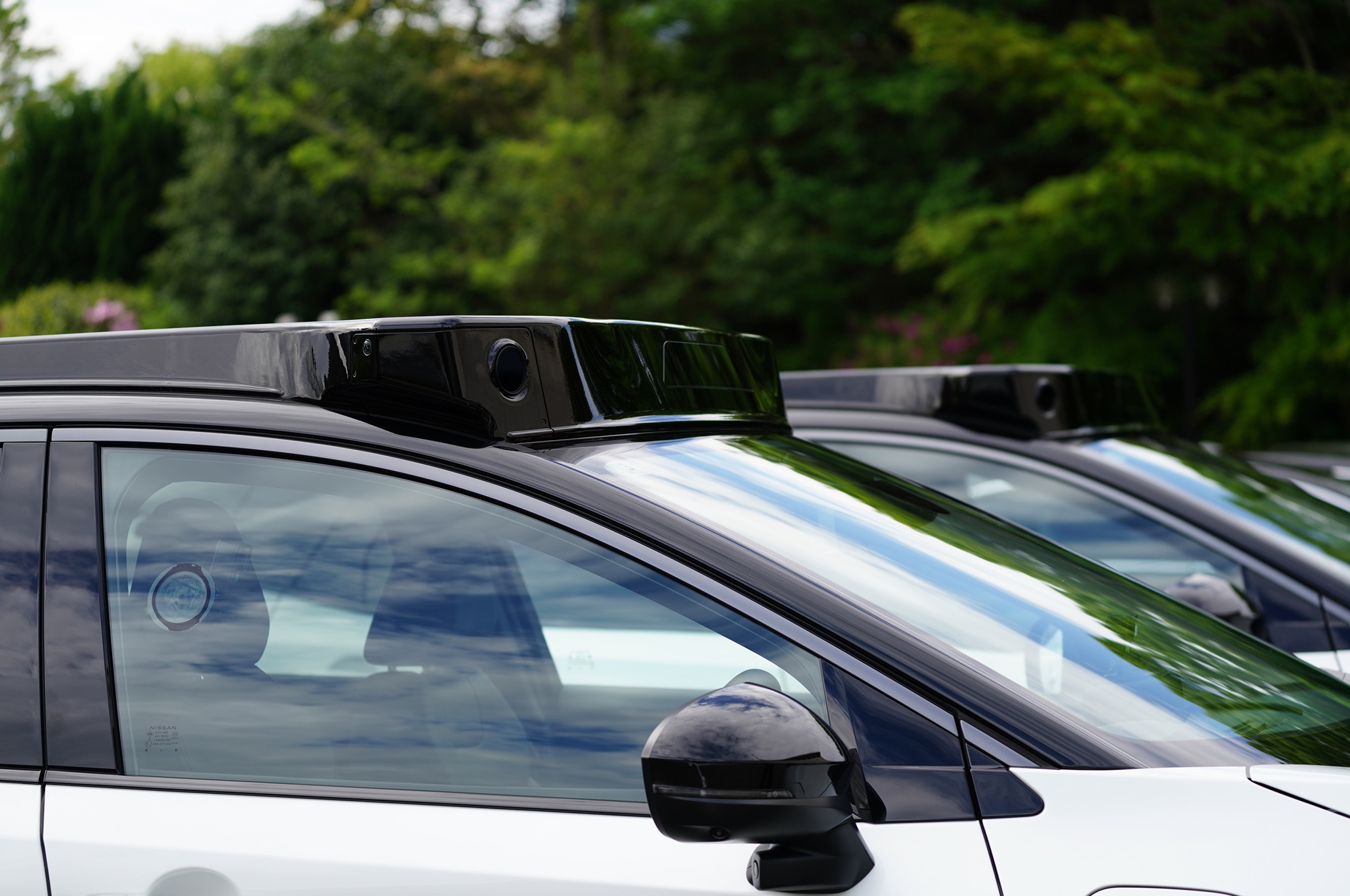
Wayve is currently one of the UK’s most valuable AI startups, with investors including Bill Gates and, of course, Nissan. And it’s taking a different approach to autonomy than Tesla. Tesla builds everything in-house for its own cars, using data from its own drivers. Wayve, on the other hand, has created what it calls an end-to-end AI driver.
Instead of following a set of rules, it’s learned to drive more like a human by analysing real-world driving data from partners like Jaguar, Ford and Nissan. And unlike Tesla, it’s not tied to one brand. The AI brain running in this Nissan Ariya could work in any car, without needing pre-mapped roads. I’ve recently spotted Wayve-equipped Ford Mustang Mach-Es out testing in the UK, and Iijima is clearly excited by Nissan's partnership with the firm, telling me it's the "system he was searching for".
Given that Nissan’s autonomous programme has evolved from more than 20 years of driver-assistance development – much of it under the leadership of Iijima – that’s high praise. And seeing it react seamlessly as a pedestrian stepped out onto a crossing without warning, I’d also say it’s deserved.
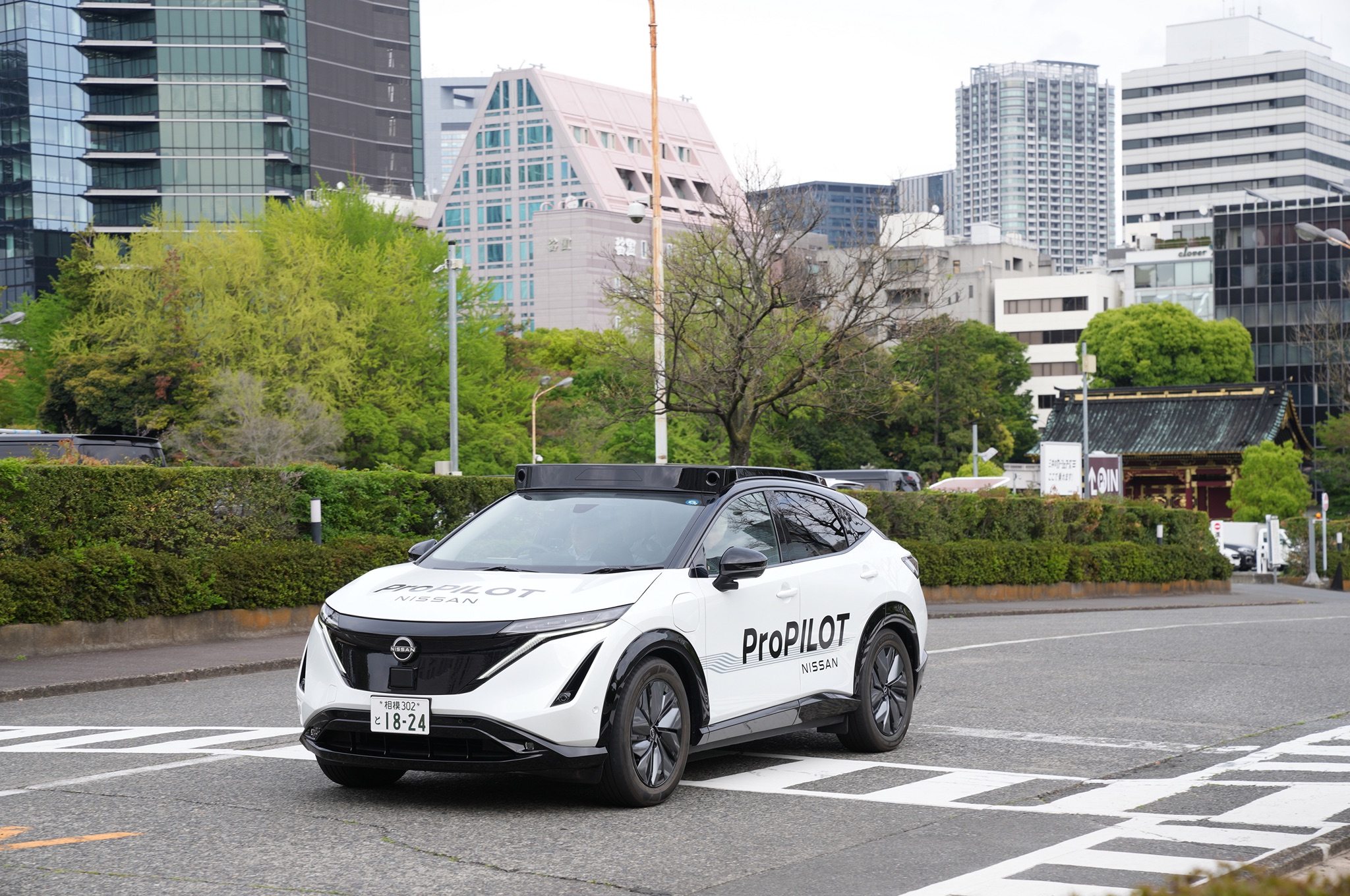
This wasn’t my first experience in an autonomous vehicle. Over the years, I’ve experienced the technology in Land Rovers as part of the UK Autodrive programme, I’ve tried Tesla’s so-called Full Self-Driving (FSD) beta system many times, and I’ve had a ride in a Waymo driverless taxi in California.
But the Nissan system feels the most fluid I’ve tried to date. The end-to-end AI effectively learns to drive in the same way a human does, by observing the world around it, but compresses years of learning into a fraction of the time.
By contrast, Waymo’s system relies on a combination of advanced sensors and high-definition maps, allowing its vehicles to operate within carefully mapped, geo-fenced areas where every detail of the road is already known. Nor is it comparable to systems such as Ford’s BlueCruise, which operate on pre-mapped motorways and cannot navigate independently beyond those defined routes.
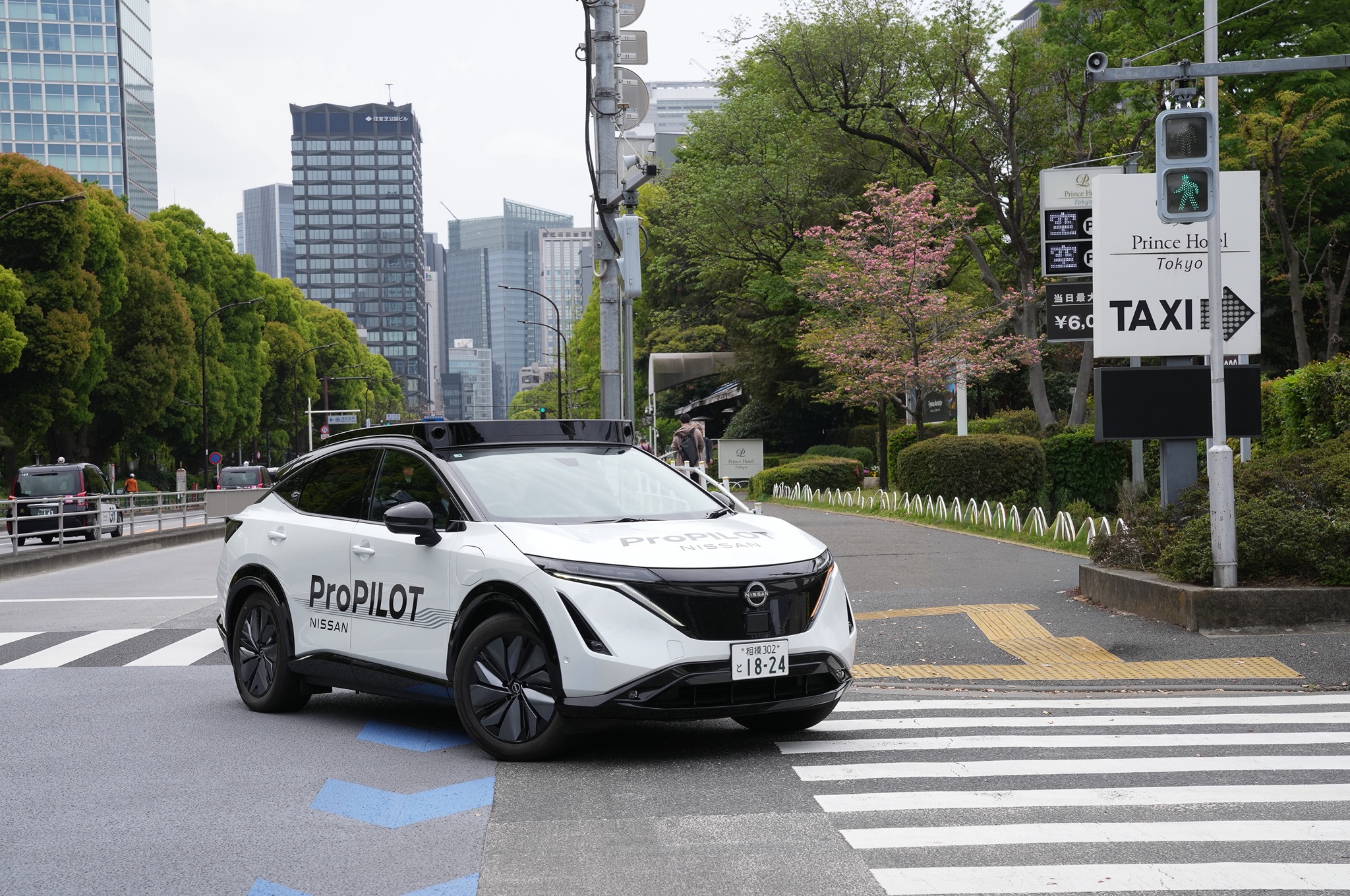
The Ariya's camera ‘eyes’ and AI ‘brain’ assess the surrounding environment every 100 milliseconds, and I can’t help but notice that it takes a far more polite approach to turning right on one of Ginza's busy crossings than I would have done if I’d been behind the wheel.
Iijima tells me that when this tech reaches production cars, I’ll be able to choose from different driving styles, including one which is slightly more aggressive for those busy London streets – which I quite like the sound of.
And what about all those bad habits drivers have picked up over the years? Isn’t there a danger the end-to-end AI system will learn those too? Iijima reassures me it won’t. “It is trained using driver data to behave like a good, careful driver.”
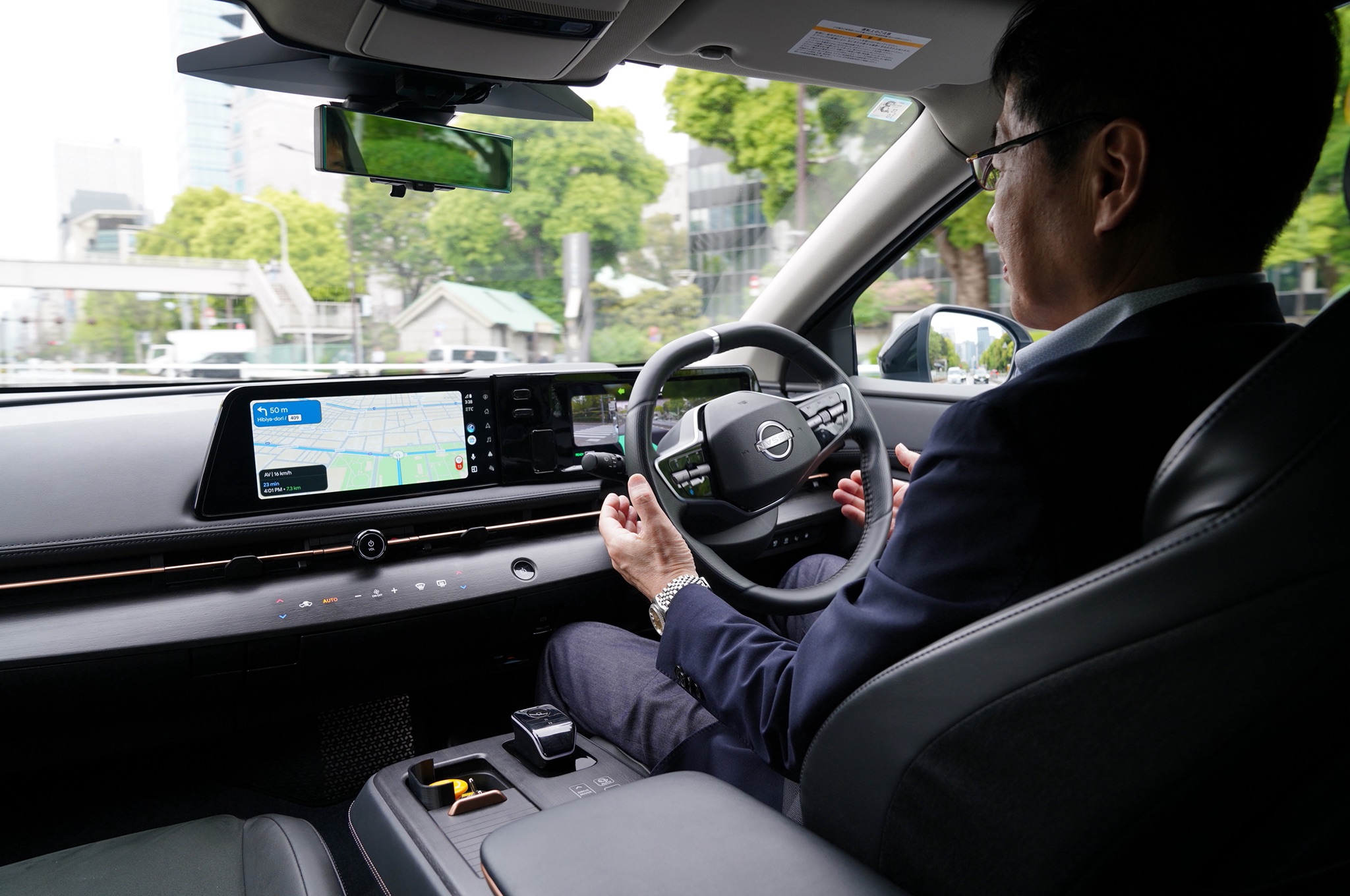
As we glide along, it’s surprising to feel how controlled and smooth the drive is, without a hint of late braking or sudden acceleration. I ask Iijima what level of autonomy this is – has it now reached Level 4 hands off, eyes off driving? Because it looks like it has to me. “It’s Level 4 capable, but a Level 2 system,” he explains.
And that's down to the complex rules surrounding the use of autonomous vehicles in different countries around the world. While vehicle technology is moving at a rapid pace, the days of sitting behind the wheel watching a movie while your car navigates the traffic are still some way off, waiting on lawyers and legislators to put a framework in place.
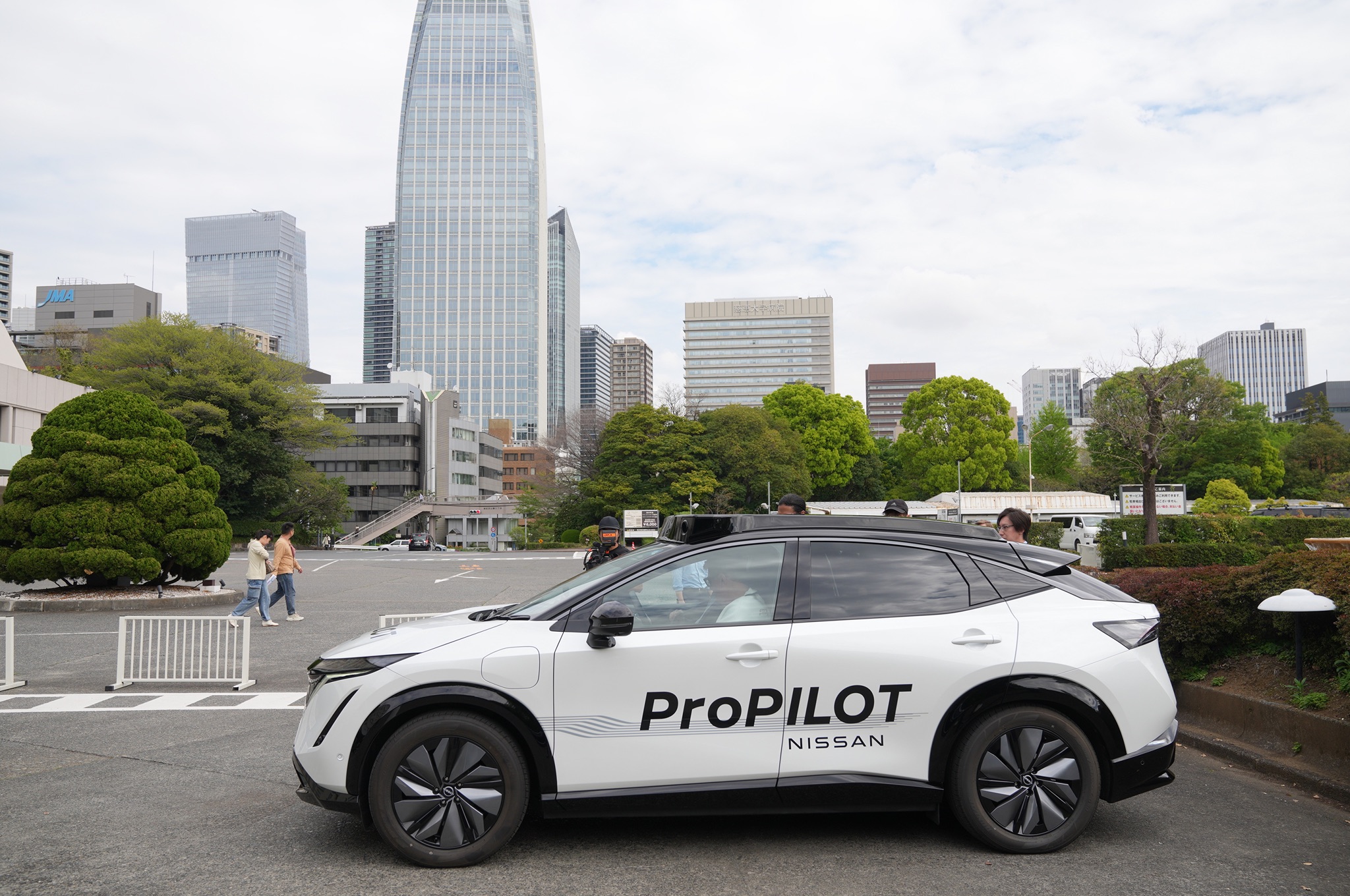
So when will you be able to try this tech out in your new Nissan Leaf or Micra, even if you do still need to sit at the wheel? The next-generation system is expected to appear in late 2027 in the redesigned Elgrand minivan in Japan, and we expect it to hit mass-market models on sale in the UK and Europe in 2028.
So, did my 40-minute ‘drive’ in Tokyo’s jumble of crossings, junctions, exits and overpasses turn out to be one of the worst ideas I’ve ever had? Far from it. The system is seriously impressive, and I’ve discovered that I’d rather be driven by a Nissan Ariya fitted with the third-generation Pro Pilot technology than by the majority of the drivers I know.
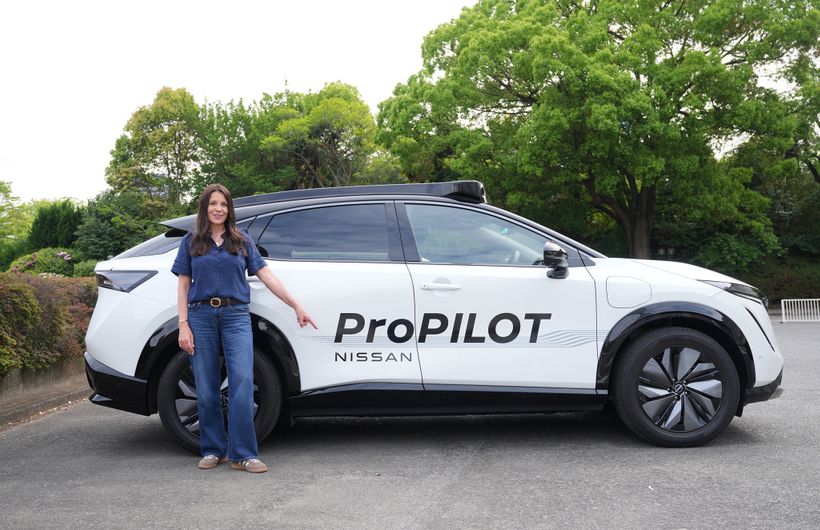 Ginny went round Tokyo in a self-driving Nissan and survived to tell the tale... Want to try it yourself? Maybe in two years' time if the law gets changed