






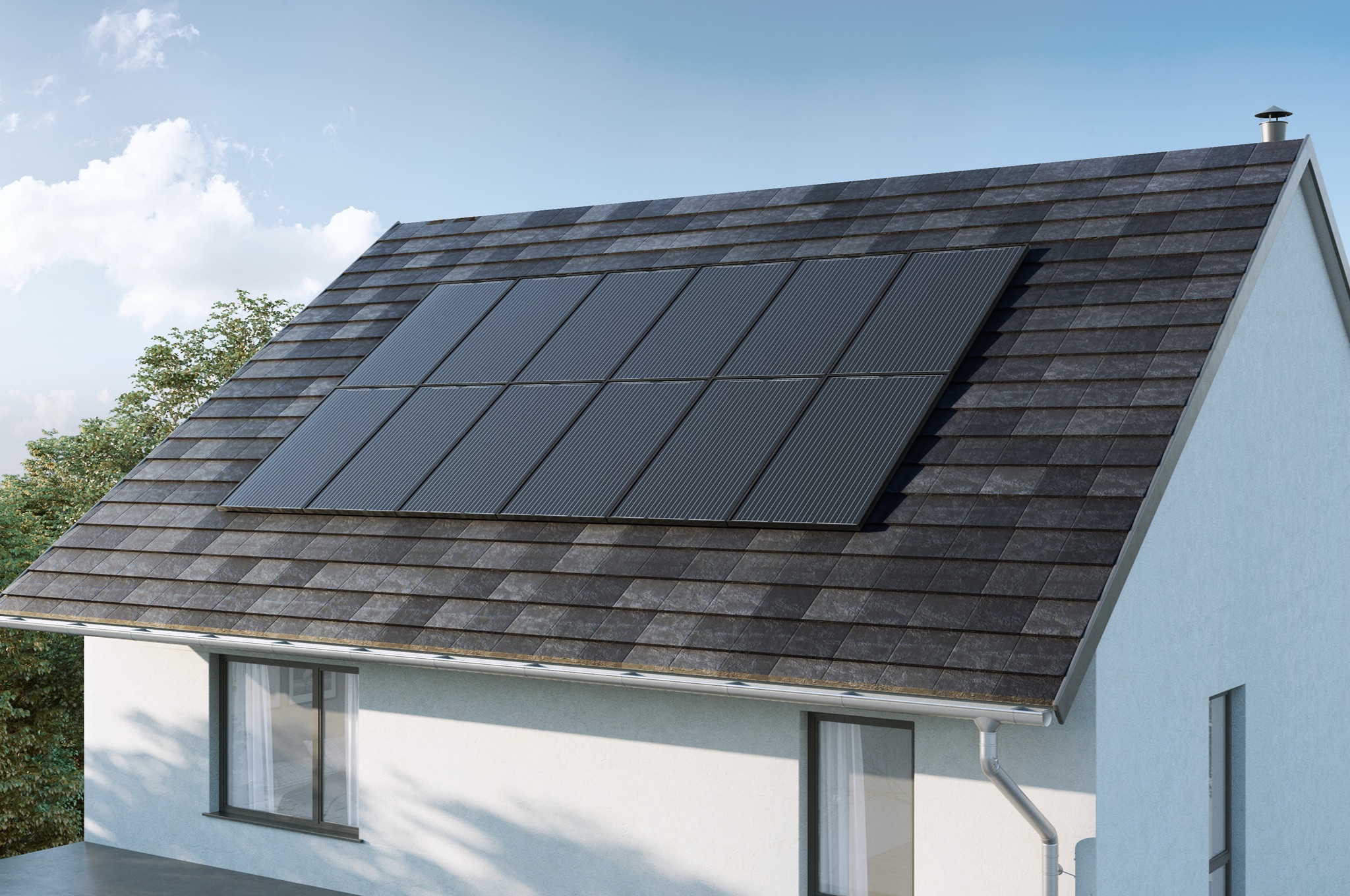
The UK government has introduced new legislation that will make heat pumps and solar panels mandatory for all new homes across England. Obviously, we think this is great news as you can charge any EV from solar panels provided you’ve got the right home charger, and running your car on sunshine is not only cheap but also the most environmentally friendly way to run an electric car.
If you’re already settled in your home, part of the new policy also improves public access to plug-in, DIY solar panel systems (also known as photovoltaic, or PV systems). These solar panel kits will be available to purchase from supermarket and online retailers, and they don’t need professional installation. You can literally hang or stand the solar panels in a sunny place, plug them into your normal plug socket with the provided cable, and the standard microinverter syncs with your home’s system. Your devices will then automatically use the free energy from your solar panels before it starts to use electricity from the grid. Clever, eh?!
The government expects these retail-ready solar systems to be available within weeks, so keep your eye on the middle aisle of Lidl next time you’re doing the big shop, or keep an eye out for deals on Amazon. There may be bargains to be had!
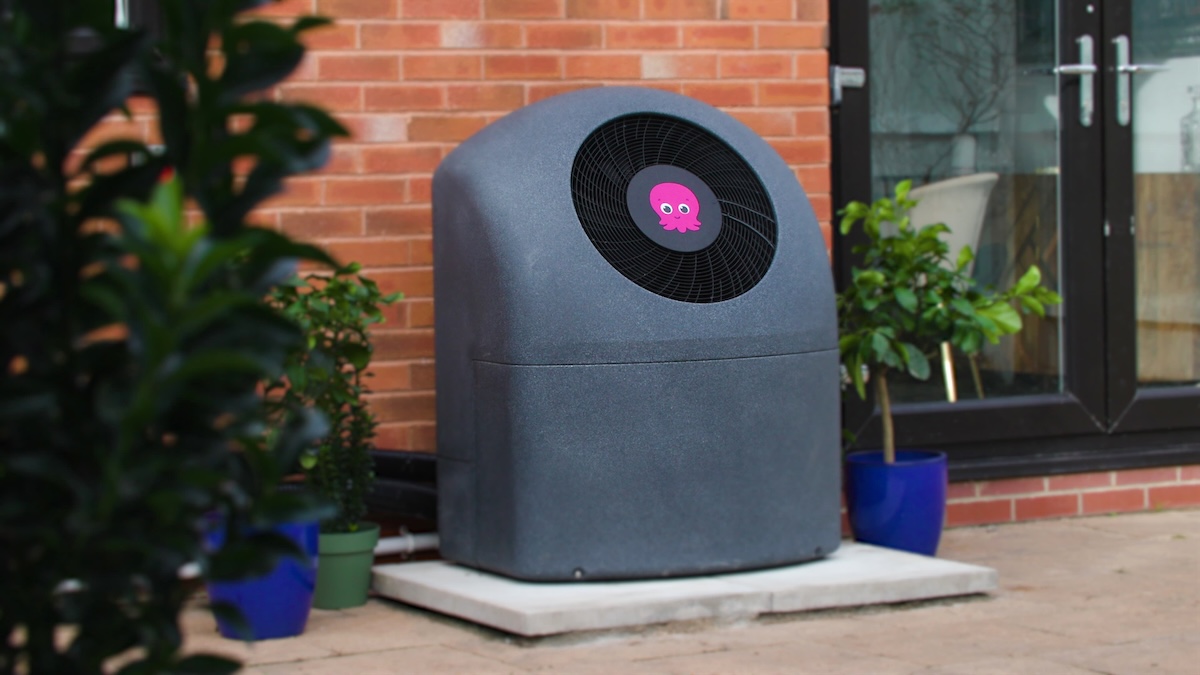
Heat pumps are also a way of saving energy as they offer a more energy efficient way of heating your house, and we’re all for saving energy - whether it’s in your electric car or your home.
You can read our explainer on how to charge a car from solar panels and also on whether you should get a heat pump, if you’re keen to learn more about the tech.
This decision comes from the government as part of plans to update energy efficiency rules, and the policy will fall under revised Future Homes Standard regulations aimed at making properties more efficient and significantly greener. It’s set to cut carbon emissions and help reduce household energy bills. A win for all in a world where energy costs only seem to rise.
The initiative forms a part of the multi-billion pound “Warm Homes Plan” which aims to improve energy efficiency nationwide.
As with all new policies, there are also concerns. Some have raised worries about the up front costs associated with the manufacturing and installation of solar panels being passed on to consumers in an already struggling housing market - although this will clearly be offset by lower bills. Questions also remain around how quickly builders and other construction professionals will be able to adapt to the new energy requirements.
There will, no doubt, be some lag time as the new regulations are finalised and implemented. There may also be some teething issues once it’s in place, but we’re all for renewable energy and making it more attainable for everyone. From where we’re sitting, the future for solar power and cheaper energy is looking very bright.


.jpg?width=600&height=600)
.jpg?width=600&height=600)


