





Tesla has built a flying car. A real, production, you-can-buy-one-with-actual-money flying car. Or so it claims – and I’ve been up close and personal with the new Tesla Roadster at the launch event in Texas.
There are videos of it doing a ‘kickflip’ over the current Tesla model range, driving up a vertical wall and spinning around like a mad thing. And yes, something feels a little ‘off’ about the physics of it – like the car might be a little too light – but the event was in front of a live audience. So make of that what you will.
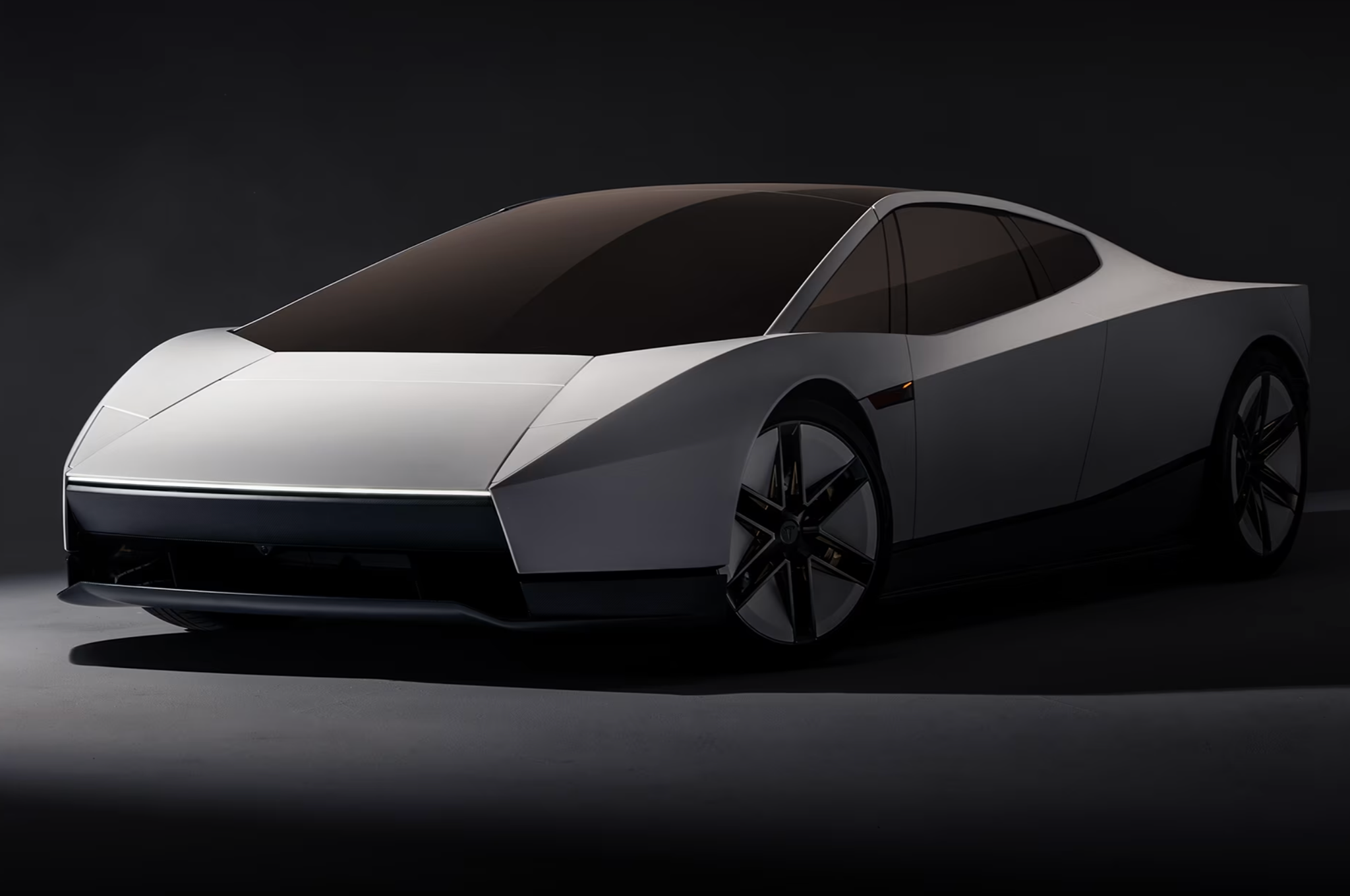
The thing is, there’s so much to talk about with the Roadster that the detail is perhaps just as interesting as the showmanship. Indeed, the new Roadster is so much more than that – and hugely pointless at the same time.
Let’s be honest – no one needs this car. Tesla doesn’t need to make it, no one really needs the excess it offers, and yet it’s a real-life thought experiment. Which means we need to dig into the basics to understand what the hell is going on. So let’s get a bit technical.
There are four models of Roadster, none of which have anything to do with previous iterations – this is all-new, and it’s due to be built at ‘Roadster factory Texas’ in 2028. The versions consist of basic Roadster, the Roadster Performance, the Thrust and the Rocket.
All get the same battery with Tesla’s newest cells – of an as-yet unconfirmed capacity, although we worked it out pretty quickly. Range is 310 to 320 miles depending on model and they all get 500kW charging for a very sub-15 minute, 15–80% charge time. Tesla’s being slightly fluffy on all the specs, so forgive the imprecision. All versions are dual motor, but both are on the rear axle, so it’s a purely rear-wheel-drive car. Except it isn’t, which we’ll get to in a minute.
The Roadster gets 1,088hp of power, with 1,200Nm of torque, a 210mph top speed and a 0–60mph time somewhere under two seconds. Which is sounds cool.
But the Performance version gets 1 megawatt of power (1,360hp) and 1,400Nm, fans mounted under the rear bumper and deployable skirts underneath that give it full ground effect. It will literally suck itself to the floor for more grip, somewhere in the region of zero to 60 in less than 1.6. The standard car gets a set of relatively normal diffusers.
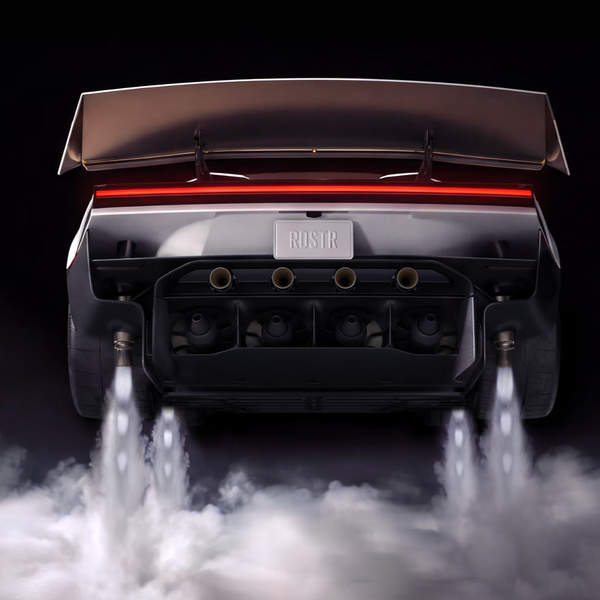
But then the Thrust version adds four rear-mounted nozzles fed by a 200-litre pressurised tank in the back of the car that can boost the Roadster for up to six-ish seconds at around 10,000psi. Not rockets – think of an inflated ballon if you let it go – it’s cold air forced out under pressure.
That does 0–60mph in well under a second. Though Tesla still says that’s tbc. Both of those do 230mph. Then there’s the Rocket, which replaces the passenger seat with another 400-litre tank (600 litres in total), adds another six thrusters at the front and sides, which can help brake, steer and, when pointed in a particular direction, fly. Or at least do massive, acrobatic jumps. Allegedly.
Let’s just take a moment to let that sink in. And yes, it’s worth watching the various YouTube videos to make your own mind up. And that’s even before we get to the legal implications of setting this stuff off in a public place. We suggest that might be a small issue.
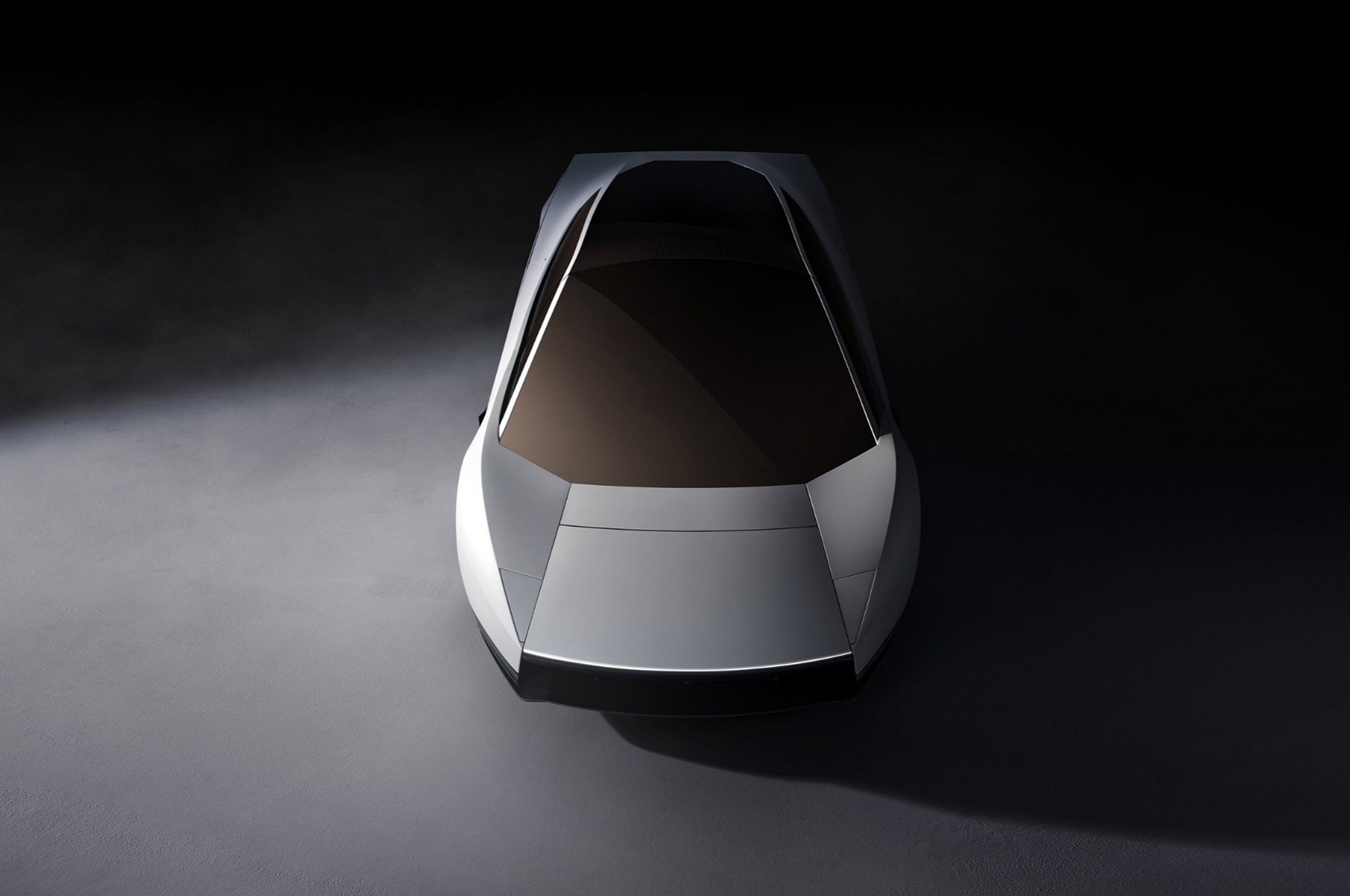
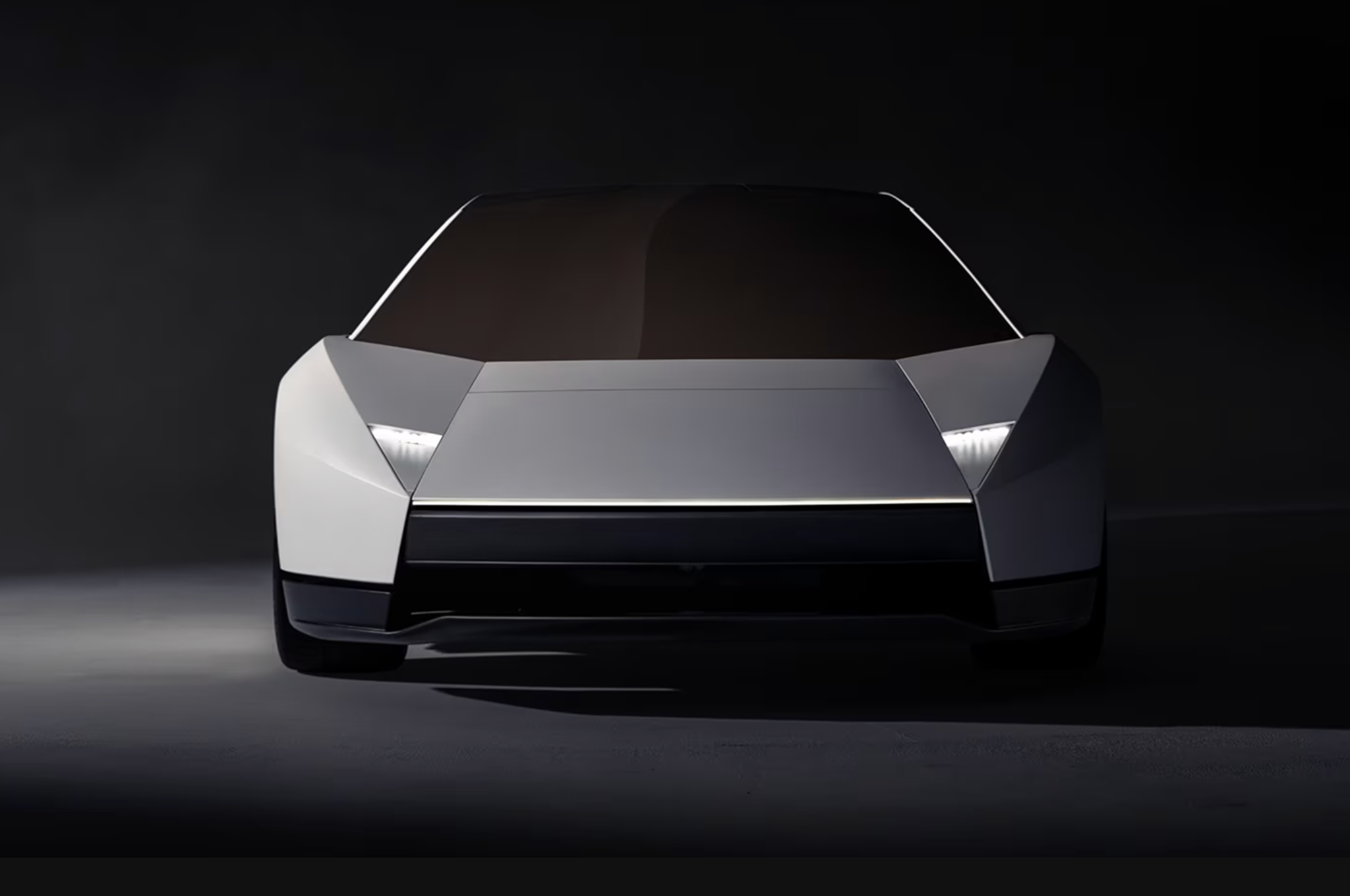
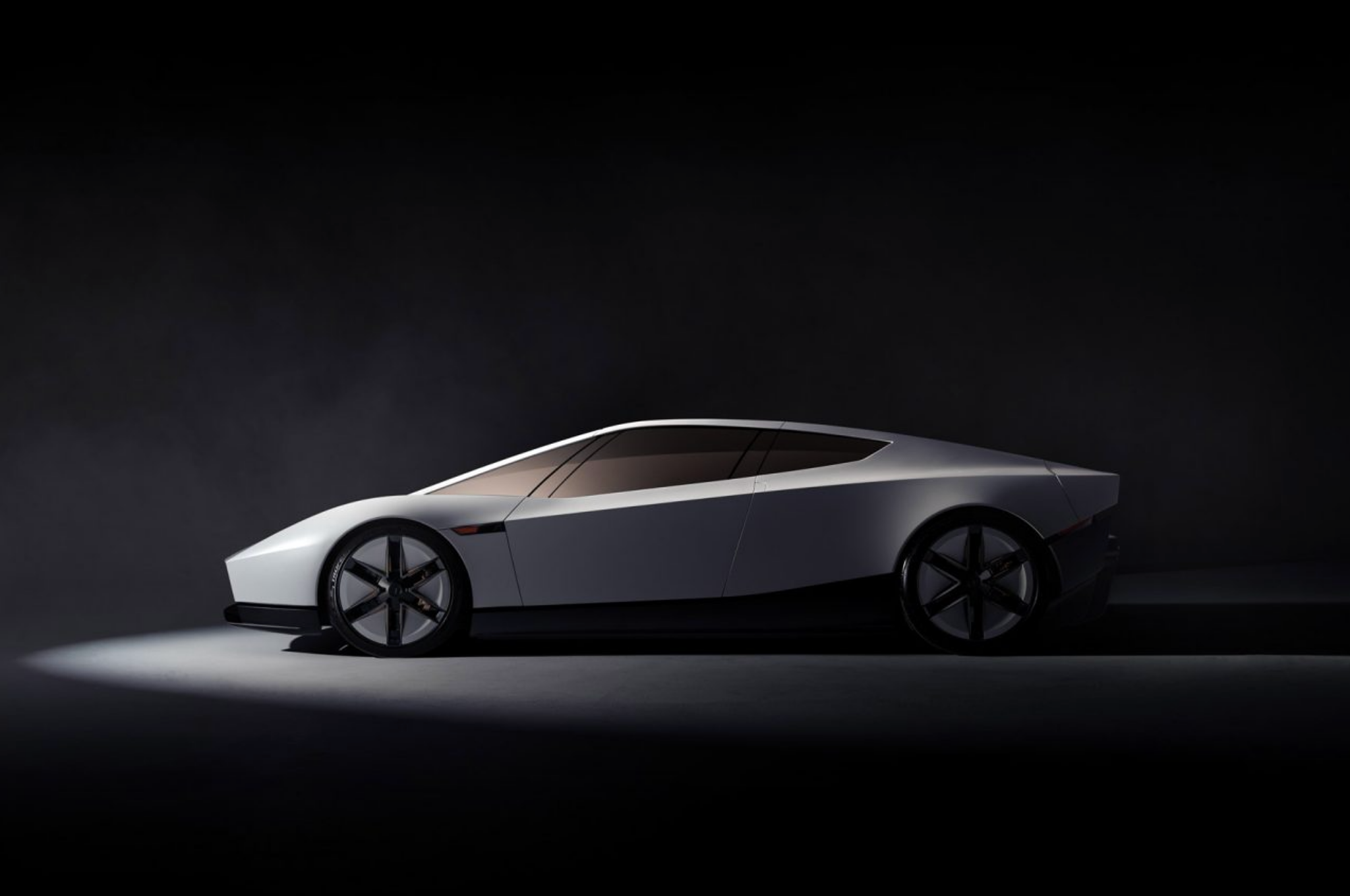
Look away from the Big Show, mind, and there’s a core product here that’s still fascinating. The basic Roadster will have decent range, very fast charging and a big boot. It looks like a forward-thinking Lotus Esprit – a deliberate inspiration – and should have startling dynamics even in basic format.
Tesla reckons the ‘Performance’ will be the big seller, so that’s the ground effect fans and big power, but without the thrusters. Which makes sense. It has loads of active aerodynamics on top, too. There are the usual vanes in the front intake that can open or close, a vent in the bonnet that allows more air through the cooling system and high pressure air to exit over the windscreen.
There are little flaps that vent the front wheelarches that pop open at about 60mph, and a huge rear wing that looks like part of the body, but arches back and out, with airbrake, low-drag and high-downforce settings. It’s a car that looks technical yet simple from first glance, then gets more extreme as it gets faster.
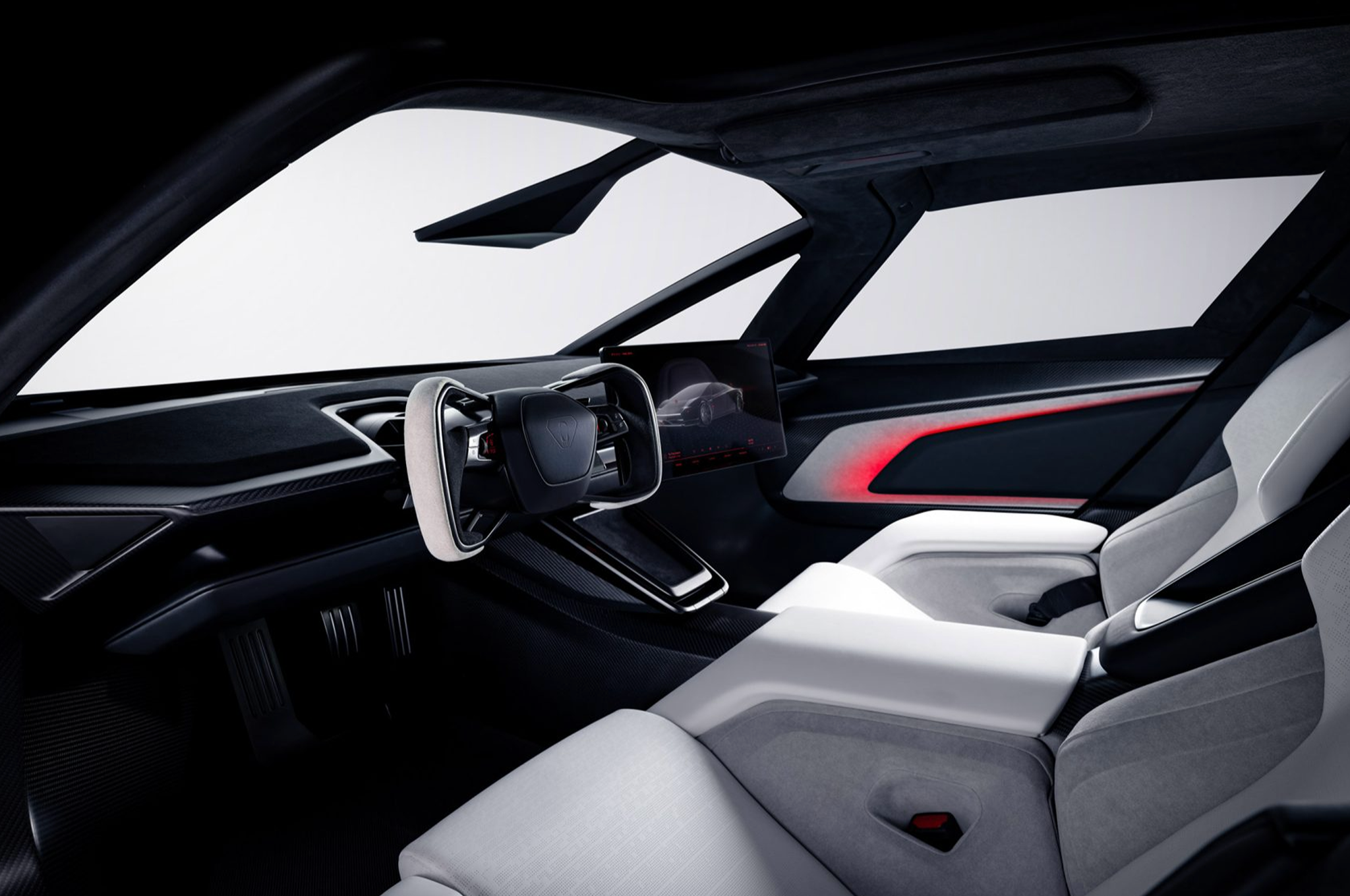
The inside – and yes, I’ve sat in it – is commendably simple. Two seats, with pneumatic backrest adjustment, a moveable steering column and moveable pedals. So it’s easy to get comfortable. Steering and braking is by-wire, so there’s lots of room in the front, and the yoke wheel has a variable rack, so you don’t need to take your hands off the wheel in tight spaces.
There’s a big screen in the middle with all the other functions – very Tesla – but the graphics are super sharp and reactive, revealing detail you don’t get elsewhere. And there’s a long scuttle, with a digital strip at the base of the windscreen that offers up important information – a head-up display without the projection.
Basically, even without the madness, there’s plenty to be going on about with the Roadster, and there’s a fair bit I’m not allowed to talk about just yet – so more to come.
The truth? We’re probably more used to dealing with Tesla’s more real-world offerings here at Electrifying, but once in a while, it bears remembering that this is a company that was founded on being a disruptor. And yes, there’s a fair amount of circus in the launch of the Roadster.
But at the end of the day, Tesla has made the internet lose its mind, created something that should engage the (even sceptical) child in all of us, and had some fun. It’s mad, pointless and slightly impossible. But that’s still cool.