





The EU has decided to introduce measures that will limit the numbers of Chinese hybrids being imported into the bloc.
The union is using World Trade Organisation rules intended to safeguard regional economies to limit Chinese hybrid imports to just 350,000 a year.
The new rules will be introduced from December and will see Chinese market share in the EU’s automotive markets halving from 6% to 3%.
The decision is part of an agreement between the EU and China to rebalance a trade deficit that the Europeans say is in the region of £1bn a day. Negotiations will continue between the two on related trade matters.
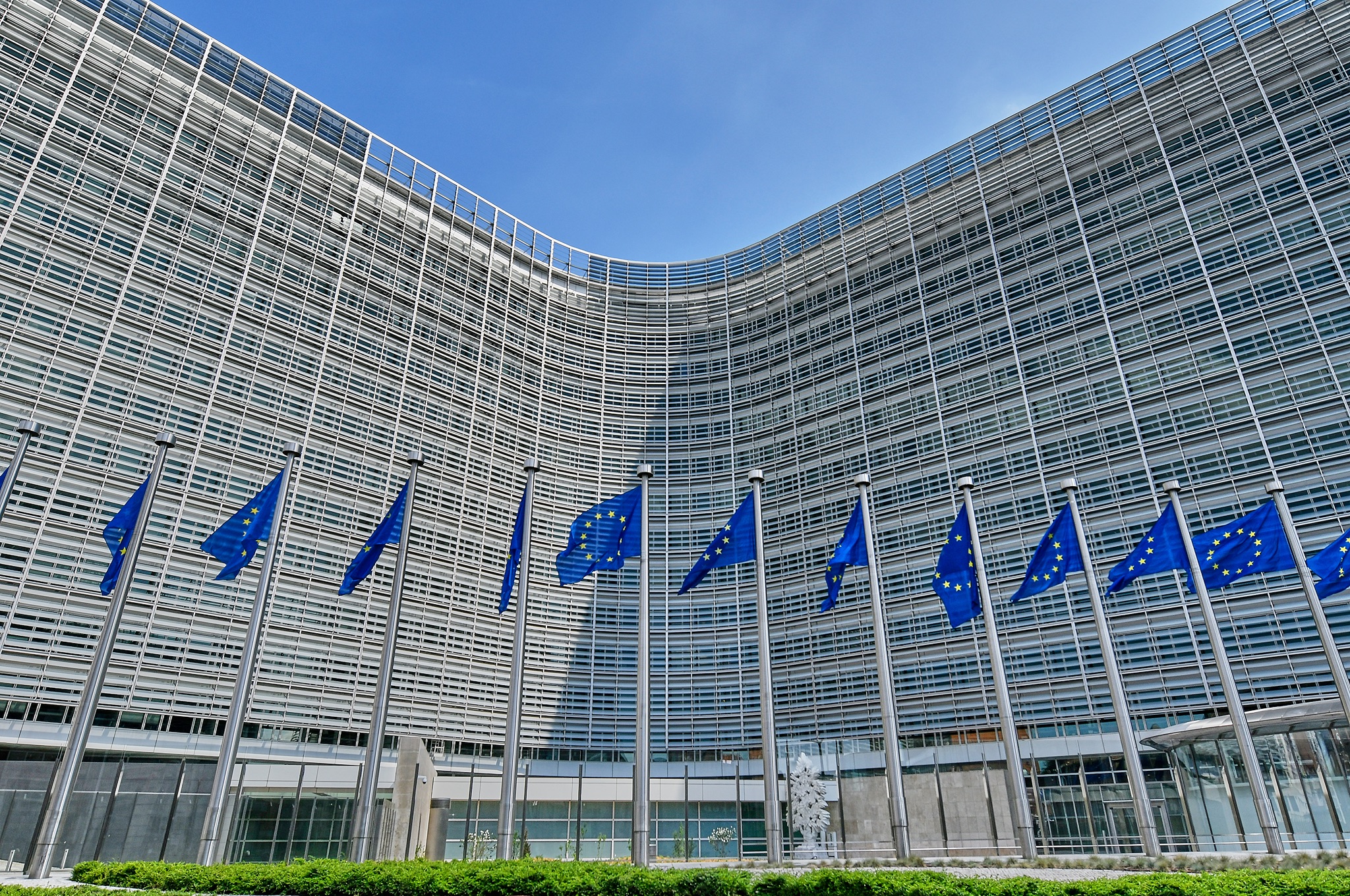
Why is the EU restricting Chinese hybrid imports?
The European Commission has come under pressure from member states with strong automotive manufacturing hubs to stem the flow of cheaper Chinese hybrids into the region.
Hefty tariffs are already applied to fully electric vehicles, but hybrids and PHEVs have been something of a loophole, with lots of cheap cars arriving into the EU.
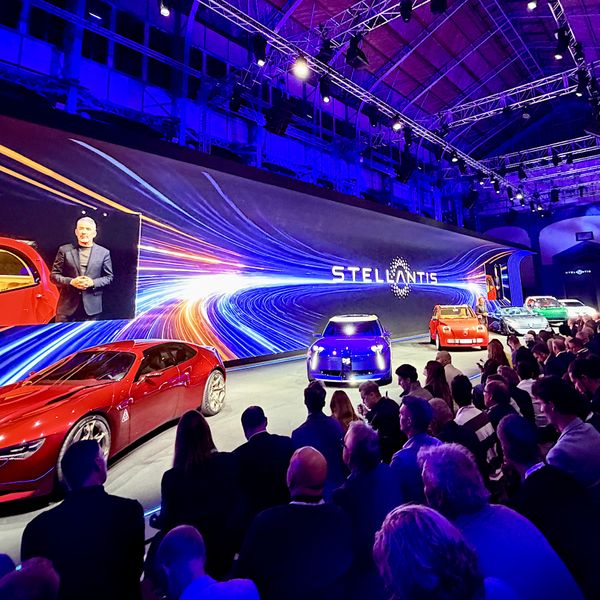
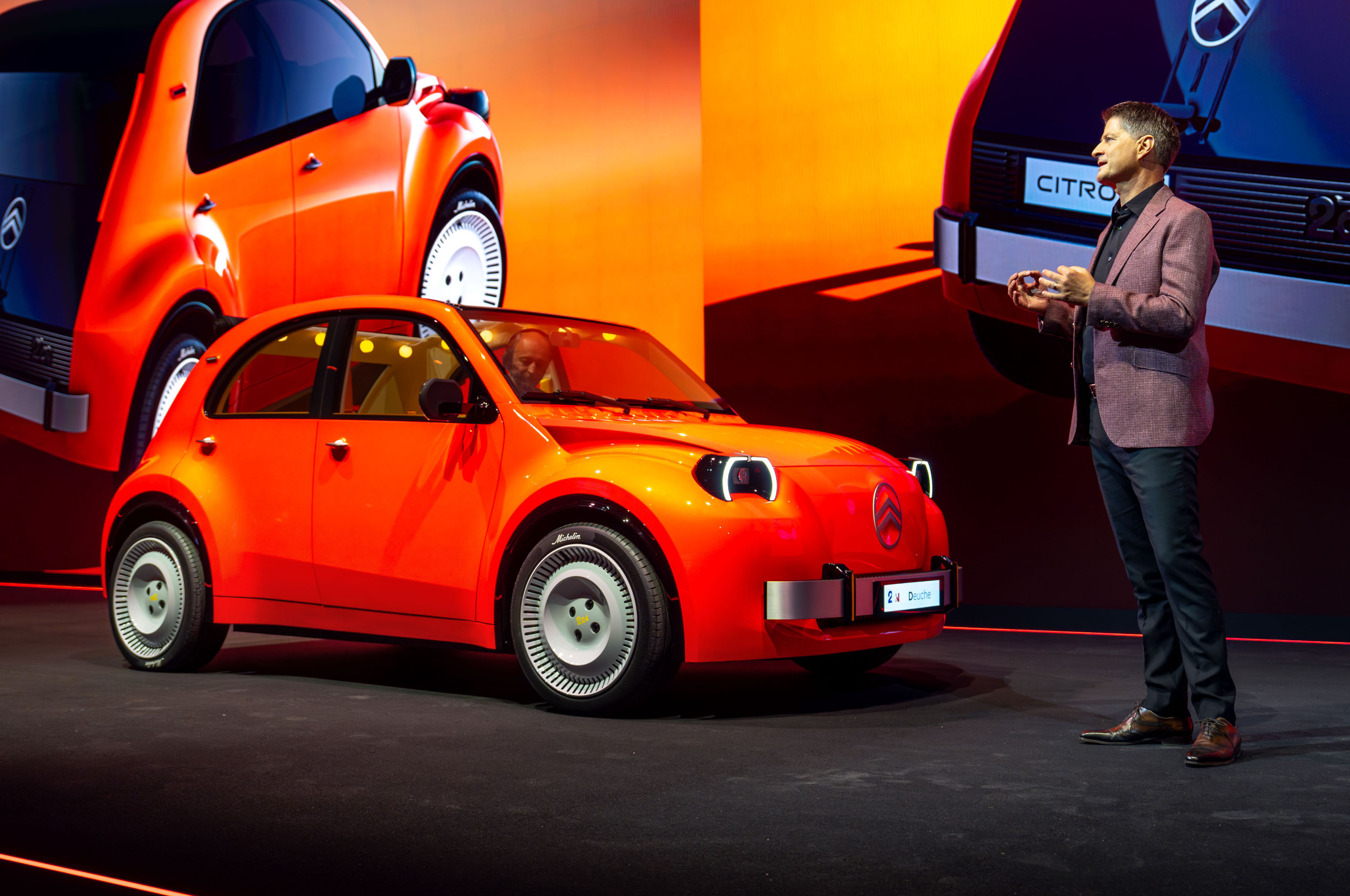
There was a lot of discussion on the matter at the recent Paris motor show, with people like Citroen CEO Xavier Chardon (below) calling for a level playing field for carmakers and more circumspect (but quietly confident) Chinese brand executives saying they’ll deal with whatever is thrown at them.
Will the UK introduce tariffs on Chinese cars?
There are concerns within the European Union that Chinese carmakers will be able to use the UK as a sort of back door into the bloc, so it has put pressure on the UK to introduce similar tariffs on Chinese cars.
Alongside that are negotiations on the EU’s new ‘Made in Europe’ rules, which require a certain percentage of the parts of a car built in the European Union to have themselves been made in the EU.
There’s no sense in introducing tariffs on cars imported from China while allowing cars assembled in the EU from 100% Chinese parts to squeak through.
The UK government has firmly resisted the calls for tariffs on Chinese imports, saying that it would affect the viability of carmakers like Jaguar Land Rover trying to sell their cars into China as reciprocal tariffs would likely follow.
Business secretary John Reynolds has said that any decisions on tariffs would be taken in the British interest, not the EU one. But are they so far apart?
Further complicating the matter is that UK ministers would like British-built car parts to count towards the Made in Europe tally.
Would tariffs make Chinese cars more expensive?
It’s whoever is importing the car that pays the tariff in the first instance, but it’s likely that the costs would be passed on to the consumer depending on how willing the Chinese carmakers are to absorb any of the tariffs into their profits.
Which Chinese car brands could be affected?
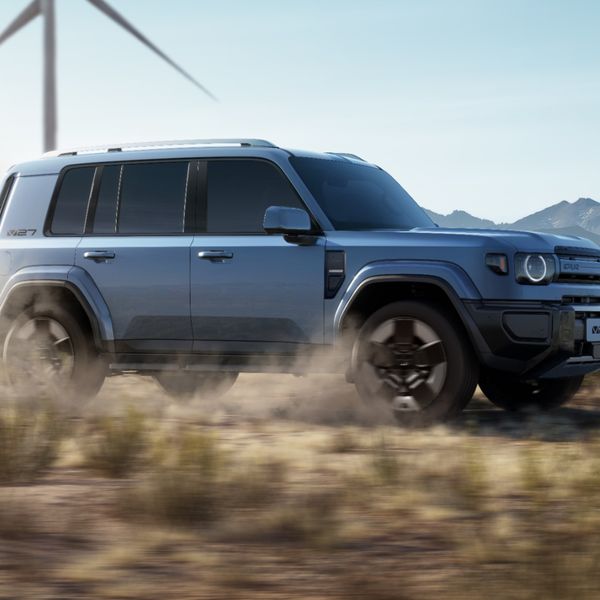
Any electrified non-BEV could potentially fall within the scope of Chinese tariffs – any such move would affect the bestselling Jaecoo 7 and BYD Seal U models as well as popular PHEV cars like the MG HS.
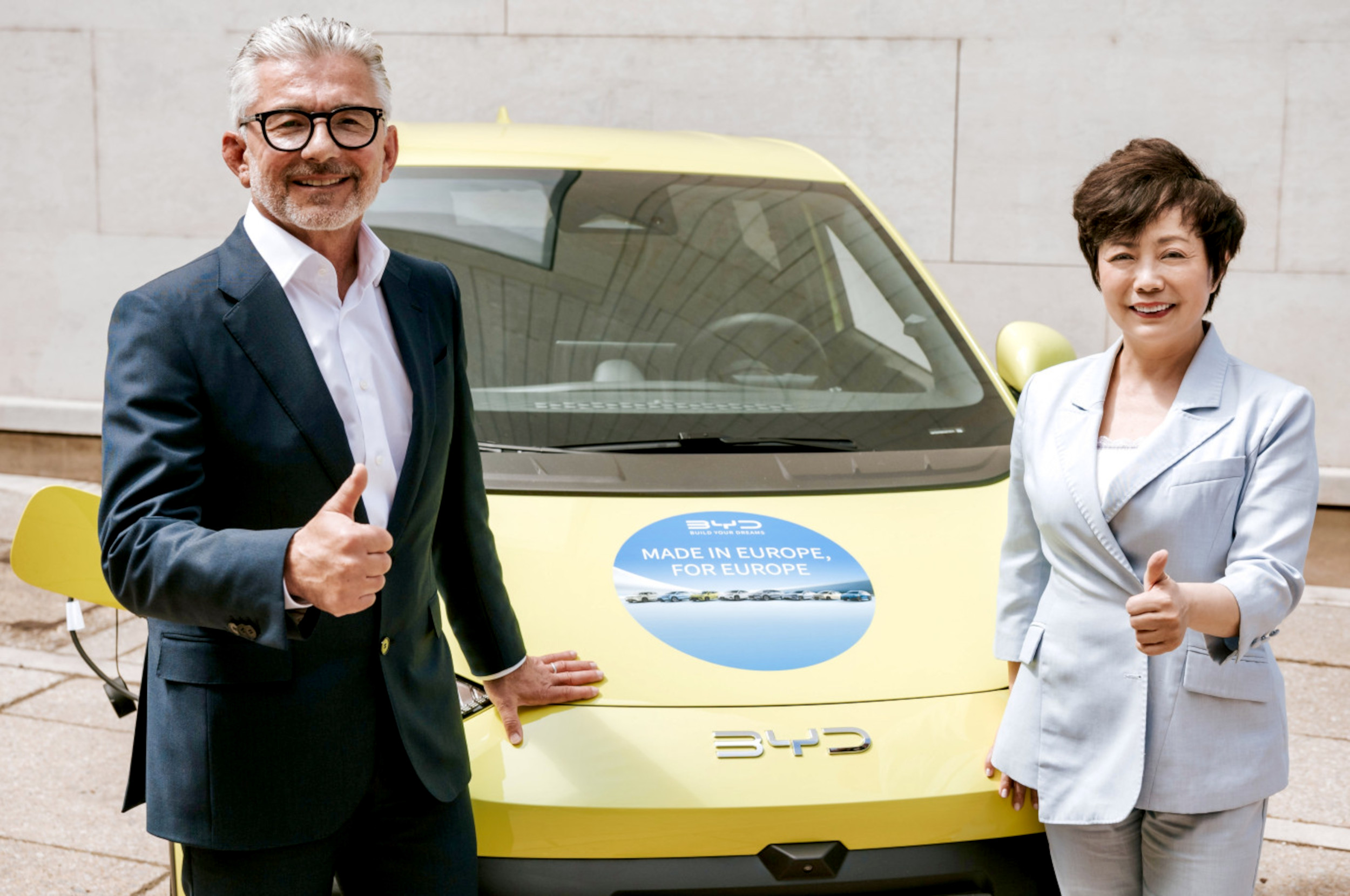
The measures are what lies behind recent announcements like Ford and Geely's agreement to build cars together in Spain, Leapmotor and Opel/Vauxhall jointly developing cars and building together (also in Spain), as well as Chery in discussions with Nissan to use spare capacity in Sunderland and BYD building a new factory in Hungary (below).
What happens next?
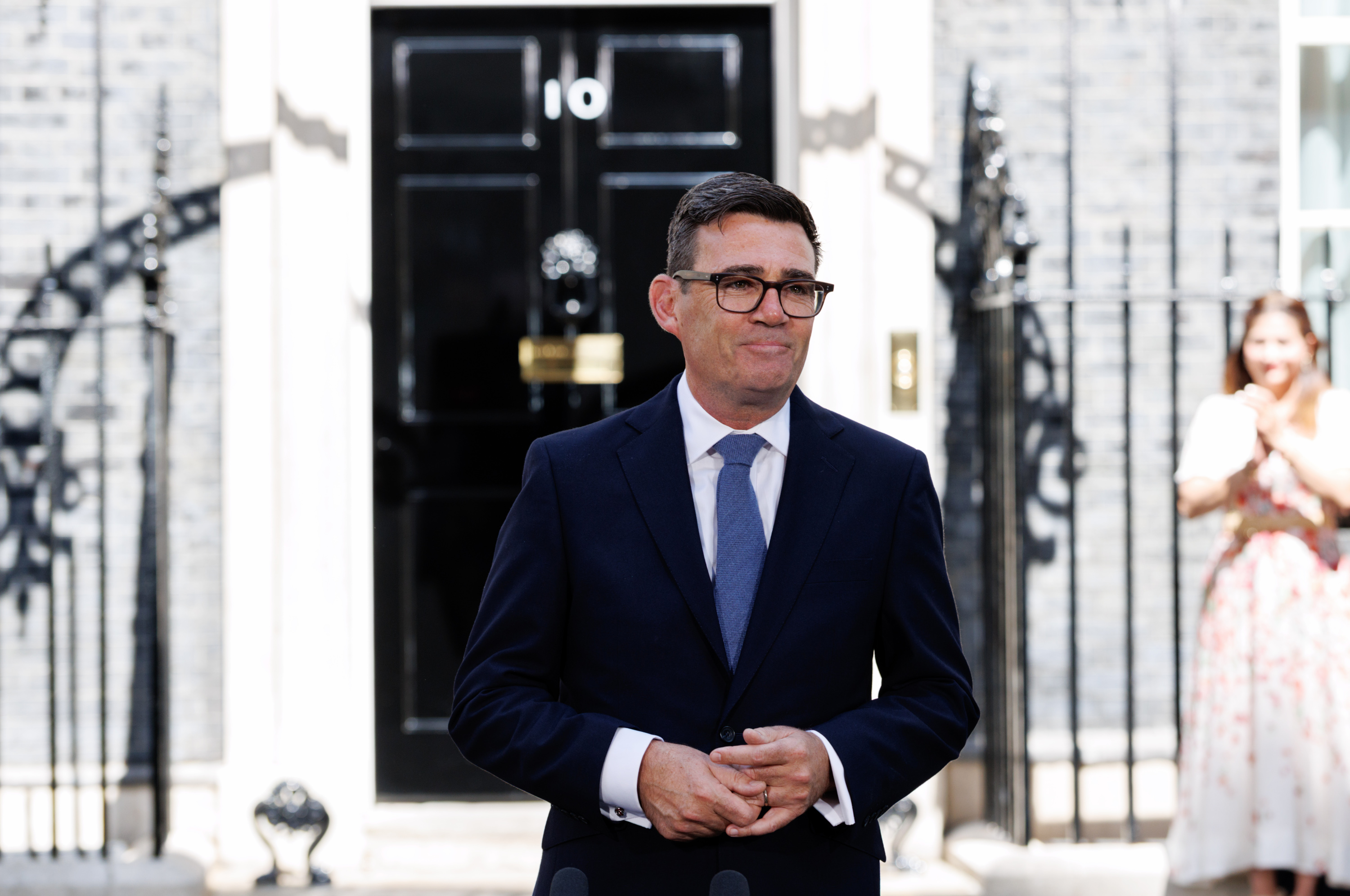
EU member states have apparently indicated that they are happy for the UK to be considered within the scope of the Made in Europe rules, but only if it is closely aligned on trade and tariffs. So prime minister Andy Burnham has a tough call to make on who he'd like to upset the least – the European Union or the Chinese government.
The EU and UK have until the end of the year to come to an agreement, because that's when post-Brexit tariffs were postponed to.
The story so far
12 October – EU moves to limit Chinese hybrid car numbers
China and the EU have come to an agreement on reducing the numbers of hybrid and plug-in hybrid Chinese cars imported into the region. The move will involve further discussions on other areas, but doesn’t impact EV imports, although those will still attract tariffs.
13 October – pressure on the UK increases
It emerged that the UK is being put under pressure to introduce tariffs on Chinese imports amid wider negotiations to restore some of the things that were lost post-Brexit.
14 October – UK pushes back
Business secretary Jonathan Reynolds said that the UK would be making its own decisions on trade with China, but left some wriggle room by saying that the matter was “under review”.
15 October – France and Germany willing to compromise?
EU member states could be willing to allow the UK to be part of the Made in Europe scheme within the scope of the car industry – which means British ministers have a tough choice to make. EU or China?