





It’s been nearly seven months since Volvo first discovered a problem with the batteries it was putting into its EX30 models build in China – an email that impacted the Christmas holidays for Volvo drivers across the world who were suddenly told their car was at risk of fire.
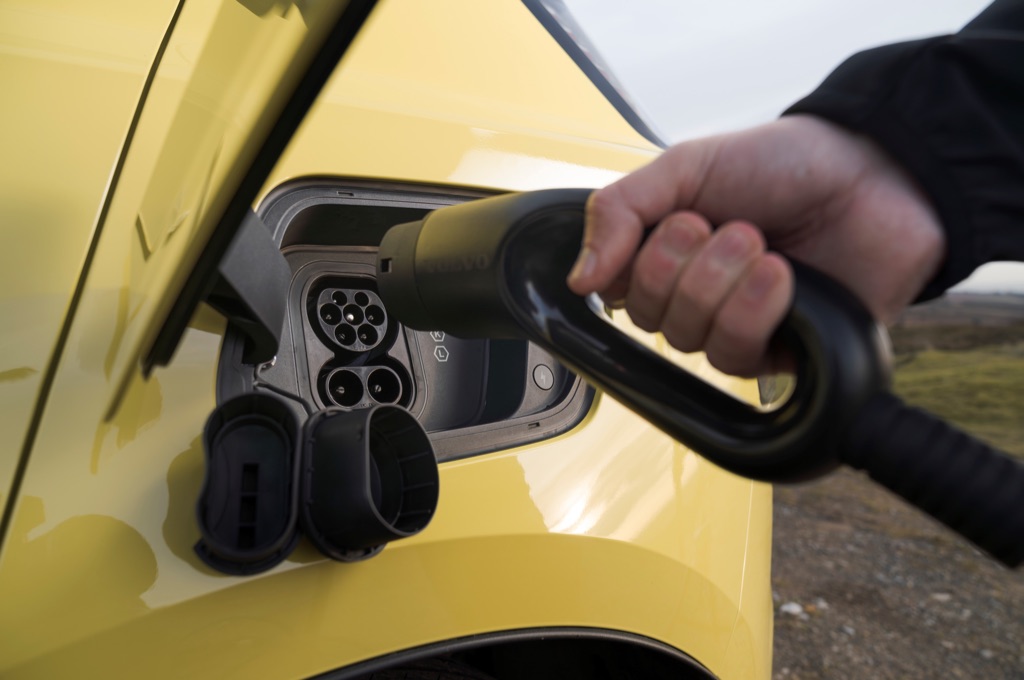
Since then, over 10,000 EX30 owners in the UK (almost 40,000 globally) with Single Motor Extended Range and Twin Motor Performance models built between 2024 and 2026 have been told not to charge their car past 70% or even to charge it under cover, with little to no communication from the Swedish carmaker.
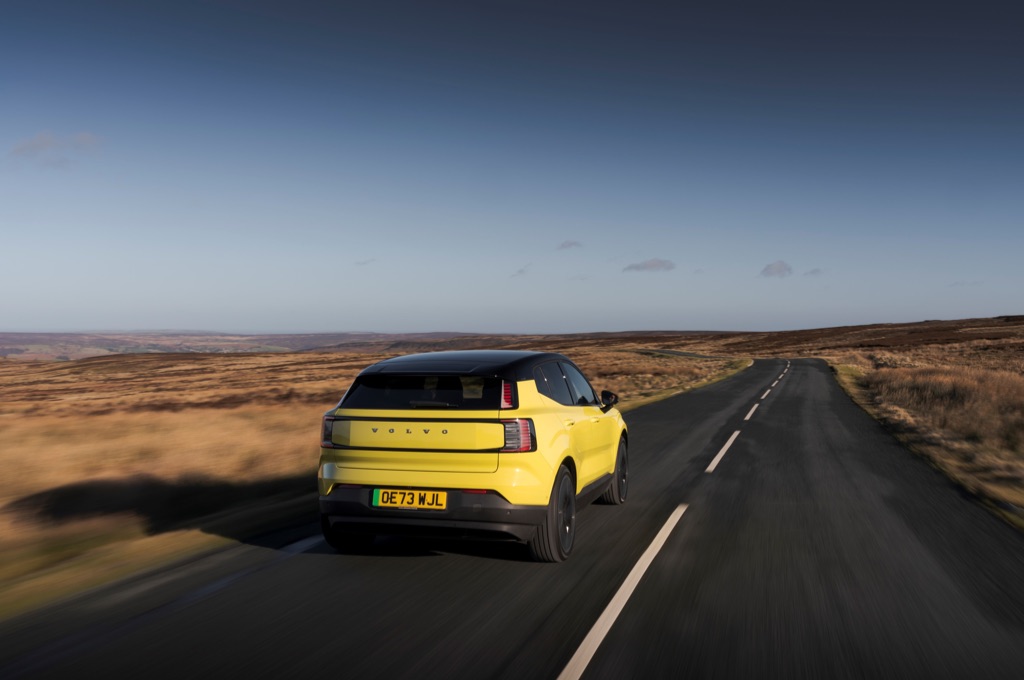
It must be frustrating watching a car company market its latest electric car, the EX60, before it has even sorted the problems with the last one.
Will the same thing happen all over again? Volvo says not: “Our component suppliers undergo a rigorous selection and validation process to ensure they deliver to our leading standards for both quality and safety. We are confident in our choice of suppliers for the EX60.”
But you would have imagined the company thought the same thing about the EX30 in 2024.
Electrifying readers have been getting in touch for months talking about the stress the issue has caused and saying that Volvo hadn’t been helpful in meeting their concerns.
When I’ve raised readers’ concerns with Volvo I’ve been repeatedly told that they should get in touch with the company’s customer care line, but calling the helpline or getting in touch with dealers has been a fruitless exercise for them.
We spoke to one driver who uses their car for work and family trips that have been badly impacted by the need for extra stops that weren’t necessary before. They felt badly let down by the experience and said they wouldn’t consider another Volvo.
“I took my EX30 in for a service last week and the people at the dealership didn’t know anything about a fix,” they said. “Month after month with reduced battery and no communication from Volvo.”
I was told last month in mid-June by a spokesperson that the company was finally replacing batteries on the affected cars, but it’s only this week in mid-July that Volvo has finally emailed some customers to say that it is ready to make the repairs.
For months, the same statement issued that the company is “working tirelessly” and that the repair rate will “ramp up in the coming weeks”. Why the delay? Volvo blames the supply chain and import rules for batteries, without seeming to have a handle on the process.
It struck me recently that Volvo hasn’t actually apologised to the customers affected (aside from a meaningless ‘we’re sorry if there’s been any inconvenience’ message) – something I put to both Volvo UK and the company’s Swedish headquarters, but no one took up the opportunity.
Perhaps the most striking part of the whole debacle is that this has been a distinctly hardware problem in a newly software-driven world. Carmakers have quickly grown used to fixing their boo boos with an over the air update, but you would have thought that a parts fix would be the easiest thing in the world to effect.
Jaguar I-Pace owners have been going through a similar issue with their cars and found that the company doesn’t have time for them while it undergoes its electric makeover.
Don’t get me wrong – the EX30 is a great car, and the European-built versions are all trundling round with 100% of their battery capacity available. But there are 10,000 people in the UK who will certainly think twice about getting another…


.jpg?width=600&height=600)