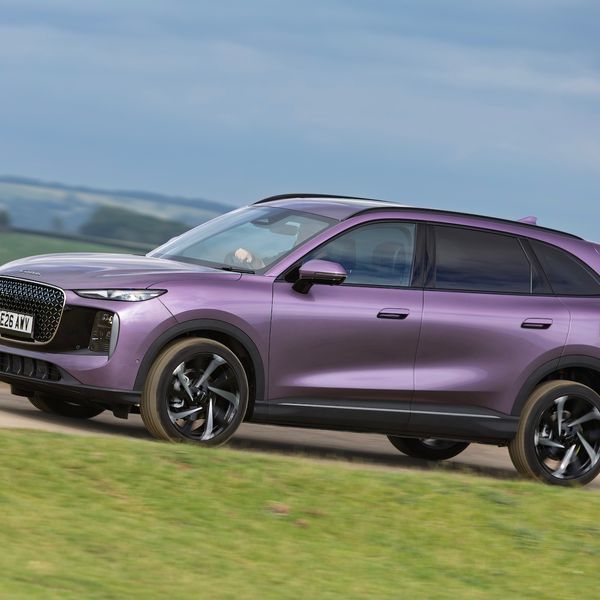






If you have a car, then the idea of being able to fuel it for free is going to seem very attractive, especially with petrol prices at the current highs. Even electric car drivers will love the idea of being able to top up their battery for zero cost.
Thousands of drivers are already doing this by using solar panels on their home, but there is a reason that not all of us have them – the up-front cost of the installation. But there is a way you can fund them in a way that they will pay for themselves – and you might even make a profit.
By borrowing smartly against your home and possibly using special ‘green’ offers from mortgage companies, the monthly savings from lower electricity bills will normally cancel out the cost of borrowing. The value of your home will also increase, and it will be more desirable when you want to sell, according to experts.
This might sound too good to be true, but a few minutes with a spreadsheet proves otherwise.
The energy savings
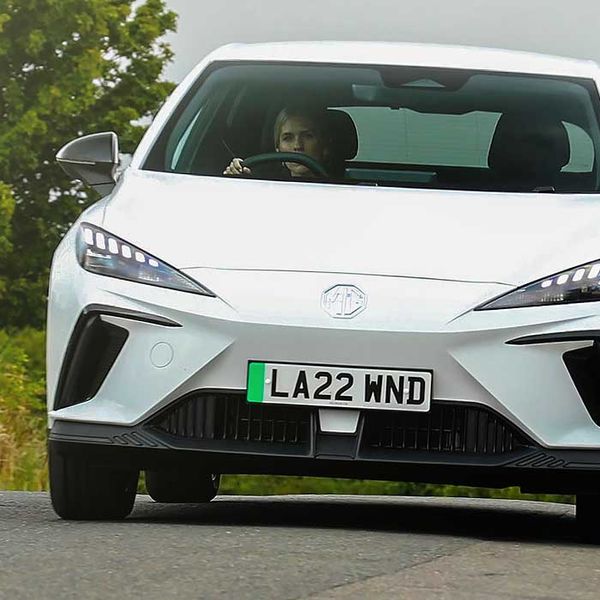
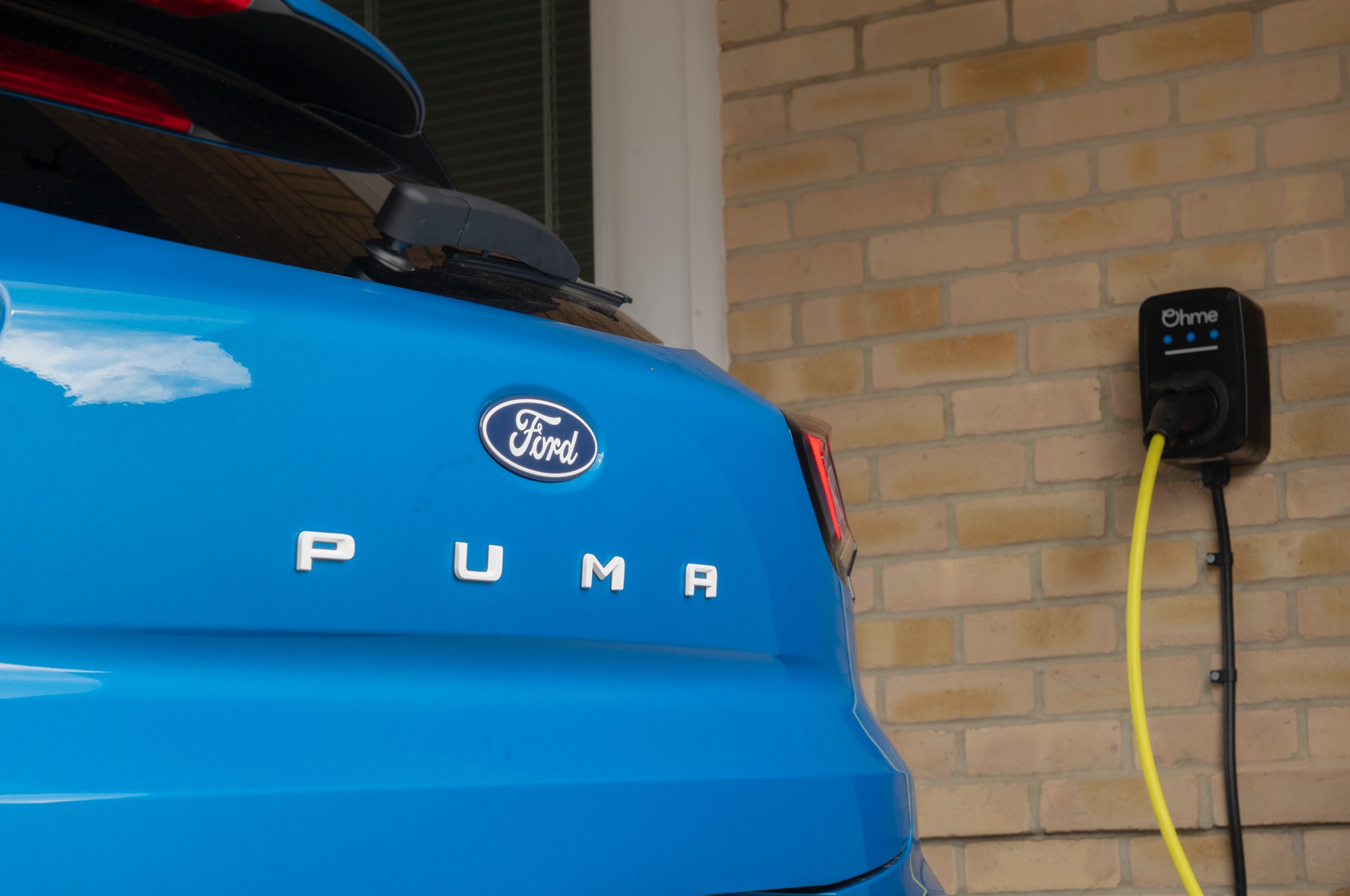
For an EV owner driving a family size electric car such as a VW ID.3 with a real world efficiency rate of 3.8 miles per kWh, covering 8,500 miles every year and charging exclusively at home would add an extra 2,236kWh to an energy bill – that’s £48.65 extra per month at the current standard Ofgem price cap rate of 26.11p per kWh.
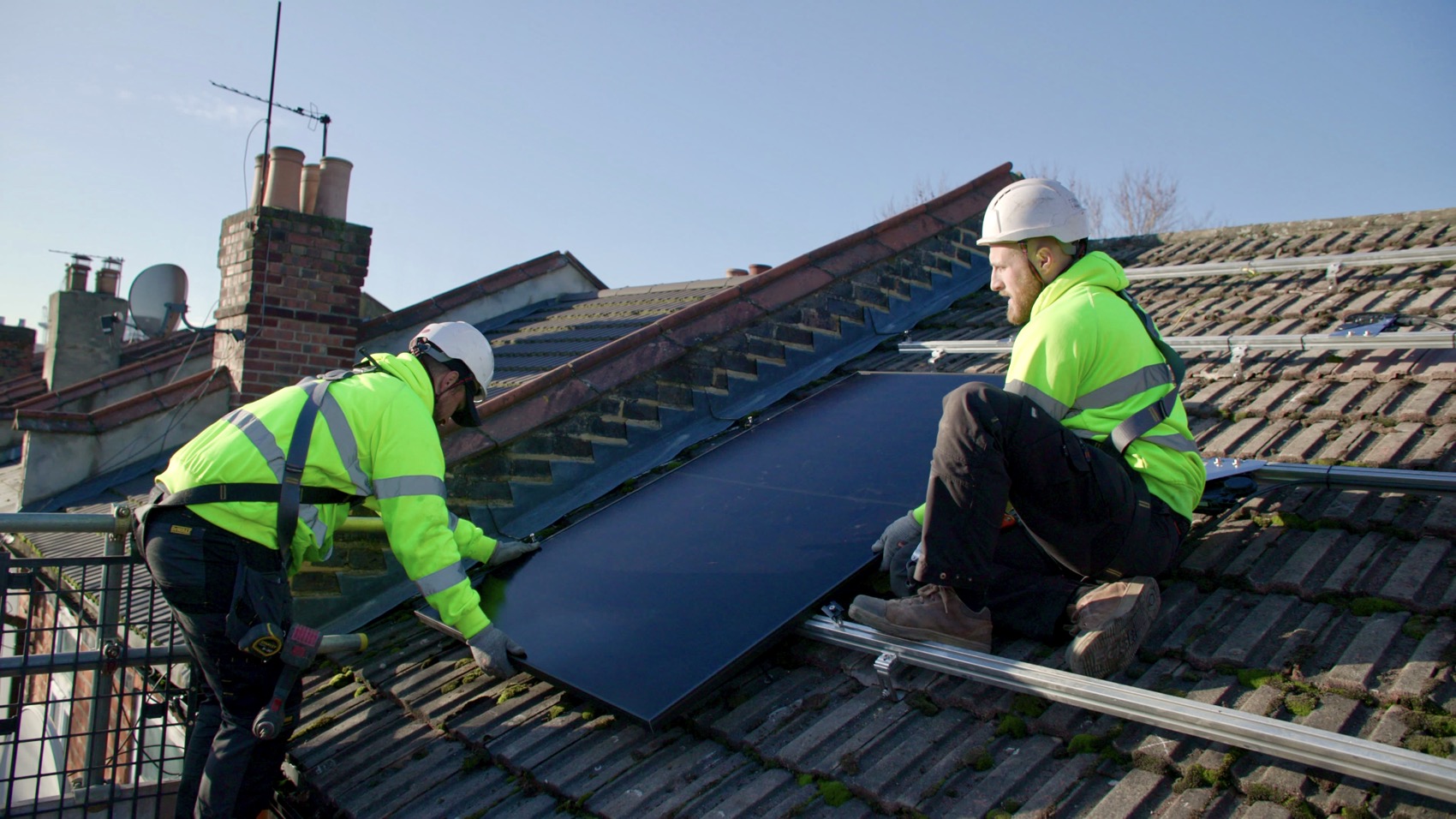
Installing a typical 4kW solar array plus a 7kW home EV charger will cost around £7,500. Add this to a remortgage or as an add-on loan over 25 years at the current interest rates, that represents a monthly increase of approximately £35–£45 in your payments. This 4kW solar array will generate around 3,400 kWh a year, saving £887.74 a year, or £73.98 per month.
Monthly repayment on £7,500
Standard remortgage at 4.5%, over 25 years = £42
Green deal add-on borrowing at 4.19%, over 25 years = £39
The bonus when you sell
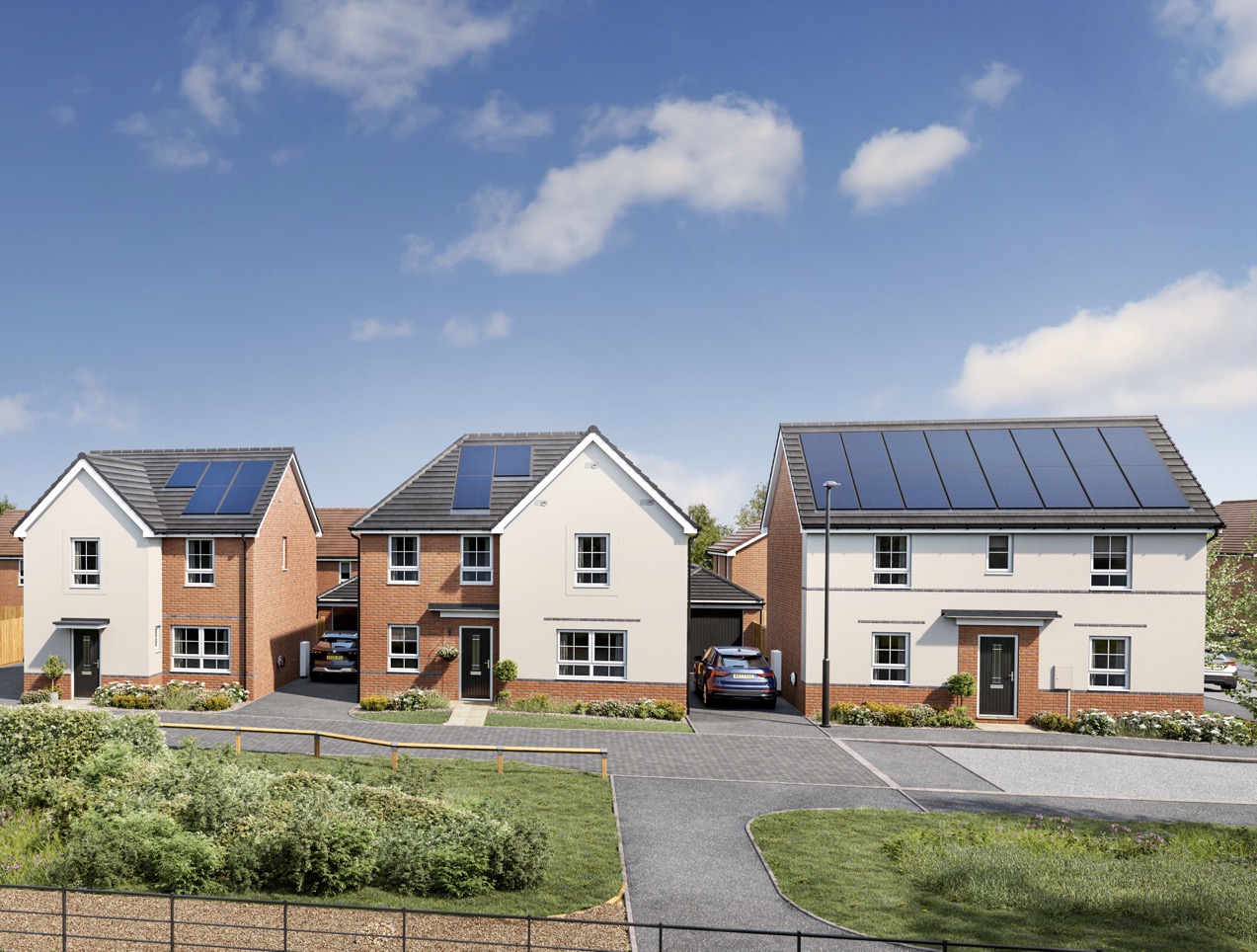
According to research from Vauxhall, 40% of all UK drivers now consider EV charging access an important factor when buying a home — a figure that rises to 84% among current EV owners. A third of drivers say they would actively avoid a property without accessible charging.
Saddat Abid is CEO of Property Saviour, which buys and sells hundreds of UK homes each year. He says: " In the past year, the questions buyers ask on viewings have shifted noticeably. An EV charger used to be a nice extra. Now it's a tie-breaker. When two similar properties are competing for the same buyer, the one with the charger wins. We've watched it turn a 'maybe' into a 'yes' more times than I can count."
He also says there is a noticeable bump in the value of houses with solar and chargers: “Research consistently shows a home EV charger can add up to £5,000 to a property's sale price. Solar panels can add up to £11,000. Together, the potential resale uplift is up to £16,000 on a combined outlay of £6,500–£8,800. That means the equity created by the upgrade can exceed the borrowing from the day it's installed — before a single journey is made or a single electricity bill arrives”
Where can I get these mortgage deals?
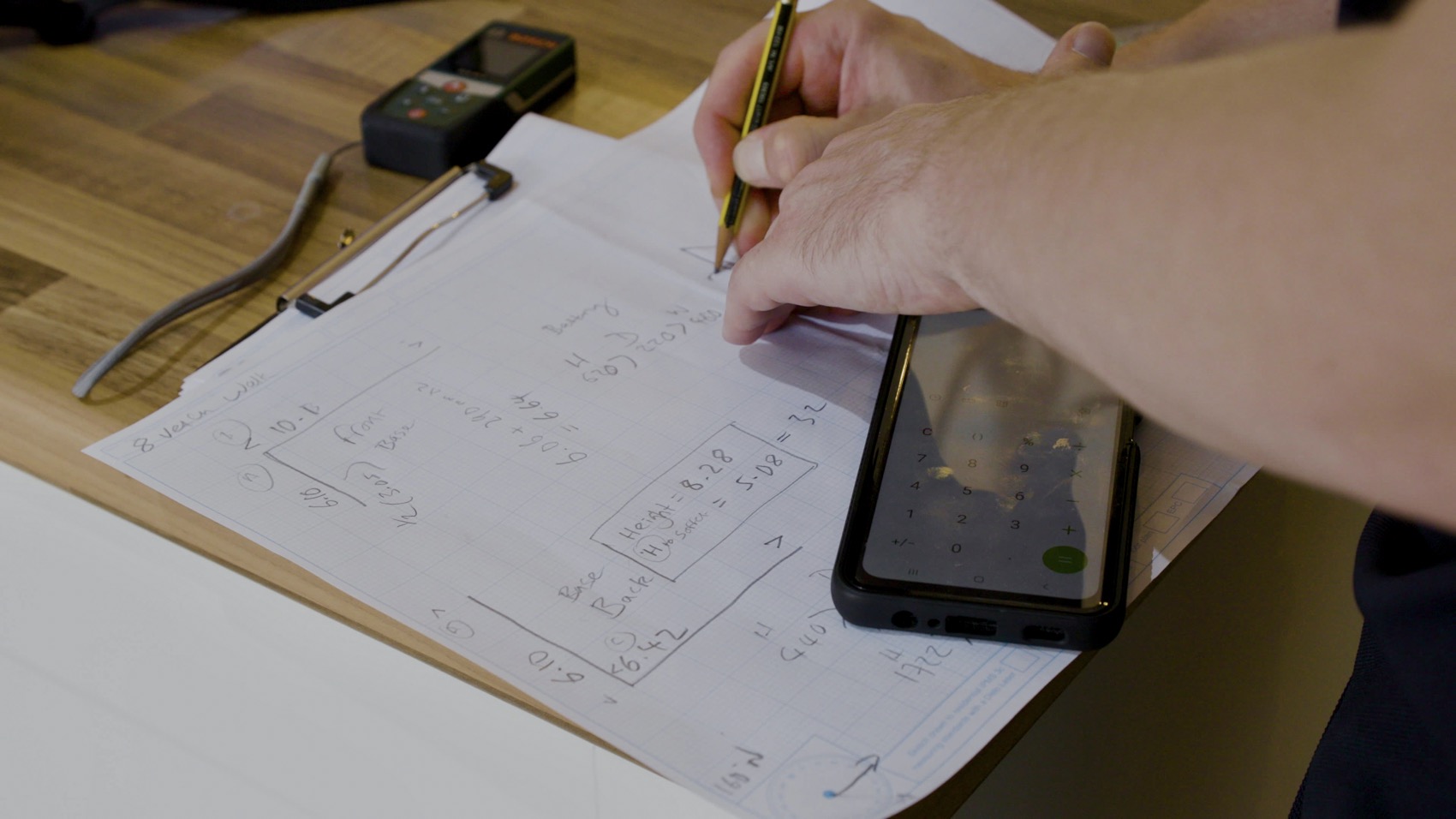
An estimated 1.8 million UK fixed-rate mortgages are expiring in 2026, according to UK Finance. For homeowners already renegotiating their deal, adding a small amount of additional borrowing to cover solar panels and a home EV charger is small beer when spread over the life of the mortgage.
Several of the UK's largest lenders are also actively encouraging these ‘green’ additions with special offers which give preferential rates or cashback. For example:
- Nationwide offers 0% interest green additional borrowing of £5,000–£20,000 for the first two or five years, with 100% of funds. This will work out more per month than spreading the cost over the life of the mortgage, but it will work out much cheaper in the long run if you can afford it.
- Leeds Building Society launched a green additional borrowing product in November 2025 at 4.19%
- Halifax and Lloyds offer up to £1,000 cashback on solar installations and up to £2,000 for broader green home upgrades for eligible mortgage customers
- Barclays offers up to £2,000 in Greener Home Reward cashback for residential mortgage holders who install qualifying technologies
Most lenders will require the work to improve the home’s official EPC rating or involve approved energy-saving technologies, and many green mortgage rates are only available if the property already has an EPC rating of A or B.
What about leasing solar panels?
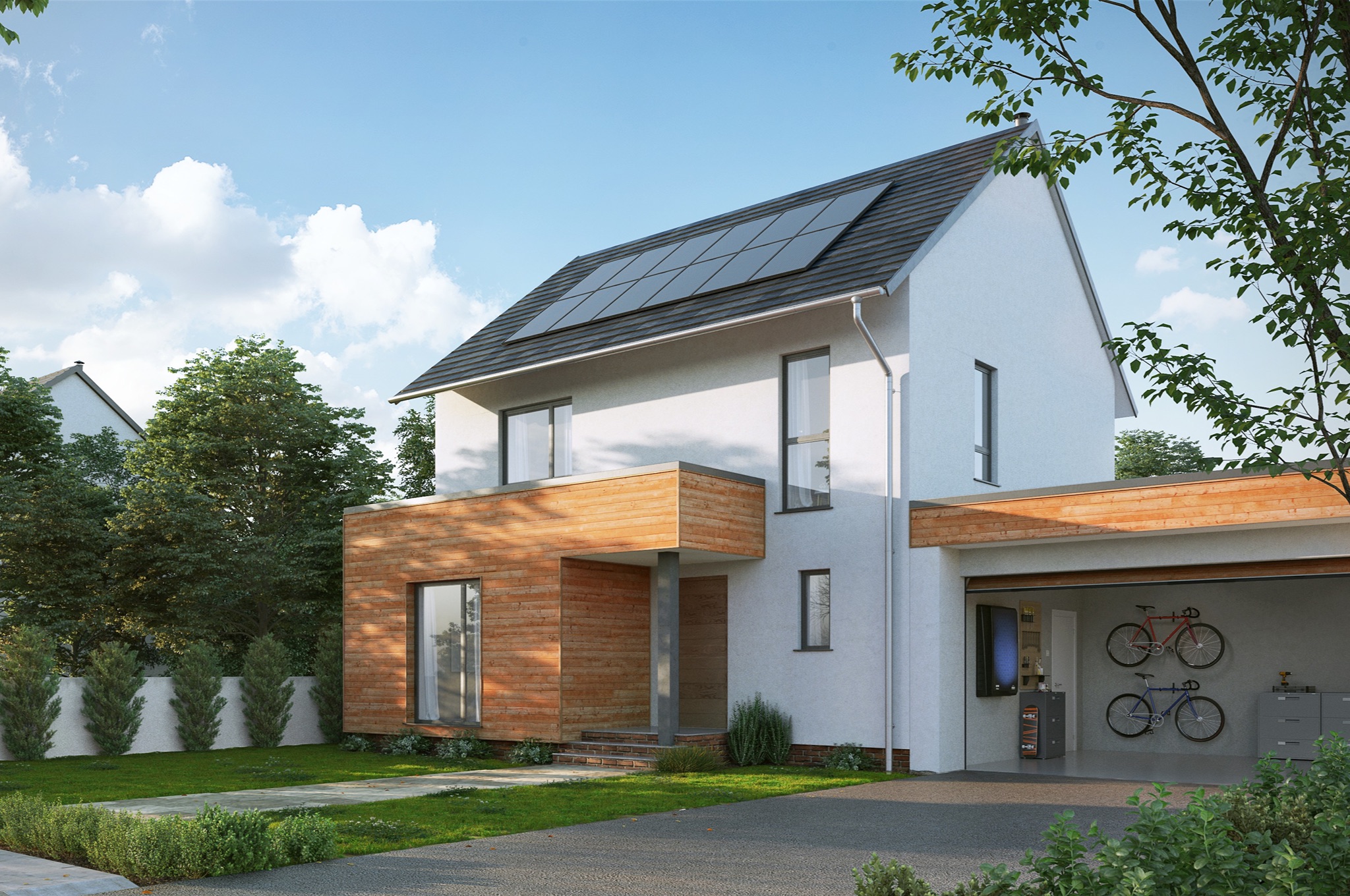
On the face of it, leasing the panels can seem like a great idea. A provider takes on all the upfront cost and you get to keep all the power you can use. But leasing the solar will prove complicated when you come to sell as it is a potential red flag for mortgage lenders and a headache for conveyancers.
Buying the panels using mortgage funding means you can benefit from the full increase in the value of your home and there will be no complications.
Will these sums work for everyone?
Not necessarily. If you are out all day (with your car) then you won’t be there to soak up the power produced by the panels. You can feed it into the grid and get some payments or try to use it on laundry, but you won’t be able to make the most without making a further investment in battery storage.
Shifting your charging to overnight rates will also change the figures. If you top up the car using only a smart tariff costing 8.5p per kWh then you will pay just £15.84 to fuel the car every month. But your daytime rate will be higher – currently around 32p per kWh. If your usage in peak hours is currently high and can be swapped to solar, you will be quids in again. It’s worth looking at your bills and doing your own sums.
Also bear in mind the time remaining on your mortgage. If you are older and only have a few years left to pay then the monthlies will be higher – but you will be paid off sooner. If you are lucky enough to have already become mortgage free then consider using savings funds if you have them – the return on solar versus paying bills and keeping the cash in the bank is almost certain to be better.