


 Battery size: 85 kWh
 Range: 350-380 miles
 Max charge rate: 320kW
 Real world range: 310-370 miles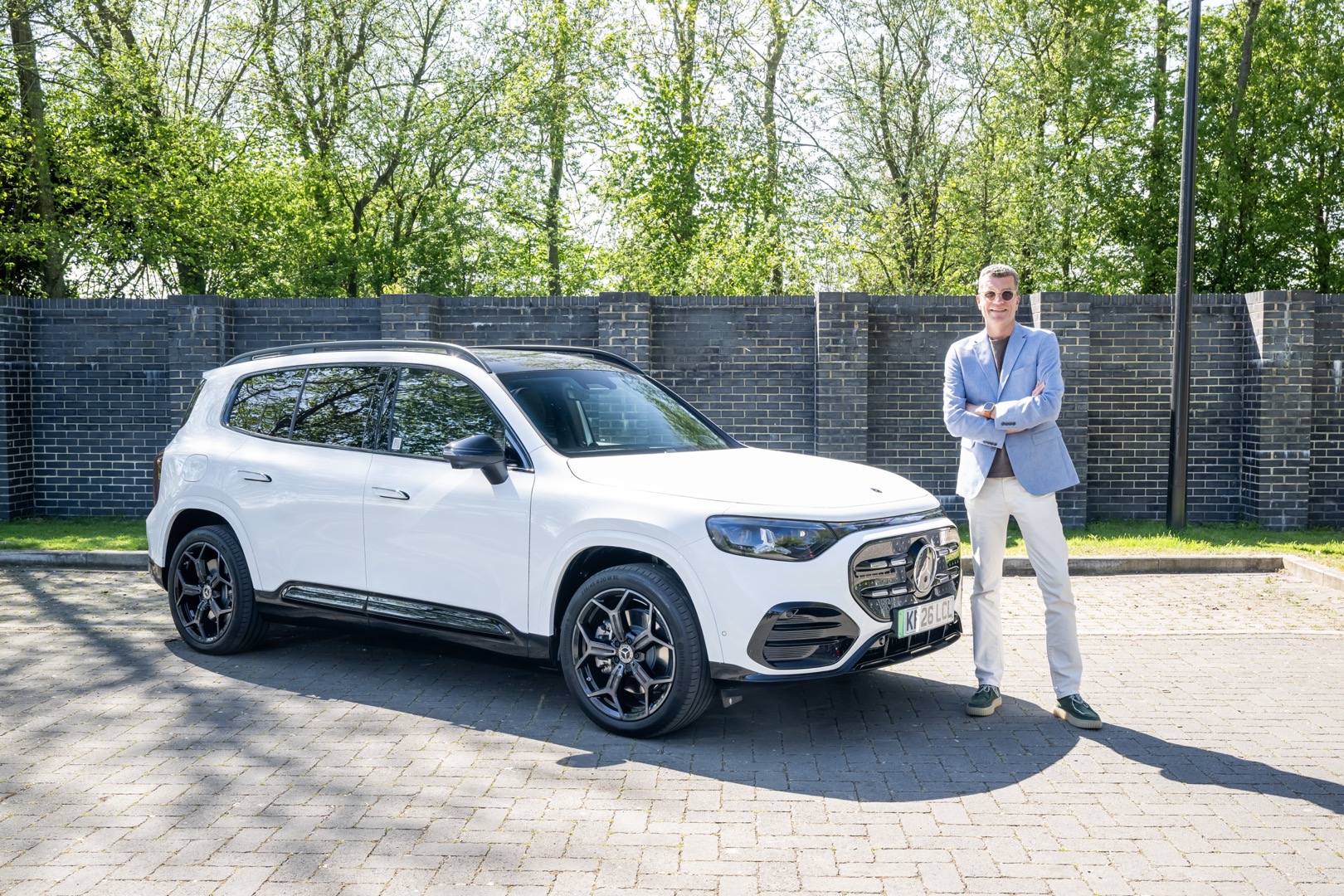



Introduction
Creating a better car than the old EQB was never going to be a particularly challenging task for Mercedes. While it was one of the first seven-seater electrics on the market, it was held back by middling efficiency, challenging looks and a pretty lifeless driving experience. It could carry seven occupants and was electric, but that was about it.
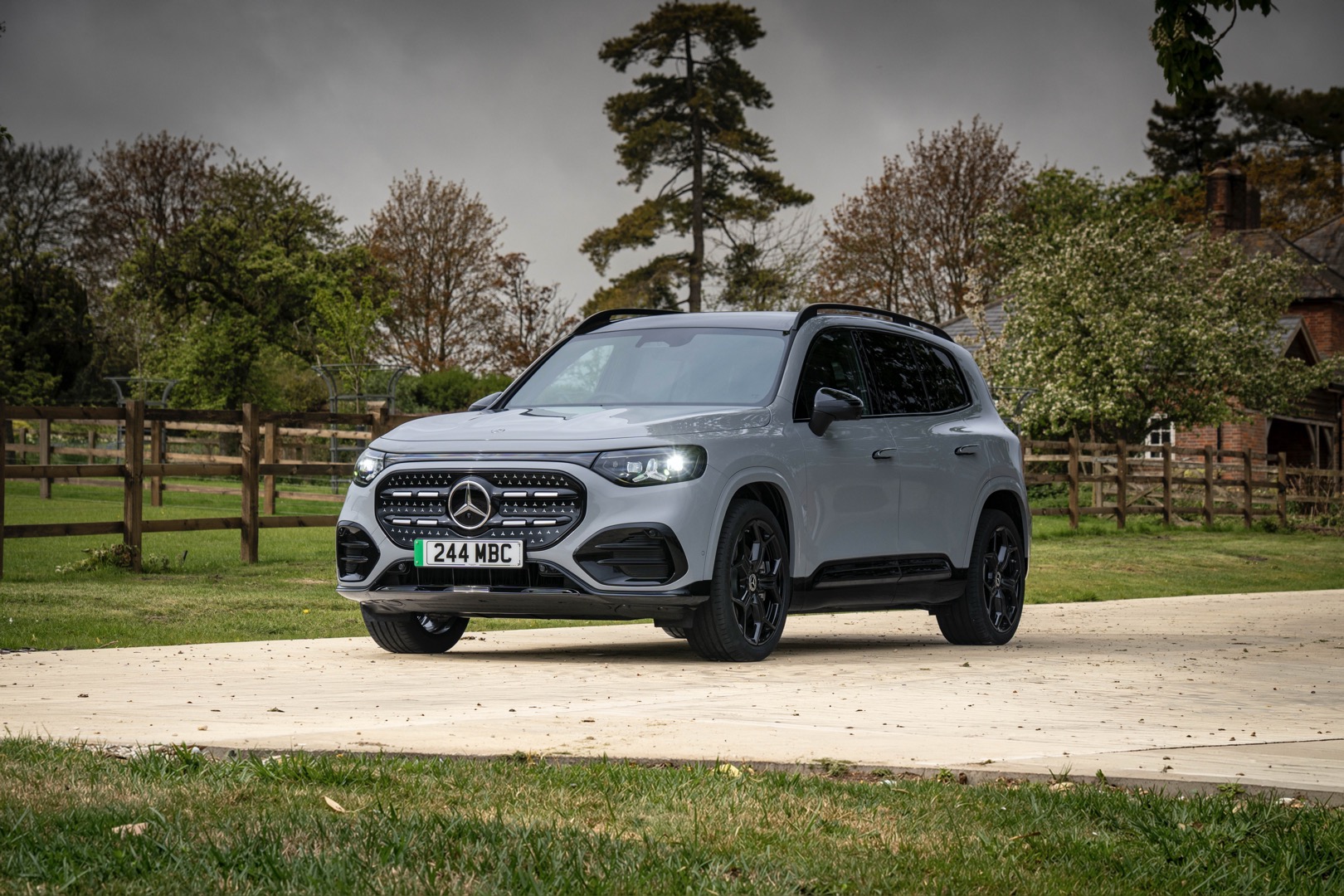
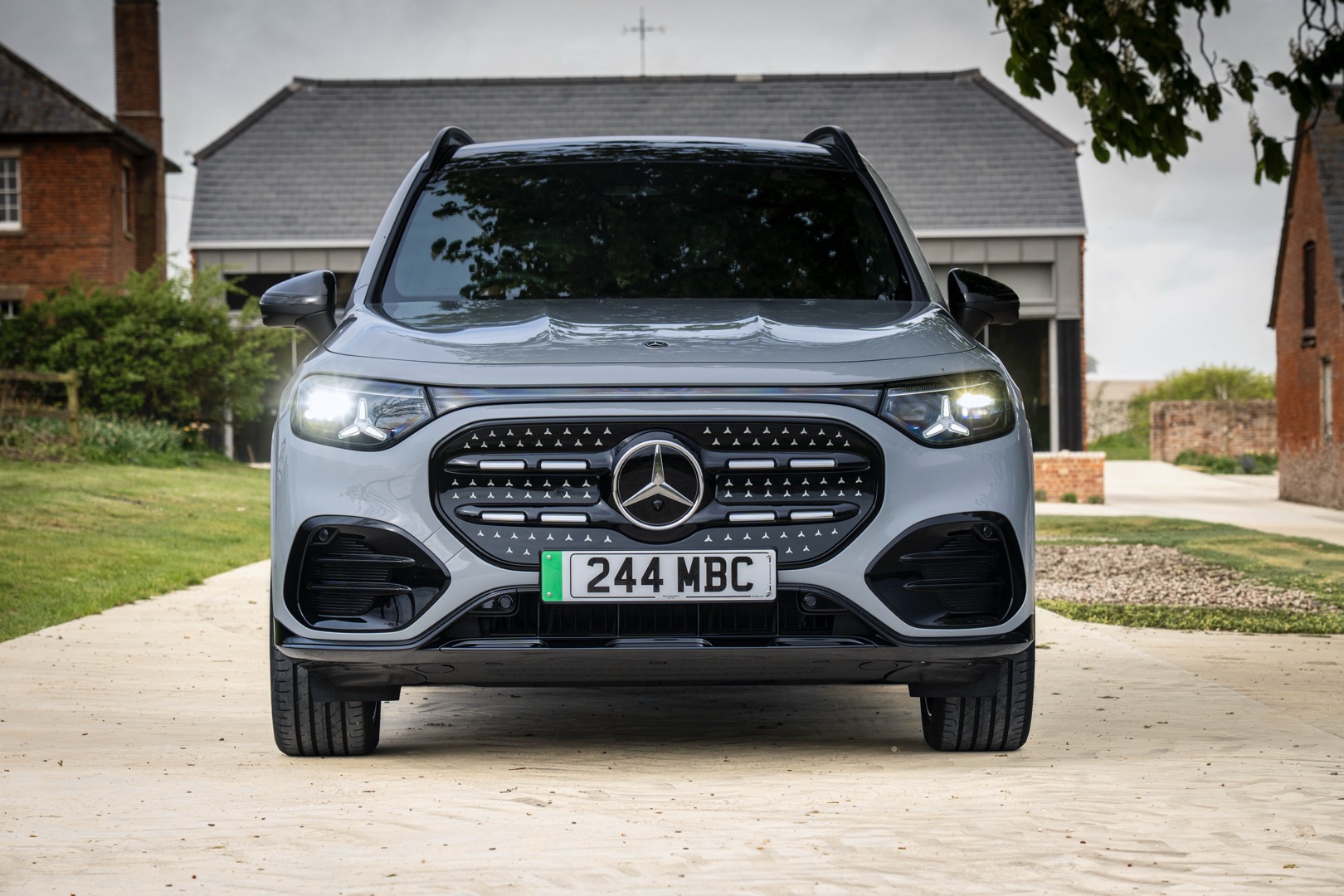
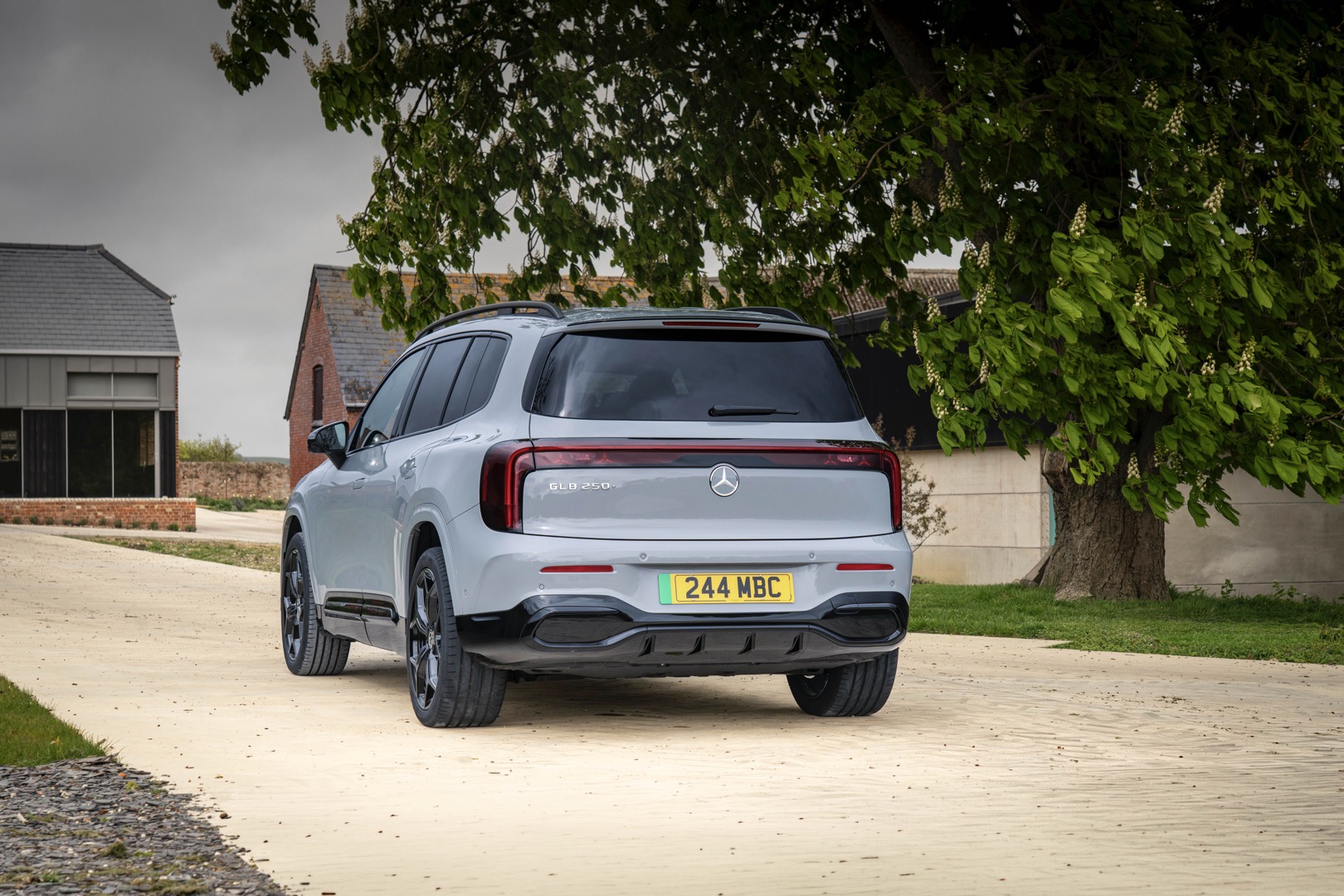
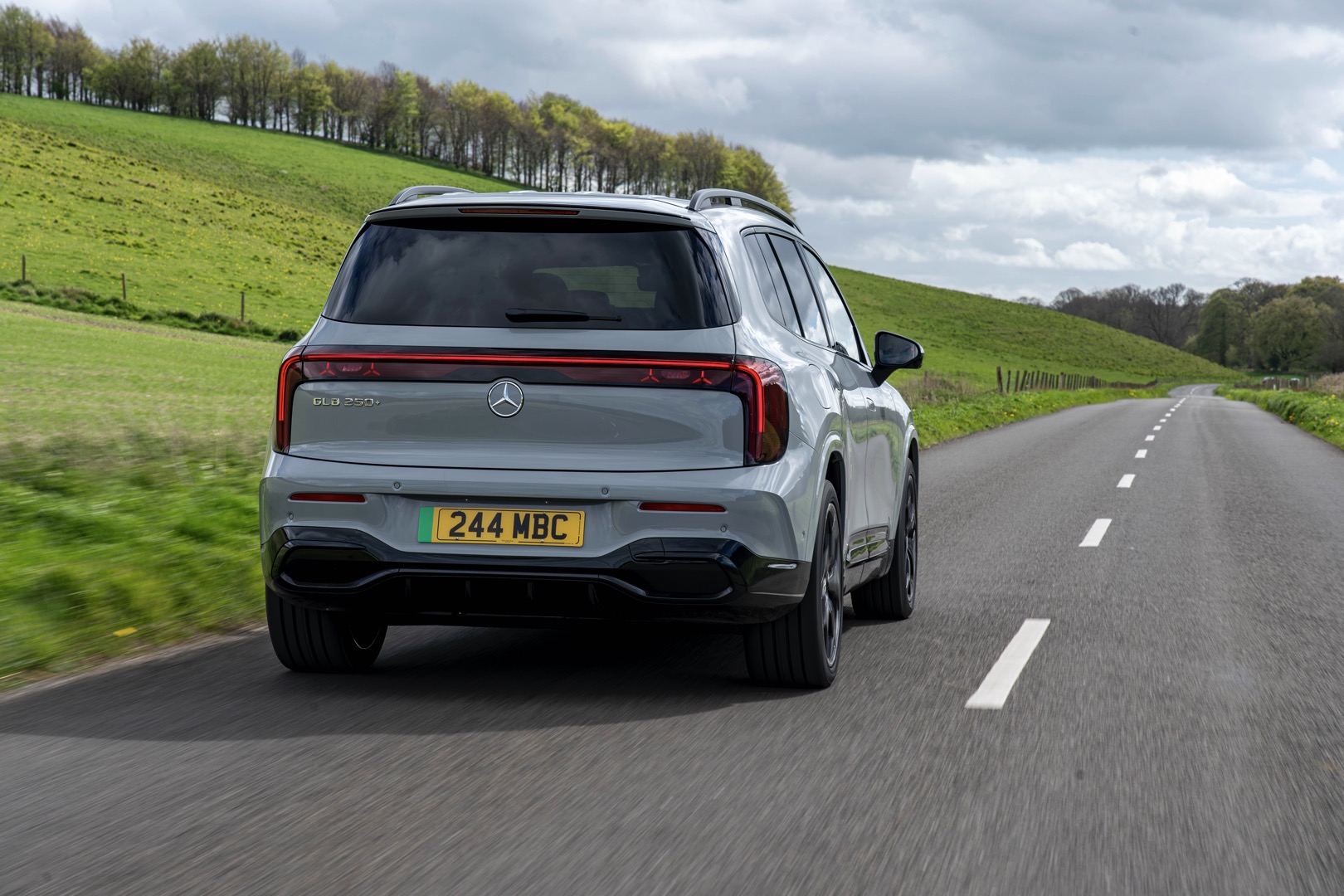
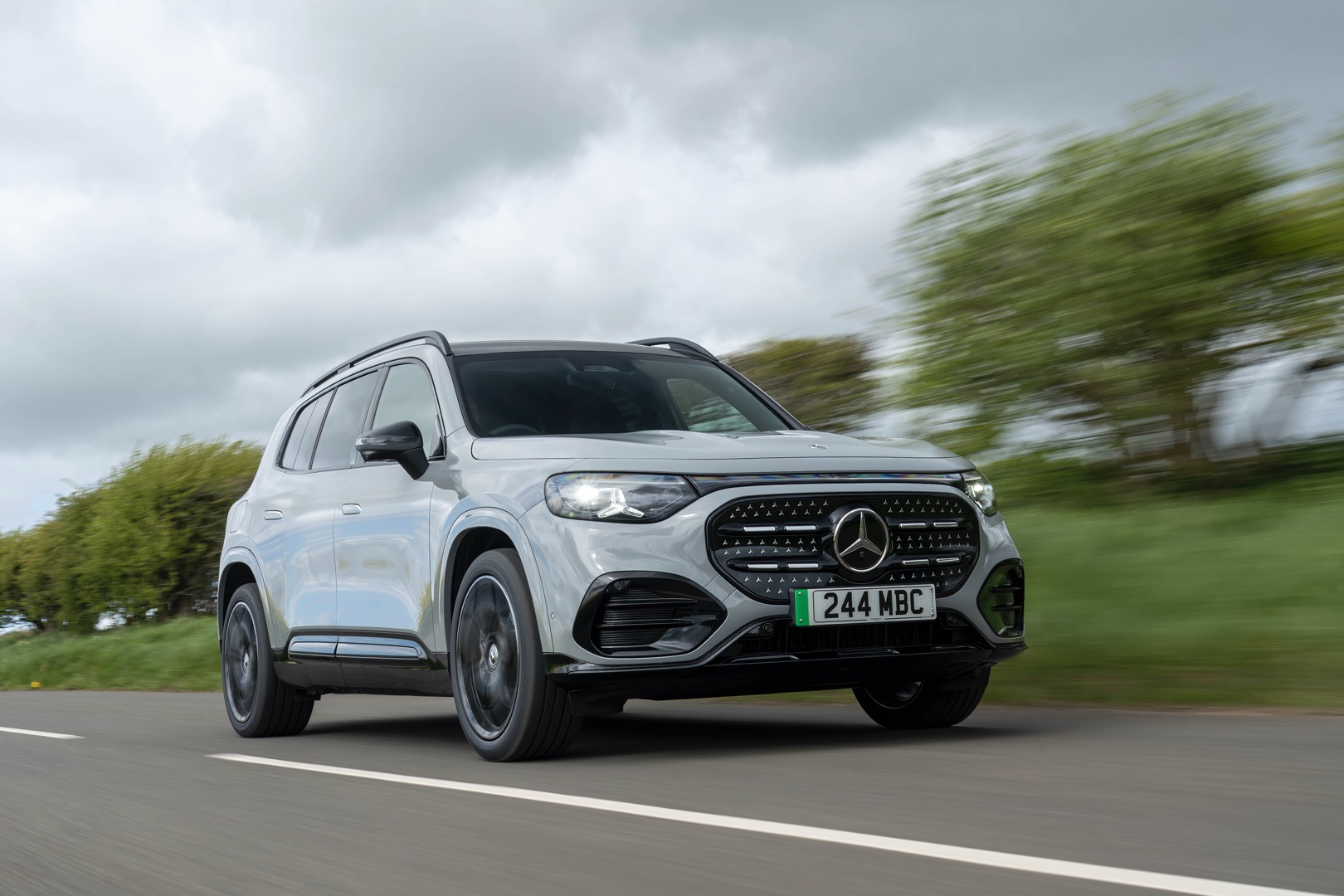
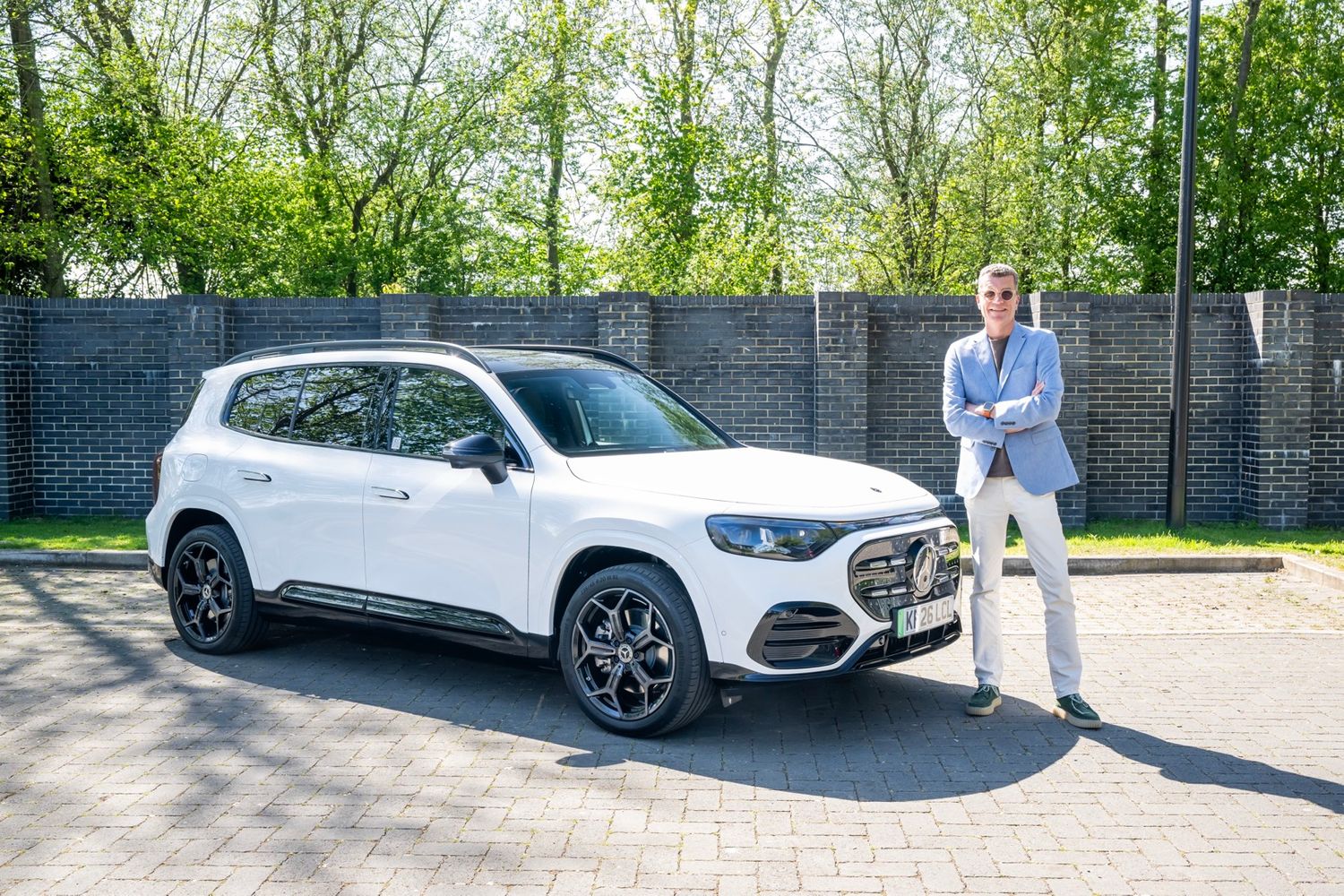
Step forward the GLB. Built on the same MMA platform as the new CLA, it plugs the same gap in the Mercedes range as the car it replaces, but promises to be one of the most advanced offerings in the sector. Available from launch in two guises: a rear-drive 250+ and an all-wheel drive 350 4MATIC, the lower powered variant can be specified in five different trim grades while those opting for the range topper can select from three.

Range, battery and charging
Both the 250+ and 350 models come with the same 85kWh usable battery pack and run on an 800 volt electrical system. As you would expect the new pack is bigger than the outgoing one (the old GLB came with a 74kWh pack in the longer range model and, strangely, a smaller 70kWh pack in the AWD model) and delivers a useful increase in driving range. The GLB 250+ is the longest legged of the pair and offers up to 379 miles of WLTP range – a useful increase of 57 miles.
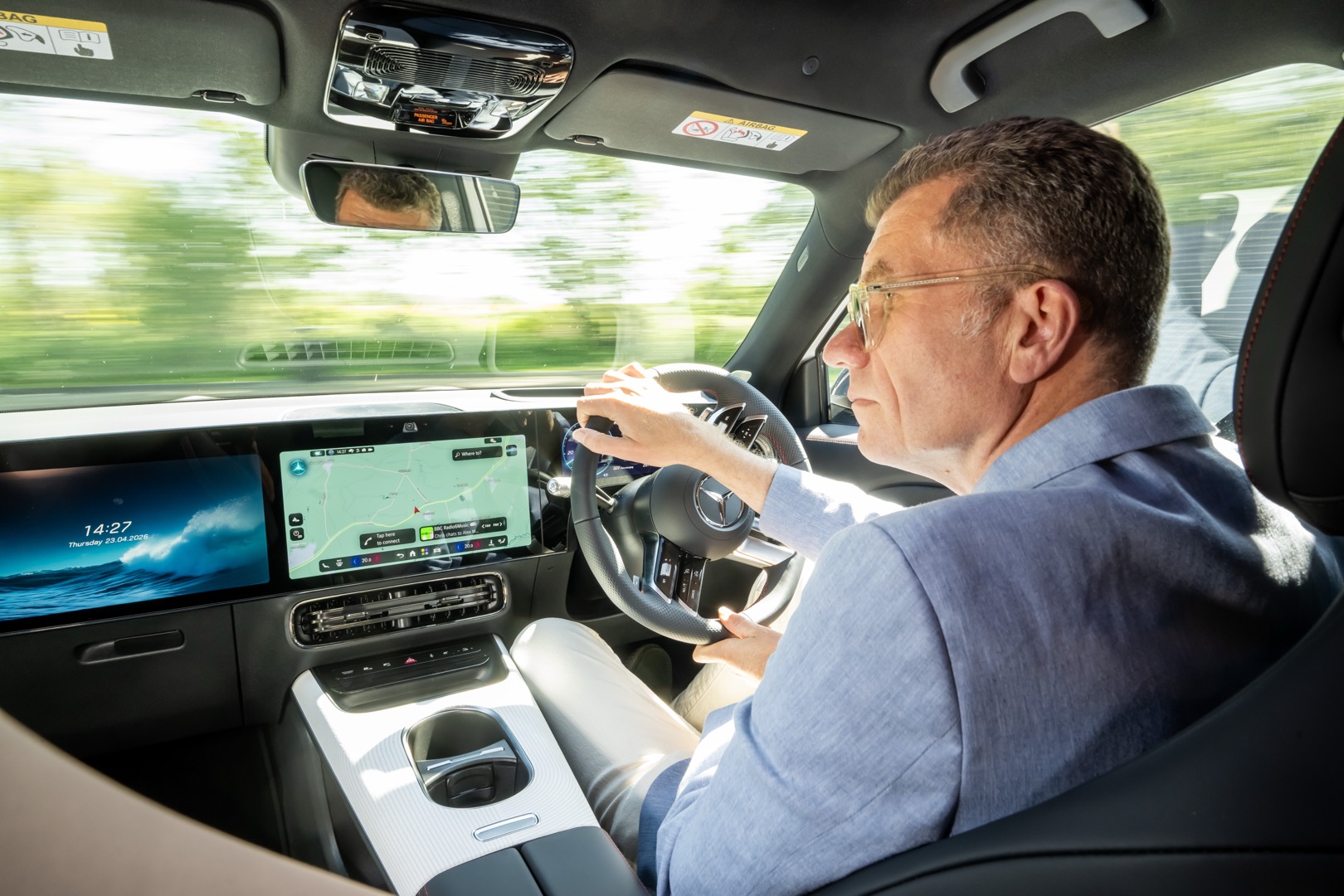
As for real-world efficiency I drove a GLB on a short route that consisted largely of 30-60mph A-roads and a fair helping of 20mph zones – which made it difficult to establish if the new GLB will match its WLTP figures. Over the course of my drive, I averaged 3.9 miles per kWh, which would translate to a 331 mile range had I continued on the same roads. We’ll need to have the car for a longer period in order to give a definitive verdict on its long distance ability.
The new model charges much quicker than its predecessor, thanks mainly to its 800 volt architecture. Where the EQB maxed out at 100kW on a DC rapid charger, the GLB supports charging at up to 320kW – which slices up to 15 minutes off the 10-80% charging time, should you find yourself at a 350kW rapid charger. Mercedes claims that 160 miles can be added in 10 minutes, which is barely time to visit the loo and order a latte.

To help achieve those speeds, the GLB comes with battery preconditioning built into the infotainment system. As with other systems, it gives you an indication of what charging speeds you could expect if you pulled over and plugged in, but it goes one step further by explaining why the speed isn’t as high as you might expect. I called up the screen during my drive (with the battery at 70%) and it told me that my peak charging speed would be around 70kW because of the state of charge already in the battery.
So it’s all good news on the charging front, then? Well, not quite. If you want to charge your GLB at a 400 volt charger, of which there are plenty still in operation on the UK network, you’ll need to stump up £850 for the optional Direct current charging system option. Although all new charger locations feature 800 volt units, in a country where there are still a number of charging blackspots, not having the ability to charge at what might be a perfectly usable DC rapid charger such as a Tesla V3 supercharger feels like an oversight.
It’s also a little disappointing that the GLB tops out at 11kW on an AC connector. With 22kW quickly becoming the default speed for new destination chargers, it’s a shame that Mercedes (and other brands) are still equipping their cars with increasingly outdated AC charging tech.
Practicality and boot space
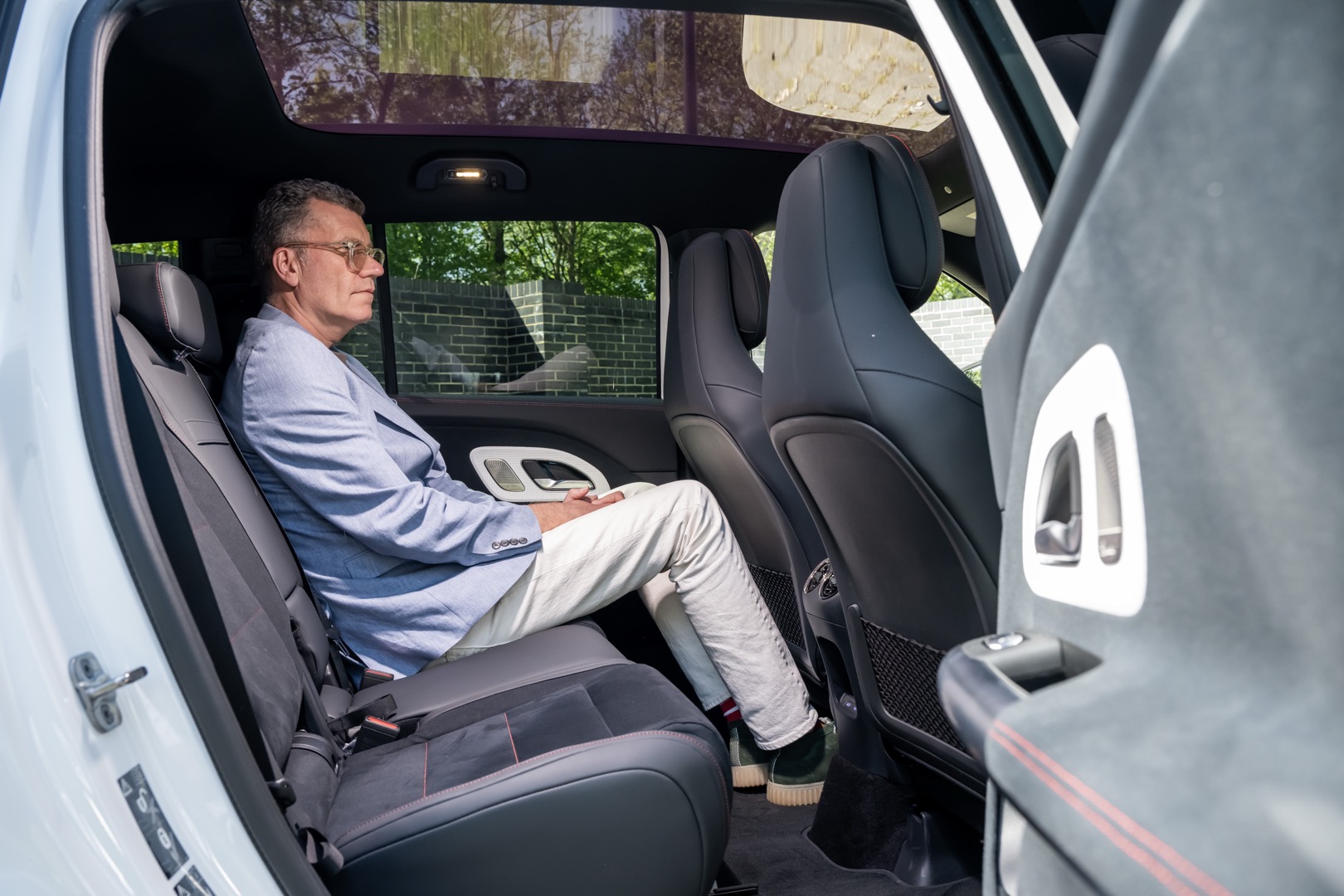
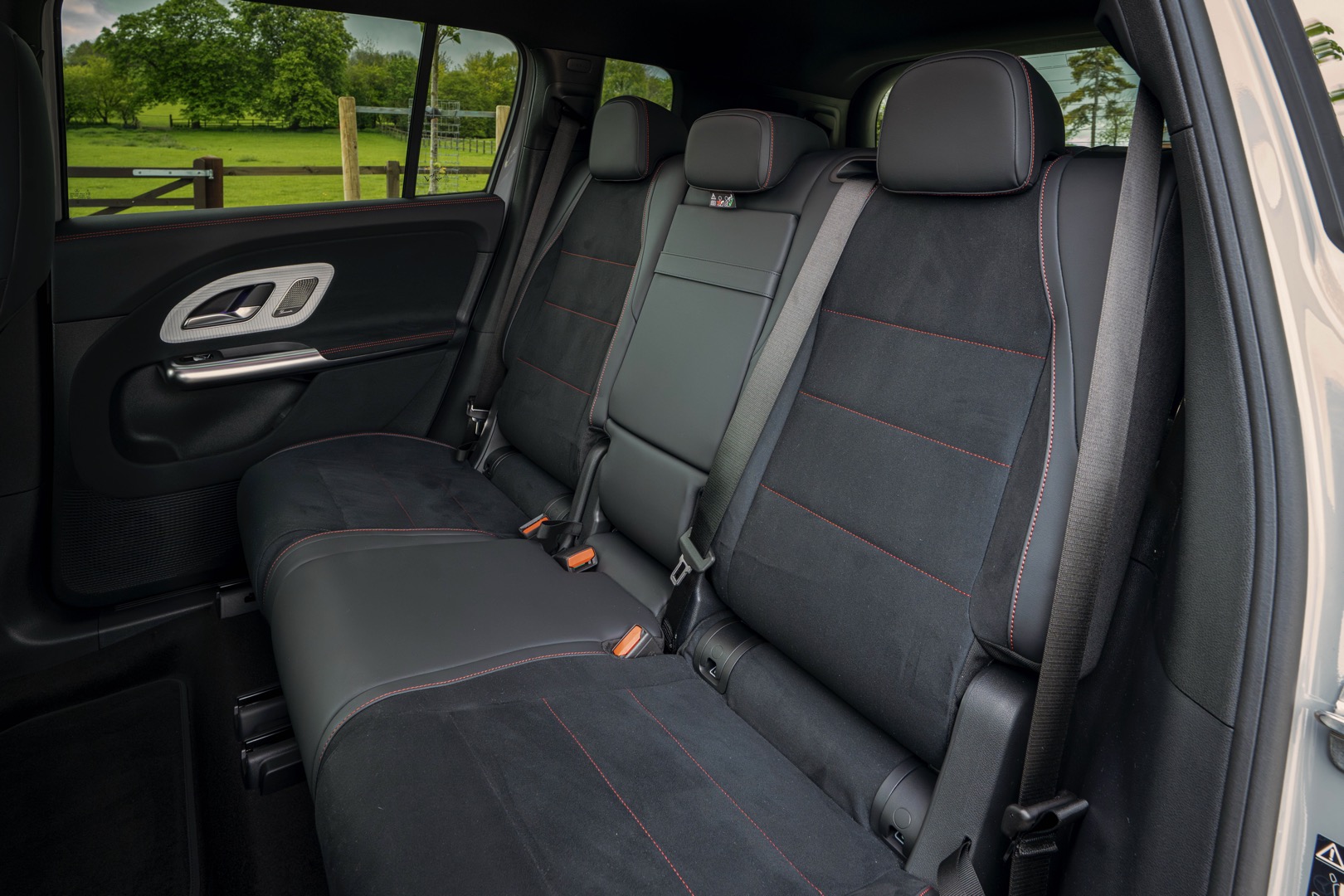
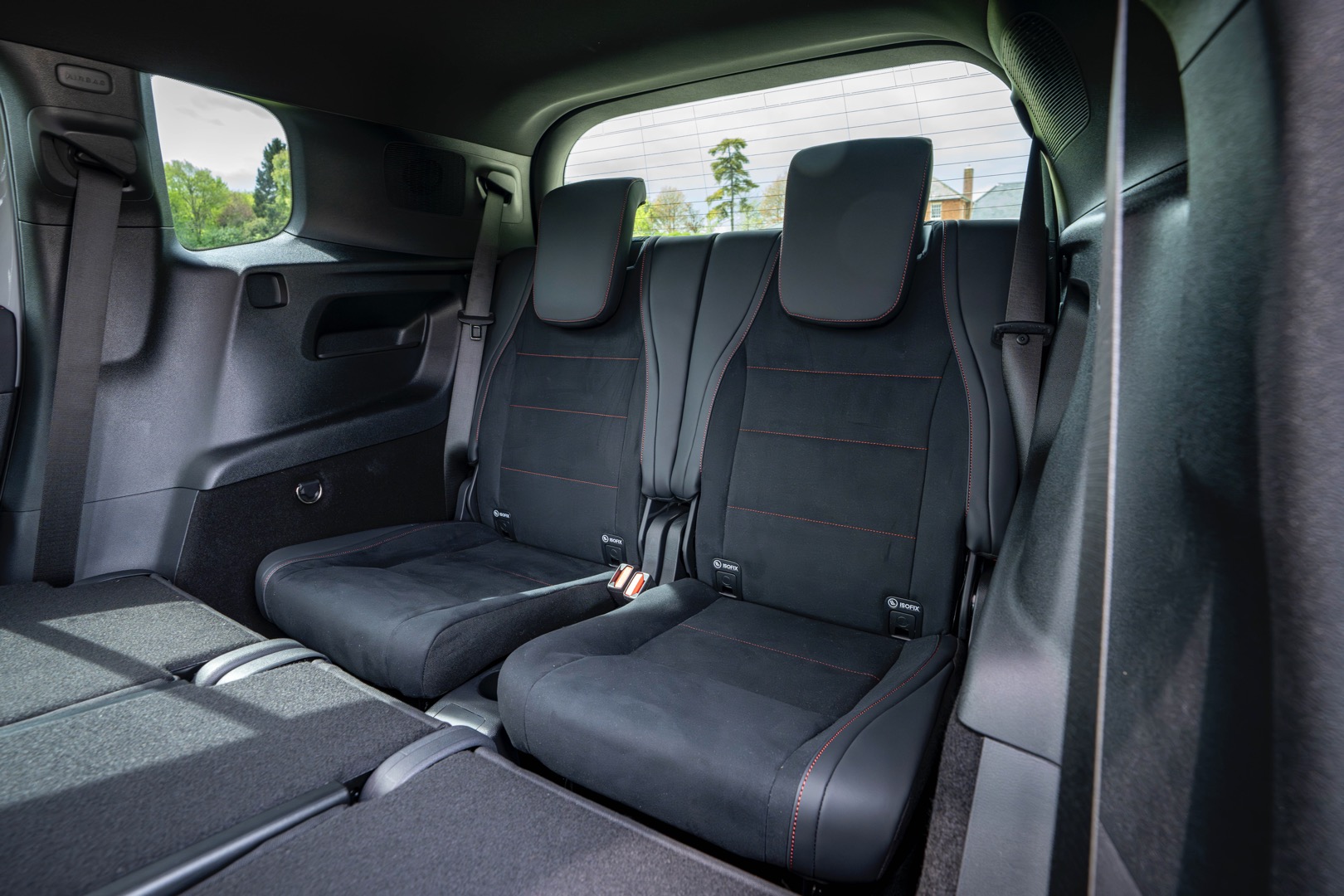
While the old EQB was also a seven seater, the GLB feels like a more spacious and better planned model. Thanks to a 60mm increase in wheelbase over the old car, those confined to the third row no longer get a third class experience. Mercedes has done a fine job in maximising space with the second row offering a decent range (140mm) of adjustment. The brand claims that nearly 70mm of space has been freed up by the layout rejig and even with the driving position set for my lanky (6ft 5in) frame, there was ample space for my knees in the rear.
That said, the GLB is still no MPV, and if you regularly plan to use the third row, there are bigger and more accommodating choices out there. Although an adult can fit on the final row, Mercedes advises (via a sticker on the door sill) that the maximum height of rear seat passengers should be no more than 1.71m (5ft 6in in old money).

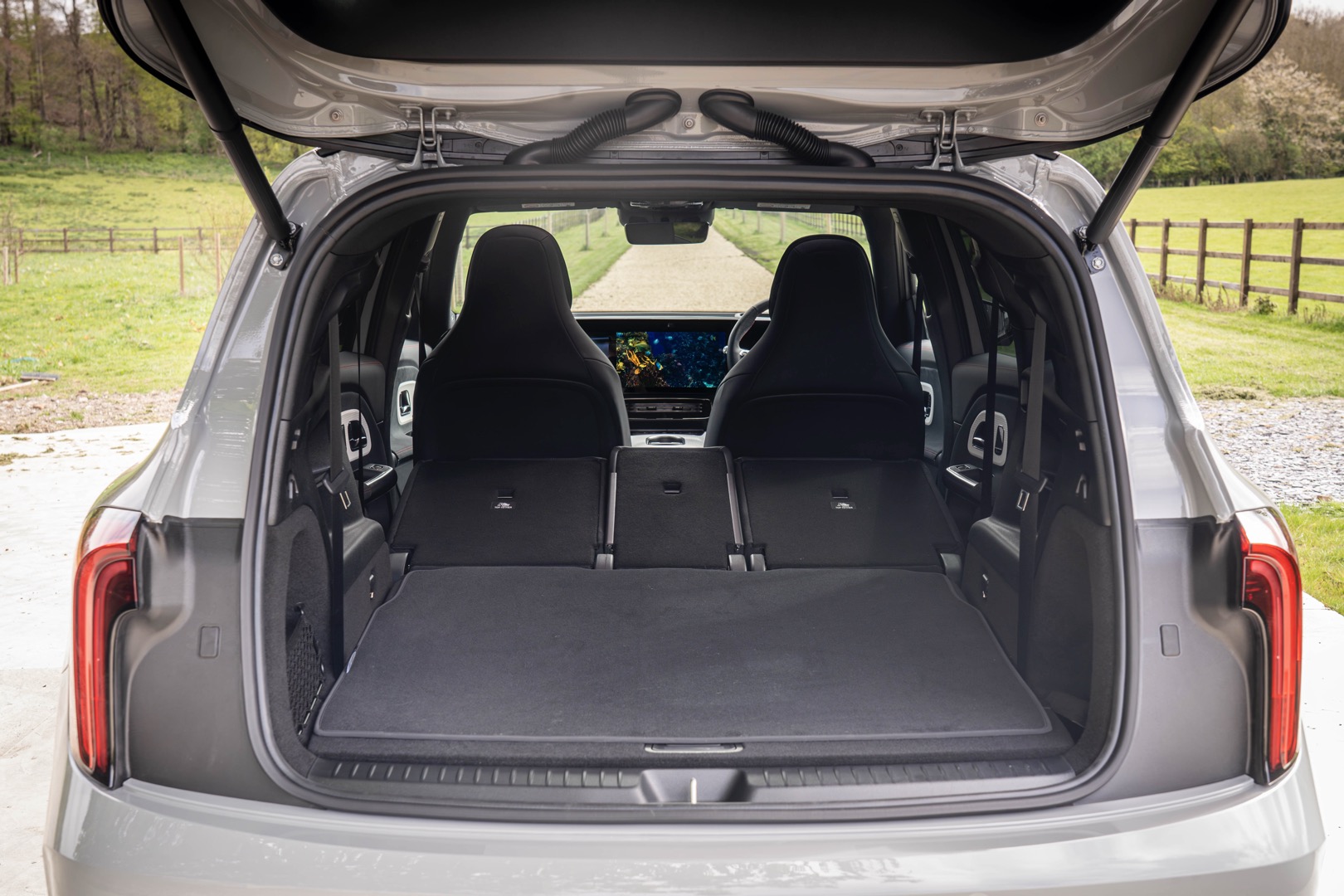
Boot space is decent, with 145 litres on offer with all seven seats up and 540 litres with the rearmost seats folded down. Lowering the third row requires you to pull on a strap and press the mechanism into the floor. Simple.
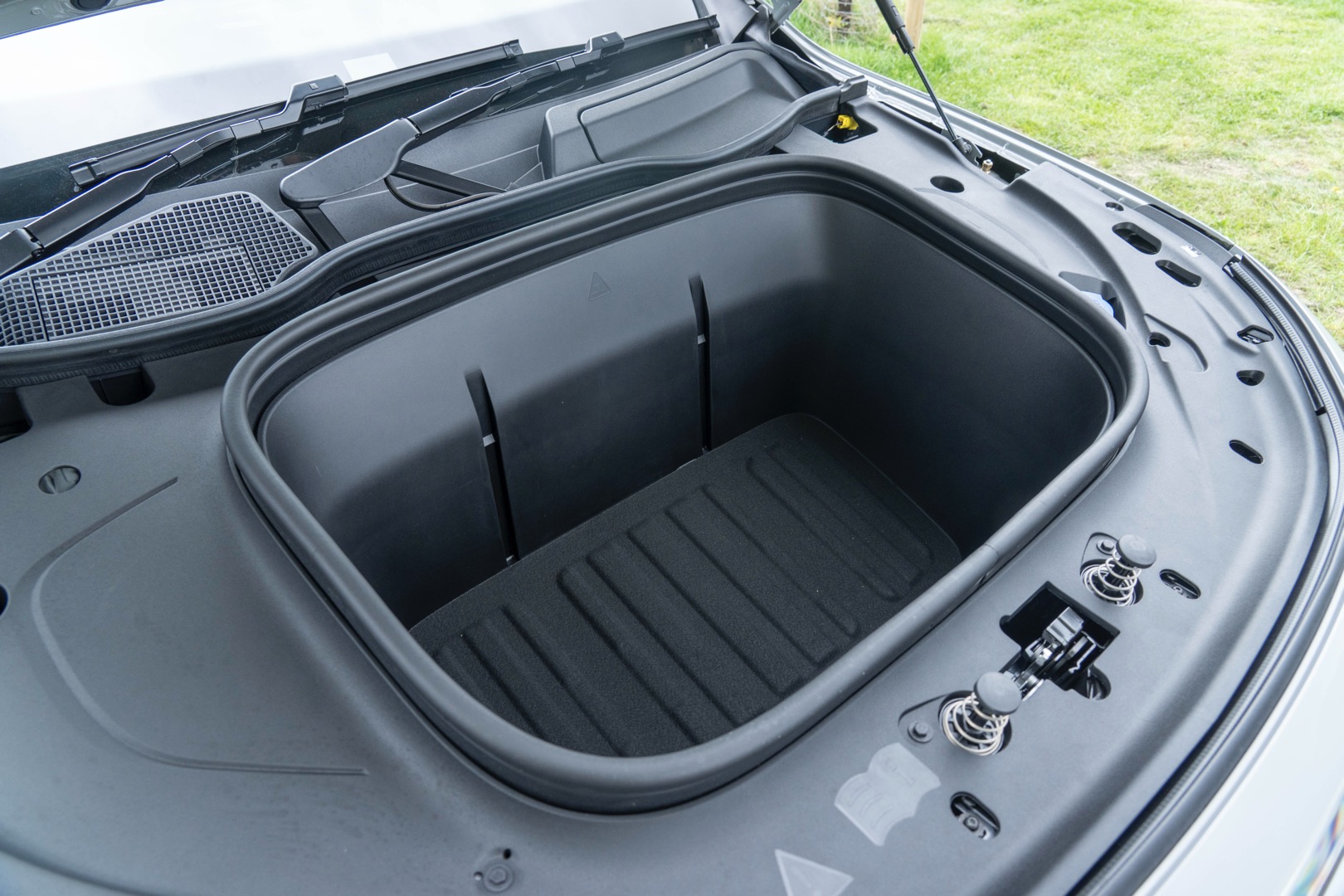
Equally impressive (and welcome) is the GLB’s 127 litre frunk. Under-bonnet storage has been sorely lacking in recent arrivals, so it’s pleasing to see Mercedes continue to offer it. As anyone who has wrangled a dirty charging cable from under a boot floor will testify, having a frunk where you can shove it and forget it is a major plus point.

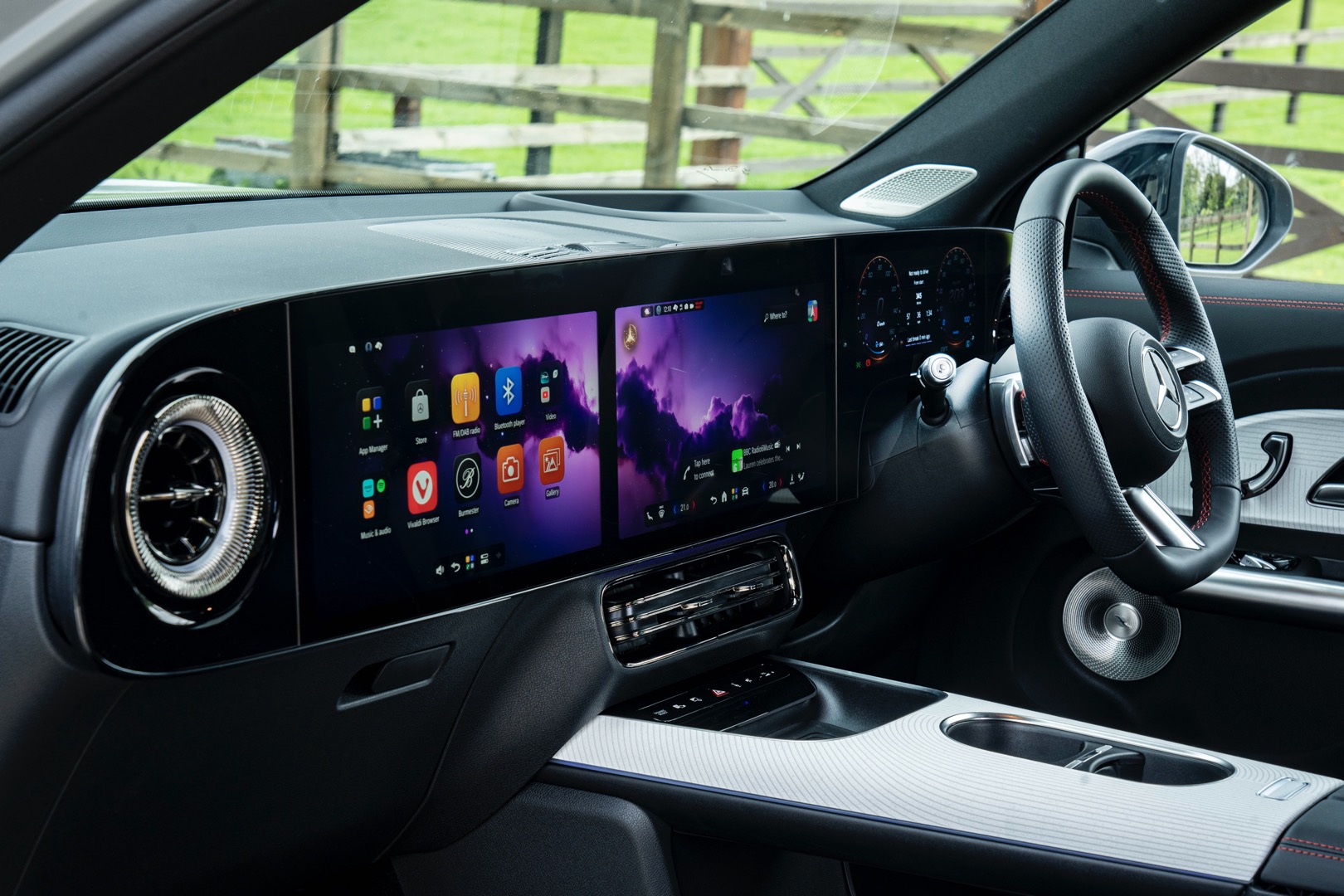
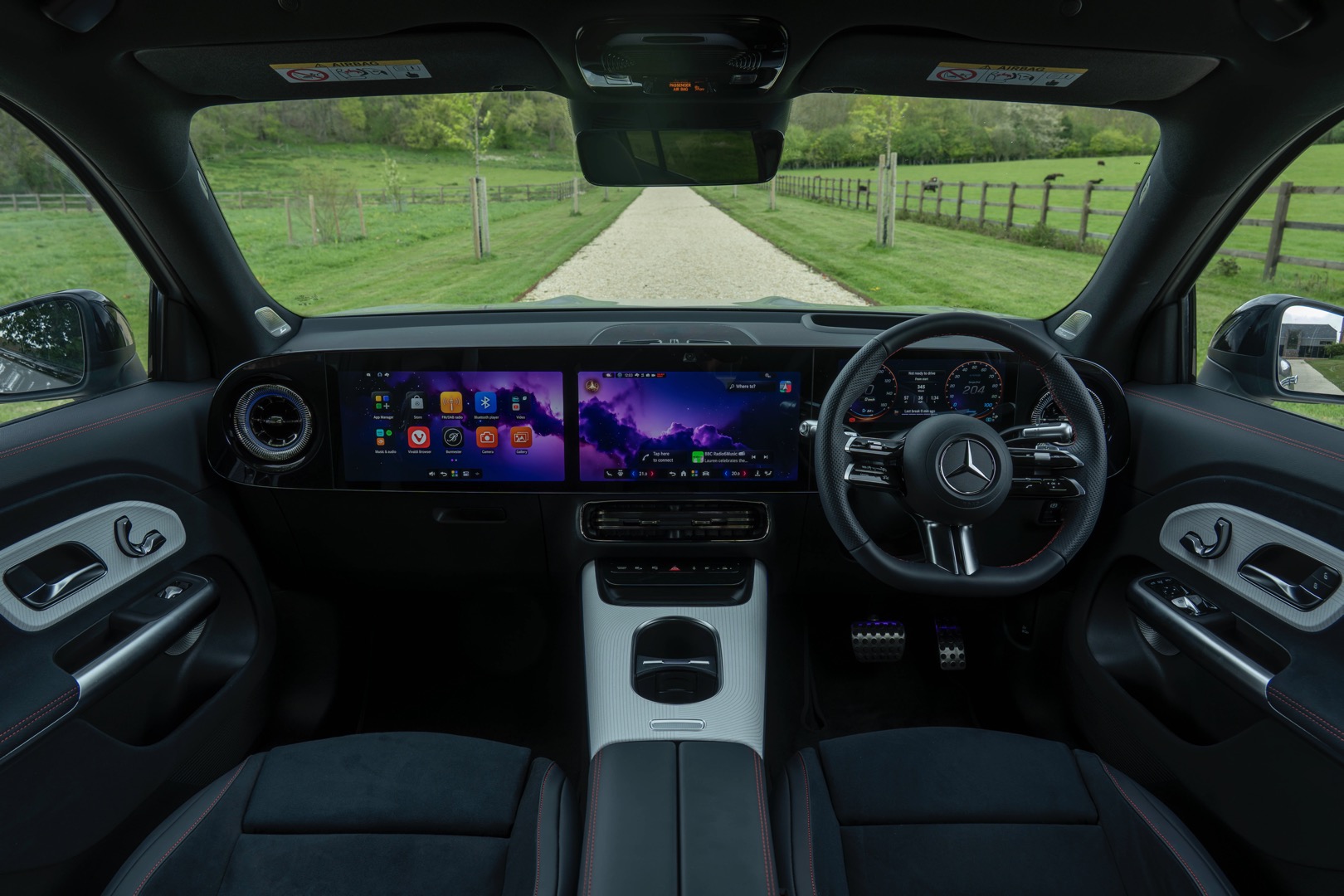
Up front, the GLB is a pleasant place to be. The raised centre console creates a snug driving environment, which will appeal to drivers who like to feel part of the car. However, if you’re long of leg and crave a more airy cockpit, the GLB might not be the perfect fit. Higher spec models come with a triple Superscreen dashboard while AMG Line Executive and below make do with star-pattern panel in front of the passenger instead. The infotainment system works swiftly and has a prominent home screen icon for the times when you’ve ended up down a rabbit hole of sub-menus. The inbuilt navigation system works well and features an augmented reality display to show you exactly the turn you need to take. However, I found that a sizeable chunk of the screen is obscured by the steering wheel, which meant peering round to see the full graphics. Another frustration is the appearance of the dreaded haptic slider buttons on the steering wheel. As with Volkswagen’s switches (which are thankfully being phased out) they work perfectly well at standstill, but less so when you’re trying to change the display on a bouncing along a b-road.

Motors, performance and handling
Mercedes offers the GLB with two power outputs: 272hp and 354hp. The former delivers drive through the rear wheels, while the higher powered versions add a second motor under the bonnet to deliver all-wheel drive. Both models features Mercedes' latest EDU 2.0 drive motor with a two-speed gearbox and silicon-carbide power inverter. The dual motor versions only call the front motor into use when needed, minimising any loss of efficiency.
In terms of performance, 250+ models can sprint to 62mph in 7.4 seconds, while the more powerful 350 models are nearly two seconds quicker with a time of 5.5 seconds. I drove the 250+ on the UK launch event and found it to be perfectly quick enough with decent throttle response. With a torque output of 335Nm – which is low by modern EV standards – it doesn’t have quite the urgency you might expect, but it cruises pleasantly enough. If you crave a little more excitement, the 350 models deliver 515Nm of torque.
As with the CLA, the regen control has been moved to the drive selector, and it works well enough. Pushing forward and back allows you to switch between the three modes. Engage the strongest regen mode and the GLB will come to a complete standstill, which is perfect for driving around town. There’s also an automatic mode that uses a combination of sensors and nav information to calibrate the right amount of regen.
The chassis has been set up with comfort in mind rather than sportiness, and I reckon that’s a good thing. A seven-seater SUV isn’t the sort of thing to be throwing down twisty B-roads, so Mercedes’s decision to make the GLB as refined as possible is a very sensible one. It rides well, copes with mid-corner changes of direction admirably and has reassuringly powerful brakes that have a solid, natural pedal feel. It’s not the sort of car you wake up in the morning and want to drive, but it does everything it’s supposed to exceptionally well.
Running costs and pricing
There’s more good news when it comes to value. Despite being a much better (and bigger) car than the old EQB, the GLB is cheaper. And not by a few quid here and there, either. Prices start from just over £46,000, which is nearly £7,000 less than the outgoing model. Mercedes has plans to introduce an even more affordable version with a smaller LFP battery, but it’s unlikely to be offered here in the UK.
Equipment levels are generally good with all models coming with a panoramic roof and a choice of white, black or aqua mint paint finishes at no extra cost. Metallic paint will add a minimum of £715 to the invoice if you want to splash the cash.

As for competition, the GLB sits between the established seven-seaters already available. At £54,490, the seven-seat Tesla Model Y is more than £8,000 more than the Mercedes. At the other end of the scale, the Peugeot e5008 starts at just over £46,000, making it almost identical in terms of cost. However, the French offering comes with a smaller 73kWh battery pack, with the more comparable 97kWh pack priced from £48,760. Mercedes has done its sums very well with the GLB.
Verdict
It’s not often that you can claim a Mercedes is the best value offering in the sector. But the GLB appears to be exactly that. Mercedes has fixed most of the issues that held the old EQB back, and the result is a fine, family-friendly SUV with seven-seat capability. As before, it’s not the perfect option if you’re regularly carrying five tall teens or adults, but in terms of tech, range and quality, it’s hard to argue against.
 7
7