





 Battery size: 57.6–70.4kWh
 Max charge rate: 193–236kW
 WLTP range: 273 – 323 miles



Introduction and model history
The Xpeng arrived in the UK in 2025 in a pretty modest, under-the-radar kind of way. While it quickly set about signing up around 20 dealers, those showrooms only stocked the Tesla Model-Y Xpeng G6, and only recently have been able to start selling the even more unfamiliar X9 people-carrier. Xpeng's arrival was no BYD-like smash-and-grab market share exercise.
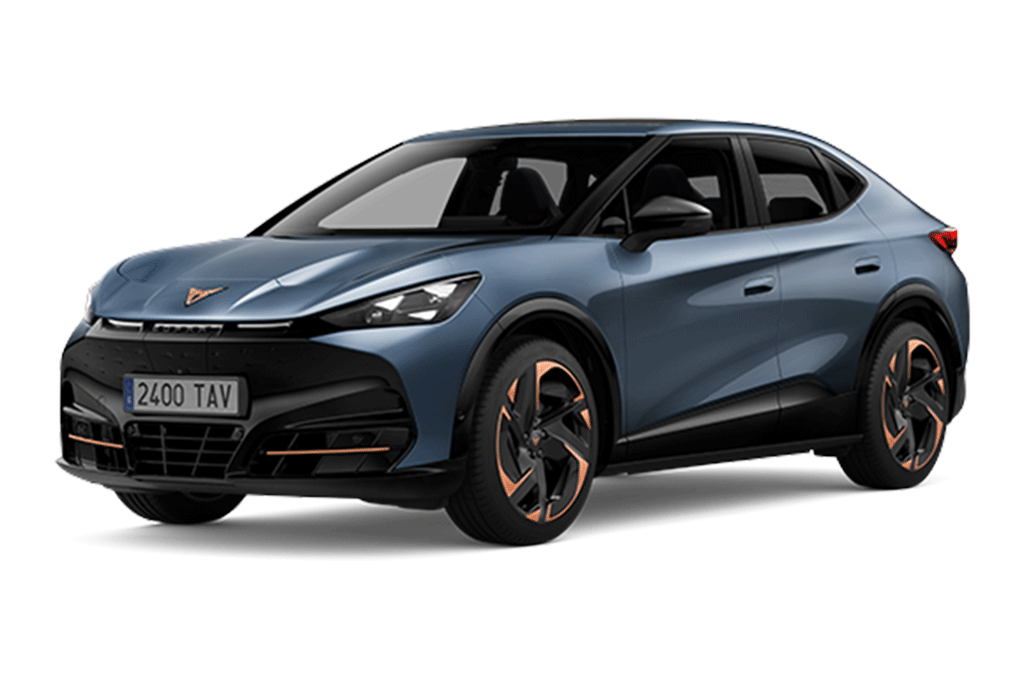
But things are changing. Xpeng has decided to set up its own UK business (before its cars were imported by IM Group, which also is responsible for the likes of Isuzu, Subaru, Mitsubishi and GWM), as it sees Britain as a major market to expand in. It's planning to launch a whole raft of new models, starting with a massive electric SUV called the G9L, and this, the smaller, more Cupra Tavascan-sized L03. It'll have around 100 dealers by the end of 2027, and aims to offer a truly upmarket buying and ownership experience to make BMW, Mercedes and even Tesla worried – you can read more about this here.
Xpeng sees itself as much as a technology company as a carmaker. It has big ambitions in everything from artificial intelligence to autonomous driving, and the L03 is designed to showcase some of that expertise in a relatively affordable family-size, coupe-styled electric SUV.
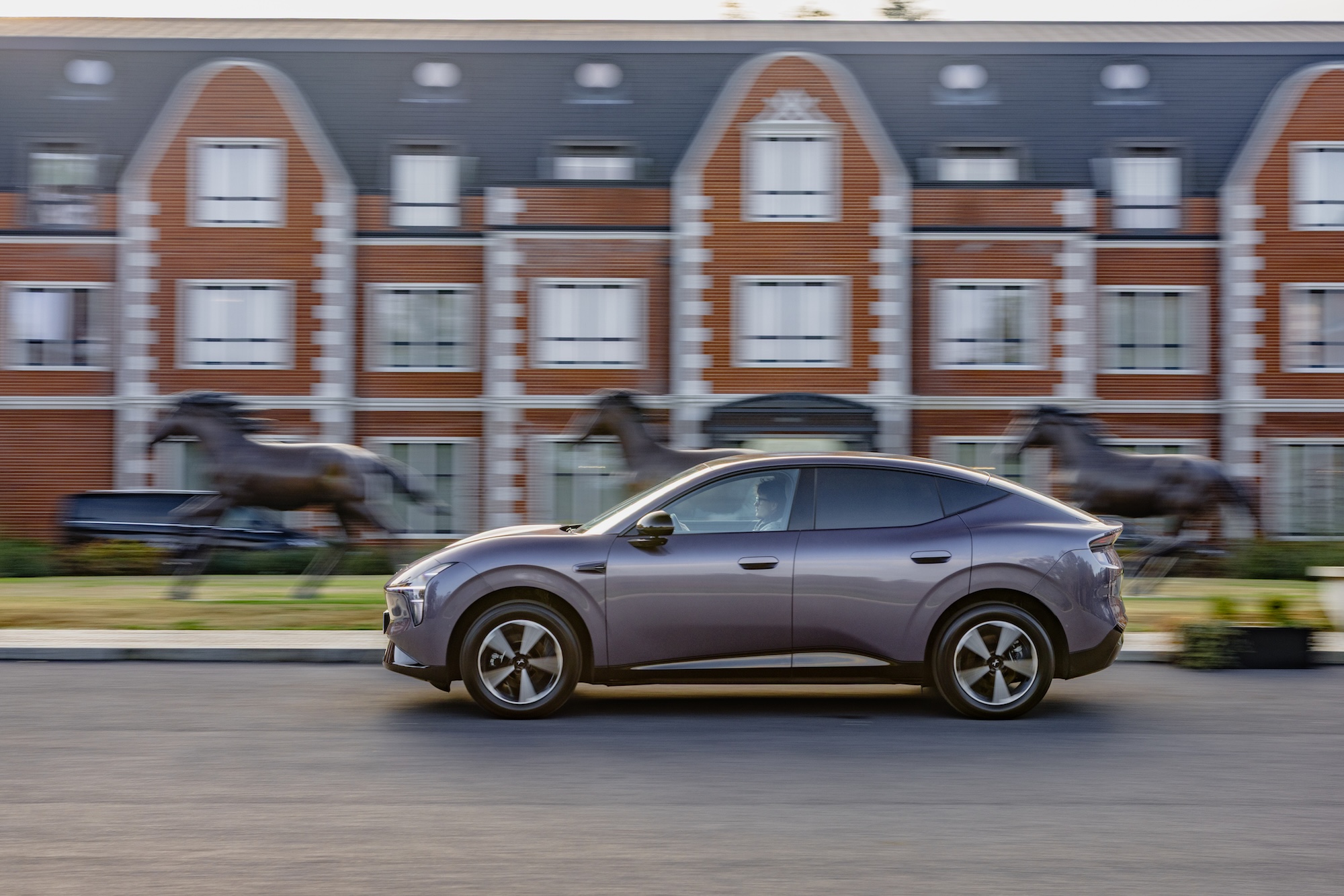
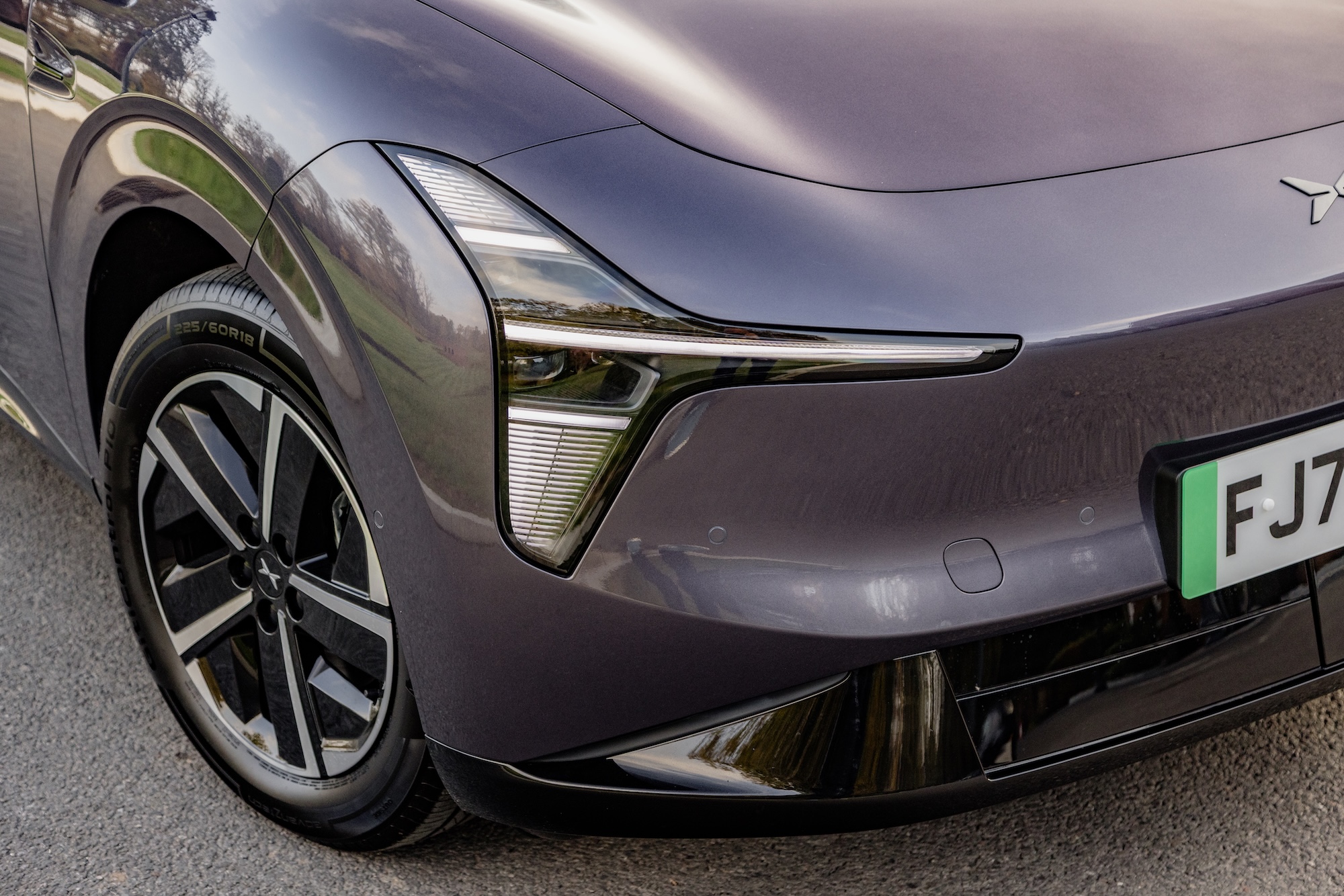
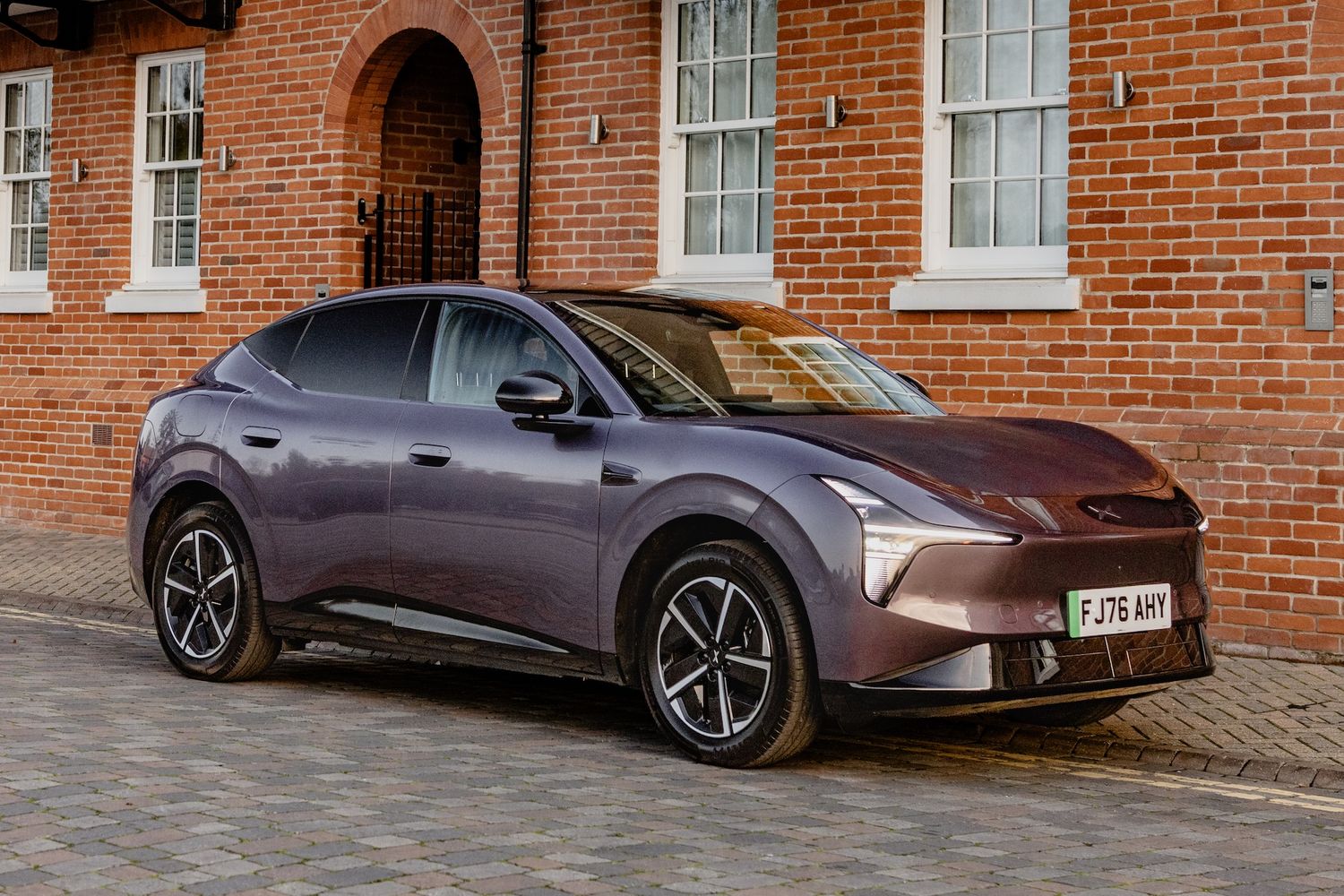
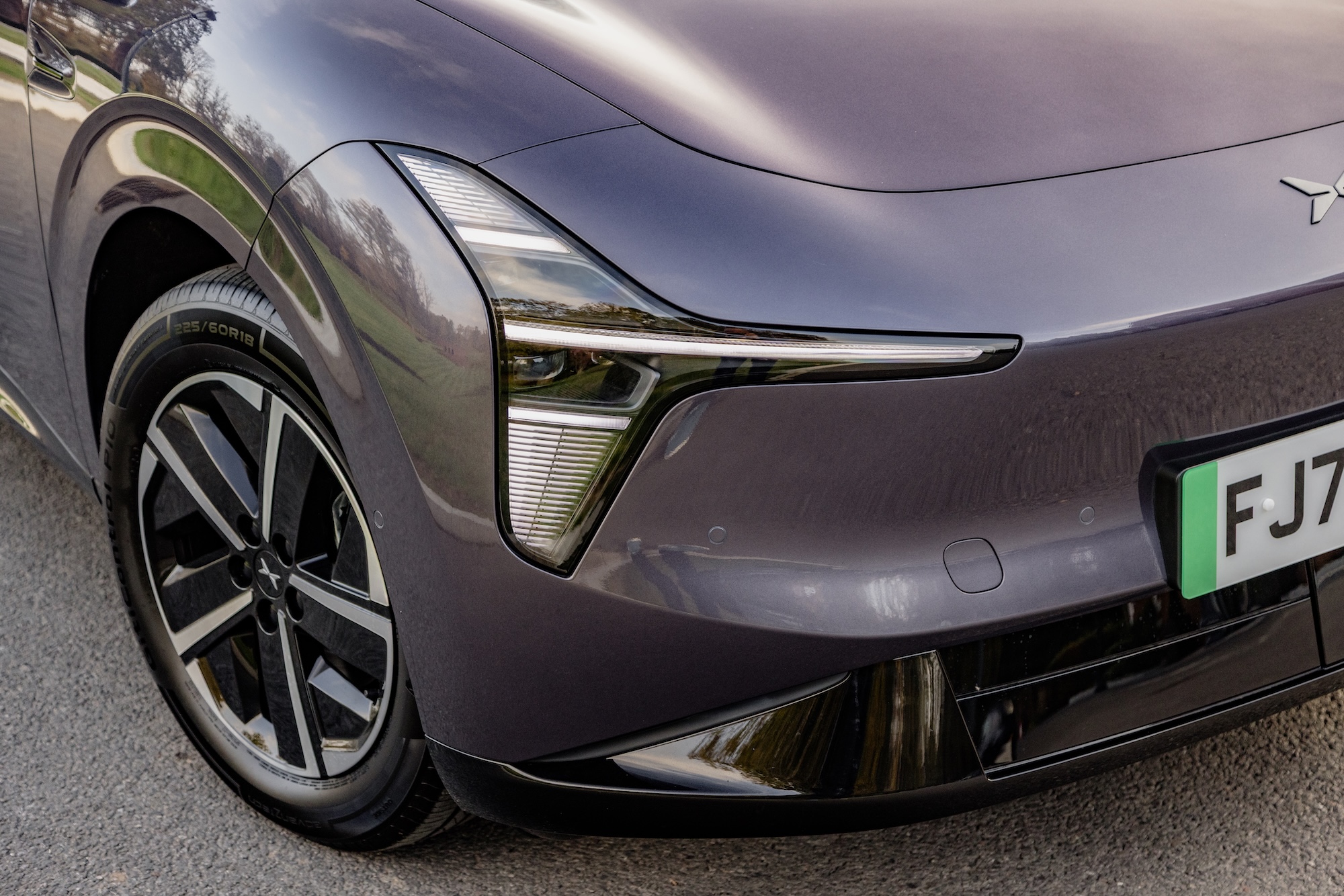
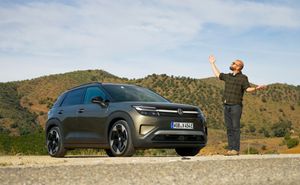
Design is an important theme with the L03, and that's understandable when you realise who was holding the pen in the styling studio. His name is JuanMa López, who's had spells at Genesis, Changhan and BYD, but more importantly was responsible for the Ferrari 458 looked, and for Lamborghini's interiors in the early 2000s.
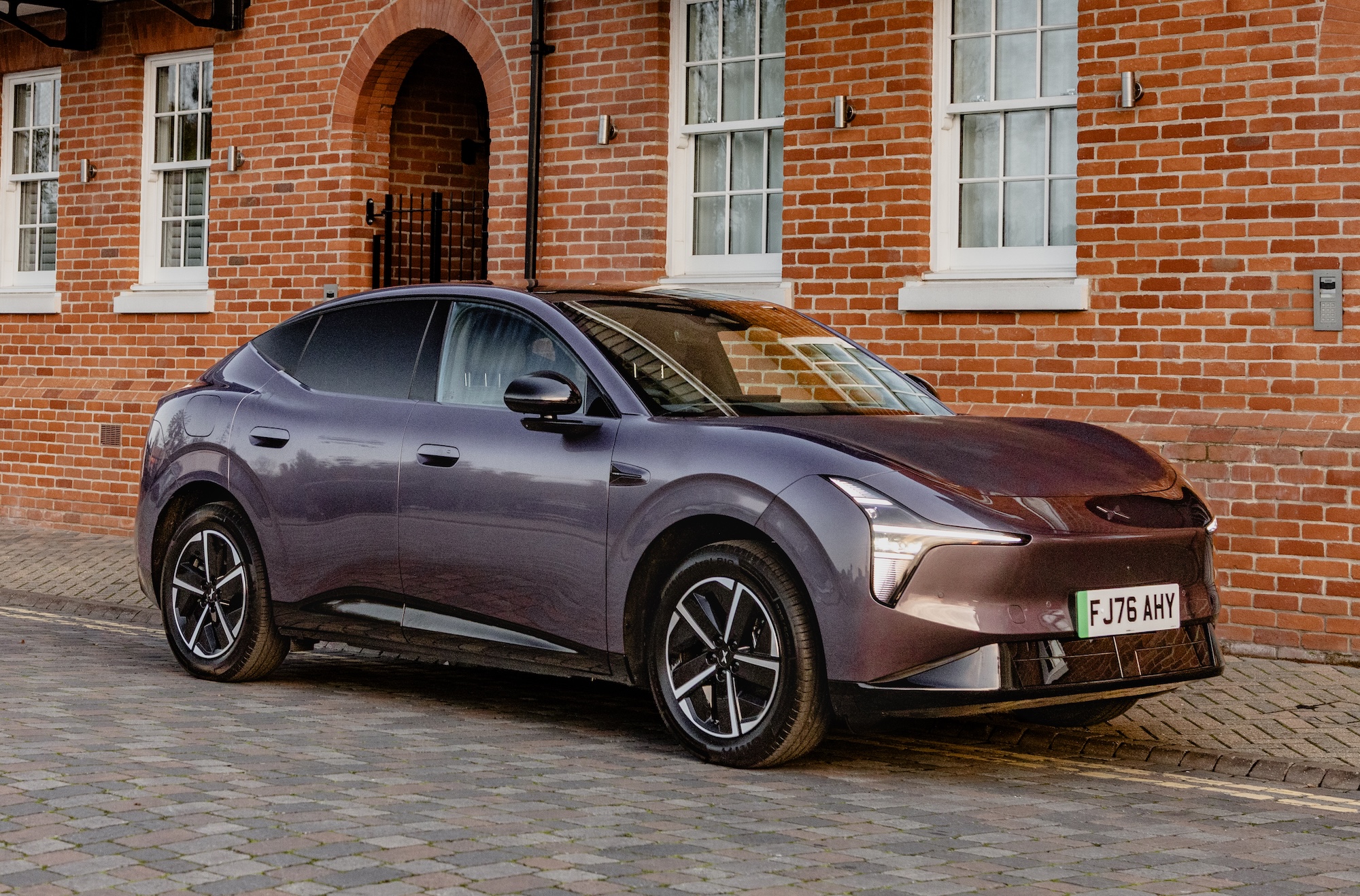
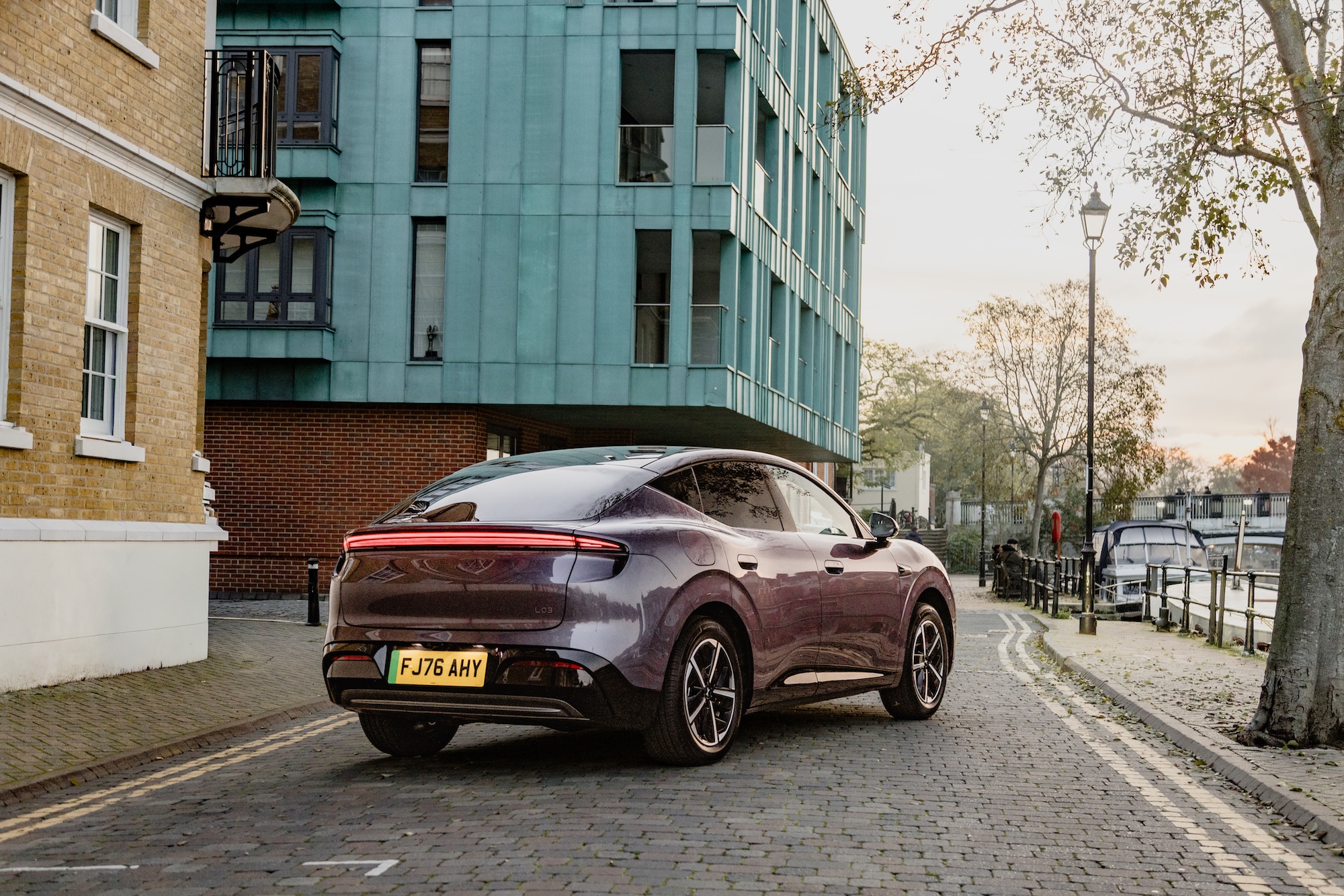
I think the overall design is smart and modern without being particularly adventurous – what do you think? The real reason to consider an L03 becomes apparent when you climb inside, though.
Range, battery and charging
The L03 is available with two battery sizes and a choice of rear-wheel or all-wheel drive, although there's also a range-extender version that combines a petrol engine with an electric motor and a 37.2kWh battery.
All cars, including the range-extender, use lithium iron phosphate (LFP) batteries.The entry-level RWD Standard Range has a 57.6kWh usable battery, producing 219hp and offering an official WLTP range of 276 miles.
Step up to the RWD Long Range and you get a larger 70.4kWh battery, along with 245hp and an official range of 323 miles. That makes it the longest-range version of the L03, and probably the one that will appeal to most family buyers.
There's also an Ultra version of the Long Range, which adds extra equipment and more advanced driver-assistance hardware. However, the larger wheels and additional equipment reduce the official range to 298 miles.
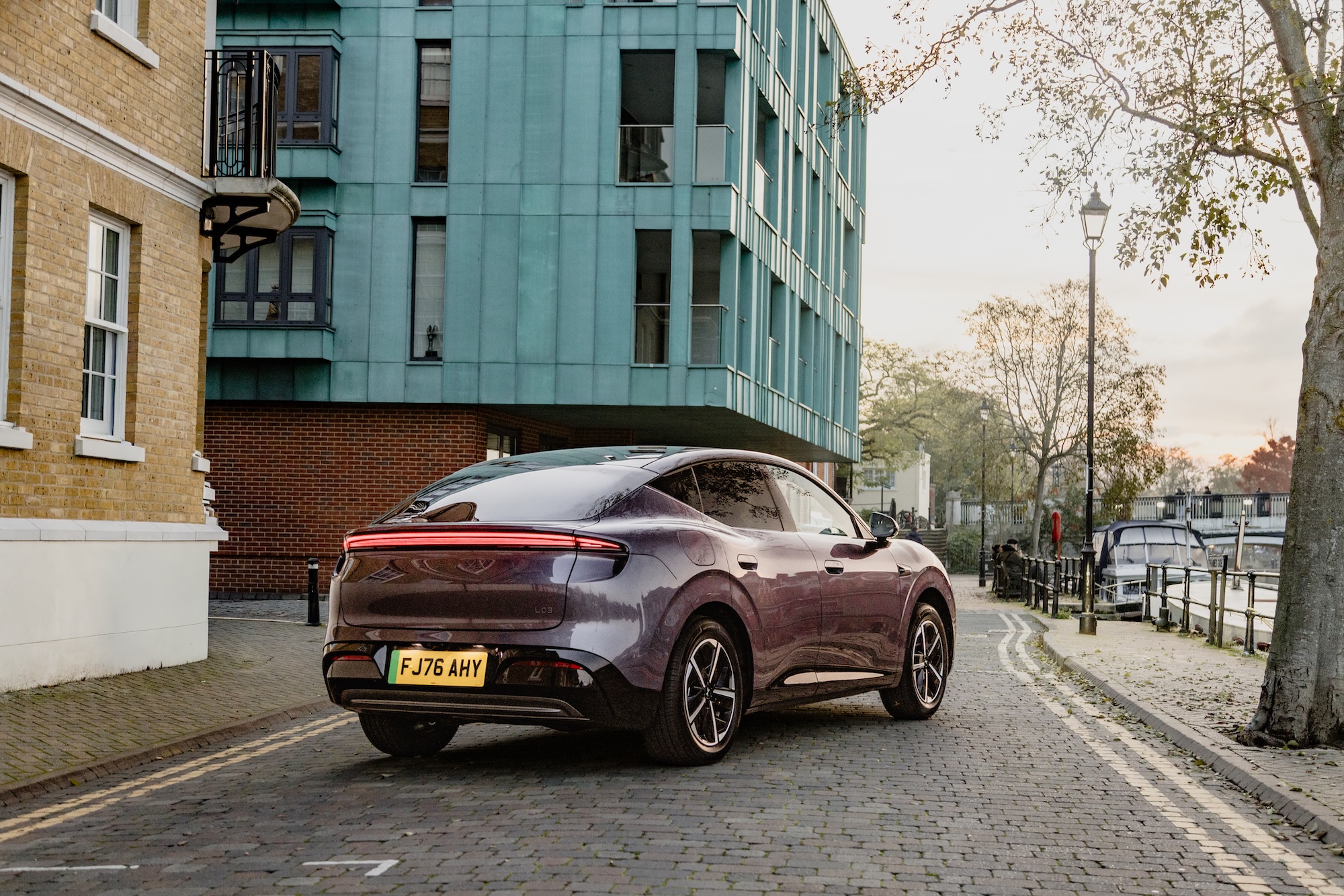
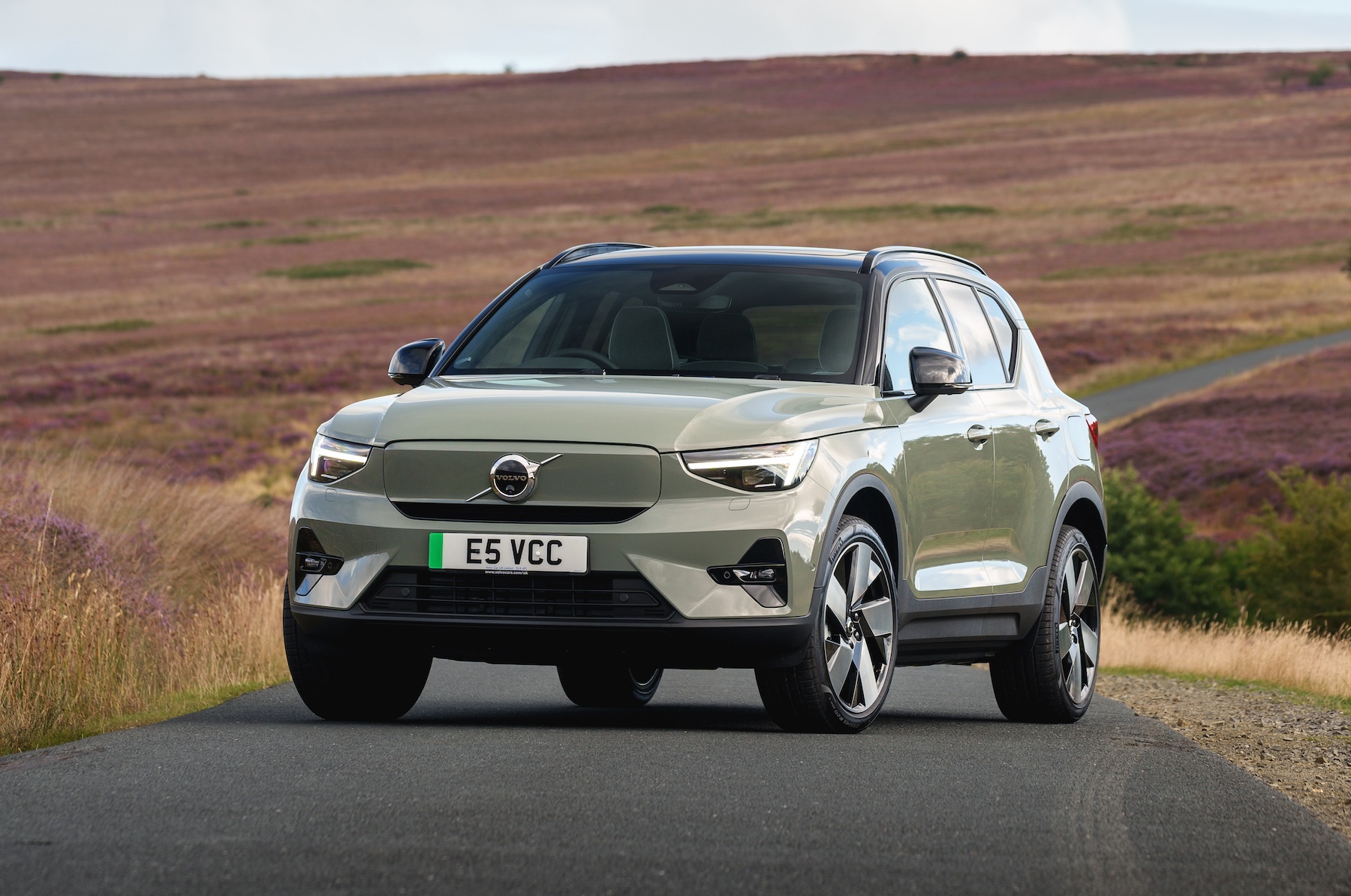
Finally, the AWD Performance adds a second electric motor and boosts power to a substantial 425hp, meaning its sits above similarly-priced sporty electric SUVs like the Cupra Tavascan VZ and Skoda Elroq vRS, and more expensive stuff like the Volvo EC40 P8 AWD. It's considerably quicker than the rear-wheel-drive versions, but range drops to 273 miles.
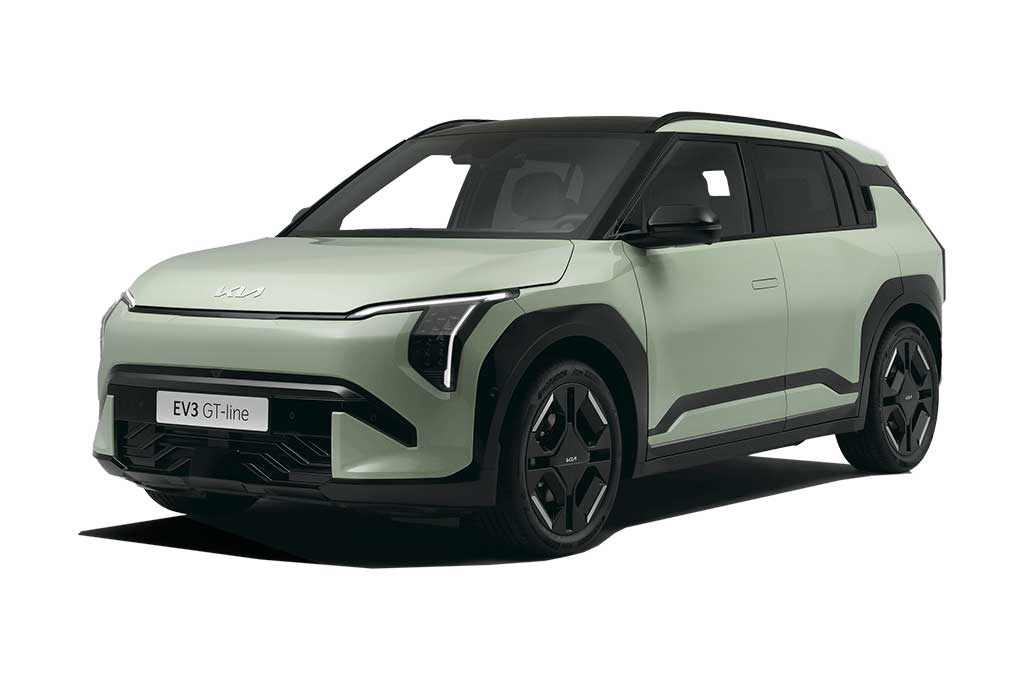
To be honest, those figures are respectable, but not outstanding – a Kia EV3 Long Range can manage up to 375 miles, while certain versions of the Skoda Elroq also comfortably exceed the Xpeng's best figure; where the L03 fights back is charging.
Despite using a 400-volt electrical architecture rather than the more expensive 800-volt systems found in some premium electric cars, the XPeng can charge at some seriously impressive speeds.
The smaller battery can accept up to 193kW from a suitable DC rapid charger, while the larger battery increases that figure to 236kW.Both can charge from 10 to 80% in as little as 20 minutes, which is excellent for a car at this price. For comparison, the Skoda Elroq 85 takes around 26 minutes to complete the same charge, while the Kia EV3 Long Range needs approximately 31 minutes.
A heat pump is fitted as standard, too, and the L03 gets vehicle-to-load technology, allowing you to power external electrical devices at up to 6kW.
In my test drive, I wasn't able to fully test the real-world range – that's something we will have to report back on when we spend more time with the car. But as an estimate, I would say the entry-level car would return around 200 to 220 miles, the Long Range around 270, and the AWD Performance in the region of 220 miles.
Practicality and boot space
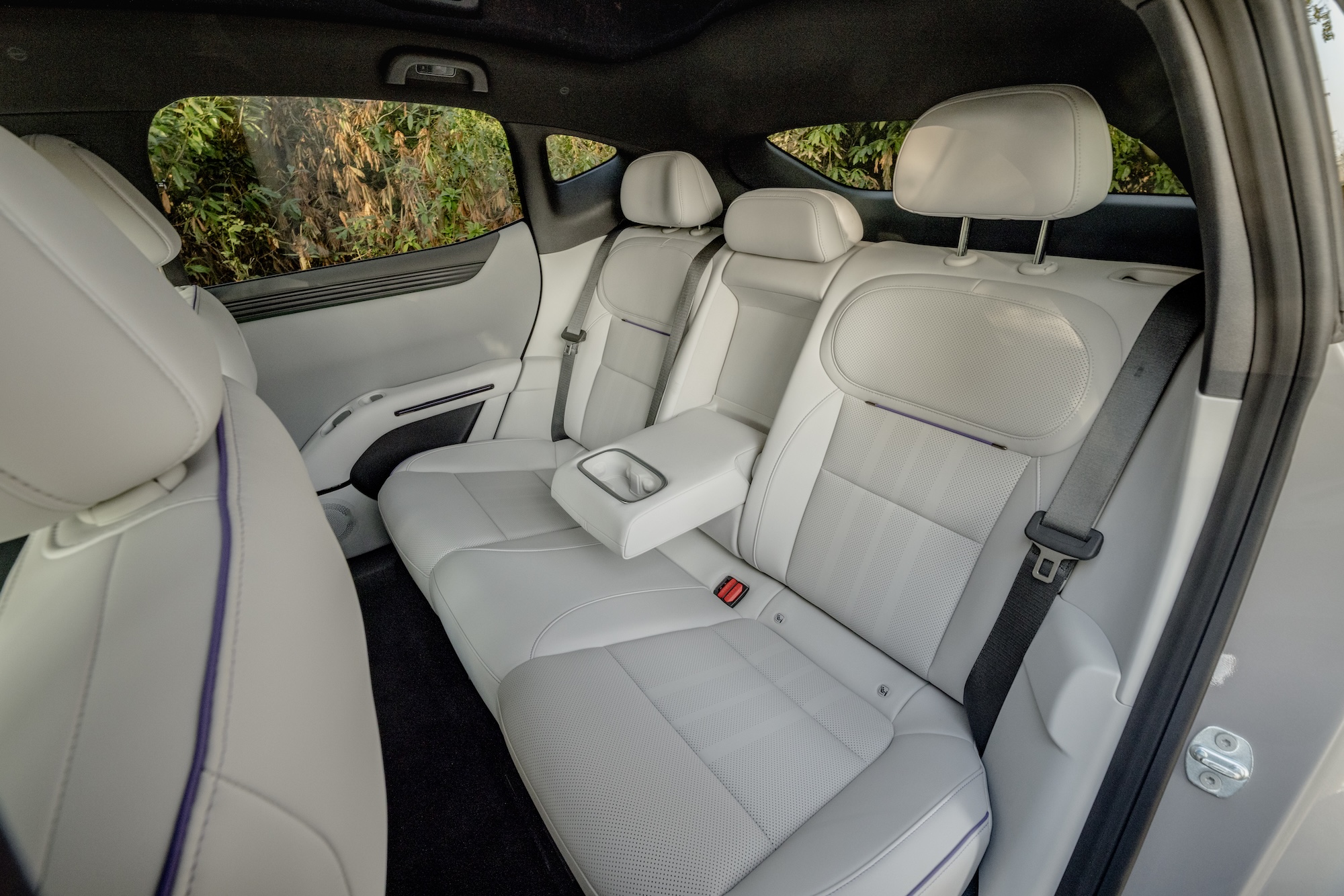
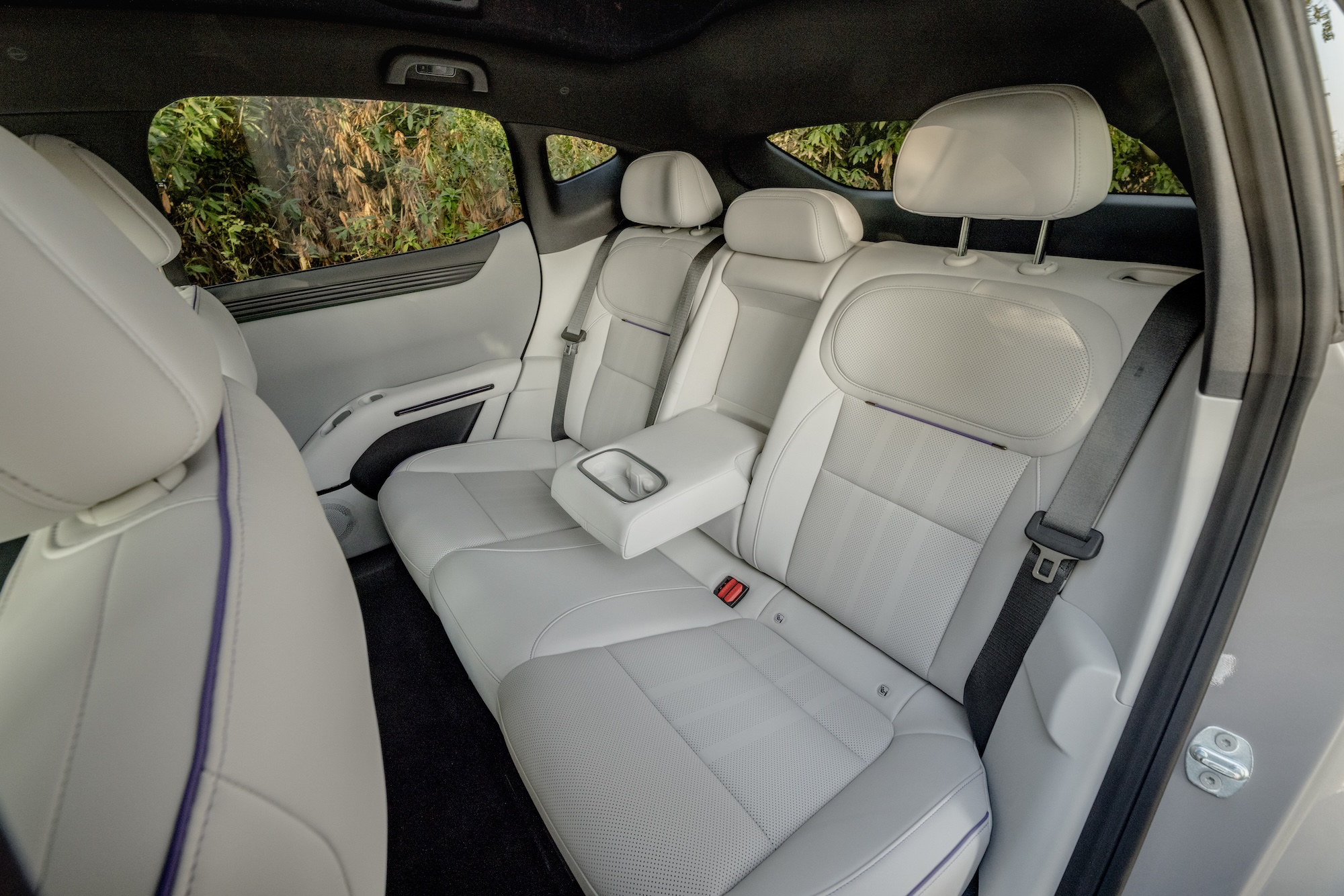
The L03 might be a coupe-SUV with a low roofline, but it's actually quite a practical car inside. The long wheelbase helps create a spacious interior, particularly for rear-seat passengers, and there's a good amount of legroom for adults. Even headroom is good and the whole interior feels even larger than to a massive glass roof – it extends right to the far edges of the roof, and I'm not sure I've seen a pane of glass in a car of this size and price.
There are plenty of storage places – my favourite is the 10-litre draw that's beneath the rear seats – and there's a useful frunk. Rear-wheel-drive models get a generous 89 litres of storage, while all-wheel-drive versions have a smaller 44-litre compartment. Either way, there's enough room for charging cables and a few other bits and pieces.
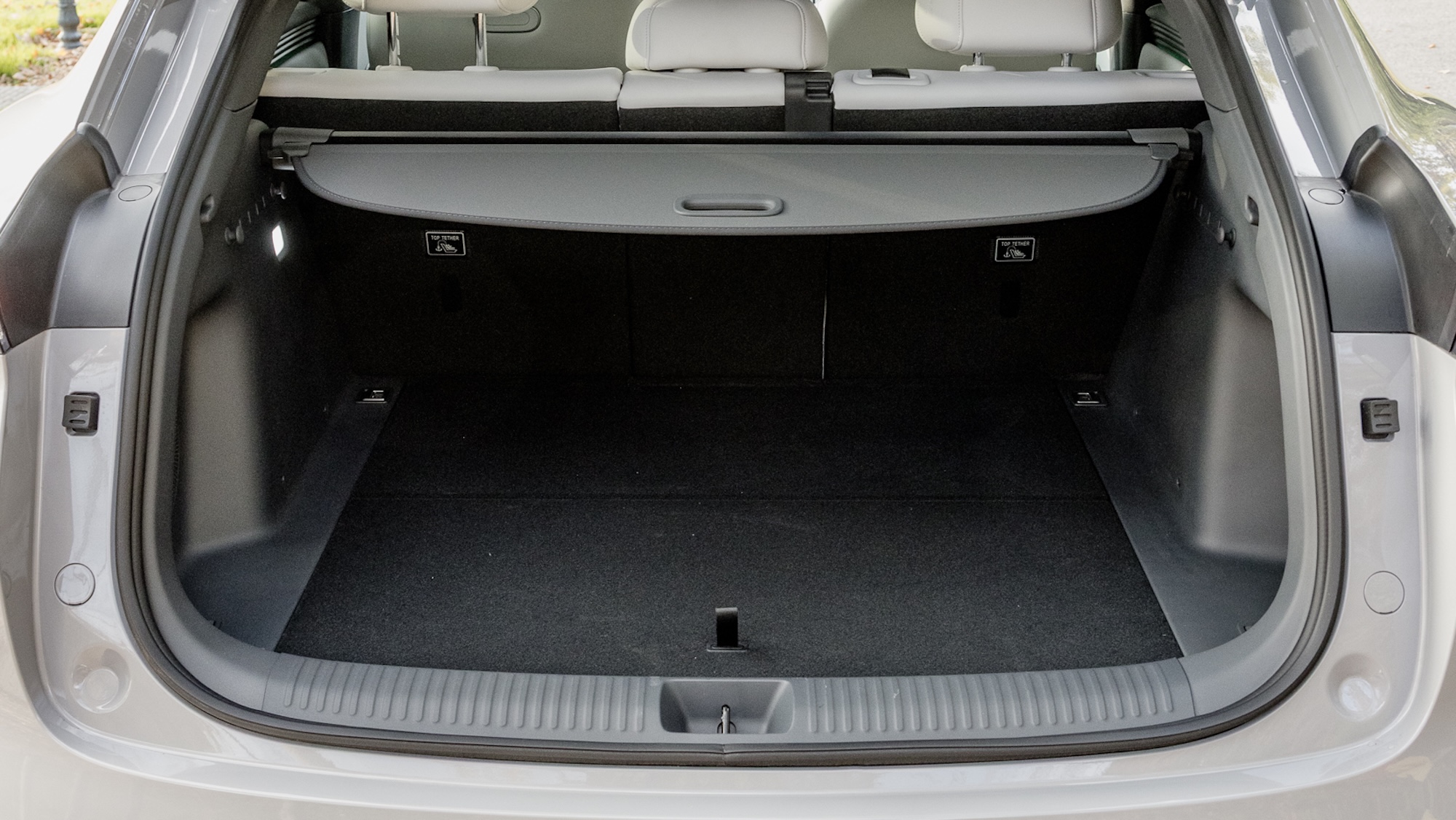
But the boot is a real disappointment. At 370 litres, it's considerably smaller than the Kia EV3's (460) litres and the Skoda Elroq's 470 litres, despite the Xpeng being the larger car. At least the rear seats split 40:20:40.
If you tow regularly, the Xpeng is pretty decent in this area as it can manage up to 1,500kg.
Interior, design and technology
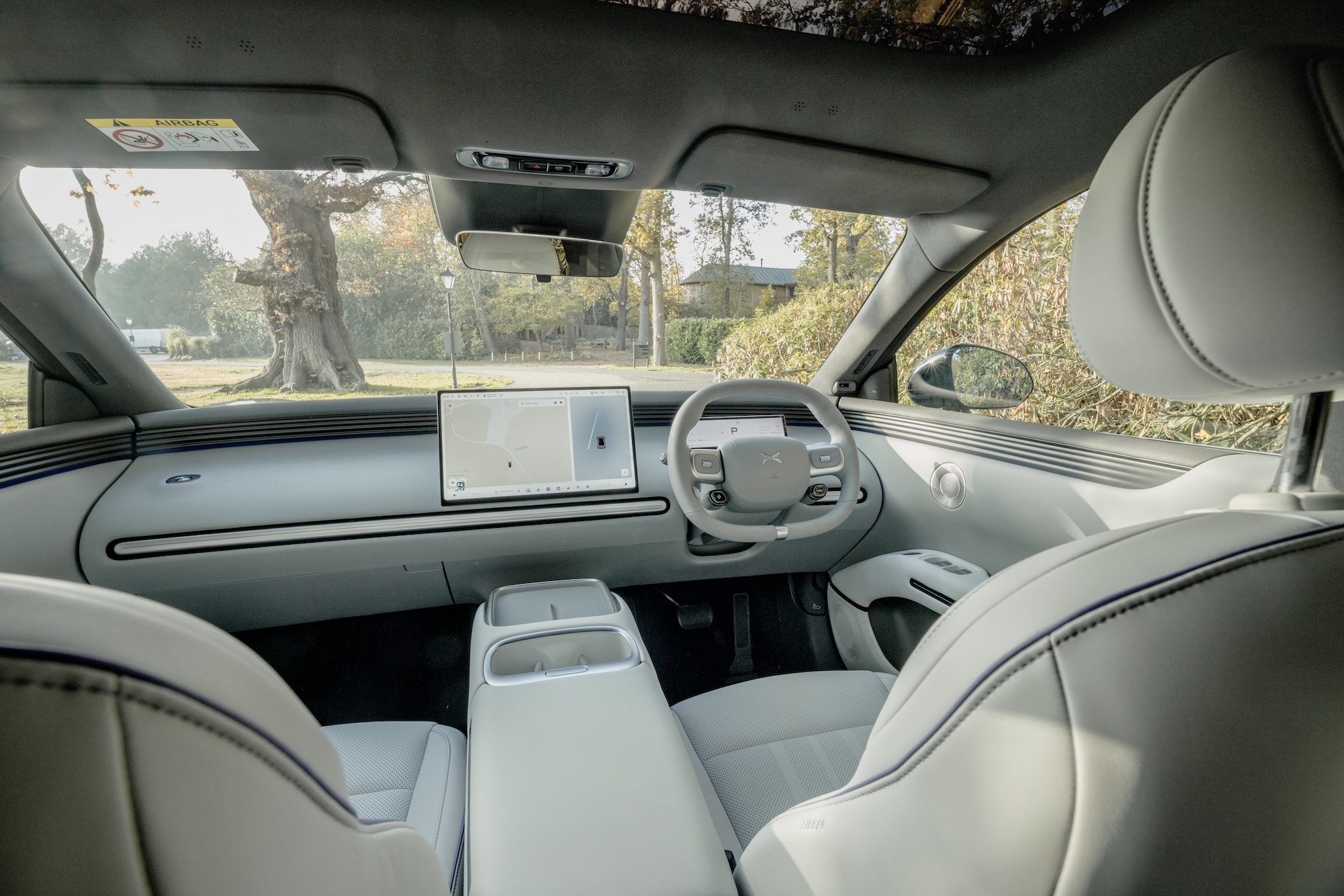
The dashboard is what we've come to expect from many new Chinese cars – its very minimalist with and a general lack of buttons. There's a large 15.6-inch central touchscreen and a smaller 8.8-inch digital instrument display.
The materials look and feel really, really good. On this fact alone, the L03 feels double its asking price; compared with the Kia EV3 and Skoda Elroq, the Xpeng feels like it's trying to compete with cars from a class above.
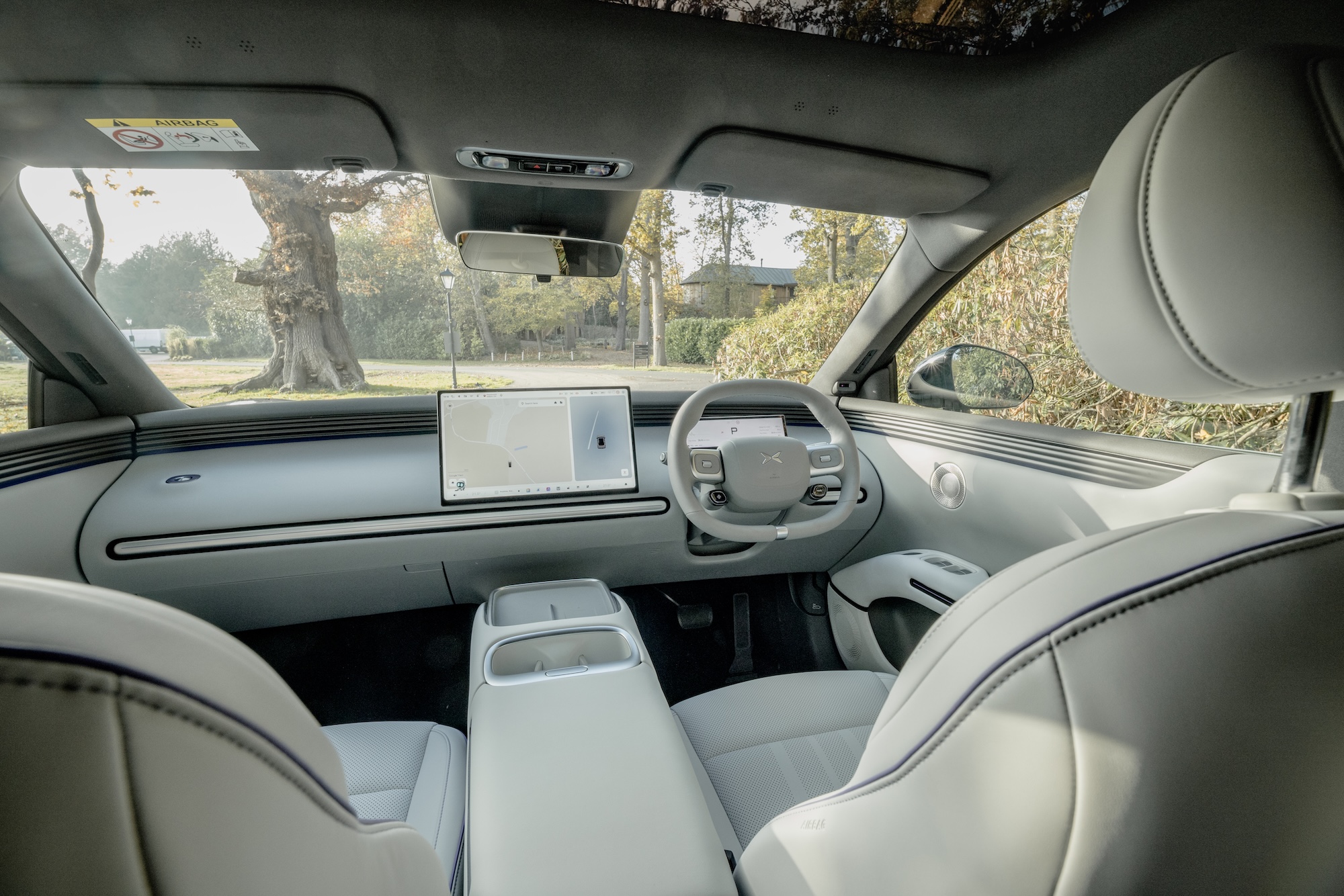
There are a few compromises, though. The almost complete absence of physical controls means you'll be relying heavily on the touchscreen, including for functions that would arguably be easier to operate with conventional buttons. Even the air vents are electrically adjustable. But the screen is easy to get used – it's very Tesla-like in its design, and I liked the quick shortcuts menu that you can access by sliding your finger down from the top of the screen. The graphics, text and imagery are all really good, and the system feels like an expensive Macbook.
The L03 runs Xpeng's latest XOS 6 software, which incorporates an artificial intelligence assistant designed to understand more natural, conversational instructions. Rather than requiring drivers to memorise specific voice commands, the system is intended to interpret what you actually want it to do. Although, when I used it, it was fine opening the driver's window or changing the climate control temperature, but it couldn't change the radio from GB News to BBC Radio 4...
There's also a huge 26.8-inch head-up display, which works really well – it even displays a live camera feed from the rear camera when you select reverse. And all trims get it along with heated and ventilated electric front seats, a panoramic glass roof, heated steering wheel and powered tailgate.
Motors, performance and handling
Each version – Standard, Long Range and Performance – gets their own different power out, so the entry-level version produces 219hp and accelerates from 0–62mph in 7.5 seconds, while the RWD Long Range increases power to 245hp and cuts that time to 6.6 seconds.
Naturally, the Performance ramps things up a bit – its twin electric motors produce a combined 425hp, allowing the L03 to race to 62mph in just 4.5 seconds. It's quick but I think most people would be happy enough with that Long Range model – 6.6 seconds to 62mph isn't slow!
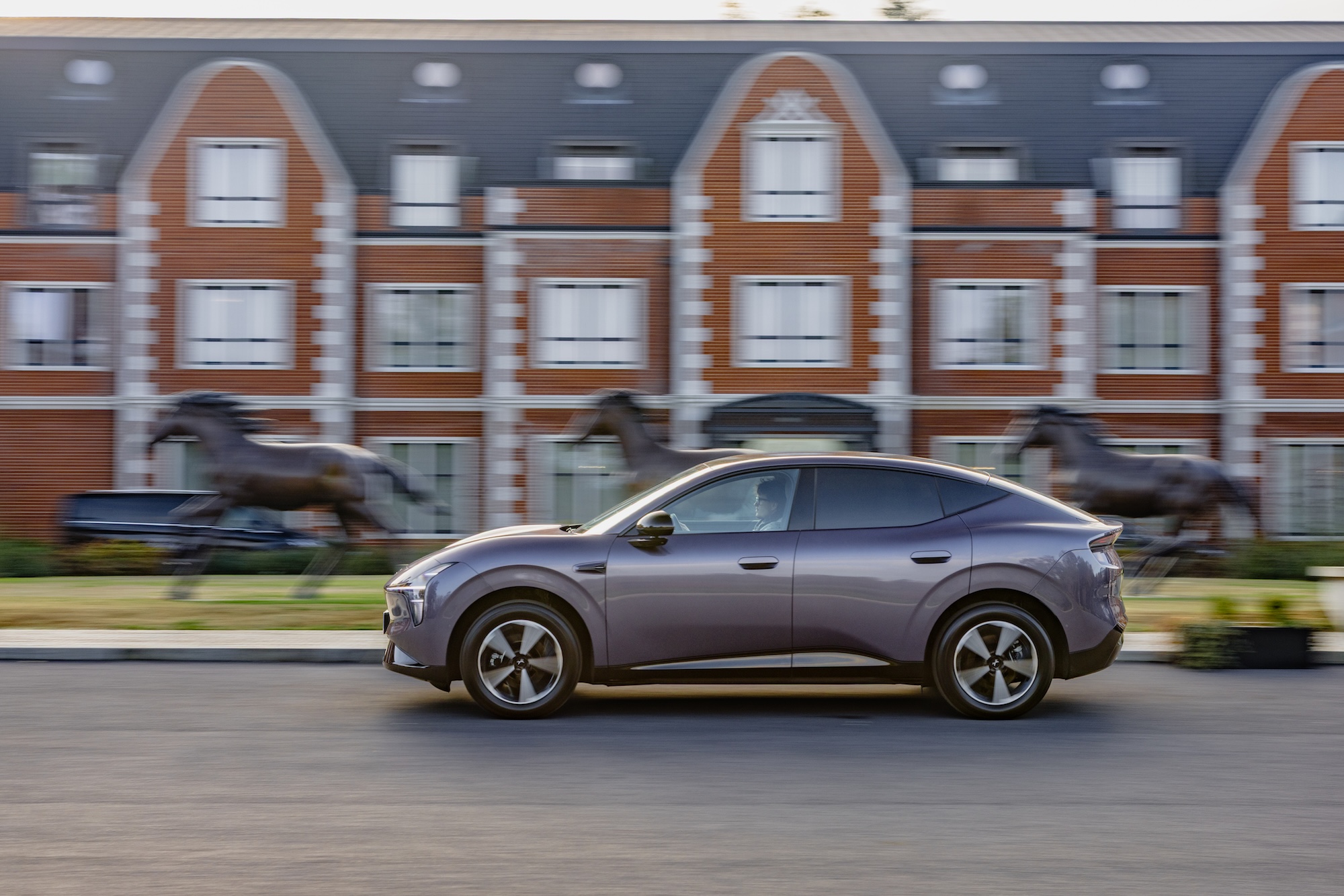
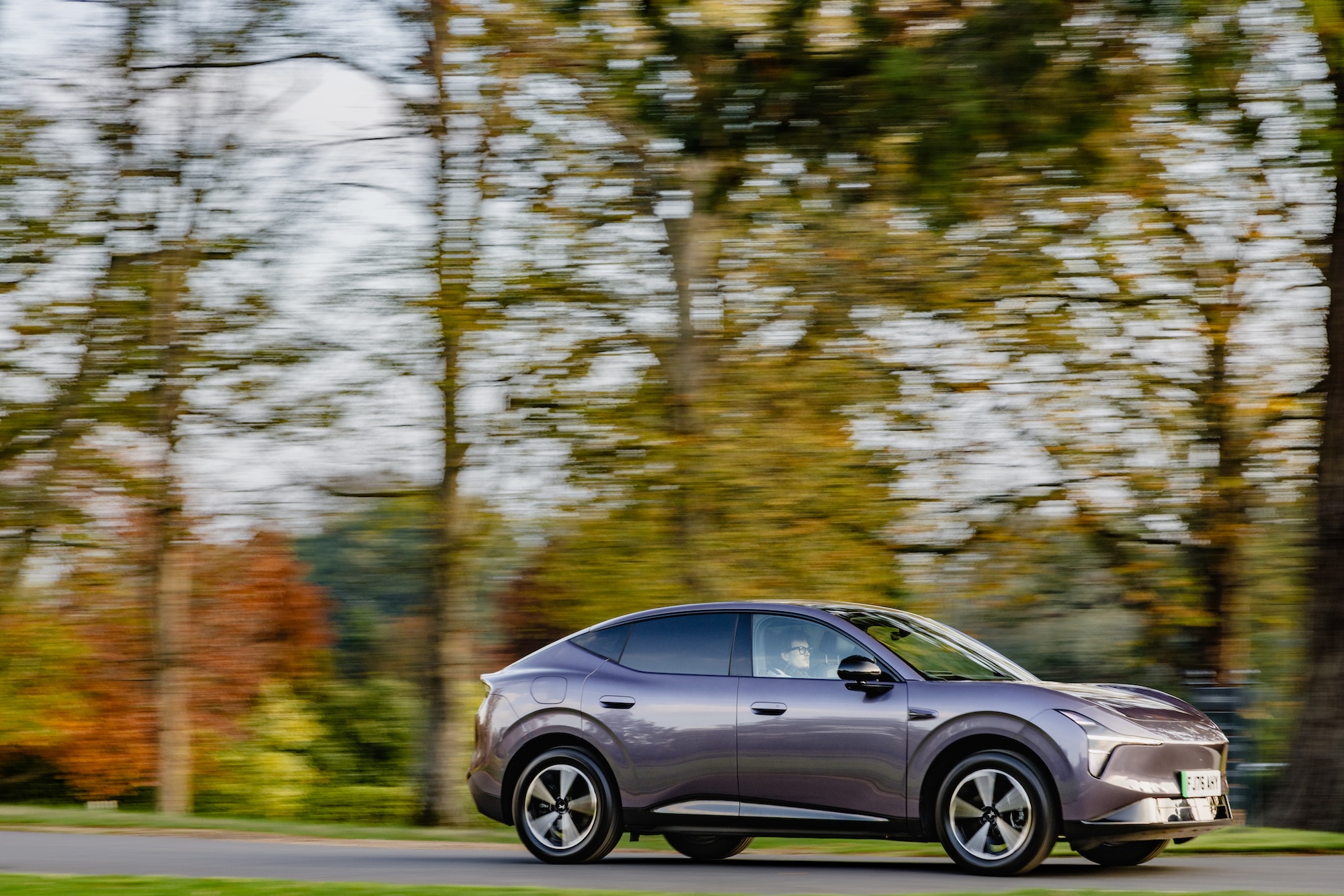
I've only driven the Performance so far, and while it has more power than a Cupra Tavascan VZ and Skoda Elroq vRS, it isn't as engaging to drive. It's quick, naturally, but I like how it isn't neck-snappingly fast from a standstill – it really gets a move on at above 30mph; below this, it's very relaxed. That's really good around town where you don't want lightening acceleration, but do when joining a motorway. But the steering is light and not particularly communicative, and as a result it didn't give me the confidence to drive enthusiastically on country roads.
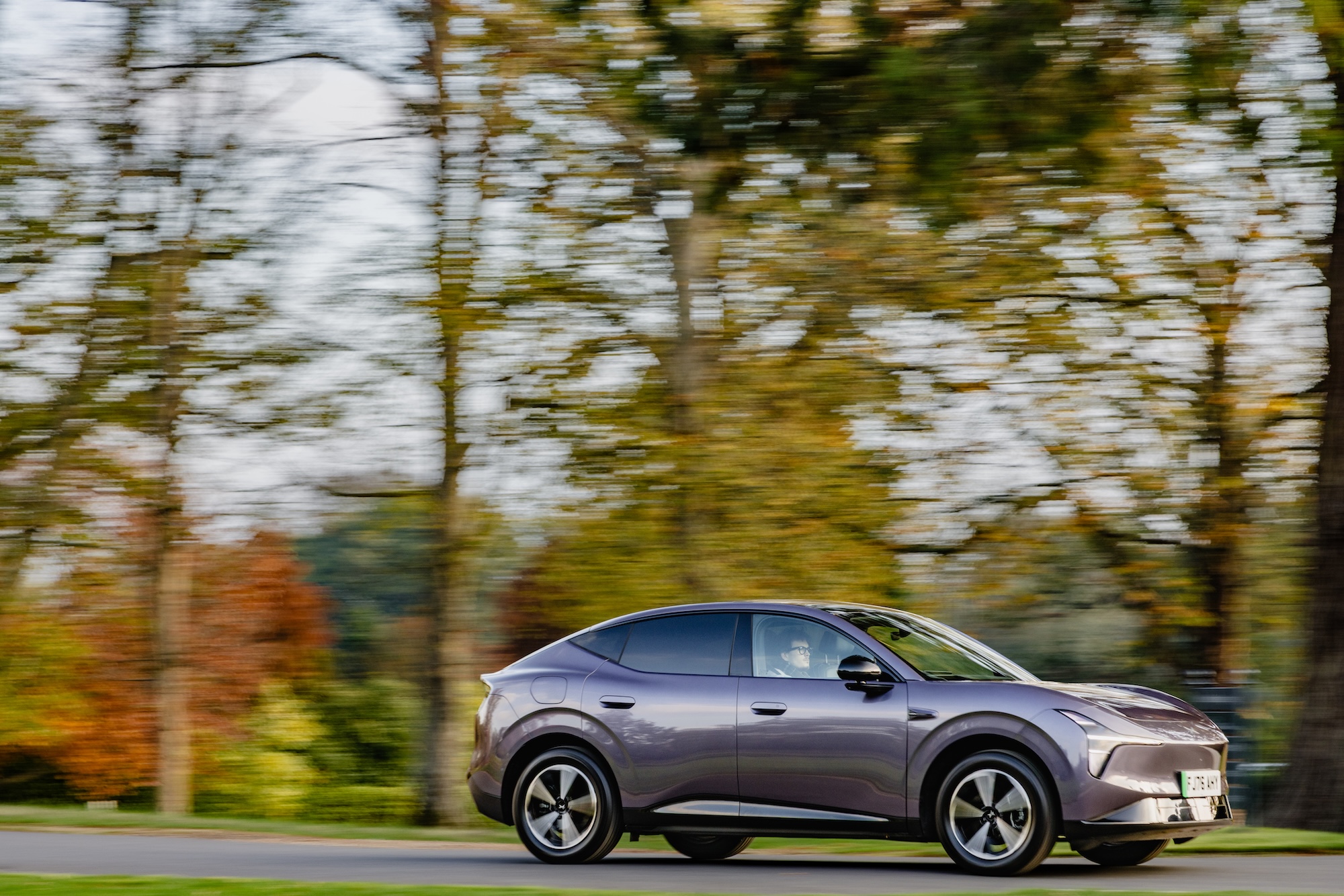
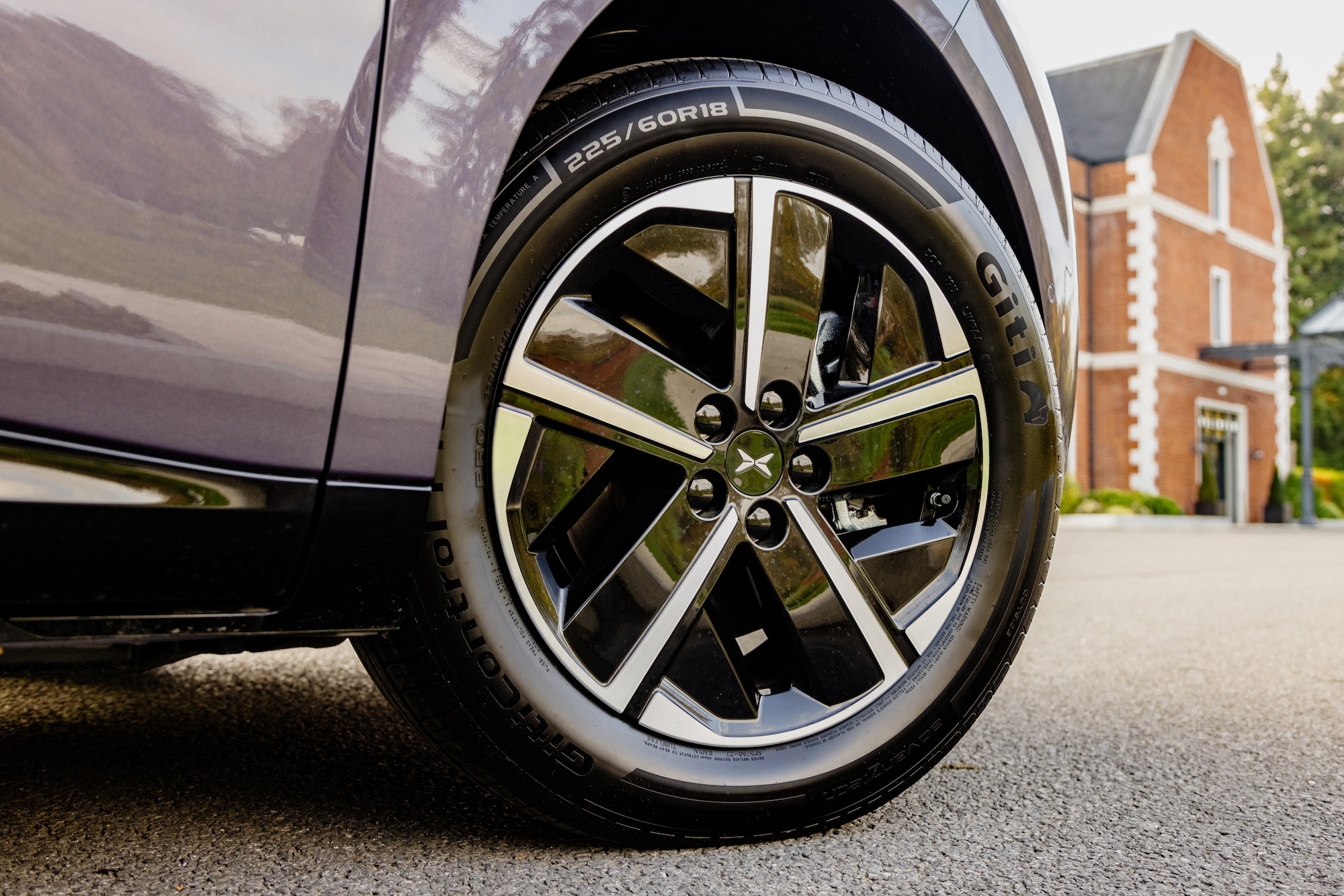
The body control is good, though, and the car doesn't lean much in bends, and the ride on my car was extremely good. The L03 has sophisticated independent suspension all-round that helps with this, but the main reason for the comfy ride are the wheels. The 18-inch alloys have large tyres with plenty of side-wall, which help cushion the ride over potholes. The L03 isn't the grippiest car on the road, either – it's fine, but my car had tyres from a brand I'd never heard of – but it is very, very quiet on the move.
I'd be interested to drive the RWD Long Range, and find out that if with its lighter weight and single motor it's slightly more fun to drive. Also, I'd be keen to have a go in the Ultra version. Its larger 20-inch wheels will give a different character to the ride, plus it benefits from more advanced safety systems and can support future automated-driving functions thanks to its powerful Turing AI chips.
Running costs and pricing
Prices start at just £32,990, putting it right up against the Kia EV3 and Skoda Elroq. But the Xpeng feels like a more premium product than either of those cars.It's also considerably cheaper than more expensive electric SUVs such as the Volvo EC40 and Tesla Model Y, despite offering an impressive amount of technology and equipment.
Even the entry-level L03 comes with heated and ventilated electric front seats, a panoramic glass roof, a massive 15.6-inch touchscreen and a 26.8-inch head-up display.You even get a heated steering wheel and powered tailgate.That's an enormous amount of standard equipment for a car costing less than £33,000, particularly when you consider that some manufacturers charge thousands of pounds extra for similar features.
Even the RWD Long Range, which is likely to be the one that interests most buyers thanks to its claimed 323-mile range, is £35,990 – that's a very competitive price!
Verdict
With a Ferrari designer responsible for penning the look of the Xpeng L03, is this a Ferrari electric SUV for the masses? Is this a Ferrari Luce on the cheap? Well, no – but Xpeng isn't really trying to offer this to be fair.
For £32,990, you're getting a sleek, spacious electric SUV with a genuinely premium-feeling interior, an enormous amount of standard equipment and some of the fastest charging speeds in its class. Even the pick of the range at £35,990 looks like great value.
The technology is impressive, too, although whether you actually want an artificial intelligence assistant controlling various functions in your car is another matter entirely. And while many rivals are more engaging to drive, the L03 is quick, comfortable and very refined. It's just a shame that the boot isn't as big as it should be – I think this is something that will dissuade quite a few potential buyers.
The L03 isn't trying to be the most practical or entertaining electric SUV on sale, though. Instead, it's attempting to give buyers the sort of technology, luxury and equipment they'd normally expect from a much more expensive car. And on that front, Xpeng has done a very convincing job.

 8