




 Battery size: 43 - 71 kWh
 Range: 193 - 243 miles
 Max charge rate: 150kW
 E-Rating: A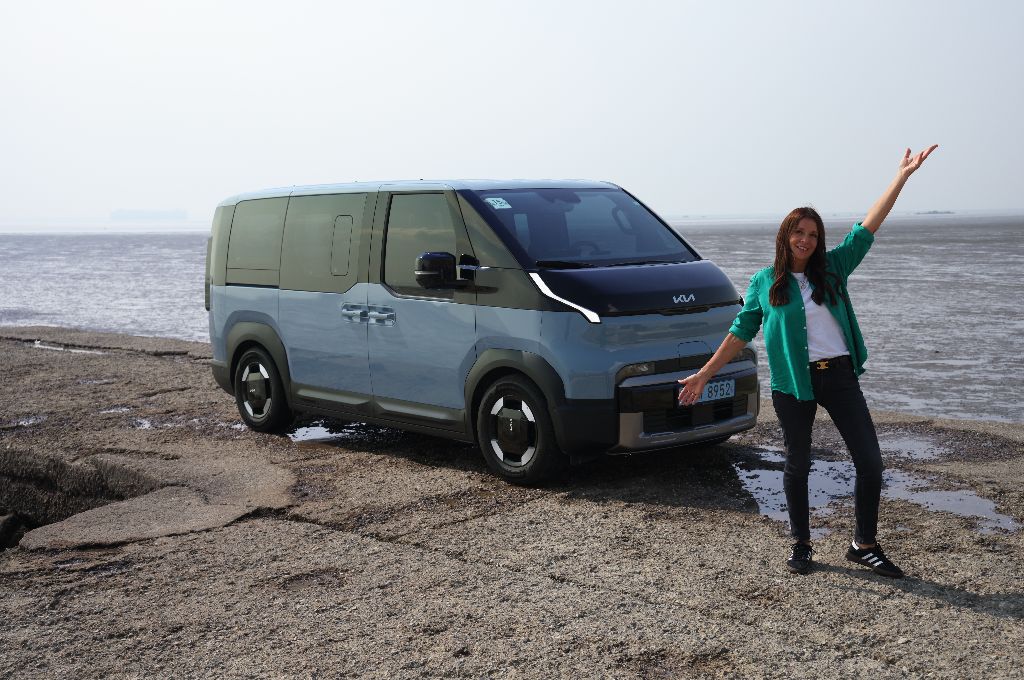
 PV5_Passenger_Key visual image_1.png)
 PV5_Passenger_Key visual image_5.png)
 PV5 Passenger 230_Key visual image_INT_quater view.png)
 PV5_Passenger_Key visual image_2.png)
 PV5 Passenger 230_Key visual image_INT_driver view.png)
 PV5 Passenger 123_Key visual image_INT_quater view.png)
 PV5 Crew_Key visual image_INT_quater view.png)



Introduction
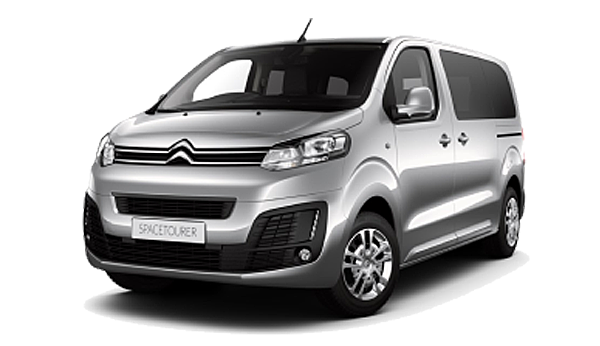
The Kia PV5 Passenger is a five- and seven-seat electric MPV that doesn’t have many rivals. It’s really just the VW ID.Buzz and the (arguably more van-like) Citroen e-Spacetourer that stand out, and the Kia undercuts both of those on price so it’s not hard to see why I was keen to have a proper drive, and find out all about it.
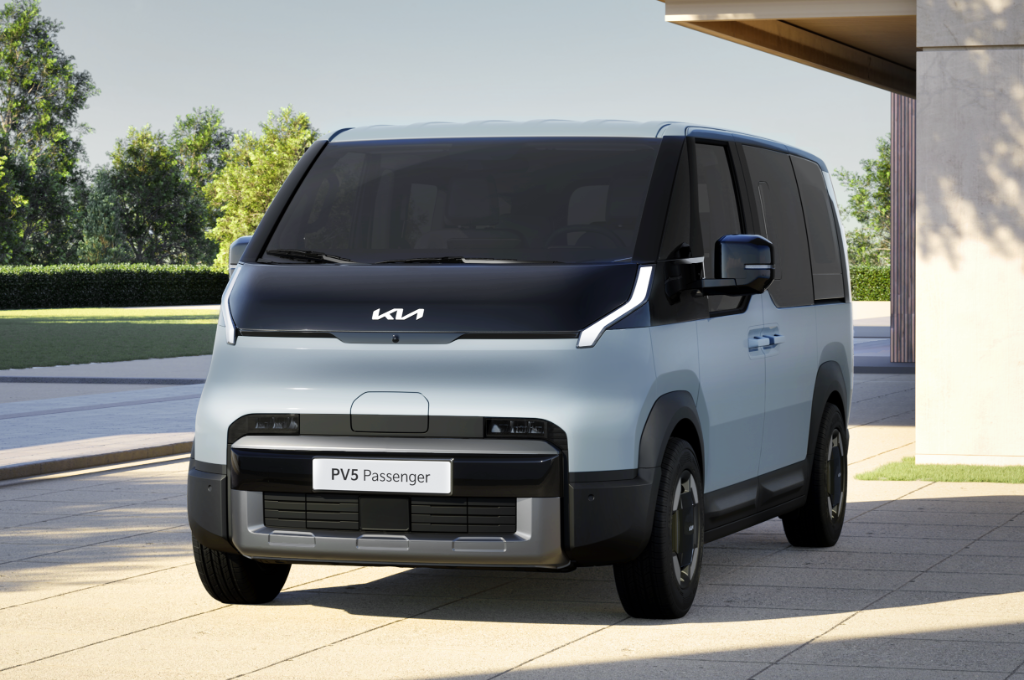
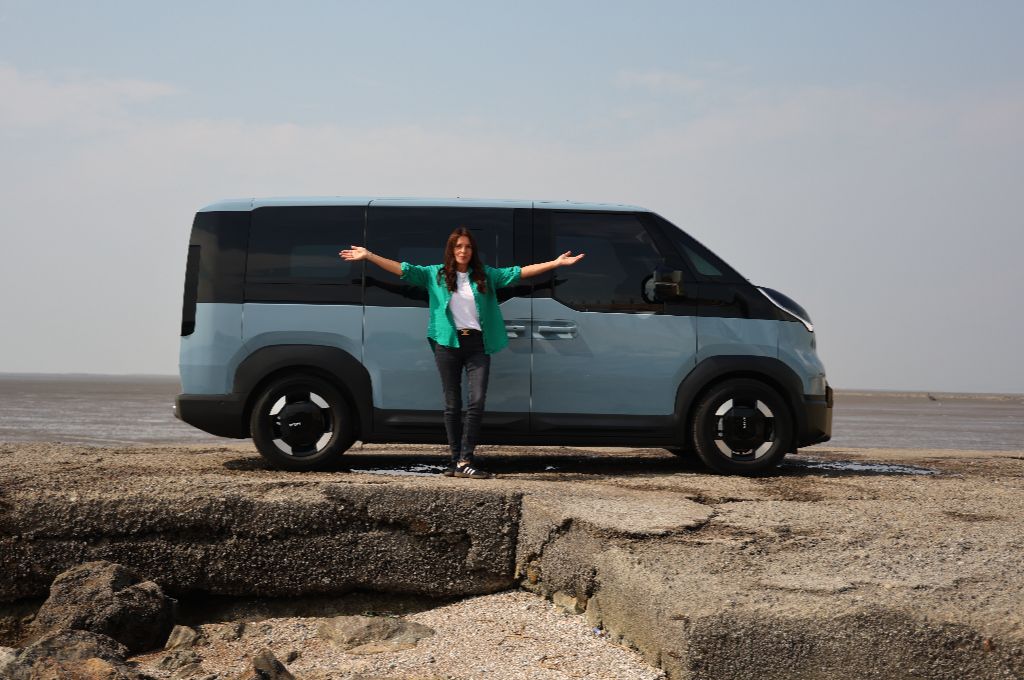
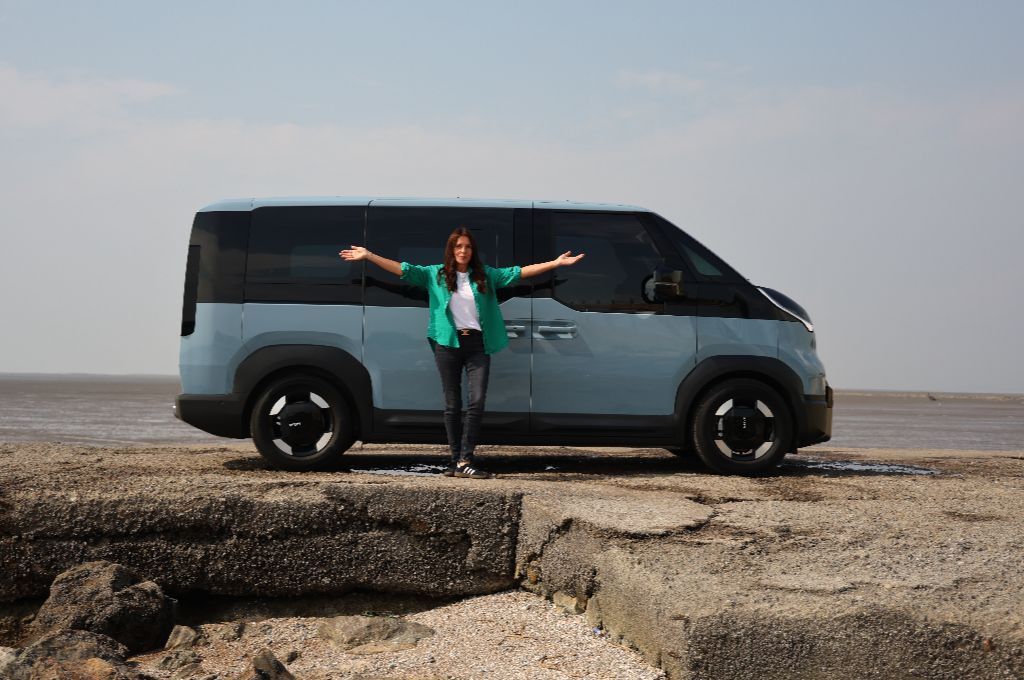
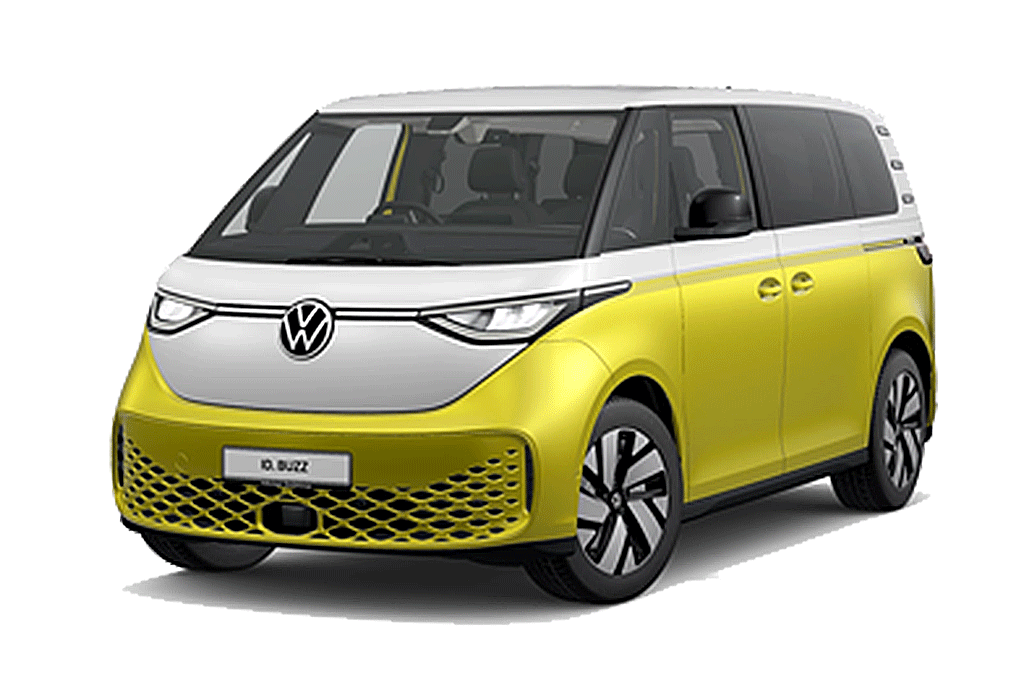
Size-wise, the PV5 Passenger is pretty much the same as the ID.Buzz, although it doesn’t rely on retro styling. Up front, there’s a smooth face with a central charging port, so you don’t end up with cables blocking the doors when it’s plugged in. You get rugged bumper styling, while those trademark daytime running lights remind you it’s a Kia. It's a shame that you'll only be able to get the PV5 as a five seat MPV from launch in the UK, but the seven seat model isn't too far off and is due to arrive in summer 2026.
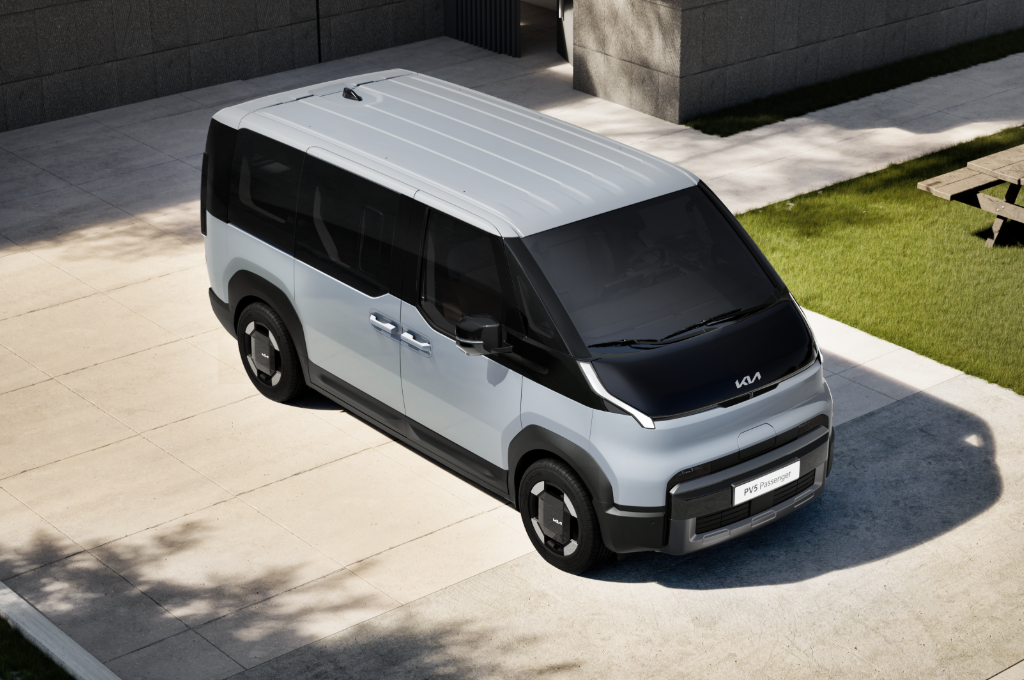
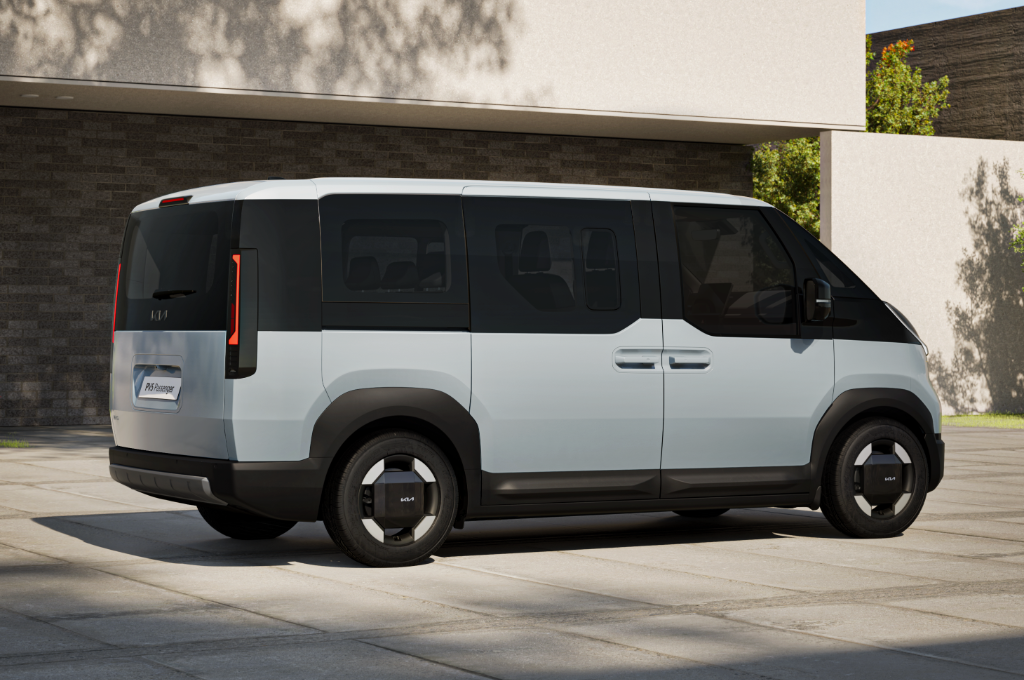
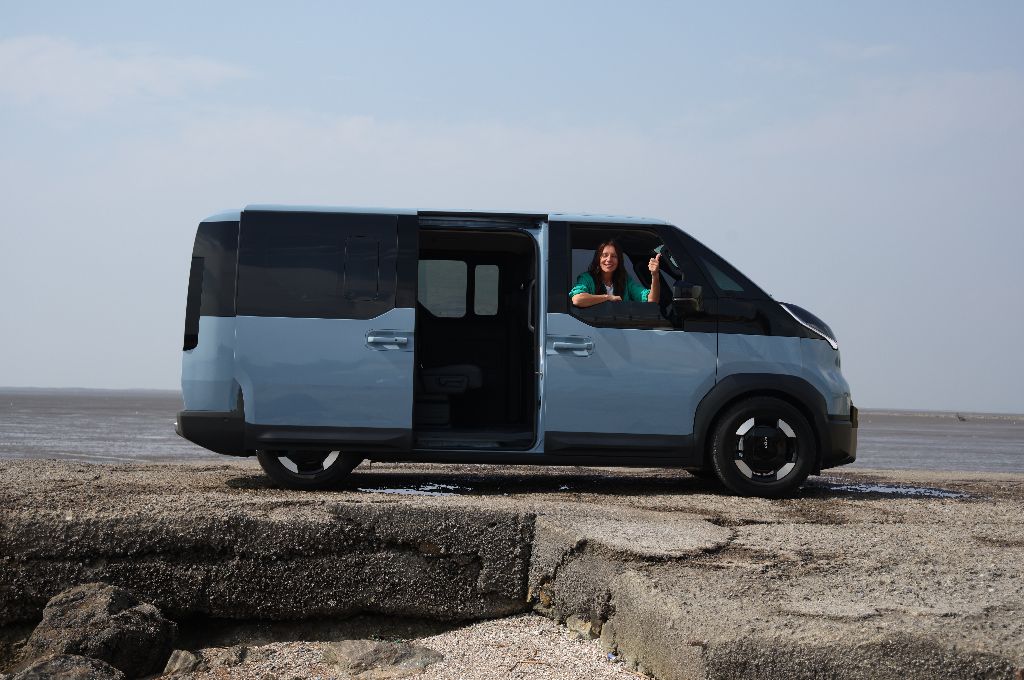
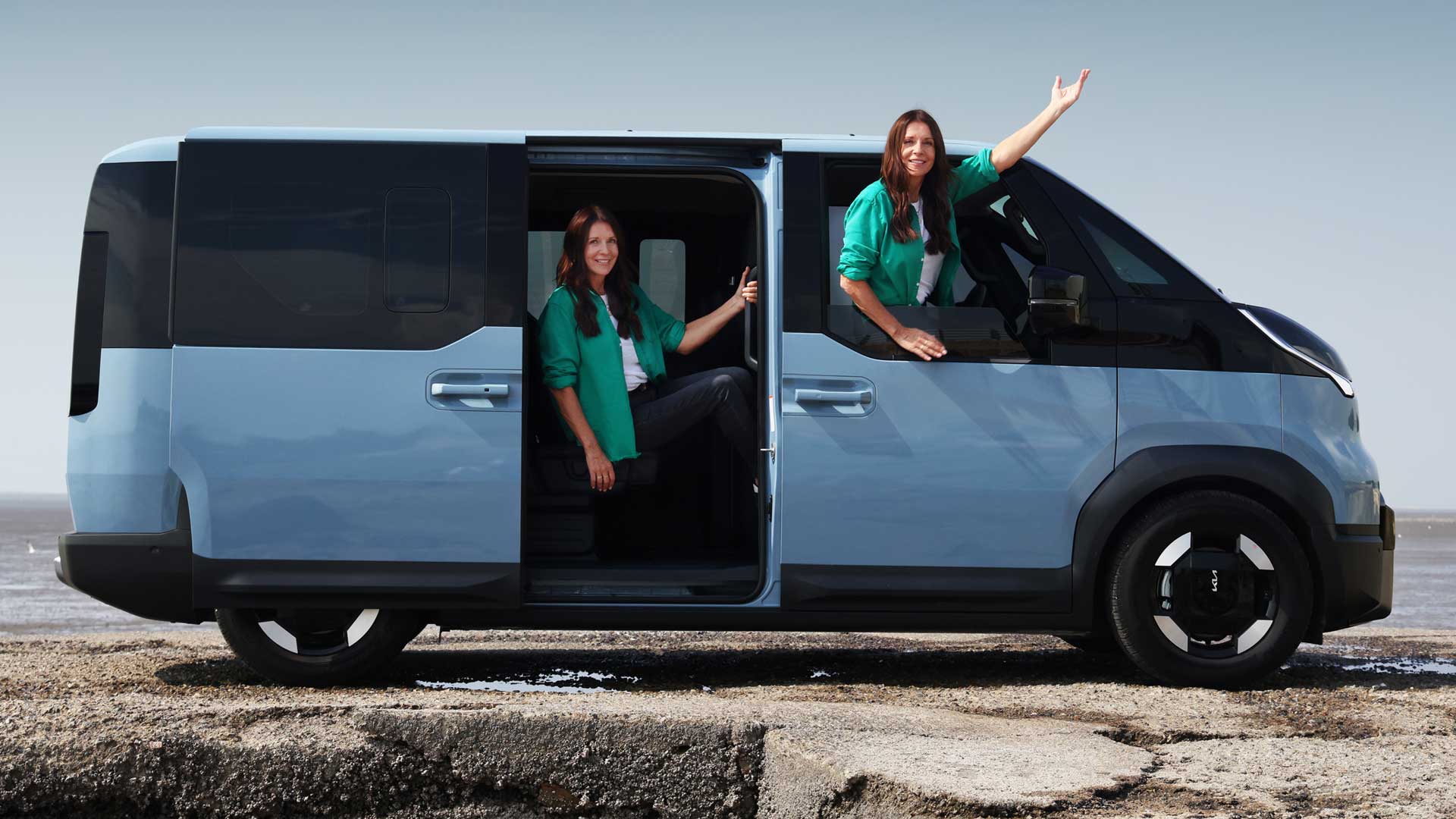
From the side it keeps a boxy, practical shape, with wraparound window trim to look sleeker and SUV-style wheel arches for attitude.
Cleverly, the Kia PV5 Passenger’s body trim is modular, so if you pick up those inevitable supermarket car park bumps you can swap out the scuffed panels without much cost or hassle.
One of the standout features for me is the relatively low step-up point into the PV5 Passenger. It makes loading the boot less of a workout and means it will be easier for kids to climb into the back.
The Kia PV5 Passenger comes in two trim grades: Essential and Plus, along with two different battery options offering either 193 or 243 miles of WLTP range. Pricing massively undercuts the VW ID.Buzz, which starts at nearly £60,000, so the Kia’s starting price of well under £35,000 is pretty startling. All versions avoid the over £50k luxury vehicle tax, too. The five-seater version is on sale now, with a seven-seater version arriving later.
Range, battery and charging
The PV5 Passenger comes with two battery options – a smaller 46kWh version with an official WLTP range of 183 miles, and a larger 67kWh long range option with 256 miles – both of which are li-ion NMC batteries.
A heat pump is a £780 option on the Kia PV5 Passenger, and could be worth considering if you do a lot of longer journeys in winter. Regardless of whether you add the heart pump, it's always a good idea in cold weather to precondition the car using your app to help with real-world range in winter. Talking of real-world range, we've only driven the bigger battery PV5 Long Range and have found that it'll do around 150 miles on a winter motorway run (when most EVs are less efficient and will see lower range potential), but slower driving and warmer weather will likely see that creep up to around 200- to 230 miles. We'll have to come back to you on our experience of real world efficiency on the PV5 Standard Range, but we'd estimate that you'll see around 100- to 160 miles depending on conditions.
When it comes to charging, the PV5 Passenger supports up to 150kW DC charging which means a 10–80% charge will take around 30 mins. AC charging currently tops out at 11KW, but 22kW charging will be added down the line. Most owners will charge the PV5 from a 7kW home charger, which will deliver a full charge in around 8- to 12 hours depending on which battery you're topping up.
Practicality and boot space
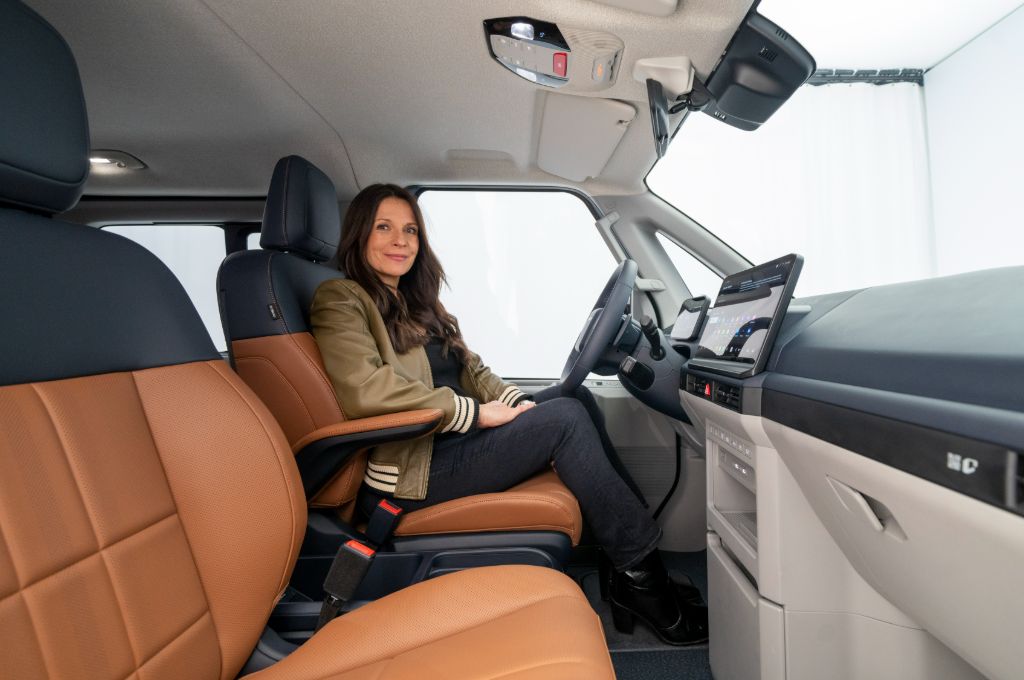
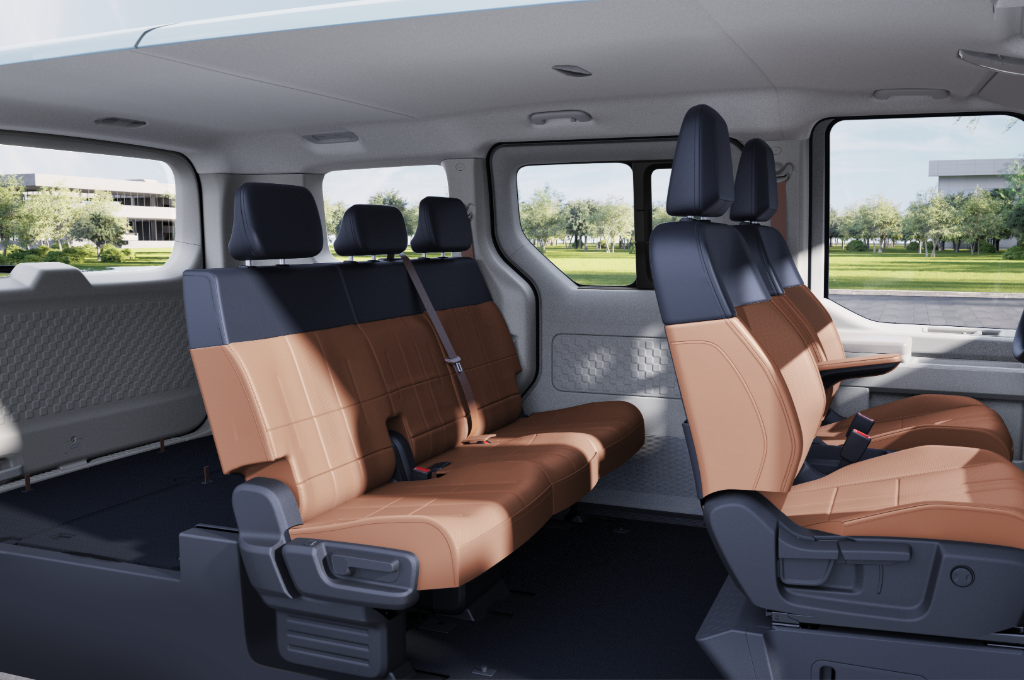
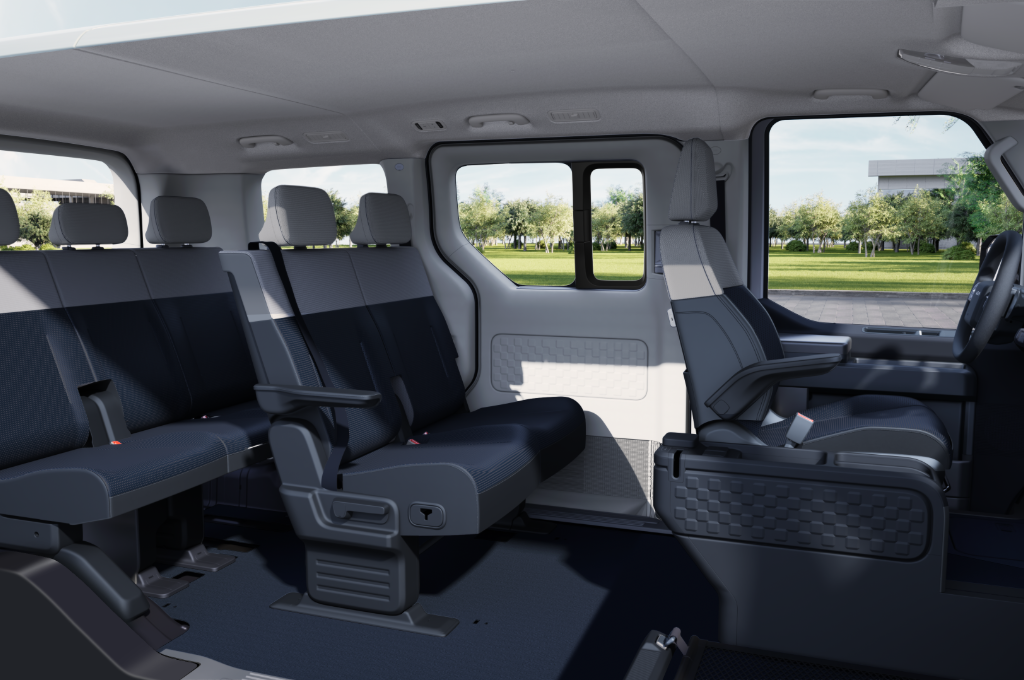
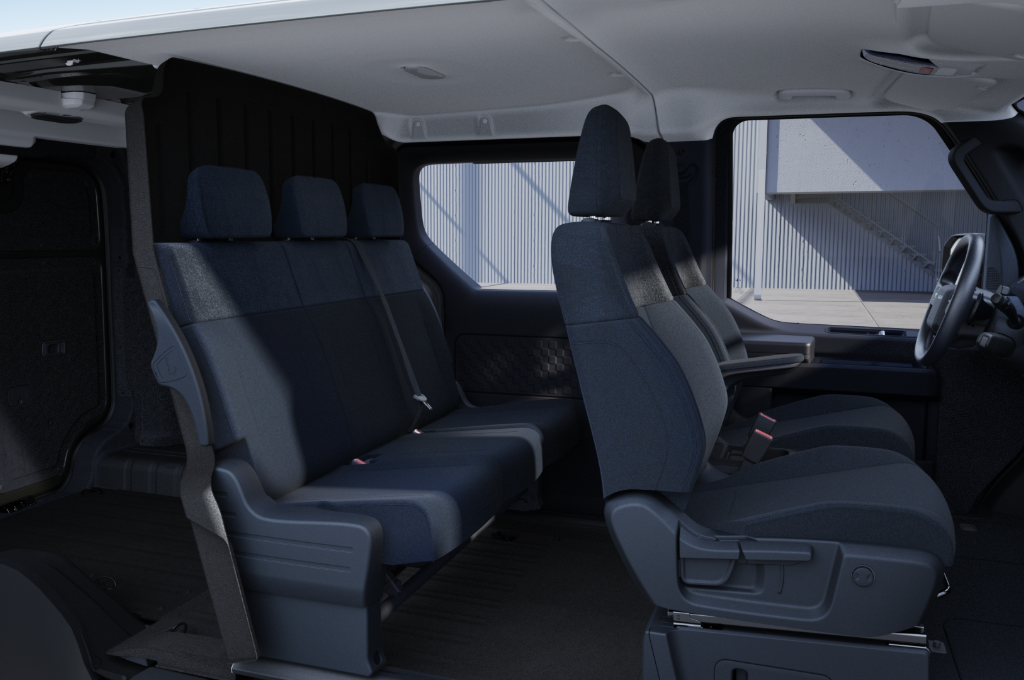
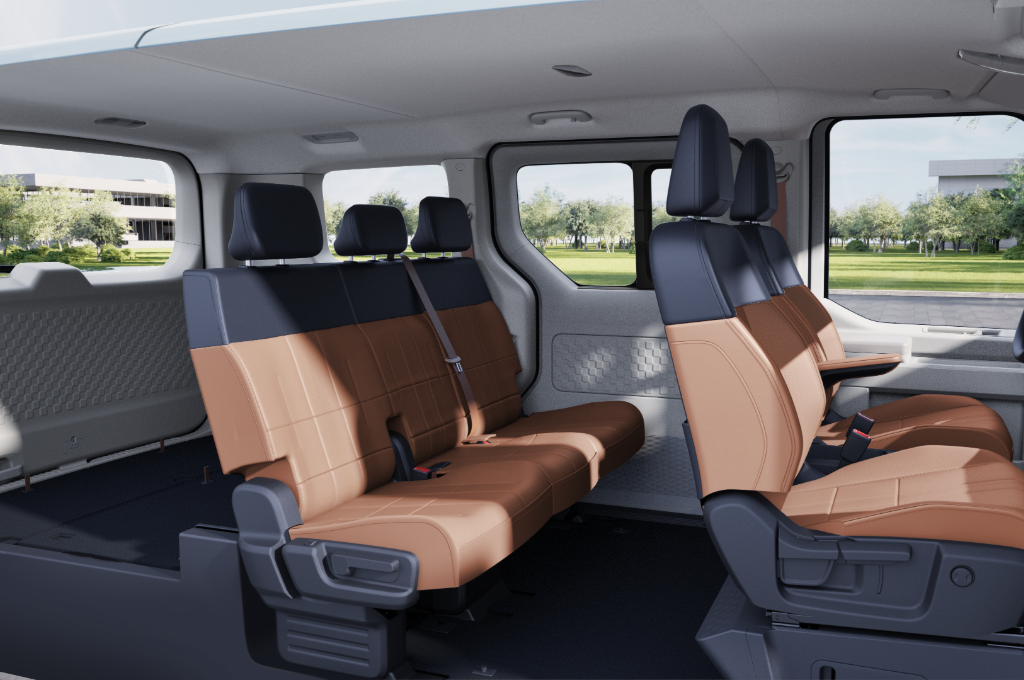
Inside you’ll find plenty of space for the driver, passengers and everything you need to carry with excellent all-round visibility for everyone, thanks to the deep windows. There are loads of storage spaces about, with two underfloor cubbies in the front, a large, lidded storage box on the dash, front seat under trays, deep door bins and a massive glovebox – you’re not short of somewhere to keep your stuff.
In the back it's very spacious but only the two outer seats are fitted with Isofix child seat points, and there’s no option for an extra seat in the front passenger seat, which I think would have been a welcome option for many larger families. However, there are points to plug in all those devices on the sides of the front seats, along with large seat pockets. The second row passengers also get a footrest and there are heated second row outer seats feature on the 'Plus' grade,
One advantage the PV5 has over the the ID.Buzz in the rear is that the enormous windows have a small section that passengers can open – particularly useful if you’re carrying children.
Boot space is as generous as you’d expect at 1,330 litres with the rear seats up and 2,300 litres with them folded. There’s more space than you’ll find in the VW ID.Buzz. This is a van, after all!
The shape of the boot with its wide opening and low entry point also makes the PV5 Passenger a good option for dog owners like me, as it will be easy to get them in and out.
Interior, design/styling and technology
The PV5 Passenger has been designed with functionality and practicality in mind – and it shows. The interior feels less plush than the ID.Buzz, but for the price I don’t think many will mind (I certainly don’t).
Sustainable materials play a key role and include recycled plastics and other eco-friendly alternatives. Like the exterior, the interior trim follows a standardised design, making it easy to replace parts that are compatible across different vehicle sizes, reducing waste and extending the vehicle’s life cycle.
The materials do feel a little cost conscious in places, but again that’s reflected in the pricing and Kia has also put a big focus on using practical materials that are easy to clean. But the overall build quality and finish is good, particularly for a van-based people mover.
Overall, I think the PV5 Passenger is well specced for the money. Even the entry level Essential has all the ‘essentials’ along with extras like daytime running lights and electrically adjustable heated door mirrors, Android Auto and Apple CarPlay connectivity, handy front and rear parking sensors plus a reversing camera and electric one-touch front windows as standard.
You also get a full suite of safety tech along with Kia’s excellent cruise control system across the range. You only get 16-inch steel wheels on the entry level, but I think they look pretty cool.
Step up to the Plus version and you get electronic front seat height adjustment, electric folding door mirrors, along with heated front seats and steering wheel. It’s a shame you can’t pay extra for heated seats on the entry level model and the handy vehicle-to-load (V2L) capability with adapter is also only available on the top spec.
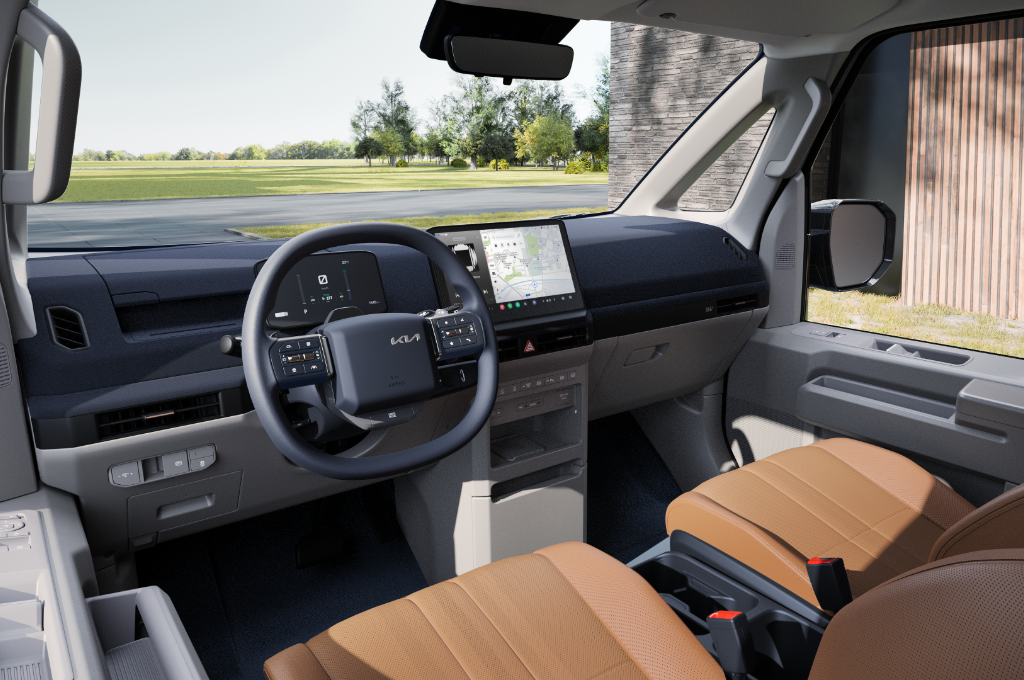
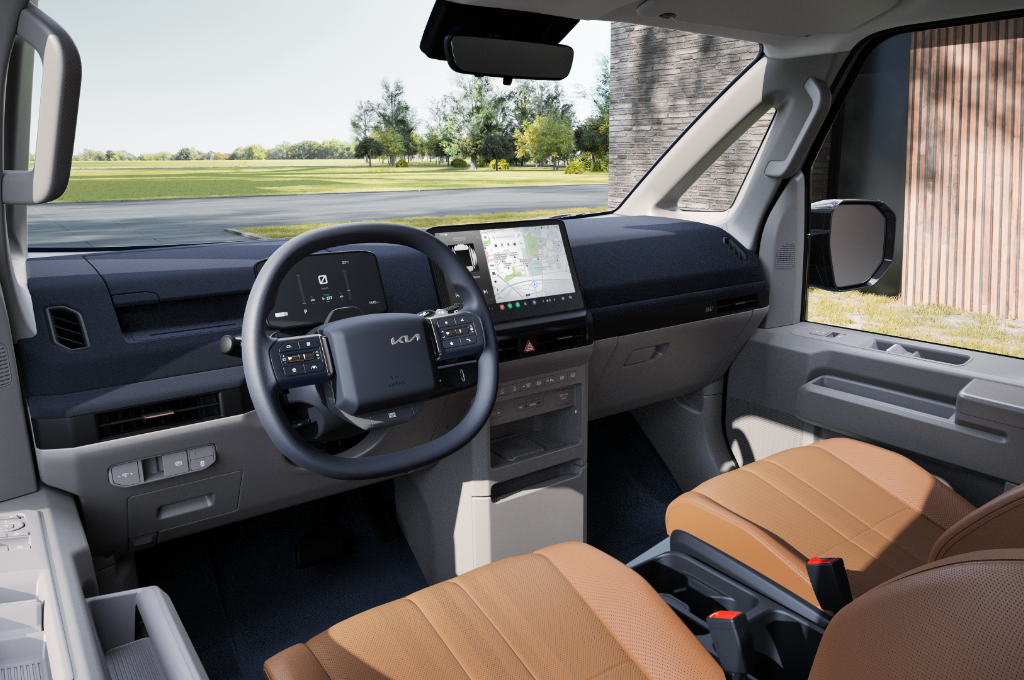
Tech wise you get a 12.3-inch main screen and 7.5-inch secondary display, which runs a new Android-based IVI infotainment system. Thanks to a partnership with fleet tracking experts Geotab, managers can see where their vans are remotely, how much charge they’ve got and how efficiently they’re being driven.
I found the system intuitive to use during my time driving the Kia PV5 Passenger, and the screen is clear and easy to navigate.
As always with a Kia there’s a good blend of physical switches and buttons both on the dashboard and steering wheel which means all the key functions are easy to find and use.
%20PV5%20Passenger%20230_Key%20visual%20image_INT_quater%20view.png)
Motors, performance and handling
When it comes to driving both battery options get front-wheel drive, with 120hp in the smaller battery model for 0–62mph in 12.8 seconds, and 160hp in the bigger battery PV5 for 0–62mph acceleration in 10.6 seconds. Both options are capable of a top speed of 84mph.
I didn’t find the power overwhelming, and even the more powerful version doesn’t feel that sprightly off the mark, but it's more than adequate for family life or ride sharing. The punch is there when you need to do an overtake or get up a steep hill – even if you’re fully loaded. If you want extra performance then Volkswagen's ID.Buzz will give you that as it has more power.
I drove the PV5 Passenger in busy city traffic, on the motorway and along smaller country roads and found it to be surprisingly refined for a van-based MPV. It isn’t as fun or enjoyable to drive as the ID.Buzz, but I still enjoyed my time behind the wheel. As you’d expect from its extremely large windows and raised driving position visibility is excellent. I liked the way the large wing mirrors, huge windows and a low beltline help to reduce blind spots, which can be a concern in a vehicle this large. Despite its size it's easy to place on the road, thanks to the light responsive steering.
As with all Kia’s you get a series of different driving modes, with an option to set things up to your own preference. My advice is to keep it in Comfort and use Eco when you want to conserve your driving range. Sport feels pretty redundant in such a comfort oriented car, to be honest!
Speaking of which, the PV5 gets a smooth, comfortable ride whether you’re in the front or back seat.
I really like Kia's regenerative braking system with its paddle shifters on the steering wheel, which means you can set the level to your personal preference – strong for me as I like to recoup as much energy as possible!
Overall the Kia drives well, but if you’re after a more ‘car-like’ experience and extra refinement then the ID.Buzz may be a better (if much more expensive) choice.
%20PV5%20Passenger%20230_Key%20visual%20image_INT_driver%20view.png)
Running costs and pricing
Pricing is the Kia PV5’s killer blow. It’s such great value for money!
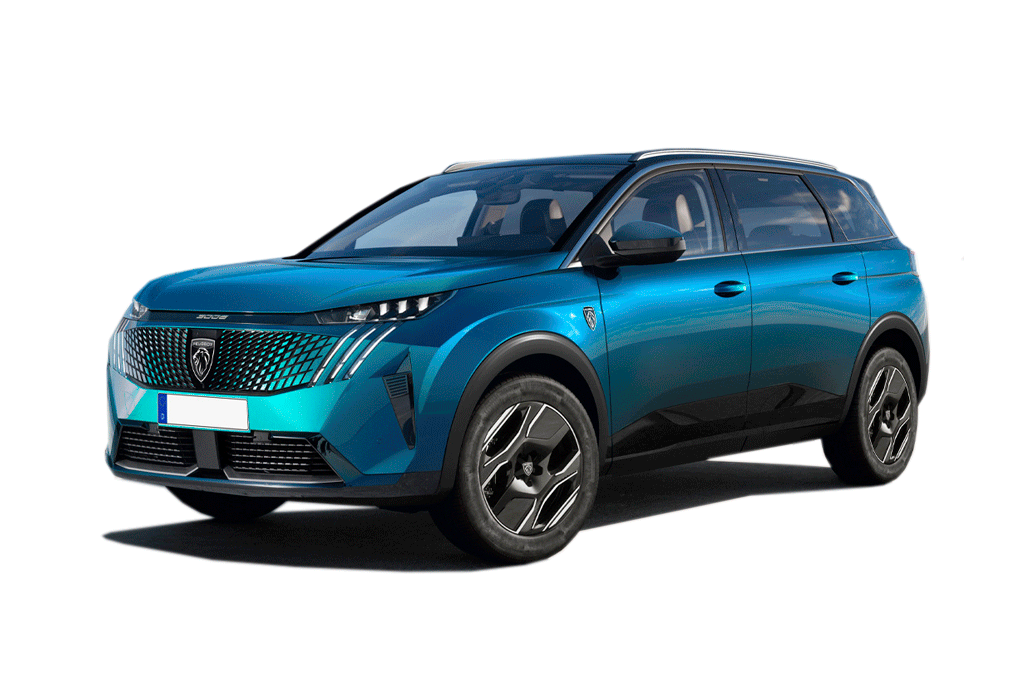
The entry level trim Essential trim is offered with either battery, with the Standard Range costs from £32,995 and the Long Range coming in at £35,995 - which is near enough half the price of a Buzz, and also drastically undercuts seven-seat SUV options like the Peugeot E-5008. The top-spec Plus trim is only offered with the Long Range battery, and costs from £38,295. The Essantial trim gets most of the features you want, but given that the Plus model gets the longer range, and also adds heated seats, blind spot warning monitor, vehicle-to-load (V2L) charging, electric seat adjustment, wireless phone charging and a powered bootlid, I reckon it's worth going for that top-spec model. Mind you, we haven't seen confirmed monthly PCP and leasing deals yet, and that's always crucial.
Also worth highlighting is Kia’s seven year, 100,000-mile warranty, which is one of the best manufacturer warranties out there. Volkswagen, for example, only offers 3 years/60,000 miles of cover, and if you want a longer warranty you'll have to look to Peugeot with its eight year warranty, or Toyota with its ten year cover.
Verdict
Kia is aiming to become a leader in the electric people mover space, and I believe they’ve got off to a brilliant start. After spending some time driving the PV5 Passenger on Korean roads, and taking a good look at the design, tech, and interior, I’d say this: if the VW ID.Buzz is the automotive equivalent of the latest ‘must-have’ designer handbag, then the Kia PV5 Passenger is a cool, well-designed rucksack. It does the same job in a different way, and at a far more affordable price. If VW made family vans cool again, Kia has just made them futuristic – and more fiscally friendly.

 8
8