





 Battery size: 88 kWh
 EPA Range: 345 miles
 Max charge rate: 220kW
 Real-world range: 280 - 320 miles (est)



Introduction - Rivian R2
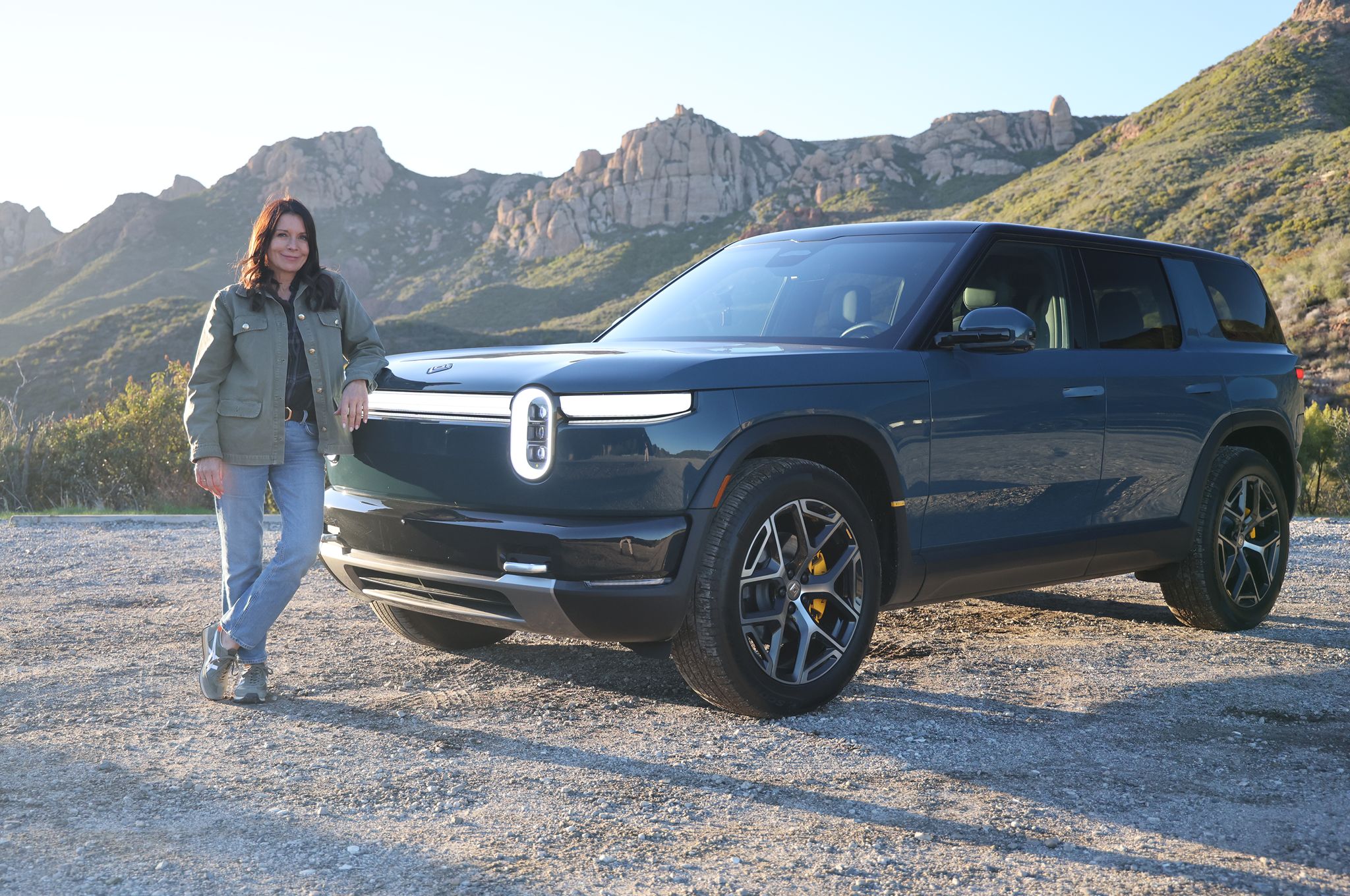
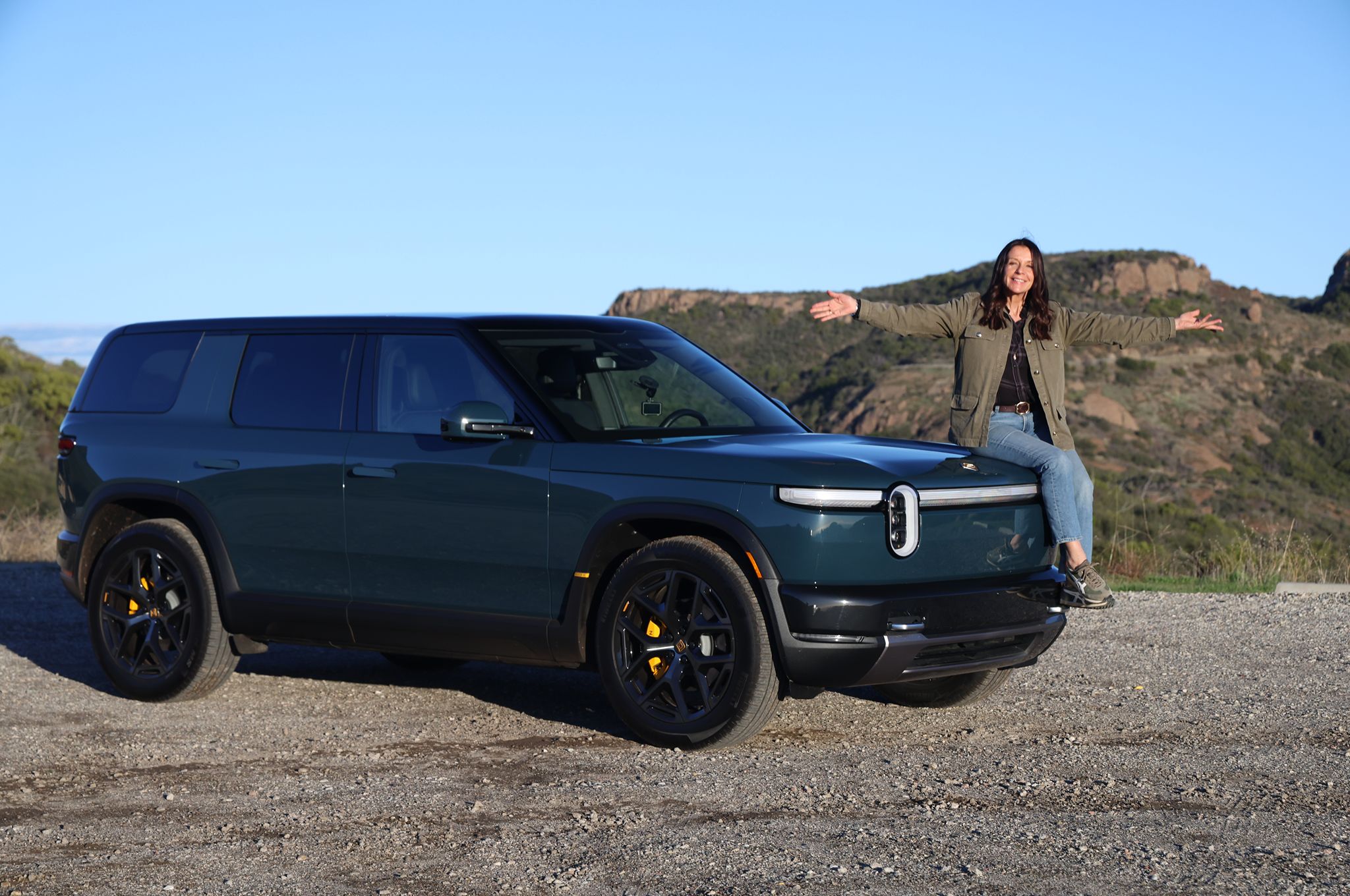
If Rivian’s new to you, it’s an American electric car maker best known for the humongous but very cool R1T pick-up and R1S SUV. I love them, but they’re not exactly built for British roads or parking spaces, which is where the R2 comes in.
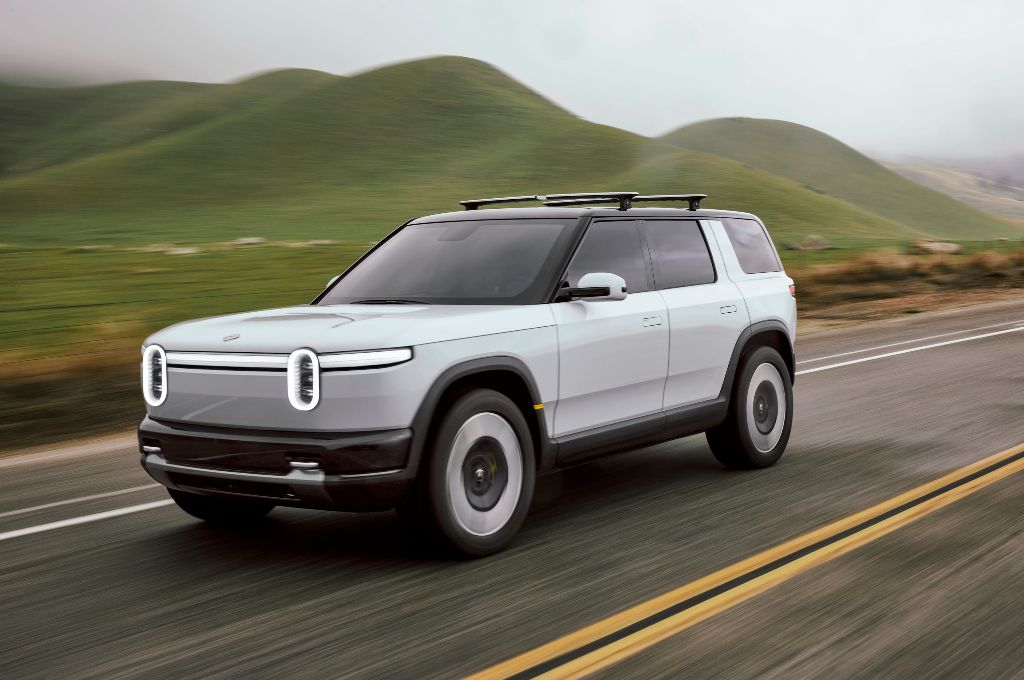
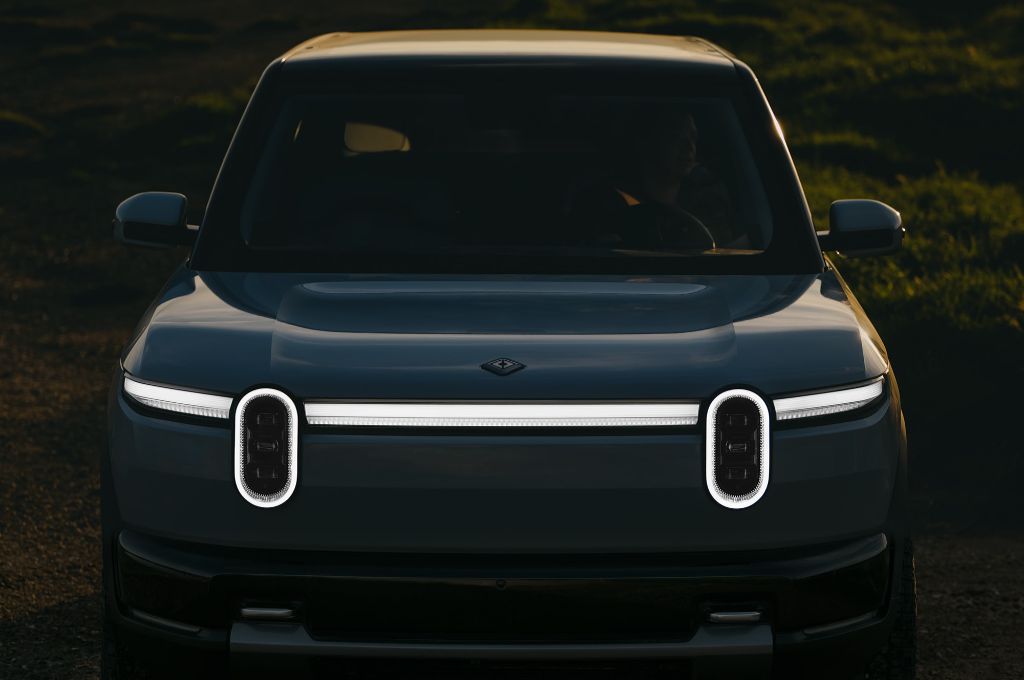
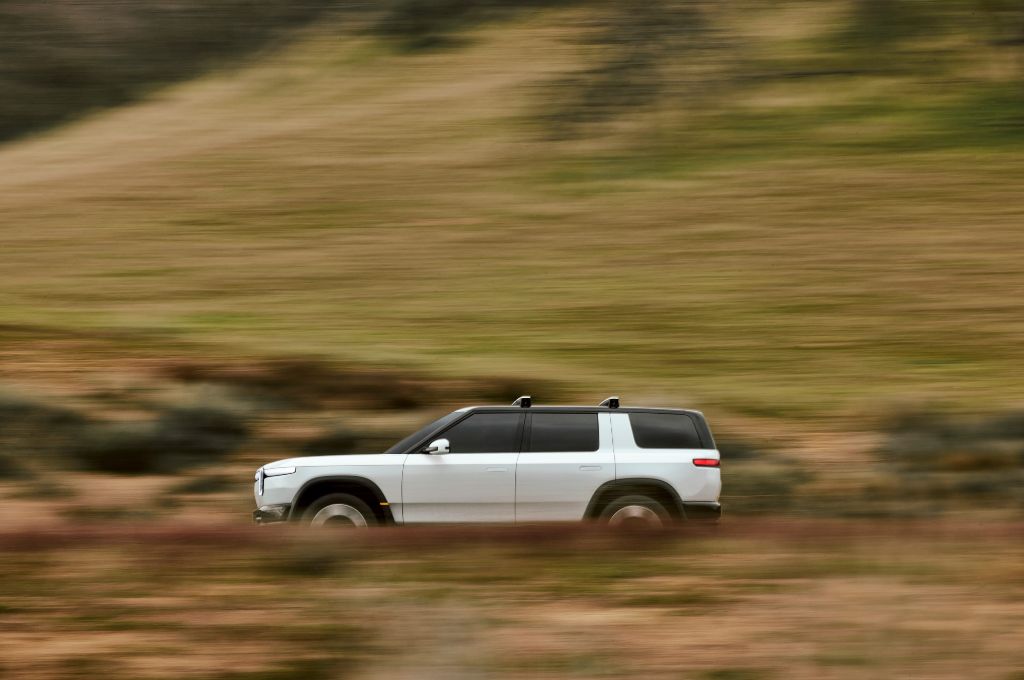
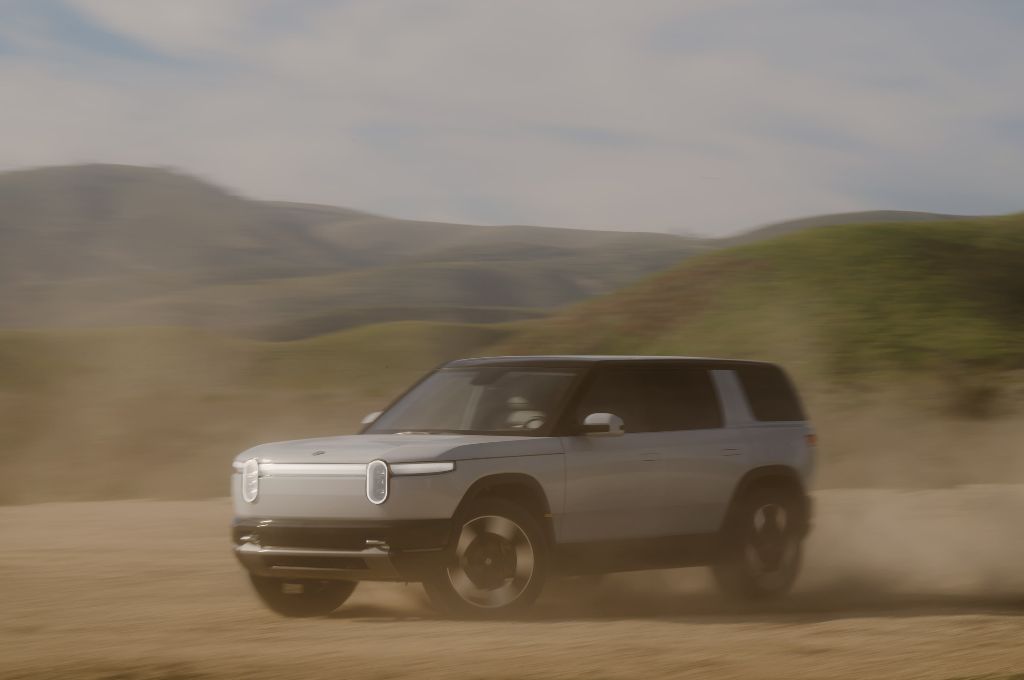
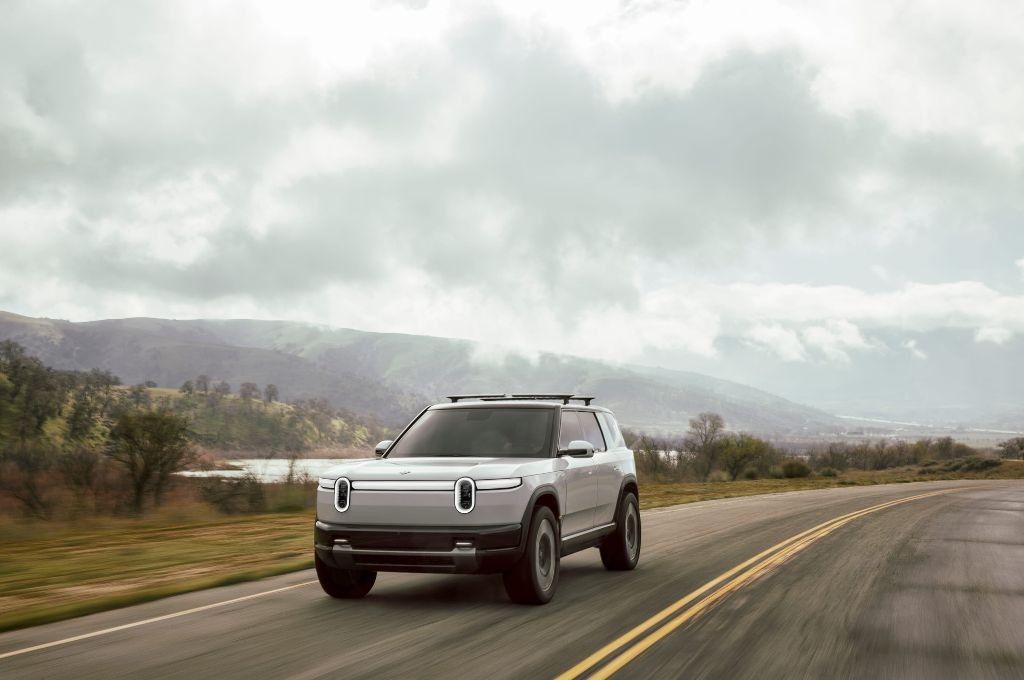
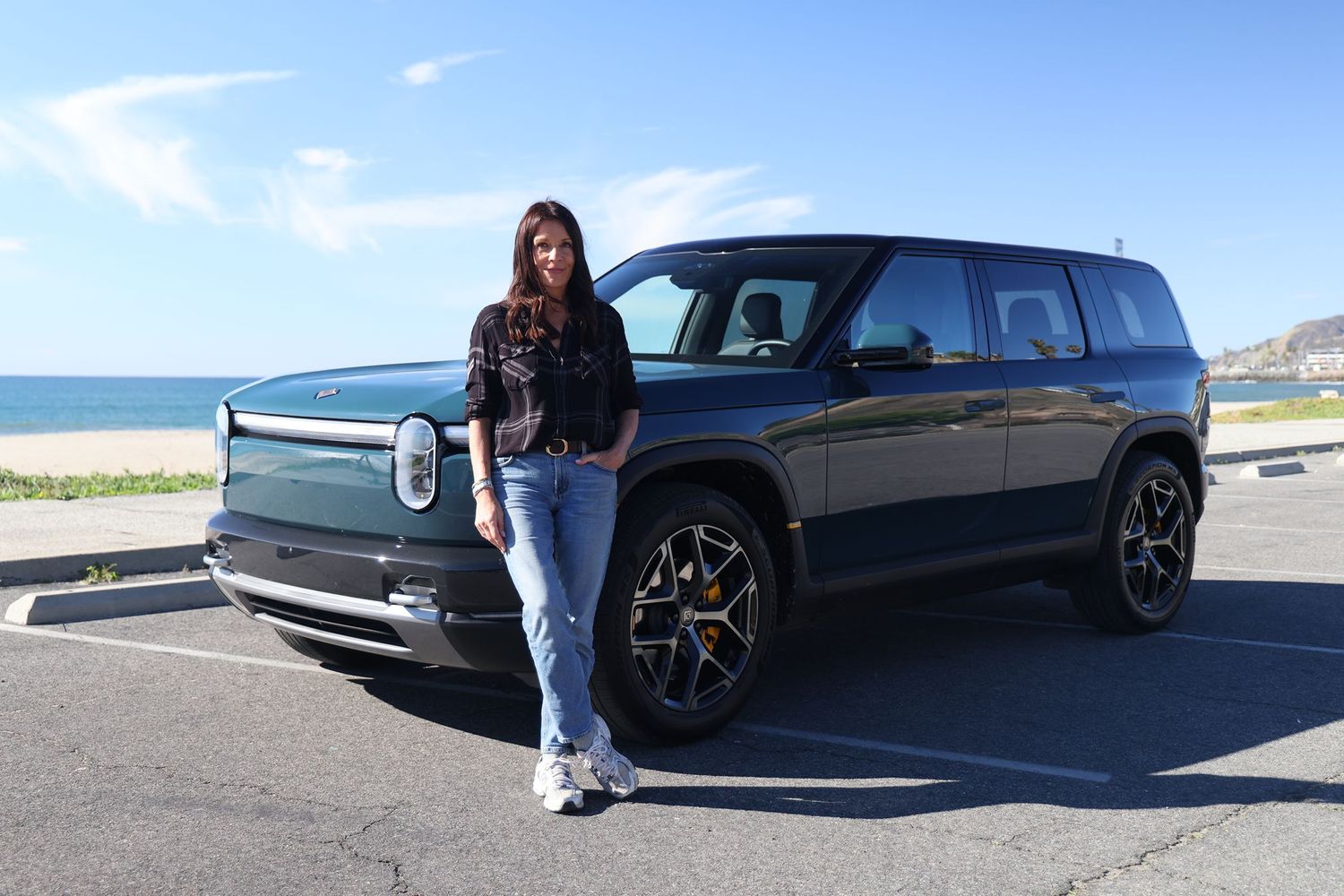
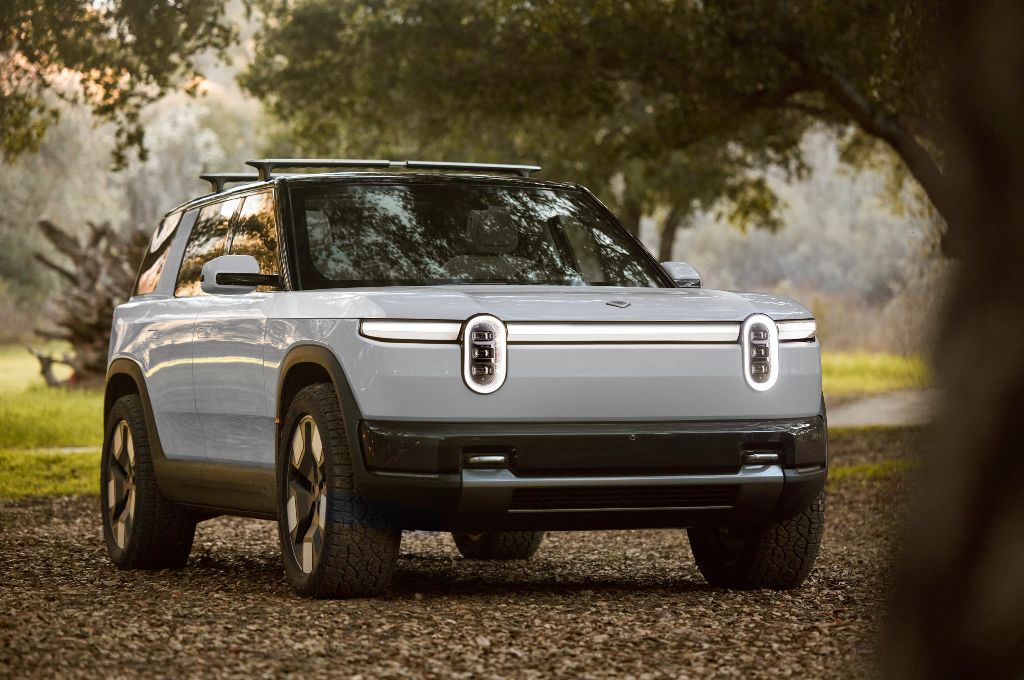
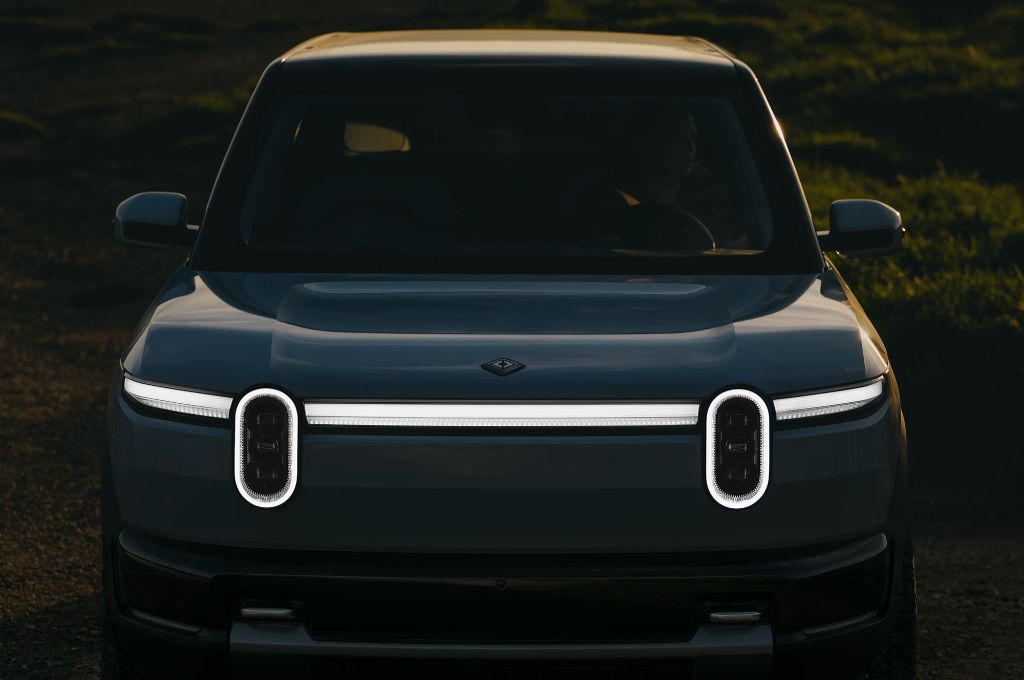
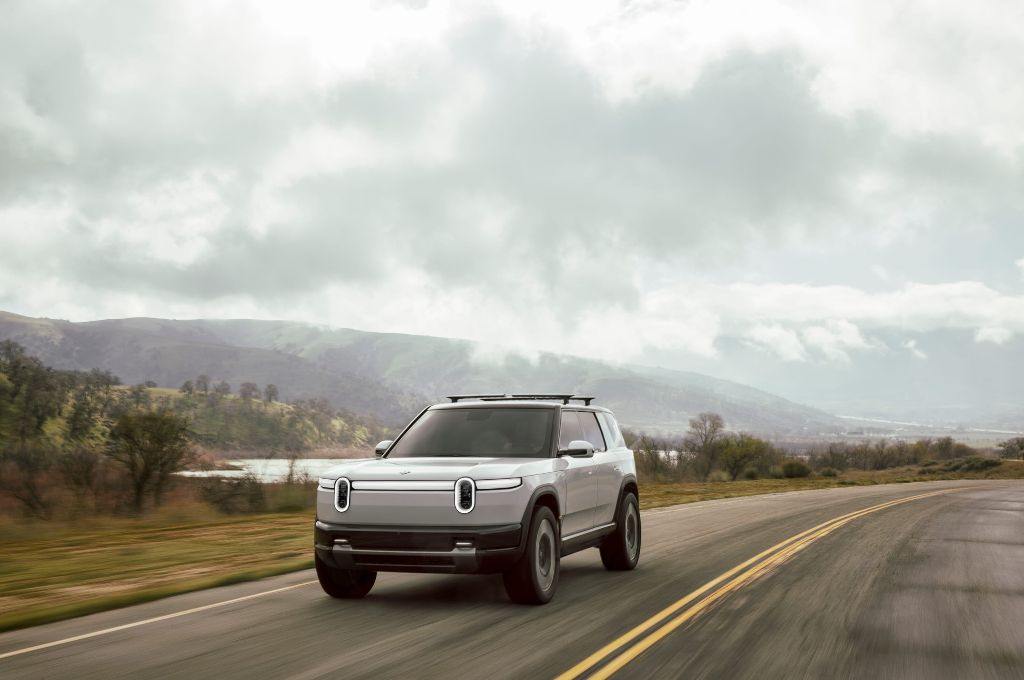
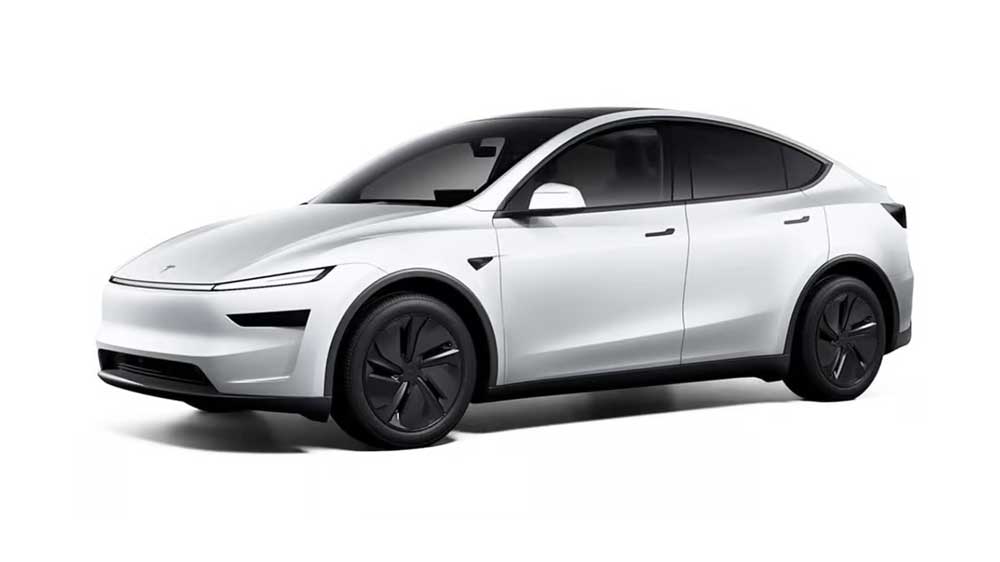
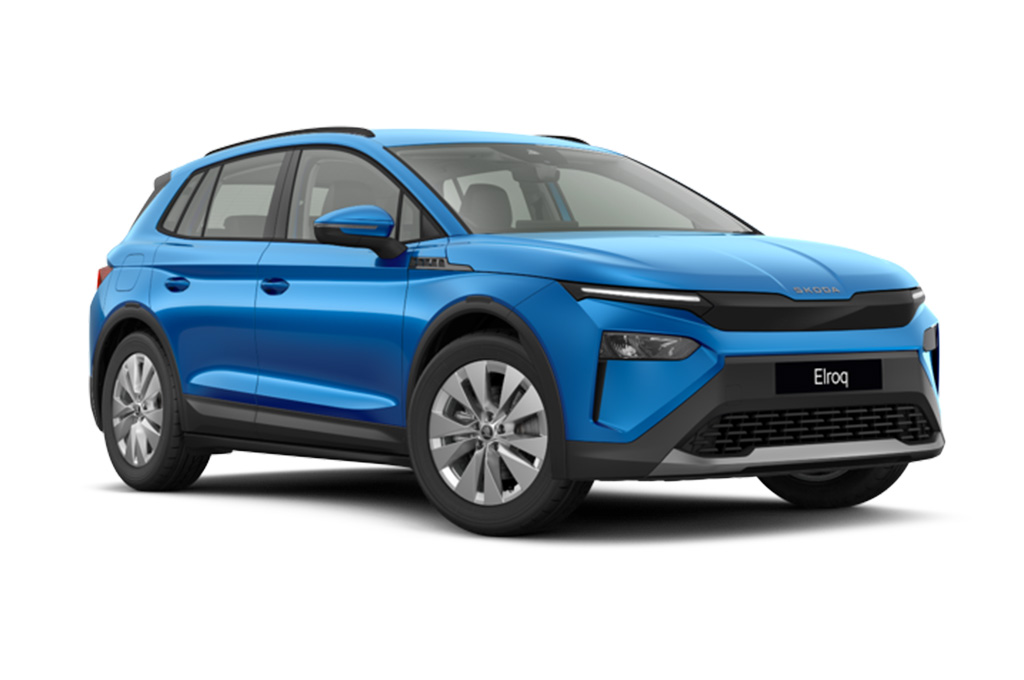
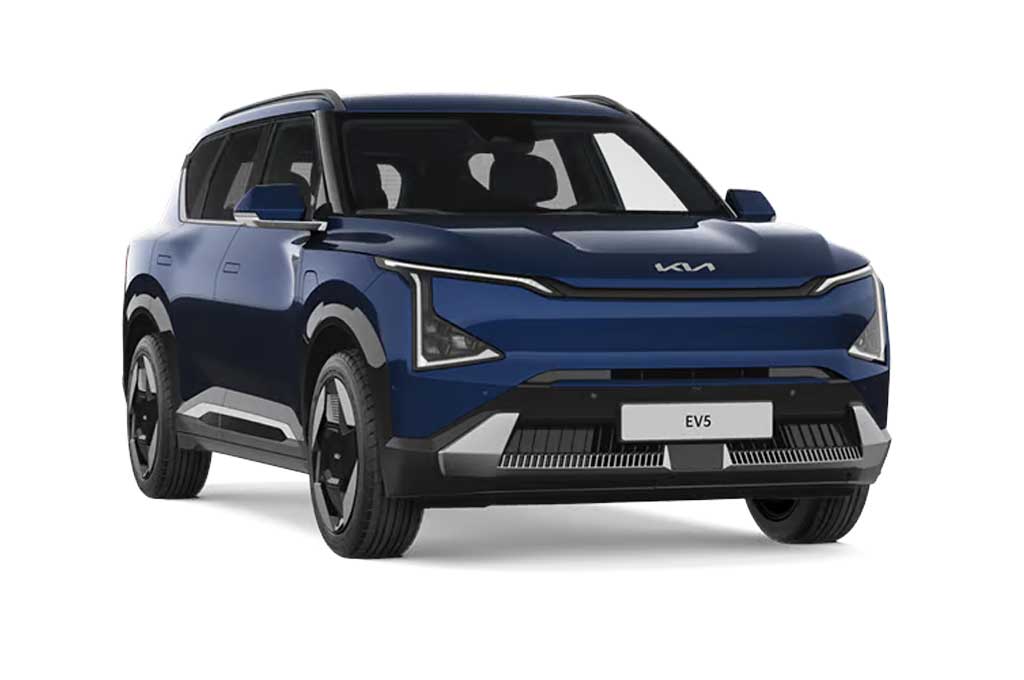
This is Rivian's five-seat, mid-size electric SUV, and at around 4.7 metres long it's aimed squarely at the Tesla Model Y, although buyers could also consider the Hyundai Ioniq 5 and Skoda Elroq. It keeps the chunky, boxy shape and happy face that make a Rivian so easy to recognise, with a full-length light bar and those pill-shaped daytime running lights.
The first version to go on sale is the Performance, with two motors, all-wheel drive, 656hp and a 0–60mph time of just 3.6 seconds. A less powerful Premium version will follow, also with dual motors and all-wheel drive, while rear-wheel-drive Standard versions arrive in 2027.
Having driven the Performance for a few days, I think it’s a great all-rounder, feeling good on a mountain road but also performing well around town and on the motorway. We’re still waiting for UK prices and a firm arrival date, but this is the Rivian that could make sense for life in Britain.
Range, battery and charging
When it comes to range, the only option currently is an 88kWh NCM battery, but a smaller one will be joining the range, and how far it takes you depends on which R2 you choose.
The rear-wheel-drive Long Range is expected to manage up to 345 miles, while the Premium and Performance all-wheel-drive versions offer up to 330 miles, although choosing all-terrain tyres drops that range to 307 miles. These are American EPA range figures, rather than the European WLTP figures that we normally use. The R2 hasn't been tested under WLTP regulations yet, but EPA figures are more realistic - so I reckon the WLTP range on the 88kWh Rivian R2 will be around 350- to 390 miles. That's all still to be confirmed, though, I'm just guessing here!
More importantly, over a mixture of local roads, motorway driving and mountain roads, I averaged 3.6 miles per kWh, which works out at around 317 miles. The climate control was on a lot and we drove it energetically on the mountain roads, so I’m pleased with that.
A cheaper, smaller-battery version is also planned, with an estimated American range of 275 miles, although its battery capacity and the final UK model line-up remain unconfirmed.
For charging, the R2 can accept up to 220kW on a DC rapid charger, with Rivian quoting 10–80% in 29 minutes or up to 150 miles added in 15 minutes under ideal conditions. The US car also supports around 11kW AC for charging at home, although we’re still waiting for the UK specification.
There’s vehicle-to-load (V2L), too, so you can run suitable electrical equipment from the battery, which means making my cuppa on the go is also a possibility.
Practicality and boot space
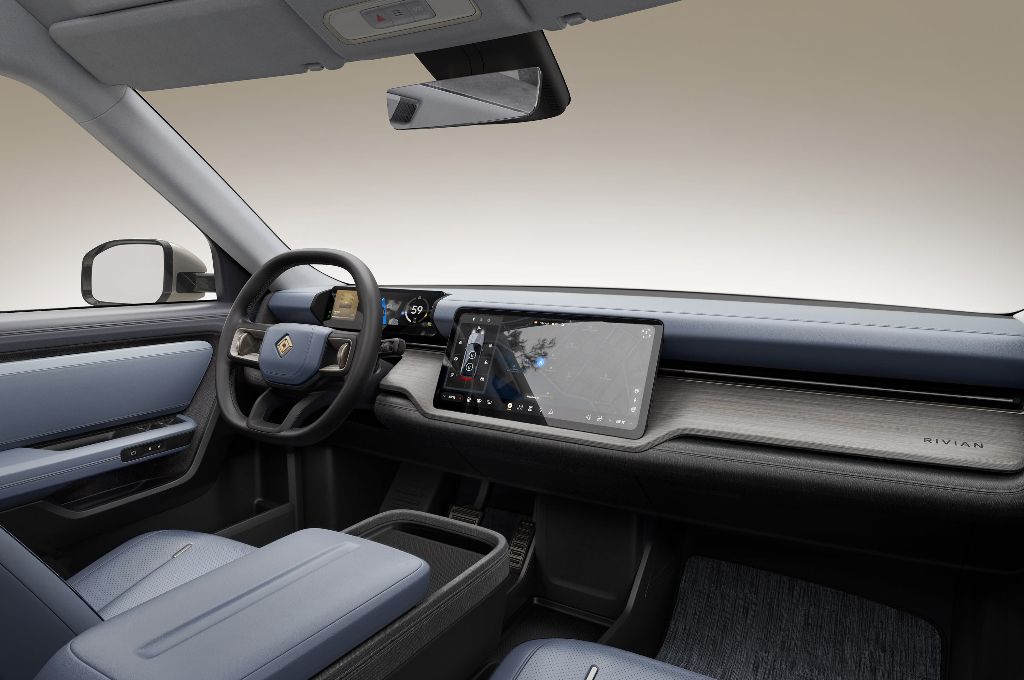
Before getting distracted by screens and software, there’s an important British compatibility test, which is finding somewhere to put my unnecessarily large travel mug of tea. I don’t travel light, but the door pocket expands, so someone at Rivian understands the scale of my problem.
There’s an open storage area below the centre console for my bag, charging for my phone and another compartment under the console, while the bigger R1’s lack of a glovebox has been answered by putting two in the R2. I do enjoy that response to customer feedback, because this matters more to me than a dashboard that can change colour 47 different ways - can I get in with all my stuff, and find somewhere sensible to put it?
Space in the back is good, with excellent head and legroom and room for three adults across the rear seat, along with a nice flat floor and good-sized door bins. There’s a panoramic glass roof, too.
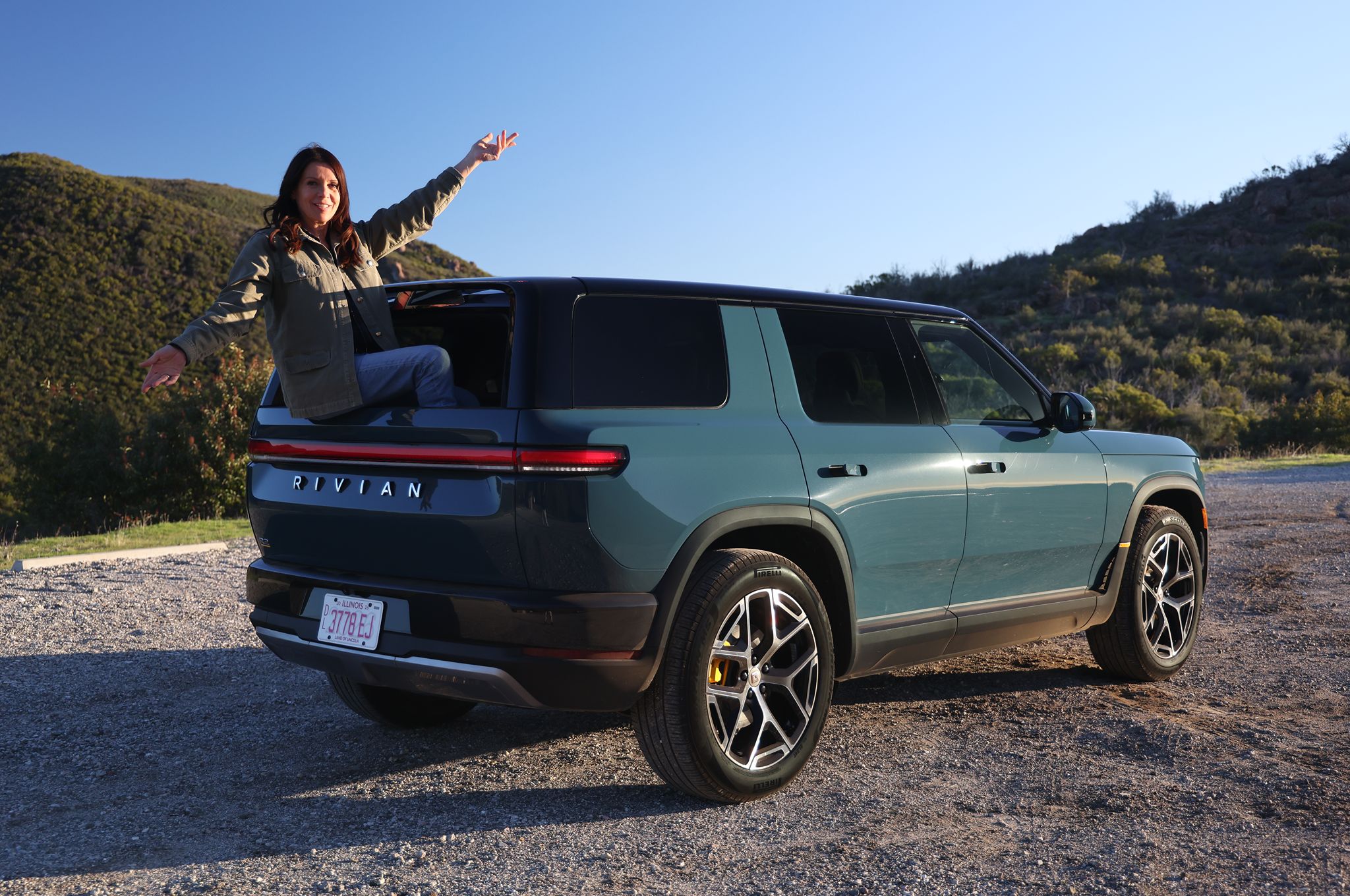
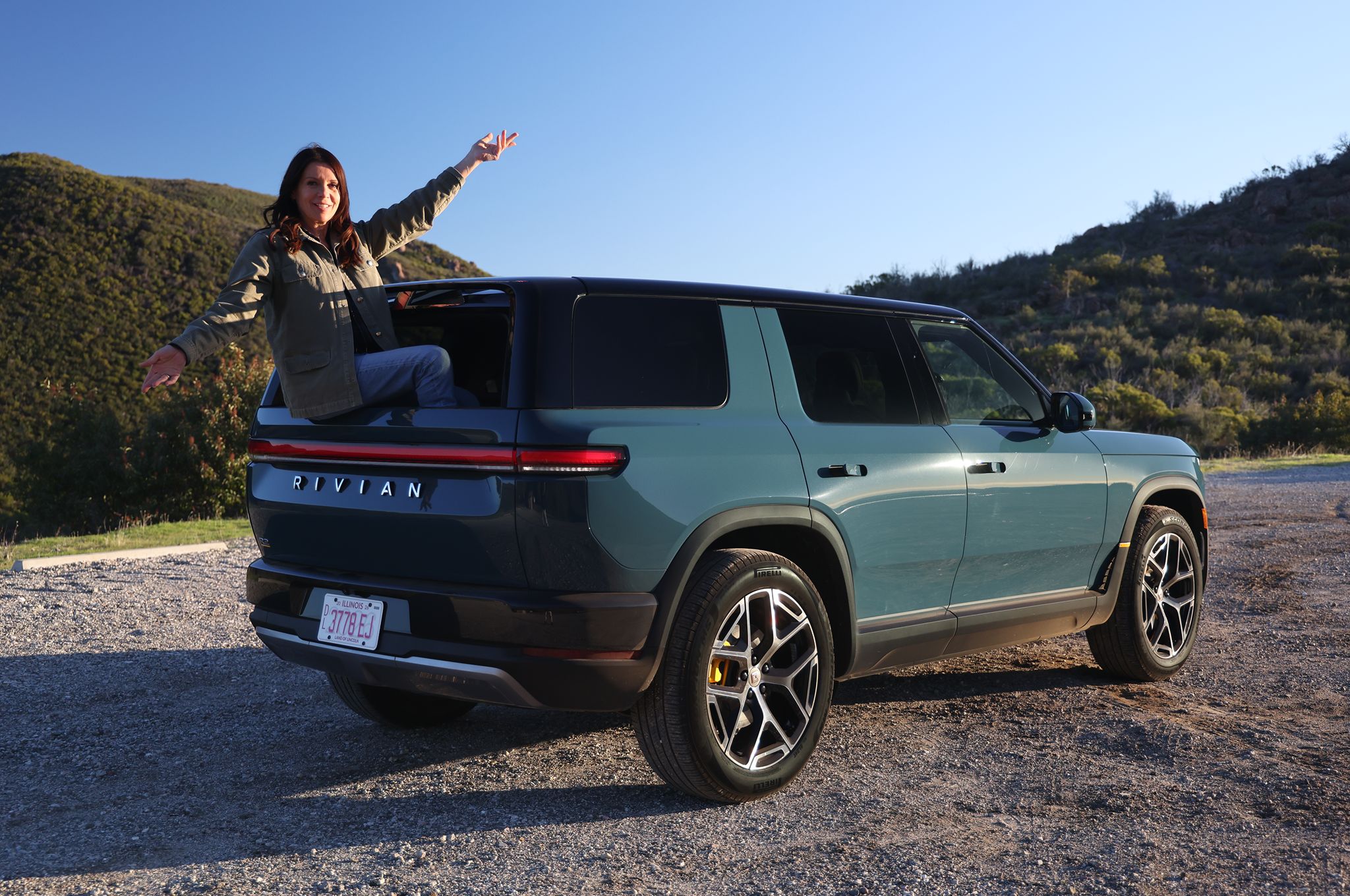
One feature I love is the rear window, which drops into the tailgate so you can grab something from the boot without opening the whole thing, while the seats fold flat and there’s enough room for me to stretch out back there.
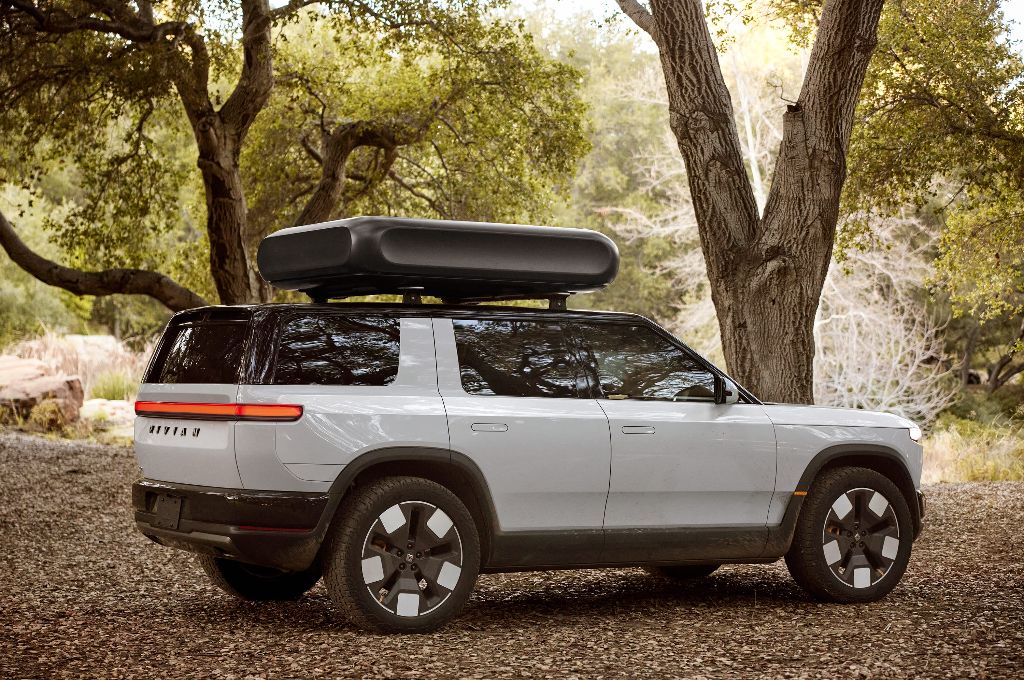
Rivian offers a mattress designed to fit, which sounds considerably more appealing than finding the tent instructions in the rain, although you can also get a roof tent if that’s your preference. You can even add a kitchen to the frunk, and with V2L supplying power for suitable appliances, I can see the appeal of cancelling the hotel.
A bed, a view and the possibility of a decent cup of tea... I’m becoming quite attached to this car.
Interior, styling and technology
I think the R2 looks really cool. It's very obviously a Rivian, with that happy face, full-length light bar and pill-shaped daytime running lights. I love the simplicity of it, and they look amazing on the road behind you when you spot one in your rear-view mirror at night.
The chunky, boxy shape has soft, rounded edges that stop it looking too angular, with illuminated Rivian badging on the side, pop-out door handles and deep windows. There’s a spoiler at the back to smooth the airflow around that upright shape, while the rear wiper is tucked away at the bottom of the glass.
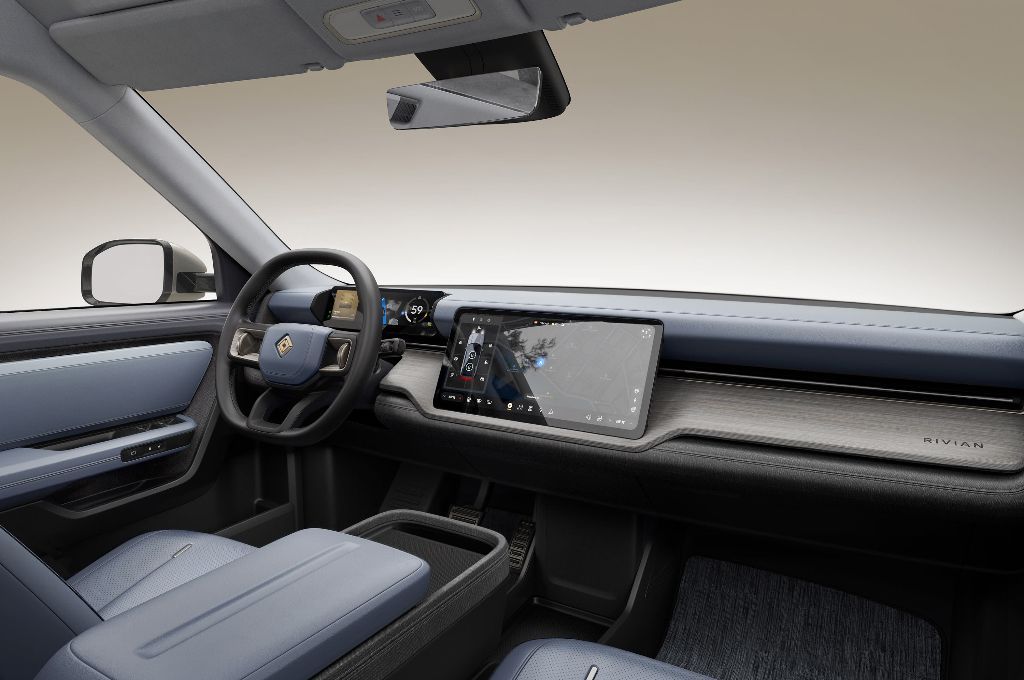
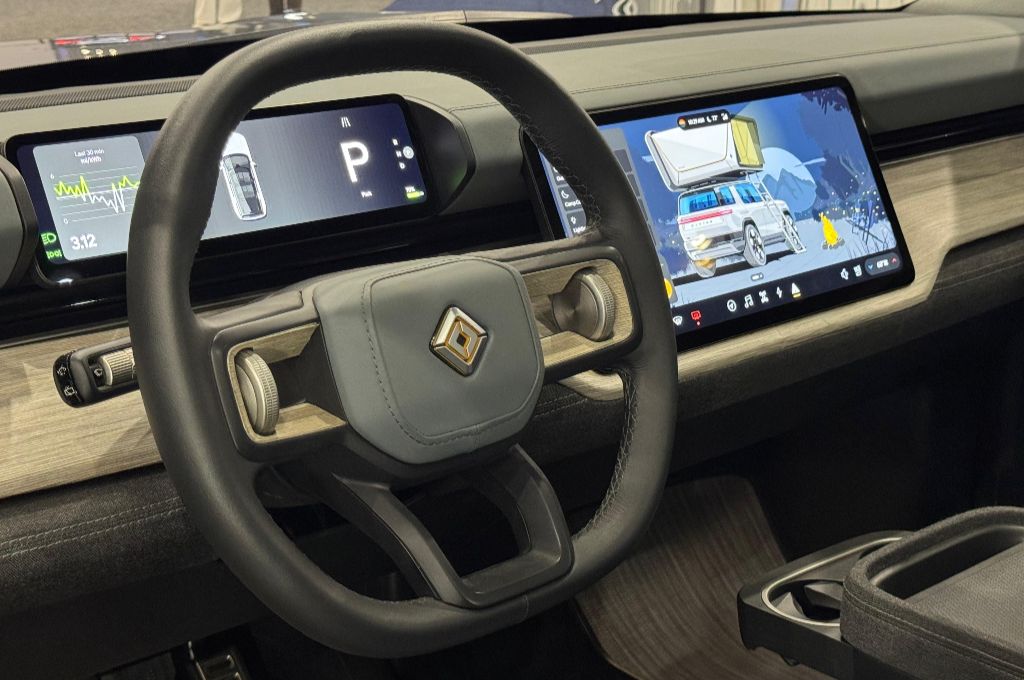
Inside, there’s real wood, some lovely textures, and it feels as though someone’s thought about more than where to put the big screen. There’s also a display directly in front of the driver, where I can see my speed, while the central touchscreen has nice graphics with soft, rounded edges, configurable panels and a quick-access sidebar.
You can rearrange the shortcuts to prioritise the functions you use most, and the driver’s display can show navigation, trip information, efficiency and tyre pressures, with range displayed as miles, battery percentage or both.
The main event is the pair of multifunction wheels on the steering wheel, which Rivian calls Halo controls, using scrolling, pressing and sideways movements to operate things including music, temperature, fan speed, driver-display layouts and drive modes.
I like having something physical to use, although they do take a little bit of getting used to and you still have to select things like mirror and steering-wheel adjustment on the screen before using these to move them, so we haven’t escaped the menus entirely.
There are some fun details, including wiper settings called Sprinkle, Drizzle, Shower, Downpour and Storm, and I love the torch in the door, which recharges when it’s in there and can be replaced with hand warmers if thats more your thing. There’s more to this than some clever controls and pretty graphics, because Rivian has cut down the number of electronic control units - essentially the little computers running different parts of the car - reducing wiring and complexity, with software that can be updated over the air.
Volkswagen clearly likes what it’s seen because it’s teamed up with Rivian to develop the technology for its own future cars, with a commitment of over £4 billion to the partnership and the production version of the little ID. EVERY1 - the ID.Up, as it's likely to be called - among the cars set to benefit. One of the world’s biggest car makers turning to Rivian for help with its software is quite a vote of confidence.
But you will need to be aware that Rivian has invested so much in its tech that its not compatible with Apple CarPlay or Android Auto, so you’ll be using Rivian’s own navigation and apps rather than bringing your usual phone interface onto the screen. Apple Music is available, but that isn’t the same as having CarPlay.
Motors, performance and handling
The R2 Performance has two motors, all-wheel drive and 656 horsepower, with a claimed 0–60mph time of just 3.6 seconds, making it faster than plenty of sports cars. A less powerful Premium version will follow with dual motors and a 0–60mph time of just under five seconds, while rear-wheel-drive Standard versions arrive in 2027.
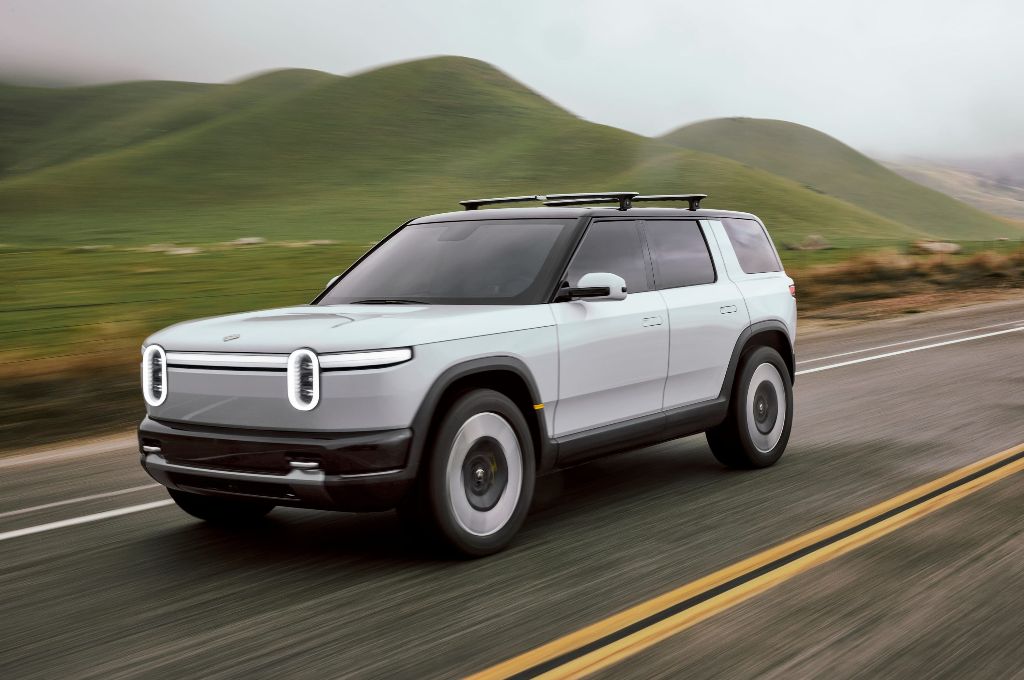
Power wise, it builds really nicely and you have plenty of it when you need it for overtaking or joining a faster road, but it also feels great on mountain roads, with a nice weight to the steering and a front end that turns in well.
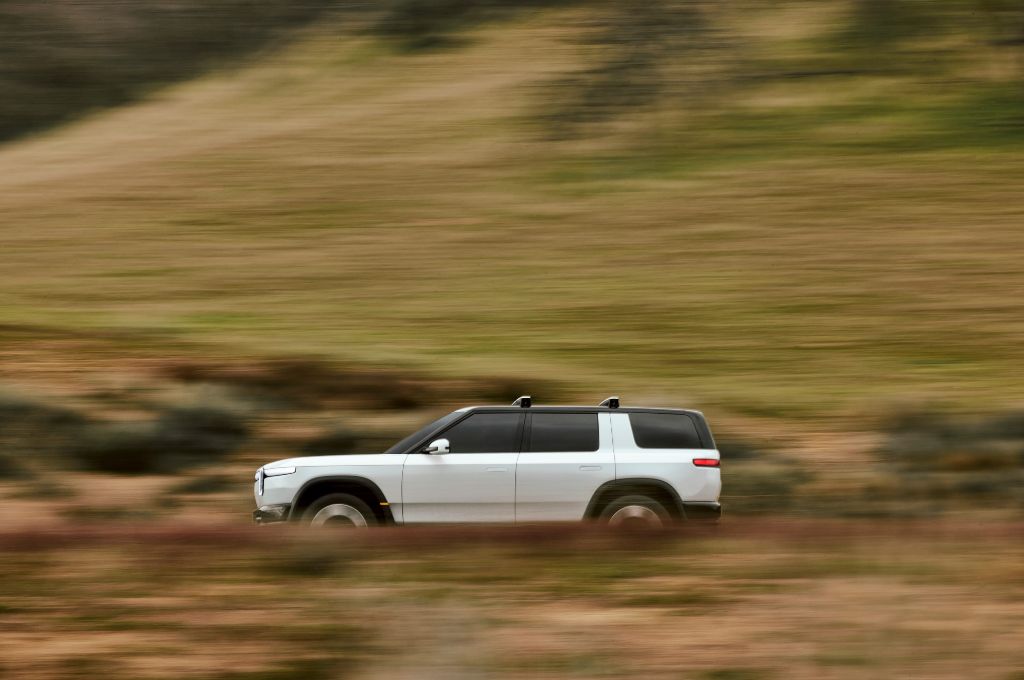
Underneath, the R2 has a simpler suspension set-up than the bigger R1, so there’s no fancy air suspension here. But the Performance version that I drove does get semi-active dampers, which adjust how firmly the car responds to the road and keep the body nicely controlled without bouncing you all over the place. The different driving modes are operated from the screen or the right steering-wheel control, and putting it into Sport makes a noticeable difference. On the motorway it feels settled and the acoustic glass keeps things quiet, while the hands-off driver-assistance system took some of the stress out of LA traffic on the freeway.
You pull forward twice on the stalk to engage it and set the speed using the right dial, and it’s a very slick system, even for someone like me who generally prefers to do the driving herself.
It currently isn’t as comprehensive as the system you’ll find in a Tesla, but Rivian is also developing Point-to-Point assisted driving, which will let you enter a destination and supervise while the car follows the route, including city streets and motorway interchanges, with a wider rollout planned for 2027 in North America.
Around town is where I noticed that the turning circle isn’t the best, but what I do love is the regenerative braking system, with three different levels and a strongest setting that enables you to do most of your driving without even touching the brake pedal.
If I have a criticism of the ride, it’s that it feels a little on the firm side, especially on these big 21-inch wheels. I actually quite like a firmer ride, but I know that won’t suit everyone, and having also been a passenger in this, I’d say the harsher ride is more noticeable when you aren’t in the driver’s seat.
It’s not enough to bother me, though, and I’d be interested to see how the less expensive versions compare on smaller wheels.
What's the Rivian R2 like off-road?
I’ve had a soft spot for American off-roaders for decades and have even tackled the Rubicon Trail in a Jeep - a notoriously tough route through California’s Sierra Nevada mountains - so anything with chunky tyres and a raised ride height has had me at hello for quite some time.
Our R2 route was a rough mountain track rather than the Rubicon, which, let’s face it, is closer to what most owners will actually tackle. You get around 245mm of ground clearance and decent approach and departure angles to help clear bumps and ruts, along with protection underneath for the battery, although that isn’t an invitation to start bouncing it off rocks like I did in the Jeep.
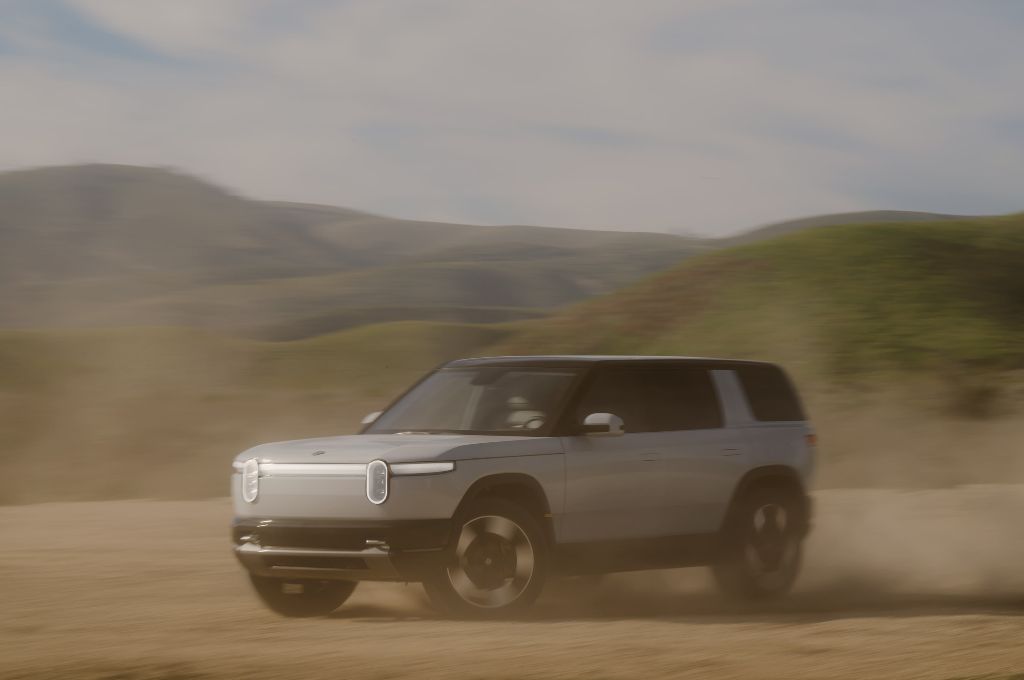
There’s no conventional locking diff; instead, the R2 uses motor control and brakes individual wheels to help maintain traction, and it does feel very grippy over rough surfaces. One of the advantages of an EV off-road is how precisely you can feed in the power, so you can creep forwards without lurching over obstacles.
There are Soft Sand and Rally modes as well, but All-Terrain is the one you’ll use the most, and an off-road display shows things like the angle the car’s leaning at and where the front wheels are pointing.
In reality, most UK owners won’t be taking an R2 across more than a muddy track, snowy road or a bumpy lane, but you’ll be doing it safe in the knowledge that you have a car that can handle far more than that.
Pricing and UK on-sale date
In America, the R2 Performance starts at just under $58,000 (£44,000 or €53,000) with the Premium coming in at around $54,000 (£40,800 or €50,000), while Standard versions arrive in 2027 and will eventually bring the starting price down to roughly $45,000 (£34,000 or €41,000).
Those prices are direct currency conversions rather than expected UK prices, and the American prices don’t include US sales tax, but even taking that into account I think the R2 offers good value and I’m really looking forward to driving the entry-level model.
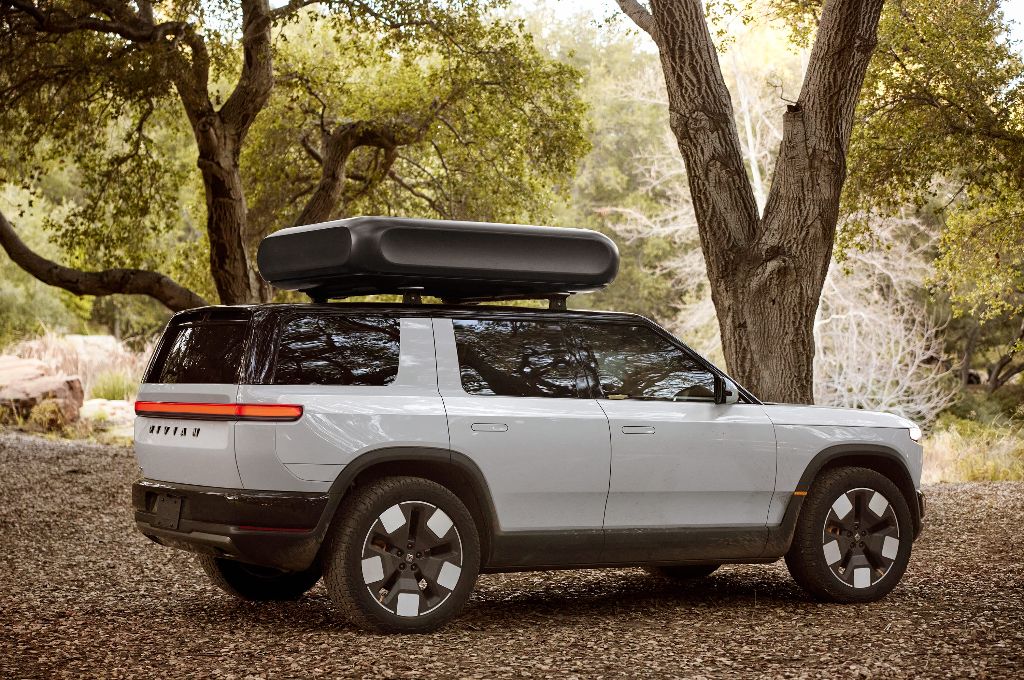
The good news is that Rivian plans to bring the R2 to Britain in right-hand drive, although we’re still waiting for a firm arrival date, a price and the final UK specifications. So I can tell you I want one, but I can’t yet tell you whether my bank account agrees.
Verdict
I’ll admit, the R2 had a head start with me because I’ve loved American off-roaders for years, and this looks exactly like something I’d want to disappear into the mountains in, particularly with that roof tent on.
But sadly most of my life isn’t disappearing into the mountains, it’s carrying shopping, ferrying people around and finding somewhere to put an unnecessarily large travel mug of tea, and it’s the thought Rivian’s put into those everyday things that makes me want this even more.
Having driven it for a few days, I think it’s a great all-rounder, feeling good on a mountain road but also performing well around town and on the motorway. The ride is a little firm on these big wheels and the turning circle isn’t the best, but neither has put me off, and I’m looking forward to trying the entry-level model.
We need to know what it’ll cost in the UK and when we can actually buy one, but I’m struggling to pretend I’m on the fence here. The R2 had me at hello. The drive just made saying goodbye more difficult.

 8