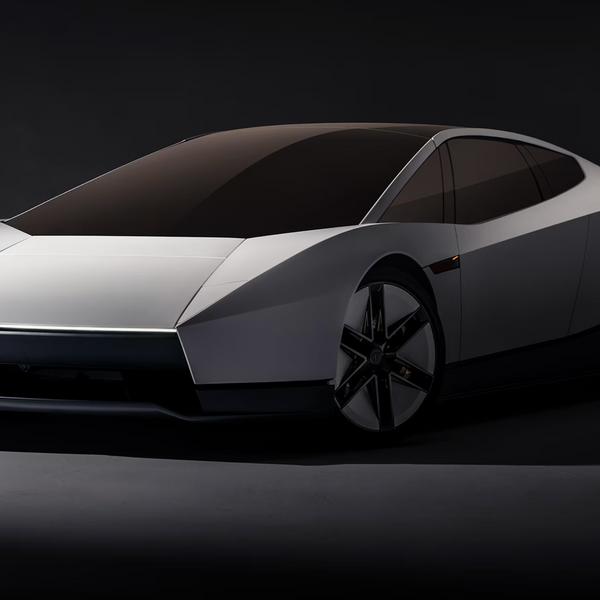






After what can only be described as a glacial start to its electric reinvention, Jaguar Land Rover has confirmed that a third, all-electric Range Rover model is in the pipeline. The all-new Range Rover GT is set to be revealed later this year, and will join the full-fat Range Rover Electric and the Range Rover Sport in the brand’s EV line-up.
Although JLR has released precious few details about the newcomer, it claims that the GT will occupy a new area of the market that sits between traditional SUVs like the Range Rover and Range Rover Sport and sports saloons (like the ones Jaguar used to make…).
The new car will sit on JLR’s new EMA (electrified modular architecture), which will also underpin the brand’s next generation Evoque and Discovery Sport models.
While JLR had once suggested that all models based on the EMA platform would be pure electric, the GT and other future models will be offered with hybrid drivetrains. As part of its announcement of the GT, JLR said that a hybrid option would be offered "later in the lifecycle".
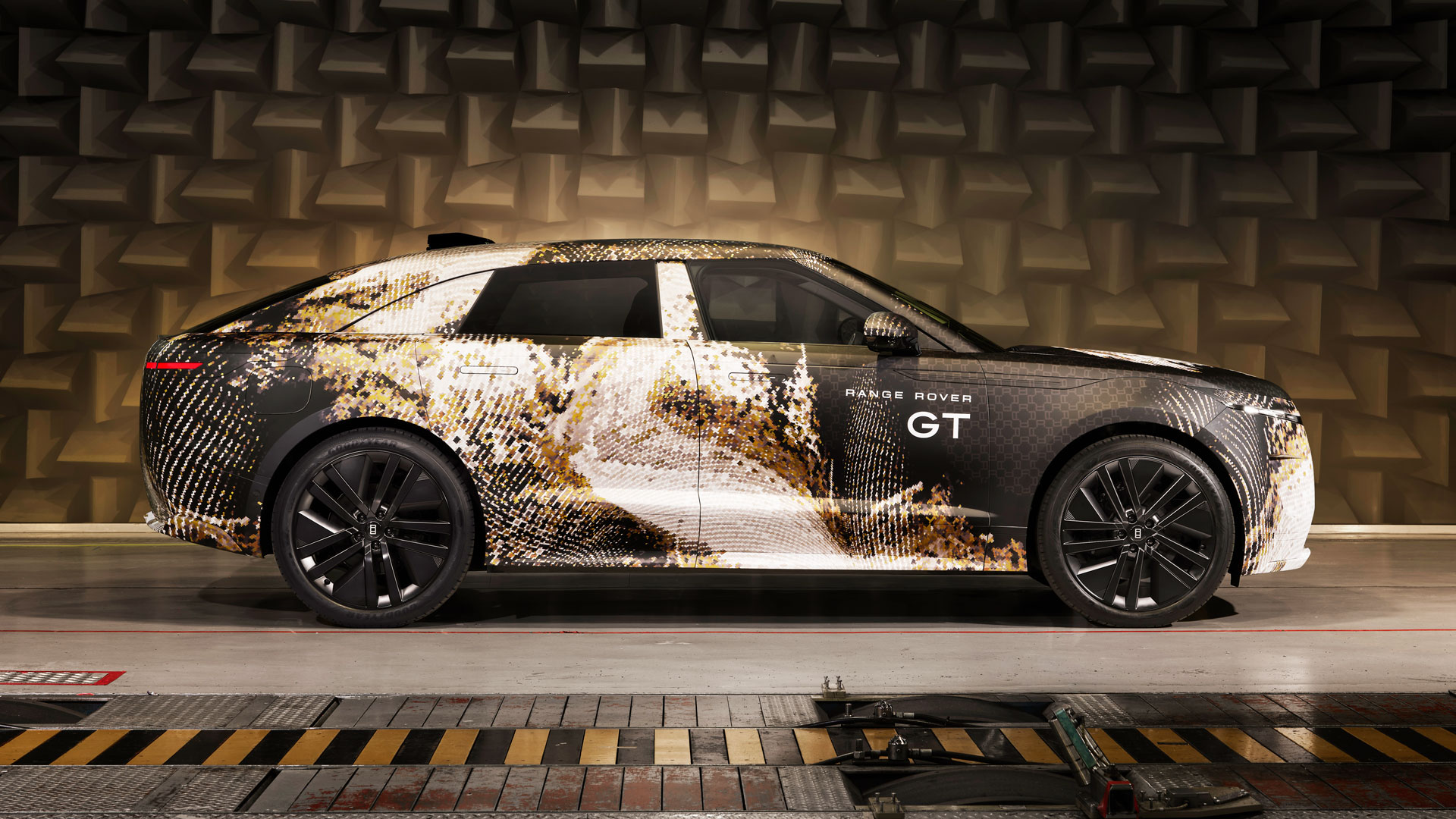
As the camouflaged profile image shows, the GT marks a radical departure ffor Range Rover in terms of design. Although many expected the new model to become the next generation Velar, JLR bosses have confirmed that the GT will be a model in its own right with the current Velar continuing in its current ICE and plug-in hybrid form for now.
To differentiate the GT from other SUVs in the Range Rover and Land Rover line-up, JLR bosses opted to create a more aerodynamically efficient fastback with a low roof and sloping rear end. By giving it the GT nameplate (usually associated with sporty luxury saloons and coupes like the Bentley Continental GT) JLR is hoping to attract a new audience to the Range Rover brand.
Beyond confirming the name and platform, JLR has yet to reveal any technical details about the new GT. Both the Range Rover and Range Rover Sport sit on JLR’s MLA (modular longitudinal architecture) and are fitted with 118.5kWh dual layer battery packs designed in-house at JLR.
The brand is expected to confirm the GT's battery arrangement later this year, but given its low-slung appearance, it could feature a slightly different battery design. Like the MLA platform, the GT’s EMA underpinnings use an 800V electrical system which promises to bring ultra-fast charging speeds of up to 350kW. That would translate to a 30 minute 10–80% recharge time when connected to a suitable ultra-rapid charger.
And, given that it wears the famous Range Rover badge, the GT is expected to deliver the brand’s trademark off-road ability. The electronics and battery of the full-size Range Rover and Range Rover were specifically developed for use off road, so it seems likely that the GT will have to meet the same standards.
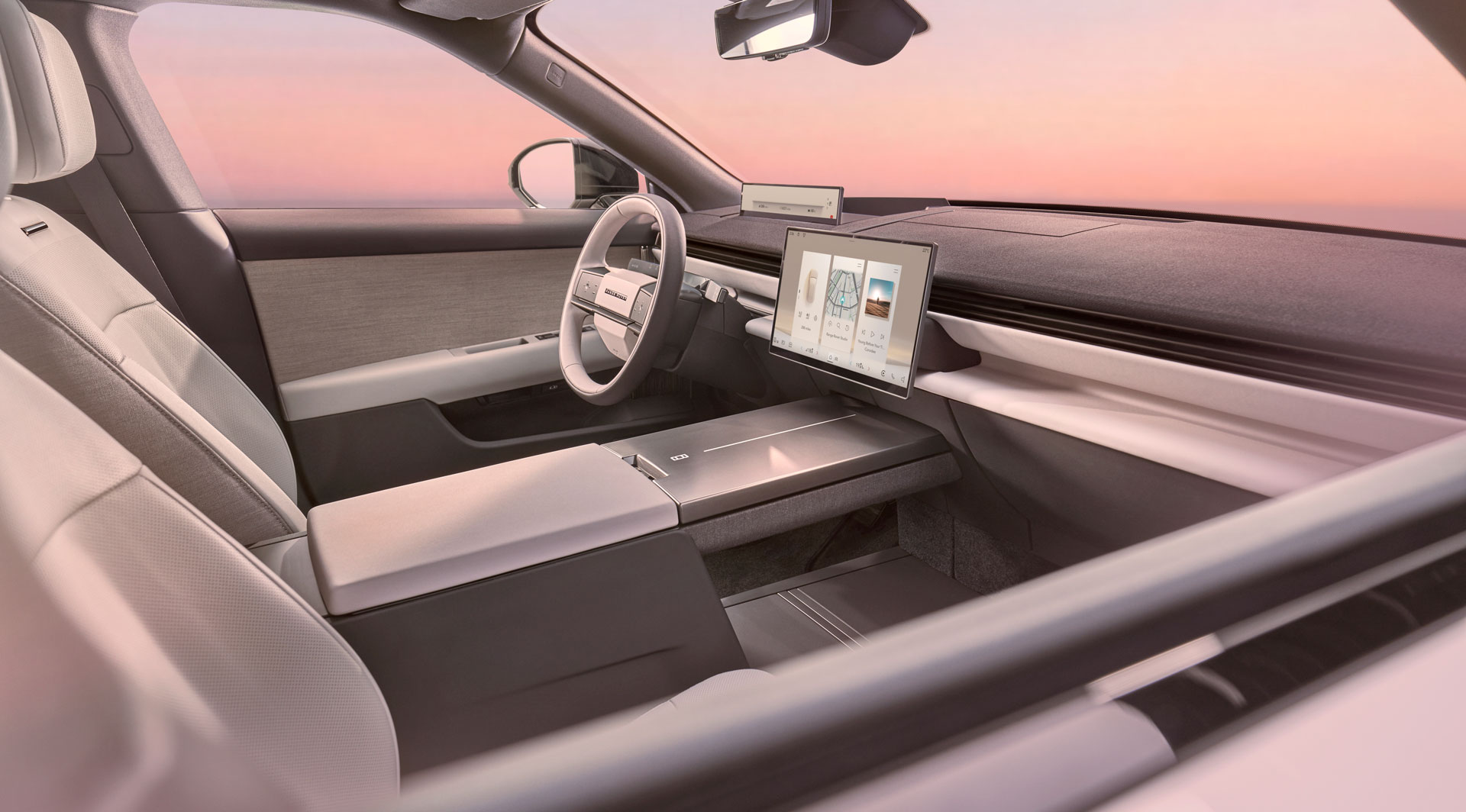
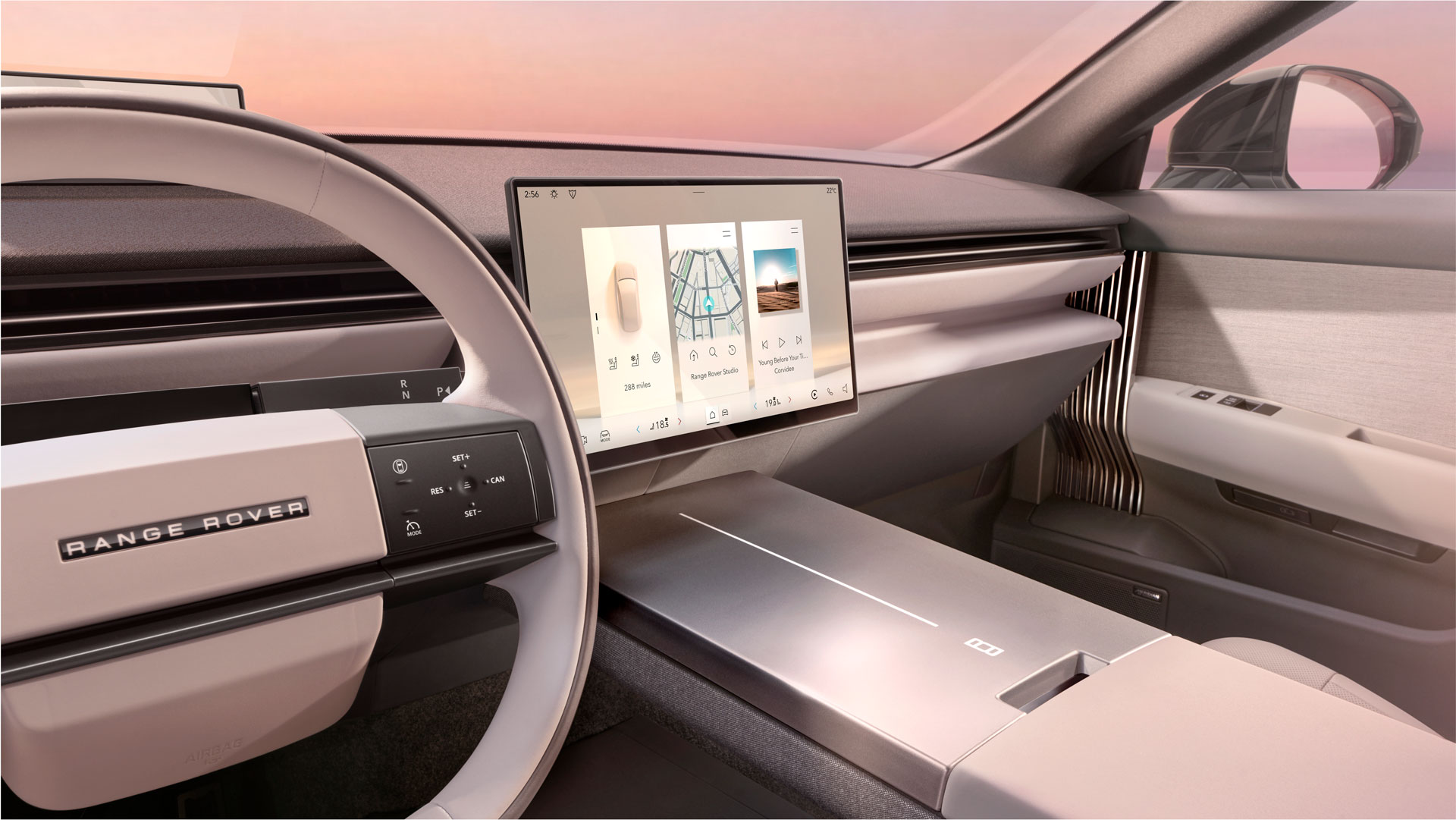
While the exterior design of the GT remains under wraps for now, JLR has released a set of images showing the undisguised interior. It marks another radical departure from the both the Velar and other models in the Range Rover line-up. Employing what looks like a completely new, stripped-back design language, JLR’s design team appear to have bucked the recent trend of returning more physical buttons to the cabin.
The dashboard is dominated by a surprisingly modest 13in OLED infotainment screen that sits above an almost flat centre console which incorporates a semi-translucent sliding cover that houses twin wireless phone chargers and a heated and cooled cubby.
The driver has a wide secondary display mounted ahead of the steering wheel, along with a heads-up display while the rest of the cabin has an almost Tesla-like simplicity to it with long horizontal lines and simple surfacing. Indeed, the only real details on show are vertical metal strips on the doors that reference the trims that appear on the exterior of other Range Rovers.
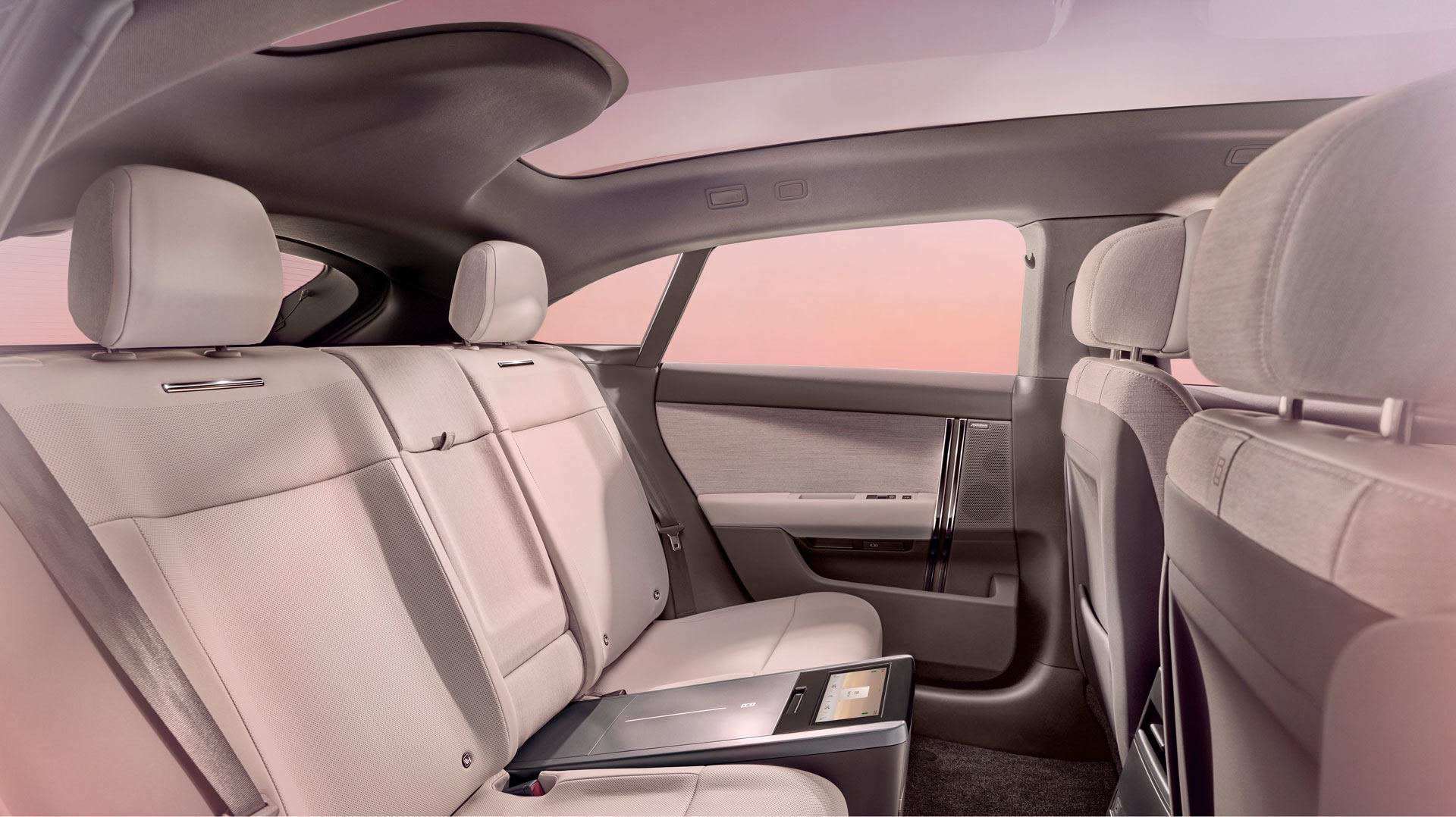
The rear seat images confirm that the GT will have a traditional rear window (early spy shots suggested that JLR might be considering a Polestar 4-style no-screen approach), along with an enormous panoramic roof.
Interestingly, the rear section of the roof features a distinctive notch that covers the base of the roof-mounted communications fin. JLR will offer the GT with either a 2+2 seating layout or a three-seater bench for customers who require extra seating.
In 2+2 form, the centre ‘seat’ houses more phone chargers and controls for climate functions. In three seat versions, the climate control screens isn mounted to the back of the centre console. Despite its lower roofline, bosses are promising that the GT will be as spacious and practical as the larger Range Rover.
In terms of timing, JLR will unveil the final production model later this year, with sales expected to start early next year. The GT’s development timeline has been unusually long and affected by delays to the introduction of the full-size Range Rover EV.
Initially planned for a 2025 introduction, JLR’s flagship model has yet to appear in showrooms. Camouflaged examples of the GT have been spotted in public for well over a year – our own Ginny Buckley snapped one on the M40 last April – so its arrival will be keenly anticipated by JLR bosses looking for a return on the brand’s huge investment in electric.



.jpg?width=600&height=600)