





This time last year I was sitting behind the wheel of the prototype Range Rover Electric here at the Goodwood Motor Circuit. The message from JLR was clear: it wouldn't be long before the company's first electric Range Rover arrived in showrooms.
Fast forward twelve months and... we're still waiting for it. In fact, we only just saw the 'proper' full-size Range Rover Electric in production form at this year's Goodwood Festival of Speed.
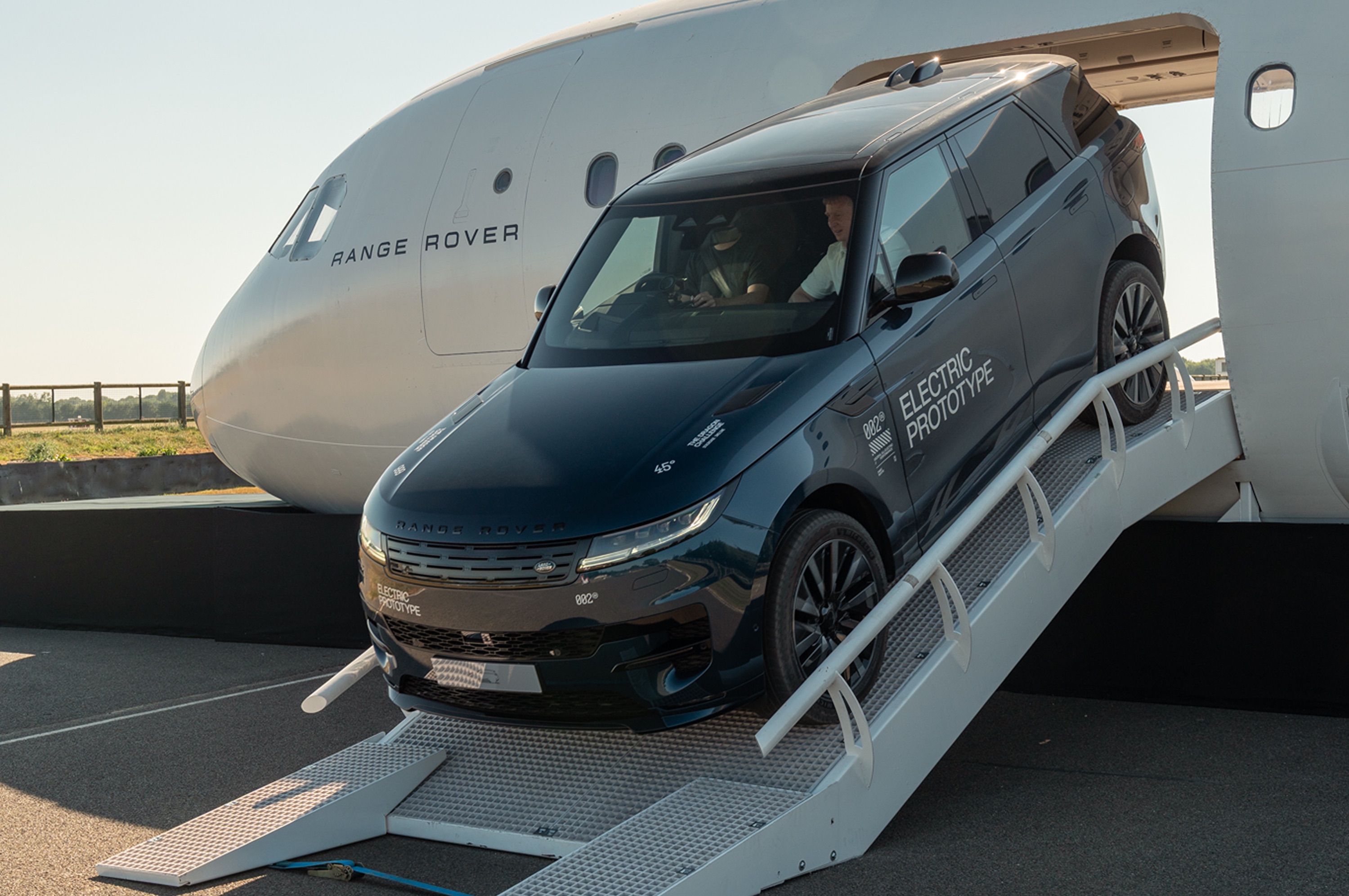
And now, I'm back to drive another prototype. Only this time it's the Sporty Spice of the range - the all-new Range Rover Sport Electric. And, after spending the day talking to the people behind the car and getting a brief spell at the wheel of a prototype vehicle, I finally understand why JLR has taken so long.
Why has it taken so long to get the electric Range Rovers on sale?
The obvious answer is that building a great electric luxury SUV is hard. The pressure to get it right has only increased against the backdrop of the cyberattack which halted production for around five weeks in 2025 and is estimated to have had a wider economic impact of around £1.9 billion across JLR's supply chain.
But the more interesting answer came from Martin Limpert, Managing Director of Range Rover: "We wanted to make sure it was a true, genuine Range Rover first," he told me. "Electrification is supposed to enhance the values that are so important to us - calm sanctuary, refinement, craftsmanship and effortlessness."
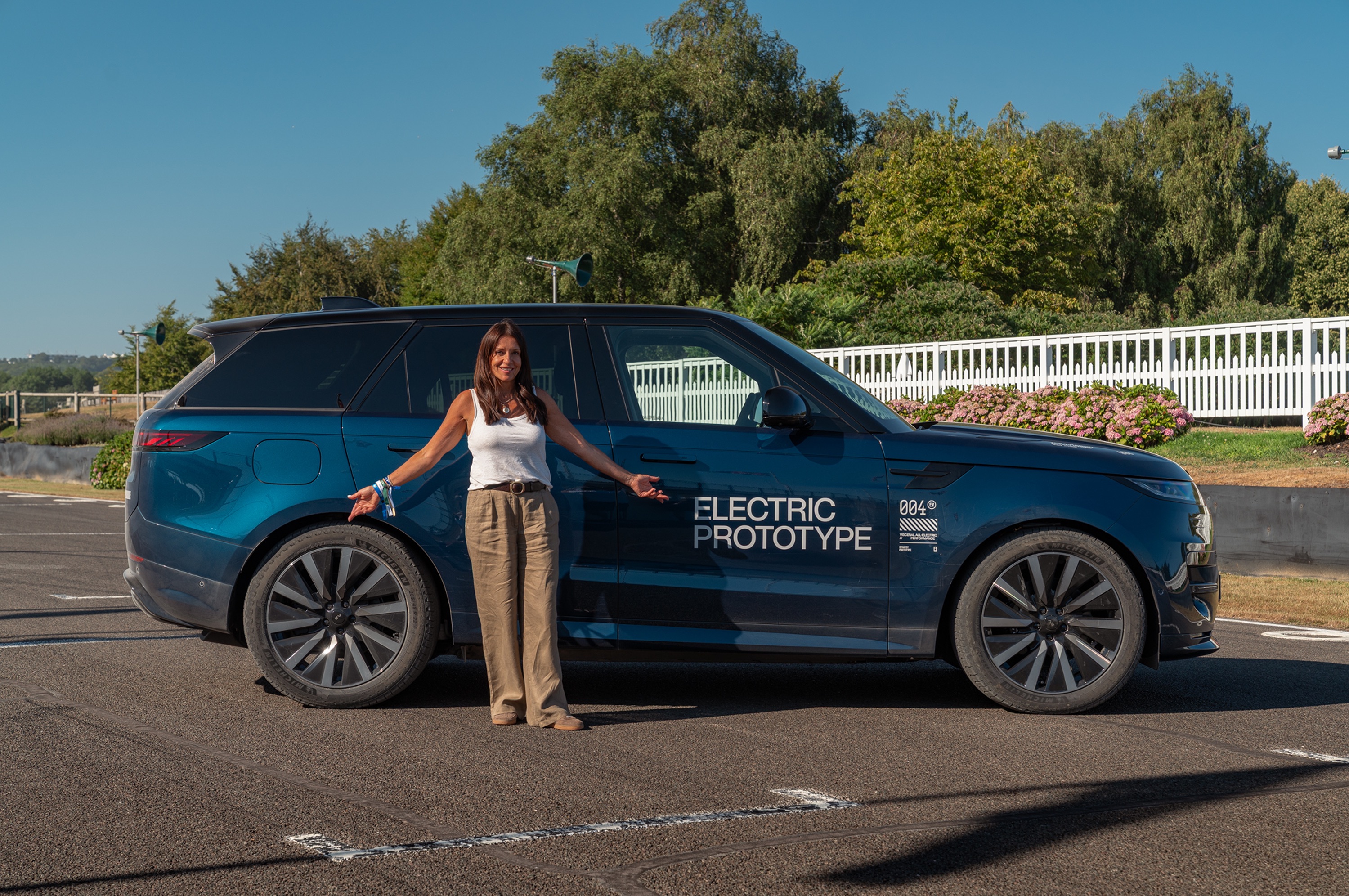
That philosophy seems to have driven almost every engineering decision. The team abandoned an early motor configuration during development because it simply wasn't delivering the capability they were looking for. Originally, the plan was to pair an induction motor at the front with a permanent magnet motor at the rear. But after testing, engineers weren't satisfied with the performance, so they reworked the system and settled on permanent magnet motors on both axles instead.
That wasn't the only work going on behind the scenes; The prototype I drove also forms part of a program that has now undergone more than 60,000 hours of testing, covered 1.5 million kilometres and spent three years enduring everything from Arctic winters to scorching desert temperatures. According to JLR, that's the same level of validation any new Range Rover would undergo, regardless of what powers it.
Basically, the brief was simple: build a Range Rover first. And an EV second.
What makes the Range Rover Sport Electric so special, then?
Ah, well, isn't that a good questions! It's all in the engineering. Underneath, the Sport sits on JLR's MLA platform, which it shares with the forthcoming Range Rover Electric. The clever bit is that MLA was designed from the outset to accommodate petrol, diesel, plug-in hybrid and fully electric powertrains, so engineers haven't had to shoehorn a battery into a car that was originally designed for a piston engine.
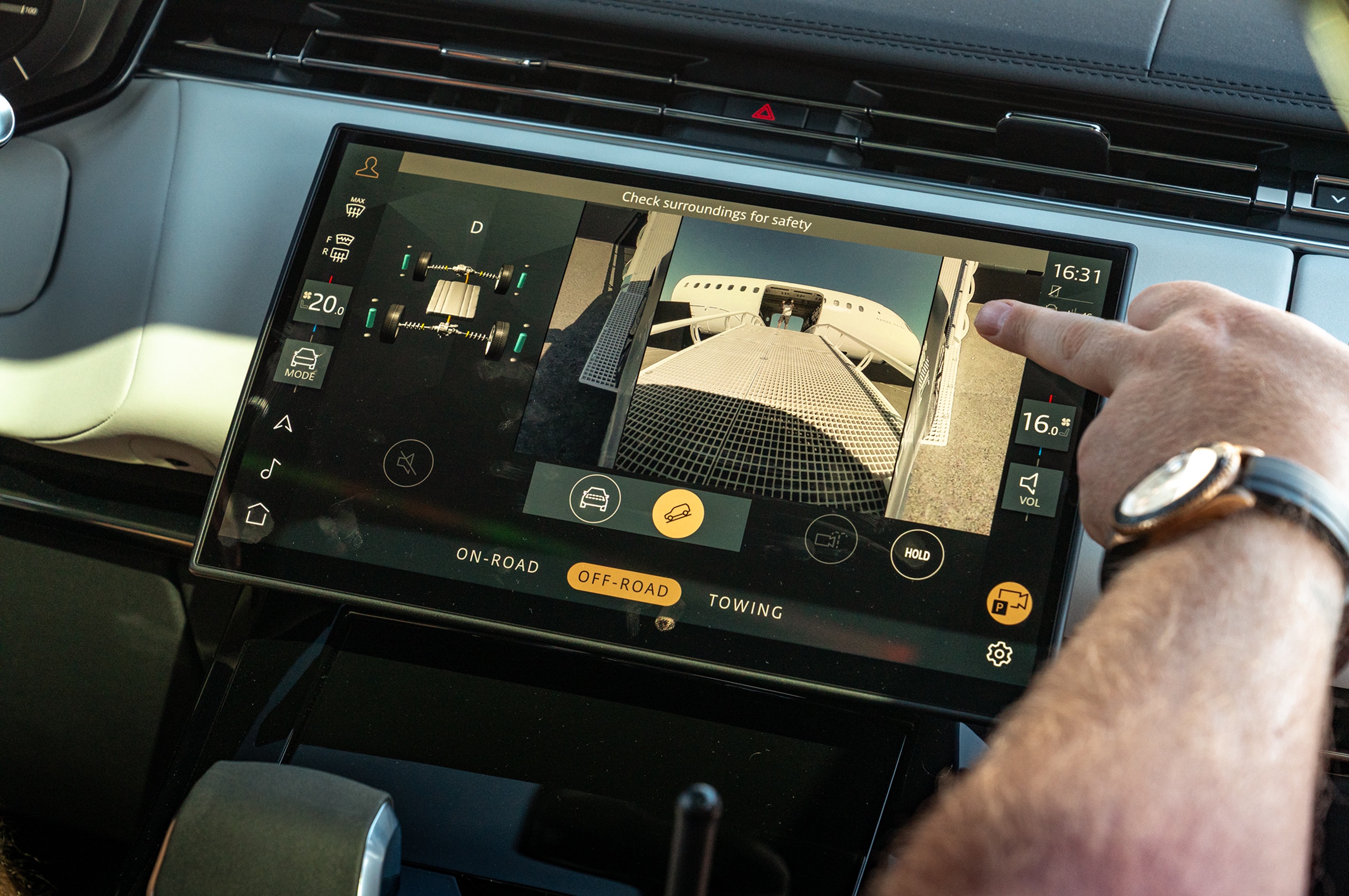
JLR also told me it couldn't find an off-the-shelf electric drivetrain that delivered the sort of performance it was looking for, so it developed its own electric drive units and battery pack in-house. They’ll be built at JLR's Electric Propulsion Manufacturing Centre in Wolverhampton, generating more than 300 patents across the battery and powertrain alone.
Power comes from two electric motors, one on each axle, producing a combined 550hp and giving the Sport permanent four-wheel drive. The motors are paired with a substantial 118kWh usable NMC twin-stack battery, mounted low in the chassis to give a lower centre of gravity, without compromising the practicality buyers expect from a Range Rover Sport.
JLR is still keeping many of the final technical details close to its chest, but the Sport uses an 800V electrical architecture, which should allow ultra-rapid charging when final figures are confirmed.
What's the new electric Range Rover Sport like to drive?
Now, I've spent quite a bit of time behind the wheel of the plug-in hybrid Range Rover Sport over the last few years and, for me, it's always been one of the best luxury SUVs on sale. Not because it tries to be the sharpest thing this side of a Porsche Cayenne, but because it knows exactly what it is - it’s powerful, refined, quiet and rides beautifully. I've always suspected that full electrification would enhance those strengths!
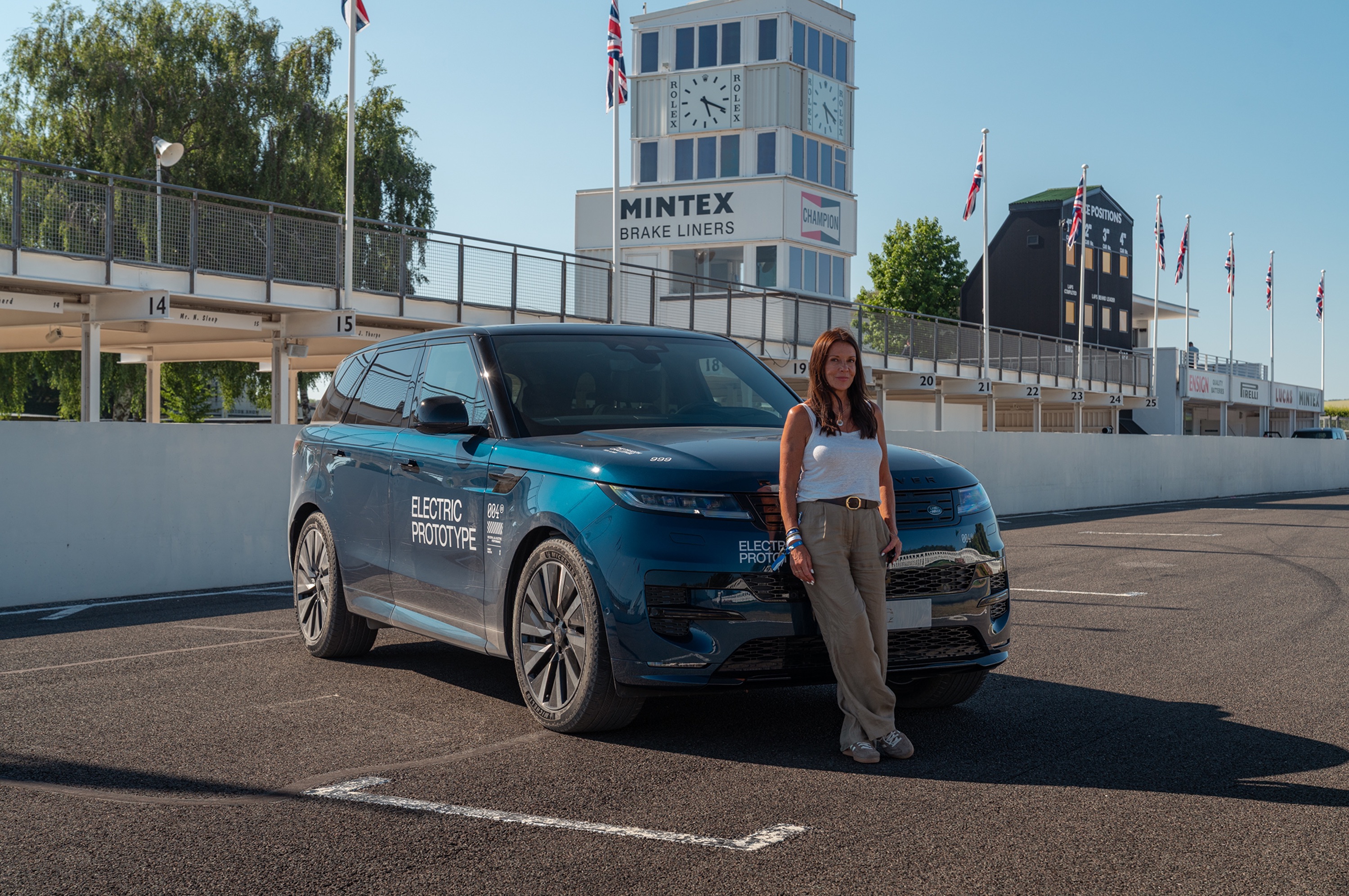
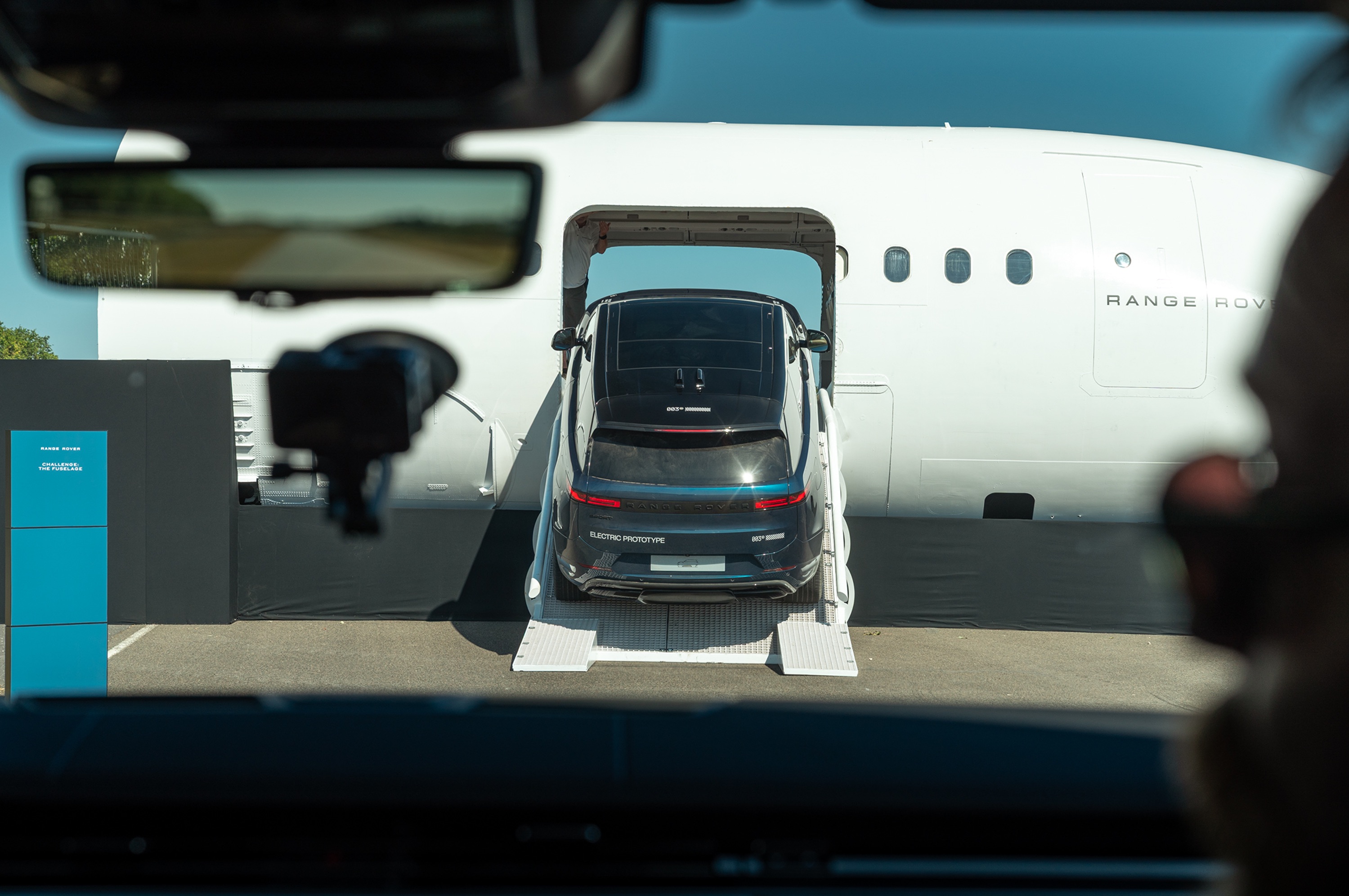
To find out if I was right, I got to drive a prototype version of the new Range Rover Sport EV at Goodwood FoS 2026. JLR had created a driving course around the Goodwood Motor Circuit, combining fast handling sections with off-road obstacles designed to test everything from agility to wheel articulation and - after a lap of what I can only describe as “car gymkhana” - the early signs are certainly promising.
Despite carrying a very heavy battery pack, the prototype disguises its weight remarkably well. Around Goodwood's handling circuit it felt composed and surprisingly agile, while the off-road course - which included the infamous Dragon Step challenge - gave me a reminder that this is still a proper Range Rover underneath. The reality is that most buyers will probably never tackle anything more challenging than a muddy field, but knowing the capability is there has always been part of the Range Rover appeal and the Sport EV doesn't feel like it's lost any of that.
On the road, I liked the addition of regenerative braking - which is nicely calibrated bringing the Sport EV to a smooth, relaxed and complete stop. Although I do think JLR has missed an opportunity by not fitting adaptive regenerative braking or steering wheel paddles from launch. It will only come with two levels of regen, which are selected via the infotainment screen.
My other question is whether the range (which we expect to be somewhere around the 350-mile mark, but hasn't been confirmed) will be enough, particularly when BMW's forthcoming iX5 is expected to hit 500 miles.
Mind you, the electric Sport's 800-volt architecture should support charging speeds of around 350kW, making those stops short. And that's very much the argument JLR is making. The team told me they expect their customers to focus on the overall ownership experience rather than simply chasing the biggest WLTP range number.
When does it go on sale, and how much will it cost?
We still don't know exactly when the Range Rover Sport EV will arrive in dealerships or precisely how much it'll cost, although I'd expect a starting price of around £100,000.
That would put it squarely in the middle of an increasingly competitive market. The Polestar 3 starts at just over £92,000, BMW's upcoming iX5 is expected to start from around £95,000, while the Porsche Cayenne Electric stretches from the mid-£80,000s to well over £130,000 depending on the version.
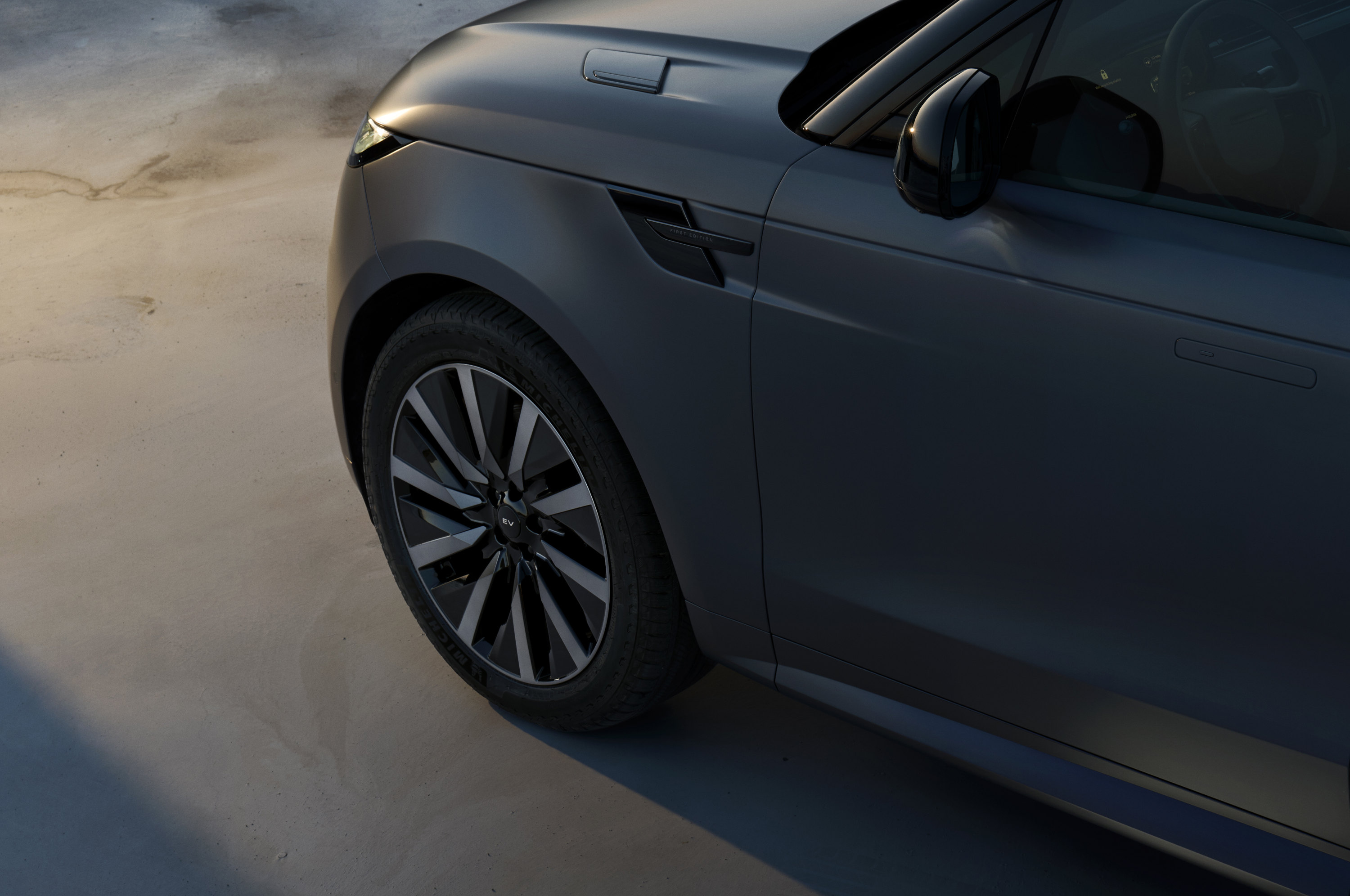
On paper, I suspect rivals will beat the Range Rover Sport for outright range, charging speed and performance figures. But after spending time with both the engineers and the car itself, I came away thinking JLR has never really been after winning the spec sheet battle.
Instead, it has been chasing something rather less tangible - but arguably more important. A Range Rover first and an EV second. And if my first impressions are anything to go by, that's exactly what they've built.
Whether that turns out to have been the right decision, only the buyers will decide. But after finally getting behind the wheel, I can see why JLR wasn't prepared to rush it.
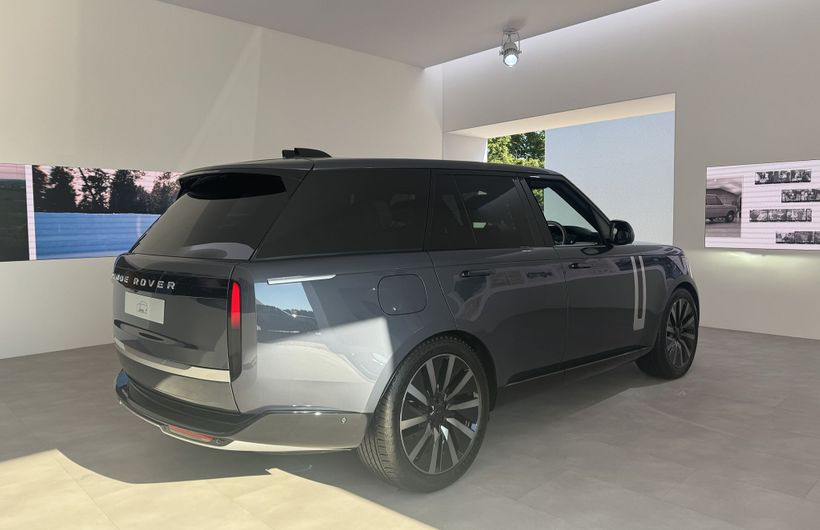 The Range Rover Electric was finally revealed in production form at Goodwood FoS 2026


.jpg?width=600&height=600)