





Electric cars are often marketed as cheaper to run than petrol cars – but is that actually true? As editor-in-chief of Electrifying.com I've driven almost every electric car on sale in the UK and spent years looking at what drivers really pay per mile.
When you factor in electricity prices, home charging, public chargers and real-world efficiency, the picture becomes much clearer – and in many cases electric cars can cost significantly less to run than petrol or diesel models.
Electric cars are usually cheaper to run than petrol cars in the UK, and that continues to be the case in 2026, especially with fuel prices rising as a result of Donald Trump's attack on Iran and the wider conflict in the Middle East.
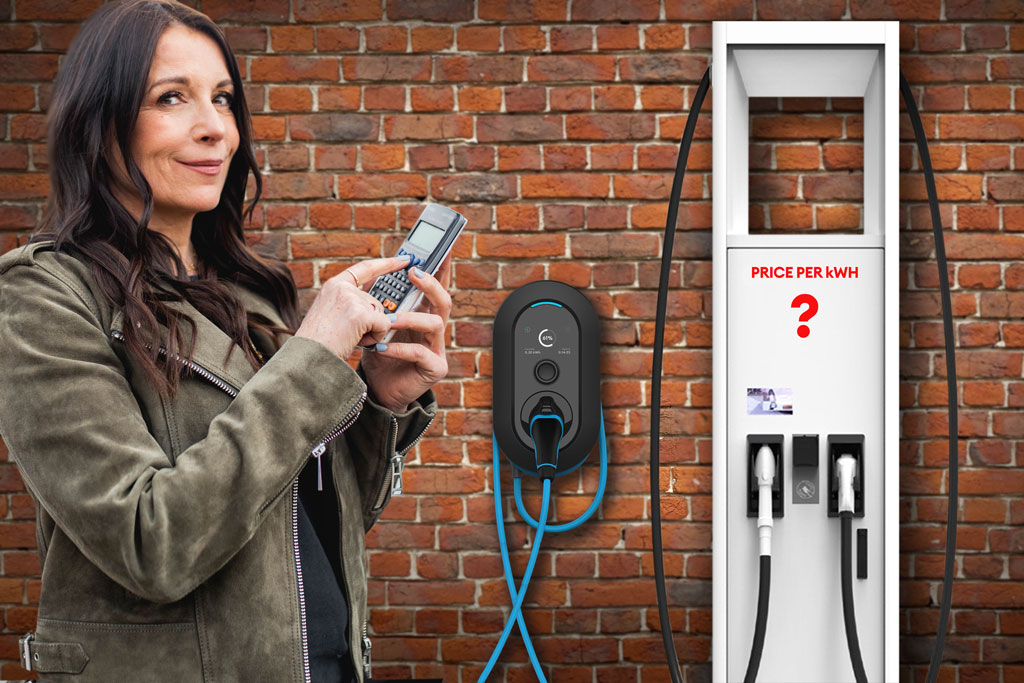
Charging an EV at home on a typical off-peak electricity tariff can cost around 2p to 7p per mile, while the average petrol and diesel car typically costs 12p to 20p per mile depending on fuel prices and efficiency. However, running costs can be higher if you rely heavily on public rapid chargers.
If you want to compare the numbers for yourself you can also try our EV fuel cost calculator, which shows how electricity costs compare with petrol or diesel depending on how and where you charge.
How much does an electric car cost to run in the UK?
If you’re on a fixed rate tariff in the UK, your maximum electricity costs are governed by the Ofgem price cap, which dictates the maximum amount you pay per kilowatt hour of electricity.
For a driver doing 8,500 miles per year, and charging on the current Ofgem flat rate at home, you'll be paying around £599 per year, or if you use one of the cheaper fixed overnight tariffs that are still available then that cost falls to around £149 per year. For some context, fuelling a VW Golf 1.5 TSI at current pump prices (even if it's doing over 60mpg) will cost £859.
Ofgem is the UK energy regulator and every quarter it sets a maximum unit price for customers on a default price tariff. The cap for April to June has just gone down, but it's largely linked to gas prices and expected to rise in June as a result of higher wholesale energy prices thanks to the problems in the Middle East.
If you use an off-peak tariff you can get cheaper overnight electricity – and you can see some of the energy tariffs currently available right here – and that could cut your costs by more than half.
Are electric cars cheaper than petrol per mile in the UK?
In short, yes! Even if you don’t take advantage of off-peak tariffs, and are paying the Ofgem price cap, you’ll still be paying around 6p to 8p per mile. If you use the timed charging facility on your EV or your home charger to charge at an off-peak tariff, that can drop to as low as 2p per mile.
A petrol car doing 45mpg will currently cost around 16p per mile, or you’ll need to be doing over 70mpg do get that down to 10p per mile at current April 2026 average fuel prices of around £1.56 per litre.
A diesel car doing 60mpg will cost around 14p per mile, or if that drops to 50mpg then you’ll be paying more like 17p per mile, based on current average diesel costs of around £1.88 per litre.
Obviously, it’s not just cheap electricity that affects how much an EV costs to run. Getting an efficient electric car that does as far as possible per kilowatt hour of energy will also save you money. You need an EV with good miles/kWh, basically – which is the equivalent of mpg for electric cars.
Check out our top five most efficient EVs, if you're keen to save money on your running costs.
What are the best EV tariffs in the UK?
Now that’s a complicated question, but we’ve got you covered with our guide to the best electricity tariffs in the UK right now. Keep checking back for the latest updates.
Are electric cars still cheaper if you rely on public chargers?
Public charging is more expensive than charging at home, but there’s good news as it’s likely that it’s going to get cheaper with plans to cut VAT on public charging from 20% to just 5%.
It’s very difficult to give an estimate for what public charging will cost as it varies so much between different providers – and even varies depending on what time you’re charging. According to the charge point mapping site Zapmap, EV drivers pay on average 54p/kWh for slower AC public chargers or 77p/kWh for DC rapid and ultra-rapid chargers.
This works out at just under 16p per mile for an EV charged at a public AC charger, or 22p per mile for an EV charging at a DC rapid charger, assuming an efficiency of 3.4 miles/kWh.
Is there VAT on public charging and should it be cut?
Yes, currently VAT is charged at 20% on charging at public car chargers, but it’s likely that this will be cut to 5% as a result of a recent tax tribunal ruling at the beginning of 2026. This will see costs fall noticeably, but with some uncertainty over wholesale energy prices rising as a result of the US-Iran conflict in the Middle East, it’s hard to make any accurate predictions.
Are electric cars cheaper to service and maintain than petrol cars?
Generally, yes. Many manufacturers offer longer servicing schedules and lower servicing costs than on petrol or diesel (ICE) cars. EVs don’t need regular oil changes like petrol cars, and an EV won’t need brake pads so often as they rely on regen braking (which doesn’t use the friction brakes).
It’s difficult to be specific as it depends on your EV and usage as to how much servicing will cost. Tesla, for instance, doesn't have any fixed service schedule for its cars and relies on the car's sensors to warn when it needs maintenance, with many owners reporting that the cars don't need servicing at all for the first few years. As a rough average you can expect an electric car to cost around 30% less than a petrol car for servicing.
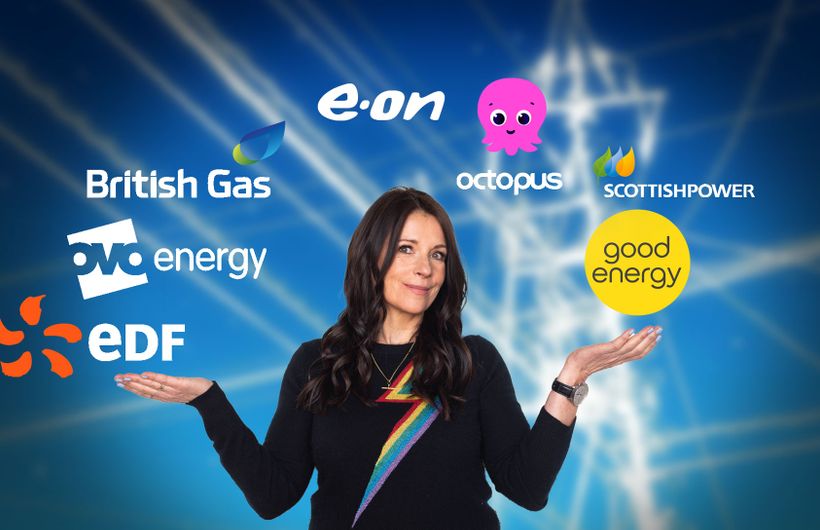 Fuel prices are rising, but you can still find a cheap electricity tariff in the UK