Our top five most efficient electric cars – and one you should probably avoid
Lucas Cochrane
28 Sep 2026
In a world where the cost of living seems to be constantly on the rise, we’re always thinking of new ways to save some money.
With at-home charging, driving an EV is always going to be cheaper than the equivalent internal combustion car, but with petrol and diesel prices currently through the roof, we can’t help but feel a little smug.
Furthermore, some EVs have gone above and beyond when it comes to efficiency and when the same amount of energy takes you further down the road, you’ll have more money to spend at your next destination.
So in the spirit of saving some cash, here are our top five most efficient EVs to take you further for less. As well as one to steer clear of if efficiency matters to you at all.
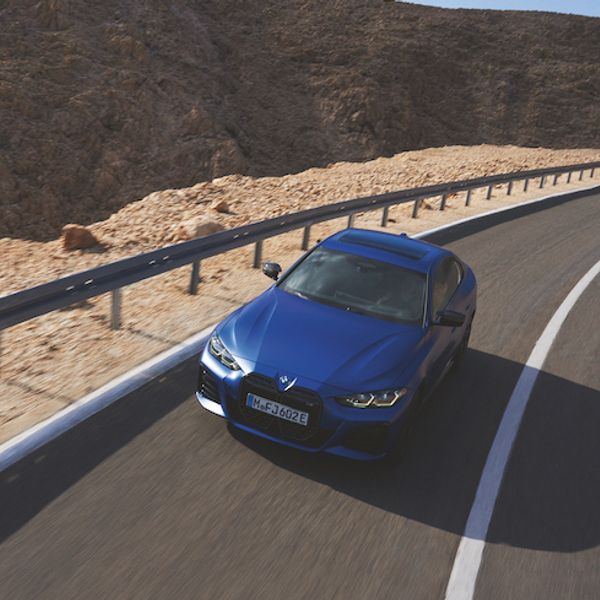
The BMW i3 is what happens when you take the furthest-reaching EV of 2025, make it lighter, and improve its aerodynamics by making it into a saloon. Meet the electric 3 series. With up to 566 miles of WLTP range, 400kW of ultra rapid charging capability, and some of the best tech in the business, the future looks bright in Munich.
Of course, not every i3 gets such a crazy amount of range, to get that, you'll be paying £57,905 for the i3 50 xDrive. The lower spec, but still all-wheel-drive i3 40 xDrive will also be available with 441 miles of WLTP range and starts from £47,925. If that's still a bit too pricey, we're expecting a rear-wheel-drive trim to arrive in 2027 for a lower asking price.
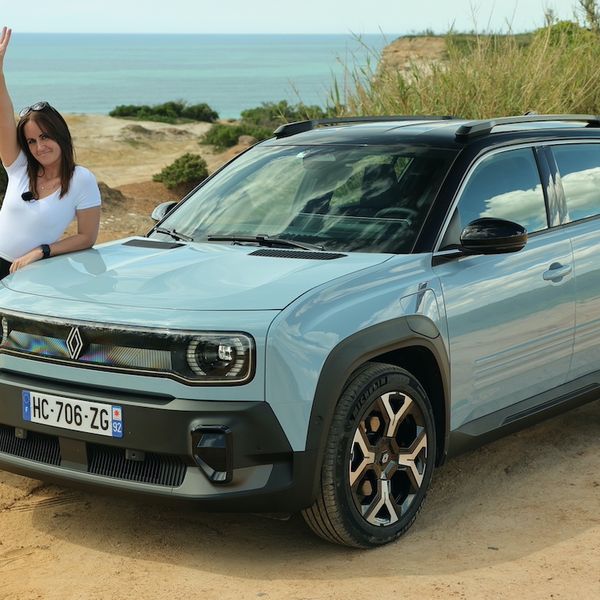
It seems, the Renault Twingo can do almost no wrong. Yes it's a bit plasticky on the inside, but getting 163 miles of WLTP-rated range from a tiny 27.5kWh battery makes it incredibly efficient. In fact, the Twingo is so efficient, in part, because of those plastic bits. All in the Twingo weighs just 1,200kg. That's light even by modern petrol car standards!
Throw in some skinny tyres and a smooth exterior to sail through the air and you get a recipe for efficiency as old as the bicycle. It helps that the Twingo's smooth shell is adorable to look at too. And if you fancy the same tech in a slightly less adorable get-up, the Nissan Pixo and New Dacia Spring both share a platform and mechanical bits with our froggy friend here.
The little Spring wears its status as the most affordable EV as a badge of honour, starting at just £14,995. Fitting of a car so cheap to buy, it’s incredibly cheap to run. Its official range is incredibly short at only 137 miles but it’s surprisingly efficient – we got up to 7.4 miles/kWh in our testing!
Such a short range won’t matter for most prospective Spring shoppers though, as the Dacia is perfectly sized for city driving. It’s incredibly easy to manoeuvre, with a tight turning size and diminutive external proportions. Its light weight also makes it responsive at low speeds.
Light weight and low speed responsiveness do not a quick car make though, when we last drove one, Ginny found the 45hp version’s 19-second dash to be comically pedestrian. However since then, Dacia has upgraded both versions of the Spring to give us the choice between a 70hp and a blistering 100hp motor.
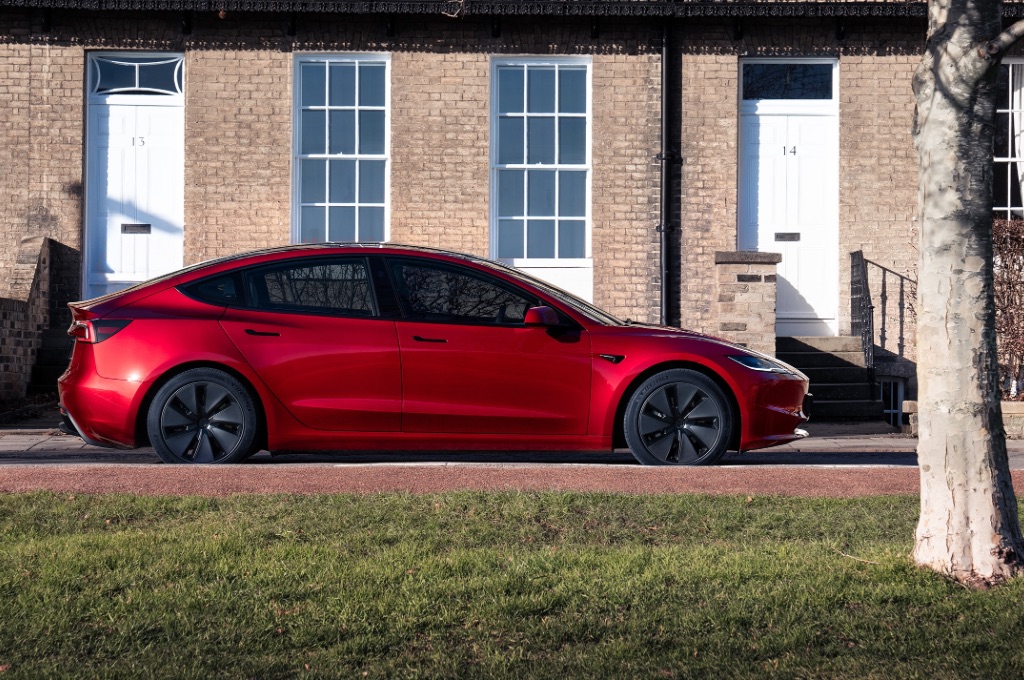
It seems rather difficult to write one of these lists without mentioning Tesla and when it comes to efficiency, they’ve always ranked highly. The Model 3 hasn’t got any worse of a proposition over the years.
In its current, most efficient guise, it will stretch itself to 466 miles on a single charge and still out-run most EVs in its price range. Even in RWD form, 0–62mph takes just 4.9 seconds. And it's a strong used buy, too (check out Nikki's video below).
We’d be remiss if we didn’t also mention that Tesla’s Supercharger network is still very much industry leading. With guaranteed fast charging at dedicated locations at 250kW. The triple threat of long range, fast charging, and near-ubiquitous charger placement makes the Model 3 almost unbeatable for long-distance EV travel.
Our only reservations when considering a Model 3 come down to Tesla’s current image crisis, interior quality that still leaves something to be desired in comparison to its premium competition, and the screens-only approach. While responsive, the displays in the Model 3 hold the keys to almost every vehicle function, which can prove understandably frustrating to some drivers.
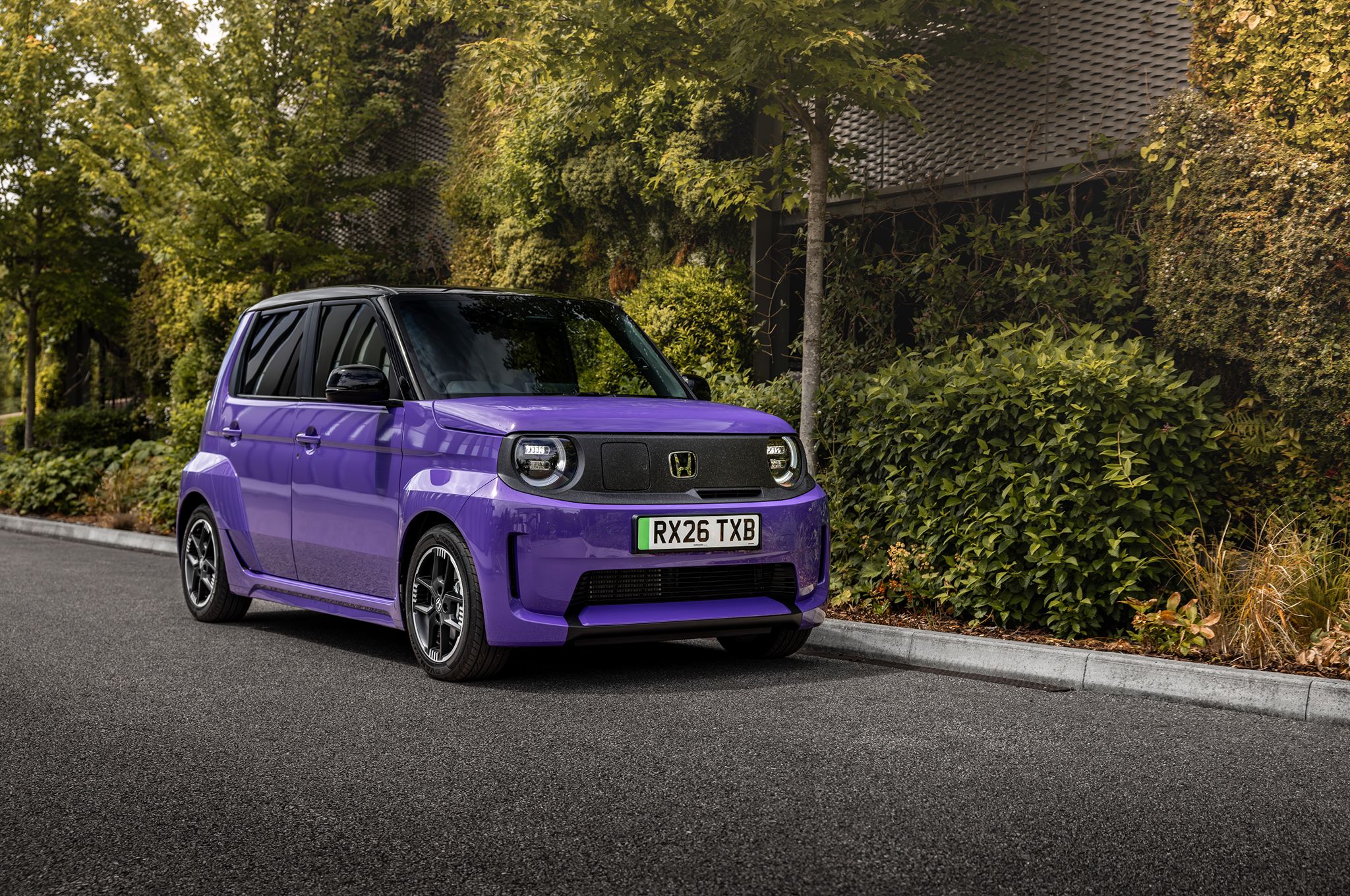
The Super N functions as both Honda's spiritual successor to the hopelessly confused, but adorable Honda E and the main competition to the Renault Twingo. To that end, the Super N gets a claimed 4.36m/kWh on the WLTP scale but will regularly beat that if you keep it to around town. Especially considering its rather fun to drive and encourages a bit of spirited driving.
The purple blur is well equipped for its £18,995 price tag too, benefiting from a Bose sound system, complete with 15-litre subwoofer under the boot floor. Sadly, it doesn't beat the Twingo on outright efficiency, though its smaller size and more butch styling could still attract some would-be Twingo buyers.
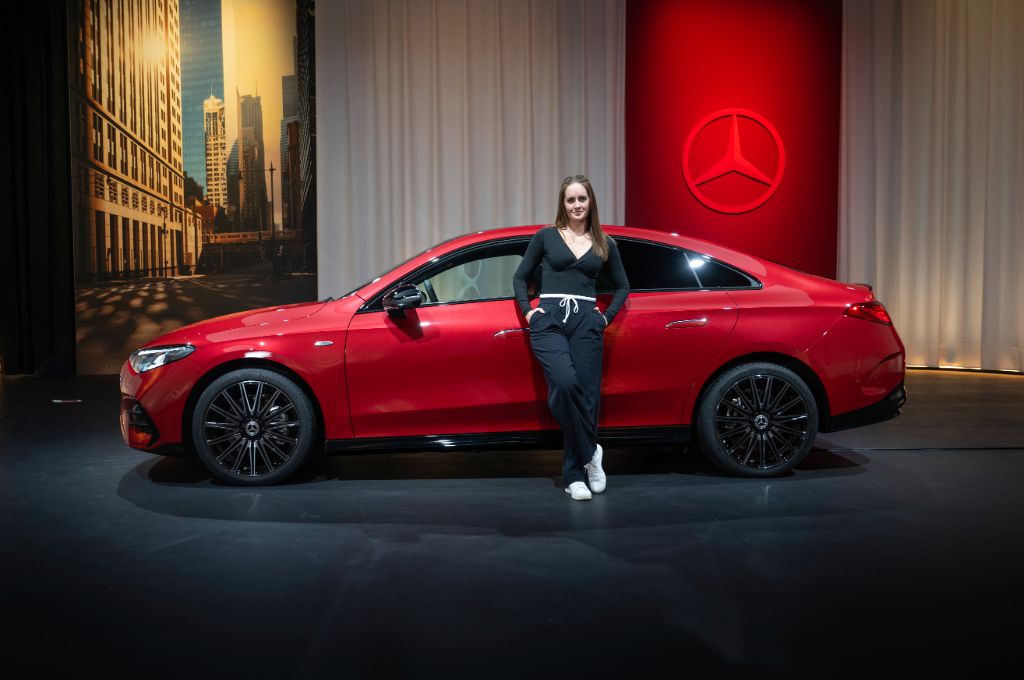
Much like the Ioniq 6, the 2026 European Car of the Year places a big focus on efficiency with sleek and smooth styling and aerodynamics. However, unlike the Ioniq 6, it has a class-leading range to match its incredible efficiency claims. Clocking in at 484 miles on the WLTP cycle (what's that you ask? Check out our guide), the CLA’s 85kWh battery is being used to the most of its potential.
The hyper-efficient Mercedes also charges incredibly quickly, thanks to its 800V architecture, it can add more than 200 miles of range in as little as 10 minutes. Beyond raw speed though, the CLA uses a lesser-seen two-speed gearbox in a similar setup to the Porsche Taycan. This allows it to keep its motor in its most efficient operating range and improve motorway range. A bit like a standard internal combustion car.
Our only gripes with the CLA came in the form of some interior plastics and touch points that came across a little cheap for the £45,615 base starting price. Rear passenger headroom was also rather limited, courtesy of the Merc’s sloping roofline and relentless pursuit of efficiency. Overall though, it’s pretty tough to find an EV that fights range anxiety as well as this one.
If what makes an efficient EV is lightness, smart aero, and intelligent battery use, surely it stands to reason that the polar opposite of those values would be incredibly inefficient. Enter the Mercedes-Benz G580.
To be fair, the latest version of the classic G-Wagen was smoothed off ever so slightly to claw back what little efficiency gains they could get out of the lifted brick. But, that is only relative to the outgoing G-Class.
This rolling tower block weighs in at a heffalumpian 3,180kg and manages to extract just 283 miles from its massive 124kWh battery pack. At least it’s quick though, through the brute force of 579hp distributed to all four wheels with independent motors at each corner, the G580 can claw itself to 62mph in just 5.7 seconds!
So, the electric G-Wagen definitely has its strengths in pace and luxury. Plus, it would be tough to find another EV that can handle itself off-road like this one. At least until Land Rover unveils its all-electric baby Defender.
In the efficiency competition, it doesn't quite stack up. But judging by its starting price of £154,870, it was never going to be easy on the wallet.








.jpg)