





A community-run charge network in the northwest of England has won the first stage of a tax challenge against the Treasury.
Charge My Street brought a case arguing that its small scale community-led provision of EV charging fell within VAT definitions normally associated with domestic supply and the tribunal agreed.
VAT for domestic electricity has been set at 5% since September 1997, significantly lower than the current 20% main rate of VAT. The move was intended to reduce domestic electricity bills, but it appears that Charge My Street has been able to drive an electric car through the loophole in the rules.
The lower rate applies to domestic and low-use premises like small businesses, as well as non-profits and charities that could also qualify. The VAT discount only applies where less than 1,000kWh are used every month.
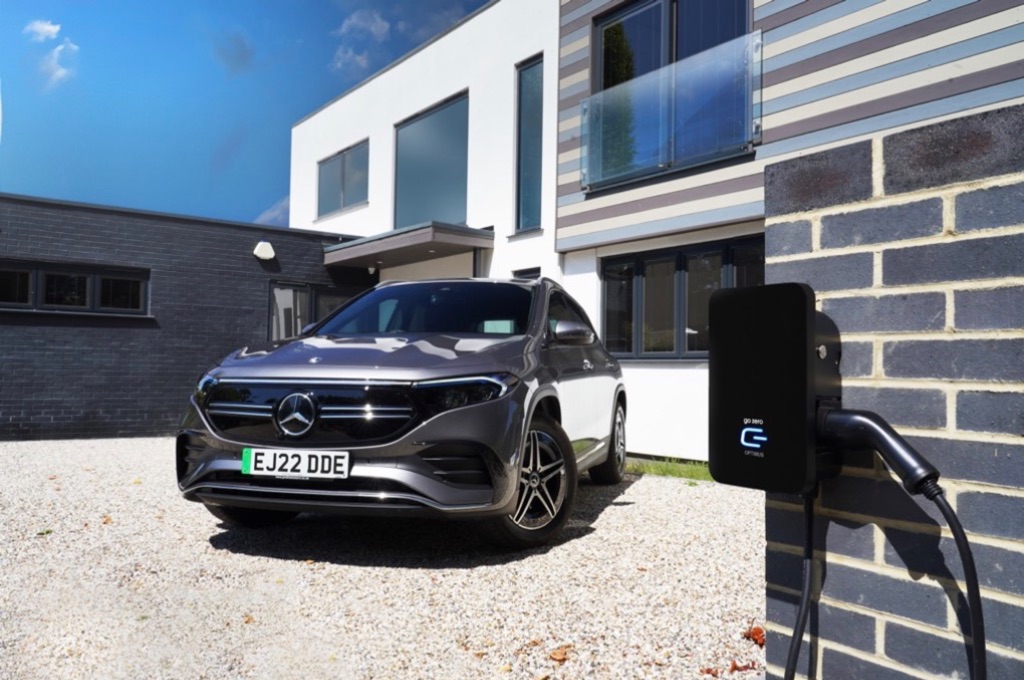
The 20% VAT applied to public charging has long been cited as an example where there’s a mismatch between those who are able to charge their EVs at home versus others who are forced to rely on the public network.
The tribunal ruled that drivers should be charged the 5% VAT rate when charging at public charge points under the current wording of legislation. It’s not yet known whether HMRC will appeal the ruling or if the government plans to amend the law to close the hole.
There were rumours in January that the Treasury was considering a VAT cut for public charging, but the chancellor will have missed out on the opportunity to get the publicity boost if she's forced to make the cut by the tribunal.
Daniel Heery from Charge My Street welcomed the decision: “Our mission has always been to make neighbourhood charging accessible to everyone, and [this] ruling supports that mission. Lower VAT on charging improves fairness and helps accelerate the shift to cleaner transport for all.”
Charge network Be.EV grabbed headlines when it launched a new 39p/kWh price tariff at the end of 2025, but there have been few other signs of competition driving public charging prices down, even while networks change hands and local authorities invest millions in building new charge points.
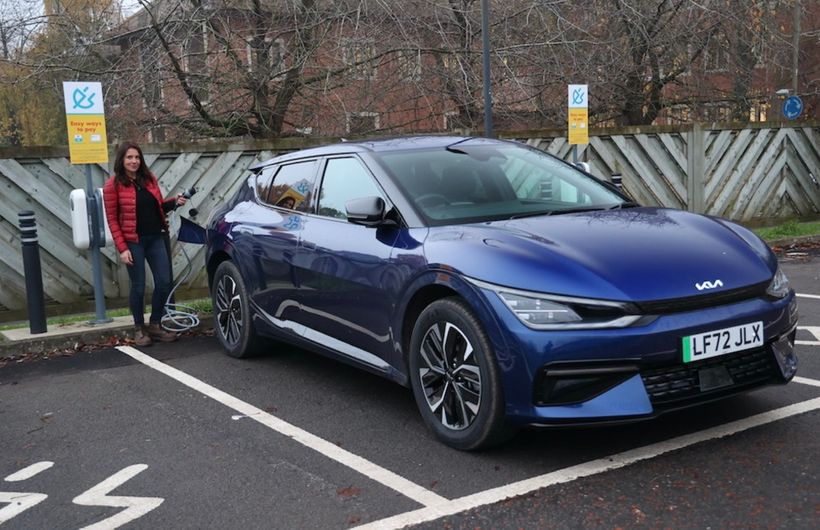 Electrifying founder Ginny Buckley has been arguing for a VAT charge to close the gap between home and public charging