





Chinese brands have a 10-year head start on legacy car manufacturers when it comes to electric cars, and established brands need to pivot now to stay afloat an industry expert has warned.
Former Nissan COO Andy Palmer worked at the Japanese company when it was developing and bringing the first generation of Nissan Leaf to market, as well as the genre redefining Qashqai crossover that set a now well worn template for family cars that made the hatchback all but obsolete.
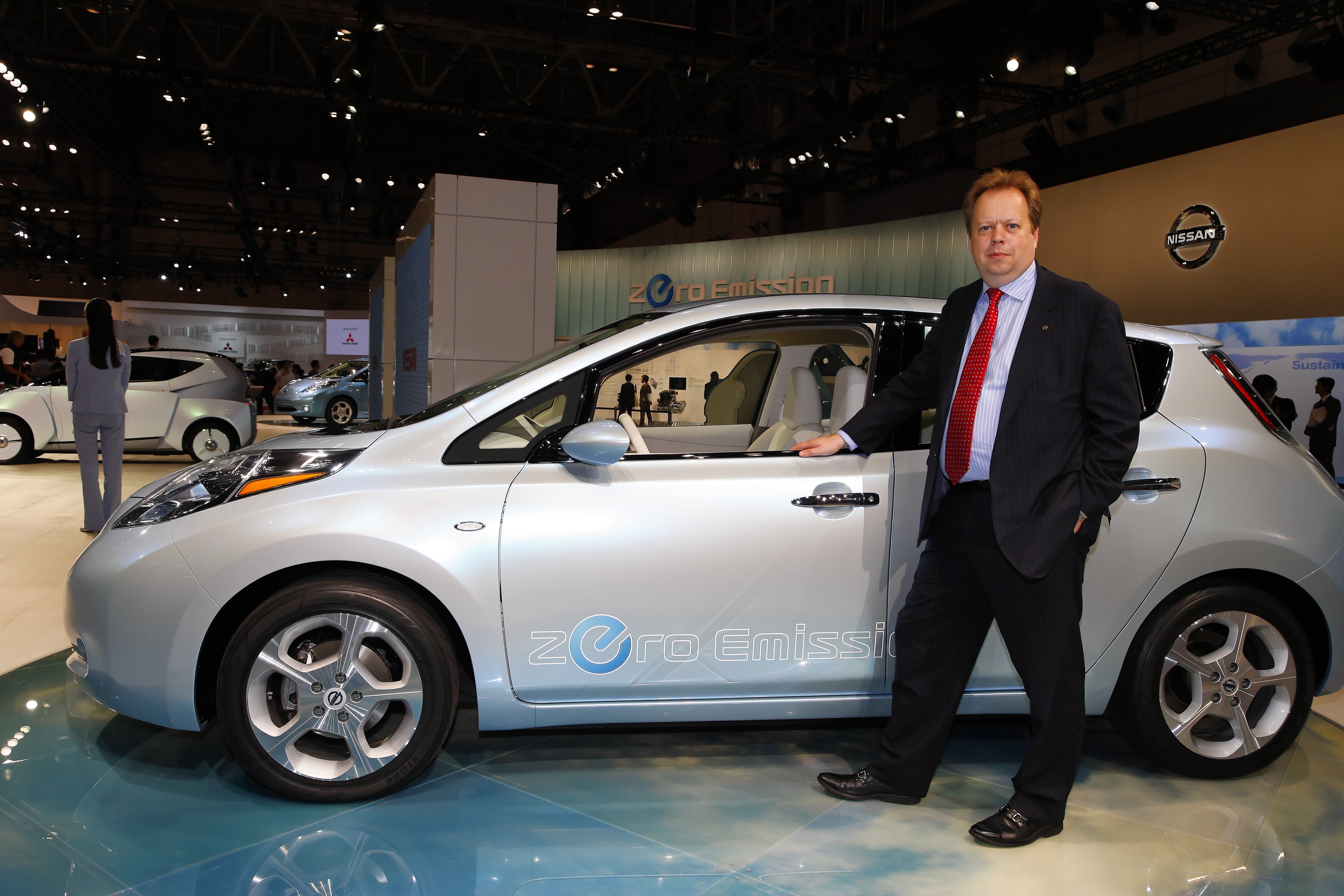
Speaking to Electrifying’s Ginny Buckley and Tom Barnard for a little chat about the recently announced Ford and Geely partnership to build new cars in Spain together, Palmer said that the current rise of Chinese manufacturers is in fact a carefully rehearsed scenario.
“We’re at a point in automotive history that is even more profound than when the Japanese manufacturers arrived in the 1980s,” he explained.
“We’re seeing the results now of a plan that the Chinese manufacturers have been implementing since 1992, which was the first government plan to develop ‘new energy vehicles’ and leapfrog the west. They’ve updated that plan every five years since then, succeeded in their domestic market and now they’re expanding internationally.”
Palmer said that the Ford/Geely deal has shown “how far the western brands have fallen behind the Chinese. Let’s be honest, they’ve wasted 10 years and they’ve got to catch up.”
He also warned that the reprieve offered by the Trump administration’s imposition of punitive tariffs on foreign-built cars is only temporary, and that when the US market is eventually compelled to make the switch to EVs it’ll find its big players hopelessly out of date.
“Ford and GM might be enjoying the relief from the Chinese,” he said. “But eventually the US marketplace will adopt EVs, and it means that they’re not getting the exercise required to be competitive.”
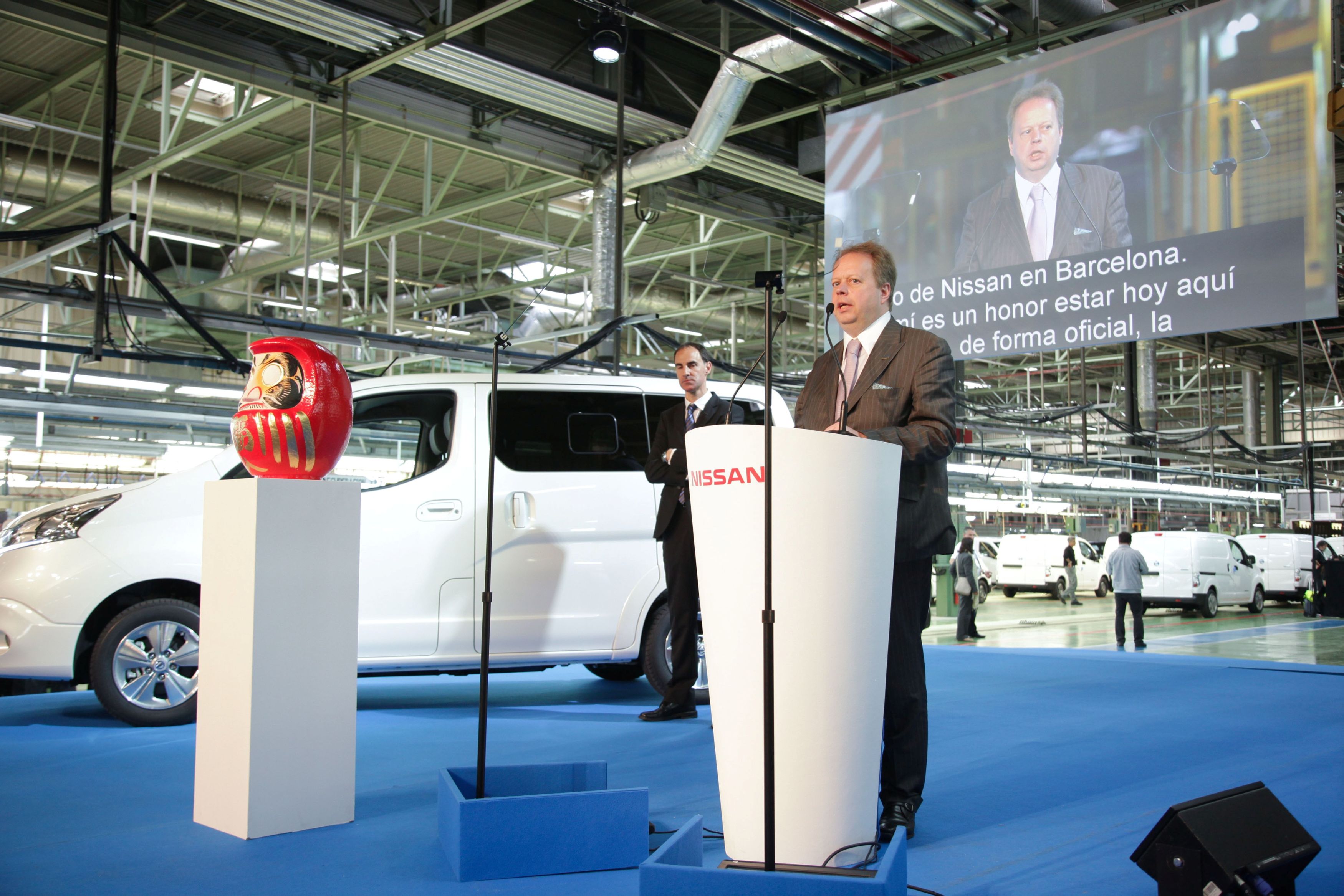
He also warned that not embracing the challenge currently posed by the influx of Chinese brands would have dire consequences for car companies: “Those car manufacturers that don’t exploit the opportunities in front of them, that don’t learn to work with the Chinese, some of them won’t make it.
He said that while the strengths of the newly arrived Chinese brands lay in the quality and technology of their cars, “they haven’t really understood marketing and branding in Europe”, which is the opportunity that European manufacturers can exploit to their advantage.
And who’s the real winner out of the current struggle between challenger brands and established companies? “This sort of competition is great for the consumer – competition brings down prices, and the Chinese themselves have brought down the price of electric vehicles,” explained Palmer. “They’re leveraging their huge home market where 50% of sales are now EV. The competition of all that is bringing costs down."
There’s still hope for established carmakers, though – especially those who are willing to work with the new Chinese brands, says Palmer. “It’s all about the legacy brands that survive, and if Ford is smart it’ll leverage the collaboration with Geely and at the same time use the opportunity to redefine its brand with its own vehicles.”