






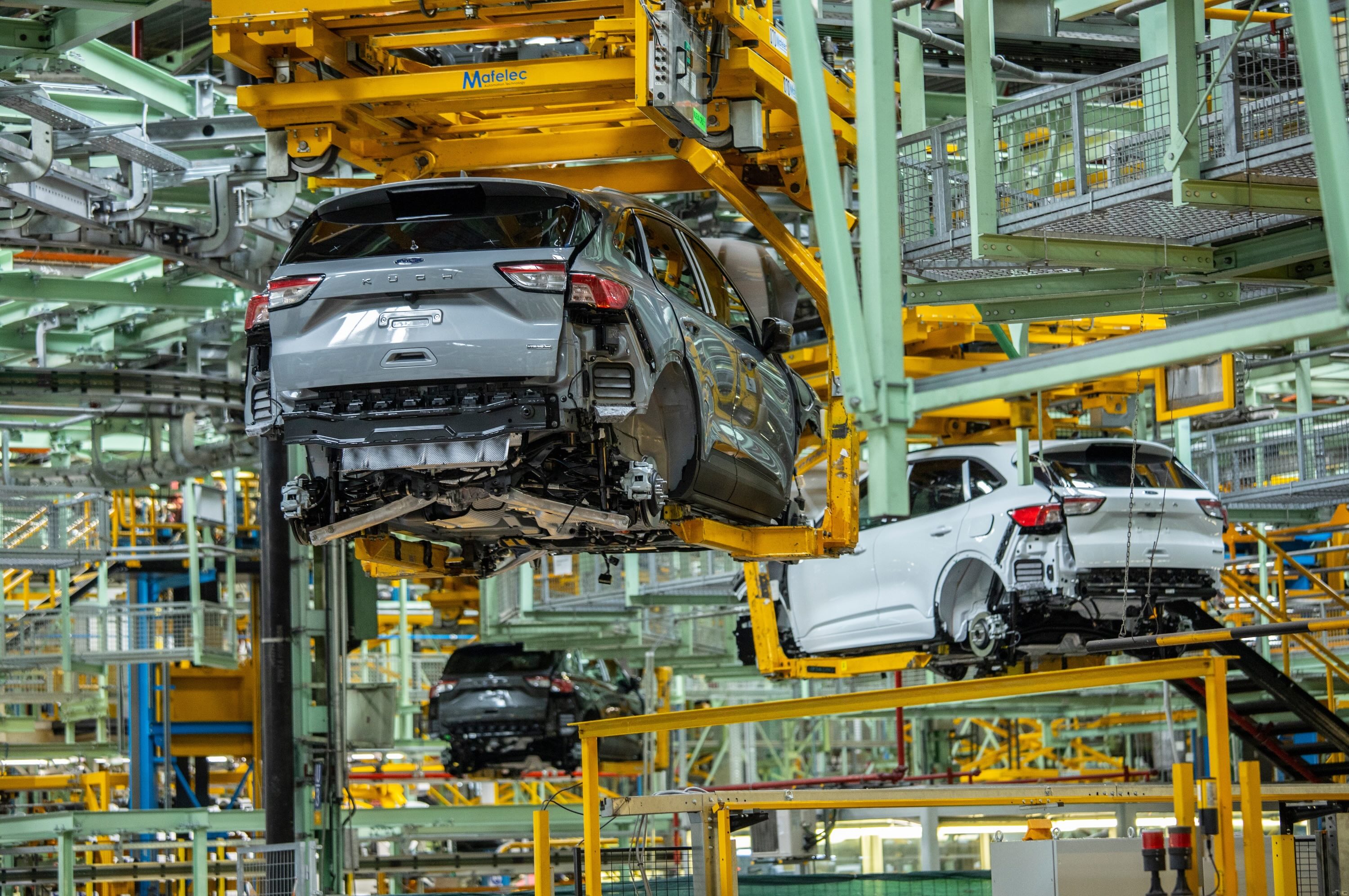
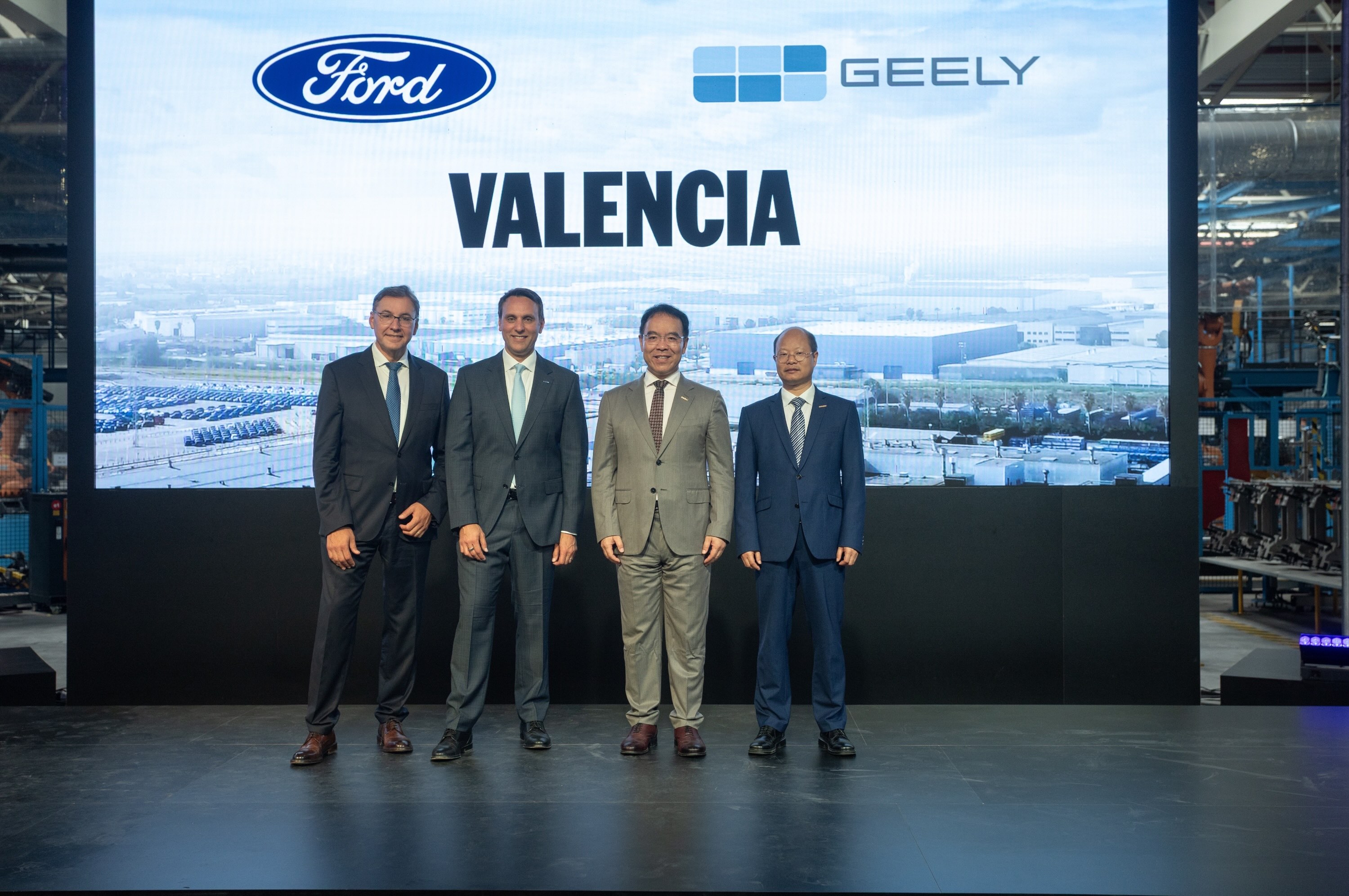
Ford and Geely have announced a new partnership to build cars at Ford’s factory in Valencia in eastern Spain, which was first built back in 1976 to make the first generation Ford Fiesta.
It’s not simply a deal to build Geely’s cars at Ford’s factories, the plant will be signed over to a new joint venture that’s billed as a proper partnership between the two, with Ford owning 66% of the company and Geely 34%.
The factory currently just makes Ford’s Kuga SUV, but with a capacity of up to 500,000 cars a year, there’s some room to grow. The Kuga will stay, and a new version of the Bronco will be designed for Europe and built here too – that car will share the same platform as the Kuga.
It’s the three other cars that have been announced that will be more interesting.
What is the Ford-Geely partnership all about?
The core part of the Ford-Geely deal is that the two companies are going to pool their resources on putting together electric SUVs aimed at the European market. One from Ford, two from Geely.
The three SUVs will be based on the same engineering base, but Ford has said that its engineers will develop the car so that it feels authentically like one of its other cars.
Why is the new announcement important?
Punitive tariffs on foreign imports have been flying around all over the place in recent years, and they’re being increasingly looked at in European markets to try and boost the competitiveness of domestic carmakers.
Likewise with things like the UK government’s electric car grant, which has secretive environmental requirements baked in that rule out any EVs manufactured in China and make the money essentially a subsidy for British and European built cars and batteries.
Geely is building in Spain at a Ford facility, BYD has finished a factory in Hungary and could be looking for another site, Chery is hoping to use Nissan’s spare capacity in Sunderland – Chinese carmakers are looking to beat the political restrictions by setting up camp in Europe.
What does the deal mean for Ford and Geely EVs?
Ford is just the latest manufacturer to try and embrace the ultra-fast development times that Chinese carmakers have pioneered in the last few years.
Where cars have traditionally taken five or six years to develop and bring to market, Chinese brands are able to do it in as little as 12 to 18 months. All three cars will start production in 2028, with Geely in particular set to dramatically expand its European line-up. The Bronco model that Ford's developing itself based on existing engineering? Not here until 2029.
Though Geely boss Li Shufu recently criticised what he called the 'quick fix' process of building modern cars, so perhaps it matters less if it's a Ford.
Ford has been on a quest for a number of years to try and reduce its costs, and it’s already selling EVs that sit on Volkswagen shared platforms, has two Renault-based electric cars on the way (including a new Fiesta) and now a Geely model.
With these tie-ups it can retain its competitive pricing because someone else has put all the effort into developing the foundations of the cars, and it keeps a fully padded out range of cars.
The downside is that the less Ford invests in developing its own EV engineering, the less internal knowledge and capacity it has in the future. You’d have to feel a little bit nervous for the Blue Oval’s long-term prospects.
Is this good news for buyers?
The Ford-Geely deal will offer more choice at competitive prices, with cars built in Europe also less sensitive to whatever the prevailing geopolitical winds are.
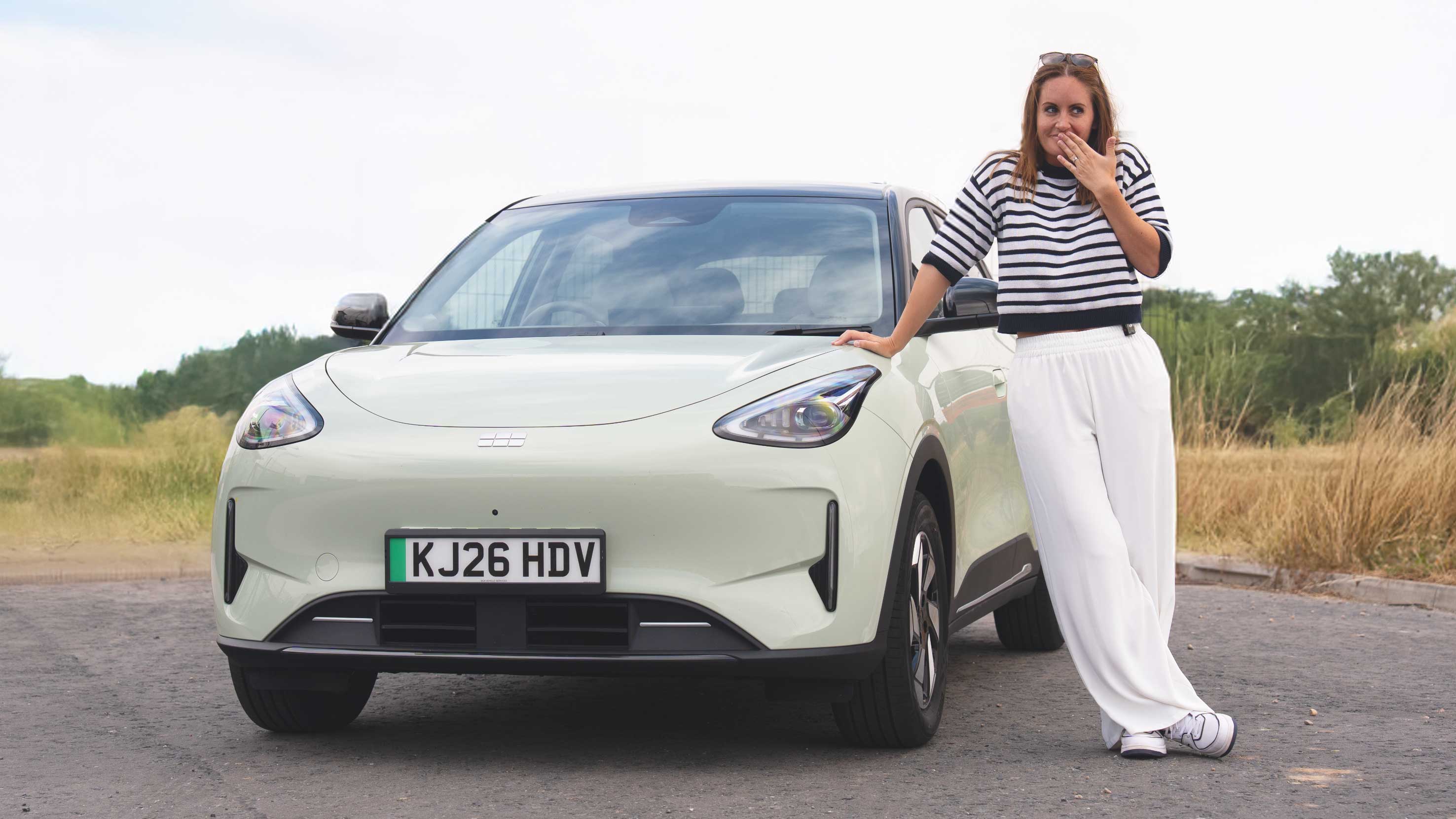
It means that Ford gets access to the latest electric technology from Geely – which, let us not forget, as well as owning Lotus, Volvo, LEVC and Polestar sells China’s most popular car, recently arrived in the UK.



.jpg?width=600&height=600)


