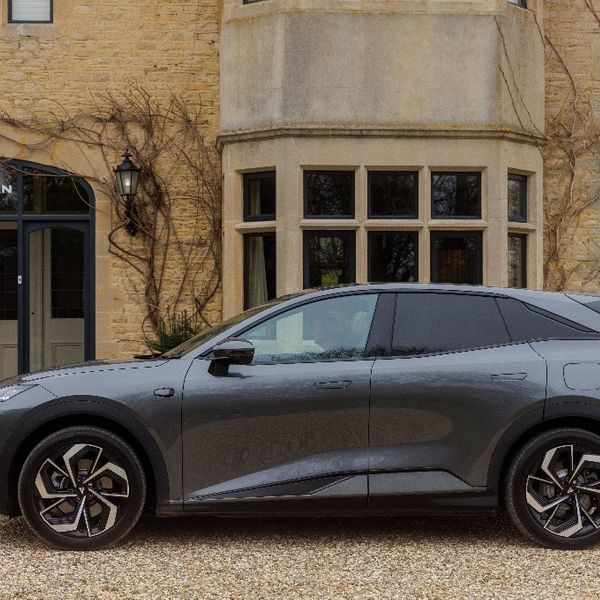






The Climate Change Committee has warned the government against weakening the ZEV mandate, saying that it could put the UK’s climate goals and jobs at risk.
An announcement on the weakening of electric car sales targets is expected any day after the deputy prime minister chaired a meeting of cabinet ministers in Downing Street last week.
The car industry has lobbied intensively to get the rules relaxed – the government has indicated that it will stick with the firm targets of no pure petrol or diesel sales from 2030 and 100% electric car sales from 2035, but it’s about to cave on the annual targets carmakers need to meet in the meantime.
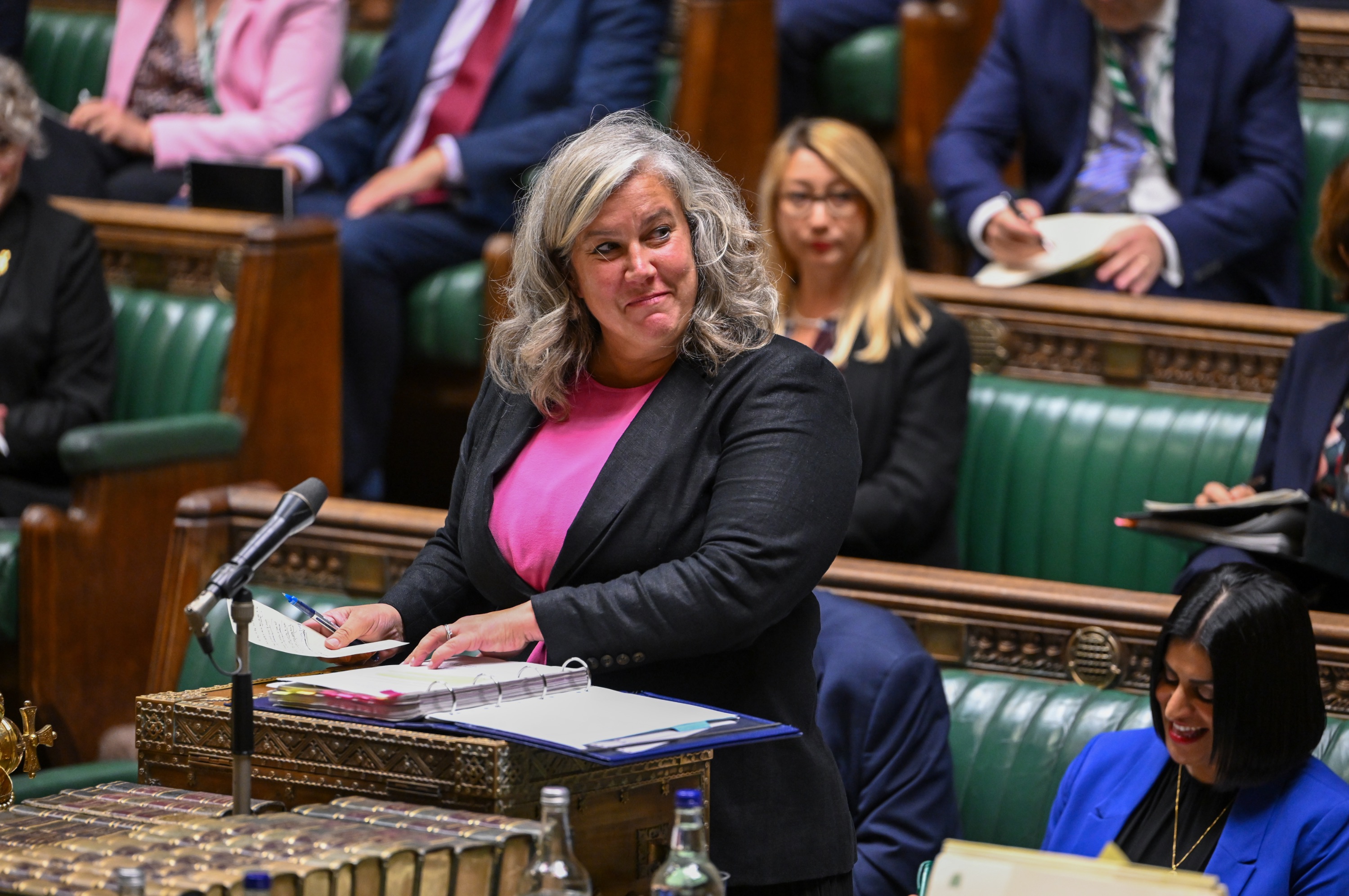
Nigel Topping, chair of the Climate Change Committee, has written to transport secretary Heidi Alexander (below) to warn that weakening the targets would hamper the UK in its efforts to reach its net zero climate targets.
The CCC is an independent body set up to monitor the government’s progress to net zero emissions by 2050, and the ZEV mandate was supposed to be a central part of the country’s efforts to cut emissions.
Transport is responsible for over a quarter of the UK’s total greenhouse gas emissions according to the government’s own data.
Topping criticised the car industry’s efforts to undermine the ZEV mandate by claiming irreversible harm to UK carmakers, saying that the mandate doesn’t even apply to 78% of the cars built in the country because they’re exported.
He also warned that weakened electric sales targets would leave car and van drivers exposed to fluctuating fuel prices.
The CCC letter provides some constructive helps for the government to keep the mandate on track – Topping said that the way emissions are calculated should be tightened up to avoid new entrants to the UK car market getting an unfair advantage.
Some established manufacturers are really struggling to meet their ZEV mandate requirements, while recently Chinese brands are benefiting from the way the rules have been drawn up to amass credits within the ZEV mandate accounting system.
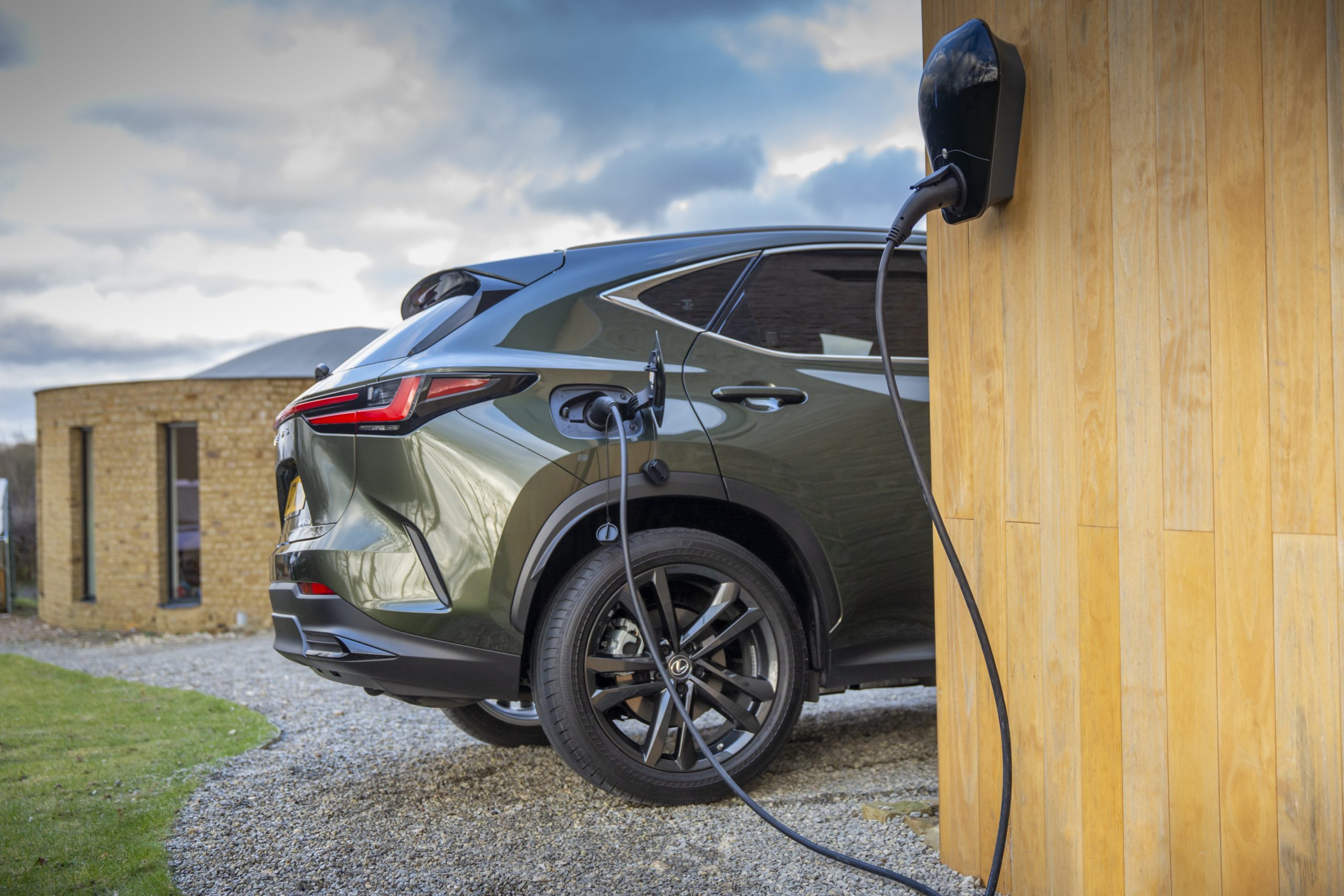
Nigel Topping also said that the way PHEV emissions are calculated should be changed to more accurately reflect real world emissions – there have been criticisms that official CO2 numbers assume that PHEV drivers will top up their batteries as often as possible, which is not the case in reality.
The letter further encouraged the government to stick to its current 2030 targets and introduce policies to reduce the cost of public charging and boost demand from consumers as well as making electric vans more attractive to businesses.
Alongside the letter, Nigel Topping said that the UK was at risk of being left behind other countries. “The market has already evolved, and the UK should be accelerating to keep up, not putting the brakes on,” he said. “British drivers deserve better than a backtrack on such critical policy.”
Electrifying founder Ginny Buckley has already said recently that there are enough flexibilities within the current setup for carmakers to take advantage of and that the government should be focused on promoting electric van adopting.
Charge UK boss Shane Brennan said the ZEV mandate is working, and that weakening electric car targets would be an “own goal” that would put billions of pounds of investment in the charging network at risk.
EVA England CEO Vicky Edmonds, said that the discussions on the ZEV mandate were a distraction and said the government should hold firm on its targets, while SMMT boss Mike Hawes predictably criticised the letter, saying that the Climate Change Committee was “disregarding market reality” and the ZEV mandate was damaging despite electric sales hitting record levels each month.