





There are just two months left to meet electric car sales targets in 2026, and some manufacturers are struggling more than others.
The UK’s so-called ZEV (zero emission vehicle) mandate has set tough targets, but it also comes with generous concessions to help carmakers avoid hefty fines of £12,000 per car over their limits.
We’ve looked at figures from independent research organisation New Automotive that show the overall car market is ahead of the ZEV targets once they’ve been adjusted to allow for the flexibilities, but it’s not an equal spread.
Volkswagen, Stellantis and Nissan are among those falling badly short, while Tesla, BYD and Geely have built up substantial credit surpluses.
What does it all mean? Firstly, let’s take a look at how the ZEV mandate system even works (you can scroll down to see more detail on which carmakers are doing well and who’s suffering).
How does the ZEV mandate work?
Selling one EV gets you one credit towards your allowance – at its most basic, the mandate is as simple as that.
Alongside this is a CO2 trading scheme that allows carmakers to bank ZEV credits if they sell cars that produce lower emissions – like PHEVs.
The carmaker’s average fleet emissions for the non-ZEV cars they sell are measured against a baseline (their own emissions in 2021, unless they launched in the UK later, in which case it gets complicated) and they’re rewarded accordingly.
Carmakers can ‘borrow’ ZEV credits from future years, though it means they’ll have to sell more EVs in that year to keep up. They can also trade ZEV credits between them if they don’t have enough.
There is a small controversy around the CO2 trading scheme, in that manufacturers who arrive in the UK after 2024 are measured based on the overall industry average emissions from the previous year, which gives them a considerable advantage if they prioritise the sale of EVs and plug-in hybrids.
It’s also worth pointing out that if you sell fewer than 2,500 cars a year you’re exempt until 2029.

How can manufacturers meet their electric targets without selling enough EVs?
As detailed above, carmakers have a considerable number of so-called flexibilities that have been introduced to ease the ‘pain’ of meeting ZEV targets.
The headline target for 2026 is 33% – that’s the number that car industry body the Society of Motor Manufacturers and Traders (SMMT) will quote every month when the new car sales figures are released.
And on the face of it, the 26.6% year to date EV sales share in the UK is falling short of that, but of course that comparison fails to take into account the fact that there are these flexibilities that the SMMT and car companies lobbied for. Strange that they’ve forgotten them.
Before you even consider buying surplus credits from a rival or borrowing from another year the emissions rules make it easier to hit your ZEV targets if your overall CO2 emissions are down.
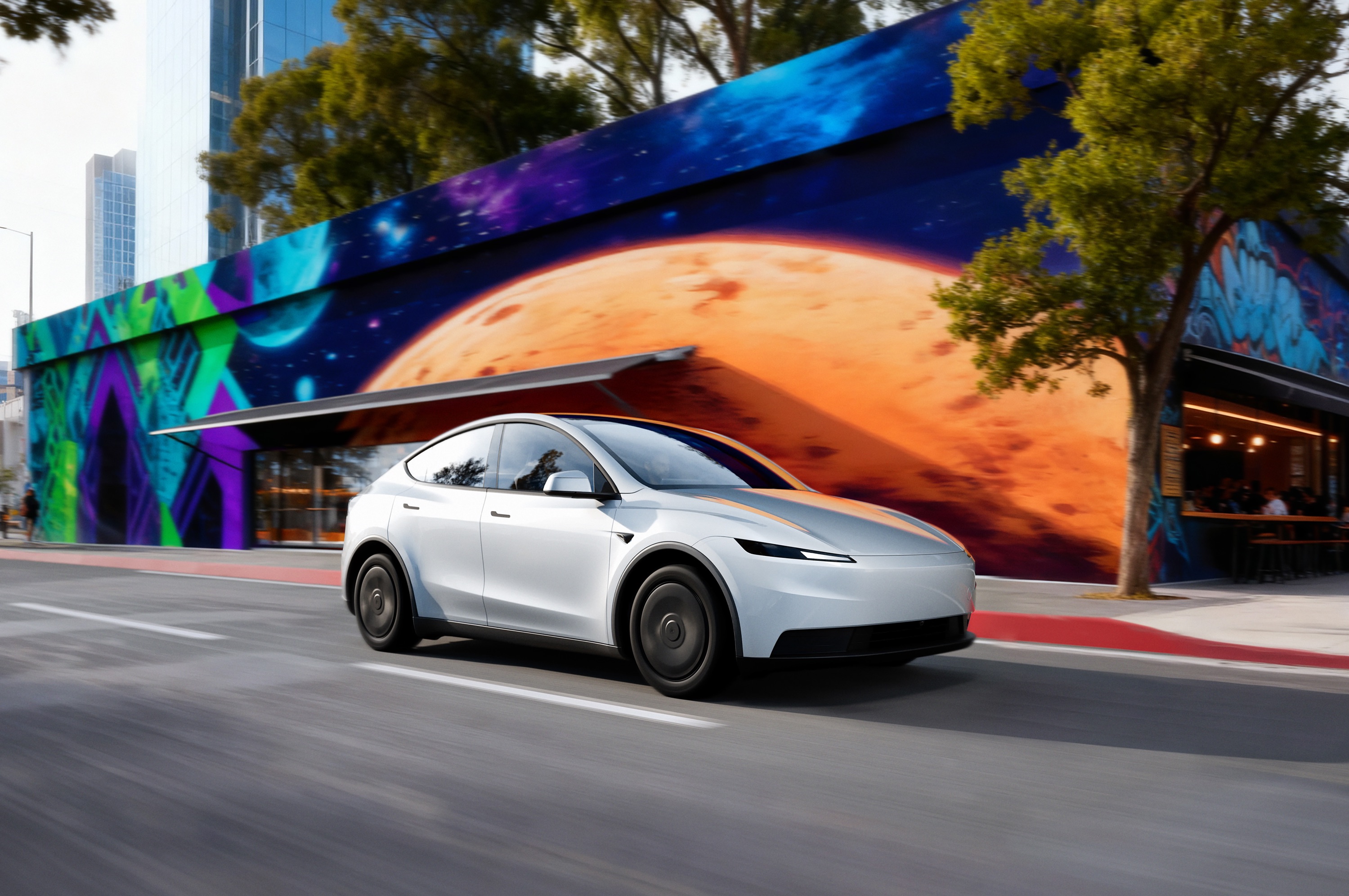
Tesla has to meet a 33% EV sales target because it doesn’t have any emissions credits, but fortunately it’s already at 100%.
BYD has sold 46% EVs so far in 2026, but the other 54% are all PHEVs, which means that its real world target is below 7%.
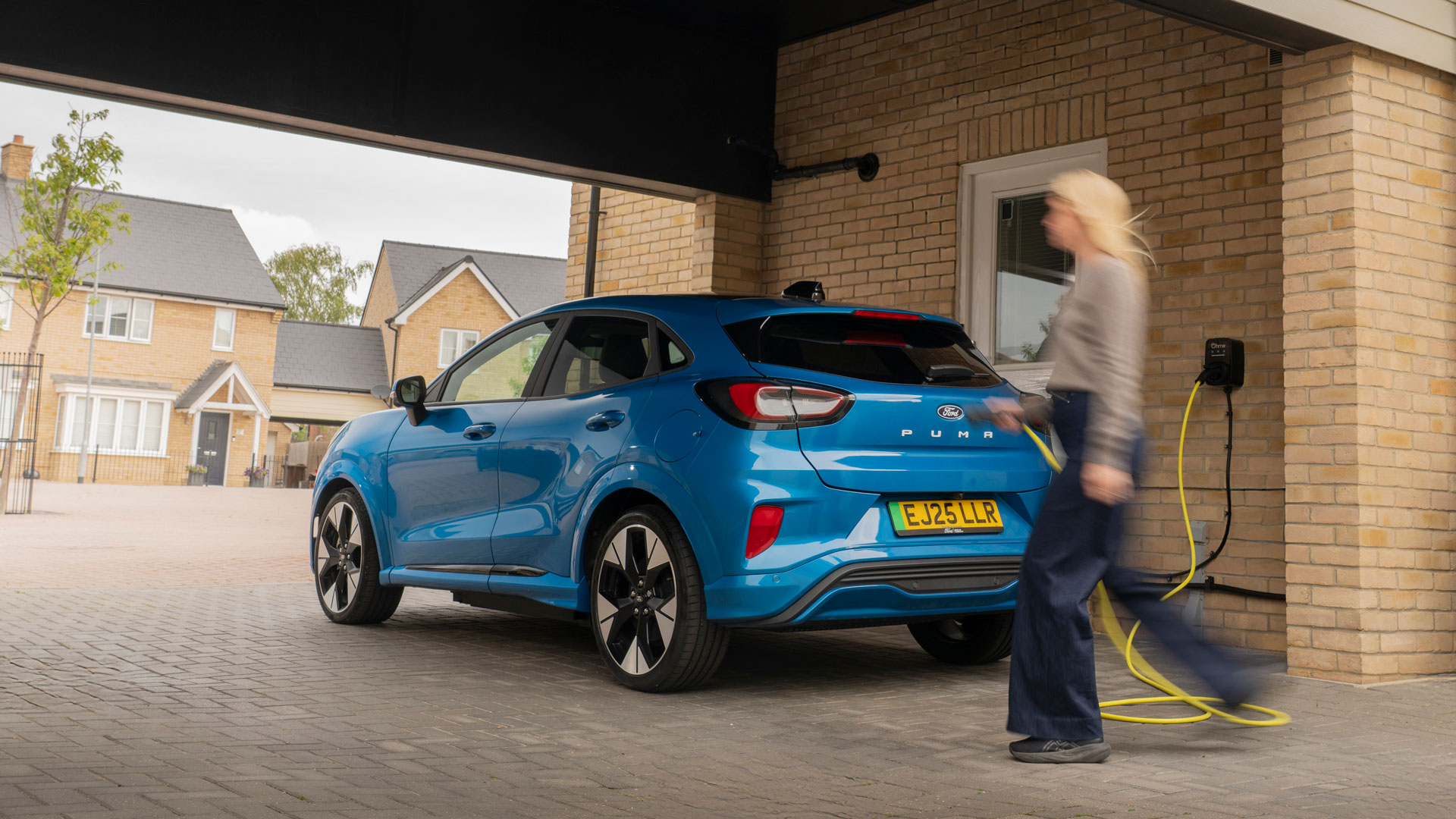
Ford hasn’t managed to take advantage of the politics of it all – while its EV share in 2026 is an impressive 26.7%, it has a real world ZEV target of 30.4% to meet because the overall emissions of its combustion equipped cars haven’t gone down enough.
Which manufacturers are meeting the targets?
For the purposes of ZEV mandate accounting carmakers are assessed based on their parent companies rather than individual brands.
Tesla and BYD are far out in front when it comes to the zero emission credits. Tesla because it only sells EVs and BYD because it sells EVs and plug-in hybrids.
SAIC is in third – this is MG – followed by Geely (including Volvo, Polestar, Lotus and Geely), Chery (Omoda, Jaecoo, Lepas and Chery), Renault and then Changan.
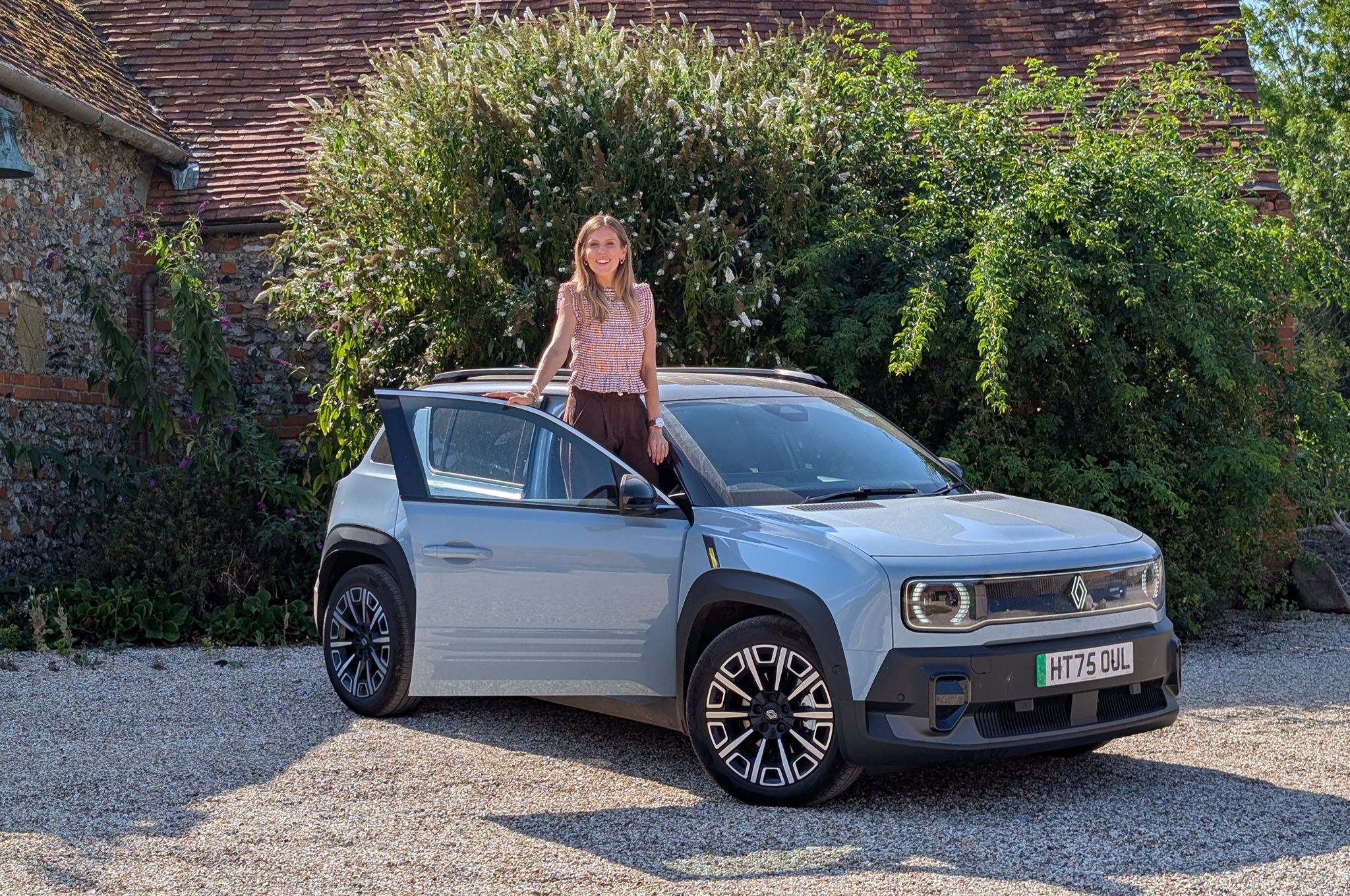
Seems the trick to meeting your ZEV mandate targets is to be a new Chinese carmaker. Well done to Renault, though, which has met the 33% baseline target for 2026 without even taking the flexibilities into account.
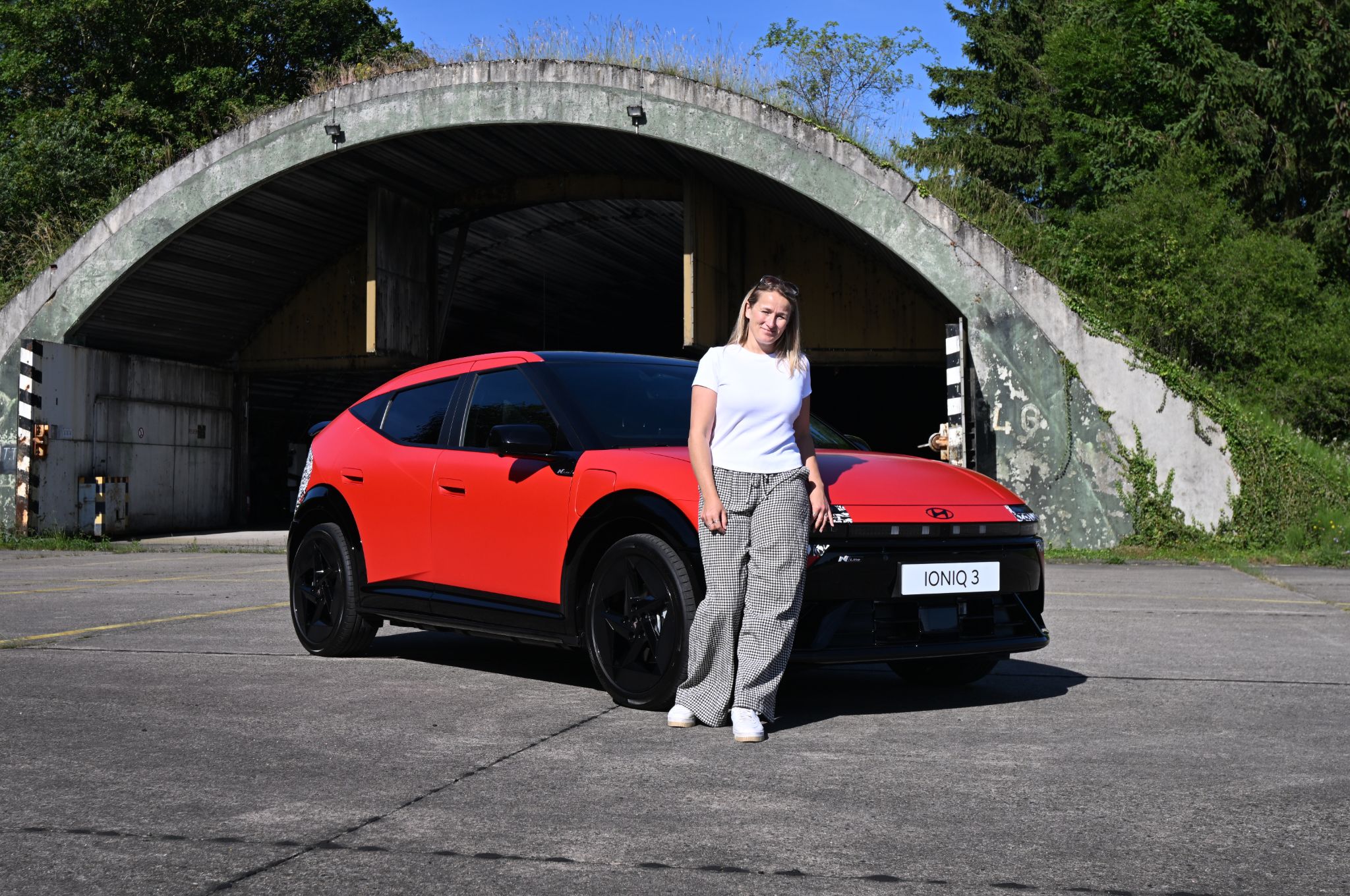
Hyundai (including Kia and Hyundai) has a very small surplus according to the New Automotive figures.
Which carmakers are falling behind on the ZEV mandate?
BMW is essentially flat, meeting its ZEV quota including the flexibilities it has gained from lower emissions.
A number of manufacturers are struggling though – Suzuki, Mercedes, Honda and Ford are in the strongest position among those brands and just need to sell a few more EVs or buy in some credits.
Toyota and Mazda are lagging a little way behind this group. Mazda’s EV share of sales so far in 2026 is a miserable 2%, and while Toyota has managed to sell just 15% electric cars from its total this year it has a fairly low barrier of 20% to hit thanks to its lower emission hybrid sales.
This shows how the flexibilities can really work in a carmaker’s favour even when they’re not selling many electric cars.
At the back of the pack are Tata (Jaguar Land Rover), Volkswagen (including Audi, Skoda, Porsche, Bentley, Seat, Cupra and Volkswagen), Nissan and Stellantis (including Peugeot, Citroen, DS, Vauxhall, Jeep, Maserati, Fiat and Leapmotor).
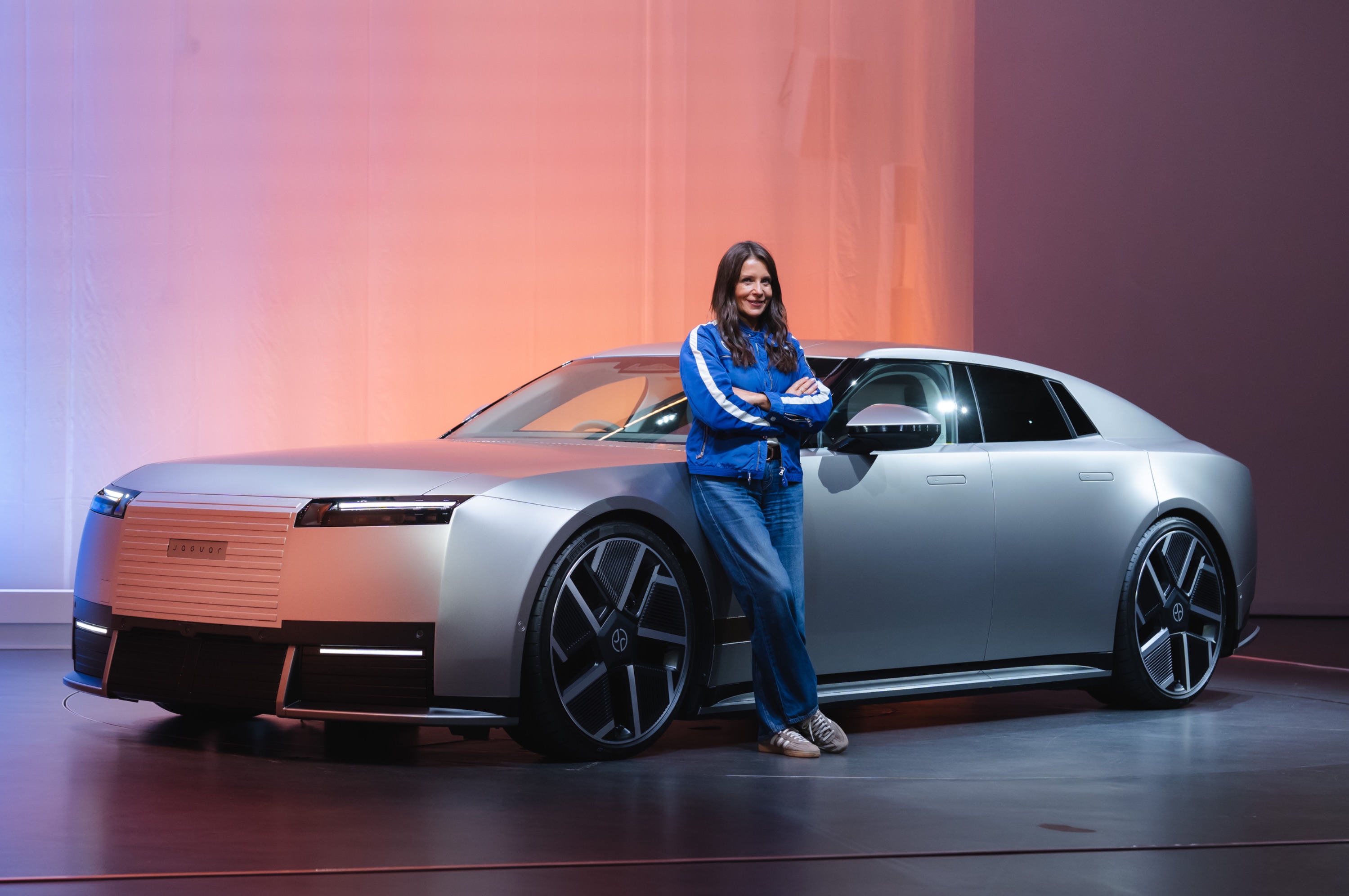
Jaguar Land Rover is in the fairly dire position of having sold no EVs in 2026, so fingers crossed the Jaguar Type 01 and Range Rover Electric deliveries get going before the end of the year. Because of its PHEV sales it’s real world ZEV target is just under 13%.
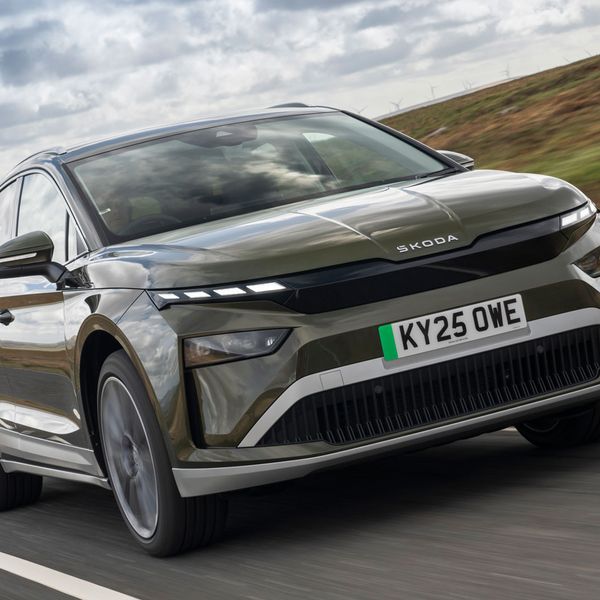
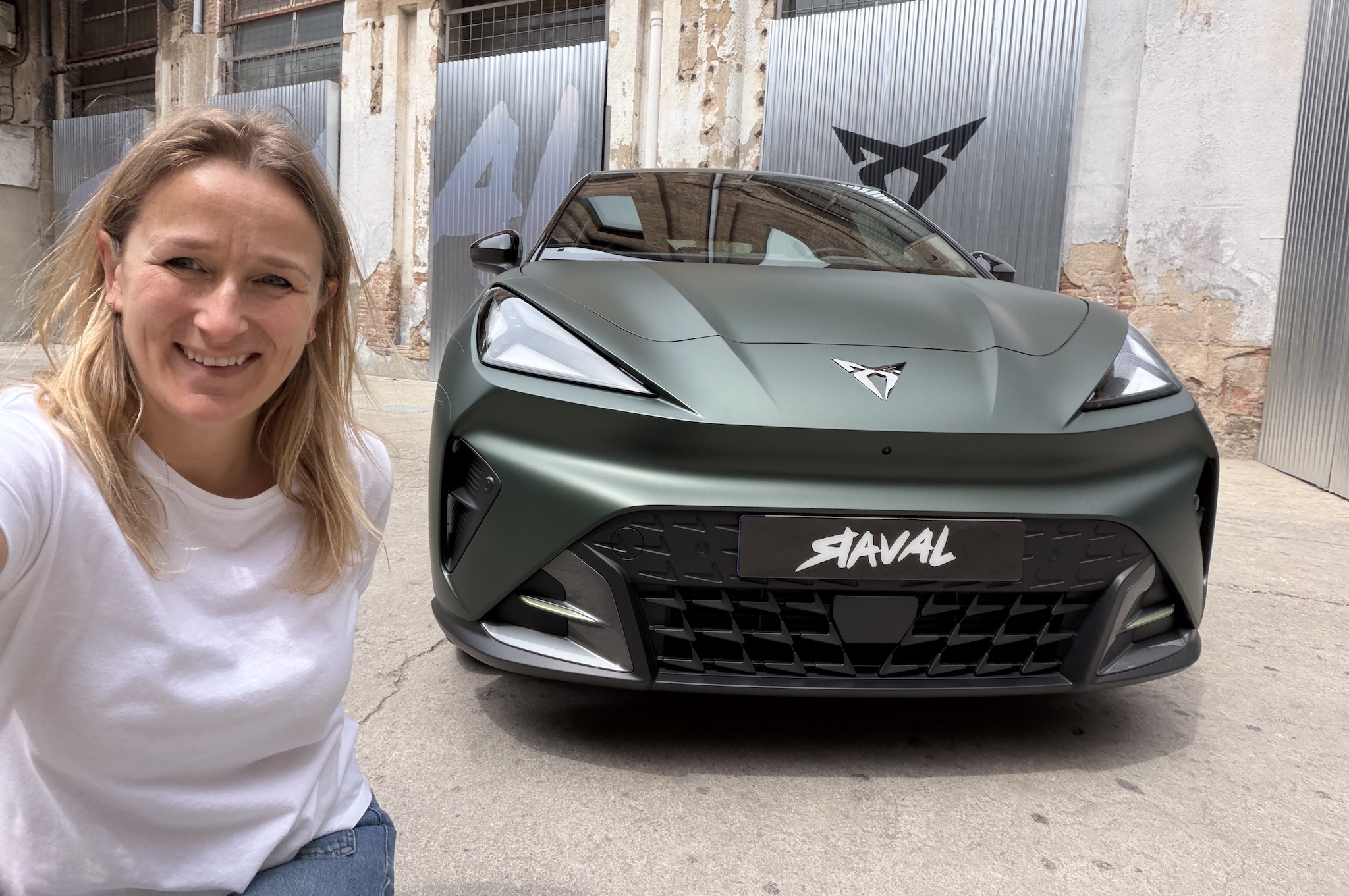
The Volkswagen Group has sold over 400,000 cars in the UK so far this year, around 24% of them electric. Its real world target is 26% but the sheer volume of cars make that a comparatively harder task – it does have the new ID.Polo, Skoda Epiq and Cupra Raval pulling their weight now though.
Nissan just needs to deliver some more Leafs to customers before the end of the year – unspecified production delays have badly hampered it this year.
Stellantis is in a similar position to Volkswagen, except its 25% share of EV sales is further short of its estimated real terms target of 30% EV sales. Stellantis brands don’t sell many PHEV options and the group is reliant on Chinese partner Leapmotor to help with its ZEV duties.
What happens as the ZEV mandate targets increase?
Well, carmakers have to sell more EVs. The SMMT will say that it’s an untenable situation because manufacturers are having to work harder to sell EVs to people (although BMW and Renault don’t seem to be having too much trouble – perhaps manufacturers could build better EVs?) but such is the nature of a political target.
The targets have been relatively easy up to now, bringing in the early adopters – this is where it gets harder, trying to persuade people to make the switch to electric where it might involve more sacrifice.
It’s also where the political will to reduce emissions and safeguard the environment clashes against the corporate urge to maximise profits and keep shareholders happy.
Could the ZEV mandate be about to change?
Indeed, it could all be (relatively) moot within weeks – the government is currently weighing its options following an extensive consultation period on the ZEV mandate and it is expected to change the annual ZEV quotas while maintaining the hard targets of 2030 (for pure petrol and diesel engines coming off sale) and 2035 (when all new cars must be zero emission).
The current targets are planned to increase to 38% in 2027, 52% in 2028, 66% in 2029 and 80% in 2030.
The post-2030 targets haven’t been announced yet – that could happen as part of the current ZEV mandate review – but the government has proposed a softer ramp to 2035 and a range of other measures including more generous CO2 credits.
The danger is that while softer annual targets might ease the pressure now, it’s merely being deferred – carmakers still need to reach 100% by 2035, unless they think they can lobby their way out of that one. Our Tom Ford thinks that things are best kept simple.
And the issue with the CO2 credits from PHEVs was also acknowledged in the consultation papers – once someone buys a plug-in hybrid it’s assumed that they will top up the battery as often as possible, but in real world terms that’s clearly not going to be the case, so those credits might already be too generous in terms of reducing overall emissions.
See, it’s all very simple.