





Japanese carmakers are making concerted efforts to pull back global car markets from making the switch to electric, according to a new report.
The accusation comes from a global think tank InfluenceMap, which has put together a report looking at how Japanese and Chinese carmakers are shaping decarbonisation policy in key markets across the world.
InfluenceMap describes itself as a “data driven think tank that monitors the impact of business on the climate crisis” and has recently produced reports looking at how the European chemical industry has influenced biodiversity policy and the lobbying of airlines on the EU emissions trading system.
While the topics seem dry, they show how big global companies are able to shape government policy across the world.
For its latest report, InfluenceMap decided to look at Chinese and Japanese carmakers because of their reach and influence over the global car market, particularly in developing car markets like Brazil, Colombia and Indonesia.
The think tank says it found that Japanese carmakers engaged in a “co-ordinated cross-market strategy to divert markets away from electric vehicles”, while Chinese carmakers were “largely absent” from global policy debates despite their growing influence on sales.
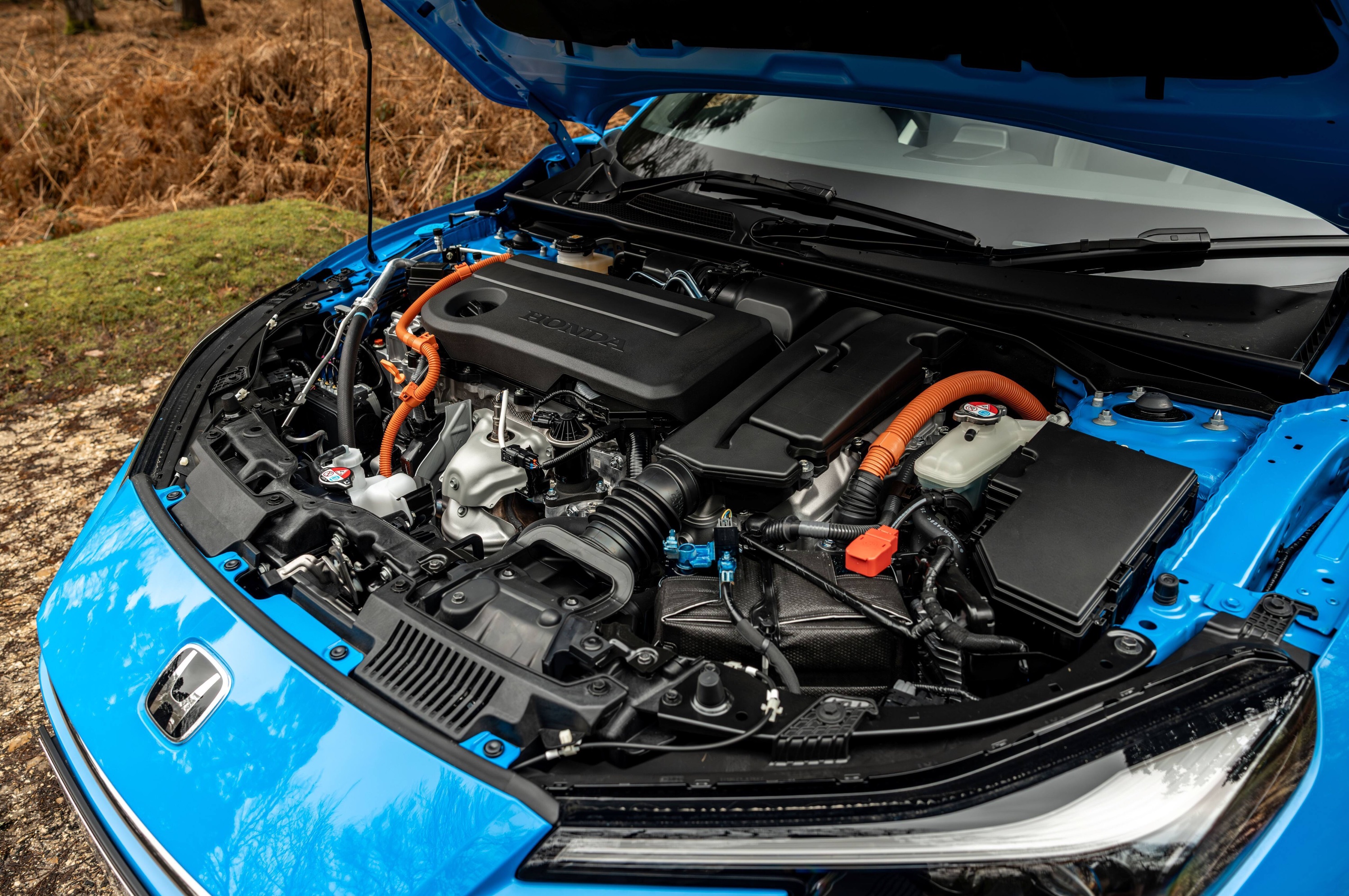
Japanese carmakers, particularly Toyota, Honda, Nissan and Suzuki, showed a particular effort to use regional car industry bodies (along the lines of the SMMT in the UK, which represents carmakers’ interests to government and others) to push their policy agendas and even took up senior positions in the bodies. Meanwhile, Chinese manufacturers were less likely to even be members of the regional industry bodies.
The InfluenceMap report highlights efforts by Toyota and JAMA, the Japan Automobile Manufacturers Association, to push a “multi-pathway” approach and weaken government efforts to decarbonise the car market.
Just in the last week, Toyota chairman Akio Toyoda was quoted as saying that the transition to BEV was his “biggest fear”.
Toyota has become notorious for being left behind by the transition to electric vehicles, despite having been an early pioneer in electrification efforts with its hybrid technologies in the late 1990s. Its C-HR+ and BZ4X models bridge some of the gap but not a lot.
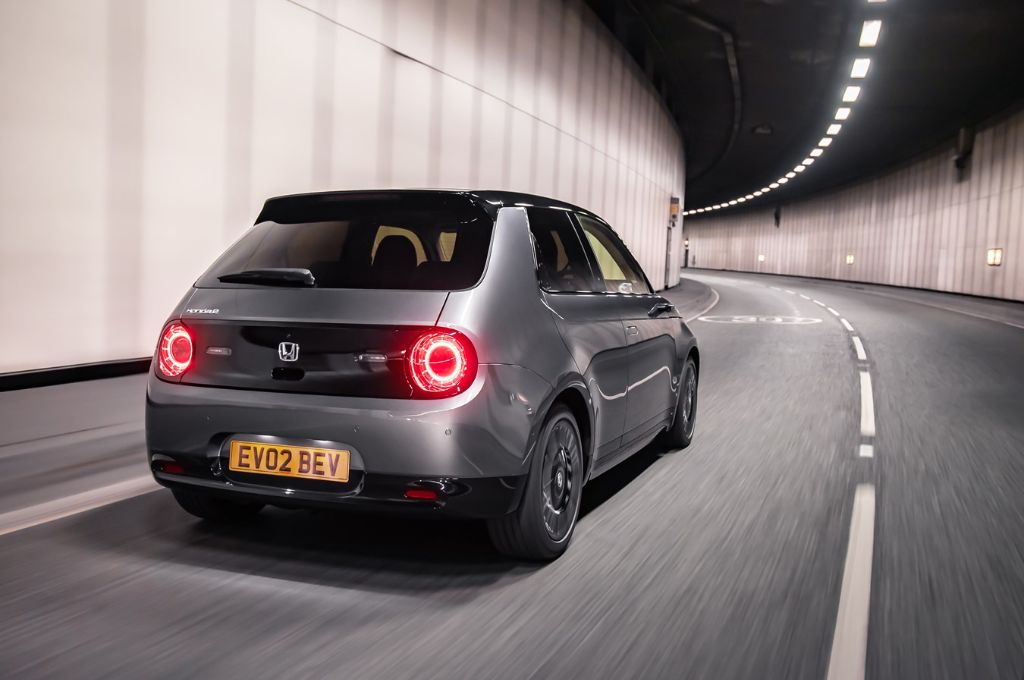
Likewise Honda has struggled to keep up and currently has no electric cars on sale in the UK, with notable false starts like the e city car (above) and e:Ny1 SUV, and Suzuki just has an electric version of its Vitara SUV on offer.
Nissan on the plus side has its new Leaf, Micra and Juke models on sale or on the way, even if it failed to capitalise on its early march into mass-market electric vehicles with the first-generation Leaf.
The report comes amid rumours that the UK government is considering watering down its zero emission mandate rules ahead of the current 2030 deadline that requires 80% of cars sold in the UK to be zero emission.