






More than half of people in the UK are against the government loosening rules on EV sales, and one in five actually wants to see stricter requirements on sales of zero emission cars introduced.
Those figures are according to a poll conducted by YouGov for charging industry body ChargeUK, which shows that the majority of people are in favour of the ZEV mandate in its current form.
The ZEV mandate requires that carmakers sell a certain proportion of electric cars each year, which is nominally set at 33% this year, ramping up to 80% by 2030 and then a total ban on sales of purely petrol and diesel powered cars by 2035.
Carmakers that don’t sell enough EVs can be fined up to £15,000 per non-compliant car, but there are a series of workarounds they can use, including using the allocation of another manufacturer, credits for selling PHEVs and borrowing allocation from a future year.

The YouGov poll asked respondents to say who they voted for in the 2024 general election, which suggests bad news for fresh prime minister Andy Burnham, whose job of wooing back disgruntled Labour party voters from two years ago won’t be helped by trashing the ZEV mandate.
Nearly 70% of Labour voters are in favour of keeping or beefing up the zero emission requirements on carmakers, beaten only by Green party supporters.
YouGov also found the highest levels of support for requiring higher sales of zero emission cars among the youngest respondents.
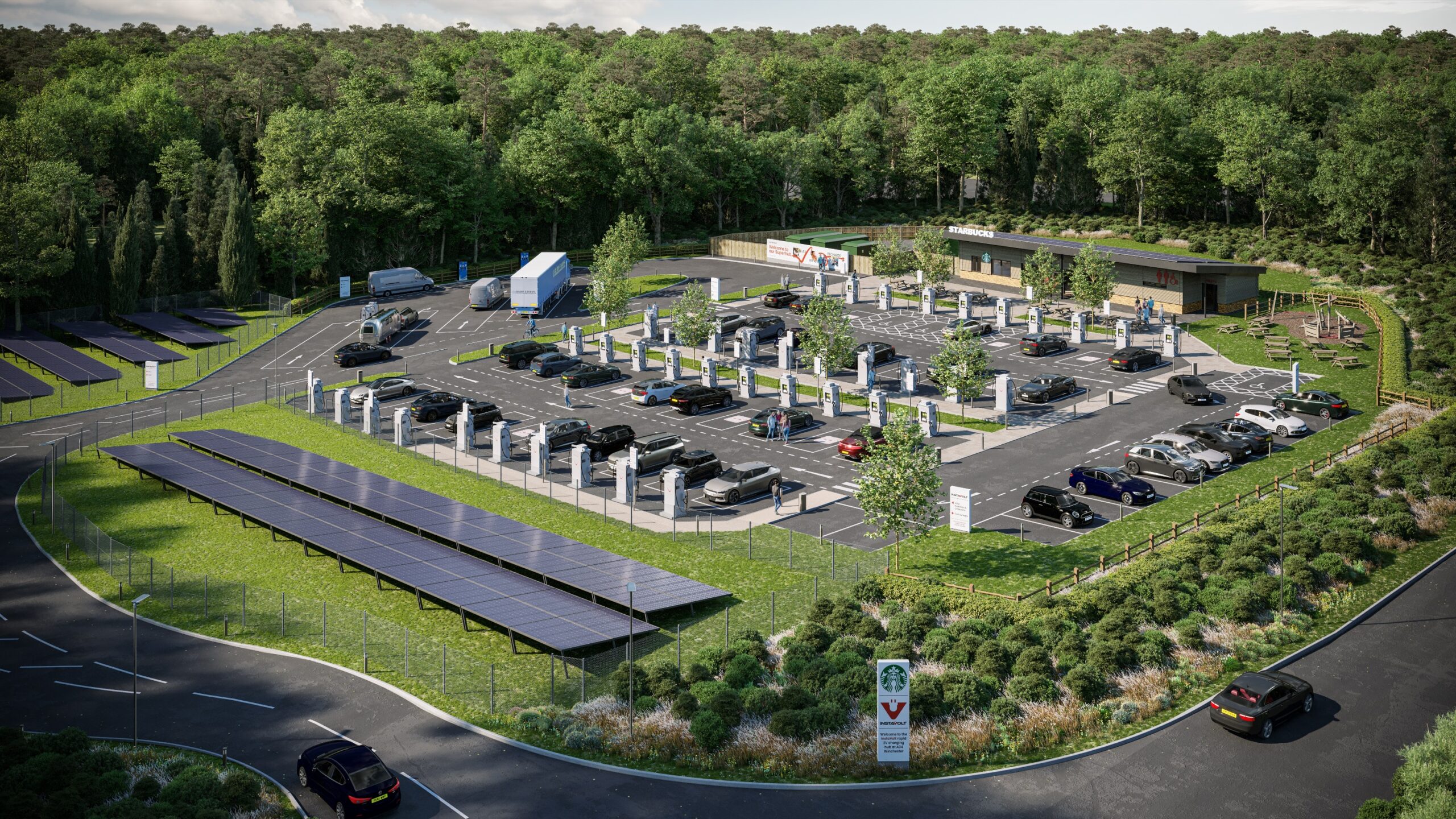
ChargeUK says that the only way to guarantee investment in charging infrastructure over the coming years is to provide a solid base of demand from increasing numbers of EVs on the roads.
Meanwhile the car industry has aggressively lobbied against the mandate, saying that jobs will be at threat if if carmakers are forced to continue selling EVs above what it says is the ‘natural’ demand.
Labour MP Perran Moon, who chairs the all-party group on EVs, said that the report highlights the “significant” political risks of watering down the ZEV mandate.
“It is clear that the government only has ears for legacy manufacturers that have failed to invest adequately in the EV transition but is not listening the EV supply chain — from UK lithium mining, to UK battery production and then the UK charge point operators who are today investing billions into the infrastructure needed to support the transition.”



.jpg?width=600&height=600)