





Porsche has left the Volkswagen Group – but not in the way that you might expect, it’s for emissions purposes.
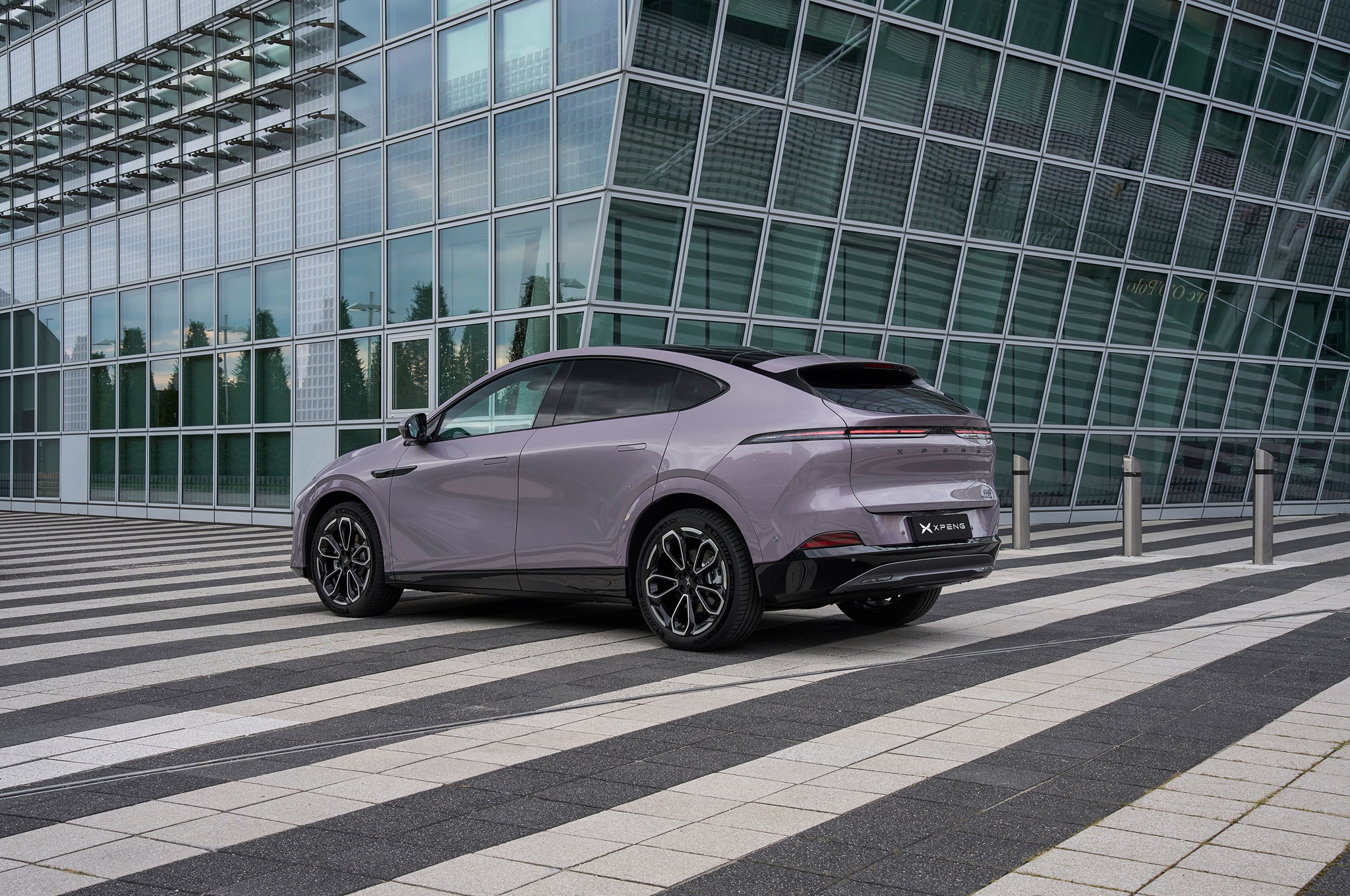
The cheeky scamps at Stuttgart must be a drain on the overall Volkswagen Group’s CO2 emissions that are being counted by the European Union, and so Porsche has thrown in its lot with Chinese carmaker XPeng. Maybe it's because cars like the XPeng G6 below look a little bit like a Porsche?
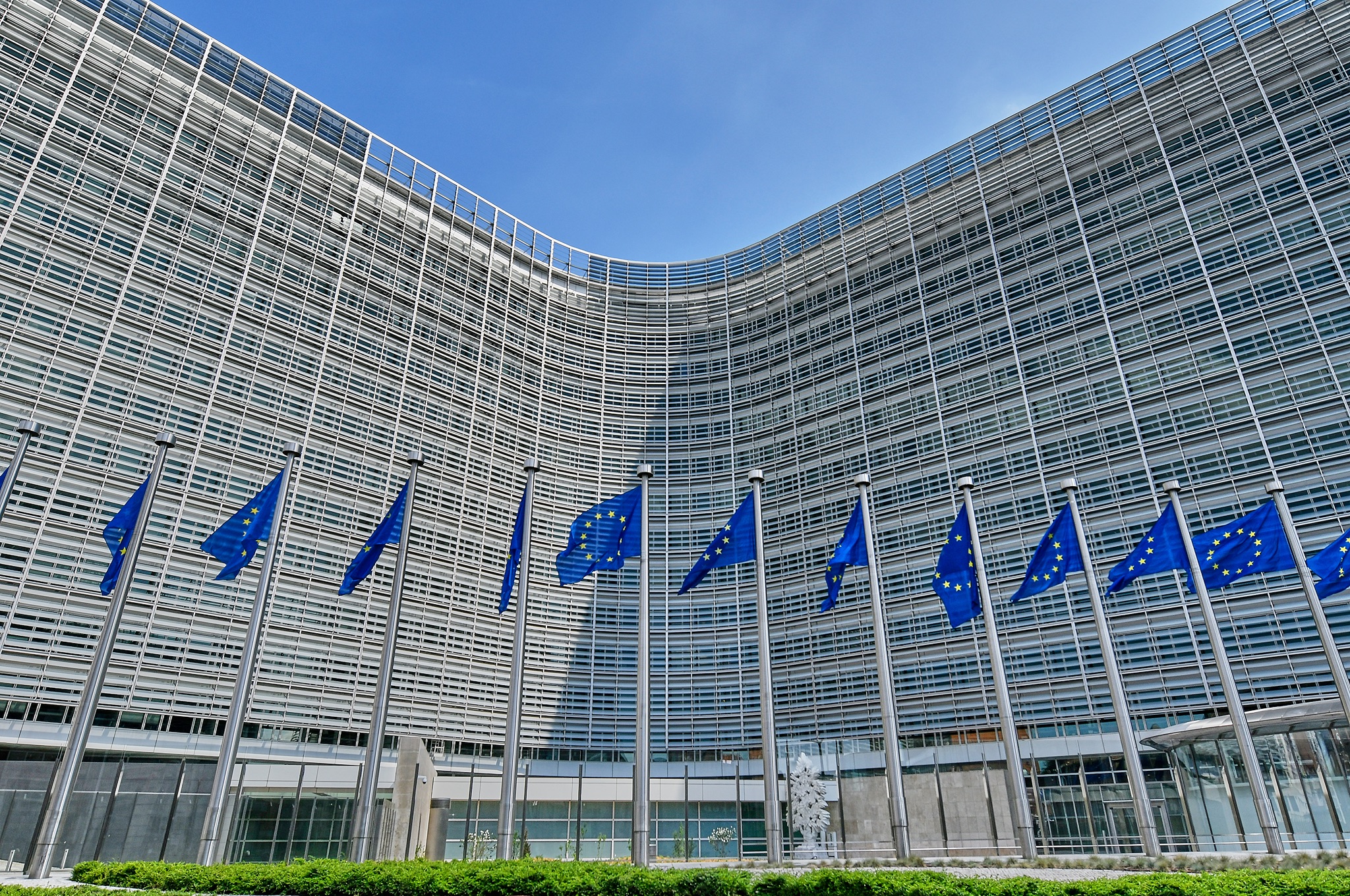
The EU setup is slightly different to the UK’s zero emission vehicle mandate that specifies what percentage of car sales need to be electric – the European Union has said that carmakers need to reduce their emissions by 55% by 2030 compared with their 2021 levels.
Progress is stepped on the way to 2030, with carmakers being assessed at the end of 2027 on their emissions performance between 2025 and 2027. The average target across the industry is for a fleet average across all cars sold of 93g/km CO2, with the current average for the period at 95g/km.
Volkswagen is one of the manufacturer pools that is massively underperforming, currently 7g/km away from its target according to the latest figures.
It’s not yet known how much removing Porsche from the equation will affect that, but the sports car maker would have continued to be a drain on the group following its recent decision to pivot away from electrific vehicles for future cars.
What Porsche’s latest decision means is that for emissions purposes it can pretend that the electric cars XPeng is selling in Europe are its own.
As tough as the current system sounds, it has recently been criticised following attempts to water it down to make things easier for carmakers.
A group of seven countries – Denmark, France, the Netherlands, Luxembourg, Portugal, Spain and Sweden – recently wrote to the EU Commission to urge it not to further weaken emissions rules in the bloc, saying that more EVs on the roads would help the environment and protect the region against fuel price shocks like the one that followed the US attack on Iran in February.
Last year the European Union pulled back on its 2035 ban on pure petrol and diesel engine sales under pressure from Germany and Italy, which economically both rely heavily on car manufacturing.


.jpg?width=600&height=600)