




 Battery size: 42.2 - 61 kWh
 Range: 214 - 308 miles
 Charging speed: 90 - 135kW (est)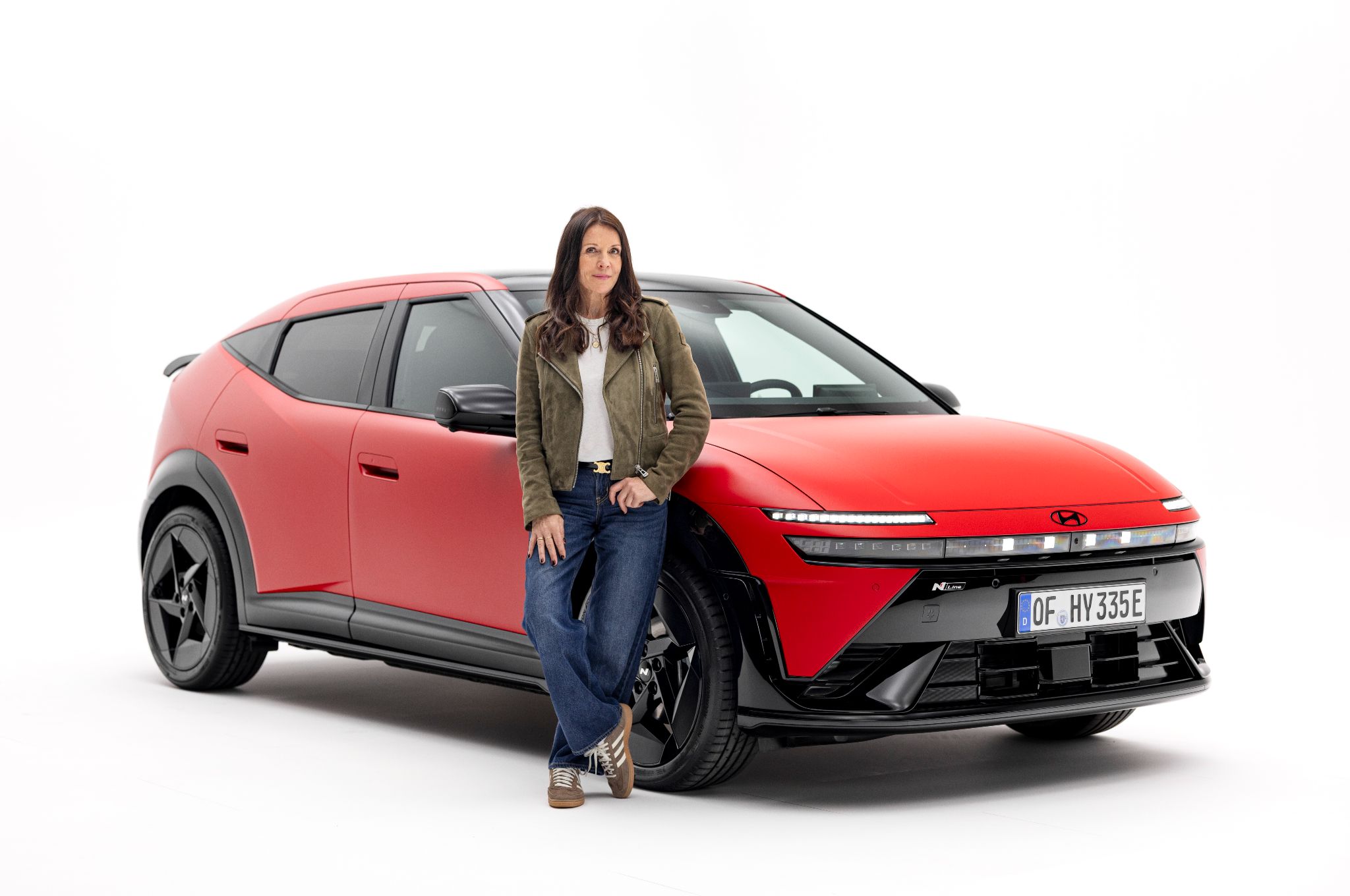




Introduction
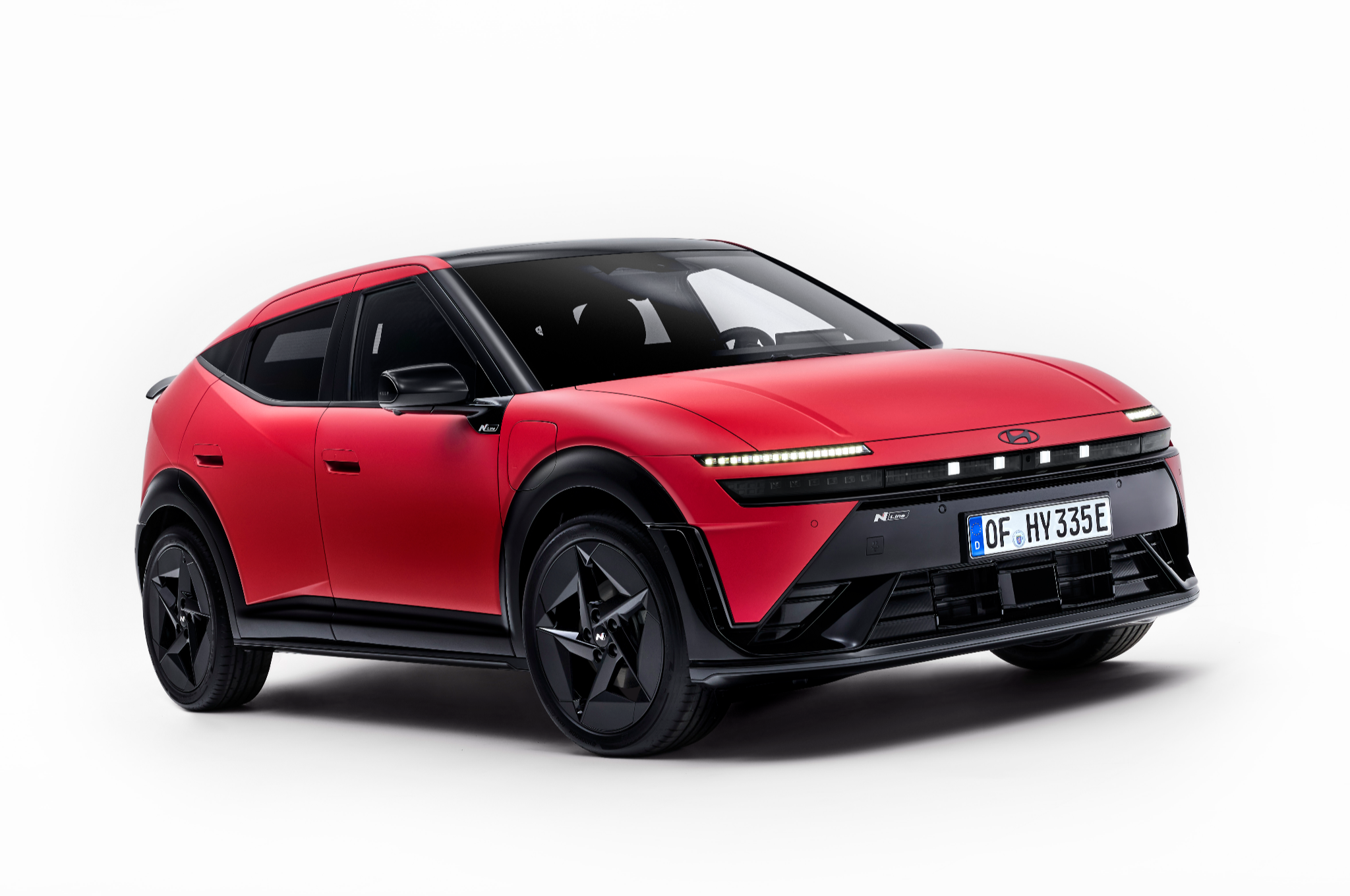
Meet the Hyundai Ioniq 3, which the Korean brand is calling an “aero hatch”. Based on the concept car I saw last year, which clearly reminded you of the old Hyundai Veloster if the comments on the video were anything to go by!
This is the finished production Ioniq 3 that will sit in the Hyundai lineup below the Kona Electric and above the Inster.
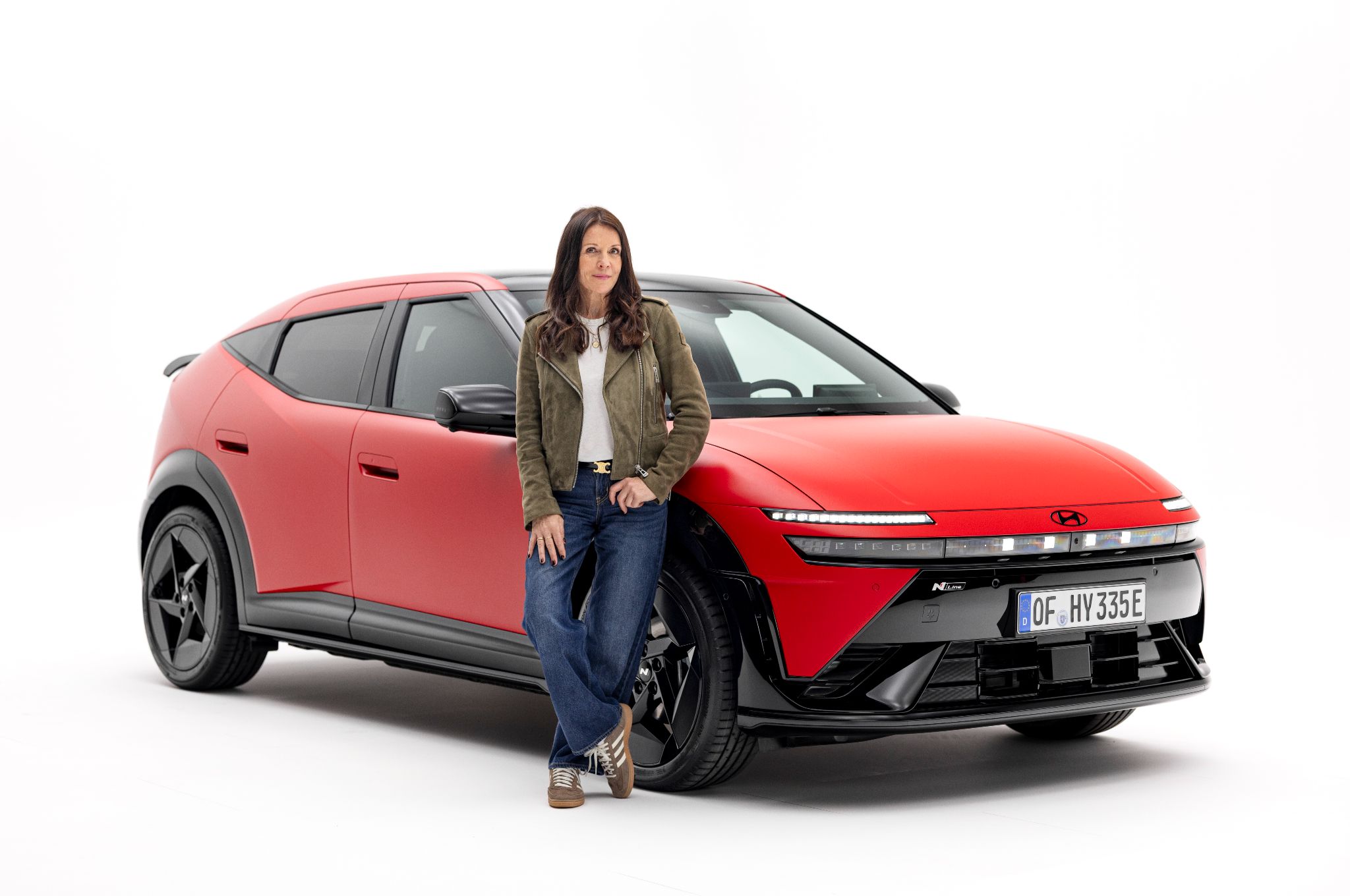
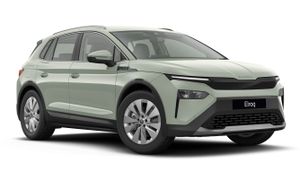
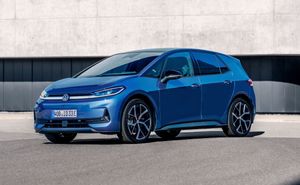
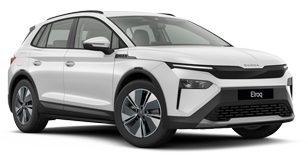
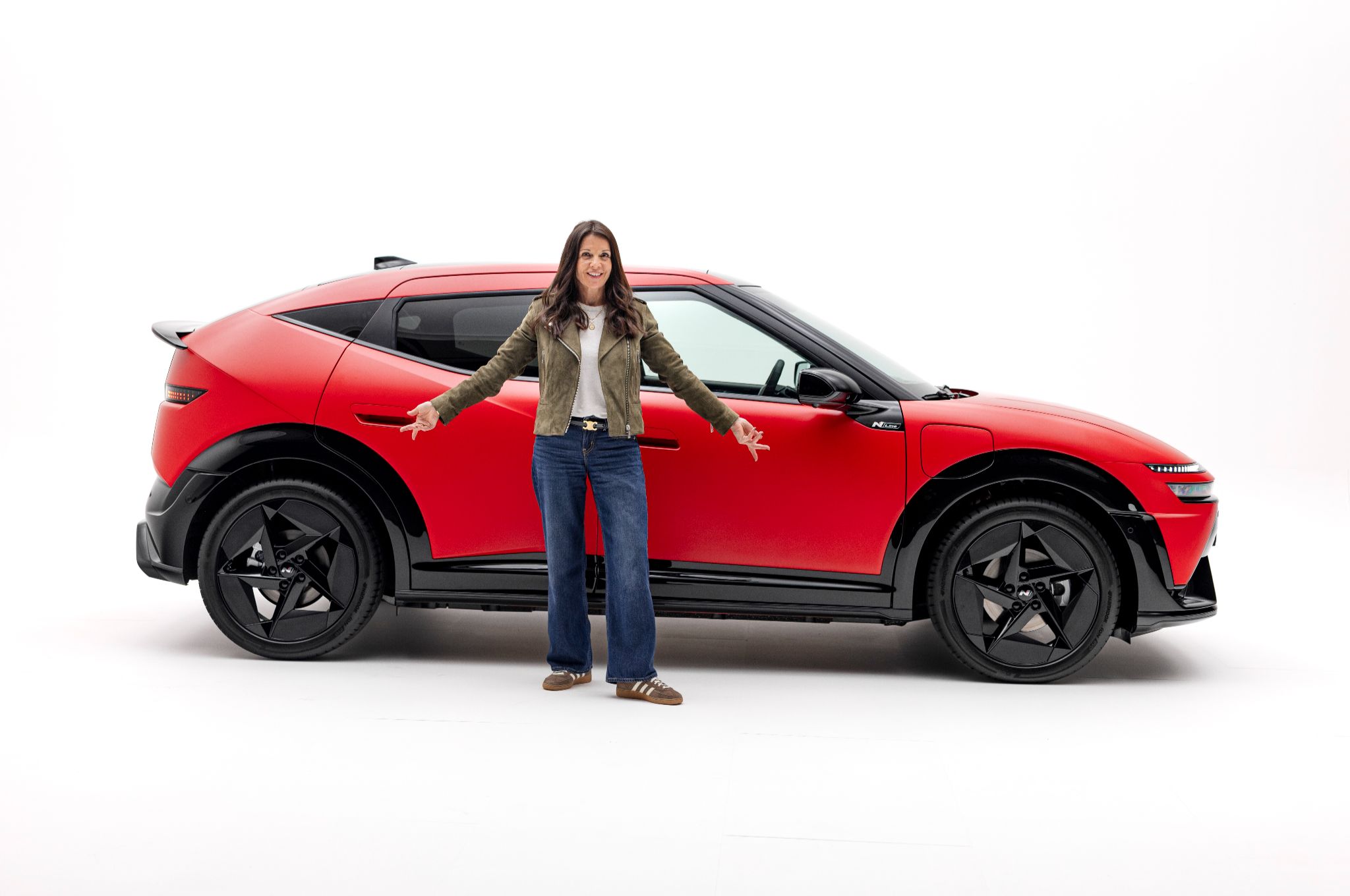
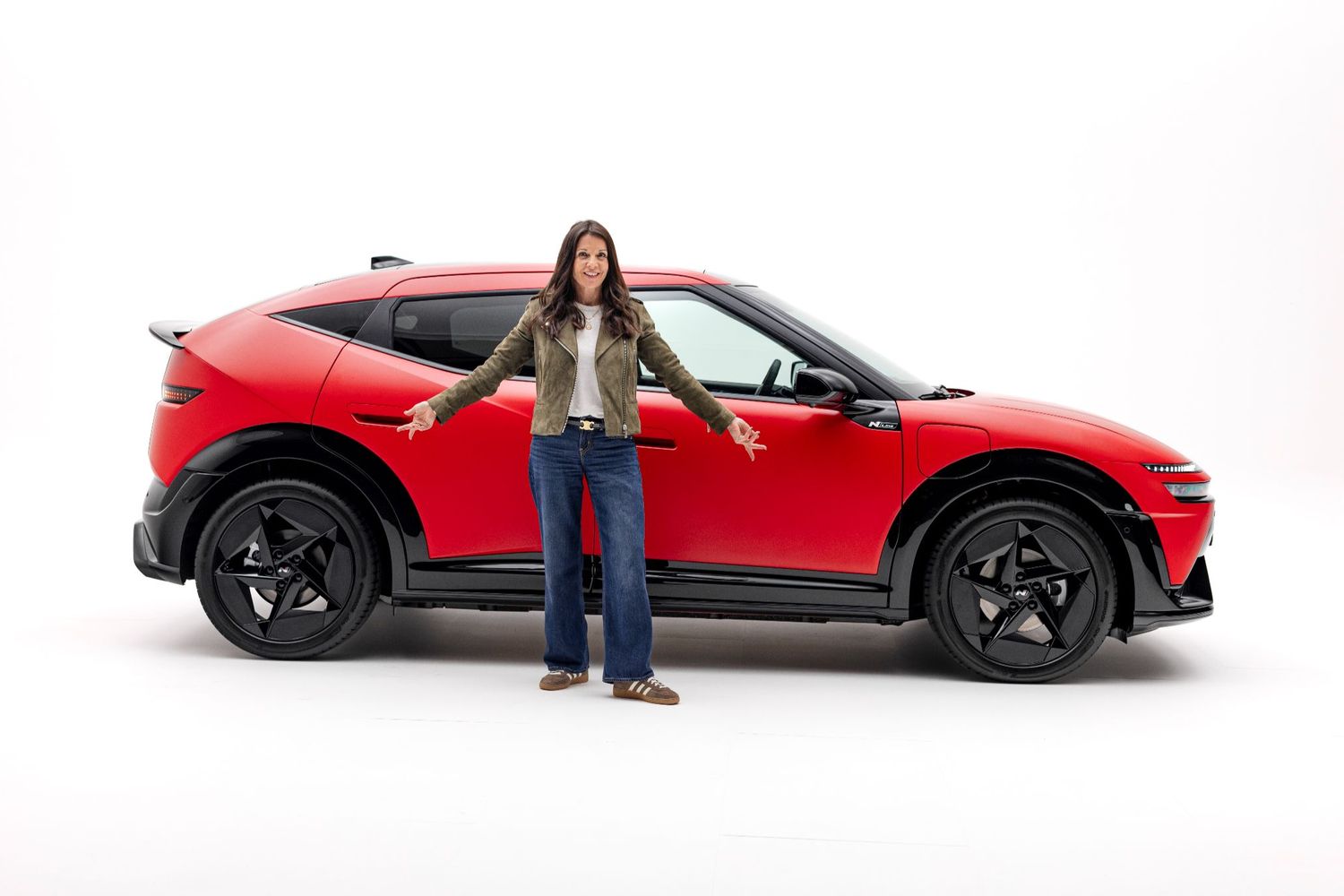
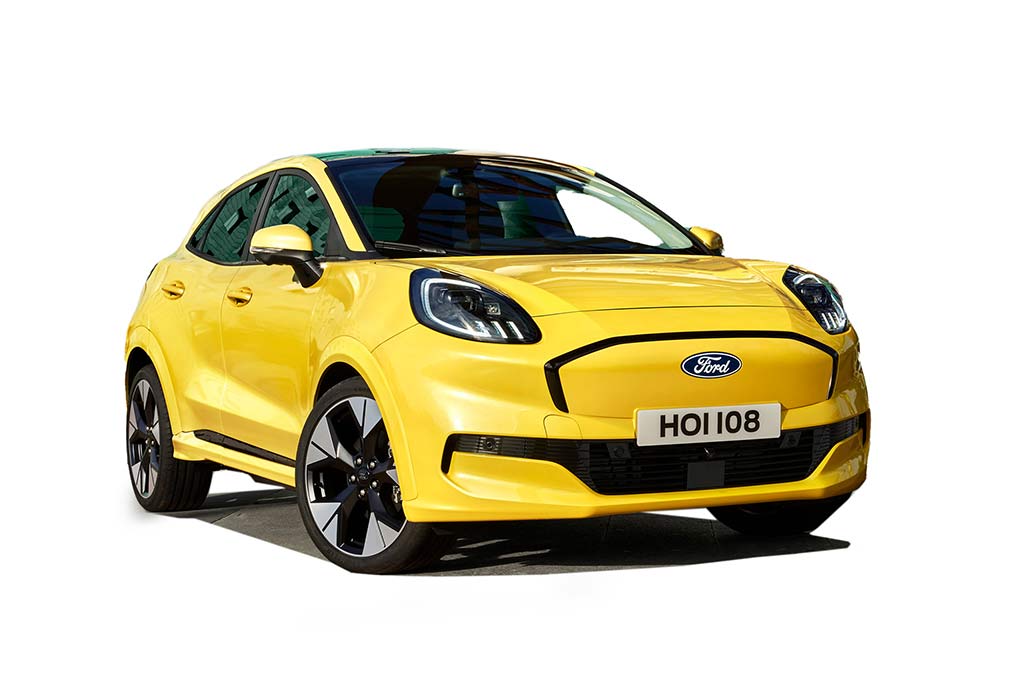
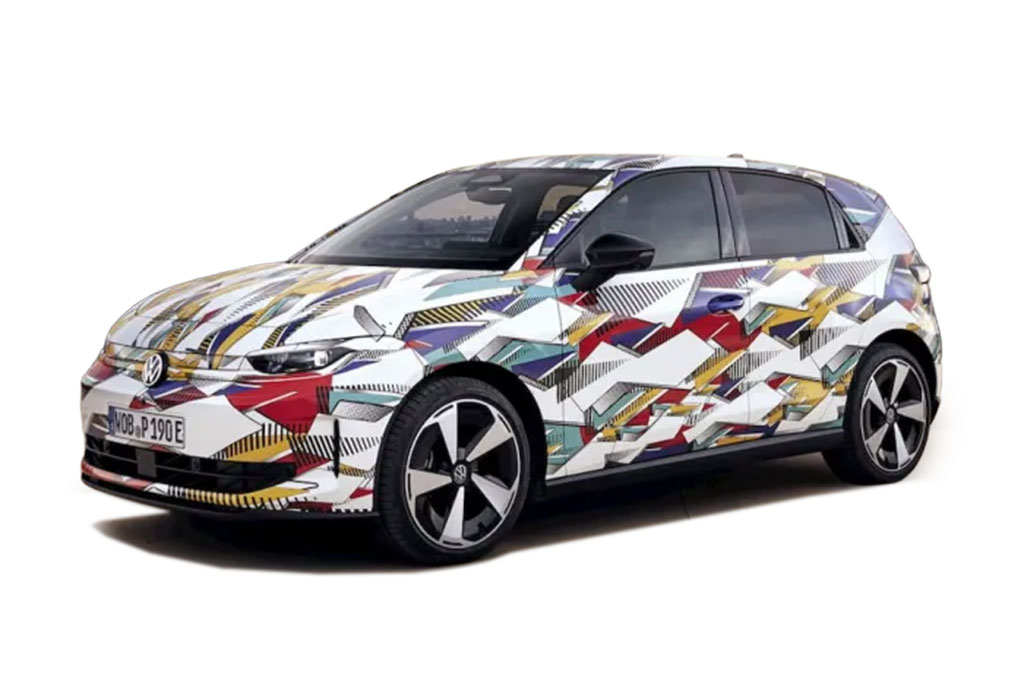
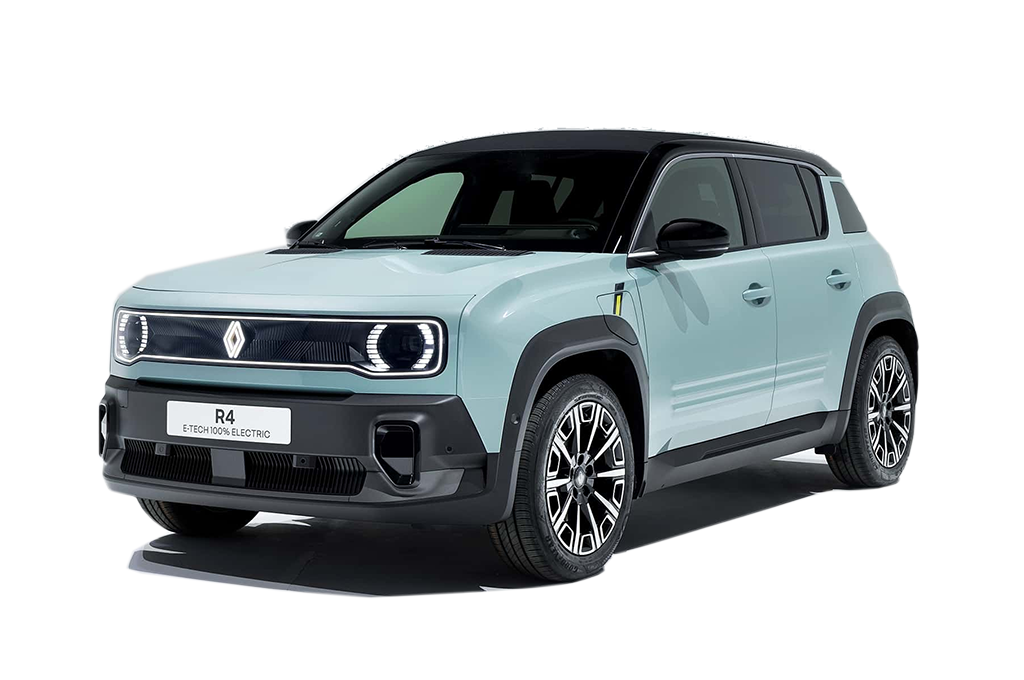
It’s about 4.1 metres long, with a relatively long 2.65 metre wheelbase, so while it’s compact on the outside, you get plenty of space inside. It’s a bit smaller than something like a VW ID.3, and closer in size to a BYD Dolphin, so key rivals will include the Ford Puma Gen-E, Renault 4, Citroen e-C3 Aircross, Vauxhall Frontera, Smart #1, Skoda Epiq, VW ID.Polo, Kia EV3 and plenty more.
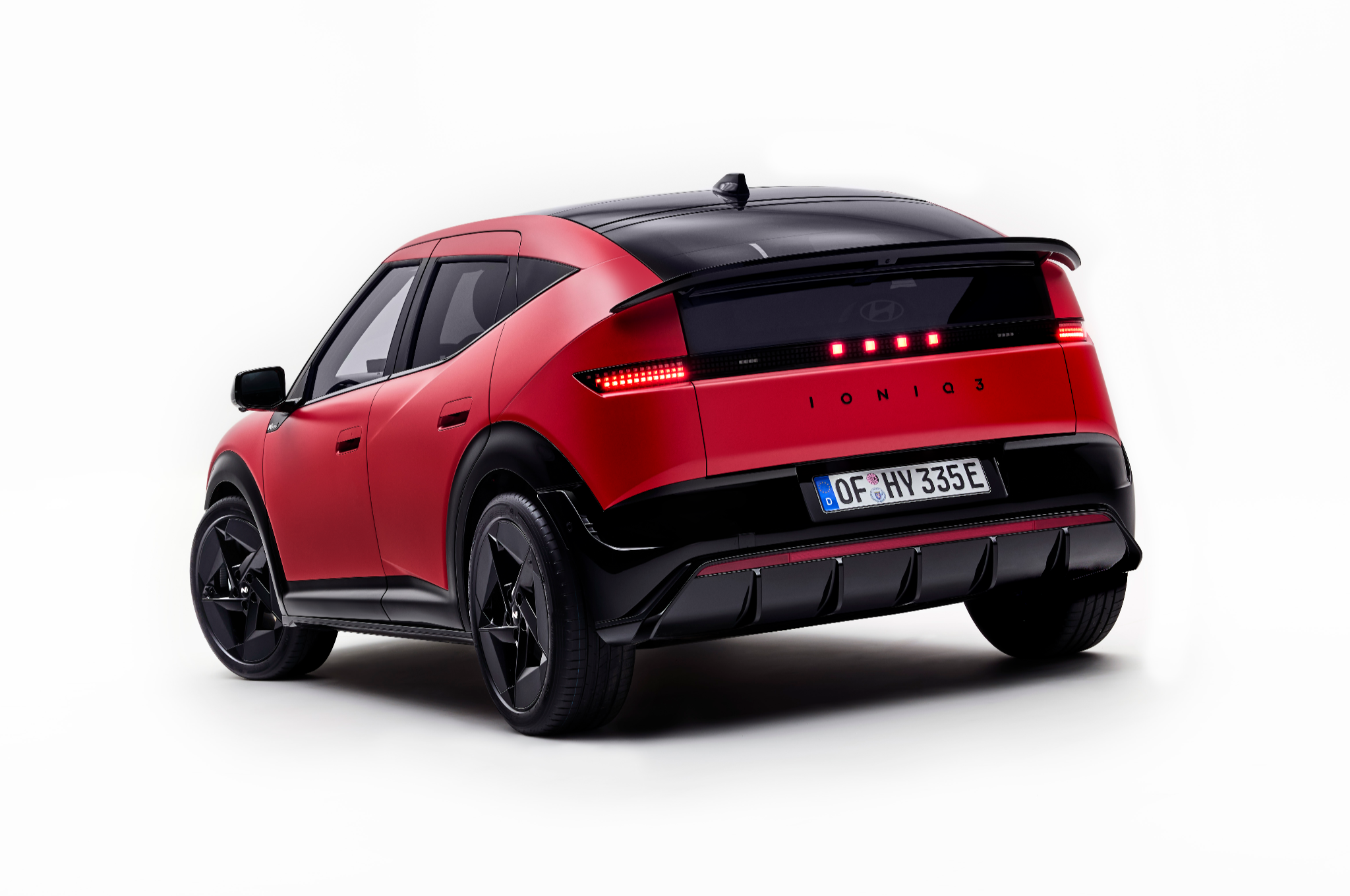
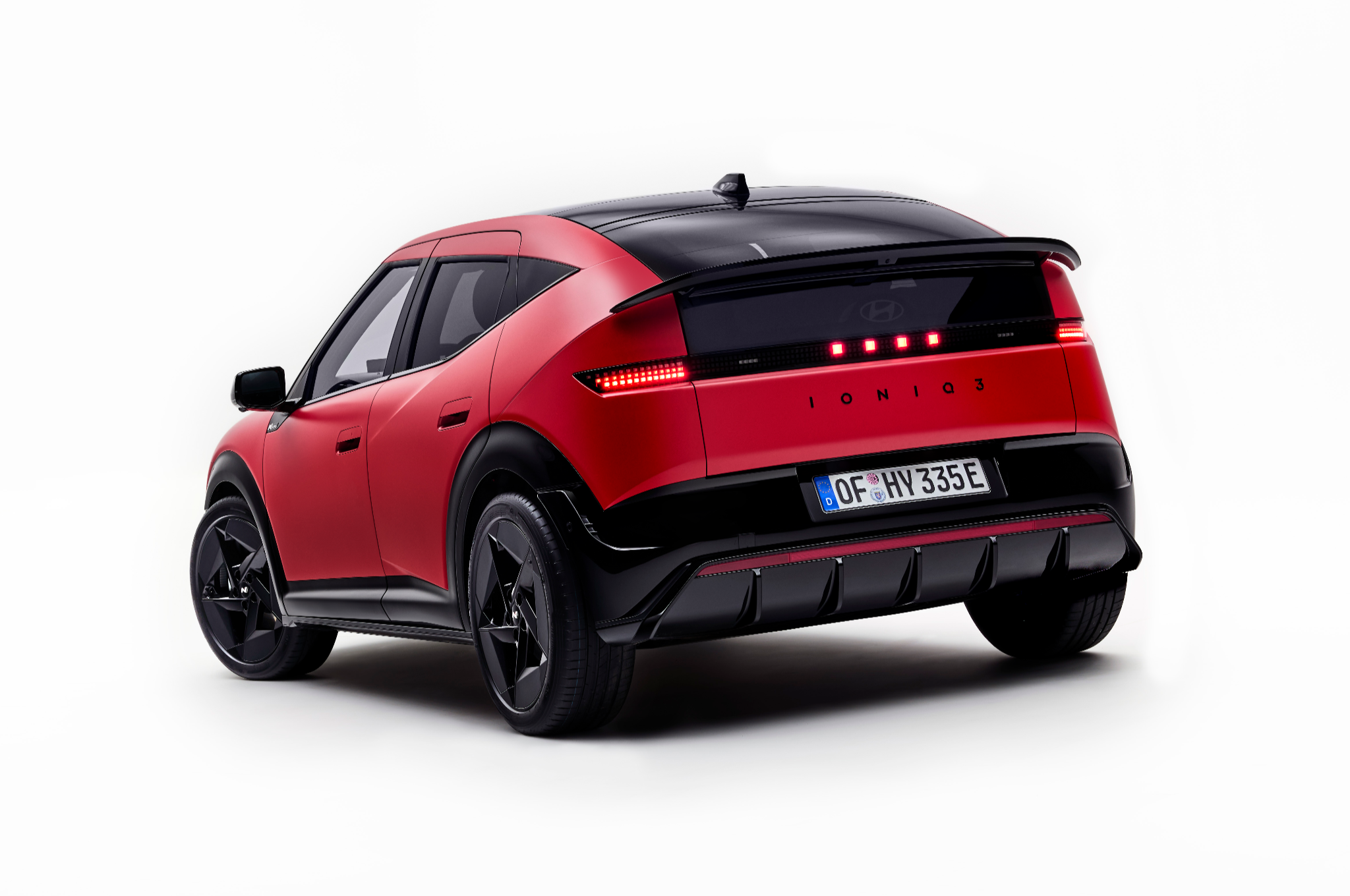
And that “aero” bit isn’t just marketing. Everything from the low nose to that clean, flowing roofline is designed to slip through the air more efficiently. And it works - drag coefficient is about 0.26, which is pretty slippery for something this shape.
Range, battery and charging
Right, let me hit you with some numbers. There are two battery options. The Hyundai Ioniq 3 Standard Range gets a 42.2 kWh NMC battery for a WLTP range of up to 214 miles, while the Ioniq 3 Long Range gets a 61kWh NMC battery for a claimed range of up to 308 miles. That’s very competitive, and is longer range than most of the competition.
In terms of charging, it’s a 400-volt system that will deliver a 10 to 80 percent top-up in under 30 minutes regardless of which battery you go for. You also get 22kW AC charging, which is great for making the most of kerbside- and destination chargers that you find in cities and around supermarkets and shopping centres.
Home chargers in the UK can generally only deliver up to 7kW as they’re limited by the wiring in our homes. That’s still enough to deliver a full charge into the Ioniq 3 in around 8- to 13 hours depending on which battery you’re charging, though, so plenty for an overnight top-up.
Vehicle-to-load (V2L) is also available on the Hyundai Ioniq 3, so you can use the car’s battery to charge your devices via a handy three-pin socket in the back seats. We’re not sure if that’s going to be standard across the range n the UK, yet (as it is in Europe). We’ll have to wait for finalised UK prices and specs.
Practicality and boot space
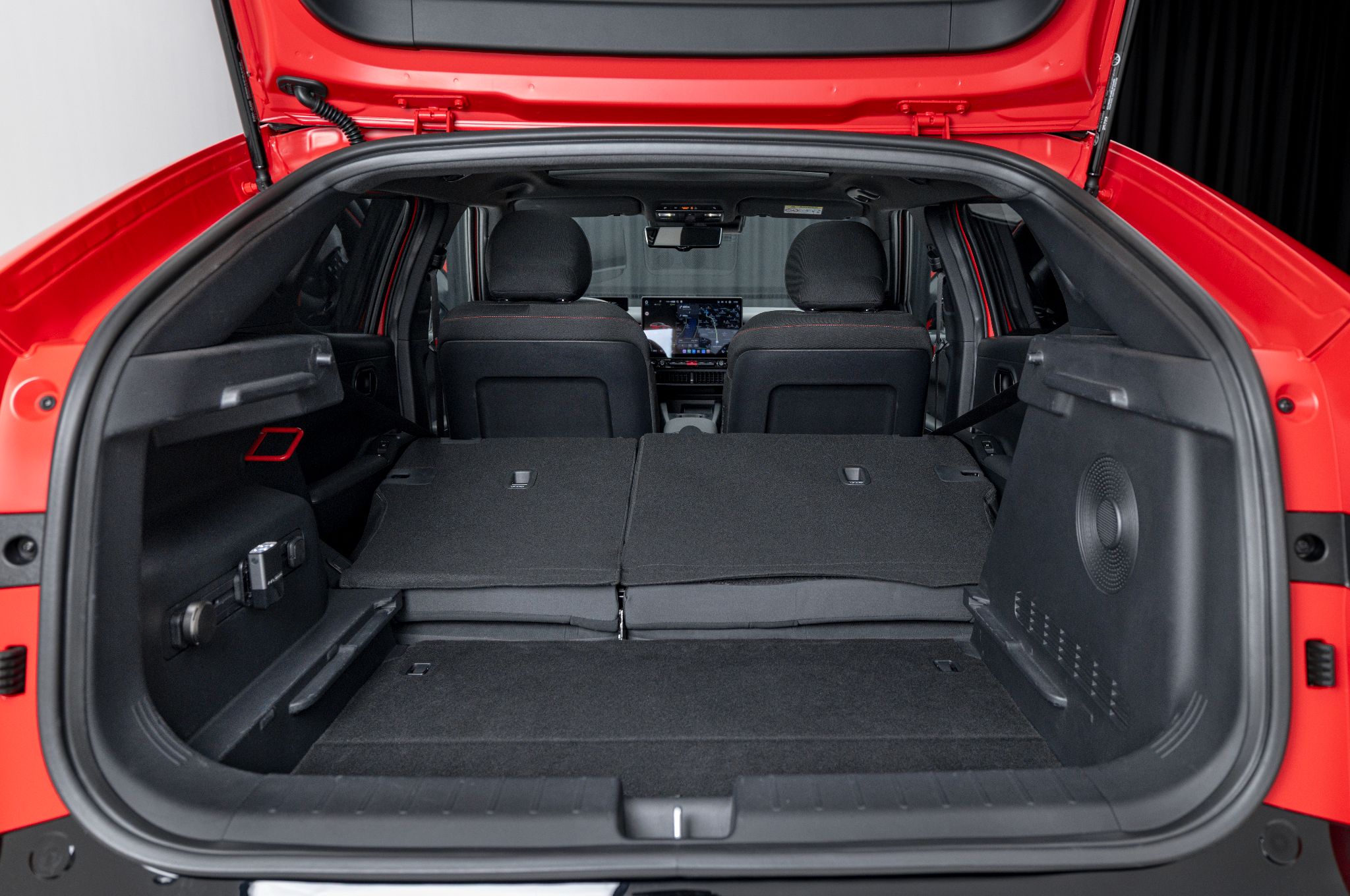
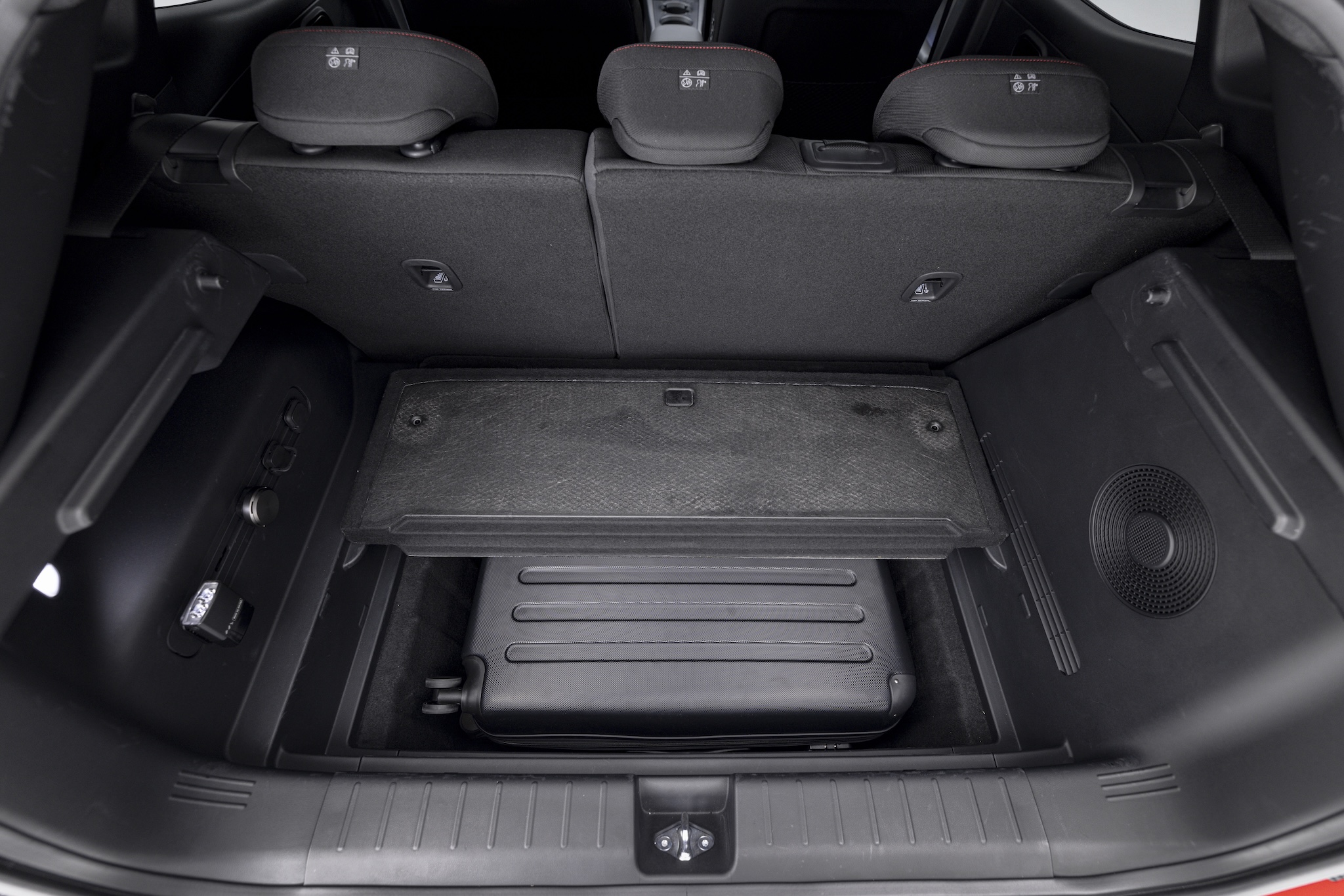
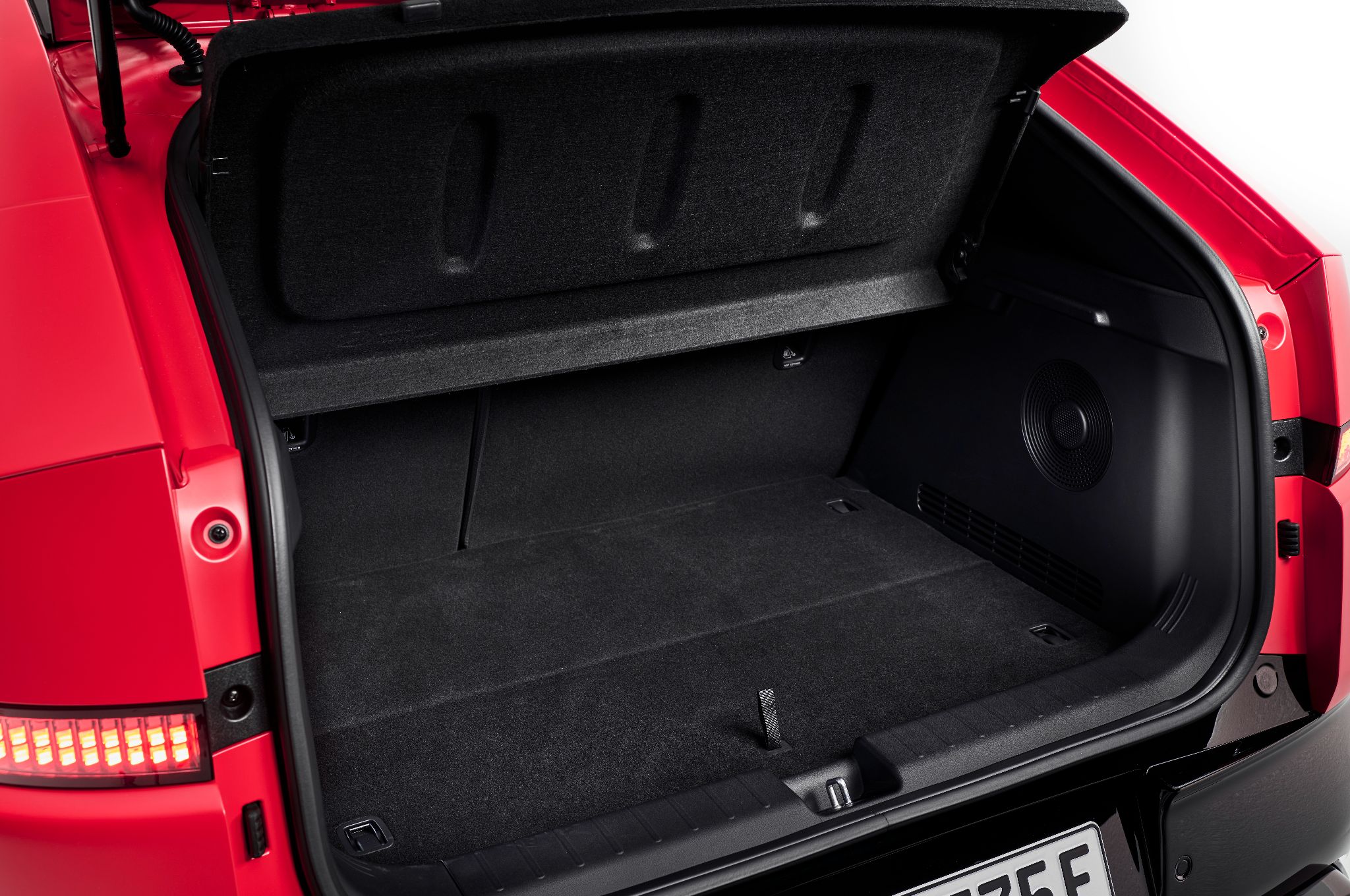
You’ve got 441 litres of boot space in the Hyundai Ioniq 3, which is a bit more than you get in the Renault 4 and VW ID.Polo, but a bit less than you get in the Skoda Epiq. That space is split between a 322-litre boot and 119-litre ‘Megabox’ underneath, and given how dinky the Hyundai is overall, it's a really impressive amount of space that'll be so useful in everyday life. Don't forget that this is a smaller car than the Ford Puma Gen-E, which springs to mind as one of few alternative that have a bigger boot.
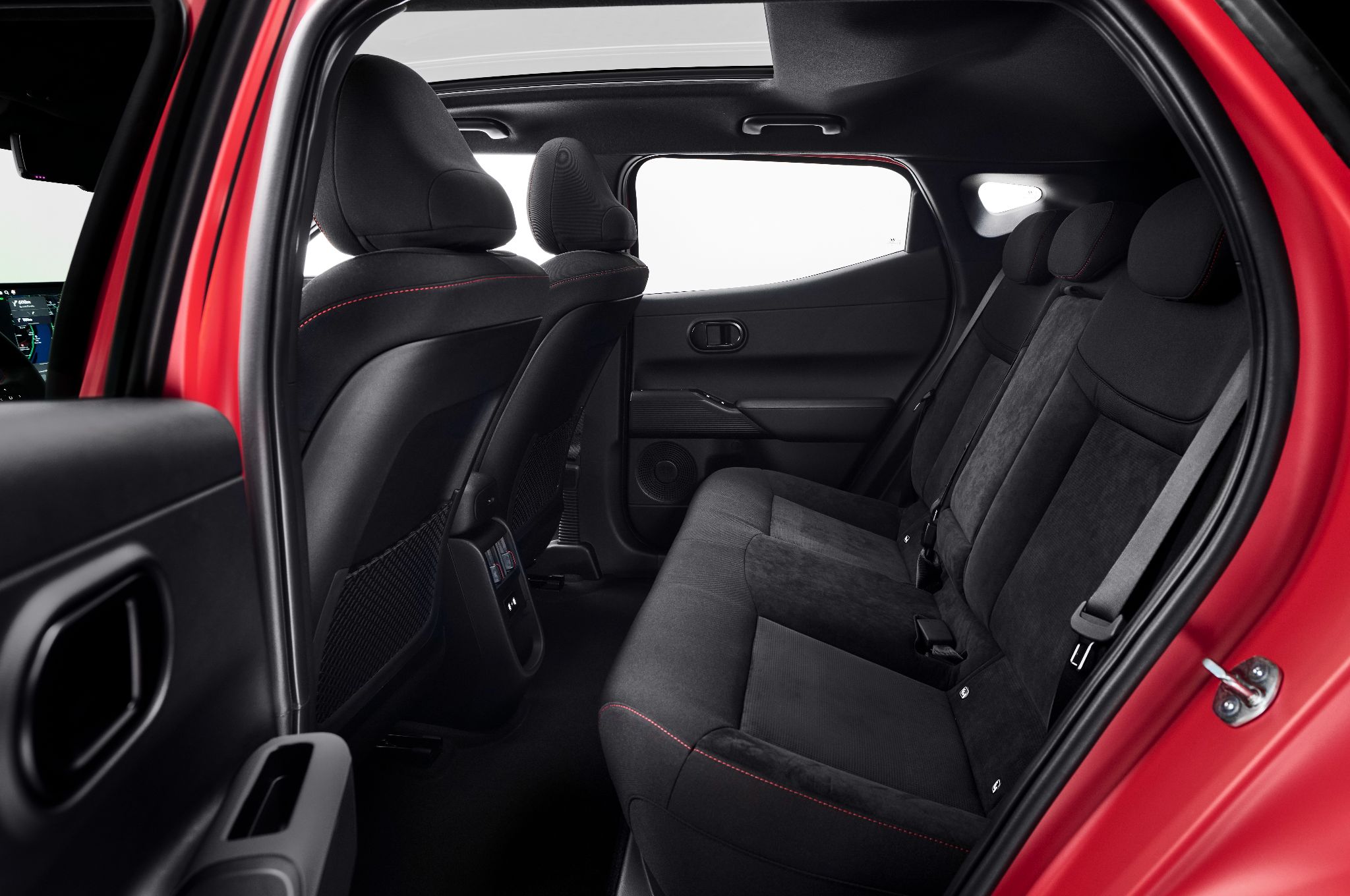
Rear seat space is okay. Legroom is fine for an average-sized adult, but headroom can be a bit tight as that swooping roofline compromises it a little. Even so, I reckon the Ioniq 3 is going to be bought mostly by people who need the flexibility of a five-seat hatchback but don’t necessarily use those rear seats all the time.
And even for buyers with younger kids, the Ioniq 3 will be a great compact family EV – especially thanks to the boot space. I’ve got a son, and although he’s a lanky teenager now, when you’ve got little kids I found it was all about boot space more than rear seat space.
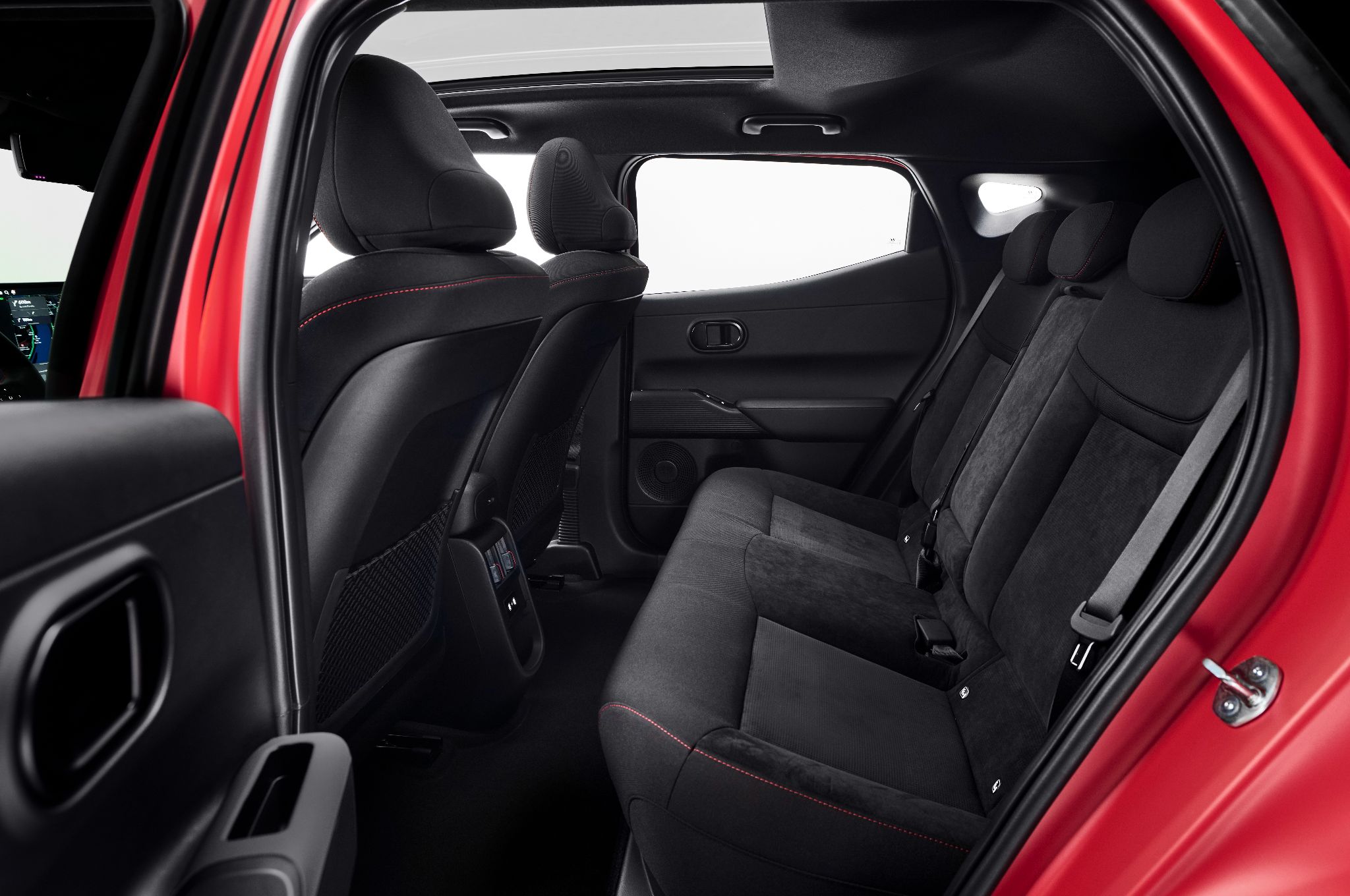
You do get a couple of Isofix fittings, too, as you’d expect. So don’t discount this as a small family EV, even if an MG4 Urban or Citroen e-C3 Aircross – or maybe a nearly-new Kia EV3? – offer better room for people in the back.
Interior, styling and technology
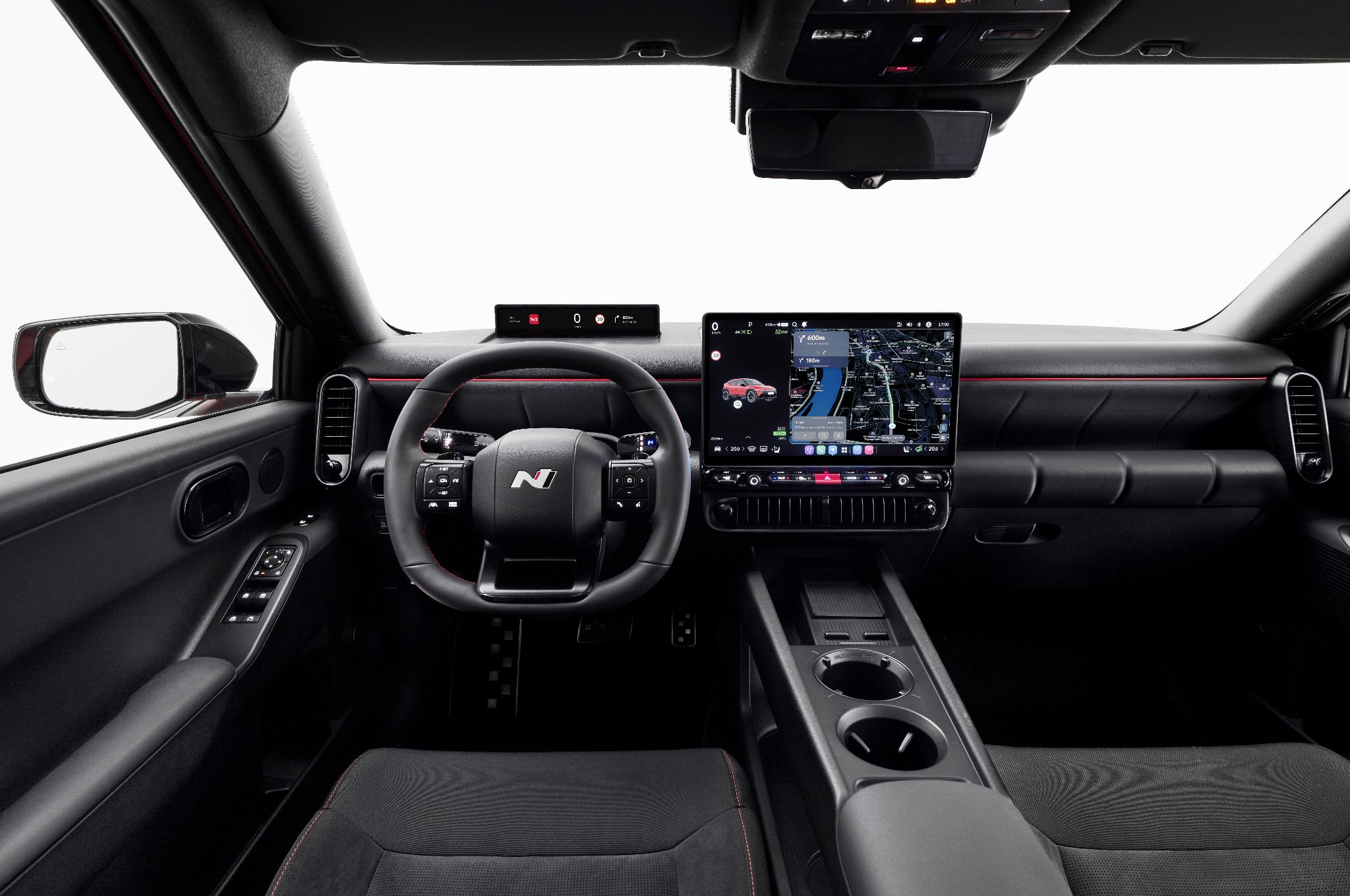
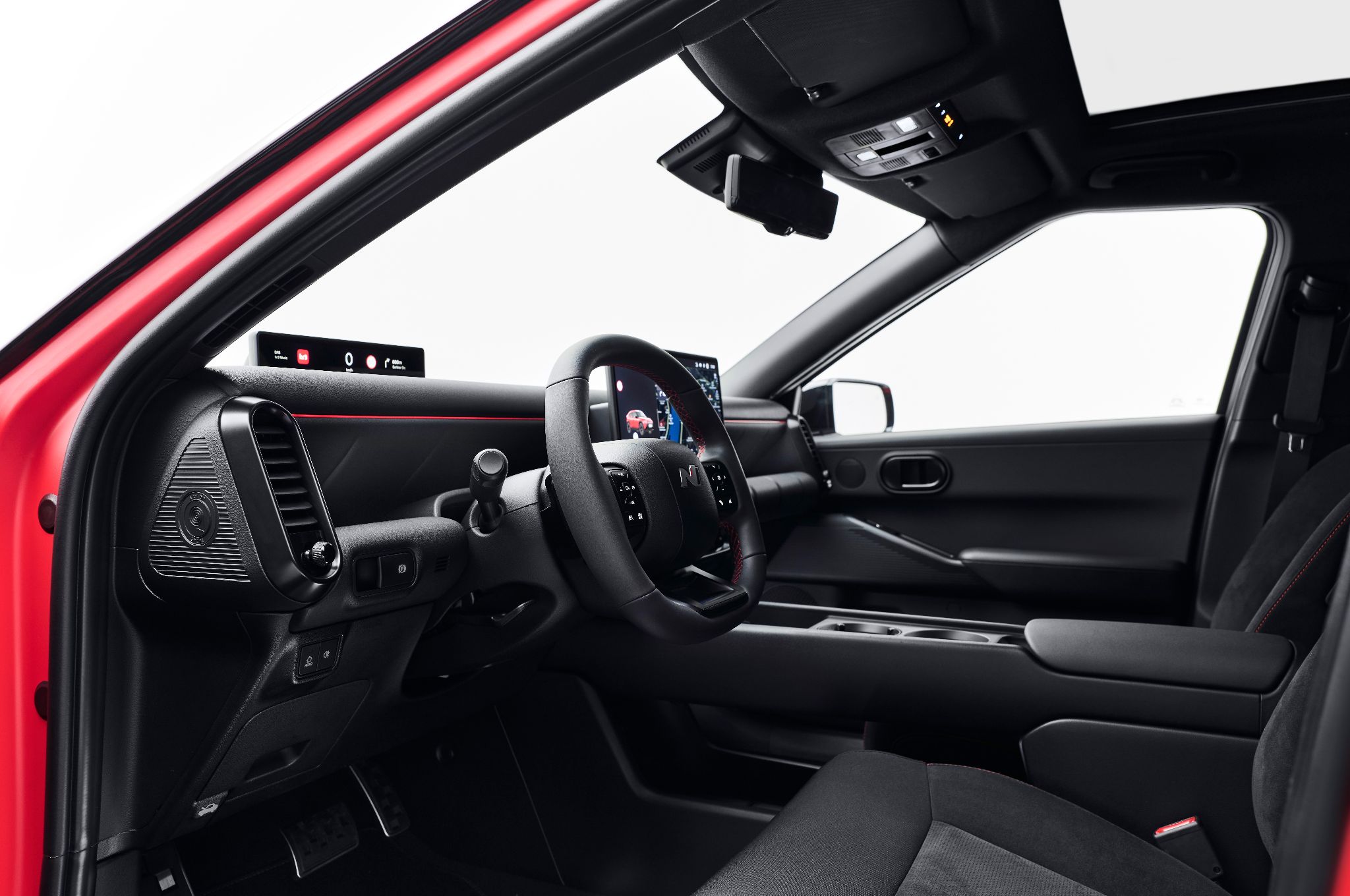
The Hyundai design team talked to me about the fact that they aren’t building an iPhone on wheels, here. They want the Ioniq 3 to feel comfortable, and they’ve actually been inspired by 1970s Italian furniture design.
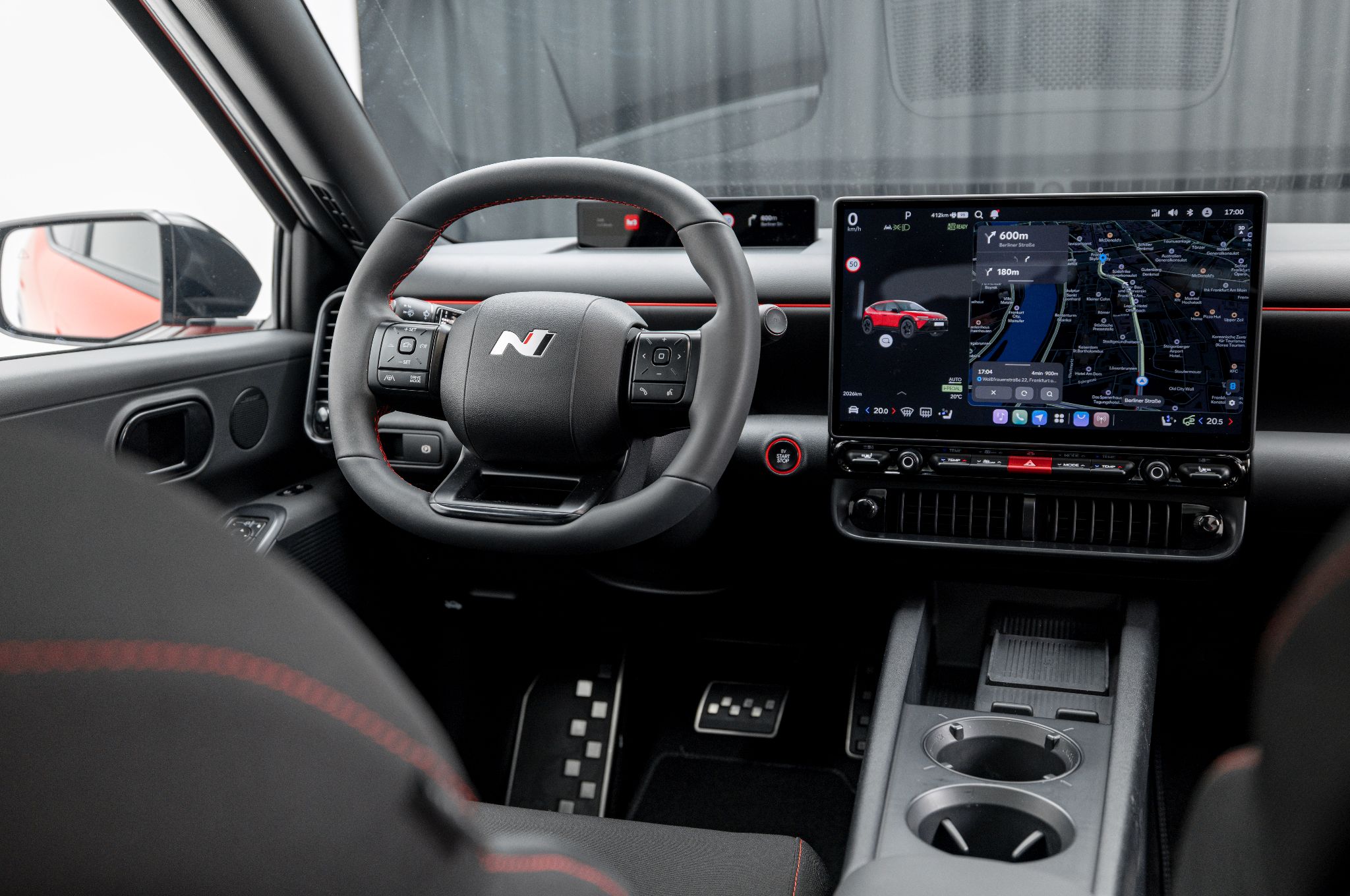
I’m not quite sure I see that, but it’s a smart interior with really nice, strong lines. I like the way the driver’s readout sits proud of the dash but is still viewed through the steering wheel, and there are nice little details and flashes of colour around the cabin to make it interesting.
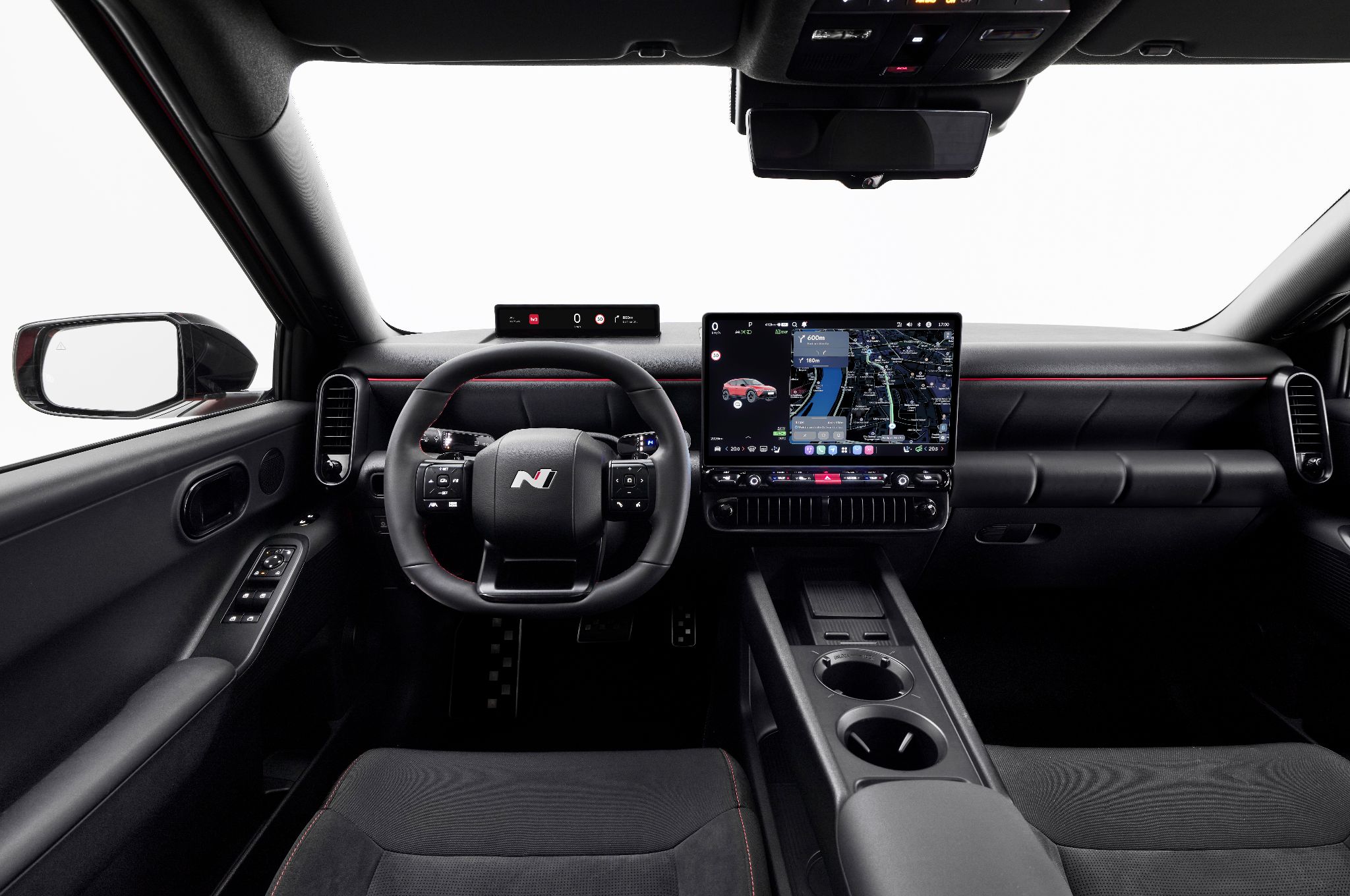
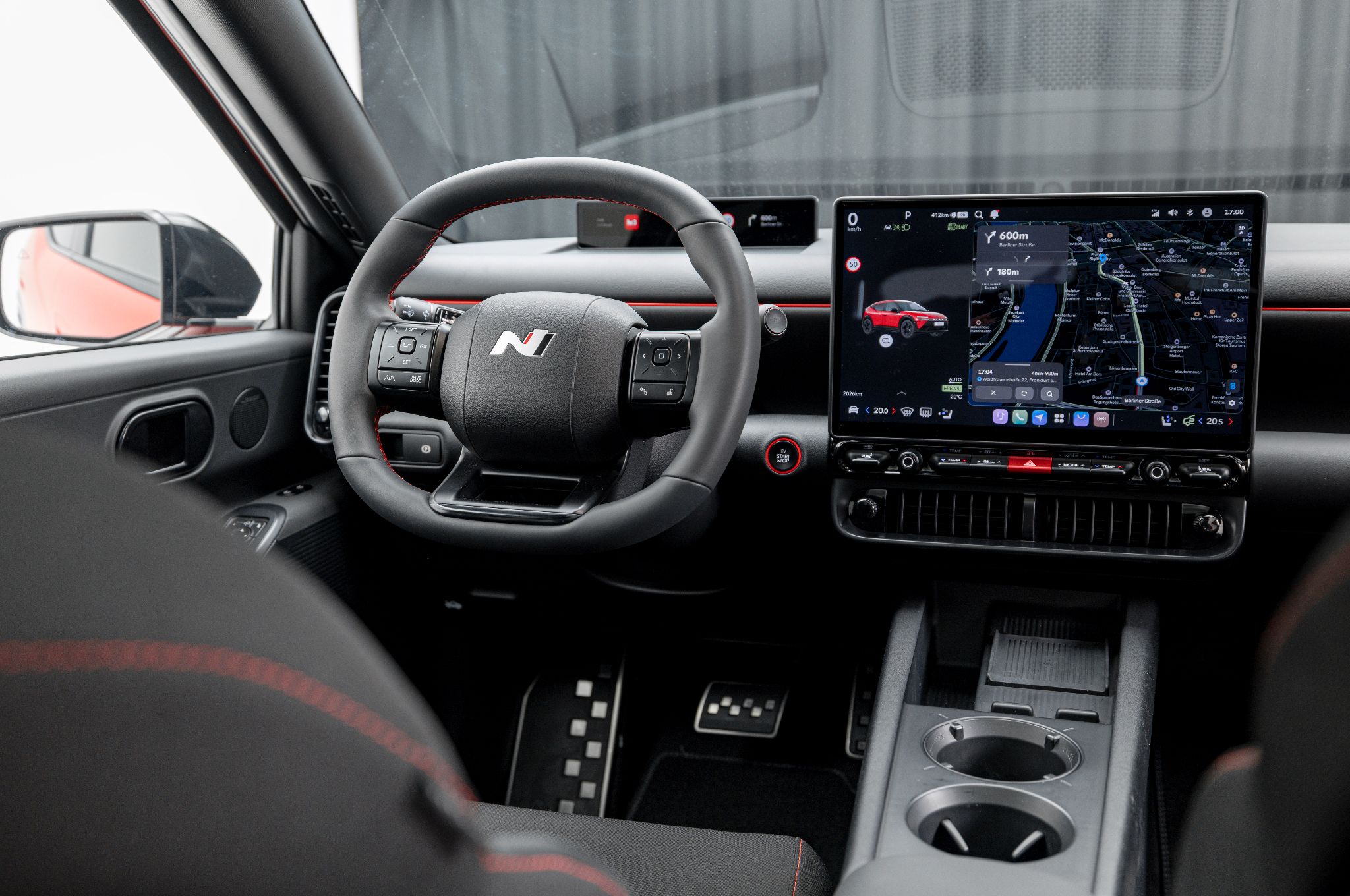
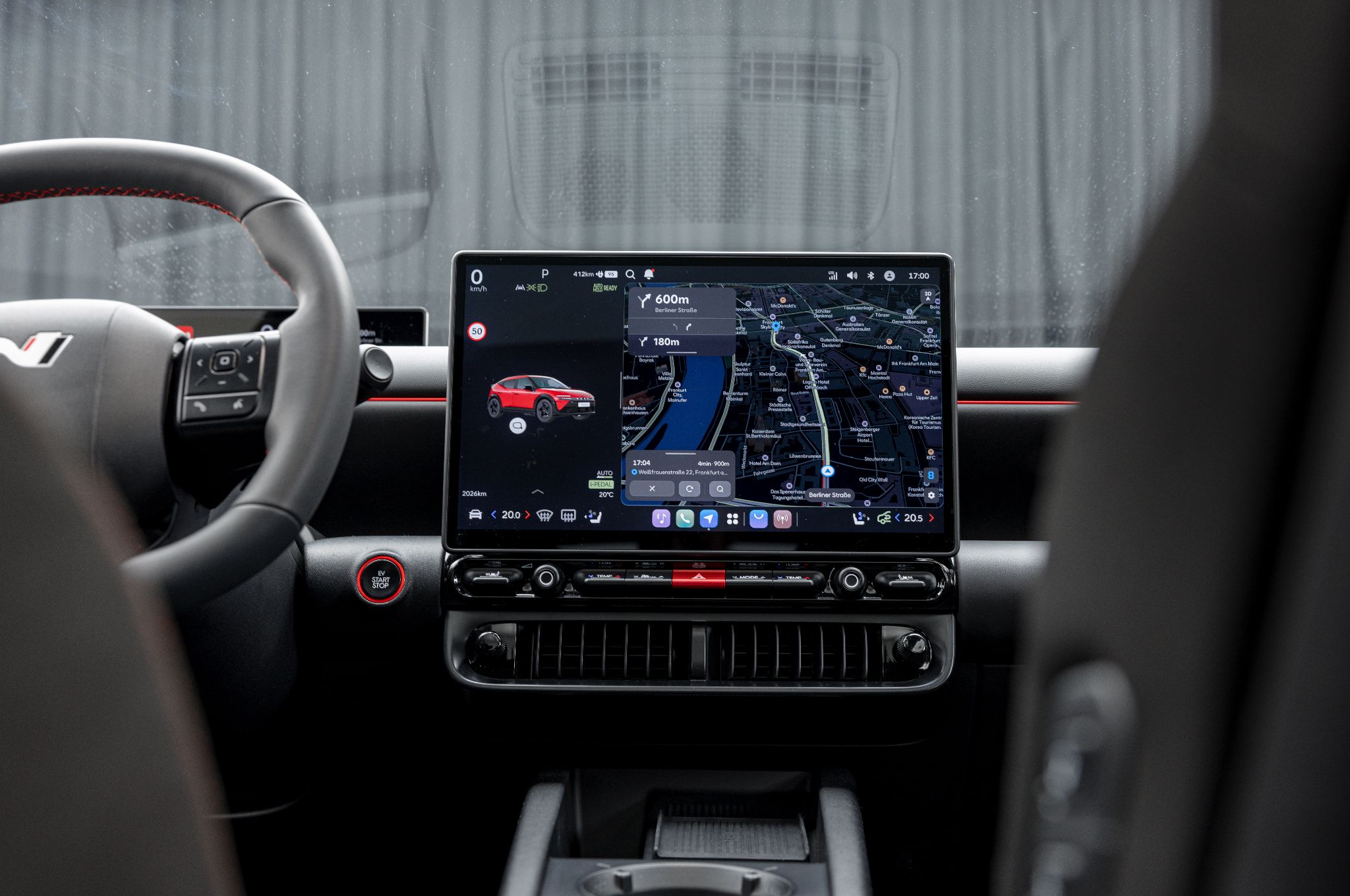
There will either be a 12.9- or 14.6-inch touchscreen depending on which trim you go for, but both will feature Hyundai’s new ‘Pleos Connect’ infotainment system, which is an Android-based system.
Naturally, you get wireless Apple CarPlay, Android Auto, sat-nav, intelligent charger search function and route planning, voice control and over-the-air software updates. And you get physical buttons! Hurrah! Proper buttons along the bottom of the screen let you change your cabin temperature with minimal fuss, and I’m a big fan of that.
Motors and performance
The Hyundai Ioniq 3 is a front-wheel drive EV, and will be offered with either 147- or 135hp electric motors, depending on which model you go for. That’s good for 0-62mph in 9.0 seconds in the Standard Range, or the heavier Long Range manages 9.6 seconds.
You’ll also get the brake regen system that we’ve been loving in Hyundai and Kia models for years now. It has various fixed levels of regen as well as one-pedal and adaptive modes, all of which can be controlled via paddles on the steering wheel, and it’s still one of the best and most versatile brake regen systems in any electric car.
Of course, I haven’t driven the Hyundai Ioniq 3 yet - as I’ve mentioned. More’s the pity! But I do really like what Hyundai does with its EVs; the Inster and the Ioniq 5 are as good to drive as they are to look at, so there’s high expectations for the Ioniq 3.
Pricing and on sale date
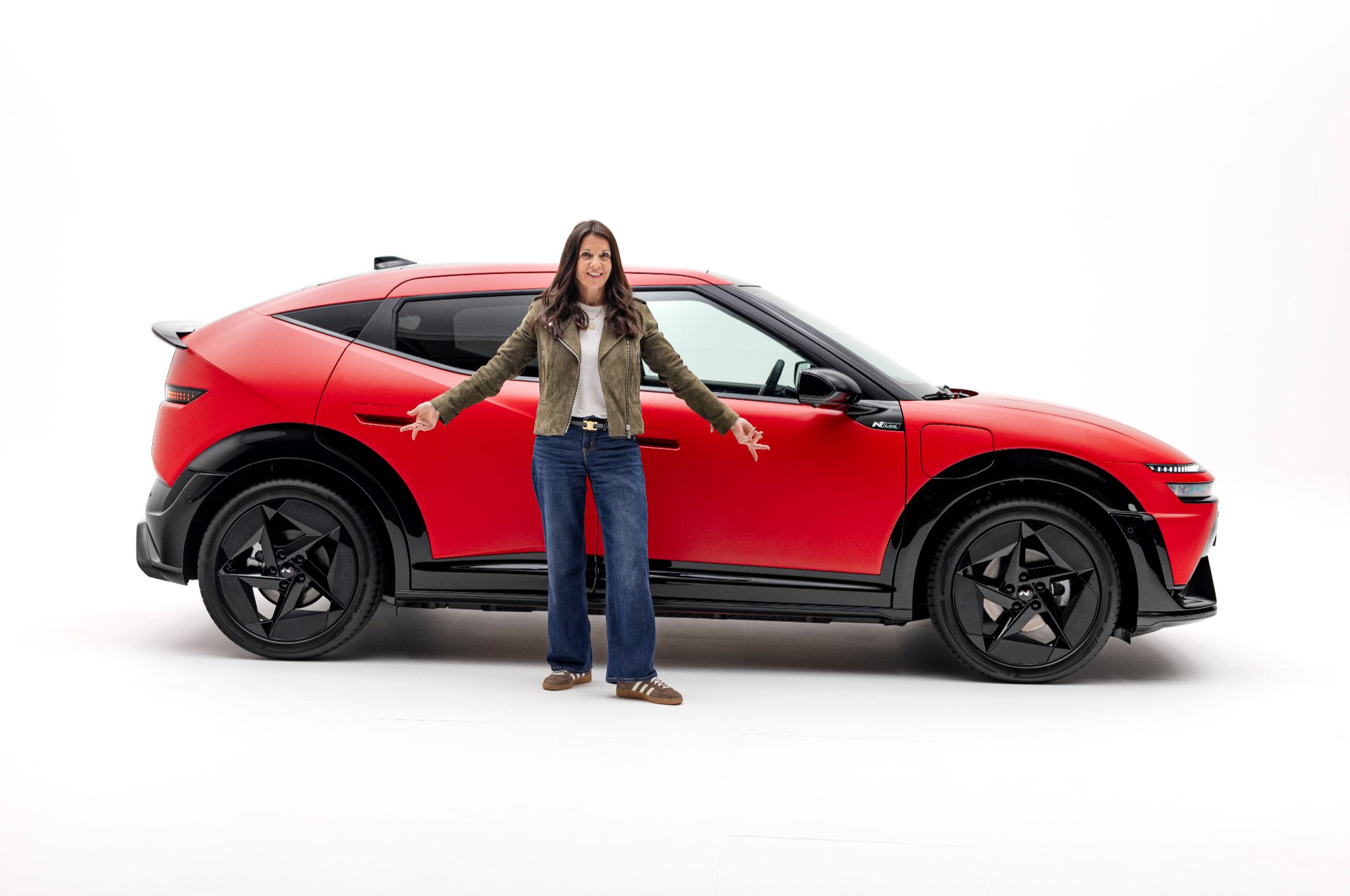
UK pricing and specs for the Hyundai Ioniq 3 haven’t been confirmed yet, but we’ll definitely get the N-Line trim – which is what you can see in my video walkaround and also in these pictures. That’s the sporty trim that gets extra style flourish, bigger 19-inch wheels (18s on the lower spec cars), and more. And the N-Line trim is really popular in the UK on Hyundai’s other models, so I’m sure it’ll do well on the Ioniq 3.
Otherwise, I expect to see pretty generous standard equipment even on the entry-level Ioniq 3 model, which will probably start at around £25,000 – so spot on for the Skoda Epiq and VW ID.Polo. We’ll be driving it later this year, ahead of sales starting towards the end of 2026.
Verdict
I really like the Hyundai Ioniq 3. It’s just so different to everything else out there, and that’s no small achievement given how many rivals it’s now up against. Hyundai is so good at making its models individual and distinctive, yet unmistakably a Hyundai, and I really admire them for that. Obviously, we’ll have to wait to drive the car, and confirme pricing, specs – and the crucial monthly PCP finance figures – before we can come to a final verdict. But come on… This is so cool, isn’t it?

 8
8