





 Battery size: 7.4 - 18.3 kWh
 Range: 25-65 miles
 Company car tax: 10 - 16% (2026/27)
 Max charge rate: 39kW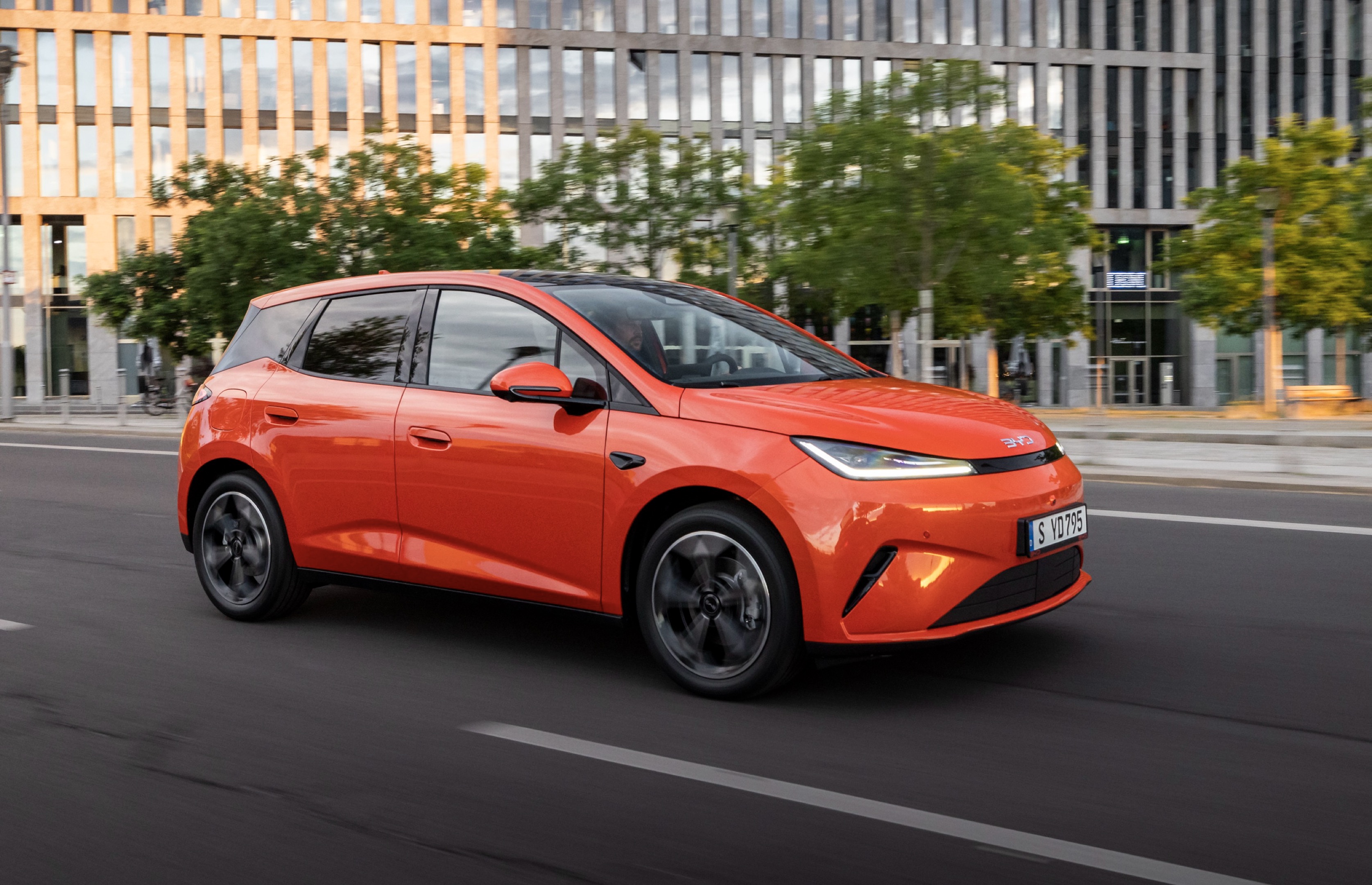



Introduction
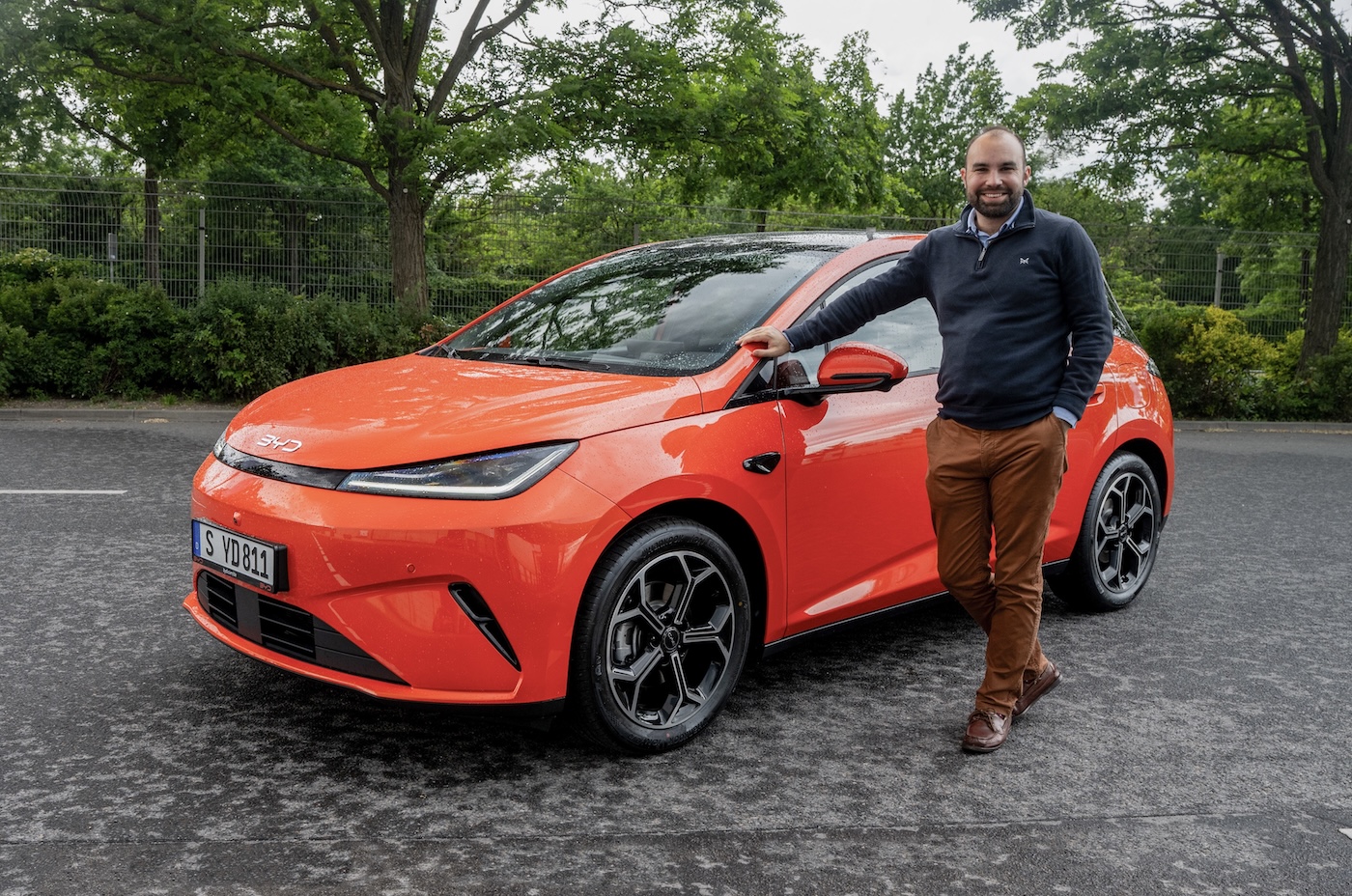
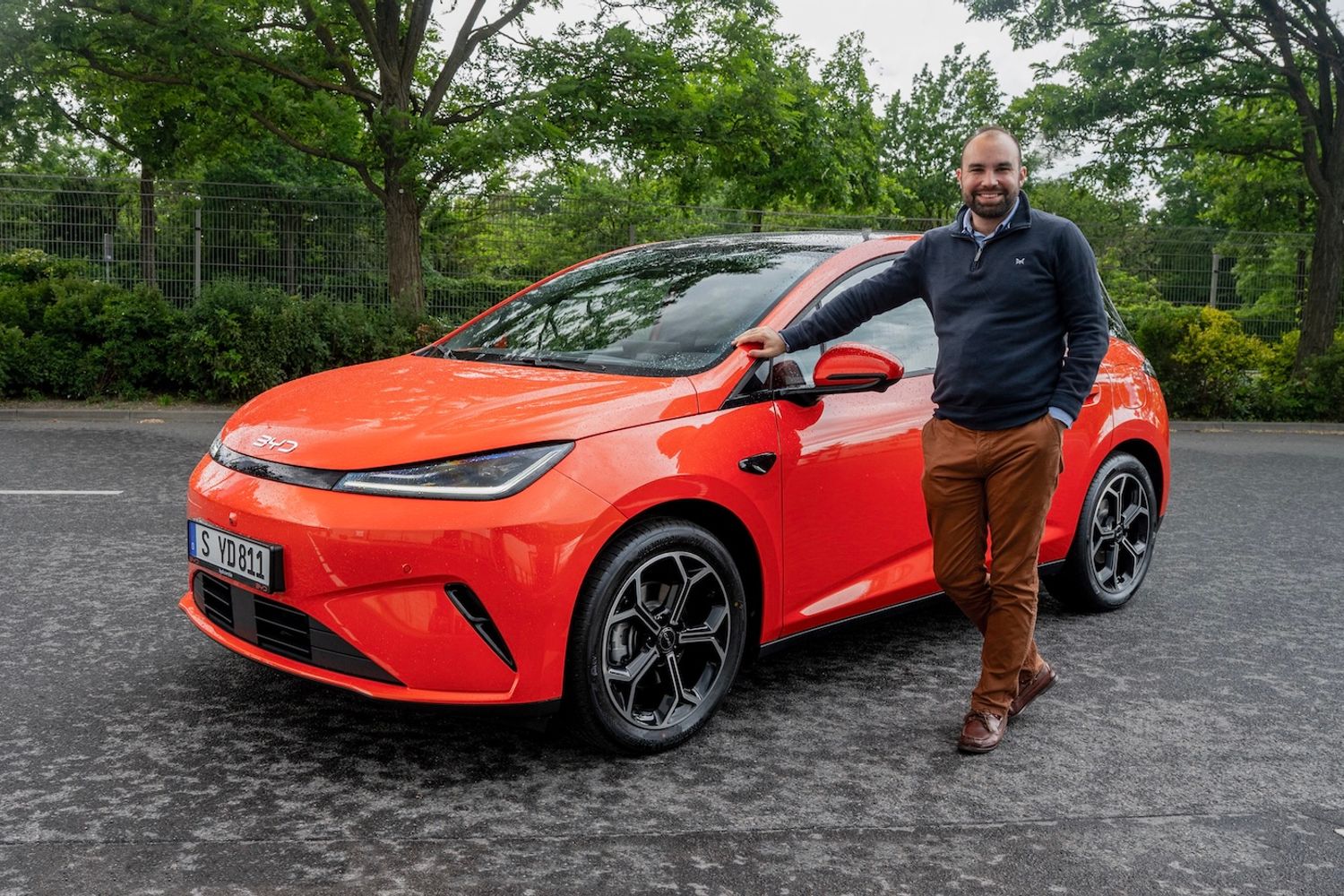
The BYD juggernaut keeps on rolling. Here's another new car to arrive in Britain that's aiming to shake up the traditional order – the BYD Dolphin G DM-i.
Having already made waves (sorry) with the Dolphin and smaller Dolphin Surf city car electric models, the Chinese powerhouse now wants to cause a tsunami (sorry, again) in the hybrid supermini class. The Dolphin G DM-i is its weapon, but it has one big advantage.
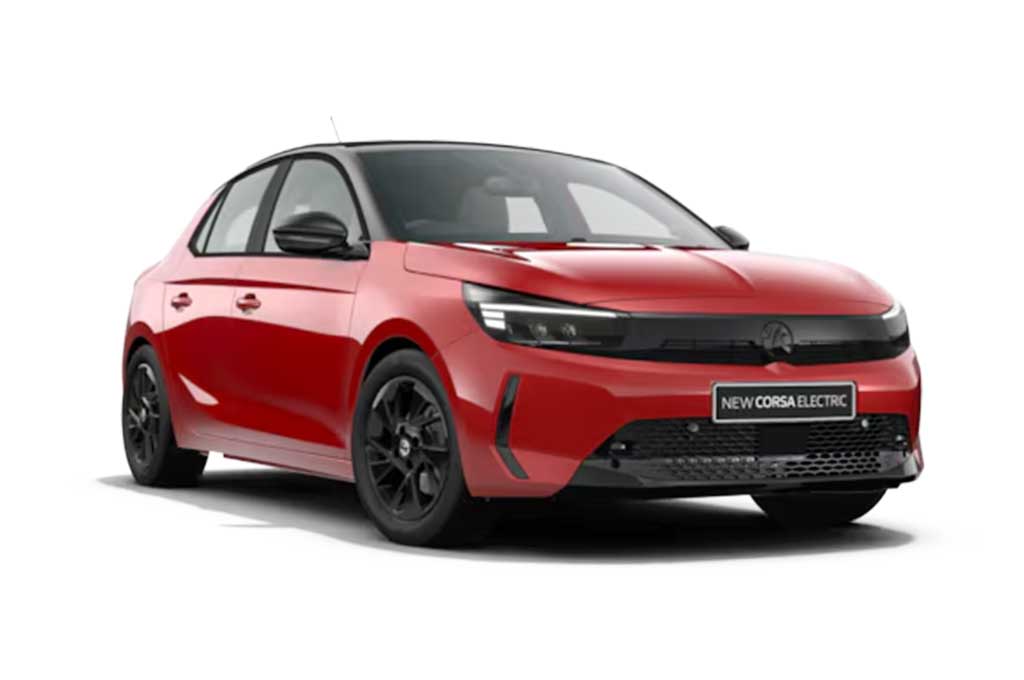
The supermini class favours pure petrol, mild-hybrid, full-hybrid and pure-electric technology – think the Toyota Yaris, Renault Clio E-Tech, MG3 Hybrid+, the Vauxhall Corsa Electric and Peugeot E-208. But the 4.16-metre long Dolphin G DM-i is a plug-in hybrid, and as a result it's completely unique.
This means, on paper at least, the BYD can drive on electric power for far greater distances than any other hybrid supermini currently on sale, but has the convenience of a petrol engine for longer journeys. There's also the prospect of it being the nicest to drive BYD yet, as the Dolphin G DM-i is the first car to be developed specifically for the European market.
Pricing – which hasn't been confirmed yet – will be one determining factor on whether BYD has another success on its hand. The other? Do Brits want a plug-in hybrid supermini or is an EV the favoured choice?
Range, battery and charging
If you know your BYDs then you won't be surprised by what's lurking under the pretty unremarkable exterior. The Dolphin G DM-i uses the same basic mechanicals as the Atto 2 DM-i small SUV, so that's a 1.5-litre petrol engine that acts predominantly as a generator for the electric motor on the front wheels. Battery-wise, there’s the choice of two BYD LFP Blade Batteries – a 7.4kWh pack for the entry-level Active model, and a larger 18.3kWh pack for the rest of the model line-up – the latter is carried over straight from the Atto 2 DM-i.
Plug it into a CCS or Type 2 charger, and the Dolphin G will give a pure-electric range of 25 miles for the smaller back and 65 for the larger one. Petrol and electric combined, BYD claims a whopping 646-mile range for models with the larger battery (634 for the smaller pack).
The smaller battery has a maximum AC charging rate of 3.3kW while the larger one is good for 6.6kW, but both will charge in under three hours. It's only the bigger battery that has a maximum DC charging rate – 39kW, meaning a 10-80% top-up will be complete in 26 minutes.
There’s also Vehicle-to-Load (V2L) on the bigger battery models, which allows you to charge other electrical items with the car’s battery via an adaptor.

Practicality and boot space
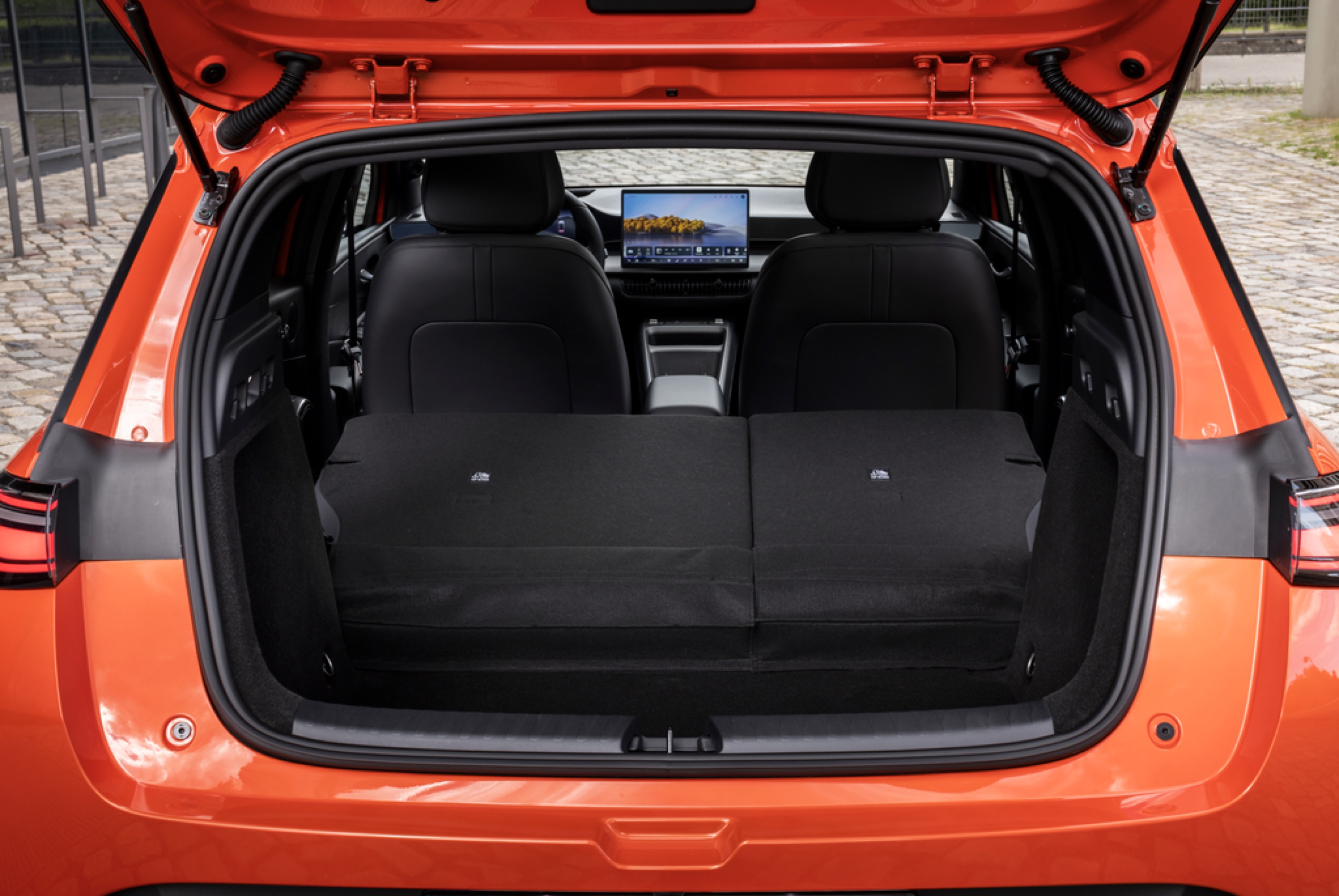
The Dolphin G may be classed as a supermini, but when it comes to boot room it's more of a small family hatchback. At 380 litres, the BYD has more space in the boot than a larger Vauxhall Astra Electric, and it's a usefully square shape. There's some extra room under the boot floor too – 45 litres of it, to be exact, which is more than enough room for your charging cables. Fold down the back seats (which split in 60:40 fashion), and there’s a very impressive 1,225 litres on offer.
The only real gripes are the lack of a proper, solid parcel shelf to carry light items, as the Dolphin G gets a flexible material one instead, and the 60:40 folding seats don’t come as standard on the entry-level Active, which seems like a bizarre decision to me.
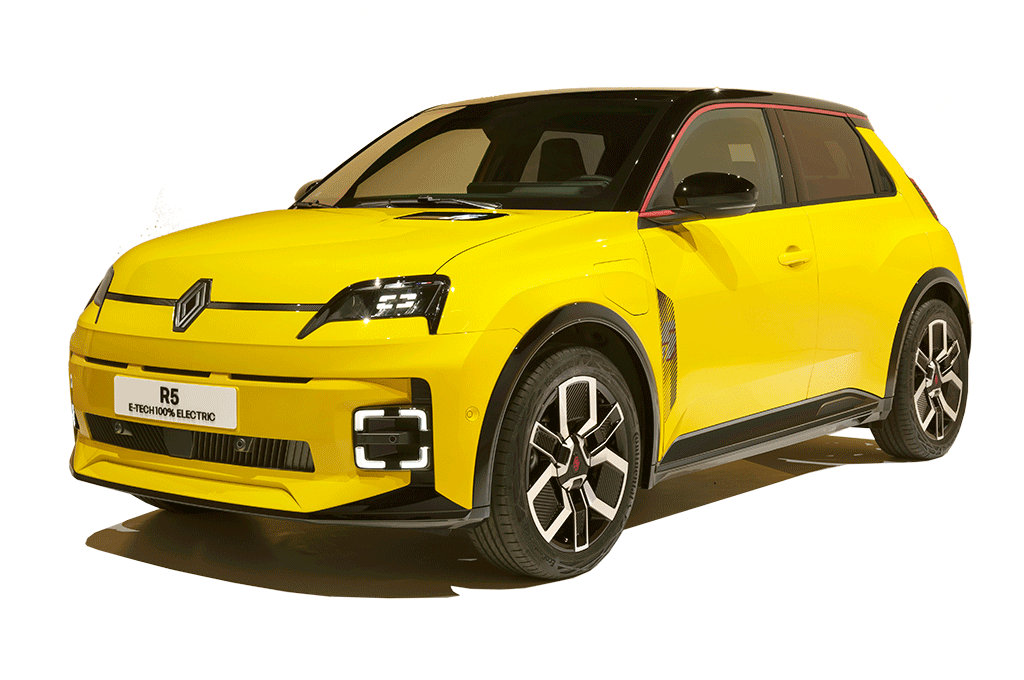
Carrying on with the roominess theme, the back seats offer genuinely surprising levels of knee-room. Sure, six-footers will have their knees against the backs of the seats, but it doesn't feel claustrophobic – like it does in a Peugeot E-208 or Renault 5, for instance. However, the rear seats are mounted quite high, which affords a good view out over the front seats, but it limits headroom a tad. I'm 5ft 11in (1.8m) and my head was brushing the roof.

Interior, design and technology
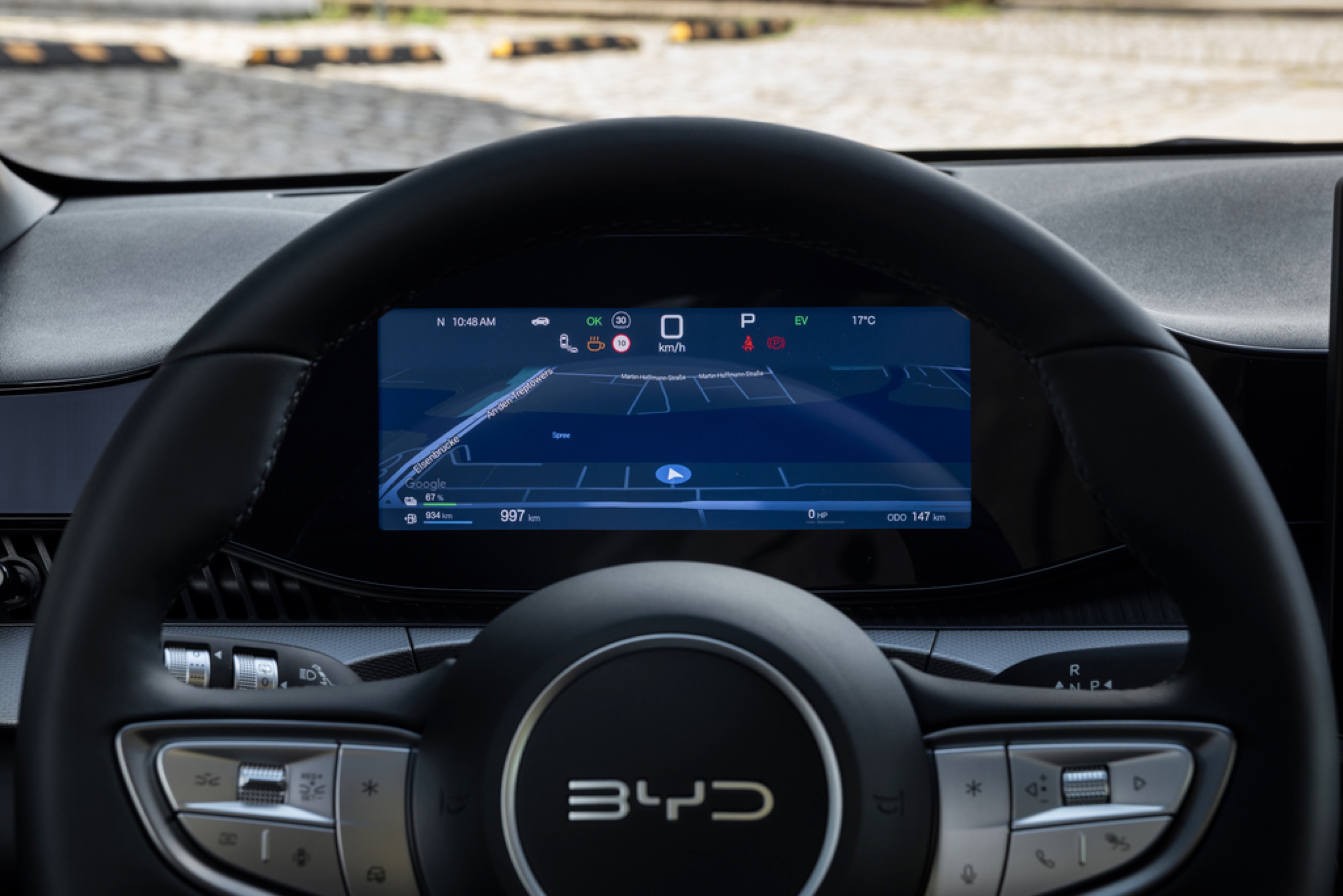
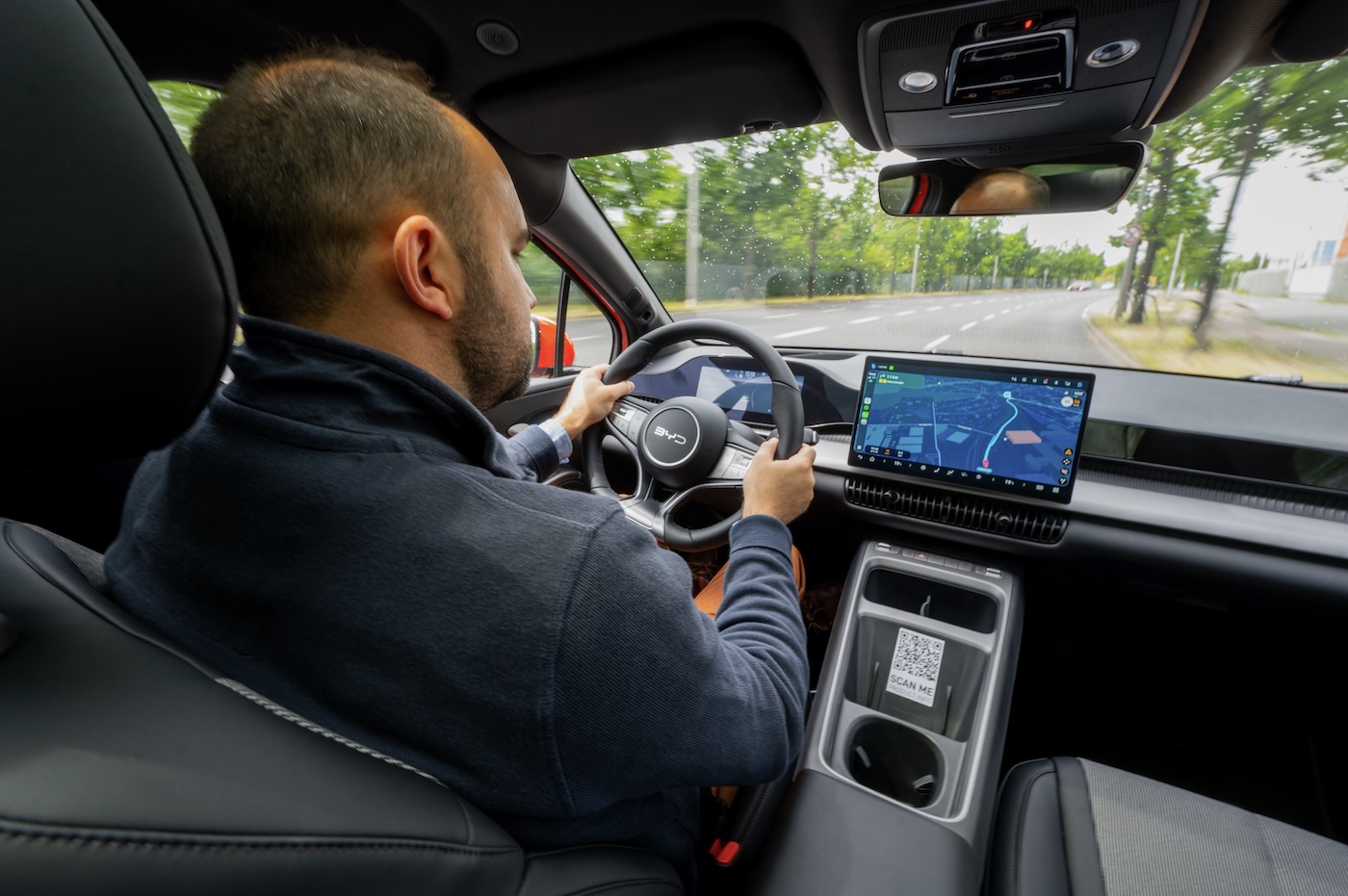
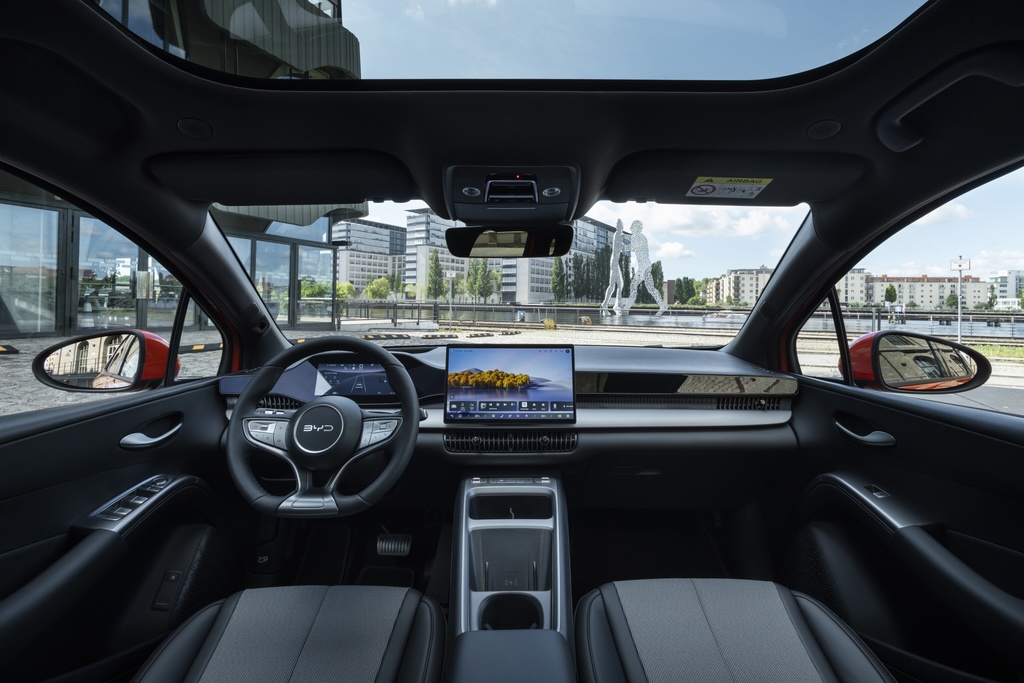
There are very few surprises inside as the Dolphin G follows a similar design theme found in many Chinese brands. It’s quite a simple dashboard that’s free from some of the interesting detailing you might find in the Dolphin EV and Seal and Sealion models. The touchscreen – 10.1-inches on Active and 12.8-inches on all other models – is standard BYD fare; a slick operating system with a myriad of menus. There are a few buttons on the centre console plus the steering wheel has a full complement of buttons, but most controls are - rather infuriatingly - to be found by prodding around on the screen.
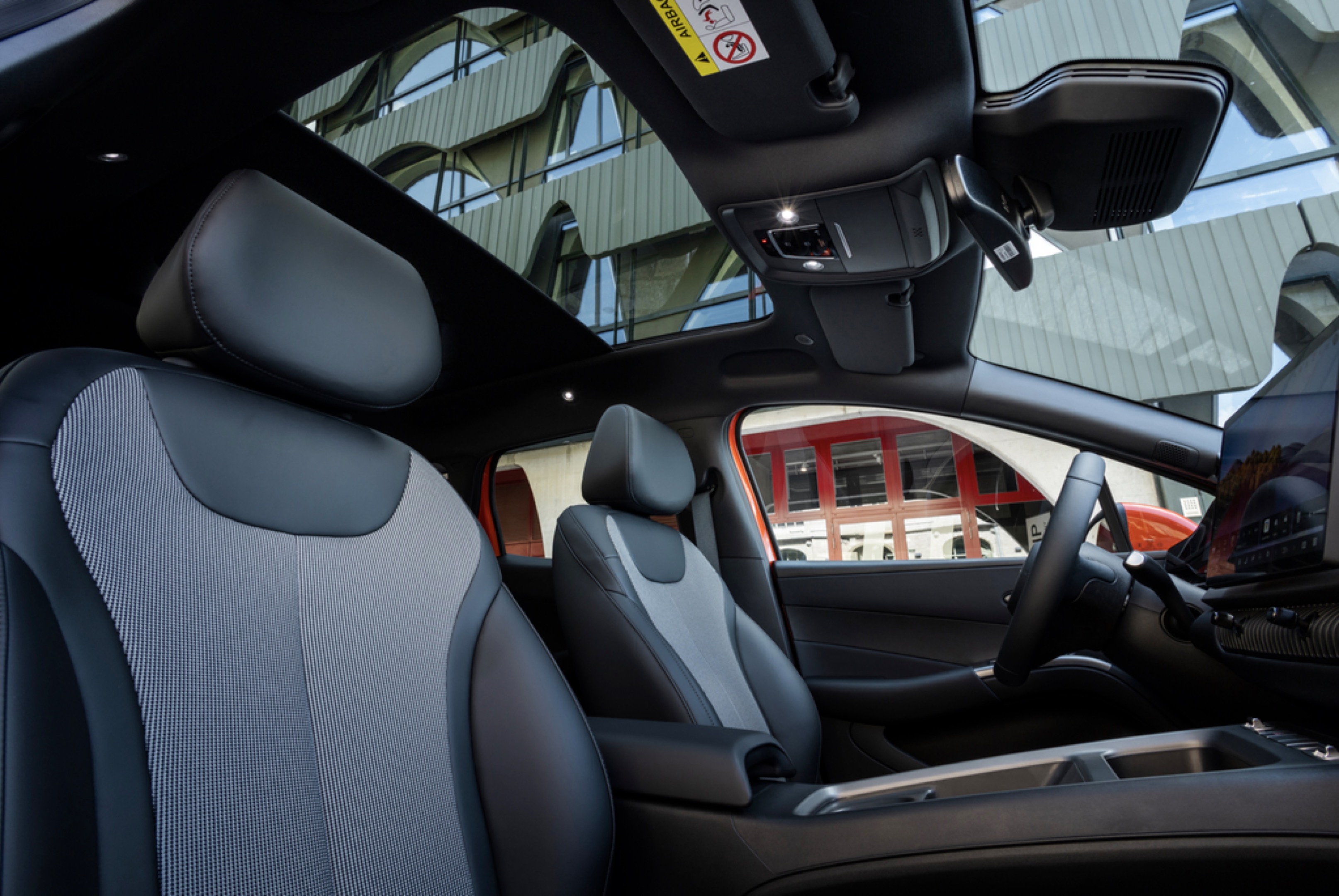
Interior fit and finish is fine. The handles clang when opening the door, and there are plenty of scratchy plastics on show, but it’s okay for the supermini class standard – it’s just that we’ve come to expect pretty plush materials in BYDs. Higher spec cars can be chosen with blue and orange interior themes, which certainly helps to inject some youthful feel in an otherwise sober-feeling cabin.
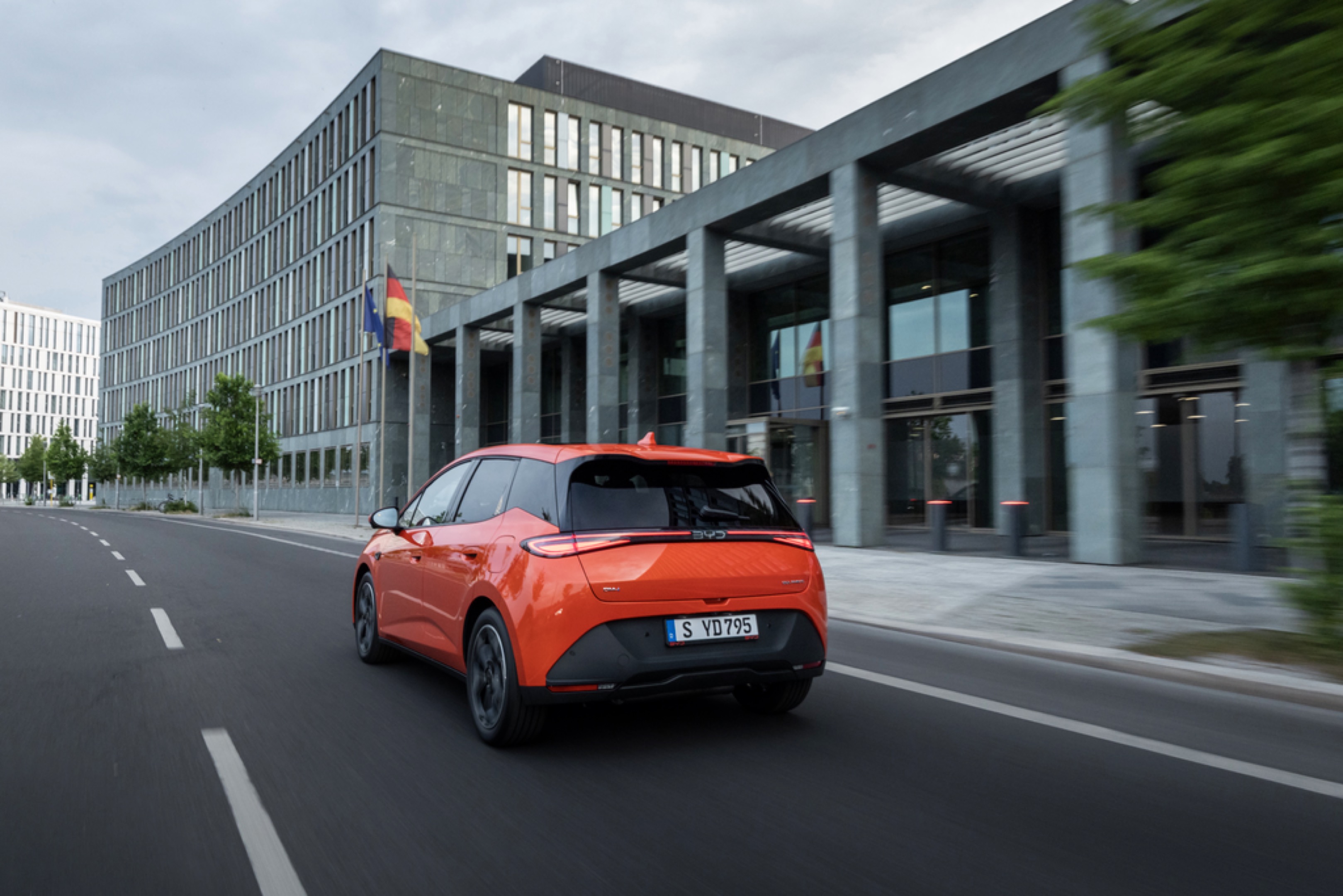
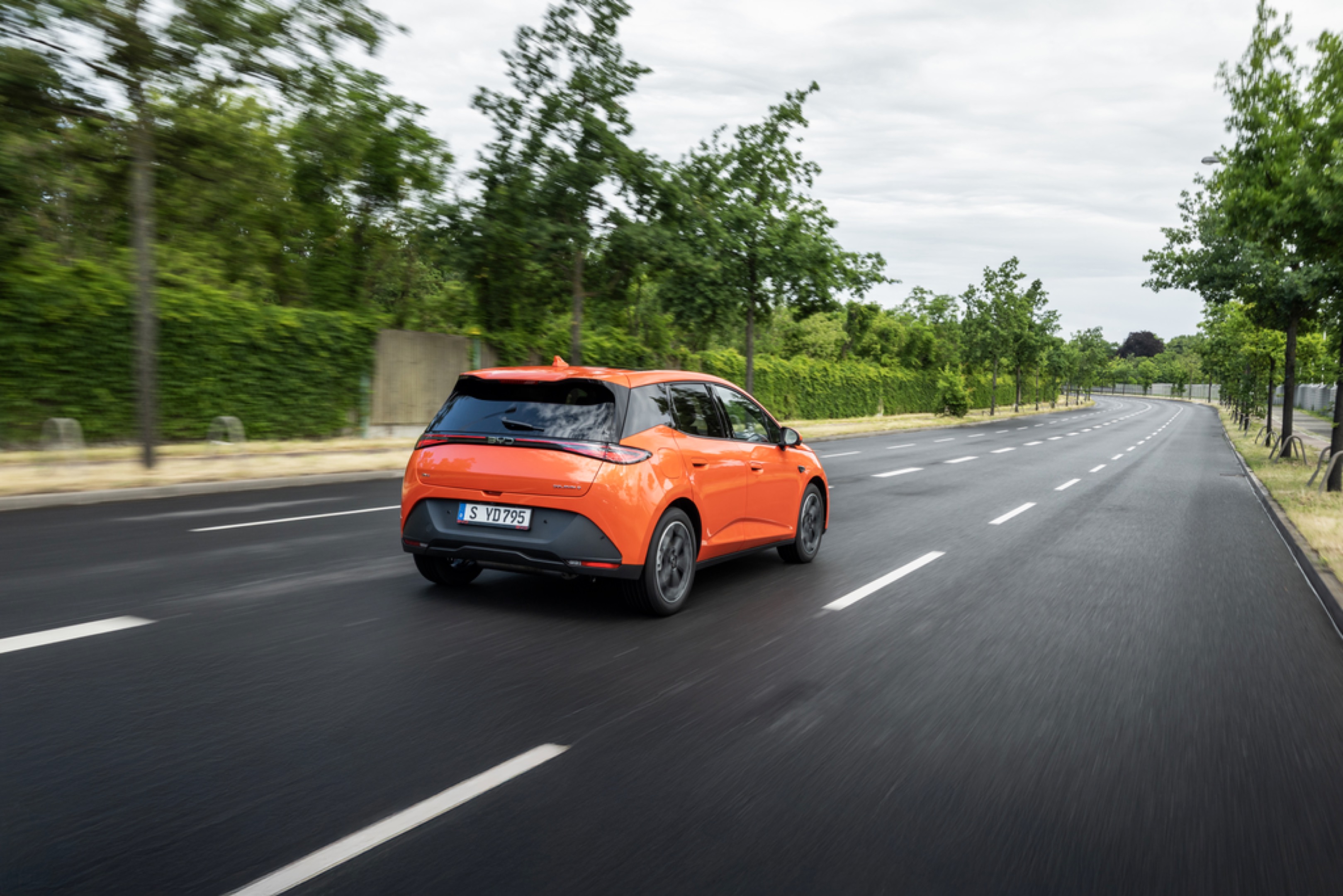
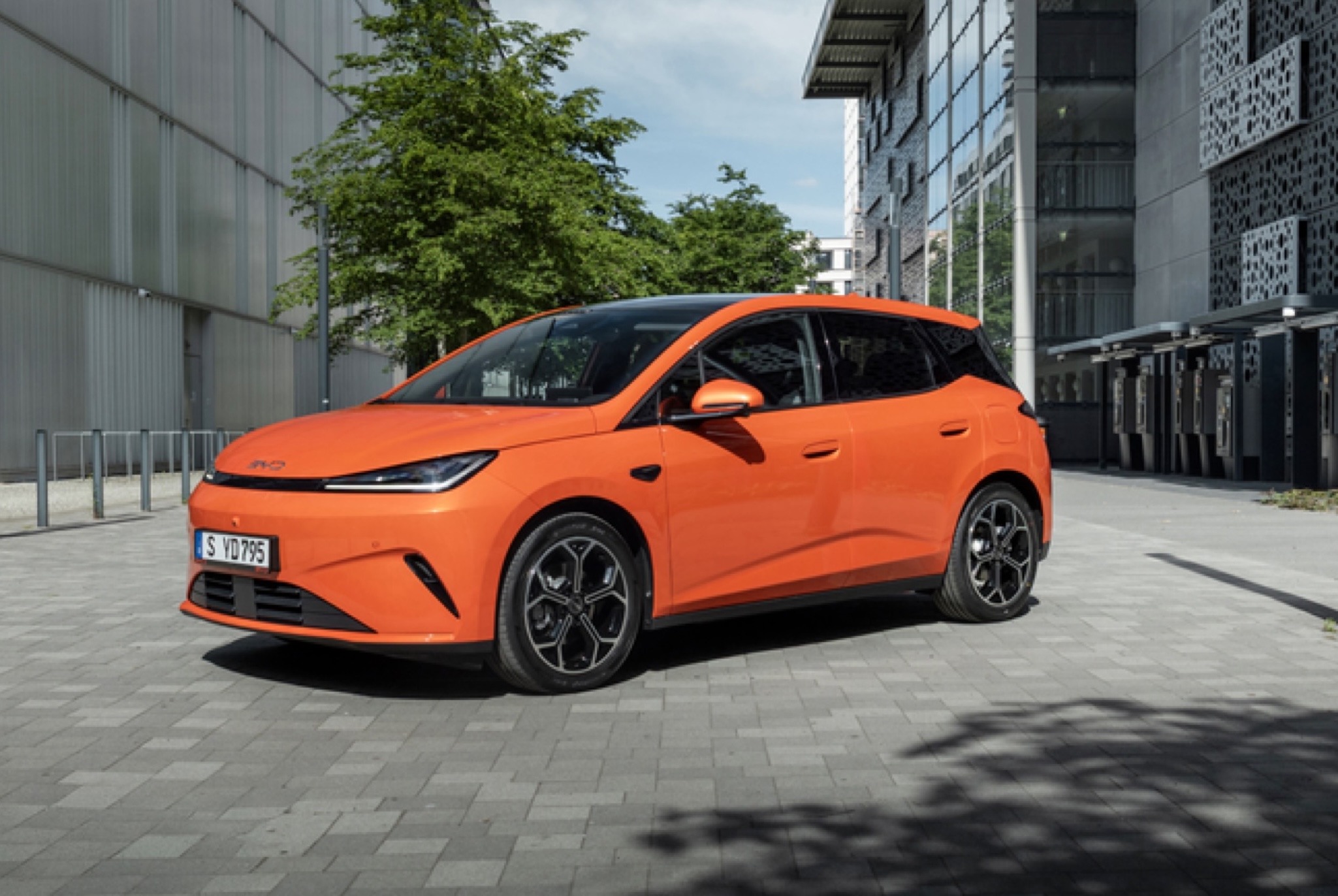
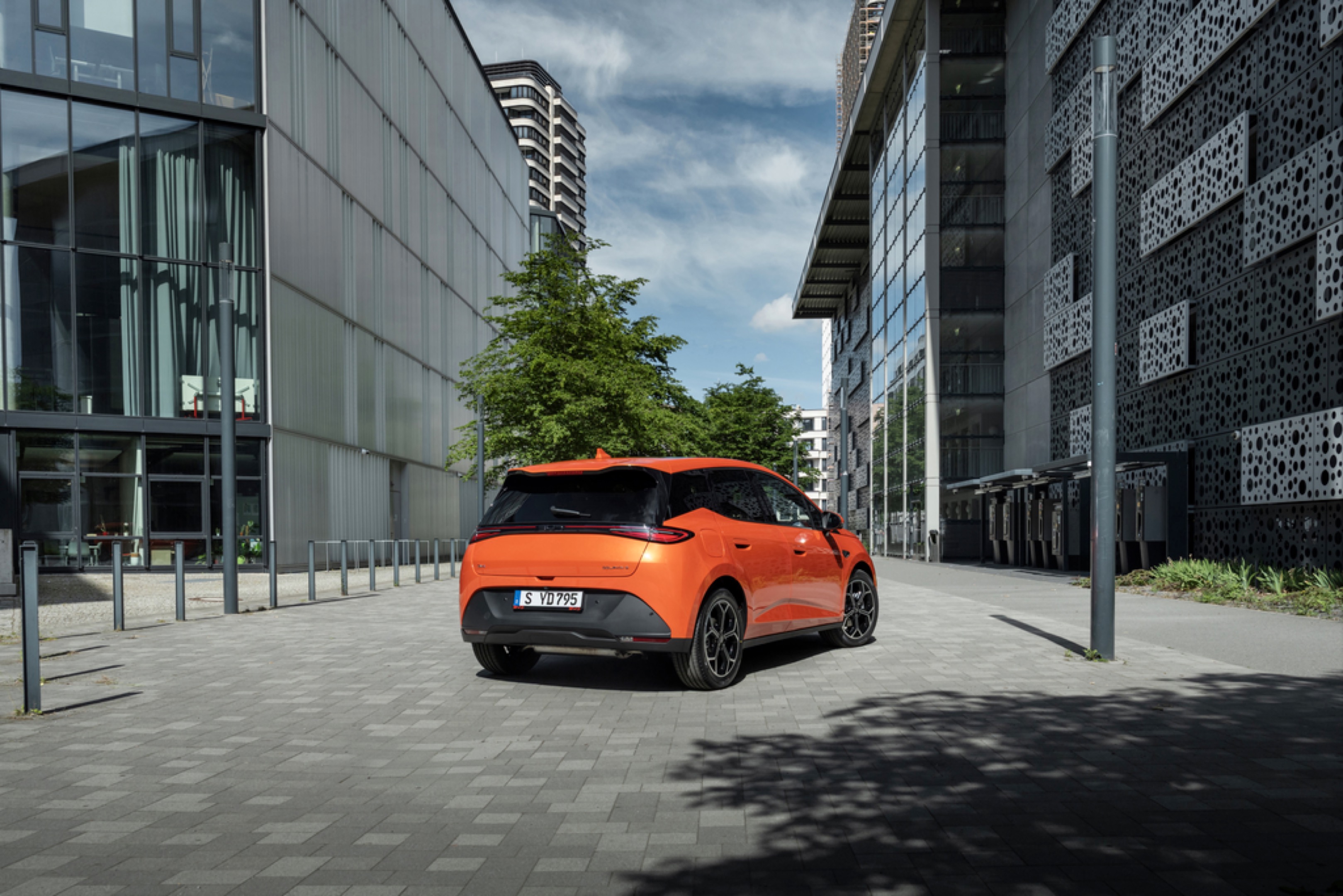
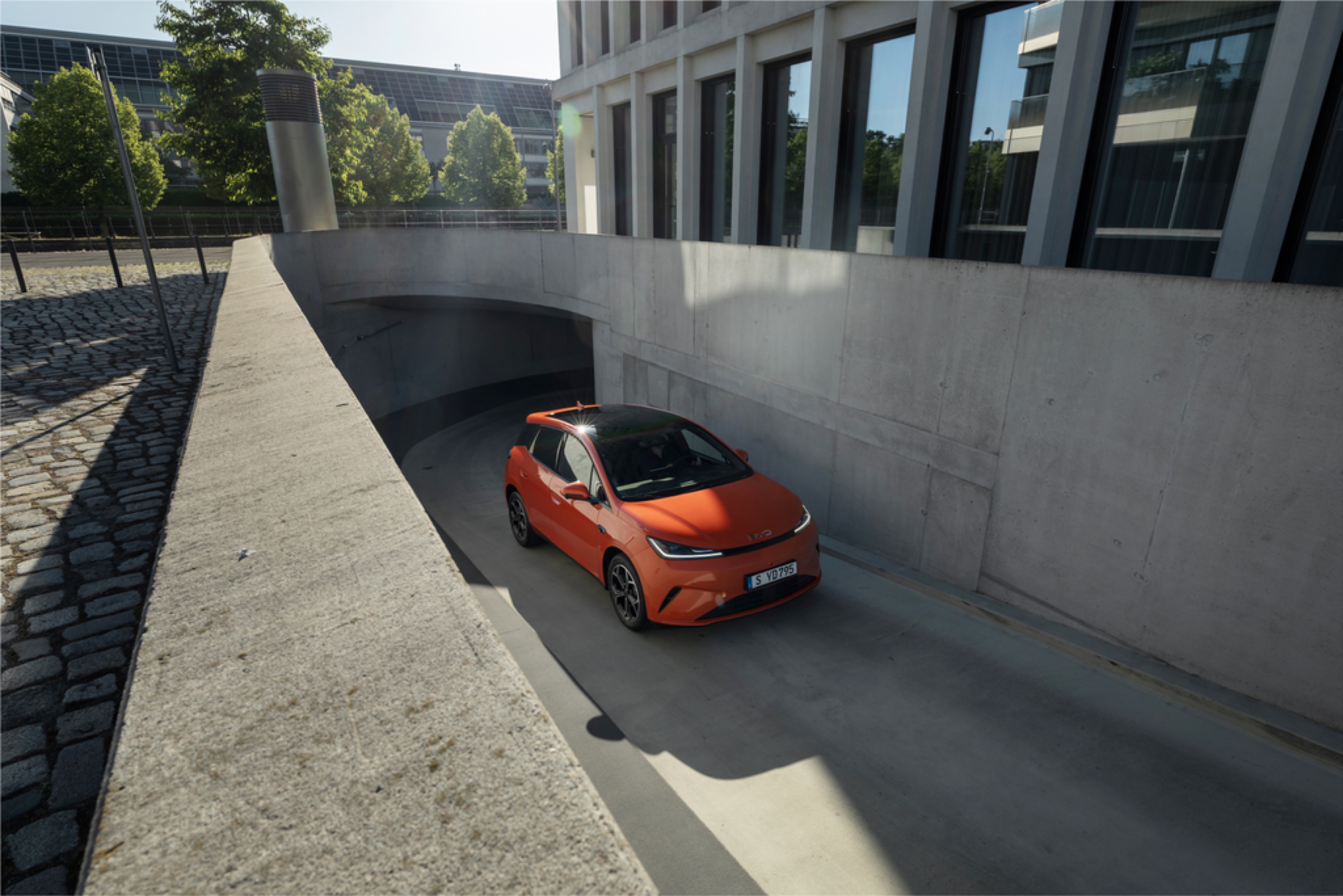
The Dolphin G DM-i has a pretty inoffensive, if forgettable, exterior. The floating roof design and LED light bar at the rear inject some style, but it’s all pretty unassuming. That is if you go for an optional paint colour – the free pearlescent ‘Orange Sunset’ is rather in your face.

Motors, performance and handling
Under the bonnet sits a 1.5-litre, four-cylinder petrol engine developing 95hp, and the 163hp electric motor drives the front wheels – unlike a full-hybrid like the Toyota Yaris, the engine in the BYD acts predominantly as a generator and powers the electric motor, and in turn the front axle. Despite all trim levels getting the same power from both the engine and the motor, the entry-level Active, with its smaller battery, has a total power output of 176hp, while all other models develop 212hp.
As the electric motor mostly drives the front wheels, for much of the time the Dolphin G drives like an EV hatchback. So, like a Vauxhall Corsa Electric acceleration is instant at town speeds, and it’s easy to zip out of junctions. At higher speeds, the engine kicks in when needed to generate more electricity for the battery, and it’s pretty unassuming when it does so.
The Dolphin G DM-i has a more comfortable ride compared to a full-hybrid like a Toyota Yaris or an electric hatchback such as the Vauxhall Corsa Electric. But while the ride is fairly cushioned, the wheels make a rather audible clatter as they bounce up and down in the wheelarches. Meanwhile, the steering is what we’ve come to expect from many BYDs, like the Atto 2, in being lifeless and uncommunicative, while the eye detection camera continues to be highly frustrating, and features like the lane-keep assist and speed limit warnings a bit too intrusive and not always reliable. .
In fairness, we only tested the car in some built-up areas in Berlin, on a mixture of slow city roads and medium speed dual carriageways. A more comprehensive test in the UK might reveal a more rounded impression.

Running costs and pricing
BYD hasn’t confirmed prices yet, but has suggested to Electrifying that it’s hoping to peg the entry-level Active at around £23,000 to £25,000.
For context, a Vauxhall Corsa Electric starts at just under £27,000 and a BYD Dolphin EV is just over £30,000, while full-hybrids like the Toyota Yaris are priced from £24,000. So, the pricing could be very tempting for those customers usually choosing between full-hybrid and pure-electric power.
We do know that entry-level Active will get 16-inch alloys wheels, the 10.1-inch touchscreen, an 8.8-inch digital display for the driver, Apple CarPlay and Android Auto phone connectivity, "Hi, BYD" voice control, 4G connectivity, and a digital key.
Boost adds the larger battery, a 12.8-inch touchscreen, vegan leather upholstery, ambient lighting, wireless phone charging, heated front seats, the 60:40 split-folding seats, privacy glass, rear air vents, and V2L.
Comfort is next up, and adds a head-up display, 18-inch wheels, Google built-in and a panoramic roof with electric sunblind, along with other goodies. But, sitting at the top of the range, is a new Sport version. This has been added to reflect how Europe loves sporty-designed hatchbacks, and, as the Dolphin G has been designed for Europe, BYD thinks it's fitting that it should offer a Sport model. Don't get too excited, though, as the additions include black alloy wheels, artificial suede upholstery, and the choice of blue or orange highlights in the interior... and that's it.

Verdict
The Dolphin G DM-i is the type of impressive product we’ve come to expect from BYD. In many ways, it looks and feels like an Atto 2 SUV but in a more traditional small car package. We’ll have to spend longer with the car to gauge how efficient it really is, but in this early first test the Dolphin G certainly has the ingredients to be a tempting choice in the supermini class.
However, ultimately, the car’s success will depend entirely on whether Brits really want plug-in hybrid power in a supermini, or whether they are happy with the current selection of full-hybrids and EVs. Only time will tell.

.png)
 8
8