





 Battery size: 55–75kWh
 Miles per kWh: 5.2
 E-Rating™ : A++

 Max charge rate: 250kW
 Range: 332–466 miles





Introduction and model history
Pitched as the ‘affordable’ Tesla when it was revealed in 2016, the Model 3 eventually arrived in the UK in 2019. Its targets were premium executive favourites such as the BMW 3 Series, Audi A4 and Mercedes C-Class. Judging by its sales, those established Germans had every reason to pay attention, as the Tesla Model 3 has been consistently one of the best-selling electric cars across the UK and Europe ever since. It’s one of the most successful cars (not just EVs) globally, too, with the SUV equivalent - the Tesla Model Y - also proving a perennial favourite.

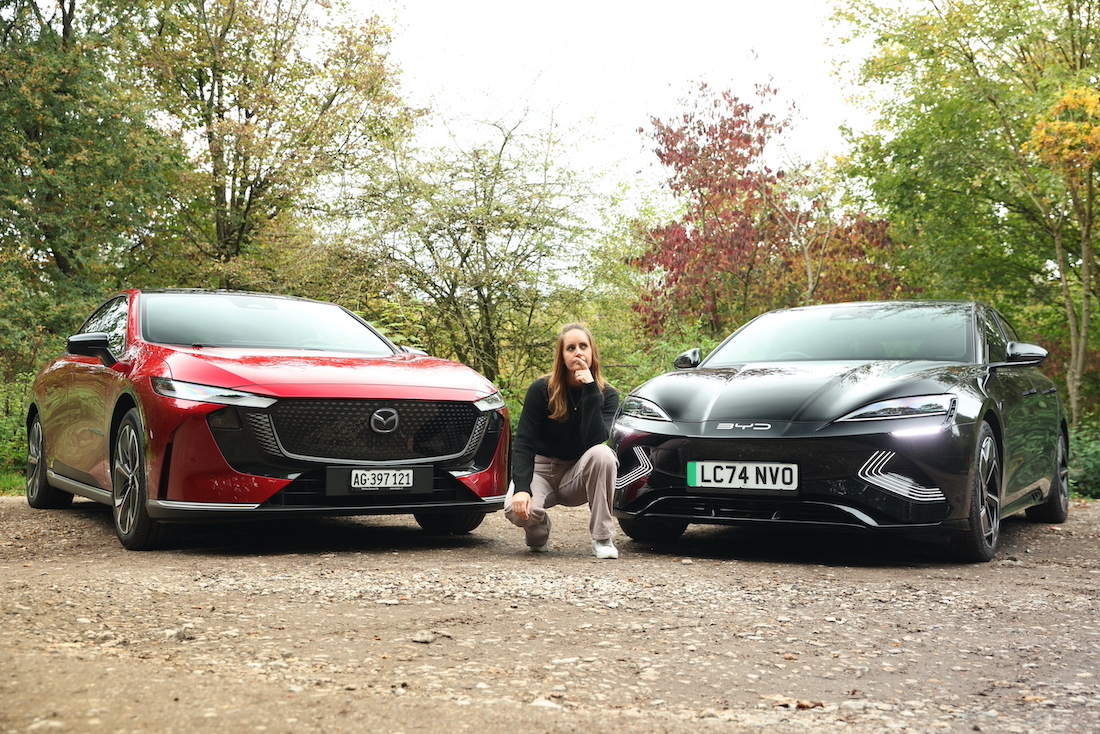
Substantial updates in 2023 and again in 2026 have helped keep the Tesla Model 3 competitive even as new rivals like the Mercedes CLA, BYD Seal, MG IM5, Kia EV6 and - most problematic of all for the Tesla - the BMW i3 Neue Klasse arrive to challenge it.
The Tesla Model 3 range is tweaked and changed every few months, but currently it starts with the Tesla Model 3 Rear-wheel drive (which was called the Standard previously), followed by the Premium RWD and Premium AWD. The bonkers Tesla Model 3 Performance remains the range-topper.
This remains Tesla’s most affordable car, but there’s a strong argument that it’s also its most impressive. So is this still the best executive electric car?
Range, battery and charging
The Tesla Model 3 RWD uses a single motor driving the rear wheels and has an official range of 332 miles. That’s already plenty for many drivers, so don’t assume you need a more expensive version simply because it can travel further, especially as the Model 3 is really efficient in the real world, so I’d expect a genuine real-world range of around 220- to 300 miles.
For maximum distance between charges, the Model 3 Long Range RWD has a claimed WLTP range of 466 miles, while the Premium AWD offers 441 miles (that drops to 410 miles with the more popular 19-inch alloy wheels). Meanwhile, the Performance manages 354 miles despite the sort of acceleration that makes you feel sick. Like I said - the Model 3 remains one of the most efficient EVs you can buy, in the real world. I lived with a pre-facelift, high mileage Tesla Model 3 Long Range AWD for almost a year, and loved it - chiefly because it was still doing 280 miles of real world range even on consistent motorway journeys in winter, and despite having 100,000 miles on the battery (which was still showing 90% battery health).
Anyway, I’d estimate that real-world range on the new Model 3 Long Range AWD and RWD Tesla Model 3 will be around 320 - to 400 miles if you’re on the motorway most of the time, or it’ll creep above that if you spend a lot of time driving in town.
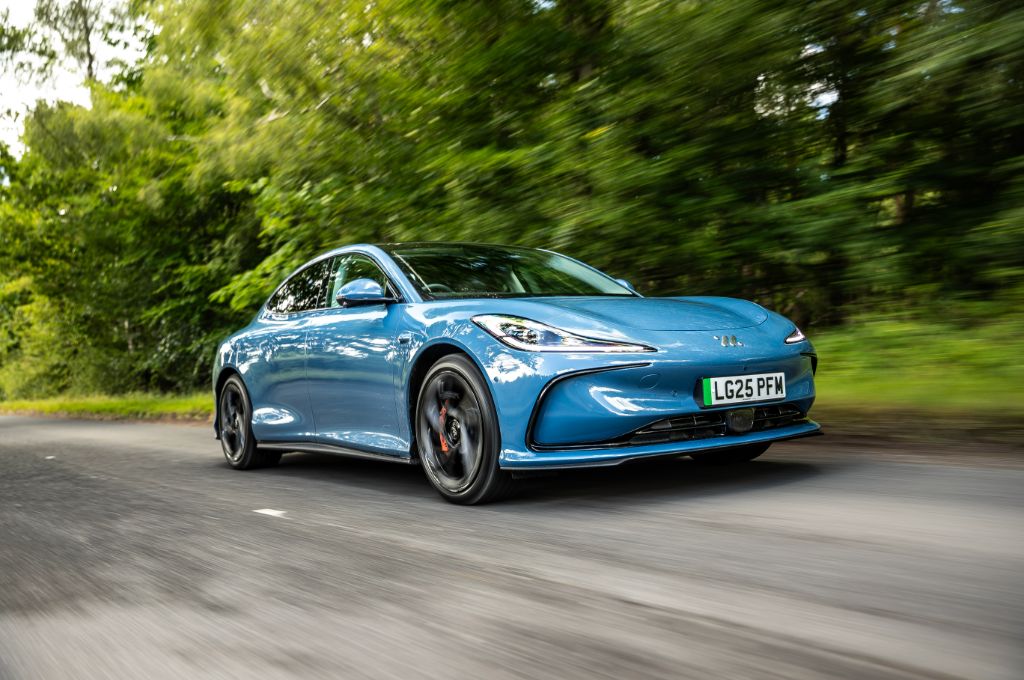

Tesla doesn’t officially publish battery capacities (maybe they think it adds to the mystery?), but the accepted figures are 55kWh for the Standard and 75kWh for the Long Range and Performance models.
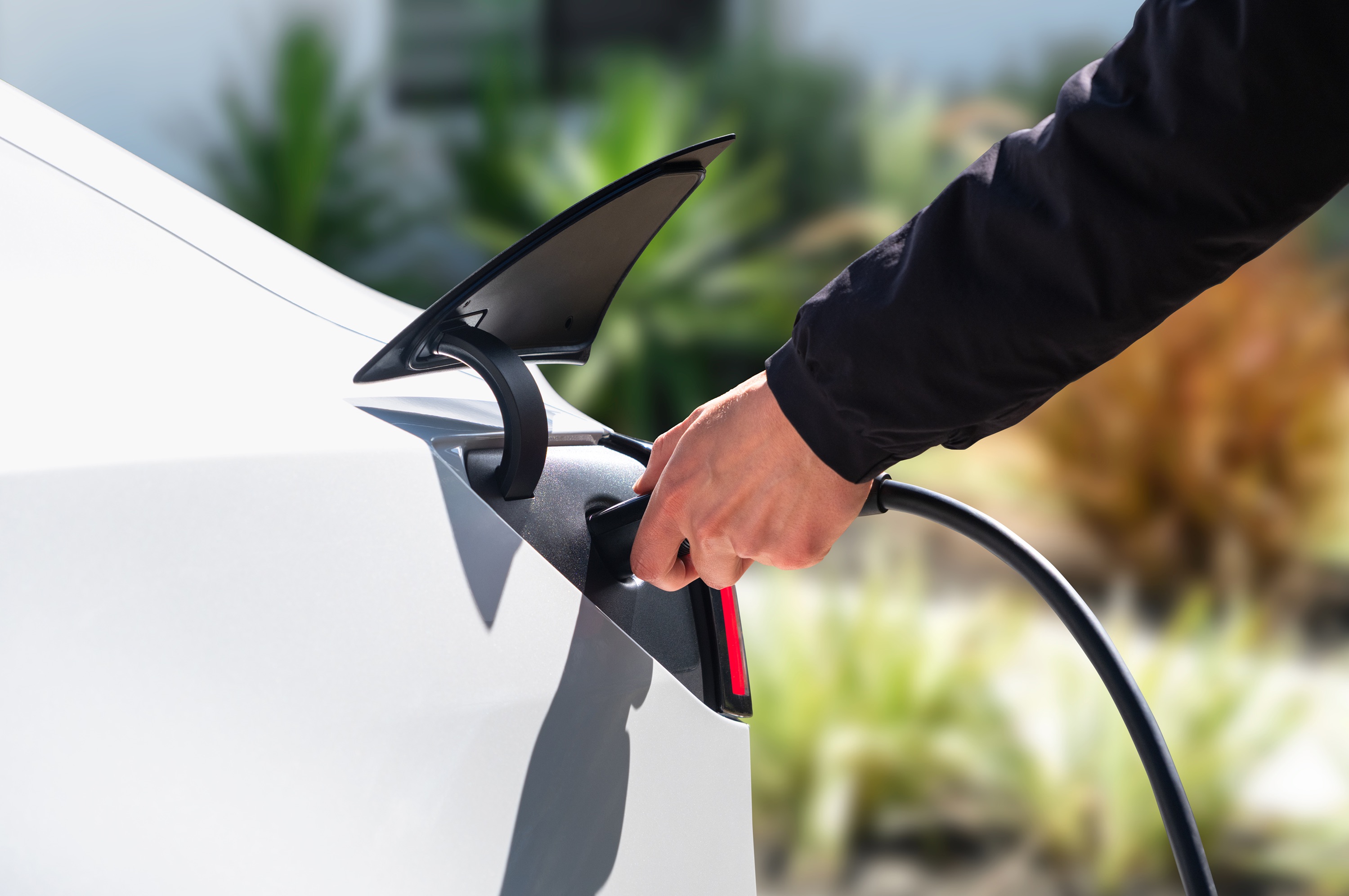
Charging is one of the biggest reasons to choose a Tesla. The Supercharger network covers nearly every major road and motorway, with over 1,000 charging points in the UK. It’s still one of the most reliable and most affordable public rapid charging networks, so remains a big incentive despite huge improvements in rapid charging infrastructure across the UK and Europe in the last few years.
The Model 3 can also use other CCS rapid chargers, meaning that it’s compatible with just about every public rapid charger in the UK and Europe. That combination takes much of the head-scratching out of longer electric journeys. A charge from 10% to 80% takes up to 30 minutes on the Supercharger network.
Interior, design and technology
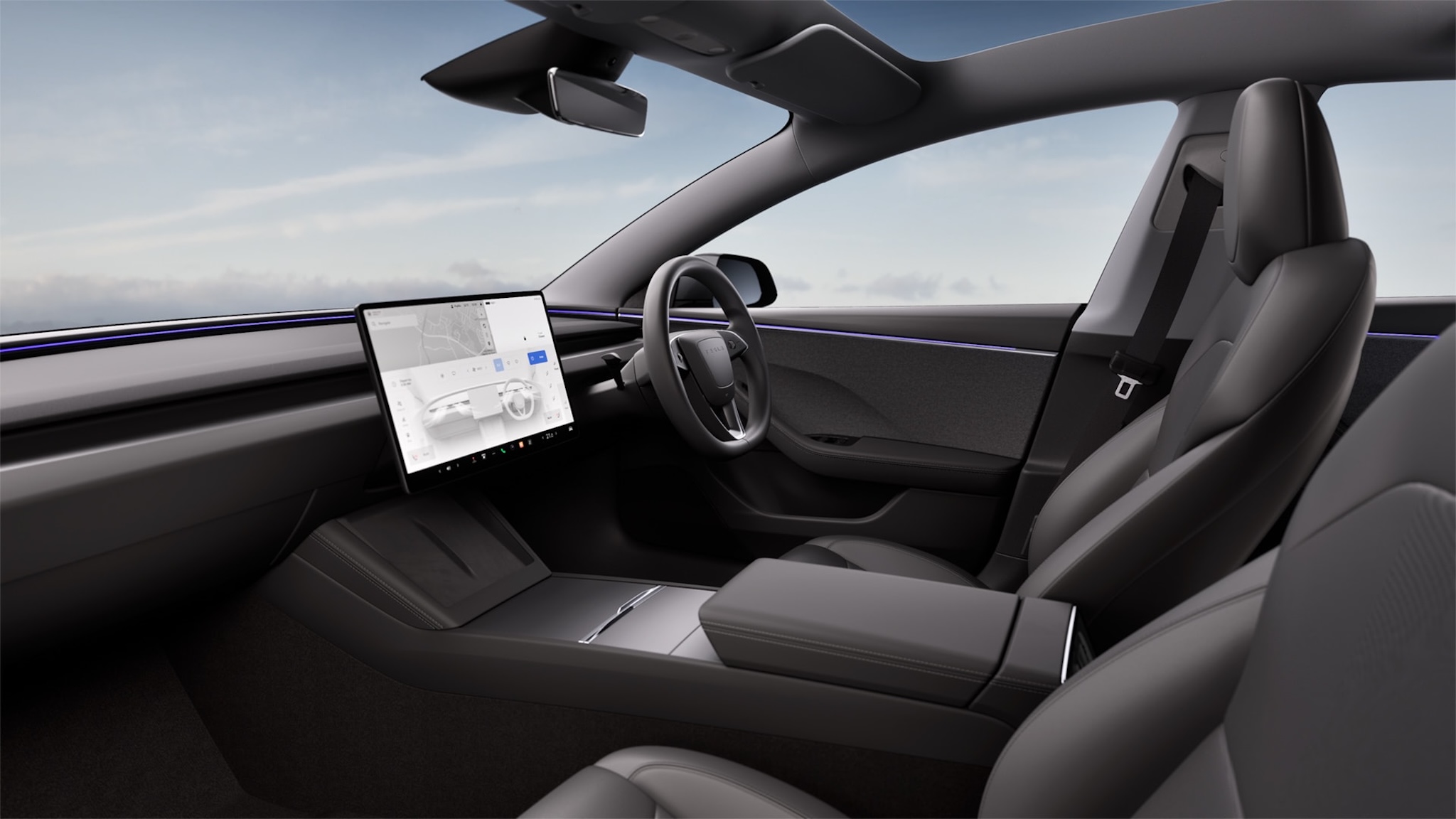
Minimalist doesn’t quite cover it, when it comes to describing the Tesla Model 3’s interior! The dashboard is almost startlingly bare, with most functions handled through the central touchscreen and even the air vents adjusted on screen.

The 2023 facelift - known among Tesla geeks as the Tesla Model 3 ‘Highland’ - brought usefully better materials and ambient lighting, making the cabin feel noticeably smarter. I’d still say that the Polestar 2, Mercedes CLA and BMW i3 have classier interiors, but the Tesla is much improved after the update and feels a bit better put together.
Unfortunately, the clear-out also removed some controls. For a couple of years after the 2023 update, there were no conventional indicator stalks; instead, you pressed buttons on the steering wheel. Thankfully, that was resolved when Tesla brought back the indicator stalk in 2025. The wipers are controlled by steering-wheel buttons too, while selecting drive or reverse involves swiping the gear selector on the touchscreen.
Your speed appears in the top corner of that central screen, rather than directly ahead of you, and there’s no head-up display, even as an option. I did get used to this when I lived with a Tesla Model 3, but I still prefer having a speed readout directly ahead of me behind the wheel - or on the windscreen. Basically, the lack of a speedo isn’t a deal breaker for me, and I’d spend my own money on a Tesla, but it does annoy the hell out of me that Tesla still hasn’t put a speedo or head-up display in its cars. It just makes sense!

The other thing that annoys me? No Apple CarPlay or Android Auto. Yes, you can stream music and podcasts, and Tesla’s in-built nav, charger search function and route planning is among the best. But I still prefer CarPlay for having total control of my media through the car’s screen. Sorry, Tesla. Again - this isn’t a deal breaker, given that the native system is so good, but it’s a daily annoyance that Tesla refuses to just add CarPlay and Android Auto to its cars. I mean, Tesla updates its cars over the internet, allowing features and improvements to arrive without a workshop visit. So they could surely make these features available overnight, no? Sigh.
Anyway, there are also the famous ‘Easter eggs’, including retro Atari games, a virtual whoopee cushion and a Christmas light show. Necessary? Absolutely not. Entertaining? Rather. My daughter loved all of this when I ran a Model 3, so I can see the appeal. It’s a hit with the kids.
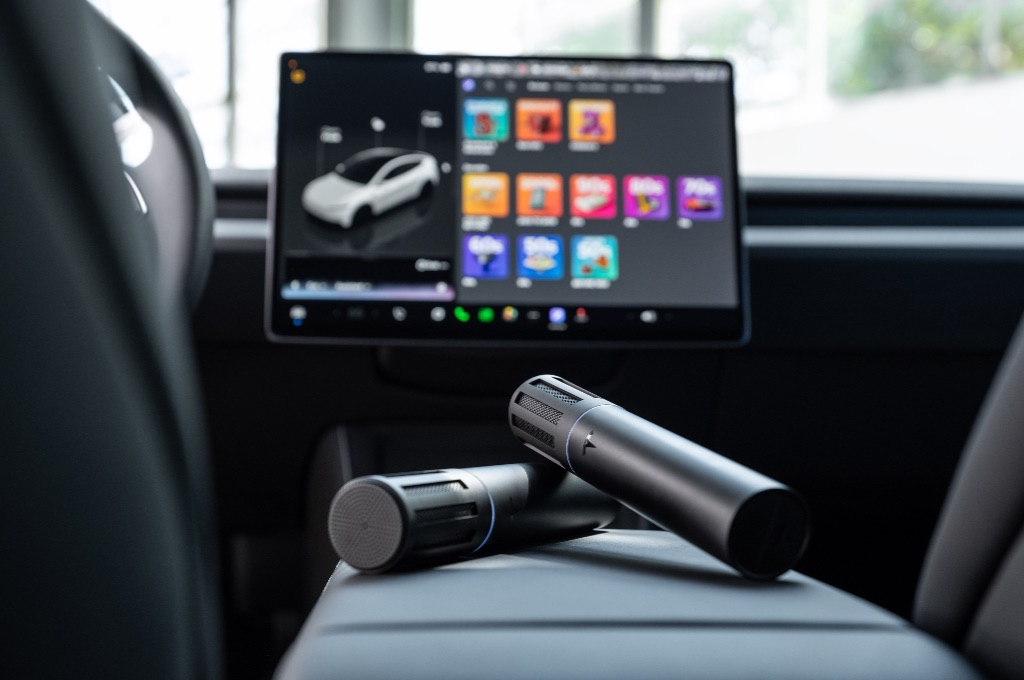
Your phone acts as the key to the Tesla Model 3, with a credit-card-sized device available if your mobile isn’t working or someone else needs to borrow the car. And it actually works! I’ve had such issues with various overly complicated keyless entry systems (I’m looking at you, Volvo and Polestar), but the Tesla’s keyless entry always worked first time and I really grew to trust it.
The £6,800 Full Self-Driving Capability option adds further automated driving functions. Despite the name, this is assistance technology: you must remain in control and be ready to take over. The phrase ‘Teslas drive themselves’ is banned in the Electrifying office for good reason.
Practicality and boot space
The uncluttered cabin in the Tesla Model 3 feels light and spacious, with plenty of places to stash everyday odds and ends. There are four USB ports and two wireless charging pads for compatible phones, while newer models give rear passengers their own screen.
Rear-seat comfort is less convincing. The battery raises the floor, and the seat base is angled to compensate. Taller passengers may find the resulting seating position rather odd, so it’s worth getting everyone comfortable before committing, although a couple of kids back there will be just fine.
The quoted luggage capacity is 594 litres, while the storage compartment beneath the bonnet adds another 88 litres. The Polestar’s hatchback boot opening is definitely more practical, as is the Mercedes CLA Shooting Brake (which I absolutely love), so the Tesla’s saloon body isn’t the most practical if you do need to carry a lot of stuff - or, like me, a couple of dogs - in the boot.
Still, the rear seats split and fold, which helps when you’re carrying longer objects alongside passengers, but it can’t match the flexibility of a large hatch. If you do need a big boot and like the Model 3’s tech, range and affordability, the Model Y SUV may be a better fit.
Motors, performance and handling
Even the rear-wheel-drive Model 3 feels seriously quick, reaching 60mph from rest in 5.8 seconds. The Long Range AWD cuts that to 4.2 seconds, delivering acceleration that would embarrass some much more exotic machinery.
Then there’s the Performance, which does 0–60mph in 2.9 seconds. That’s supercar acceleration in a pretty ordinary-looking executive saloon. Impressive, certainly, although quite how often you need it is another matter. Frankly, the cheaper versions are already plenty fast enough for most of us, and I actually prefer the more moderate acceleration of the Long Range AWD and RWD models that I’d say are a sweet spot in the range.

The Model 3 carries its weight well in corners. Mounting the batteries beneath the floor gives it a low centre of gravity, helping it feel balanced, composed and secure through corners. It’s not as fun as the new BMW i3 or Mercedes CLA, but it does feel confident and neutral, which is all that most buyers are after.
Ride comfort is okay on the Model 3. It’s a bit trashy over scruffy town roads, but calms down at higher speeds and is more than settled enough to make for exceptionally easy long distance driving. Stick with the smaller wheels, if comfort is more important to you than sportier looks.
Refinement on the Model 3 improved with the 2023 facelift, but road noise remains noticeable compared with rivals. It’s not terrible at all, but it is noticeable and a Merc CLA or BMW i3 are definitely quieter.
There’s only one default regenerative braking mode, which is adaptive and fairly strong, but is also really easy to get used to and feels intuitive from the moment you leave the car park. A one-pedal mode is available for town driving, although activating it involves another trip through the screen’s settings.
Running costs and pricing
The Standard starts at £37,990. Moving to the Premium RWD costs £44,990, while the Premium AWD - which I reckon is the sweet spot in the range, and would be my personal choice for my rural-to-motorway lifestyle - starts at £49,990. The Performance tops the range at £59,990.
Full Self-Driving Capability is the most expensive option at £6,800, but can be added later. There’s no need to make that decision when ordering if you’re unconvinced by its usefulness (I’m impressed by what this system does, but personally don’t feel that I need anything more than a decent adaptive cruise control system, which the Tesla Model 3 has as standard).

Those are substantial sums, but compare the combination of range, equipment and acceleration with similarly priced alternatives and the Tesla’s reputation for value makes sense. More importantly, the monthly finance deals on the Model 3 are routinely some of the best you’ll find on a an executive EV with this sort of range. Tesla lists PCP estimates between £299 and £450 per month - and it often has low interest and deposit deals, too. That’s getting on for half the PCP cost of a new BMW i3, so while we’d rank the i3 as substantially the better car, the Model 3 is hard to overlook given the value and tech it offers even with the BMW i3 offering longer range and a much classier interior.
Obviously, prices and offers change frequently - and Tesla likes to change the Model 3 range on a near weekly basis - so check the latest figures before deciding.
Tesla doesn’t publish service prices, and actually states that the cars don’t need regular servicing but will bing a warning when something needs attention. But this is still a car, with moving parts and bits that wear our over time and use, so do get your Tesla serviced occasionally! Budget around £500 for a three-year/36,000-mile maintenance plan.
Insurance needs closer attention, as the Tesla Model 3 is one of the more expensive executive EVs to insure, and falls into insurance group 40 or up. So do get a quote before you buy, as insuring a Model 3 might be pricier than you’re expecting.
The Tesla Supercharger network is almost half the price of a lot of other public rapid charging networks, and the Model 3 is one of the most efficient long range EVs you can buy, so fuel costs should be about as cheap as an EV gets - especially if you can also charge at home from an off-peak EV tariff.
Obviously, there are loads of great used Tesla Model 3s available, so check out our guide to buying a used Tesla Model 3. We've got hundred of used Teslas for sale on Electrifying.com classifieds, too.
Verdict
The Model 3 still delivers an unusually persuasive combination of range, technology, performance and convenient charging. Cabin quality has improved, the software offers plenty to explore and Supercharger access makes longer journeys easier and cheaper, so it remains a big incentive to go for a Tesla.
Rear-seat comfort won’t suit everyone and the saloon boot limits flexibility, while others in this class now go further and make the Tesla feel a bit cheap and basic inside. But the Model 3 remains a really slick car to drive, and has some of the best battery tech, efficiency and daily convenience tech that you’ll find. There isn’t an EV that makes remote phone app control and rapid charging easier than this; Tesla absolutely nailed all of those critical satellite tech systems from the off. And it’s still really efficient in the real world, not to mention great value on monthly finance or leasing.
So yes, I’d definitely say that the Tesla Model 3 is starting to feel a little outdated and basic compared to newer rivals. But there’s still a lot to like, and at the sort of prices you’ll be paying on monthly finance compared to many of those rivals, it’s not hard to see why the Tesla Model 3 remains such a compelling long-range EV.

 9