





 Battery size: 49 - 61 kWh
 Range: 214 - 264 miles
 Company car tax: 3%
 Max charge rate: 67kW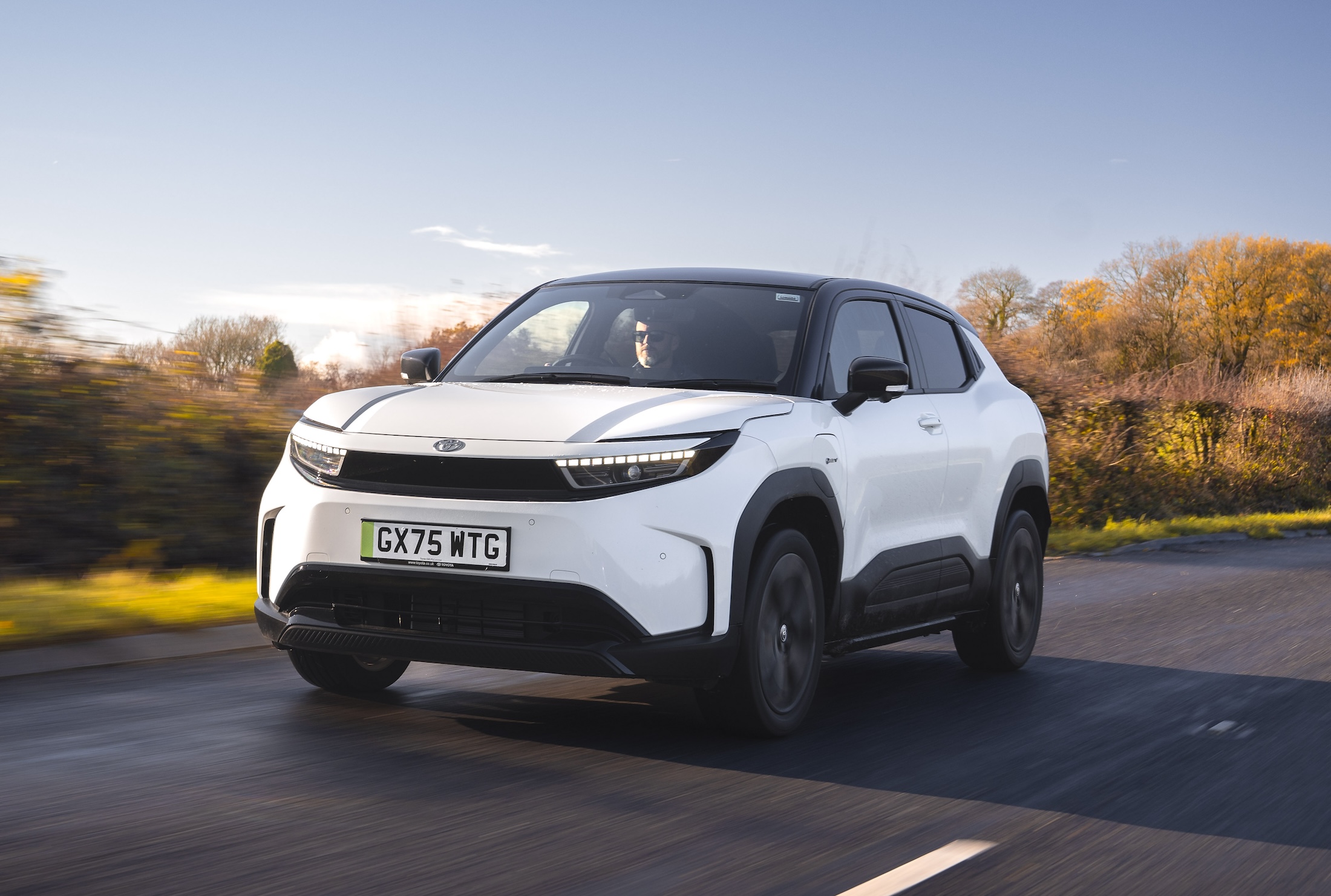
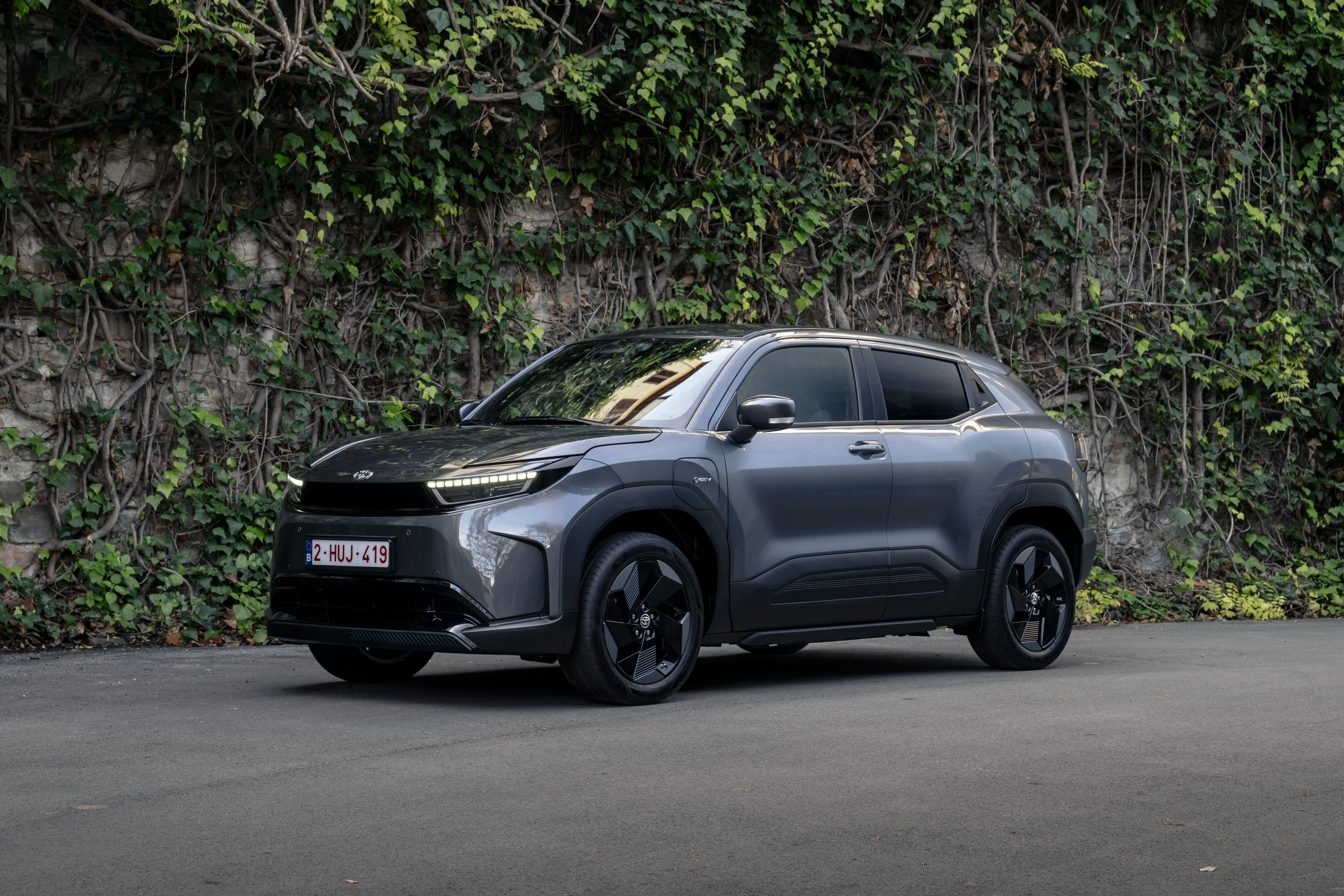
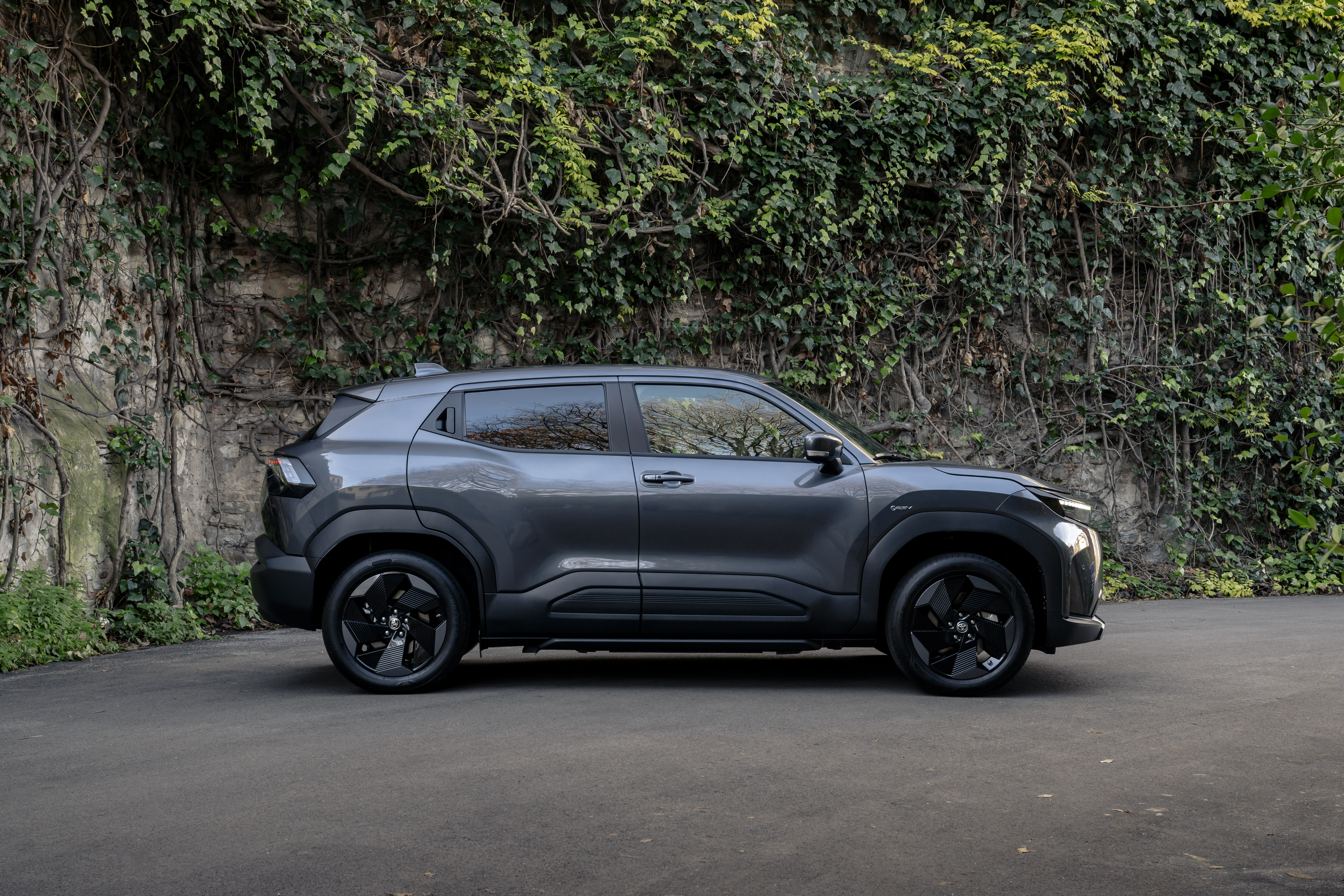
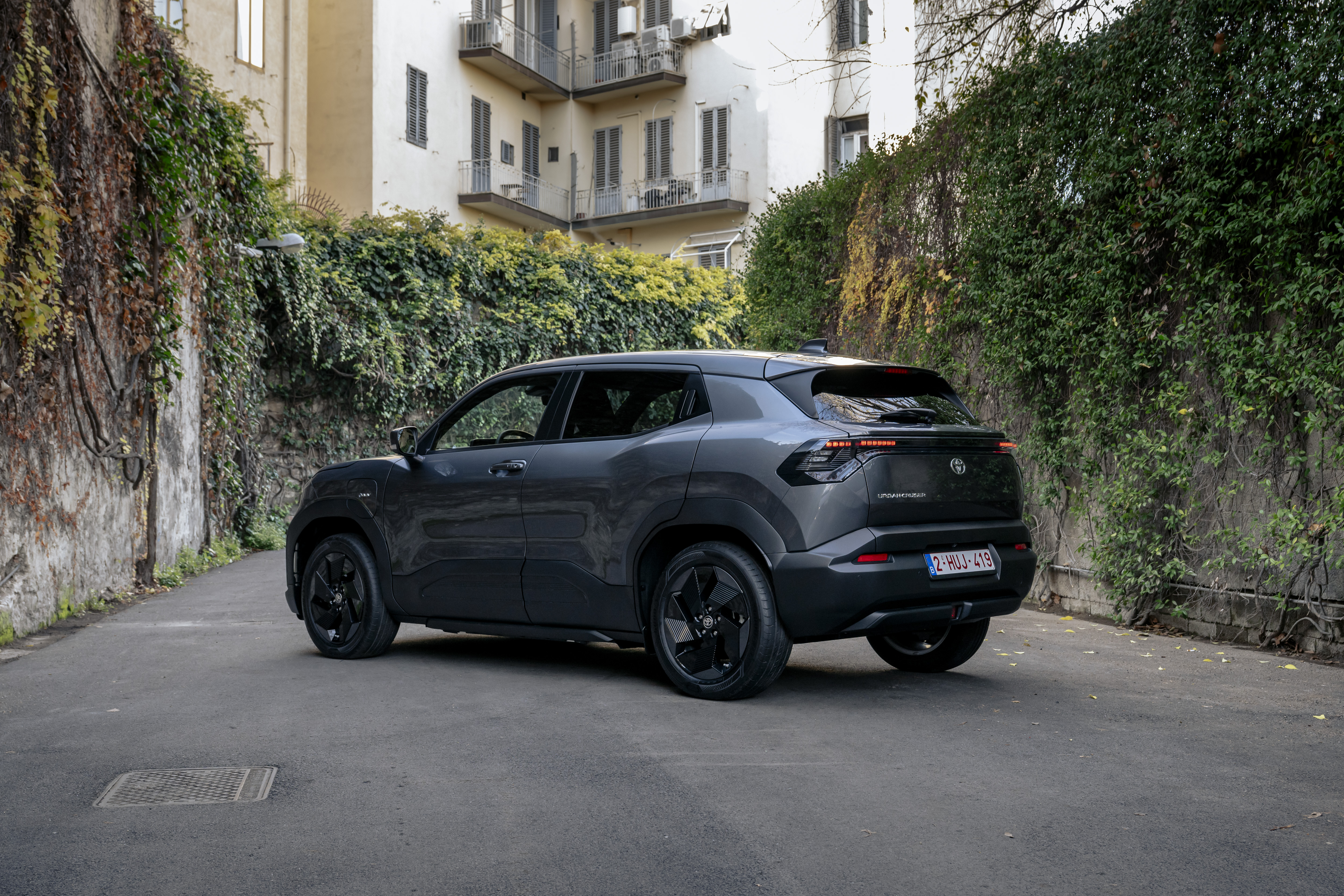




Introduction and model history
For this new small electric SUV Toyota hasn't turned its Subaru chum – with which it co-developed its bZ4X SUV – but has leaned on its other best friend – Suzuki. The pair have had a technical relationship for a number of years, which has been most visually apparent with Suzuki-badged versions of the Toyota Corolla and hybrids. It's now Toyota's turn to repurpose a Suzuki product, and for this it has revived a model name last seen in the UK in 2012.
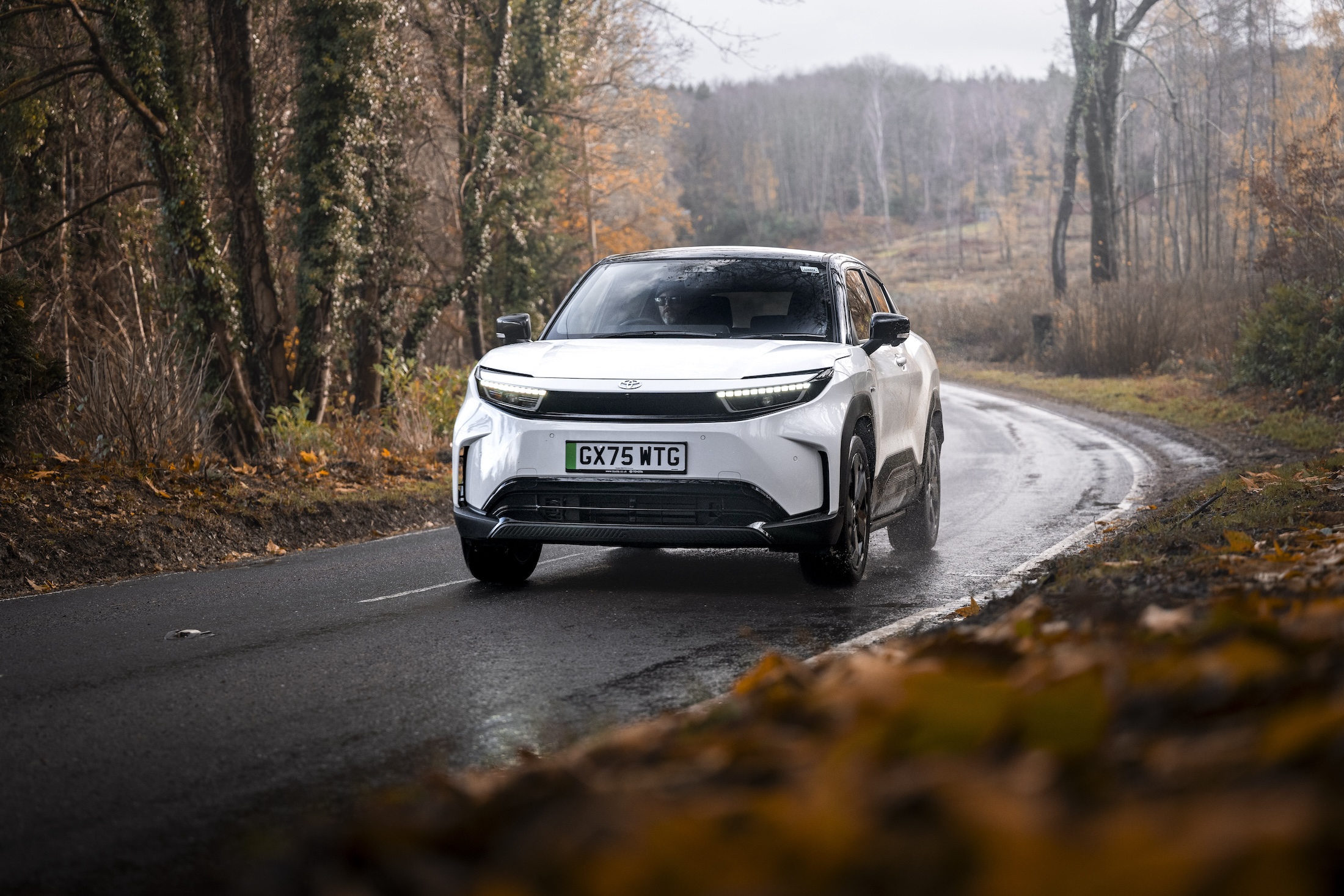
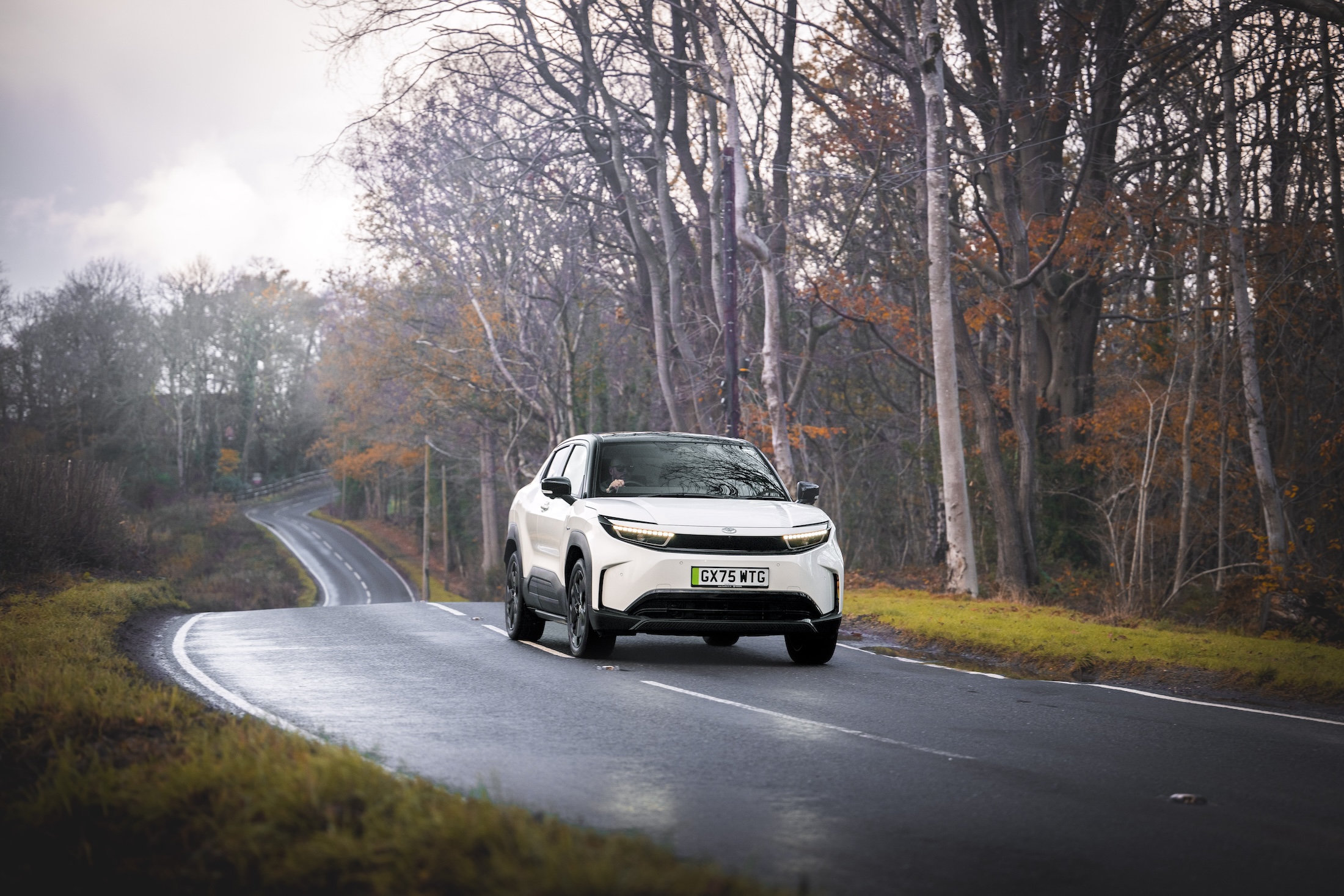
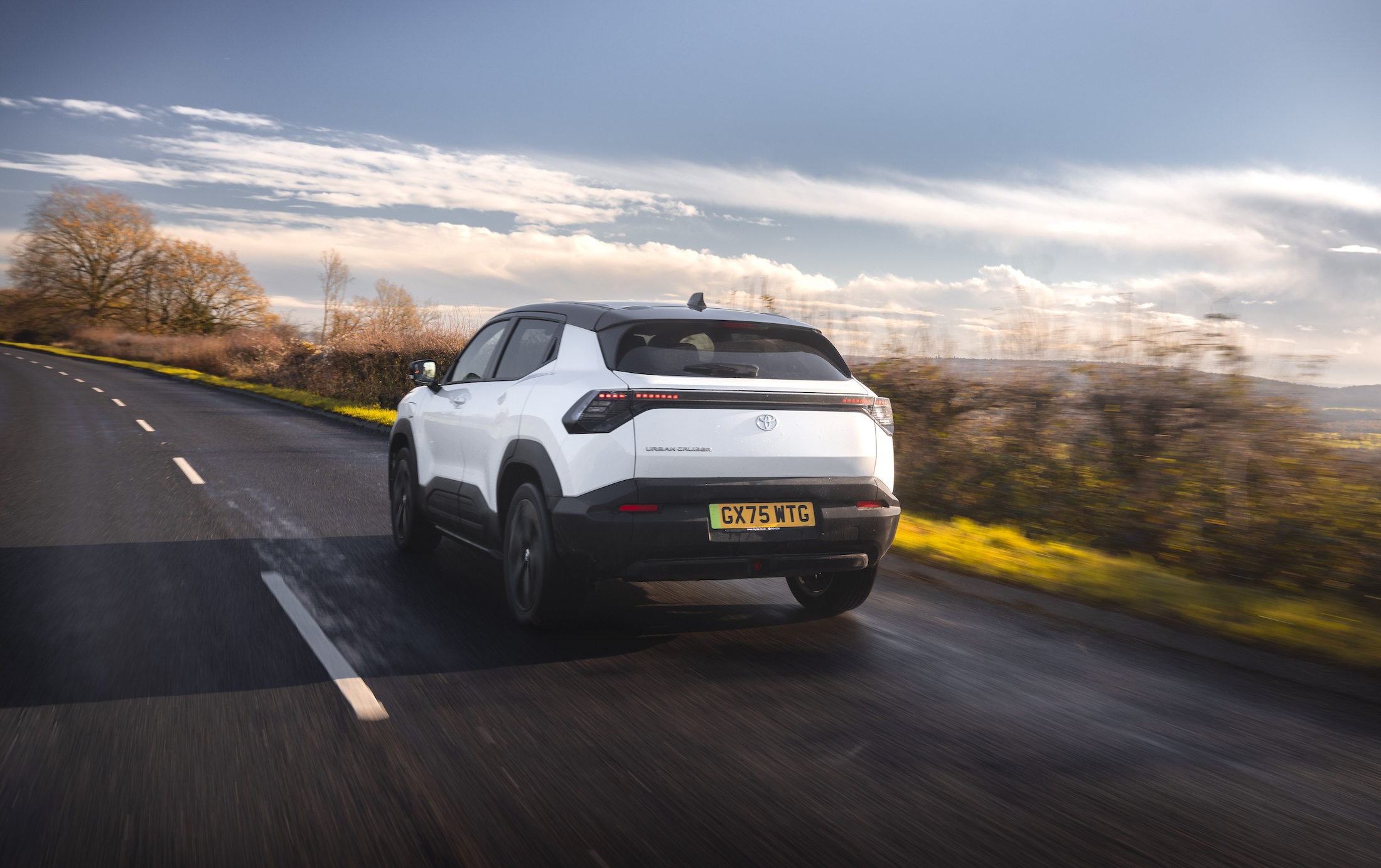
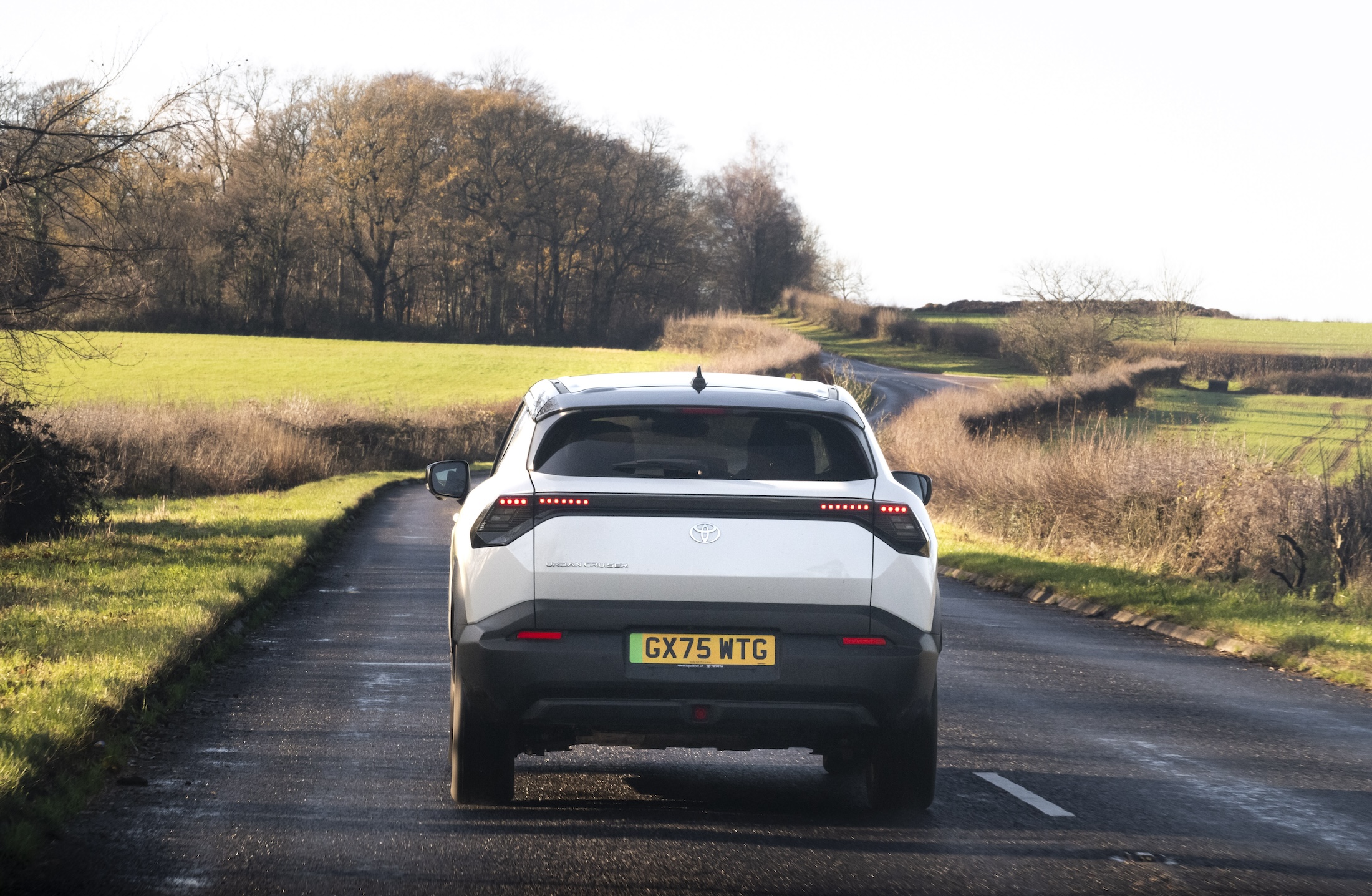
This second-generation Urban Cruiser is Toyota's take on the Suzuki e Vitara. It uses an electric car platform (called Heartect-e) that the two firms developed together, with Suzuki handling much of the chassis tuning. It gets a new nose that's very updated-bZ4X in appearance and slightly different rear lights, but it’s essentially identical to the e Vitara.

Like with the Suzuki, power comes from either a 49kWh or a 61kWh battery pack, with Toyota claiming a maximum WLTP range of up to 214 miles or 265 miles. But there is one key difference – the Urban Cruiser misses out on a dual-motor, four-wheel drive version, as Suzuki has kept this for itself.
At the time of writing there was another difference that sees the e Vitara coming out on top. While both aren't so far eligible for the UK Government's Electric Car Grant, Suzuki has elected to offer its own £3,750 subsidy, bringing the e Vitara's starting down to a more competitive £26,269. Toyota has so far elected not to follow suit, so the Urban Cruiser starts at £29,995 – that's a chunky price gap, and makes the already expensive-looking Urban Cruiser seem unnecessarily overpriced.
Range, battery and charging
Just like with Suzuki, Toyota offers the Urban Cruiser with a choice of two batteries. They are 49kWh and 61kWh LFP packs apparently sourced from BYD, and give a WLTP-claimed range of 214 miles in the former and up to 264 in the larger one. A heat pump comes as standard, too.
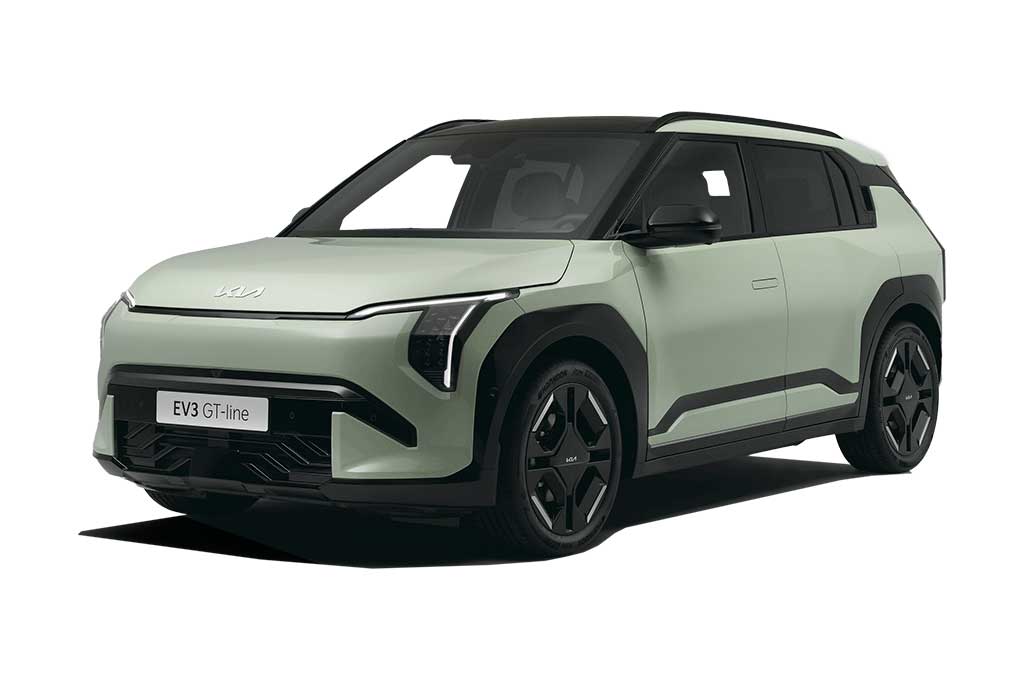
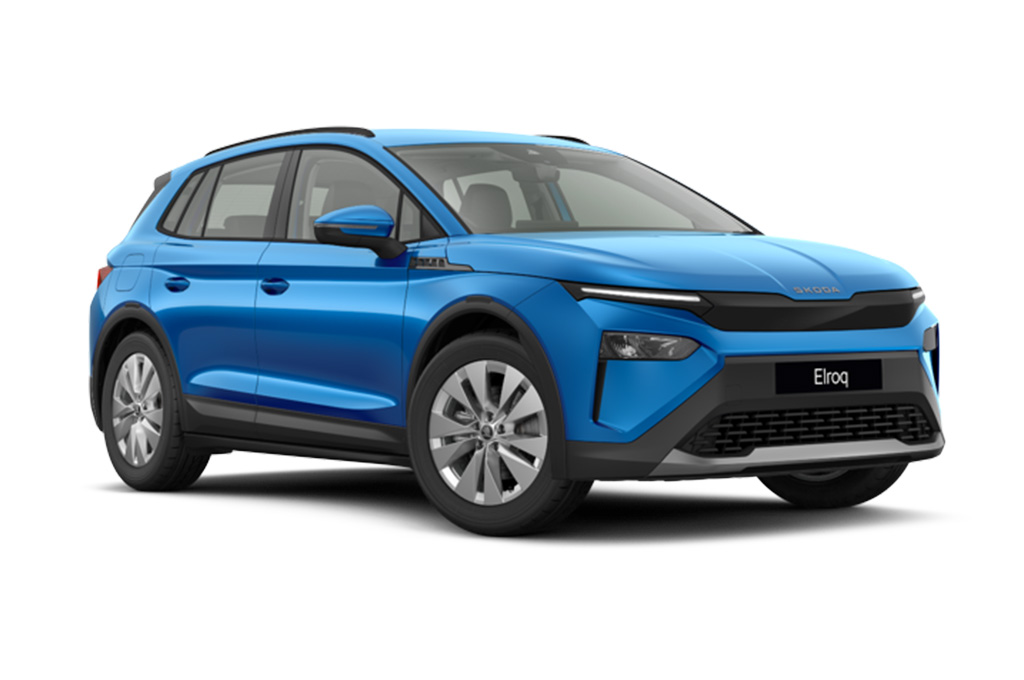
A 214-mile range from a 49kWh battery pack is below par these days, though, especially when you factor in the Urban Cruiser's price. The 264-mile range of the bigger battery is in-line with rivals like Kia EV3 with its 270-mile-claimed 58.3kWh pack, but cars like the EV3 and Skoda Elroq also offer much larger packs giving 350-plus ranges for not much more money. The 264-mile range is your lot in the Urban Cruiser.

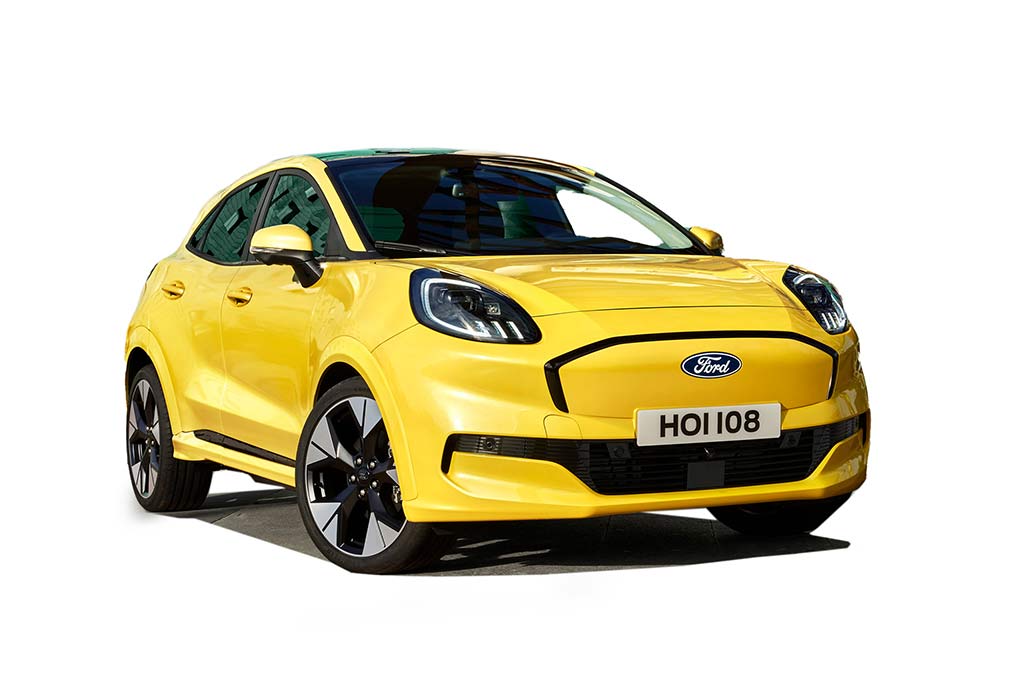
Not that you're likely to get anywhere near that 264-mile WLTP range, though. In our testing in early winter in temperatures of 10 degrees we saw highs of 2.8 miles per kWh, with 250 miles averaging at 2.3 m/kWh. That's pretty abysmal and equates to a real-world range of 140 miles; a Ford Puma Gen-E (43kWh) tested at a similar time of year returned 4.4 m/kWh, showing just how inefficient the Urban Cruiser is.
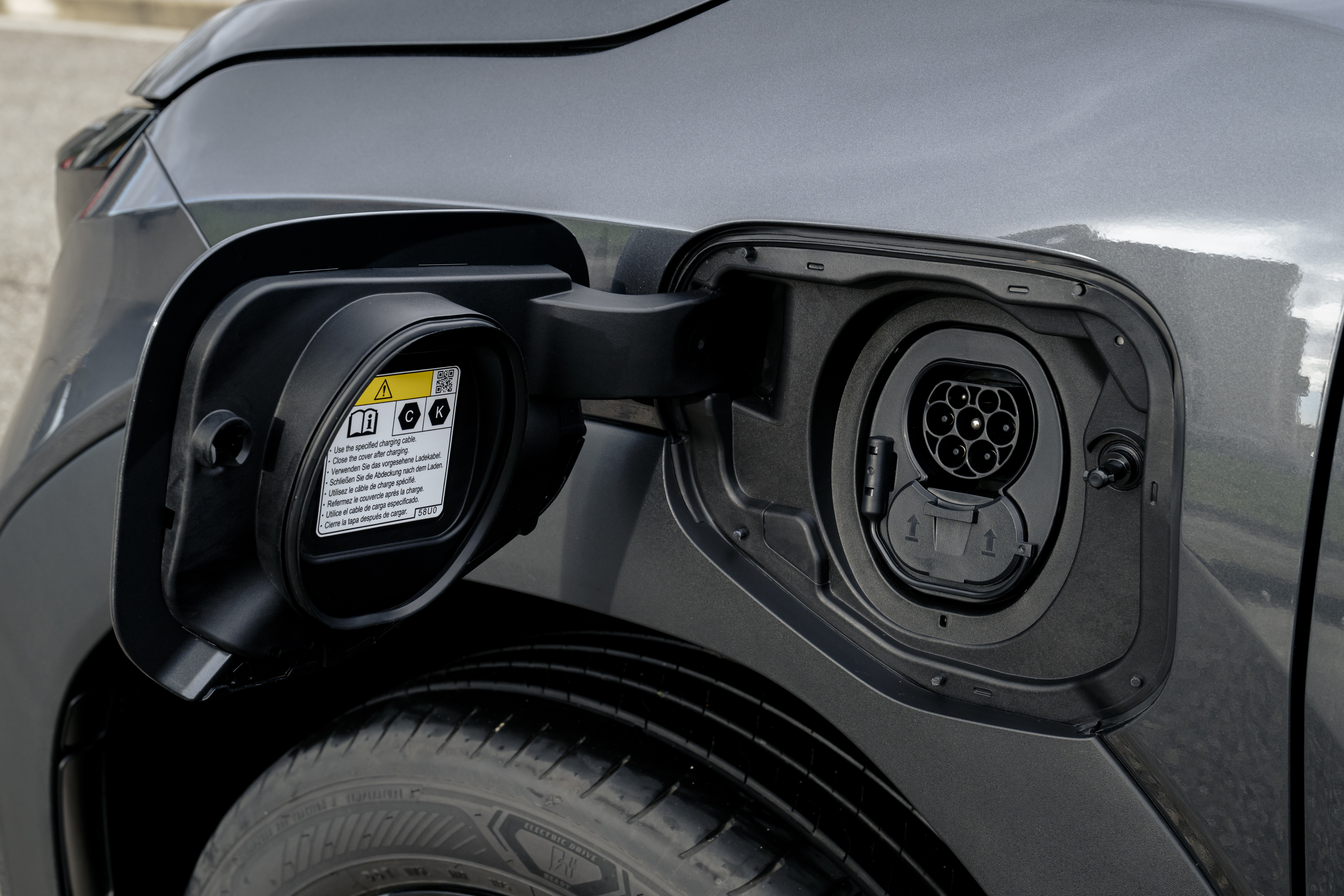
If that wasn't bad enough, you'll also be waiting around far longer when charging at a rapid charging point compared to other small electric SUVs. The 41kWh pack has a maximum DC charging speed of just 53kW, while the larger battery doesn't fare much better at 67kW. It means a 10-80% top-up will take at least 45 minutes; rivals can complete this in less than 30 minutes.
Practicality and boot space
The Urban Cruiser is a bit of a mixed bag in this department. There’s good enough adjustment in the steering wheel and seat for most drivers, yet taller occupants may feel hemmed in. If you're on the lankier side, you'll have to set the wheel low to avoid it blocking the instrument cluster, but then the steering column will be brushing your knees. The centre console feels a bit too close for comfort, too.
The seating position is noticeably higher than a Ford Puma Gen-E or a Vauxhall Mokka Electric, and this helps with forward visibility. The side windows are pretty big too; it's only the view through the rear window that could be better.

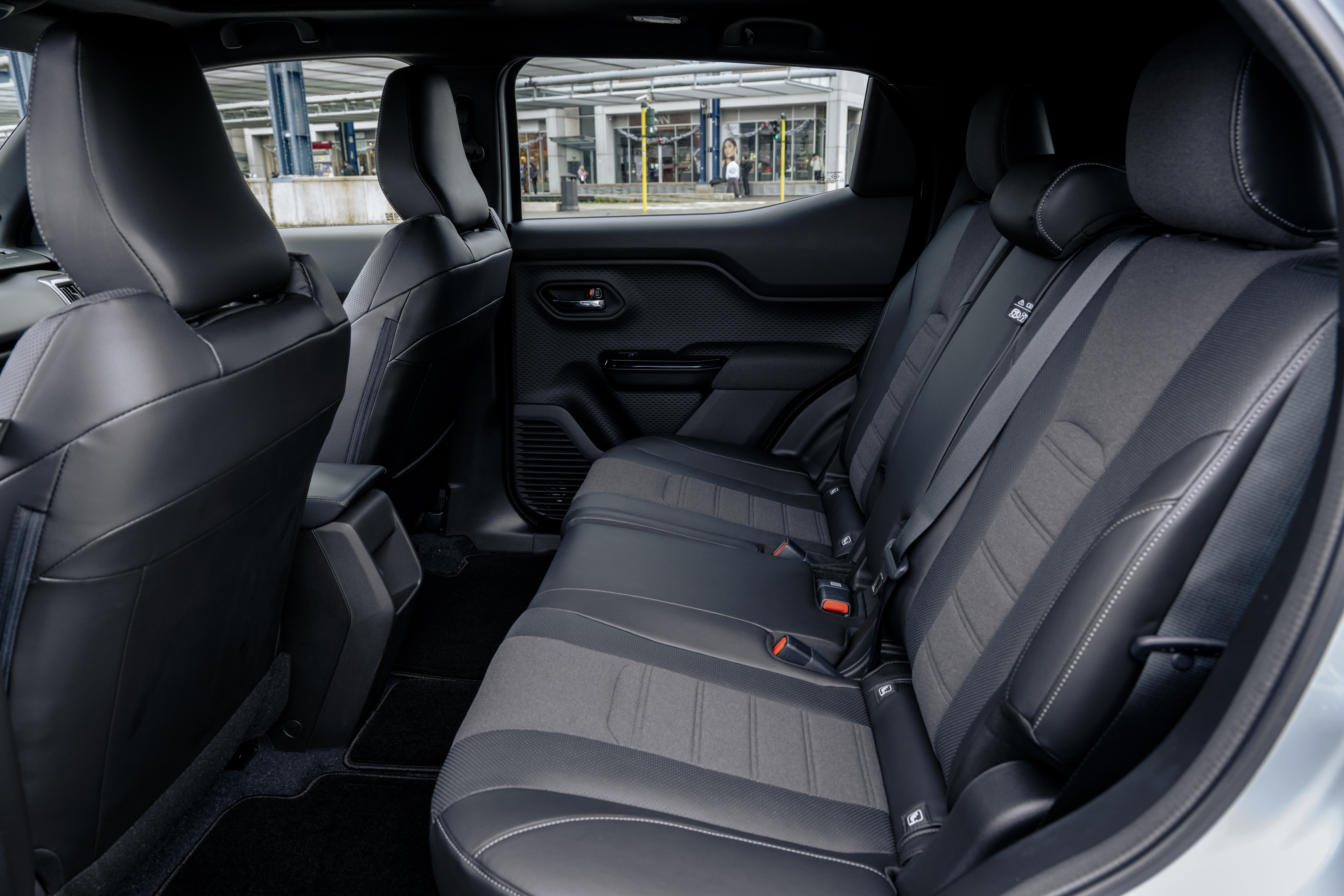
Rear-seat space is actually pretty decent, with good levels of both head and knee room – it's just a shame that the high floor robs passengers of some under-thing support.There are USB-A and USB-C charging ports in the centre console, easy-reachable Isofix points, and wide-opening rear doors. There are no pockets on the back of the seats, and if you want cupholders you will have to fold down the middle section of the seats – bizarrely, there's no separate armrest.
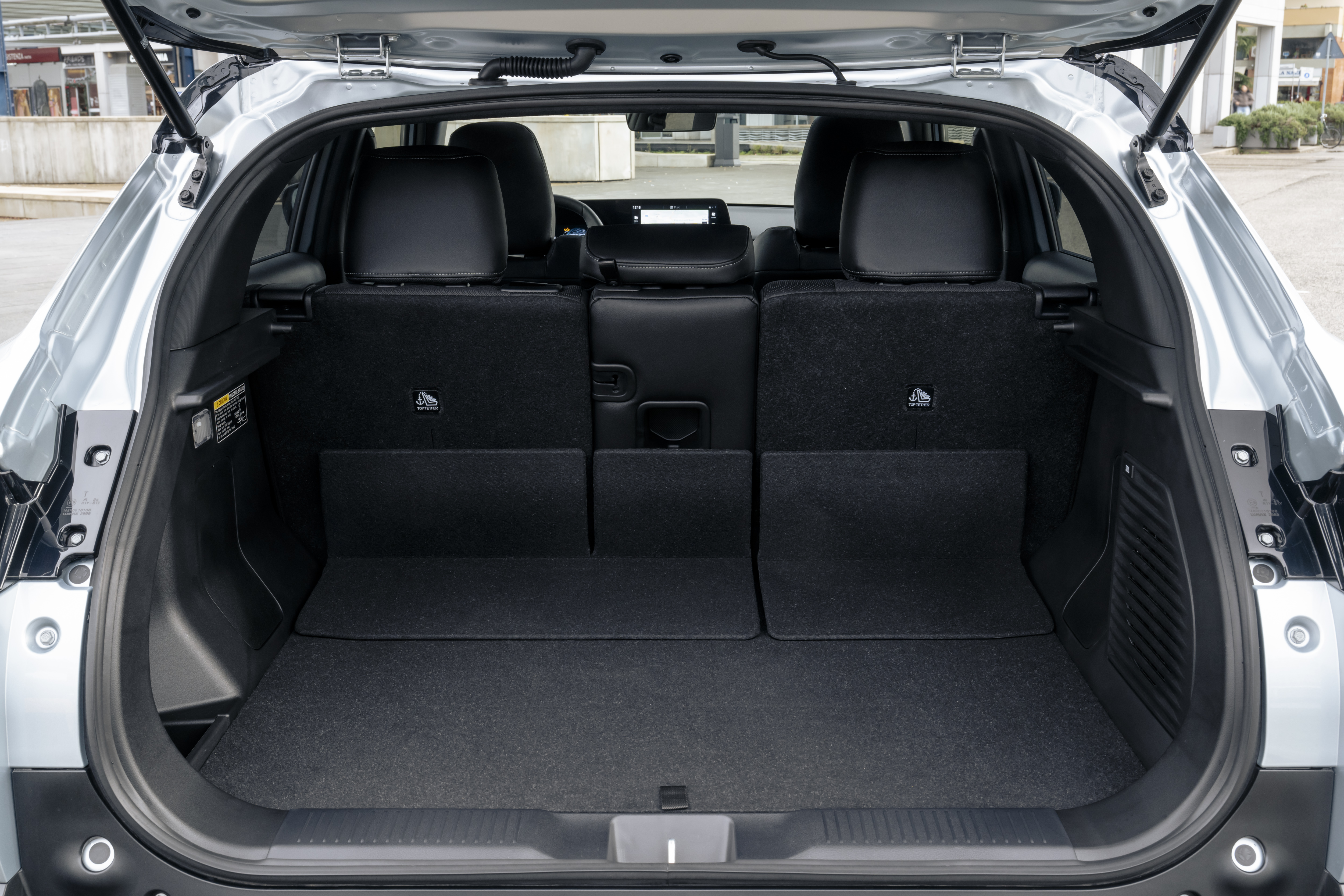
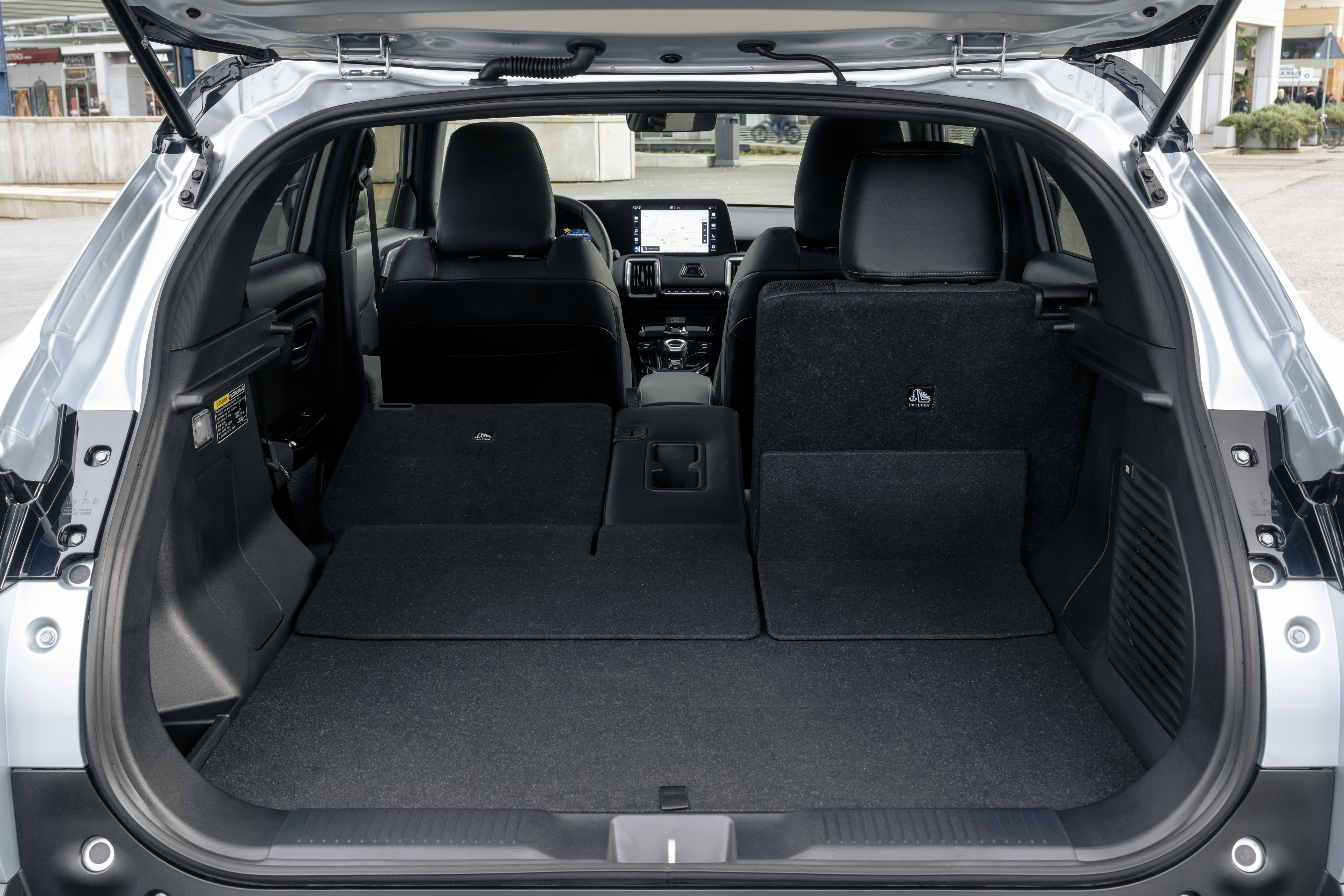
There is some better news when it comes to practicality as the rear bench can slide backwards and forwards, prioritising either rear legroom or boot room. It's just as well, really, as you get 244 litres of space – that’s less than a Dacia Spring! Slide the seats forwards, though, and there's 306 litres available. But this is still way less than the Skoda Elroq's 470-litre capacity. As for underfloor storage there is pretty much none of any note, and there's no handy frunk (under bonnet storage).
Interior, design/styling and technology
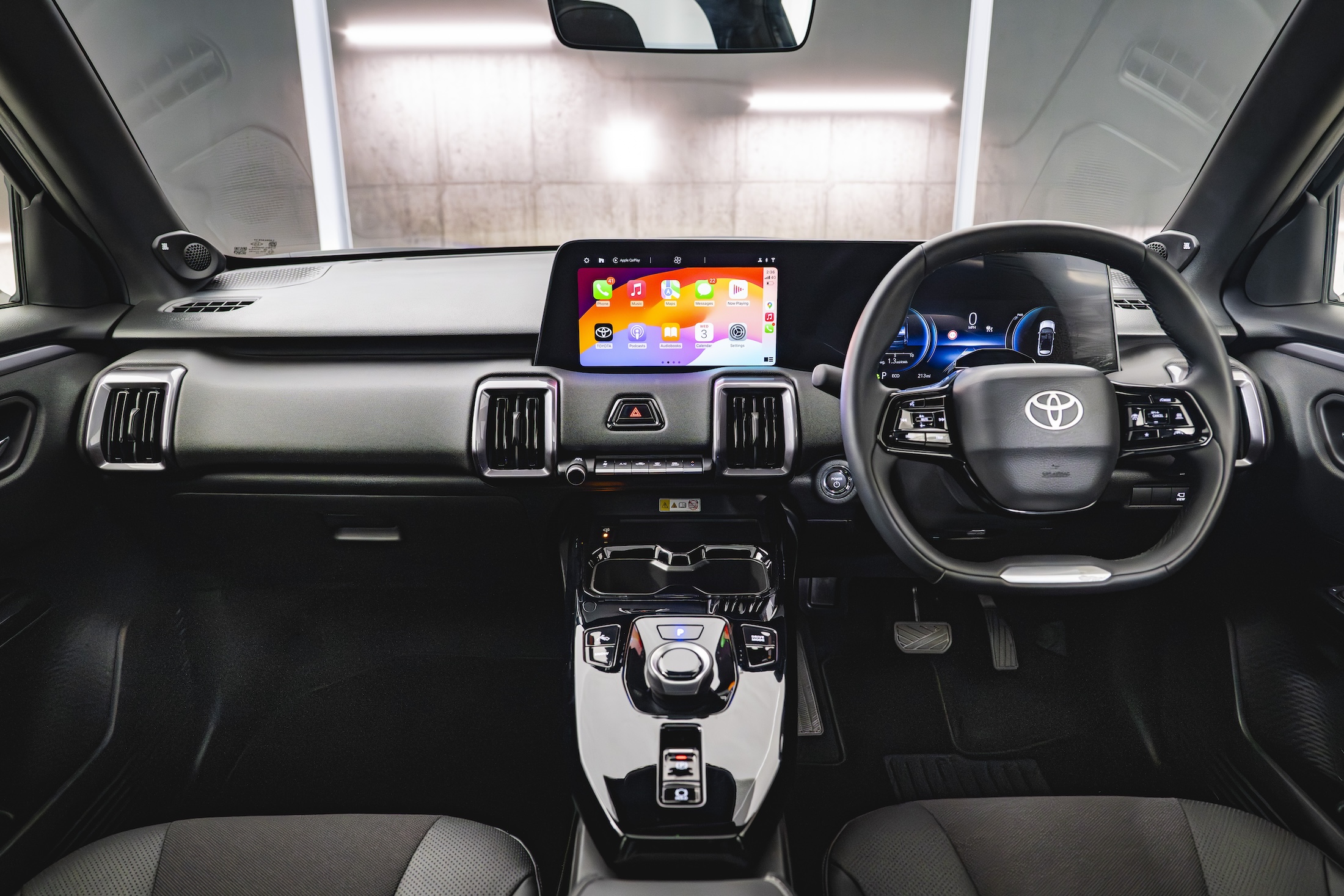
While Toyota has been able to give the Urban Cruiser a bit of a family look by changing the car's nose, it hasn't been able to pull off the same trick inside. Apart from a Toyota badge on the steering wheel and a picture of an Urban Cruiser on the infotainment system, the interior design is identical to the Suzuki's.
I'll come back to the infotainment, but firstly I want to talk about the interior's fit and finish. There's a solid, robust feeling, but that's pretty much it. Admittedly there's an assortment of different patterned plastics dotted around the cabin, but they are all scratchy, with the shiny black plastic being a haven for scratches and finger prints. A Renault 4 has a quirkier design, while a Kia EV3 and Skoda Elroq feel plusher.
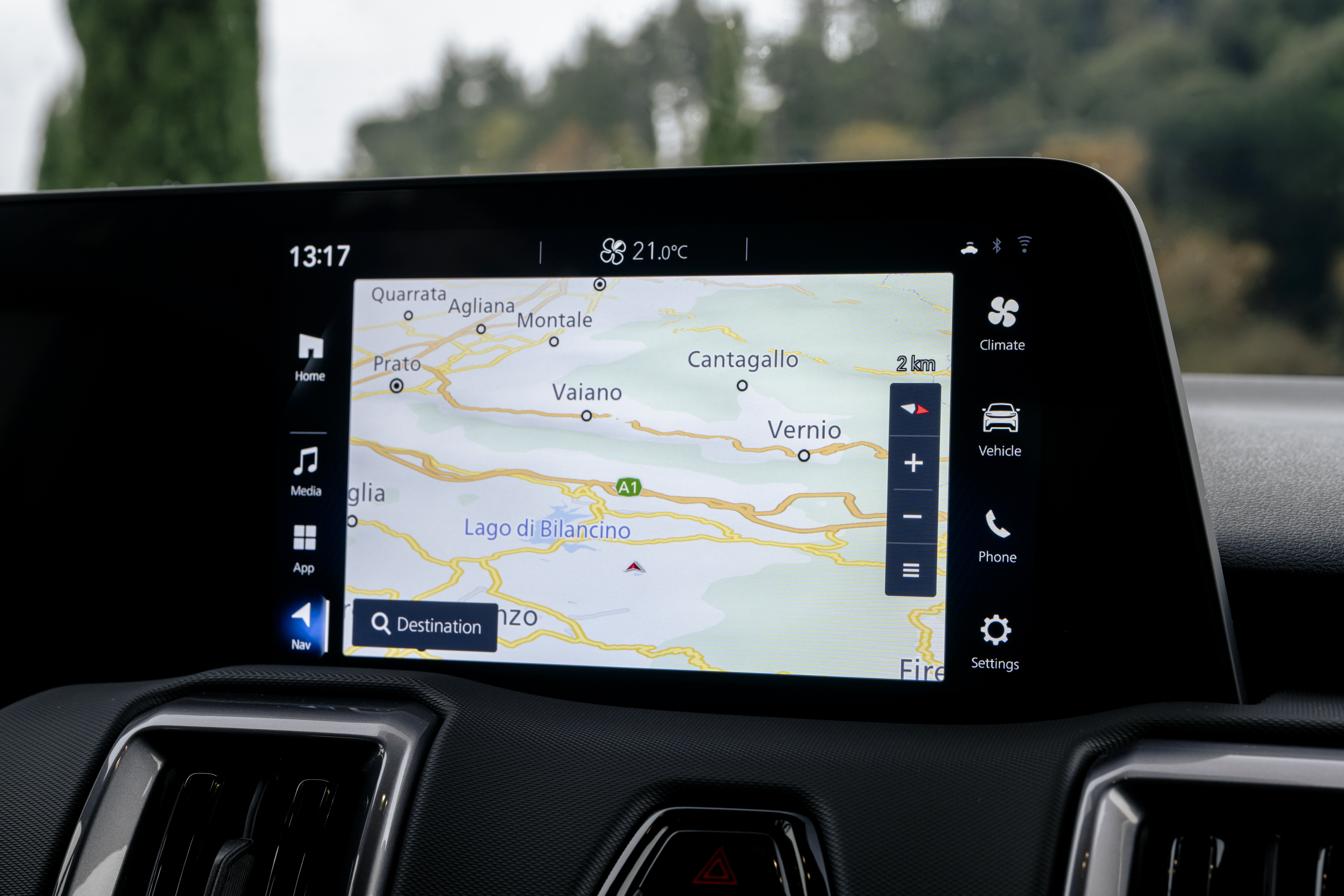
All of this is forgivable compared to the infotainment system, though. When we drove the e Vitara in prototype form, we hoped the laggy software was a glitch and that production cars would have ironed out the system's foibles. This wouldn't seem to be the case, though, as the touchscreen in this Urban Cruiser was desperately slow to load and react to inputs.

But before the driver can even use the touchscreen after switching on the ignition, the screen displays a 360-degree camera view of the car. So, if it's a winter's day and you want to whack on the heating, you have to watch a bird's-eye trip around the car's surroundings. The system's laggy nature is more of a problem when it comes to trying to perform just basic tasks. On most occasions, tasks require two prods of the screen to actually action them; the most frustrating is the driver assistance menu, as if you want to turn off any of the systems like the lane-keep assist, for example, you have to watch a little video of the system in action. Happily, wireless Apple CarPlay and Android Auto are standard.
Actually, there is one thing that makes the Urban Cruiser different from the e Vitara – there's no option to have the Suzuki's classy brown interior option. There's just the choice of black in the Toyota.
Motors, performance and handling
Unlike the Suzuki e Vitara, which offers a dual-motor all-wheel-drive version, the Urban Cruiser is front-wheel drive only. This means 144hp for the 41kWh version, and 174hp for the larger battery.
I've only driven the larger battery version so far, and while its modest 174hp won't trouble a Volvo EX30 or MG4 in a sprint, there's decent enough acceleration around town and on faster roads. It also feels quicker than its official 8.7-second (9.6 seconds in 41kWh car) 0-62mph sprint time, although during our tests on damp roads a heavy right foot saw the front wheels spin.
In keeping with its name, the Urban Cruiser feels very at home in cities. The high driving position gives great visibility and the light steering gives a darty feel. It's a shame, then, that the Urban Cruiser can't deal with pot holes and speed humps better, as it prefers to clatter into them far too frequently. You can also feel these crashes through the steering wheel and pedals – urban cruising is not this car's forte.

Pick up the speed on faster country roads and things improve a bit. That clattery ride settles down and there's a nice firmness to it – it stops the body moving around in twisty corners. But there's a lot of wind and tyre noise, and that light steering, which was so handy around town, feels too loose at higher speeds. There's also hardly any feel to the steering, which doesn't give much confidence. A Ford Puma Get-E feels far more sporting to drive, while a Kia EV3 walks all over the Toyota when it comes to refinement and comfort.
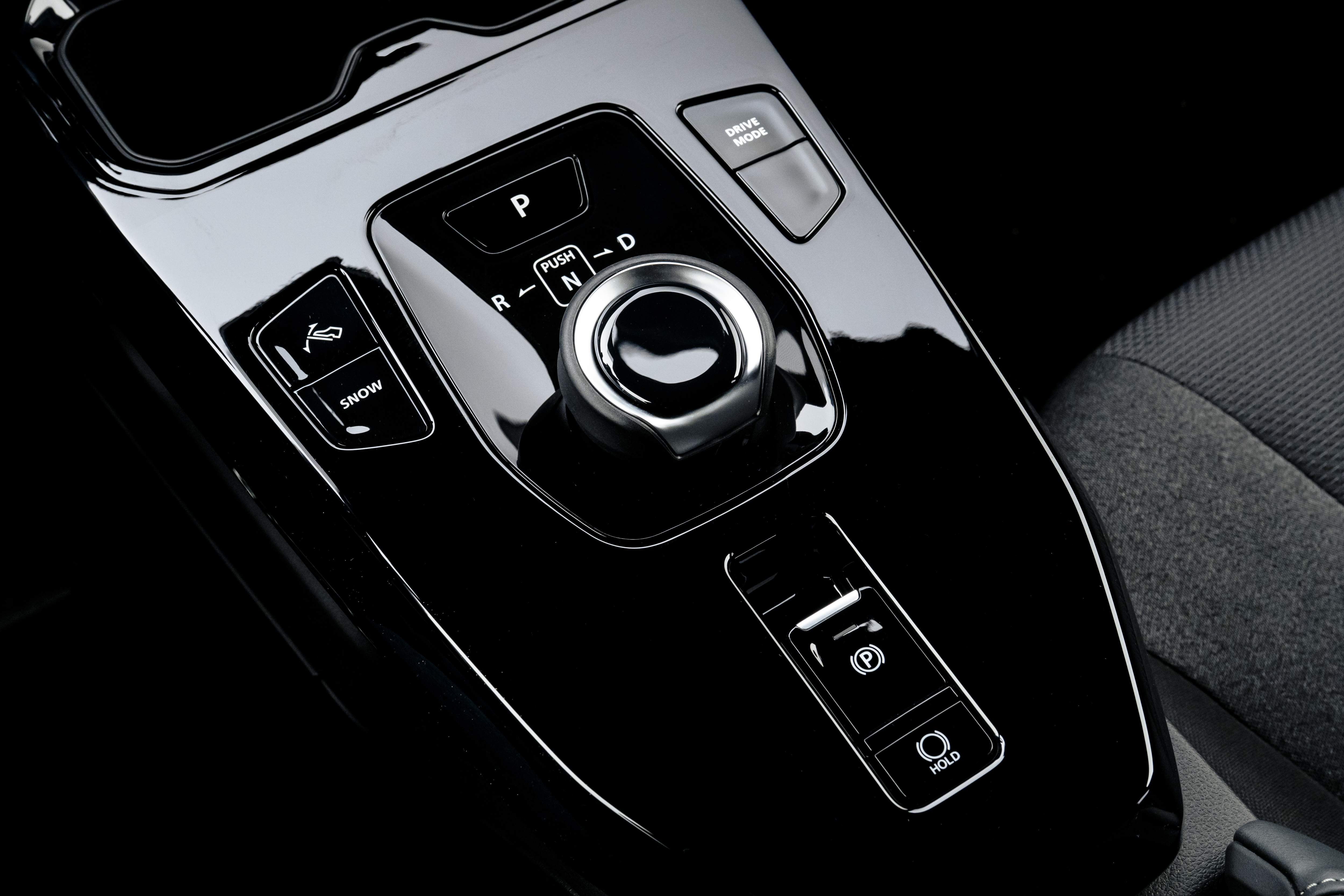
One of the biggest disappointments is the brake regeneration, as it's needlessly complicated. A button on the centre console handily switches the brake regen on and off, but to control the strength of the braking you have to dive into the touchscreen. Not only is this tiresome, but when you remember how slow the touchscreen is to react, you realise what a laborious process this is. Paddles behind the steering wheel or even a one-size-fits-all 'B' mode like in rivals would be better, especially as you can't adjust the strength while driving – presumably a decision made for safety reasons.
Running costs and pricing
With pricing starting at £29,995, the Urban Cruiser initially looks well priced. It comes with a decent haul of standard equipment, too, with the entry-level Icon getting 18-inch alloy wheels, a 10.25-inch digital driver's display, the 10.1-inch touchscreen with sat nav and Apple CarPlay and Android Auto phone connectivity, a host of safety features, the sliding rear seats, and a heat pump.
The Icon only comes with the 49kWh battery, though, so you need to look at the £34,460 Design for the larger battery. Even with its heated front seats and steering wheel, the pricing starts to look punchy. Want a glass sunroof, wireless smartphone charging, and a premium JBL sound system? You'll need to set aside £36,425 for the top-spec Excel.

At this price the 61kWh cars rub shoulders with some very talented rivals offering similar or better range, plusher interiors and faster charging. That's before you realise a handful of the competition are eligible for the Government's Electric Car Grant, with models like the Ford Puma Gen-E and Renault 4+ attracting the full £3,750 price cut. If that wasn't bad enough, at the time of writing Suzuki had introduced its own £3,750 grant, helping to make the Urban Cruiser's slightly lofty pricing look even worse value.
Unlike its more competitively priced rivals, though, the Urban Cruiser does have a card up its sleeve. It comes with Toyota's standard three-year/60,000-mile warranty, which can be extended up to 10 years provided the owner has the car serviced at a Toyota dealer annually.
Verdict
The small electric SUV class is a real hotbed at the moment, and the competition levels are only going to get higher. There are numerous excellent choices, ranging from efficient offerings like the Ford Puma Gen-E, charismatic cars like the Renault 4, superb all-rounders like the Kia EV3 and Skoda Elroq, and upmarket choices like the Volvo EX30.
Against this backdrop, the Urban Cruiser looks a little lost. While it may have an excellent warranty, a handy sliding rear bench, and proper small SUV ground clearance, it's wide of the mark in areas like efficiency, driving enjoyment, technology, and ease of use. It also manages to look slightly plain against its already-sensible-looking sister, the Suzuki e Vitara, thanks to being offered purely in front-wheel drive. Factor in numerous rivals attracting the Government's Electric Car Grant and therefore undercutting the Urban Cruiser significantly on price, it's a tough car to recommend.

 8
8.jpg?width=300&height=185)