





 Battery size: 66.5 - 70.5 kWh
 Miles per kWh: 3.9
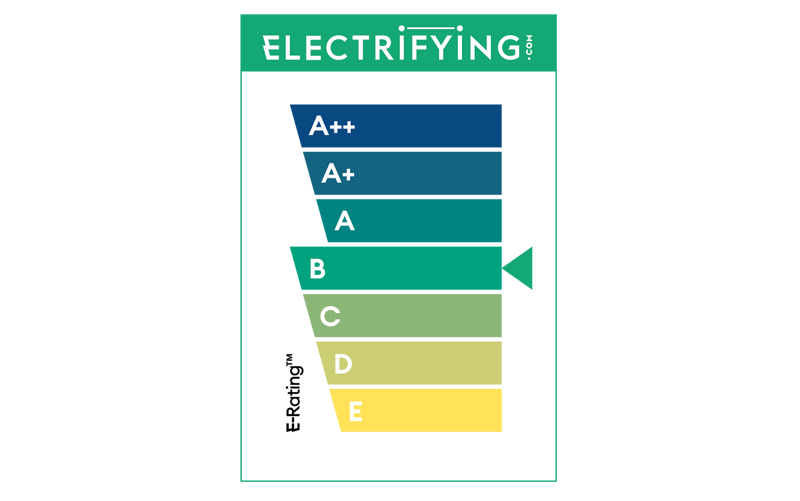
 E-Rating™: A
 Max charge rate: 100 kW
 Range: 255 - 321 miles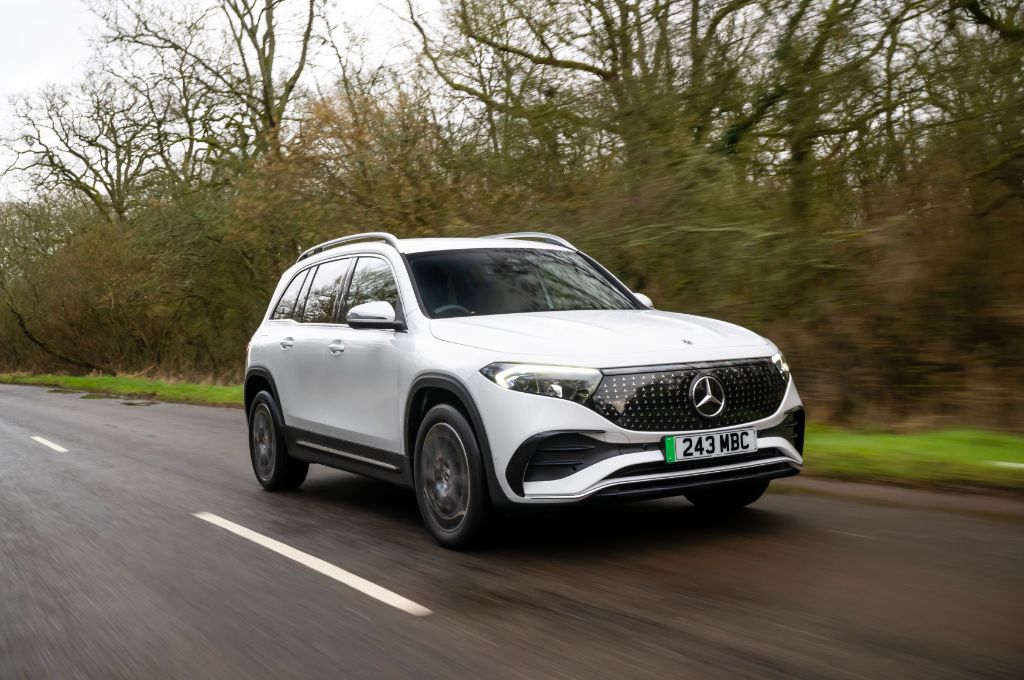



Introduction
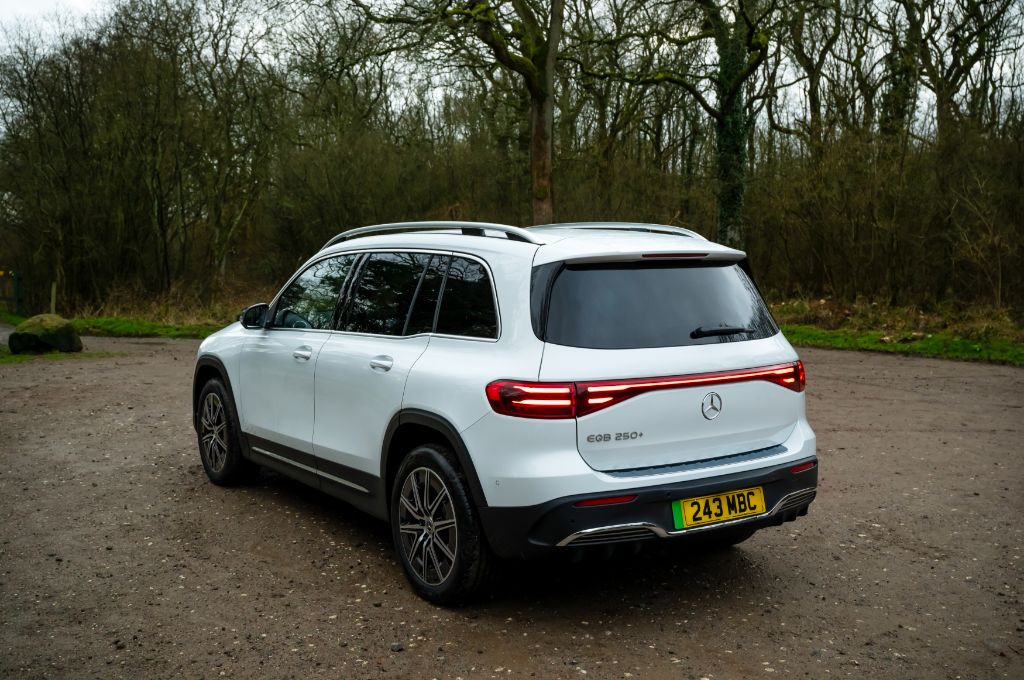
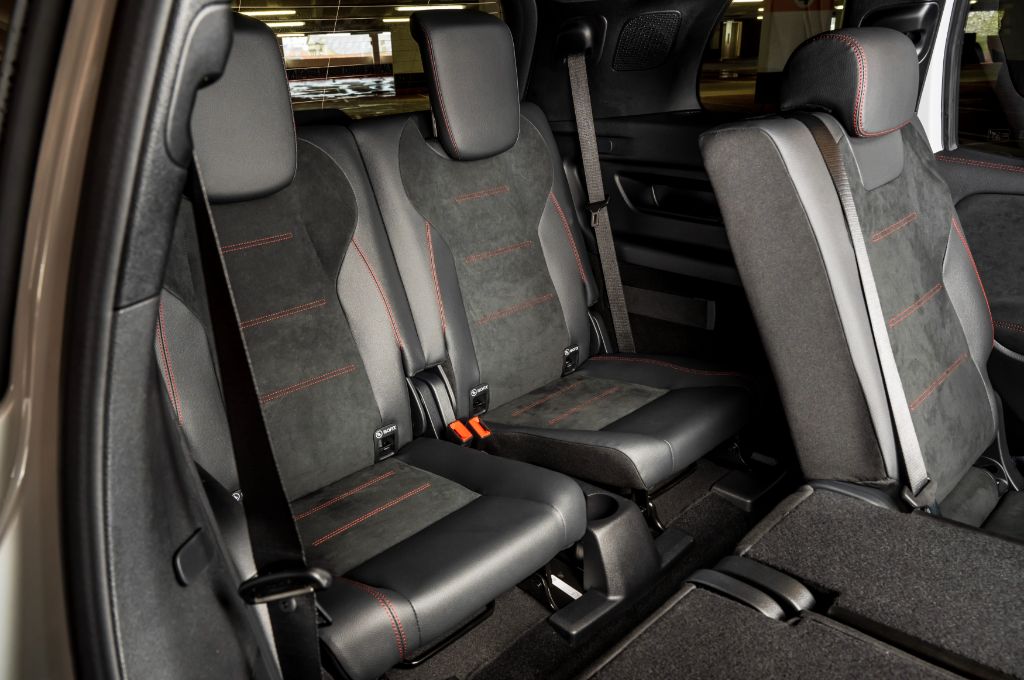
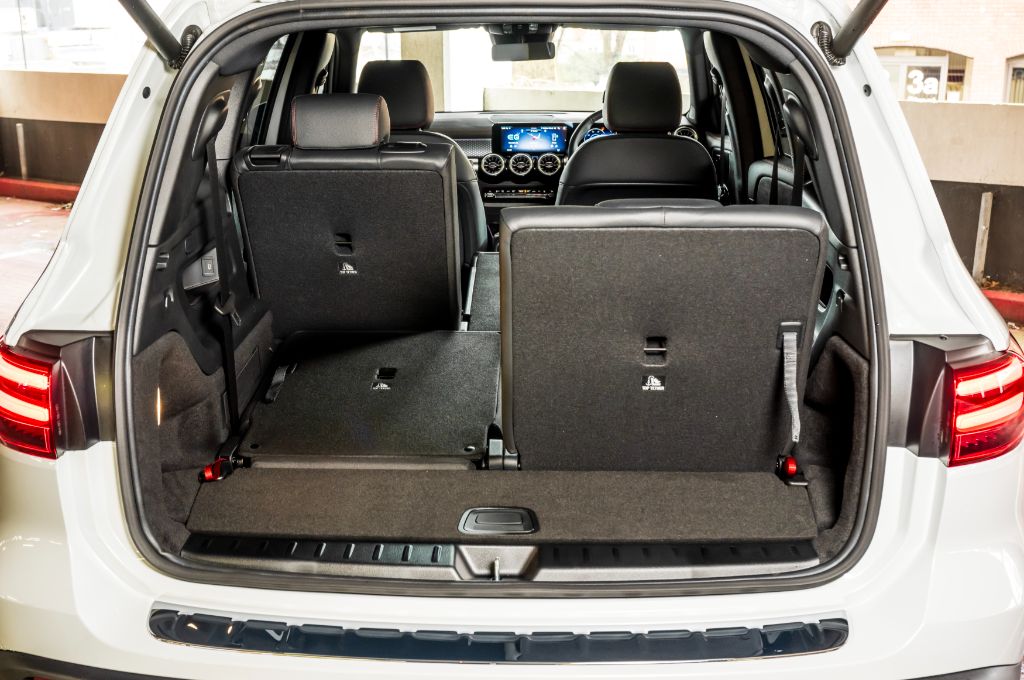
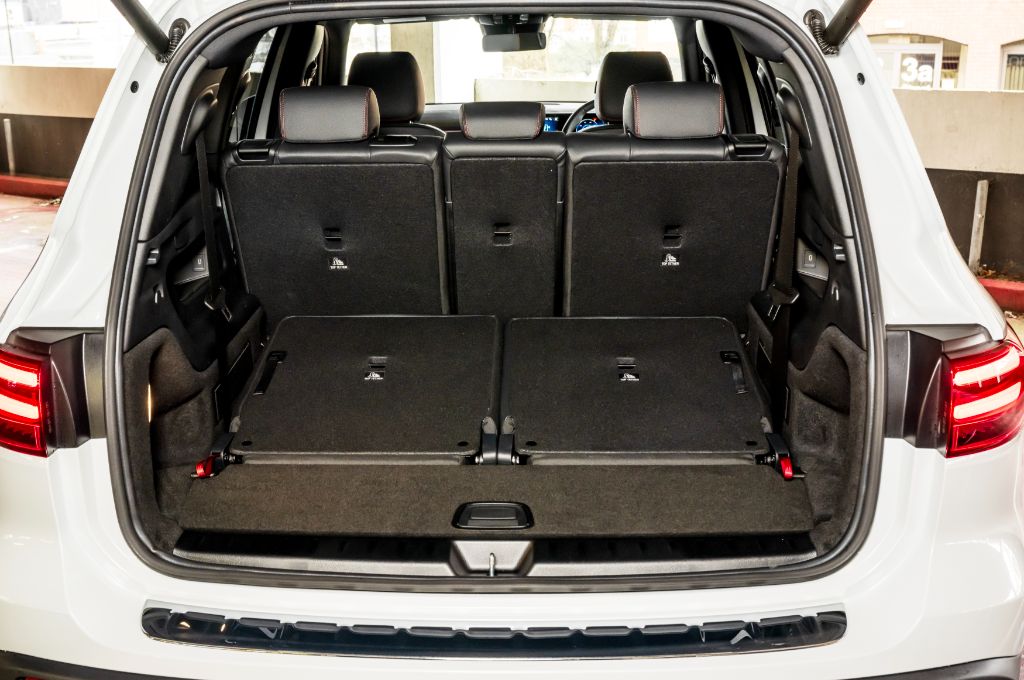
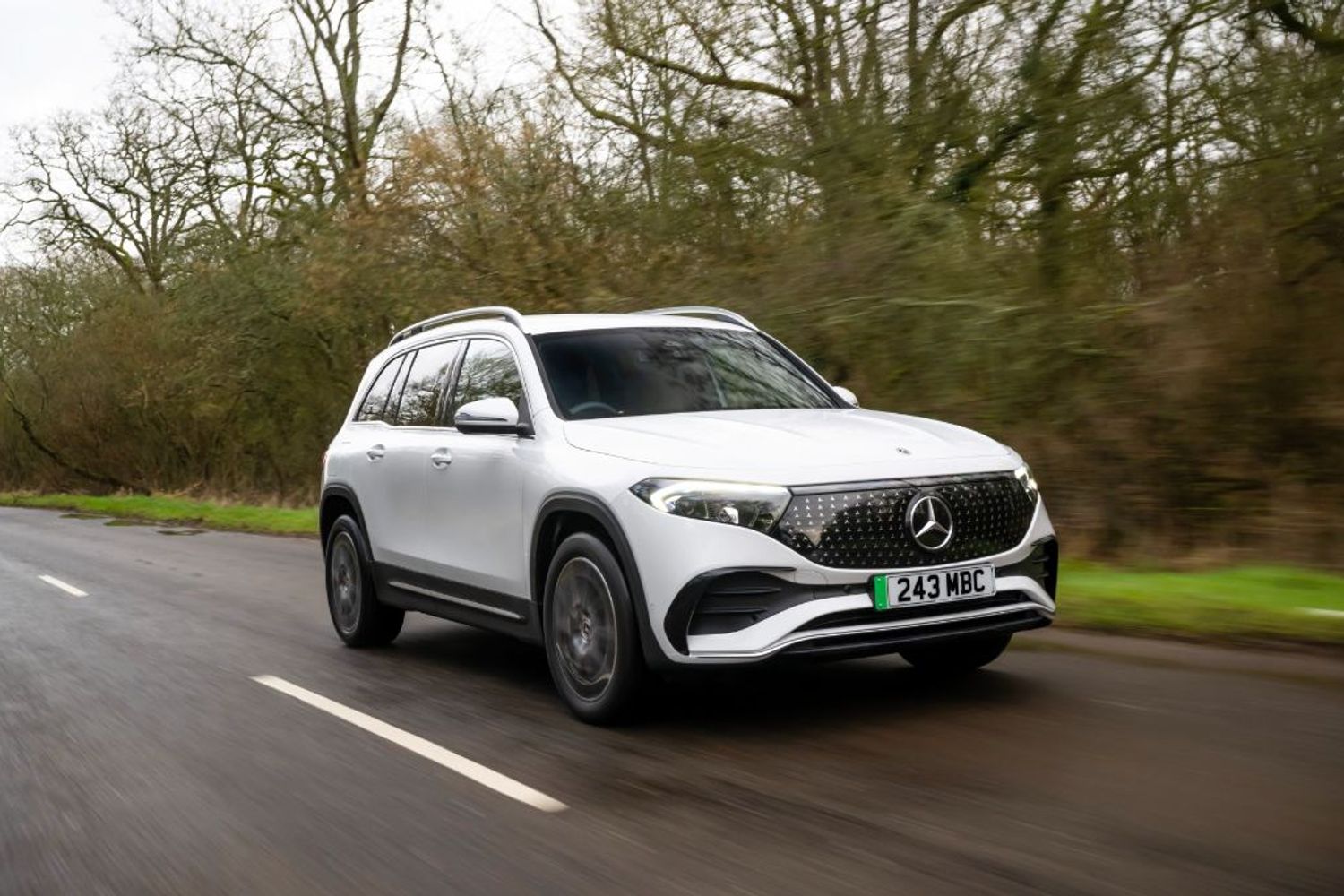
The Mercedes EQB is aimed at those buyers who want a third row of seats so that they can squeeze in seven people on the odd occasion, but that might not want a huge, full-size seven-seater like the Kia EV9. Mercedes reckons that it'll be the kind of folk who currently consider cars like the Land Rover Discovery Sport and Skoda Kodiaq that will consider the EQB for carrying their tribe.
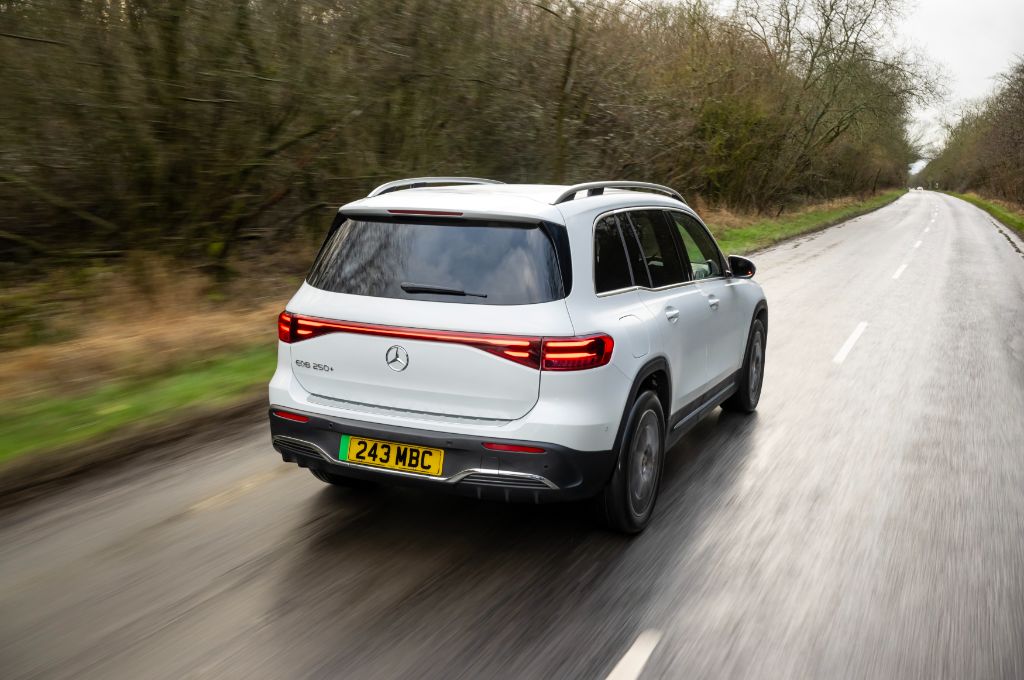
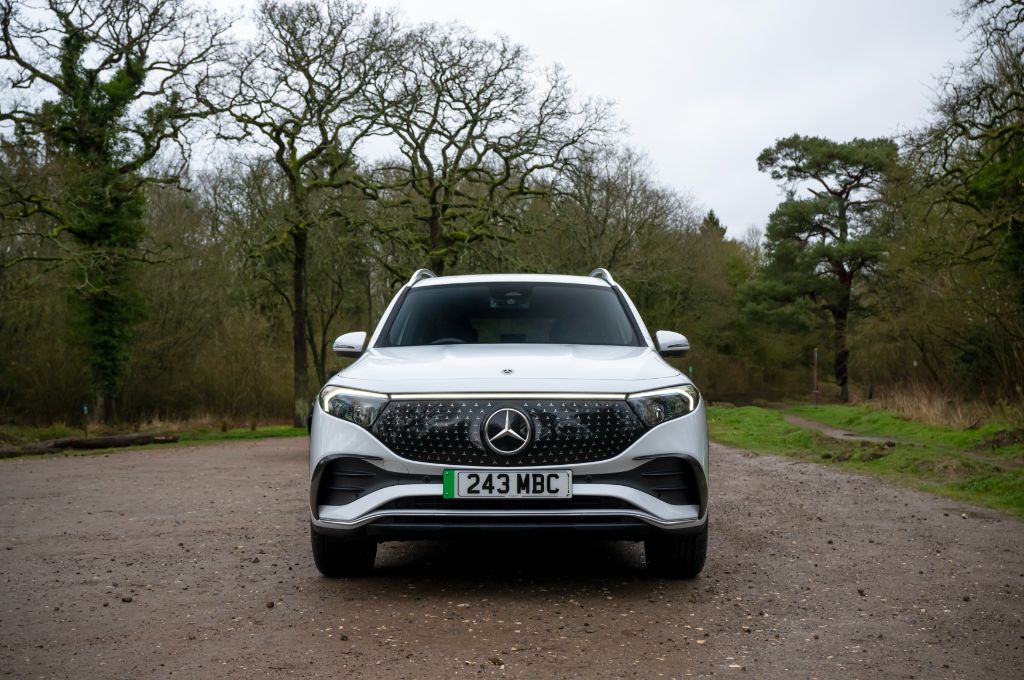
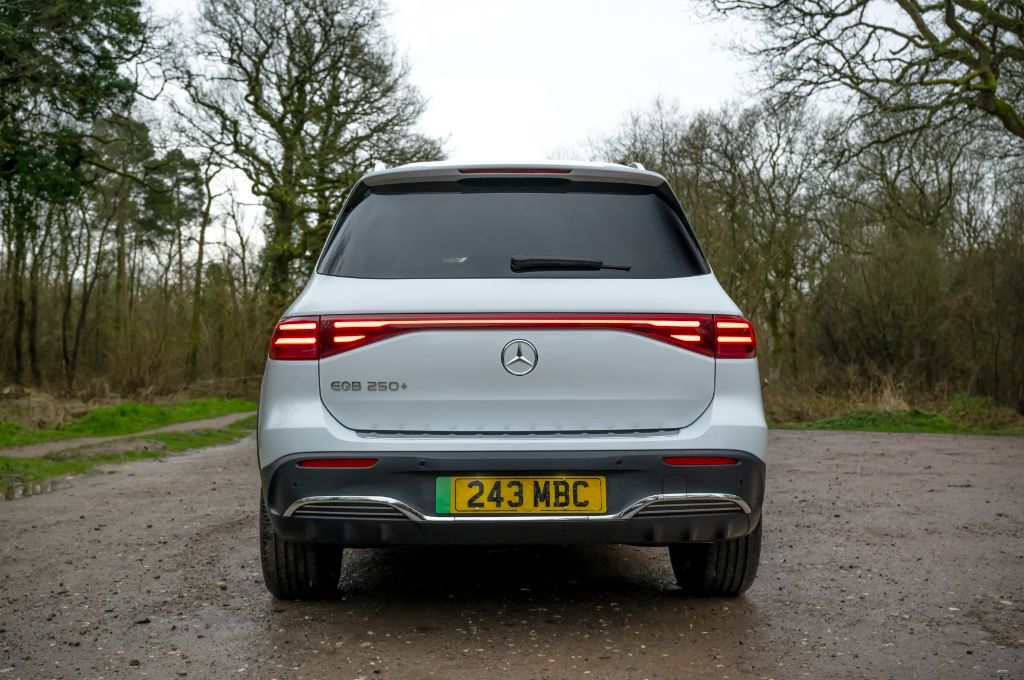
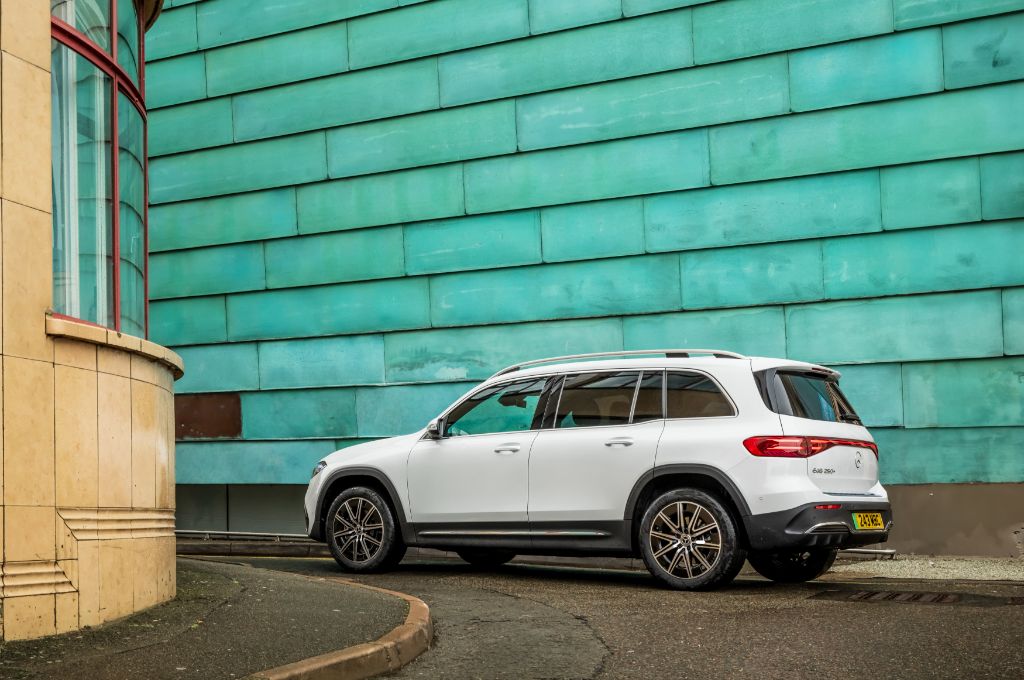
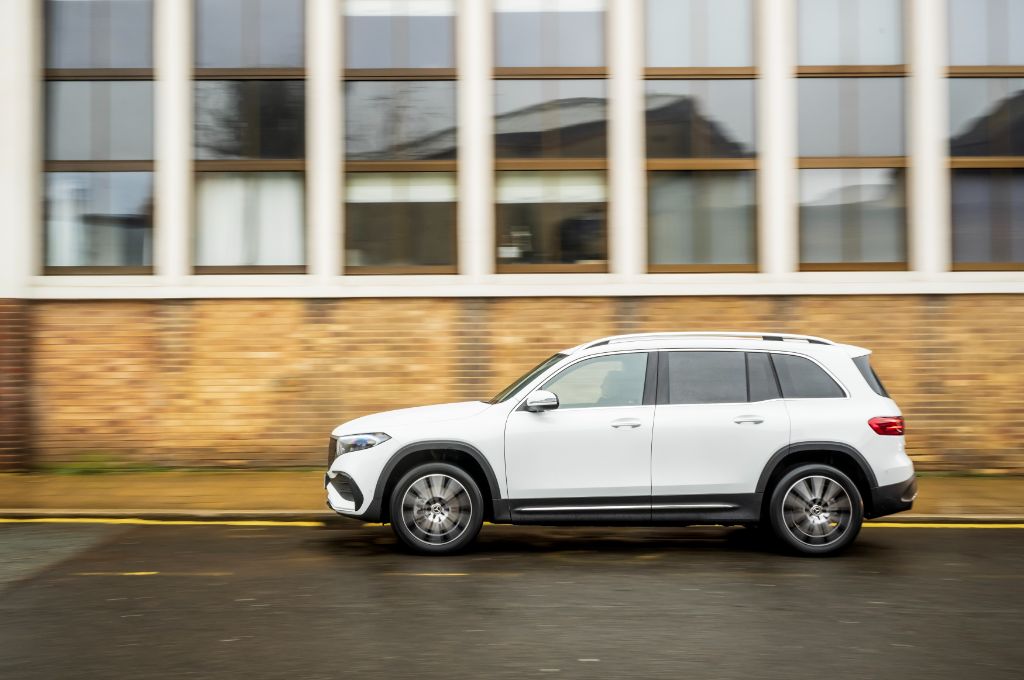
In terms of design, the EQB is unashamedly boxy. There’s no swooping roofline, letterbox windows or shoulder-high window line trying to blur the lines between hatch and SUV here. But it is a little lower and less sporty than most SUVs, so has a hint of estate car about it too.
Size-wise, the EQB measures 4,687mm long, which is about 10cm longer than a Volkswagen ID.4 but fractionally narrower. However, because the EQB is based on a conventional piston-engined car (the GLB) it comes with packaging compromises.
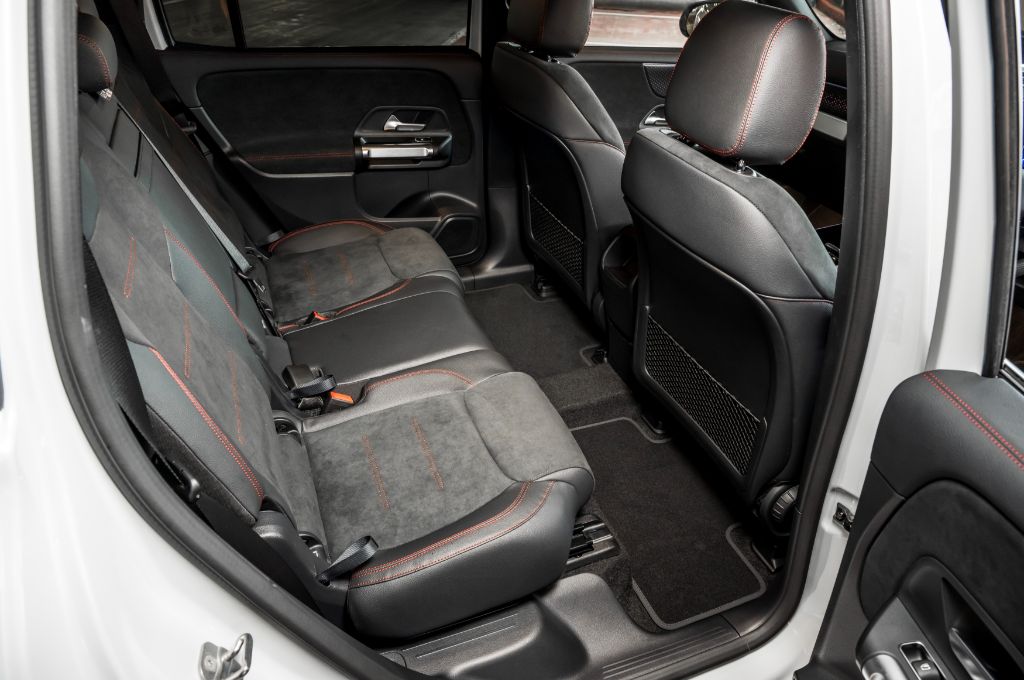
A big engine bay means that valuable front space is lost while the requirement for a transmission and exhaust tunnel in the petrol GLB means that there's a raised tunnel in the floor of the EQB. For that reason, cars like the Enyaq, ID.4 and Tesla Model Y feel much more spacious.
To our eyes, we rather like the upright stance and neat proportions of the EQB - more so than the blobbier styling of the smaller EQA, although fans of more modern, angular looks may prefer alternatives like the BMW iX1, or even high end version of the Skoda Enyaq - but crucially neither of these electric SUVs can be specced with seven seats. The closest rival on that front is the vastly bigger, more expensive and more brazenly-styled Kia EV9, unless you can find one of the rare Tesla Model Ys with extra seats.
What’s the real-world range of a used Mercedes EQB?

You’ll mainly see three types of EQB on offer. The first is the 250+, which has front wheel drive and is generally the best choice if range and efficiency are your top priorities. The official range when new was up to 320 miles on the post facelift car depending on the trim and wheel choices. In the real world with a few miles under its belt, expect a range of between 230 and 300 miles.
The next models up are 4MATIC all-wheel-drives, with the extra performance and grip that brings - but also you will experience a few miles less range.
How long will the battery on the Mercedes EQB last?

As with all electric cars, the battery degradation rate will depend on how the car has been charged. Regular rapid top ups and leaving the car with charge levels of above 90% or below 10% for long periods will take their toll on the battery life. You can assume a loss of capacity of around 1-2% per year or 12,000 miles.
We checked the independent battery heath checks of EQBs offered by our preferred dealers and there was a 2022 EQB 350 with 91,800 miles and a 95% figure. The same year with 41,700 miles had a 97% score.
How reliable is a used Mercedes EQB and what are the common problems?

There have been a couple of recalls which should have been fixed on any car you are buying. The first was a battery management issue which required owners to stop charging at 80% until a battery management system update was applied.
The second was a software issue that could result in loss of power steering.
Owners on EQ forums mention a few 12V battery issues and some say the dealer has replaced it under warranty. This is a common issue with electric cars which aren’t used often however.
There have also been some reports about coolant leaks into the battery area, but this doesn’t seem to be a widespread fault and is covered by the warranty.
Which is the best version to buy?

For many people, the best choice will be the EQB 250+. Although it is front wheel drive only, it drives well and is the most efficient. It has 190hp and the 70.5 kWh battery.
The dual motor EQB 300 4MATIC has all-wheel drive and 228hp, while the EQB 350 4MATIC is the most powerful with 292hp.
In terms of trim levels, the Sport Executive is the cheapest but is rare - most buyers plumped for an upgrade if only to escape the weedy looking wheels. Standard equipment includes heated front seats and a parking camera.
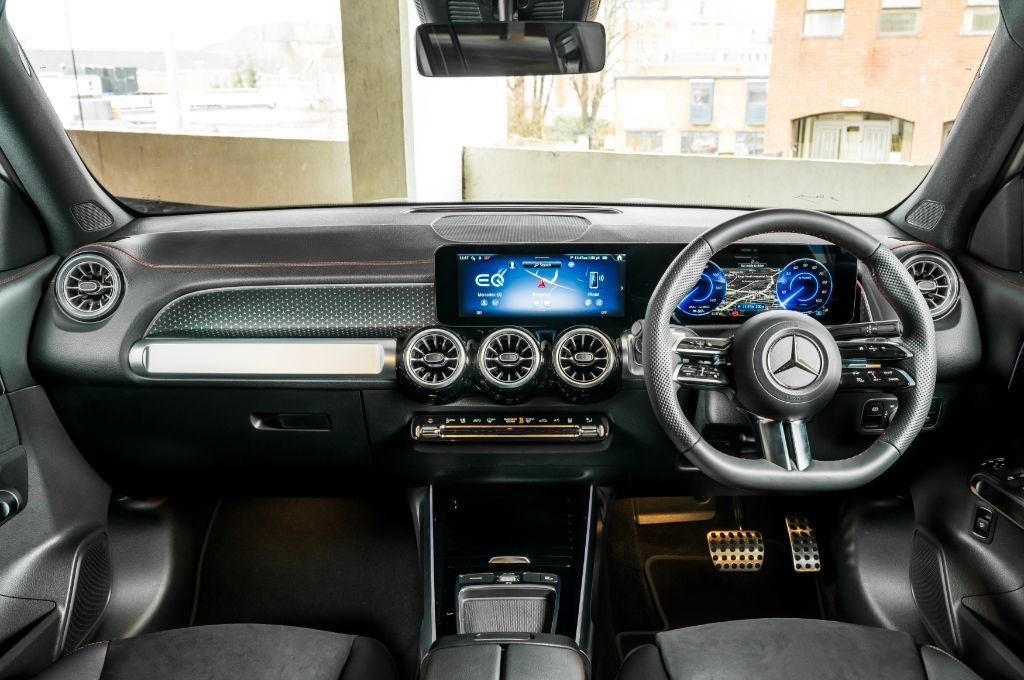
Next up the ladder is the AMG Line Executive which adds sportier AMG exterior styling cues, 19-inch wheels, smartphone integration and some nicer finishes inside.
You might find an Urban Edition too, which has 20-inch black AMG wheels, black exterior trim, and a posher Nappa leather sports steering wheel.
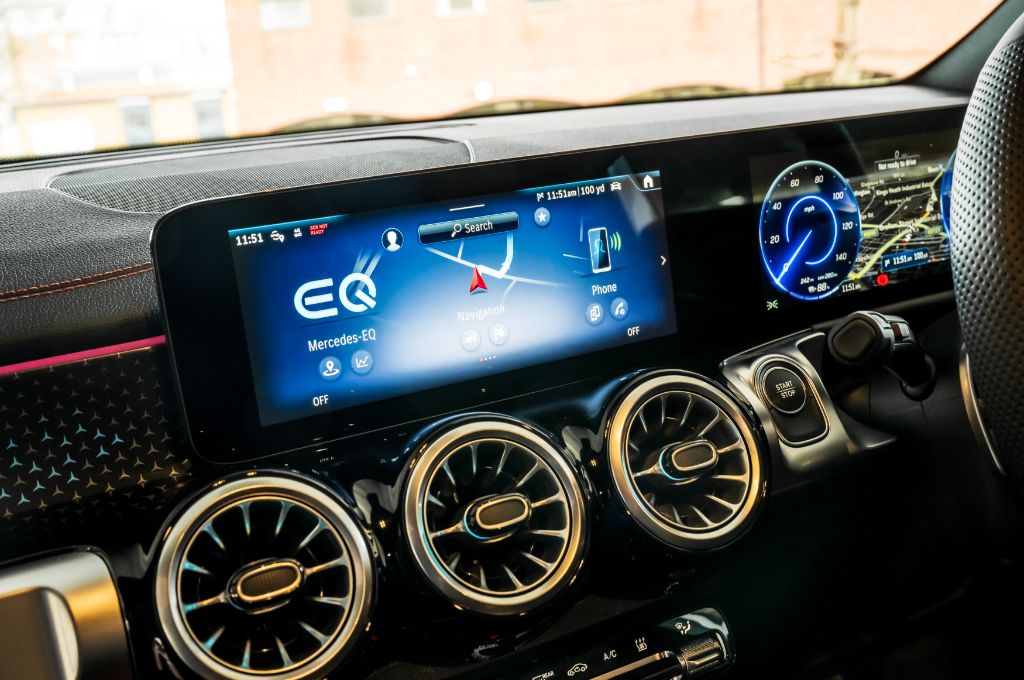
The AMG Line Premium also has 20-inch wheels, plus keyless go, a 360° camera and a better sound system. Top of the tree is the AMG Line Premium Plus which has numerous infotainment upgrades and access to more option packs.
The refreshed EQB arrived around late 2023, so you’ll see cars listed as the 70.5kWh, with earlier cars often quoted with a smaller capacity of 66.5kWh.
How long is the warranty?

Like all Mercedes cars, the EQB is covered by a three-year warranty with no mileage limit, including roadside assistance. The battery is covered by an eight-year/100,000-mile warranty. Expect any dealer selling a used EQB to provide at least a year’s cover if the Mercedes guarantee has expired.
What are the ownership and running costs of a Mercedes EQB
All EQBs will have to pay a minimum of £195 road tax, and those registered after 1st April 2025 are also going to be subject to the Expensive Car Supplement if they had a list price of more than £50,000. It’s worth checking the car’s first registration date and whether it’s still within this window, as it will add an extra £425 to the bill between years two and six.
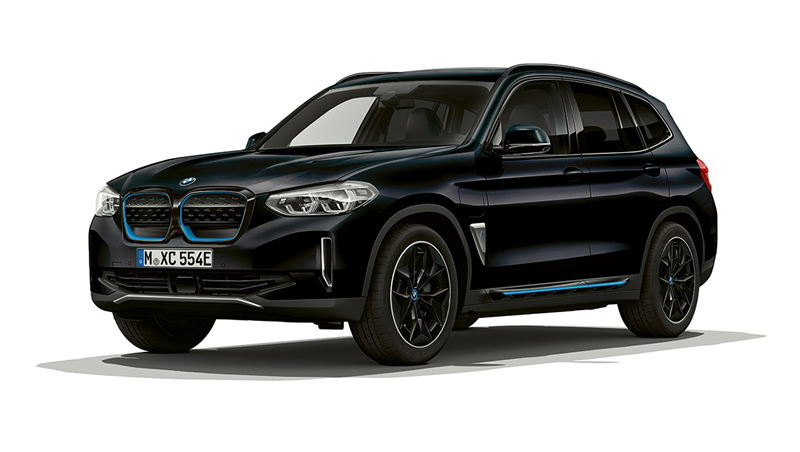
Servicing any Mercedes is expensive, even compared to rivals like the BMW iX3. Budget around £35 per month for a service plan. Look out for the tyre cost too. The bigger sizes can be pricey and require higher load ratings because of the seven-seat capability. Cheaper alternatives are available but they can affect the range and might not last as long.
What other cars should I consider?

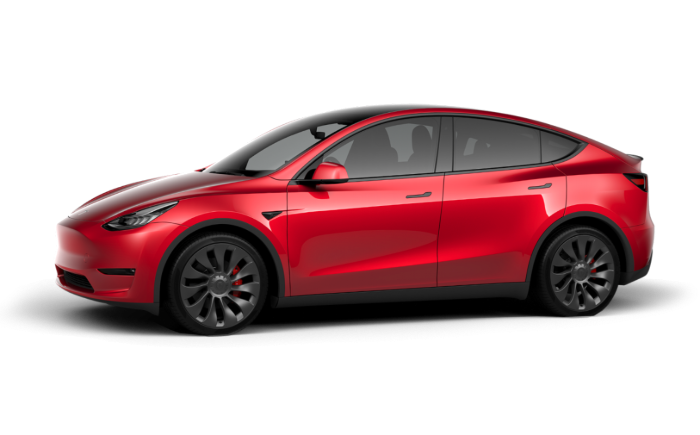
If you need the seven seat capacity there are very few rivals. The most obvious is the Tesla Model Y, which was available for just a few months with an extra pair of chairs in the boot. Otherwise there is the Kia EV9 and Hyundai IONIQ 9, which are larger but do overlap in price for some trim levels. Otherwise you’re looking at PHEVs or van-based alternatives including Mercedes’ own EQV.
If you don’t need the extra seats, take a look at Audi’s e-tron, Q6 and even the Q4 at the lower end of the range.

 8
8