





 Battery size: 74–97kWh
 Range: 337–460 miles
 Max charge rate: 160kW
 E-Rating: A+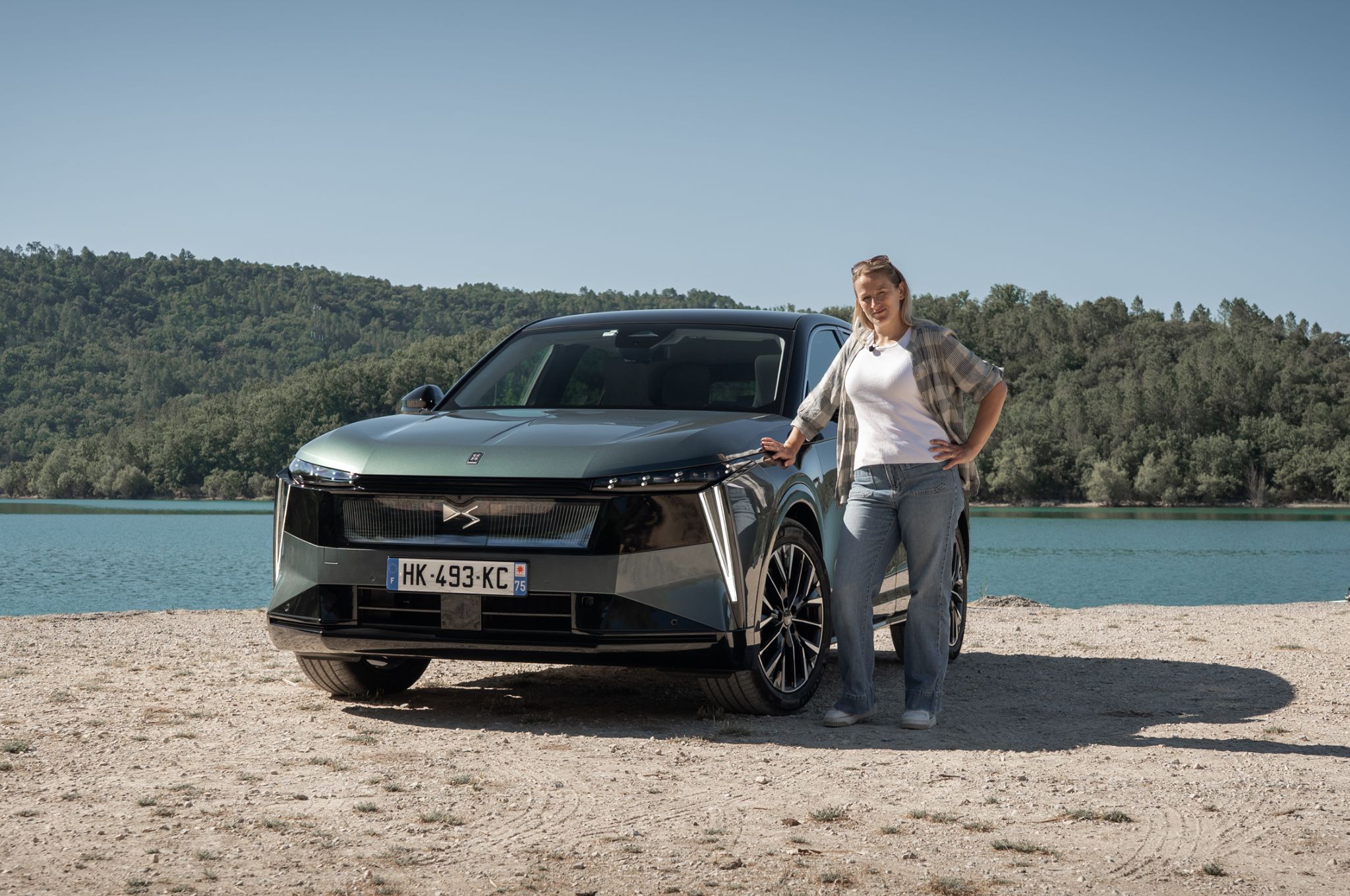



Introduction – DS No7
DS is a brand that’s seriously stylish but also quite rare on British roads. You don’t see them everywhere – which is exactly part of the appeal, to be fair. And if you are one of those people that likes something a bit different from the usual crowd, and you’re after a mid-sized family SUV, then the new DS No7 could be worth a closer look!
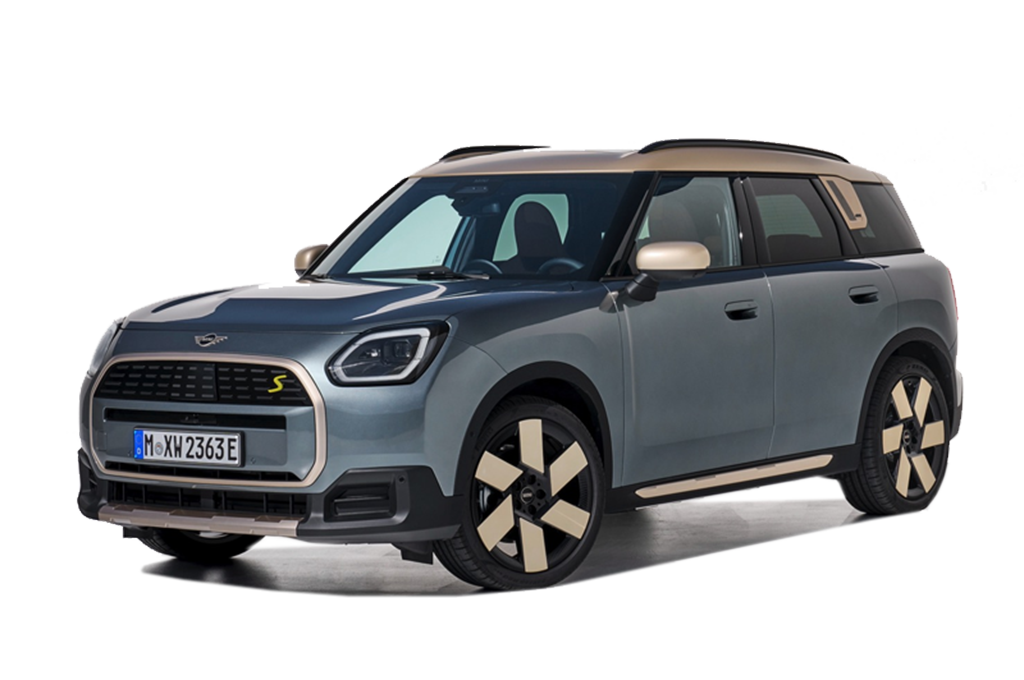
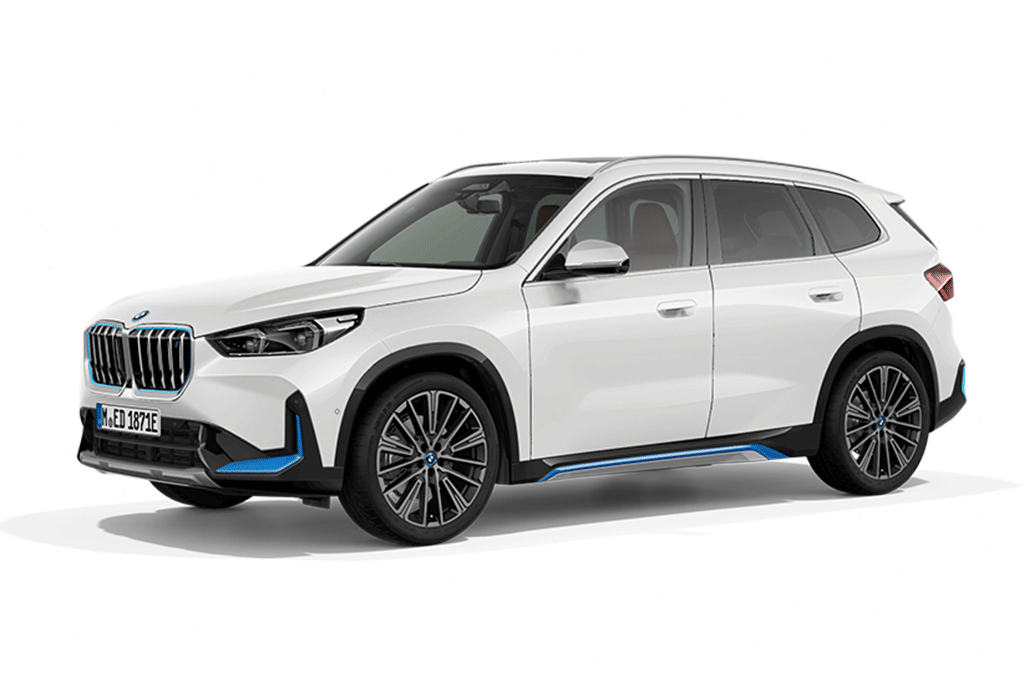
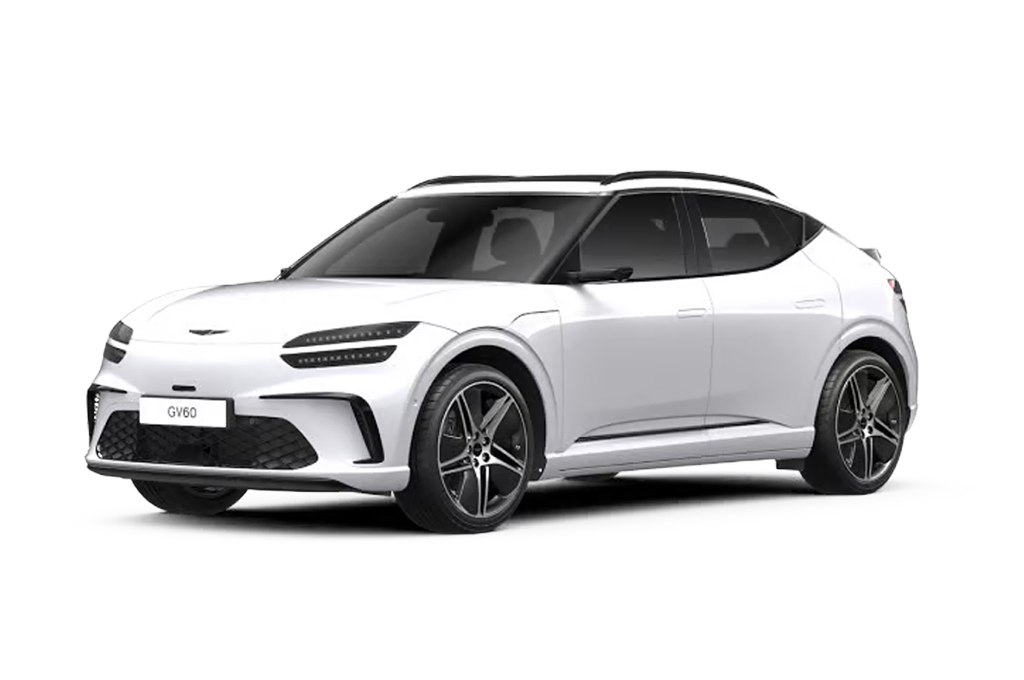
Sitting just below the flagship DS No8 in the brand’s electric line-up, the No7 E-Tense is an electric SUV designed to tempt buyers away from cars like the Audi Q4 e-tron, BMW iX1, Peugeot E-3008, Genesis GV60 and Mercedes GLB.
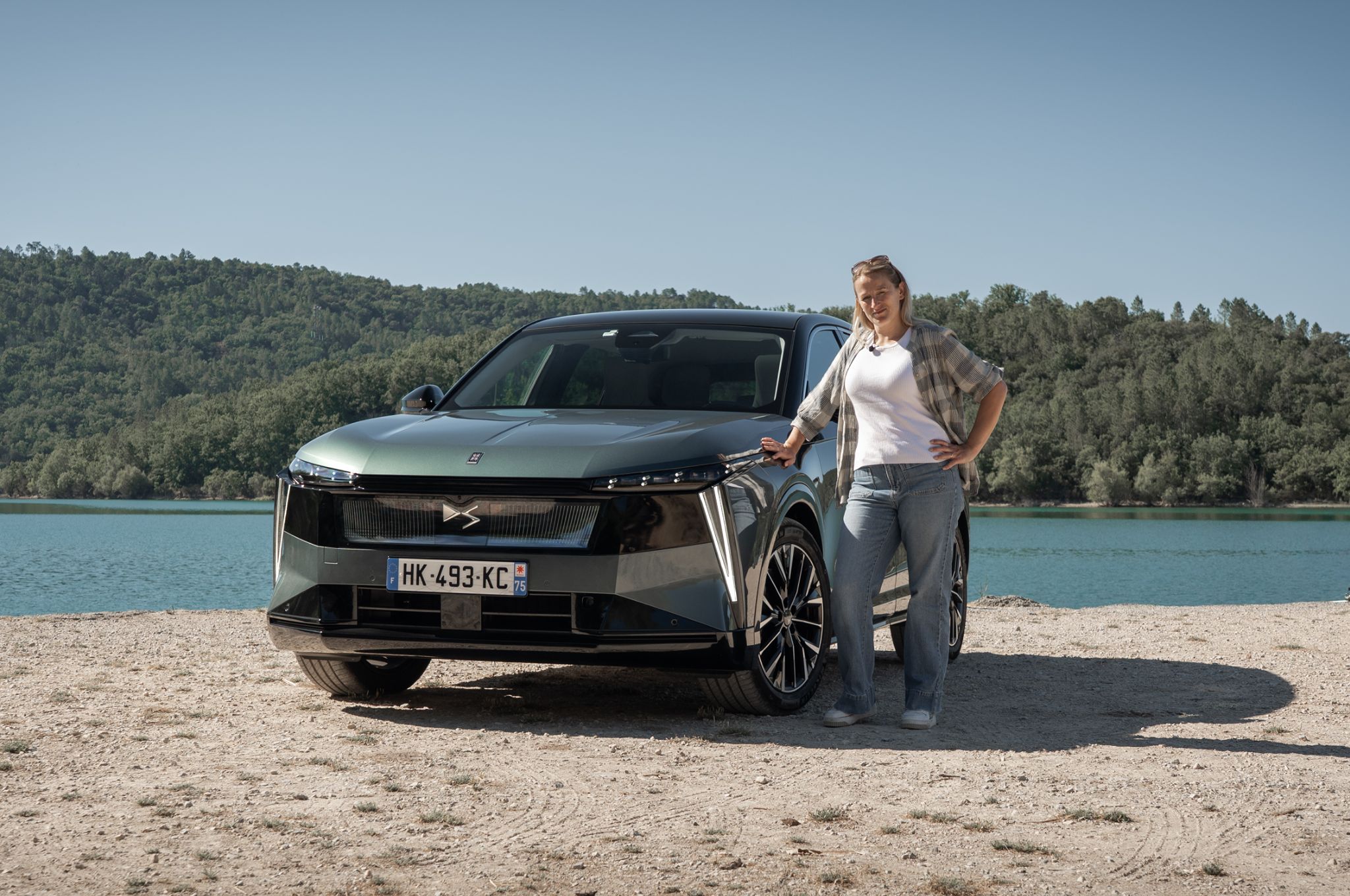
At 466 metres long, it’s right in the heart of the family SUV market, with a practical five-seat layout and a generous 560-litre boot.
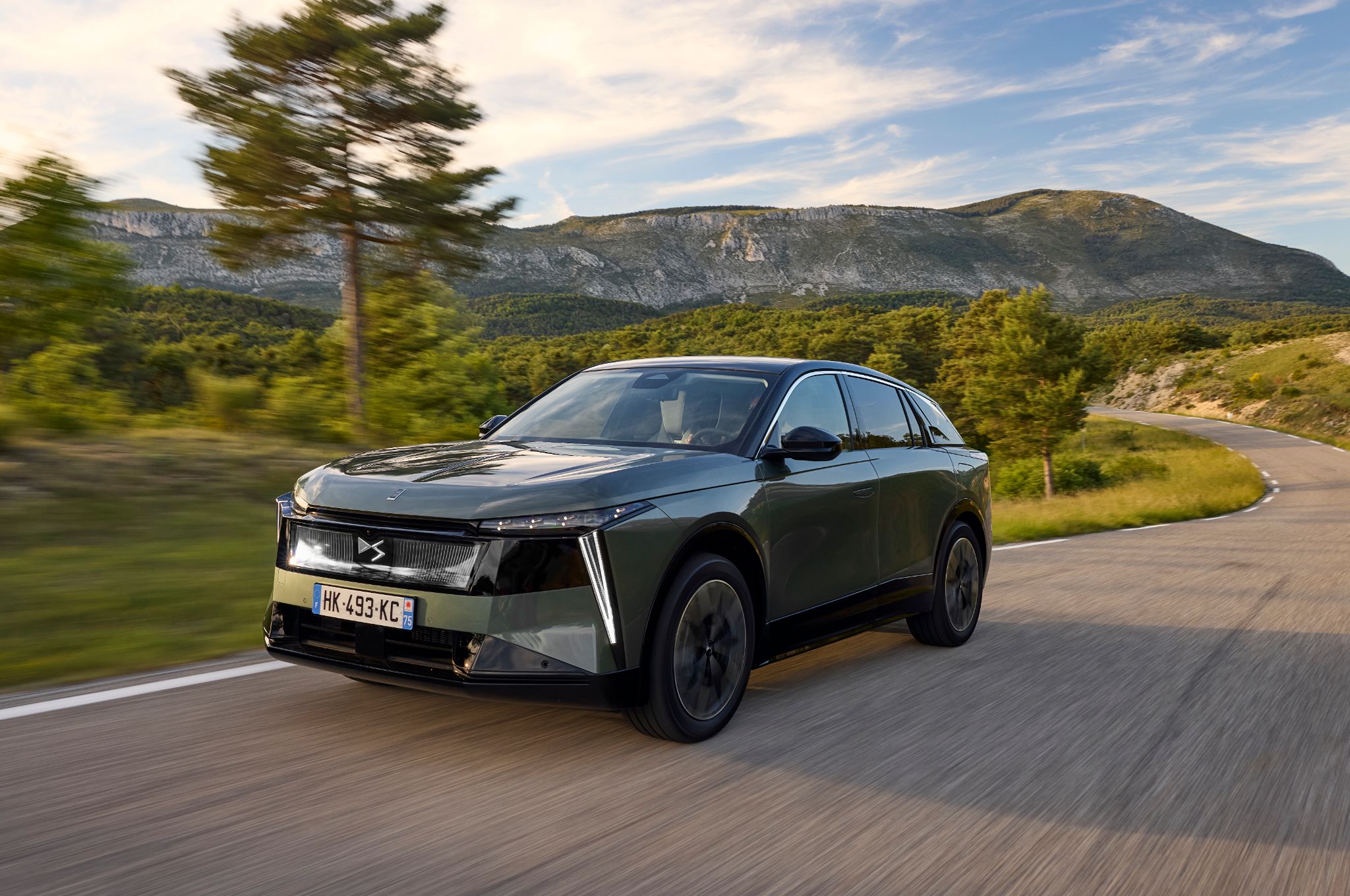
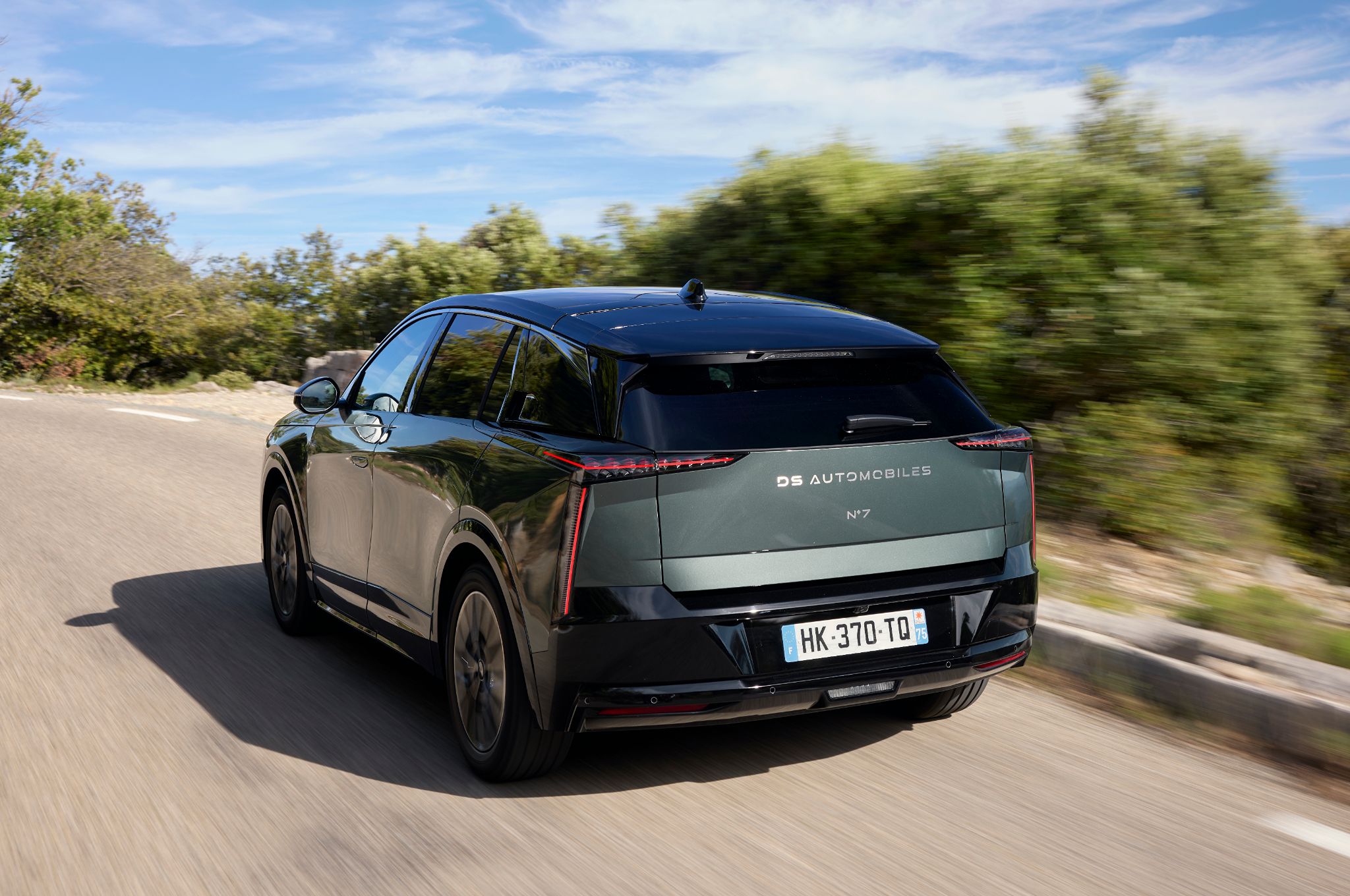
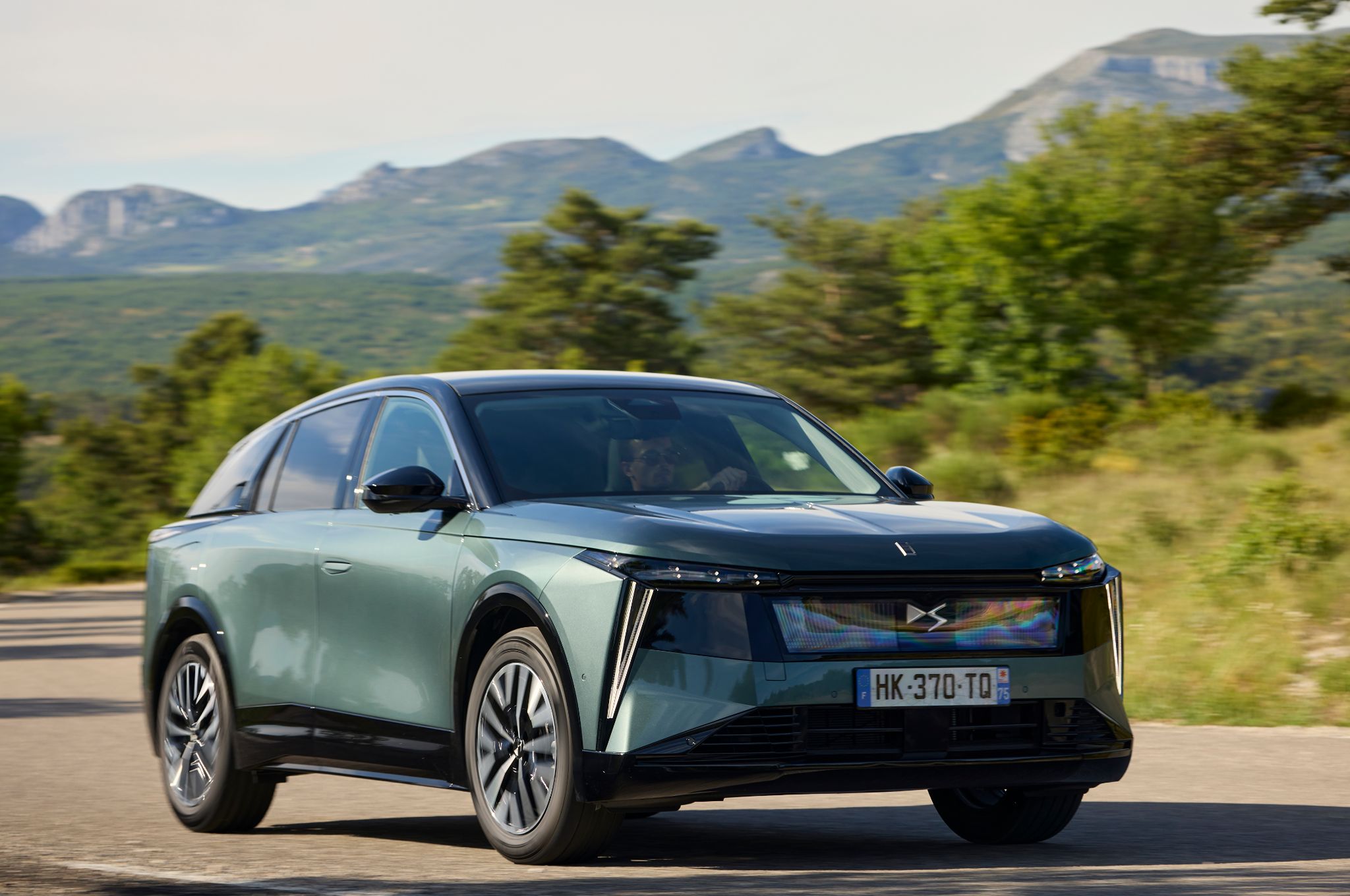
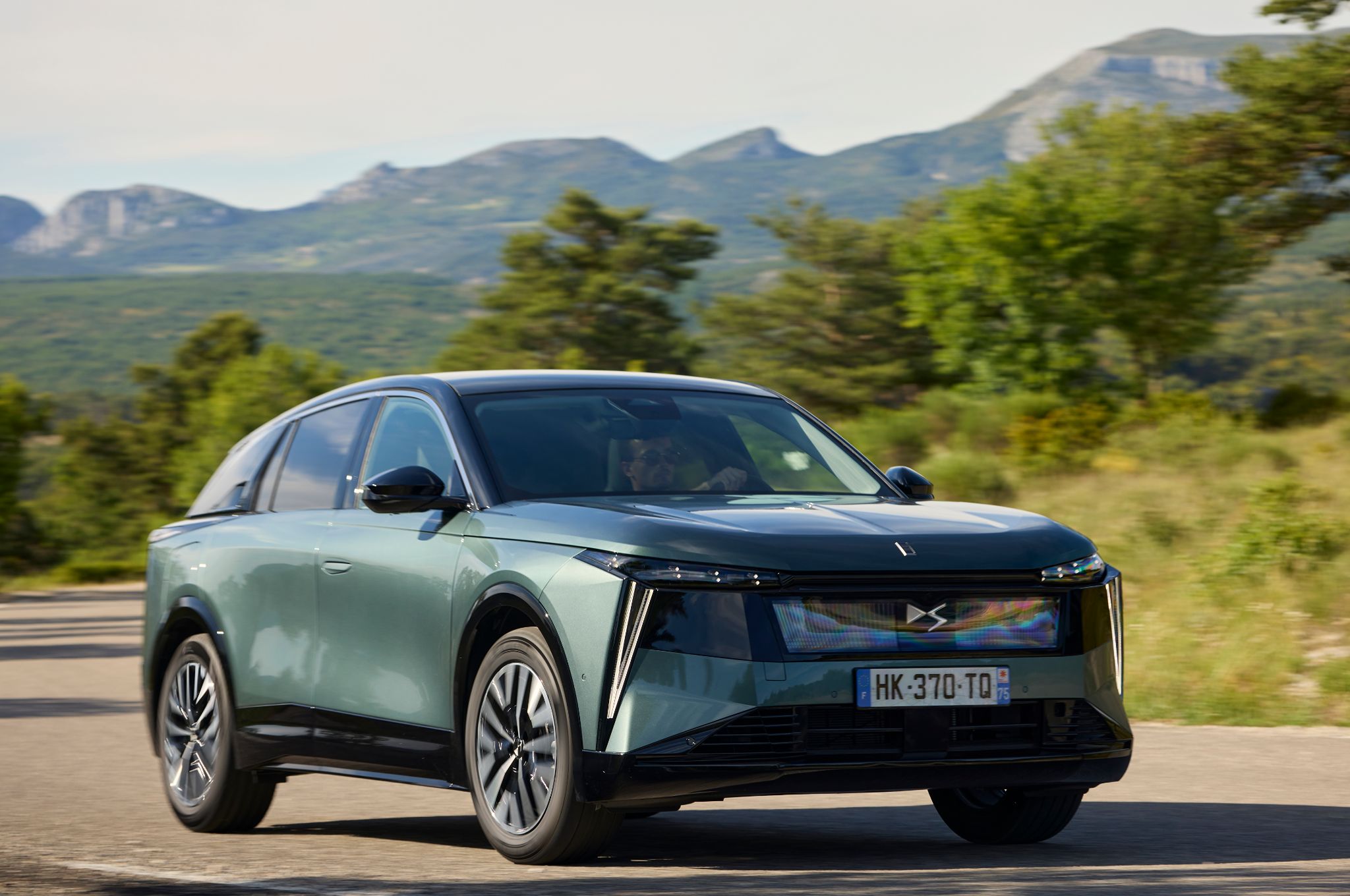
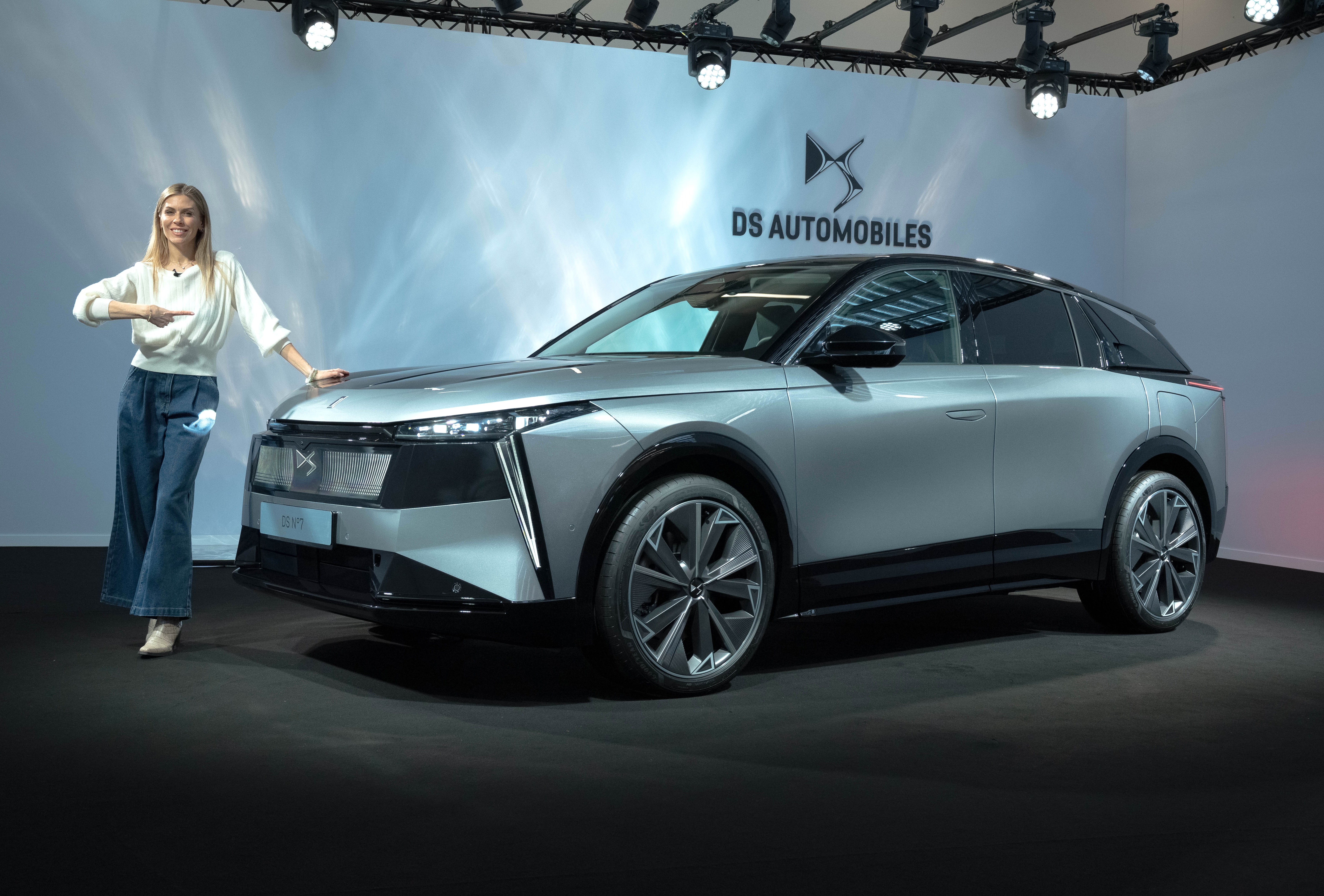
Where the DS stands out is in its design and interior feel. The No7 introduces a new design language for the brand, including the illuminated DS Luminascreen grille and ultra-slim Light Blade headlamps, while aerodynamic tweaks help deliver a drag coefficient of 0.26 – impressive for a car this size. What do you think of it?
Nicki went out to the reveal event earlier in 2026 to have a good look around it, and now I've been for a proper drive out in the south of France. And I have to say, in the studio or on the road, the new DS No7 looks really cool. Striking without being too blingy. Different from the crowd but in a good way. Just... a bit interesting and rather bougee, to be honest.
But then, design has never been the issue with DS cars. The problem is generally that they’re sometimes a bit lacking on some of the objective qualities, and also that they tend not to have the brand awareness and desirability of rivals like BMW, Merc, Audi, Volvo and Lexus.
And it really is competing with those brands, including the BMW iX3, Mercedes GLC and Volvo EX60, given pricing of around £50,000 - £66,000. Ouch. That's not cheap, is it? Let's find out if it can justify it...
Range, battery and charging
One of the big headlines for the DS No7 is its impressive battery and range options. It will be offered with two battery sizes - the entry level model uses a 74kWh battery, delivering up to 337 miles of WLTP range, which is already competitive in this class.
But the real attention grabber is the DS No7 E-Tense Long Range model, which gets a 97kWh battery. In front-wheel-drive form, DS claims a range of up to 460 miles, while the all-wheel-drive version manages 422 miles, which is more range than most of its rivals. I mean, that's not far off the BMW iX3 and Volvo EX60, is it?!
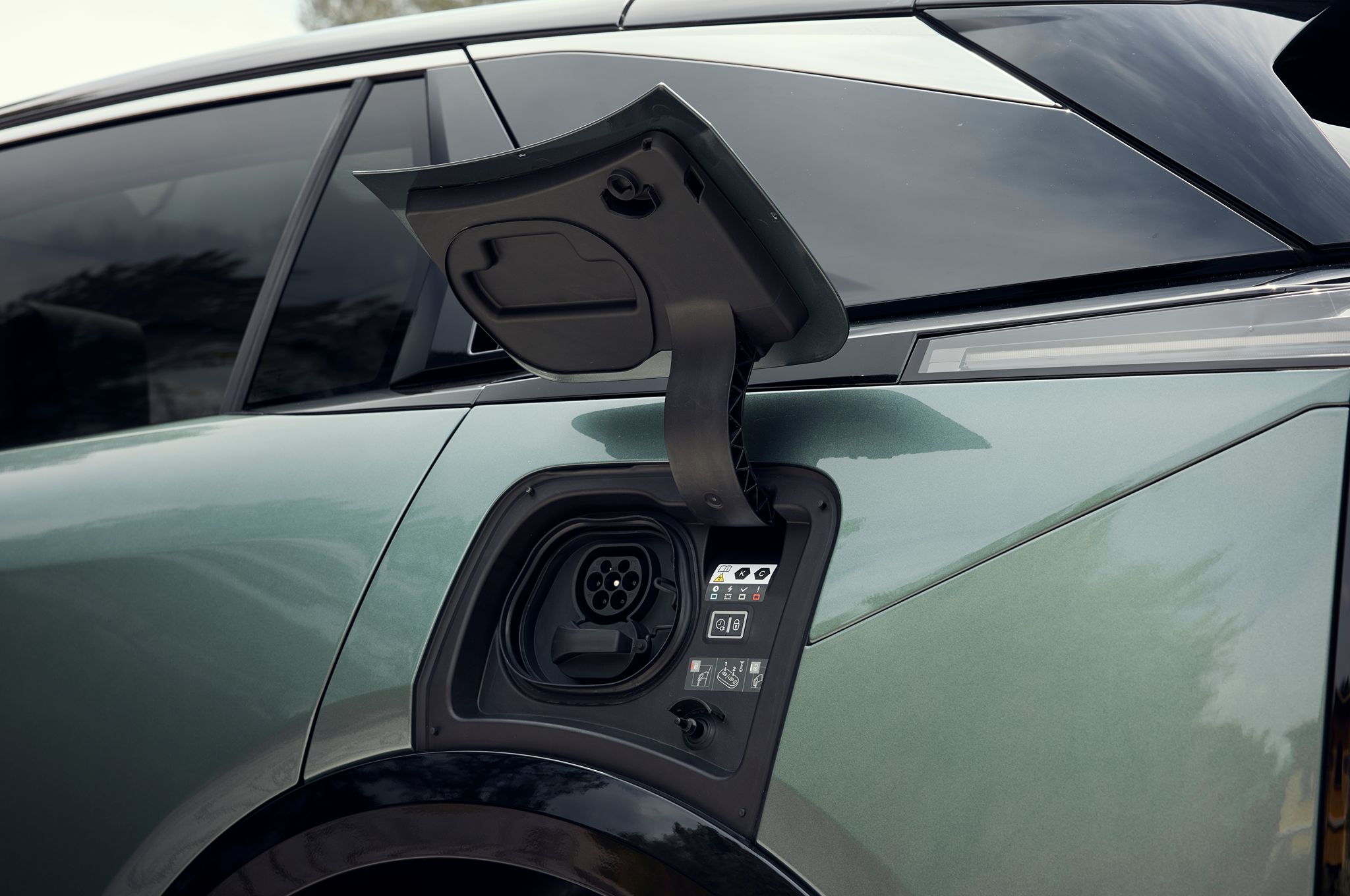
Charging speeds are just okay, but are a way off class leading. The No7 can charge at up to 160kW on a DC rapid charger, which DS says will take the battery from 20–80% in about 27 minutes. If you want faster charging than that, check out the Hyundai Ioniq 5, Kia EV6, Genesis GV60, Tesla Model Y, Volvo EX60 and BMW iX3. All of them will charge more quickly than the DS No7, with plenty offering 800V systems for rapid charging of close to, or over, 300kW.
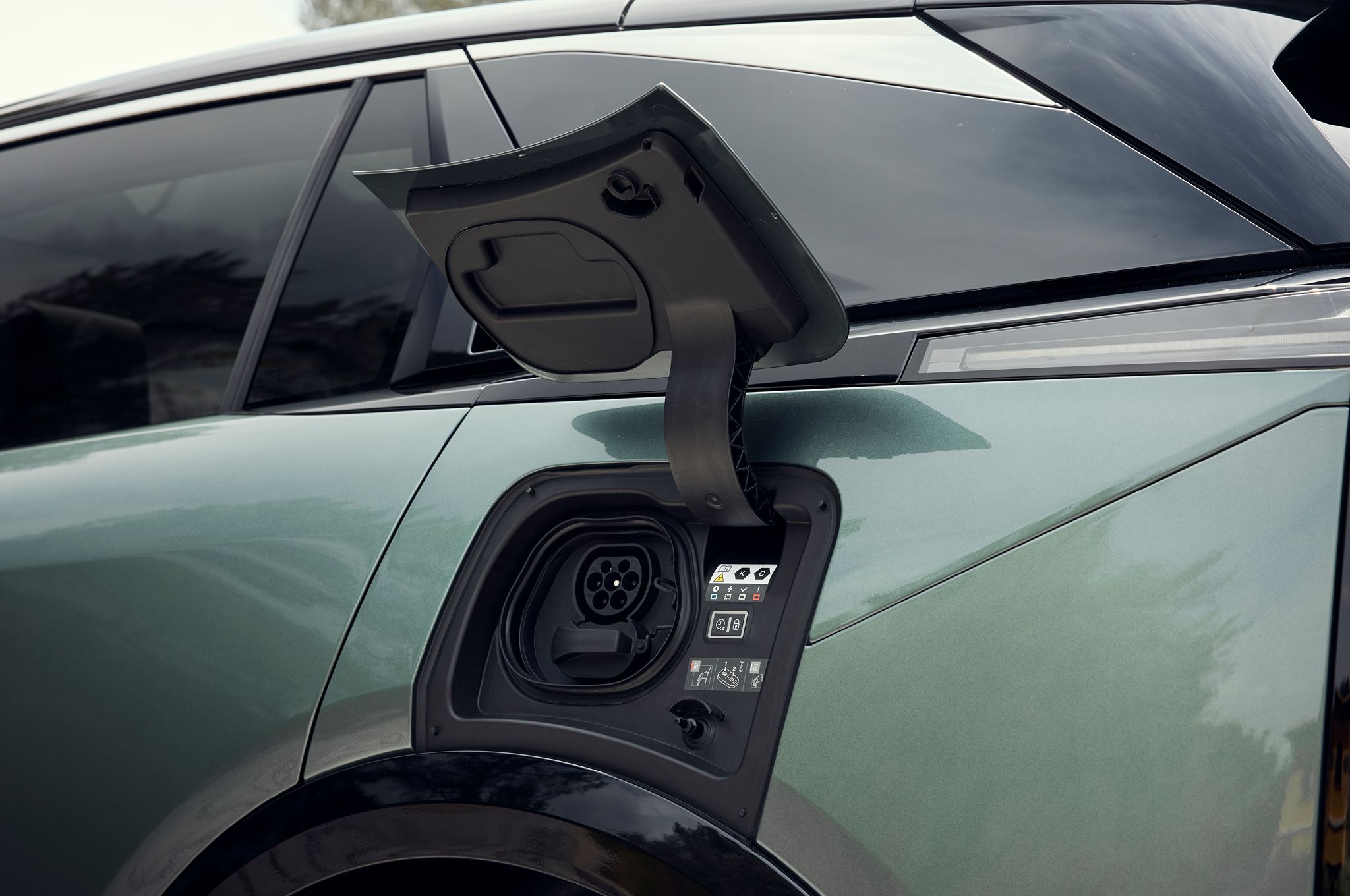
Like many modern EVs, the No7 also features intelligent battery preconditioning. This is a clever system that means if you set a rapid charger as your destination in the navigation system, the car will warm or cool the battery ahead of arrival to maximise charging speeds - and there's a manual setting, too, so you can just prod a button to start it rather than faffing with the nav. Just leave a good 45 minutes or so between hitting the button and when you expect to get to your charger, as it takes longer than you might think to warm up that battery so that it can charge at the best possible speeds.
The DS No7 will also get vehicle-to-load (V2L) so that you can charge your electric devices from the car’s high voltage battery, and there’s a phone app that makes it easy to check on your charging status, as well as pre-heat or pre-cool the cabin.
Practicality and boot space
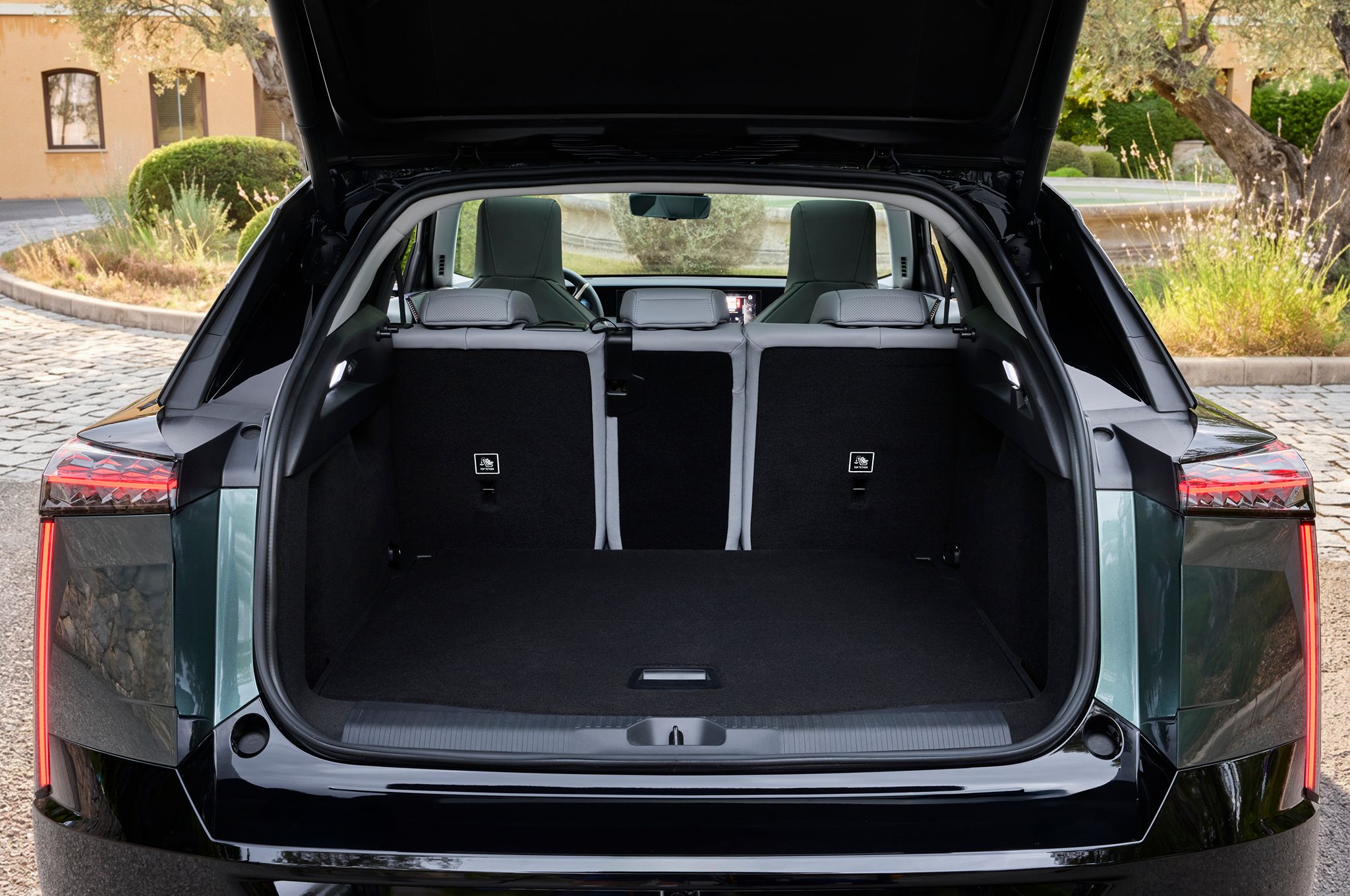
Boot space in the No7 stands at 560 litres, expanding to 1,570 litres with the rear seats folded down. That’s slightly more than the Audi Q4 e-tron, which offers 520 litres, although cars like the Tesla Model Y still lead the class for outright space.
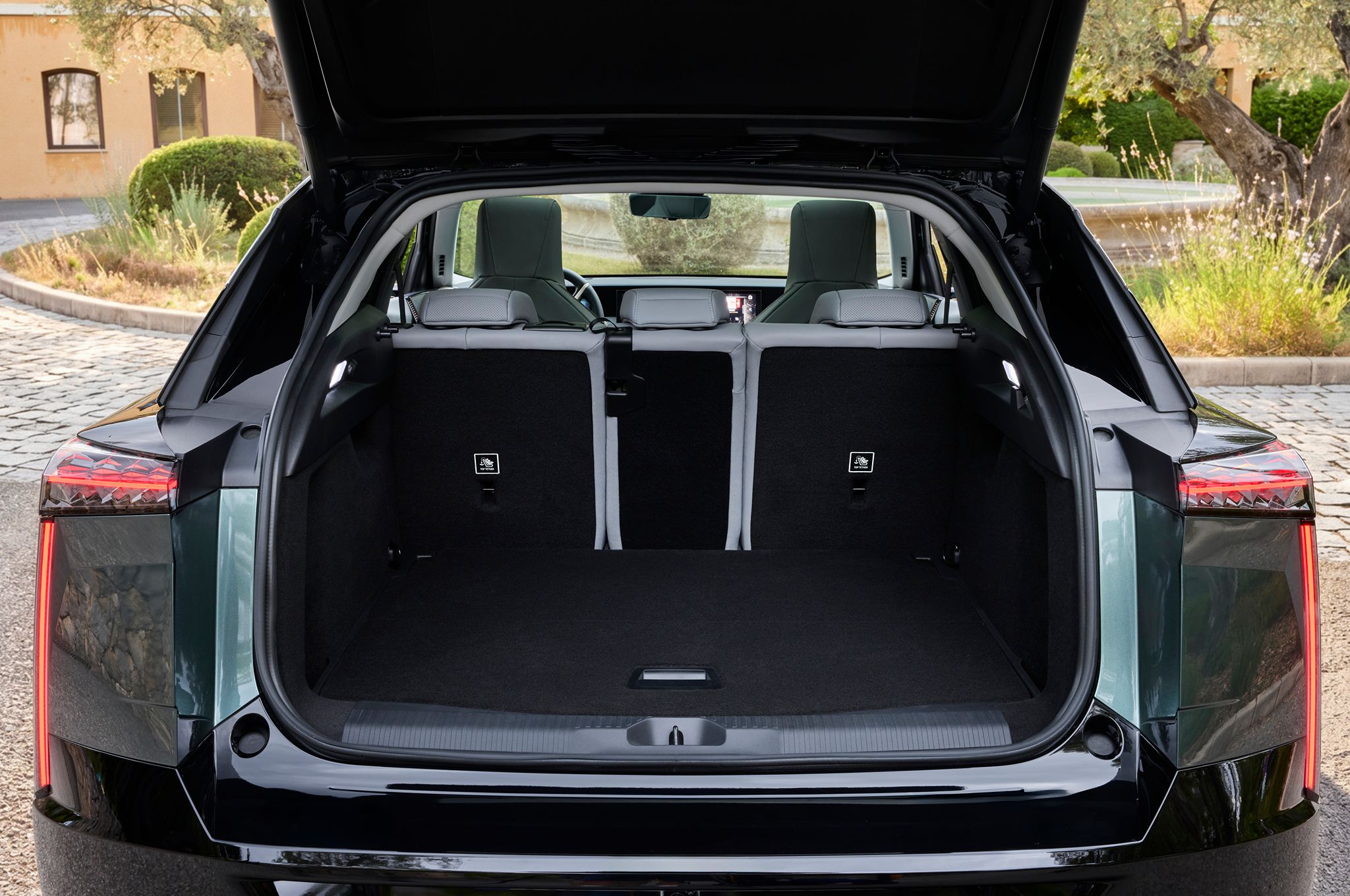
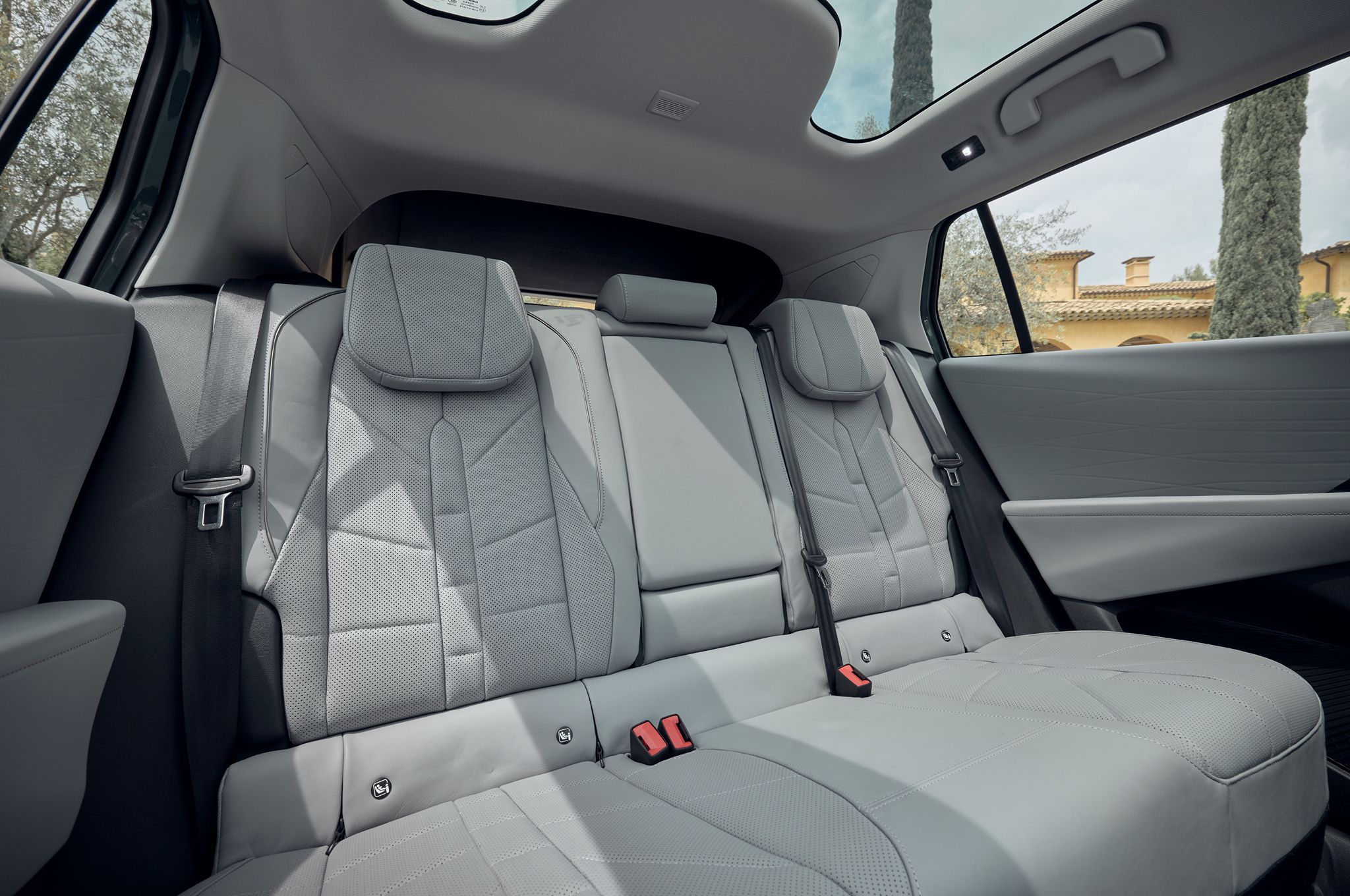
Rear passengers get plenty of room too, with generous knee and legroom helping give the cabin a relaxed, lounge-like feel. The rear seats can also recline, which is a nice luxury touch that makes longer journeys more comfortable.
Inside the cabin there are useful storage spaces for day to day items, along with large door bins and a centre console designed to keep things tidy.
Overall, I think the DS No7 balances premium comfort with everyday practicality pretty well, and will be a good family car even while it's also something with quite a bit of wow factor.
Interior, styling and technology
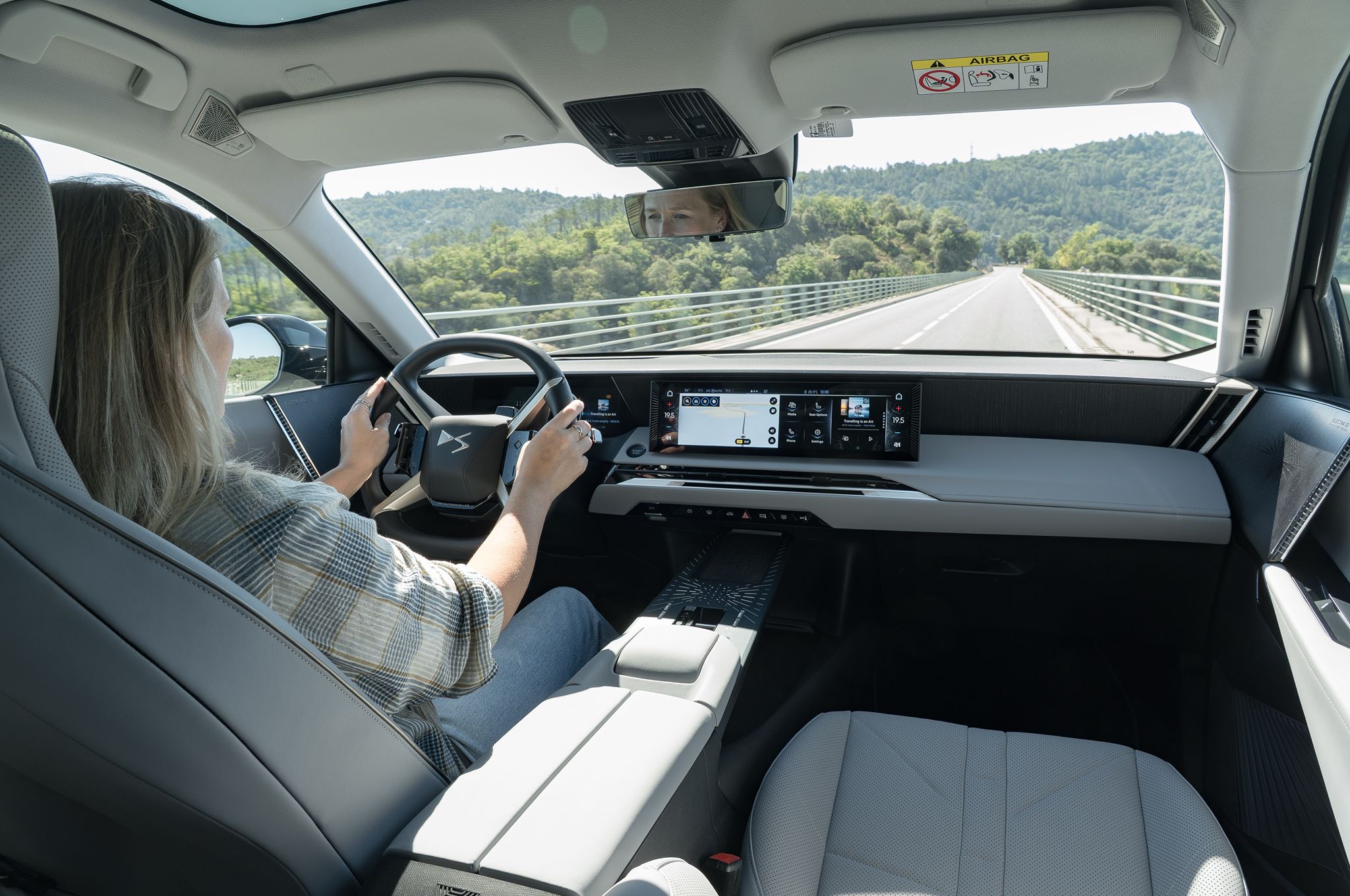
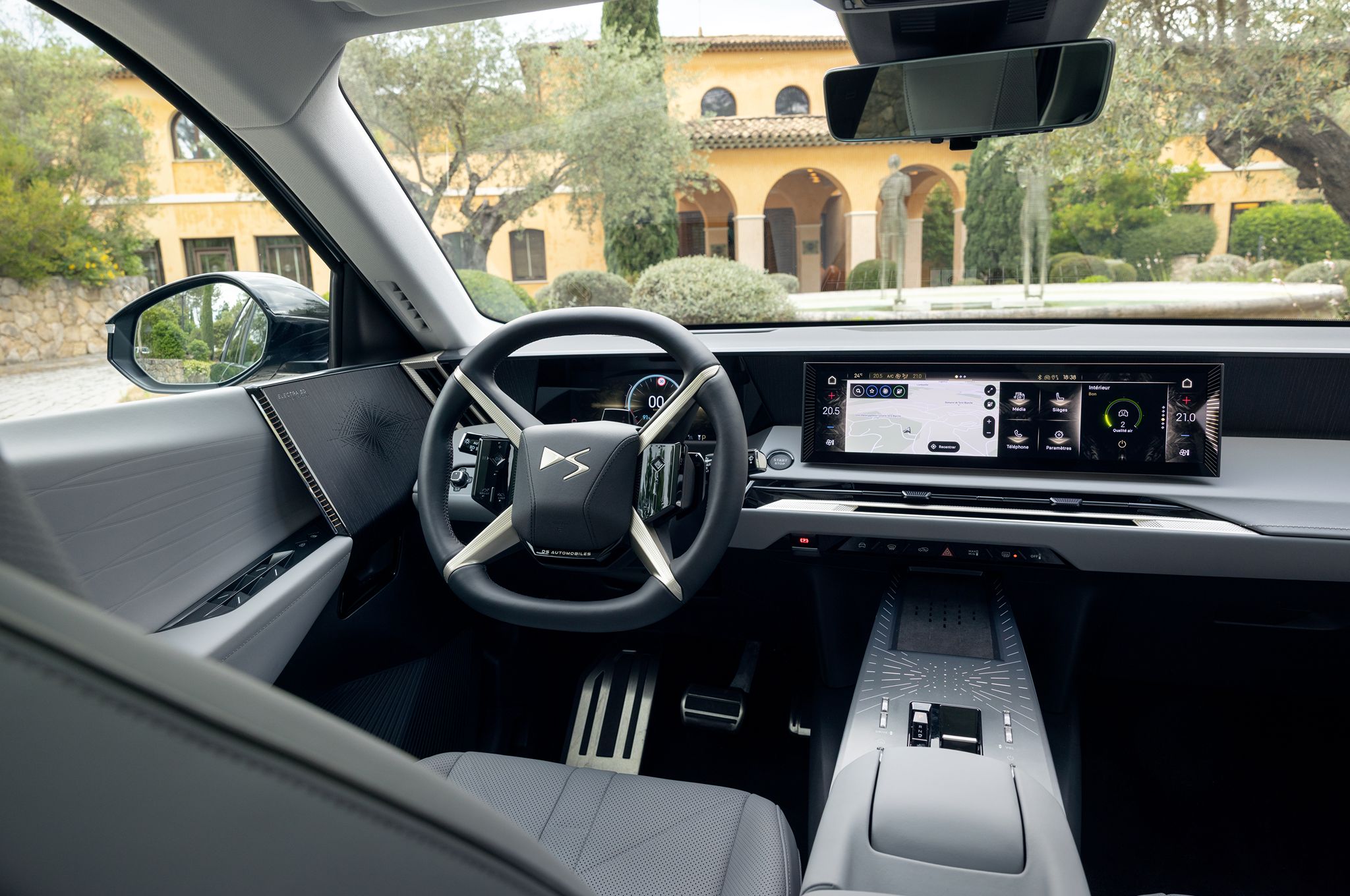
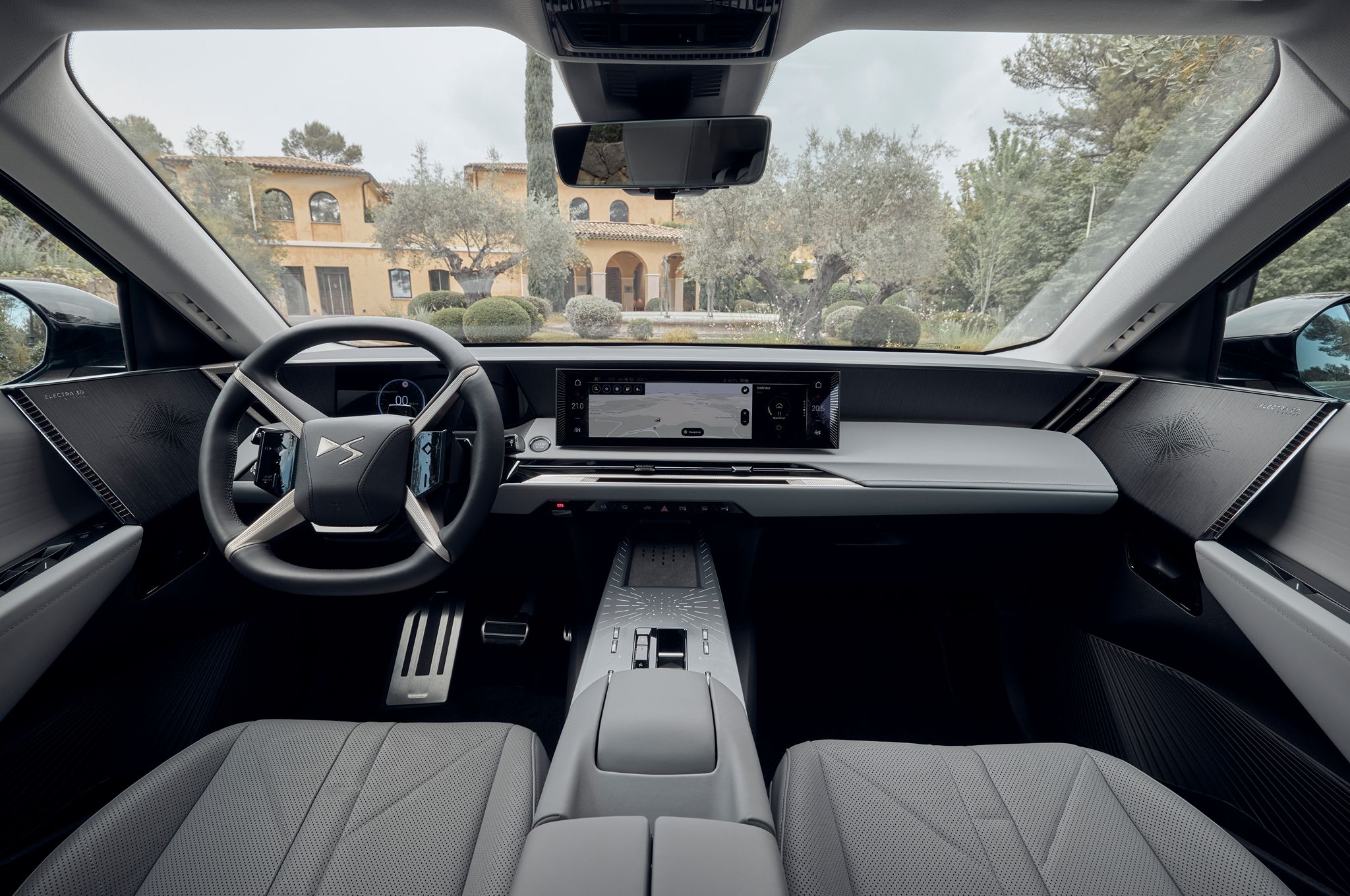
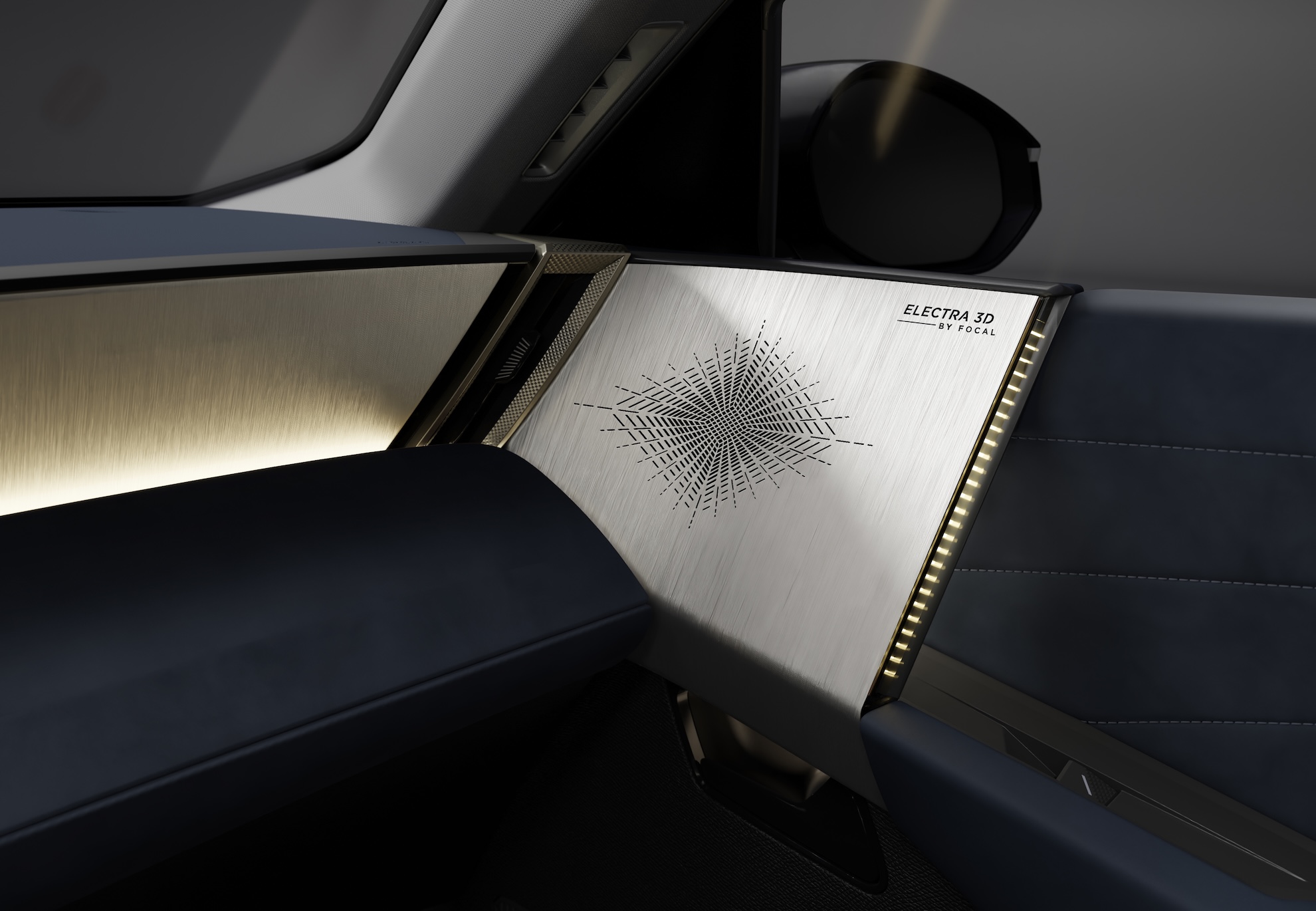
Step inside the DS No7 and it’s immediately clear that the brand is leaning heavily into its French luxury identity. I really like this interior! Particularly that gorgeous, wraparound speaker that’s made into a real style feature. It’s just gorgeous in the gold finish.
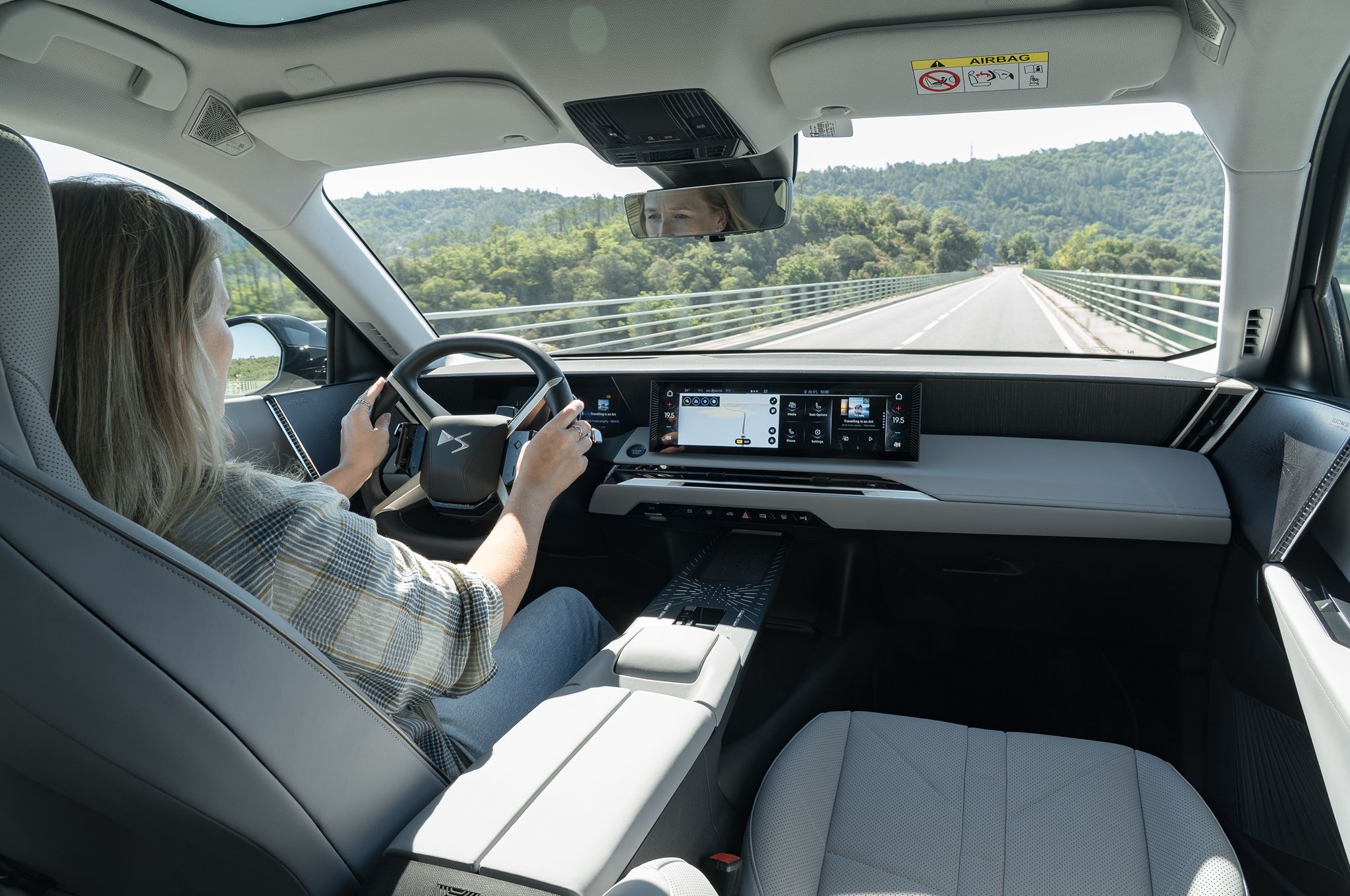
The cabin feels deliberately different from the minimalism you’ll find in many modern EVs. Instead of stark screens and simple surfaces, there’s plenty of texture and detail, including Nappa leather upholstery, real wood trim, and DS’s signature watch-strap style seat design.
You can have those seats in a number of different colours, by the way, ranging from a lovely dark blue to a cream, white and more. It definitely feels quite grand, despite also feeling modern, which is a very hard balance to pull off.
The front seats are designed for comfort, offering heating, ventilation and multiple massage programmes, while integrated headrests help give them a lounge-style look.
One particularly clever feature is the DS Neckwarmer, which blows warm air around your shoulders and neck. It keeps occupants cosy without needing to heat the entire cabin, which can help improve efficiency on colder days. I’m not honestly sure how necessary I think that is, but Im definitely on board with massage seats. I love massage seats!
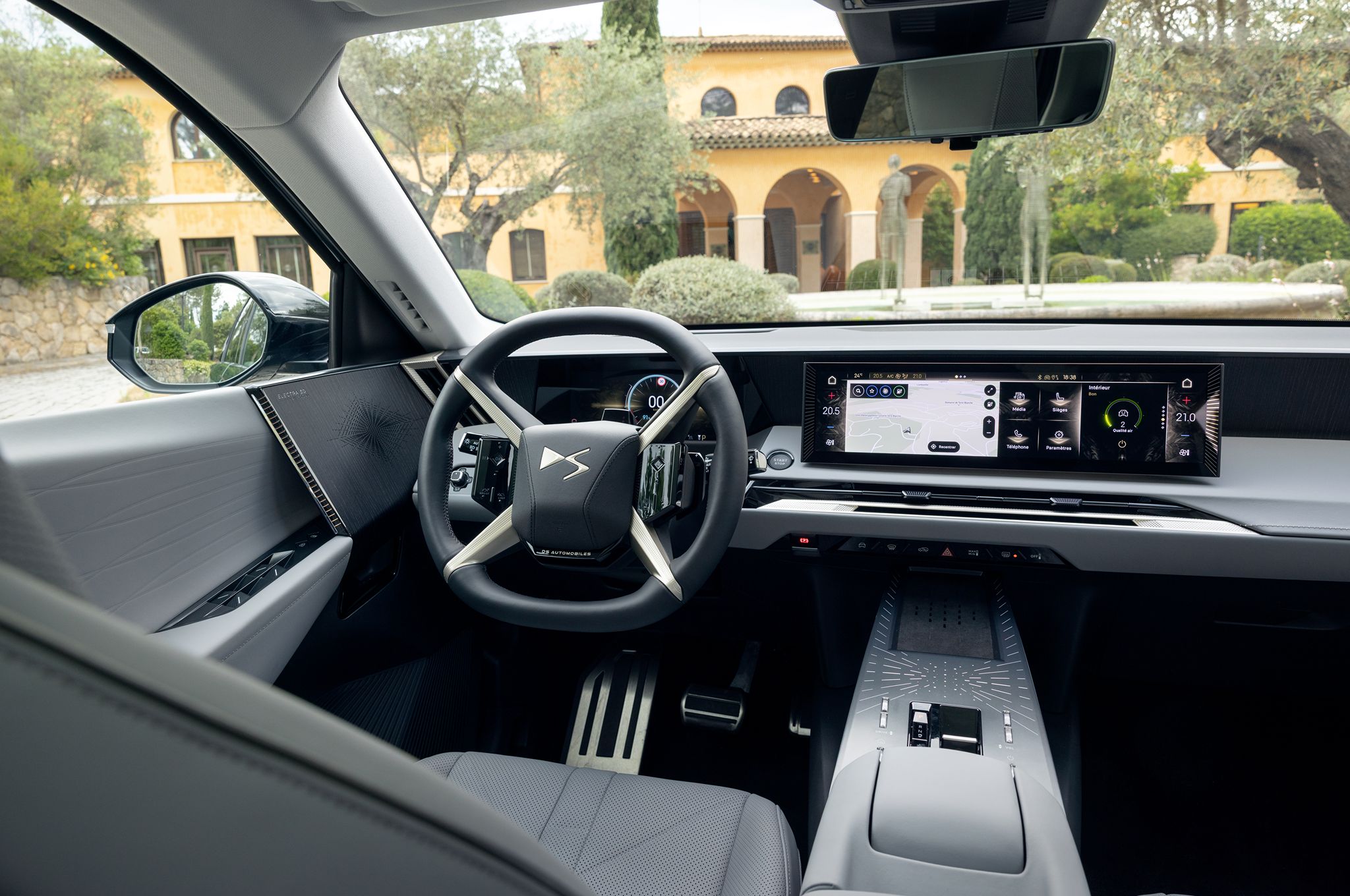
What I’m not quite sure about is the steering wheel. You’ll notice that it’s a bit different from most steering wheels, and I think it looks fantastic... But I’m not sure that it feels great when you’re holding it as the spokes are kind of in the way? It just doesn’t feel very natural. Driving it around France, I definitely had a few moments where I felt like the steering wheel spokes were stopping me from putting my hands where I wanted them. It's just a bit odd, even if it looks very glitzy.
While I'm complaining about things, I'd also really like the steering wheel to drop a bit lower. I'm a very average 5ft 7in, and I really felt that I'd like the wheel quite a bit lower, so I'm sure others will feel the same.
Rear passengers are seriously well catered for too, with heated and reclining seats that give it a very executive feel.
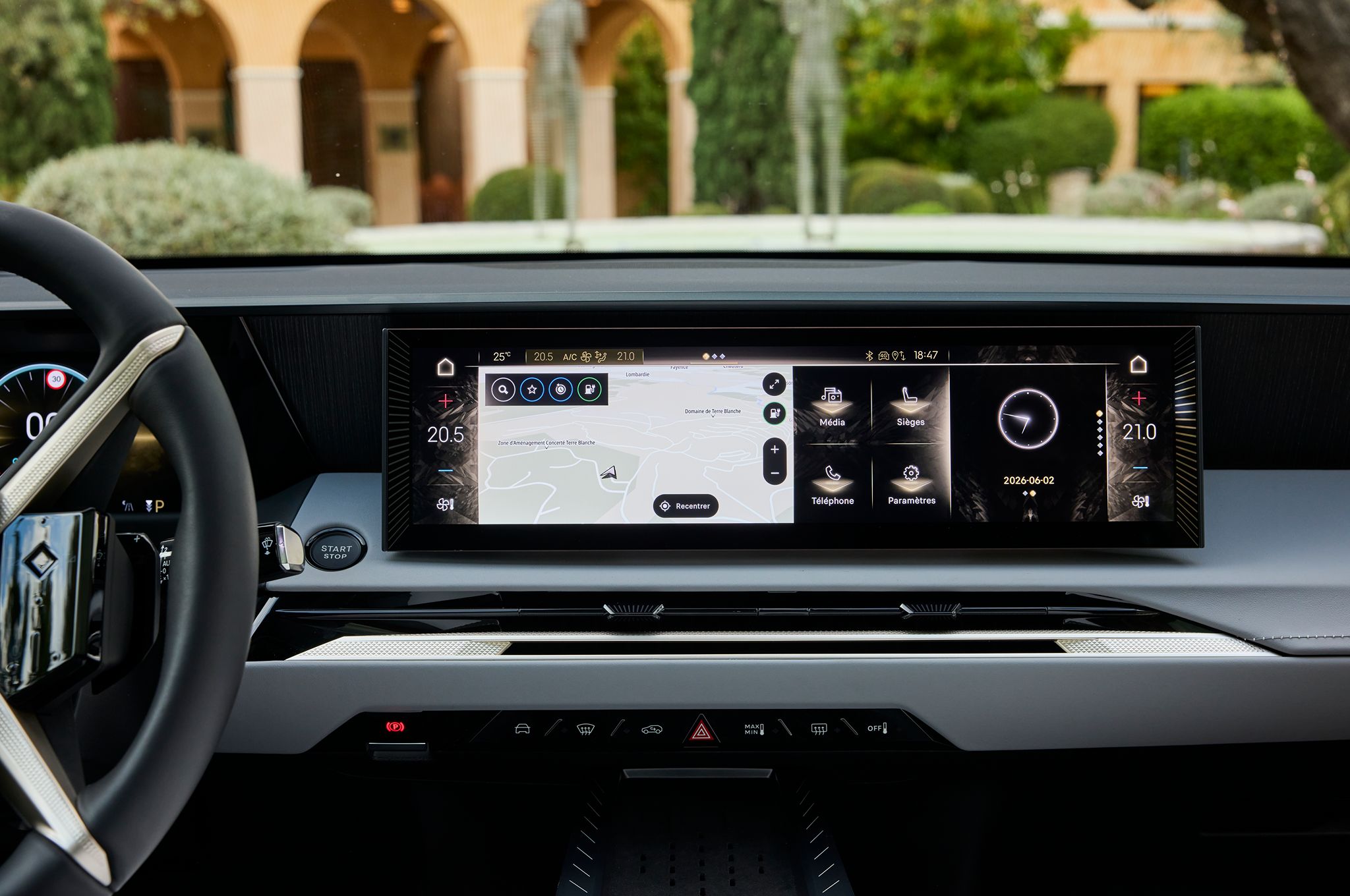
Technology is centred around a large infotainment display and digital driver screen, with smartphone connectivity expected to include wireless Apple CarPlay and Android Auto, alongside the usual suite of driver assistance systems.
I have to say the OLED displays you get in the BMW iX3, Mini Countryman and Volvo EX60 all feel a bit more upmarket. But this does respond quickly and looks really smart, so I don’t think it’d be a deal breaker for anyone. There are some neat, configurable shortcuts on the home page, and if you ask me - as long as I’ve got Apple CarPlay then I’m happy! Mind you, it did take me ages to find the efficiency readout, which is something I quite like to check regularly, so that's annoying.
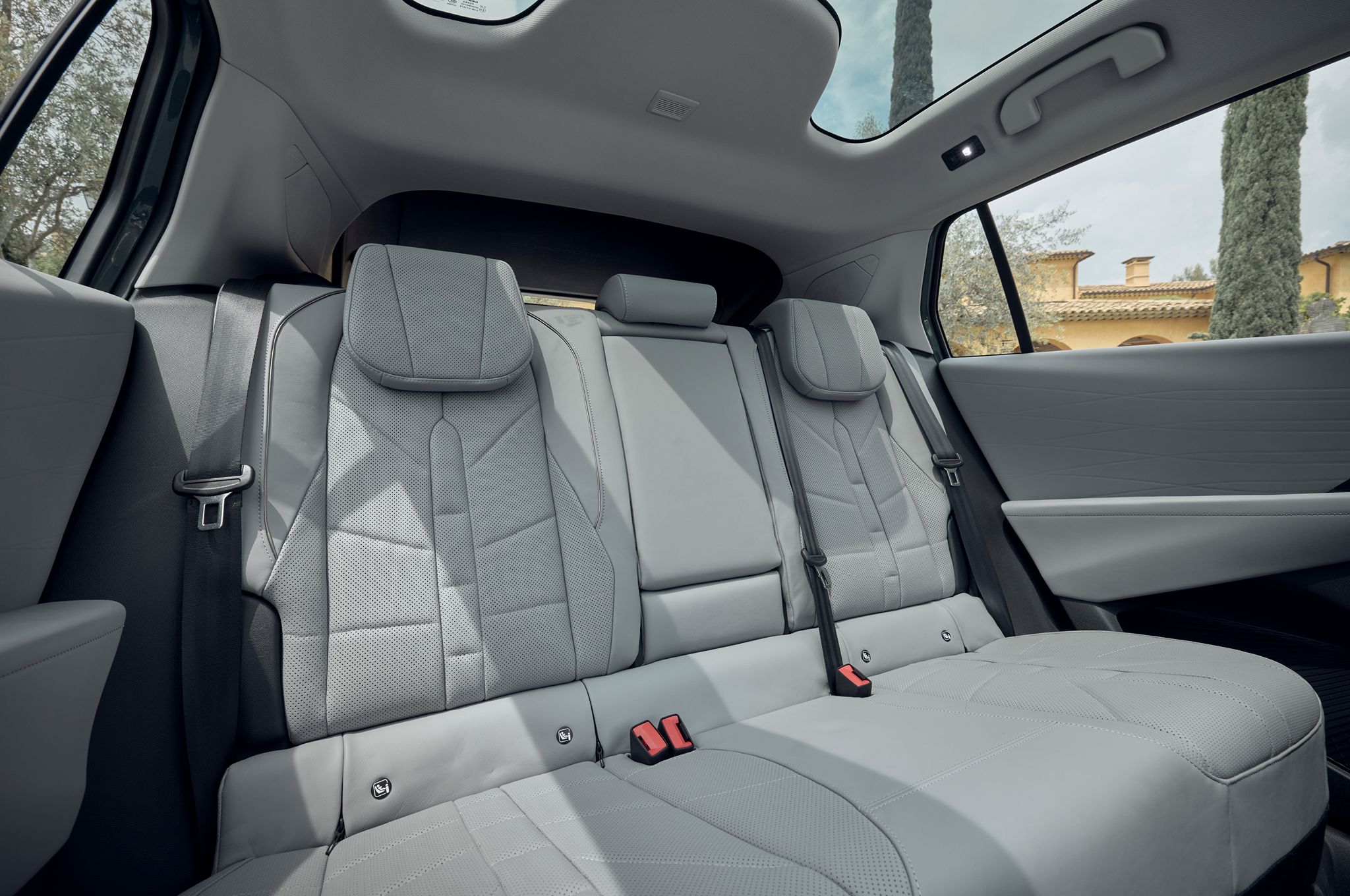
Would I say that the DS has quite the same level of precision and depth of quality that you get in the BMW iX3 interior? Not sure about that, to be honest.
But there is no doubt that this is a more sumptuous finish than in just about anything else the DS competes with, and it does feel classy and solidly built, so it’s definitely worth considering if you like a really luxurious finish. The design touches and materials make it feel properly boutique. It's so avant-garde that you almost feel you should be driving from a Chaise Longue... Wouldn't be great for reaching the pedals, though. Maybe one for the rear passengers? No? Okay.
Motors, performance and handling
The DS No7 will be offered with several powertrain options. The entry level model features front-wheel drive with 230hp, while the long range front-wheel-drive version increases output slightly to 245hp. Both models include a temporary power boost function, raising peak output to 260hp and 280hp respectively when needed. At the top of the line-up is the all-wheel drive Long Range version, which delivers 350hp, rising to 375hp in boost mode. This version is likely to offer the quickest acceleration and the best traction in poor weather conditions.
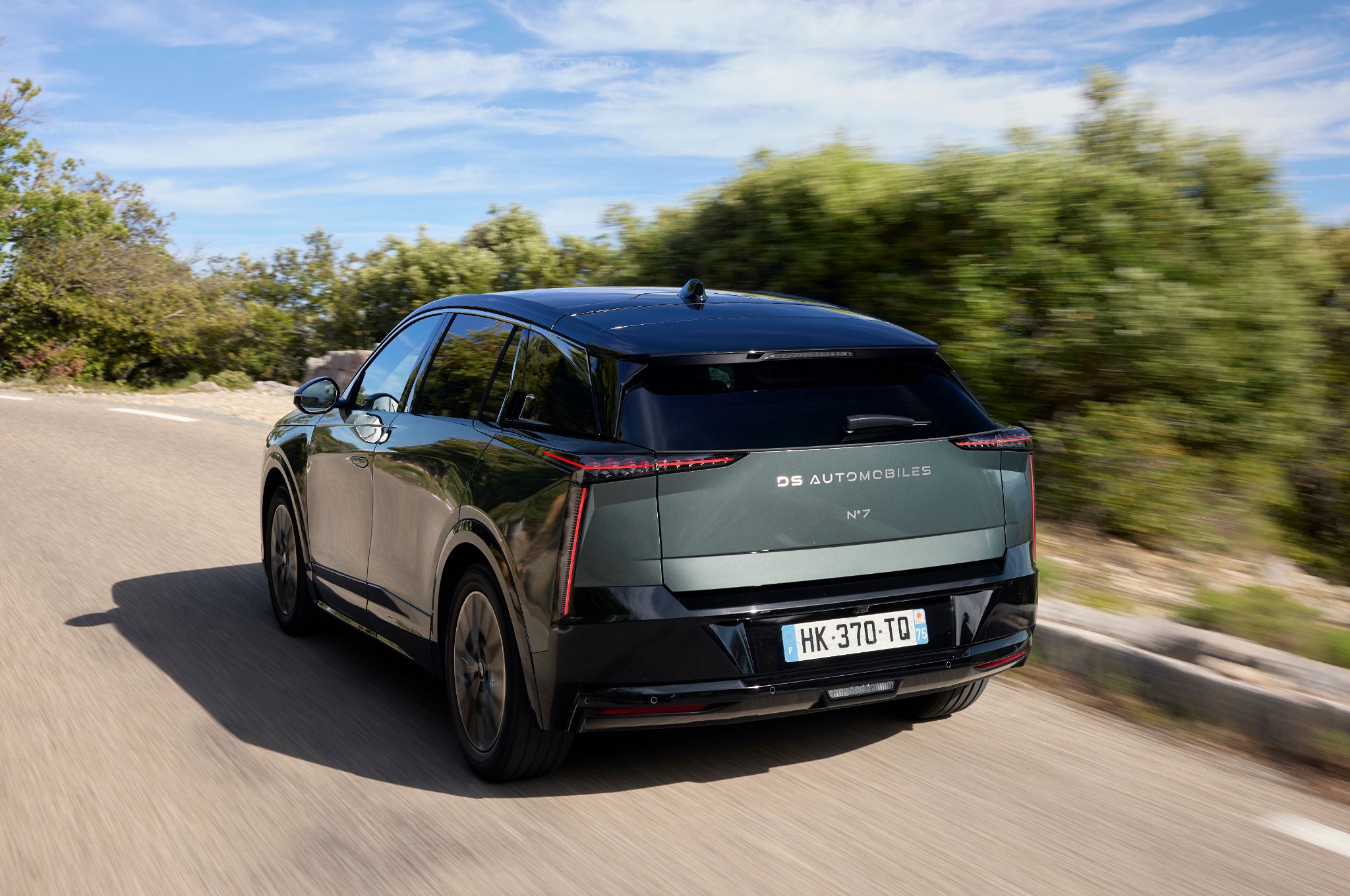
I drove the DS No7 FWD Long Range, which I suspect will be the big seller in the UK. Our test car was also the Etoile model, which gets adaptive dampers that use a camera system to read the road ahead, and respond accordingly. It’s basically got psychic suspension. In practice, you don’t really notice the DS No7 doing anything fancy, it just feels comfortable and relaxed. Almost zen-like, to be honest.
It does wallow over undulating roads, and at lower speeds around town it’s a bit brittle over sharp-edged potholes and bumps. But the majority of the time the DS No7 feels super comfortable and refined, and is exactly the sort of calm, serene experience that will make this an effortless long distance car.
There are drive modes, of course, with Sport weighting up the steering and sharpening the accelerator response, but I prefer the No 7 in Normal or Comfort mode, where it flows nicely and is very relaxed. Plus, it’s not fast enough to really be a sporty drive, anyway. Sure, it feels more than quick enough for the odd overtake or fast merge onto a motorway, but the No7 is really all about taking the stress out and adding the luxury to your journeys, rather than making them fun.
And I think we can all agree that there’s nothing wrong with that! As for brake regen, there are three fixed modes that you toggle through on the steering wheel, and a one-pedal model that you activate by pressing a button near the gear-shifter. I found the one-pedal mode a touch grabby and unpredictable, but the other levels of regen were easy to get along with.
Pricing and on sale date
The DS No7 range starts off with a 1.2 petrol hybrid version, but the all-electric No7 in entry-level with the 73.7kWh battery start from around £50,000 in entry-level Pallas trim, or the 97kWh long range model starts from roughly £53,000 – which is a pretty small jump in price for that much range, isn’t it?
Especially as the Palas trim still gets a reversing camera, heated front seats, keyless entry and stitched fabric seats. I suspect mid-spec Etoile is the one to go for as it adds Alcantara and leather upholstery, electrically adjustable sears, a warm air neck warmer, a rear-view mirror that can also offer a rear video feed, rear climate control, matrix LED headlights and a semi-autonomous drive mode with lane-keep, lane-change and traffic jam assist (on top of the standard adaptive cruise control). Oh, and those adaptive dampers.
So, while it's glaringly obvious that the DS No7 is straying well into BMW iX3 price territory, it is also worth pointing out that it's got vastly more equipment as standard. Mind you, the panoramic roof is optional, which seems a bit weird, doesn't it?! I'd trade the neck warmer for the pano roof, every day.
Top-spec La Premiere gets an upgraded sound system and style features including 21-inch alloy wheels, as well as a night vision camera, but it is seriously pricey.
In fact. with prices starting from around £50,000 and stretching up to well over £60,000, the DS No7 pricing is punchy even when you do factor in the equipment. Optimistic, some might say, despite this being a rather lovely car. Still, it will all come down to monthly PCP finance and leasing, and DS tends to be much more competitive on that front than the likes of BMW and Volvo, so to most buyers I suspect the DS No7 will still be a usefully cheaper (as well as better equipped) electric SUV.
A three year, 100,000 mile warranty is better than you get with VW or BMW, but with sister-brand Peugeot offering an eight year warranty on all its EVs (including the E-3008 that the DS No7 competes with) you've got to wonder why DS doesn't offer the same cover. The battery is covered for eight years and 100,000 miles.
Verdict
The DS No7 is a really interesting addition to the electric SUV market. It doesn’t follow the usual premium formula of German minimalism and understated design, but instead leans heavily into style, character and comfort. And I’m very much a style, character and comfort girl, so I can absolutely see why you'd go for the DS.
But it still faces tough competition. Like, really tough! DS will tell you that the No7 is a rival to the BMW iX1 and Mini Countryman, but it's sized and priced perilously close to the BMW iX3 and Volvo EX60. And while I like the DS No7 and genuinely hope that it does well and brings the brand a bigger audience and more sales, it's still got a lot to prove if it's going to turn heads away from those even longer range, and more well known alternatives.

 9
9