






 Battery size: 80 kWh
 Miles per kWh: 3.56
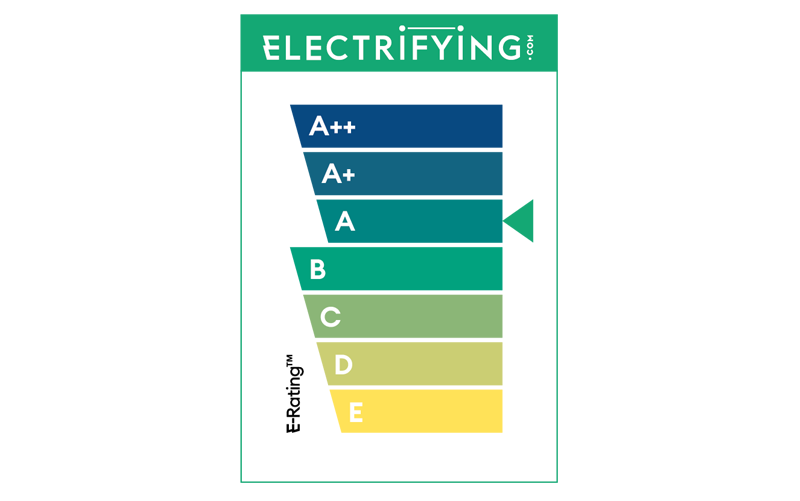
 E-Rating™: A
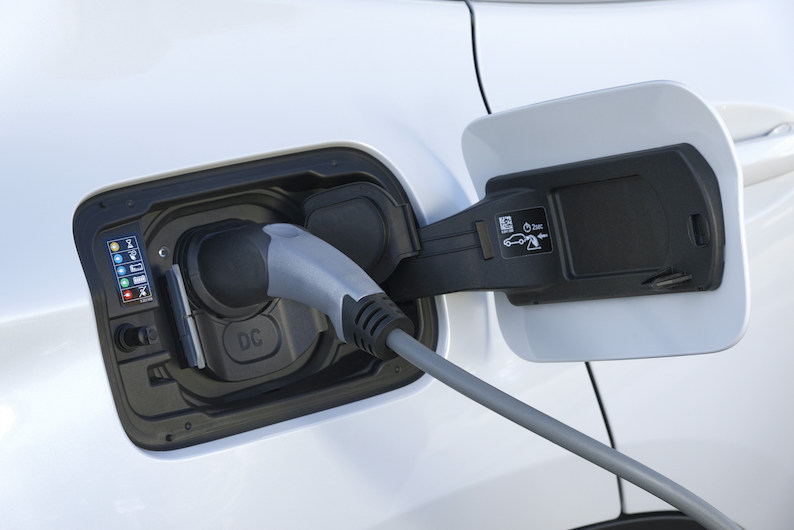
 Max charge rate: 150 kW
 Range: 285 miles (WLTP Standard)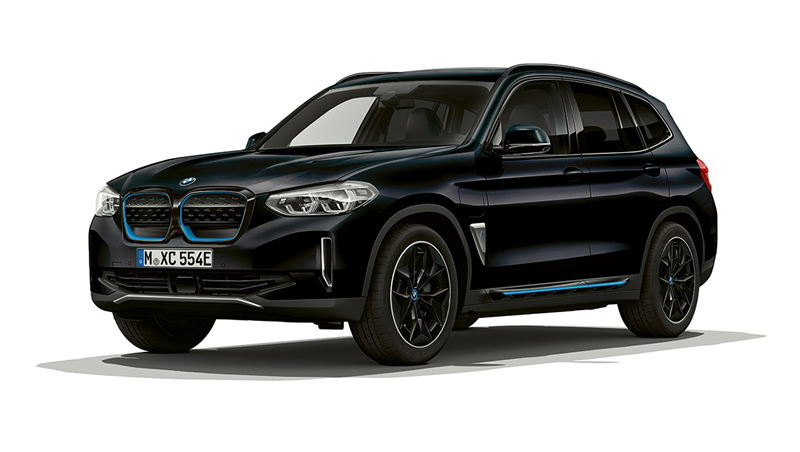


Introduction
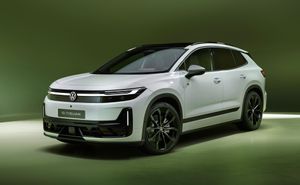
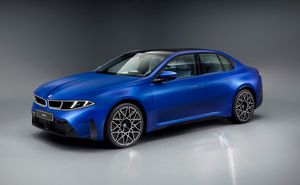
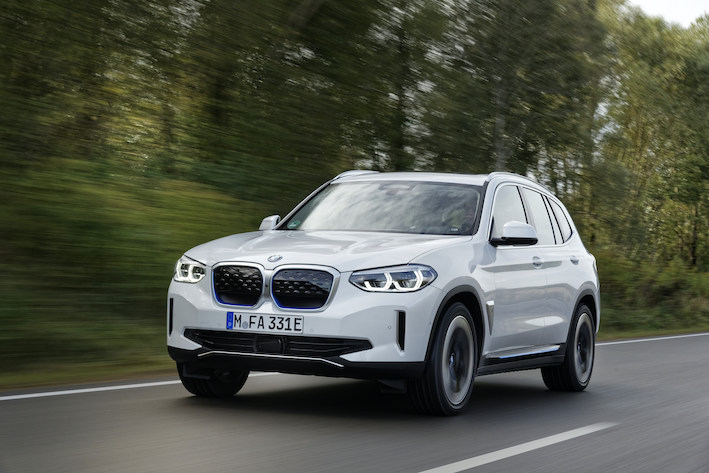
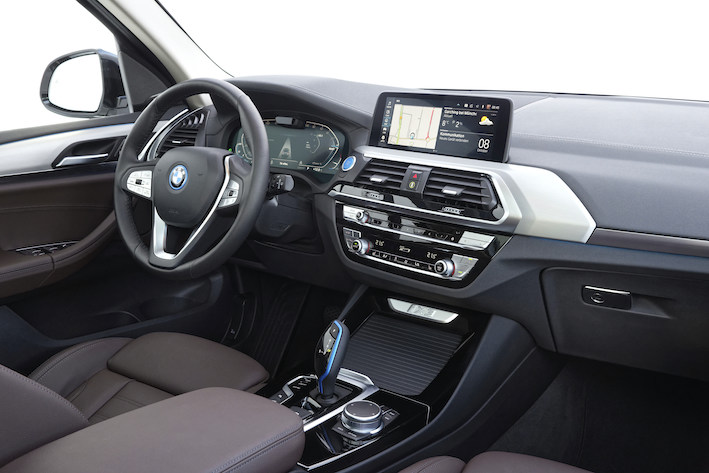
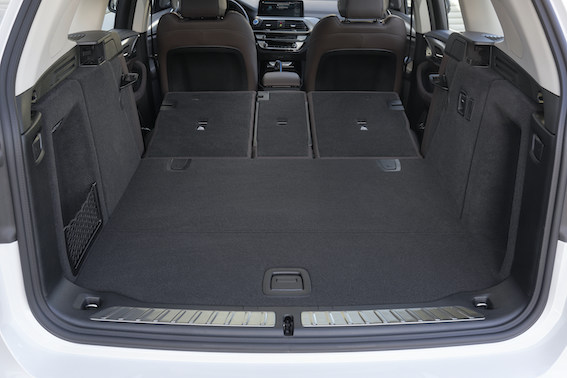
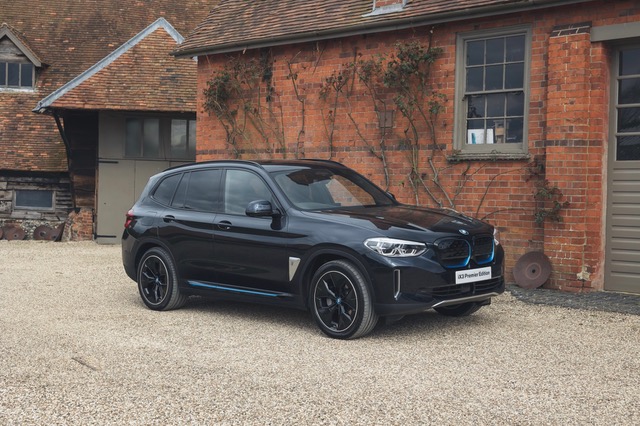
Poor BMW got its fingers burned with its first generation of electric cars. Models like the original i3 and i8 got lots of attention, but weren’t a commercial success. So when it tried again it played safe - not just in terms of styling. The iX3 had its electric powertrain crammed into the same bodyshell as the petrol, diesel and hybrid models. This inevitably means some compromises around packaging, but the iX3 is still a practical family car which actually has more room inside than the hybrid. It also has the dynamics you’d expect from a BMW and some clever battery tech to make it more efficient.
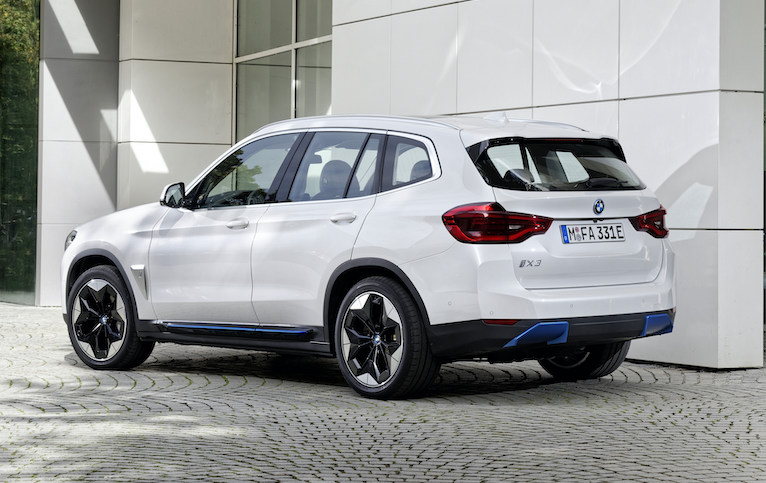
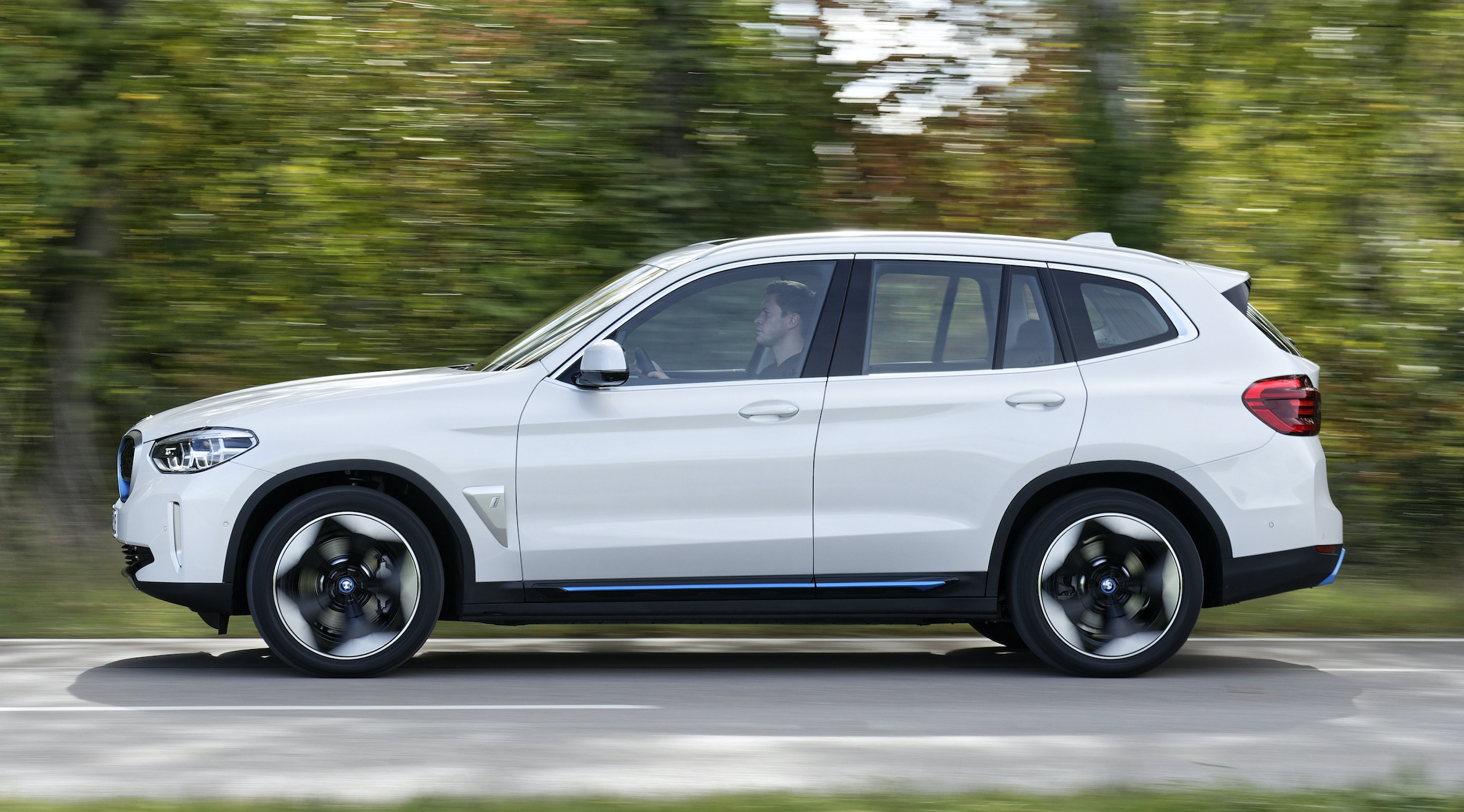
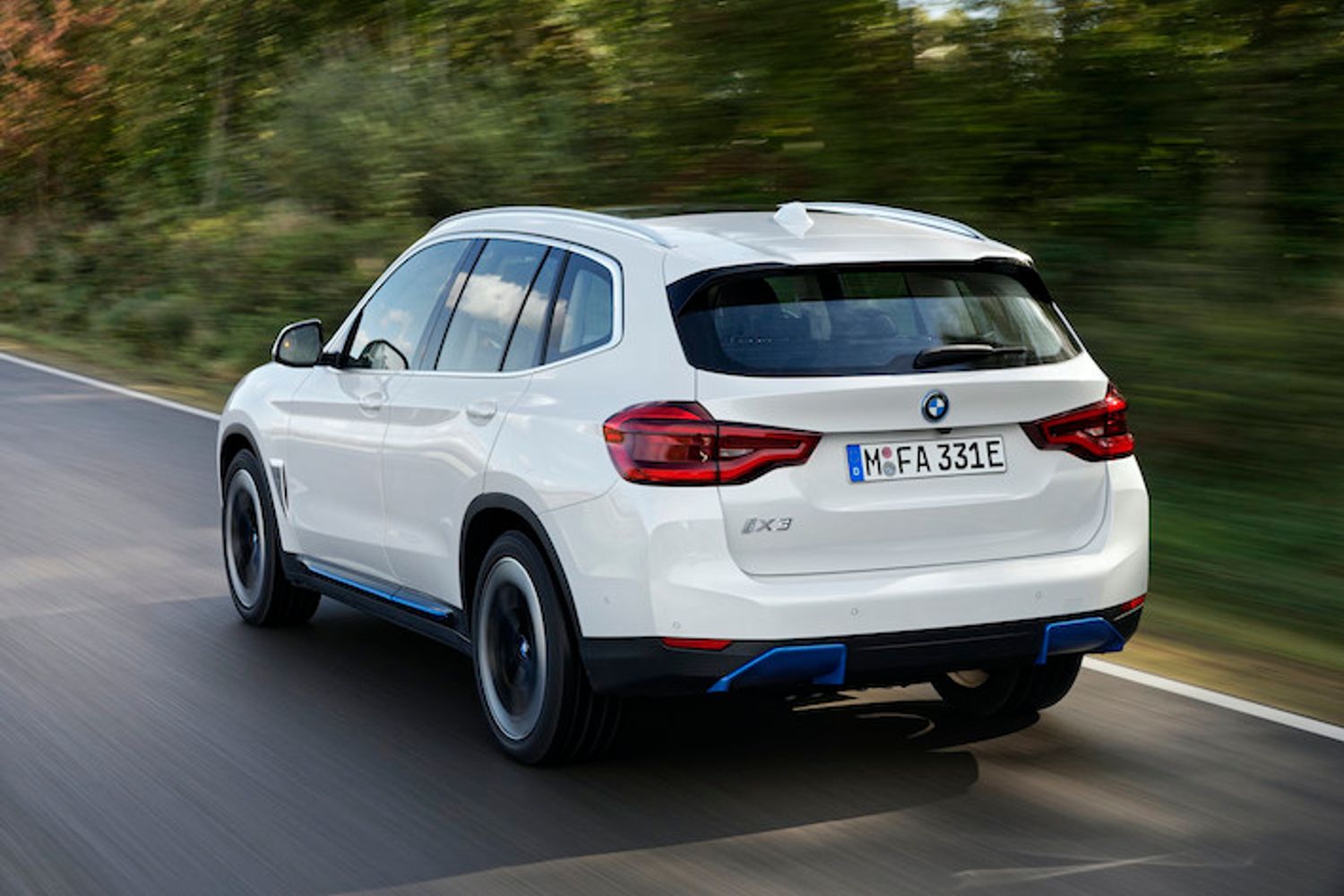
It looks almost identical to the petrol version too. Aside from a few electric-blue highlights, some funky wheels and a ‘filled-in’ front grille, there is nothing to turn heads here. That will put some people off, while others will appreciate the fact it will blend in and not get the neighbours twitching their curtains.
All iX3s of this generation have an 80kWh battery, powering a rear motor producing 286bhp. It might not have the ultimate security of an all-wheel drive system, but in most conditions it means an excellent driving experience. There’s little body roll and the steering is sharp enabling you tackle twisty roads with confidence. The ride quality in Comfort mode is good too, although the Sport mode is too firm for any road that isn’t perfectly smooth.
What’s the real-world range of a used BMW iX3?

Fully charged, the official figures said the iX3 had a maximum range of 282.1 miles when it was new. We reckon you’d be looking at a realistic 220 mile total on a used version, depending on the weather and how it is driven. That’s better than you’d get out of either of its key Audi eTron or Mercedes-Benz EQC rivals.
The best range comes from the iX3 Premier Edition or Sport models with smaller wheels, but it is marginal.
Any iX3 should do a comfortable 200+ miles if you’re sensible and manage your energy on the move.
How long will the battery on the BMW iX3 last?
A long time, it seems. Looking at used models in the market place which have independent battery check data, the degradation is much slower than average at about 2% every four years or 30,000 miles. We even spotted a five year old car with 85,000 miles which still had 94% capacity.
There will be odd cases where the car has been continually rapid charged or left at a low battery level for a long time which could have lost a few more percent, but as a rule the BMW’s power packs are proving very hardy.
How reliable is a used BMW iX3 and what are the common problems?
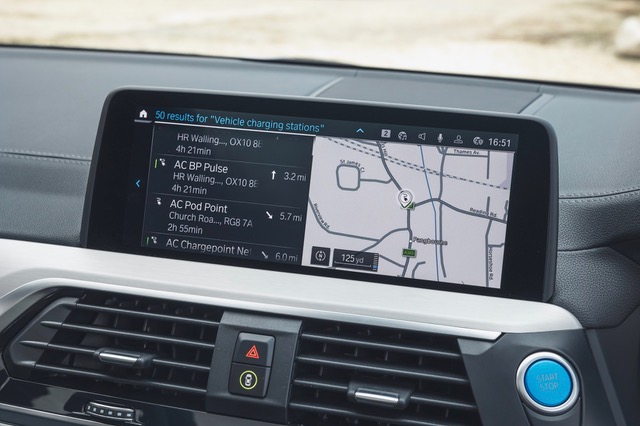
Generally there are very few complaints about the iX3’s reliability. Some owners have experienced unexpected 12V battery failures, along with occasional failed over-the-air updates and infotainment system bugs - but that is true of most EVs.
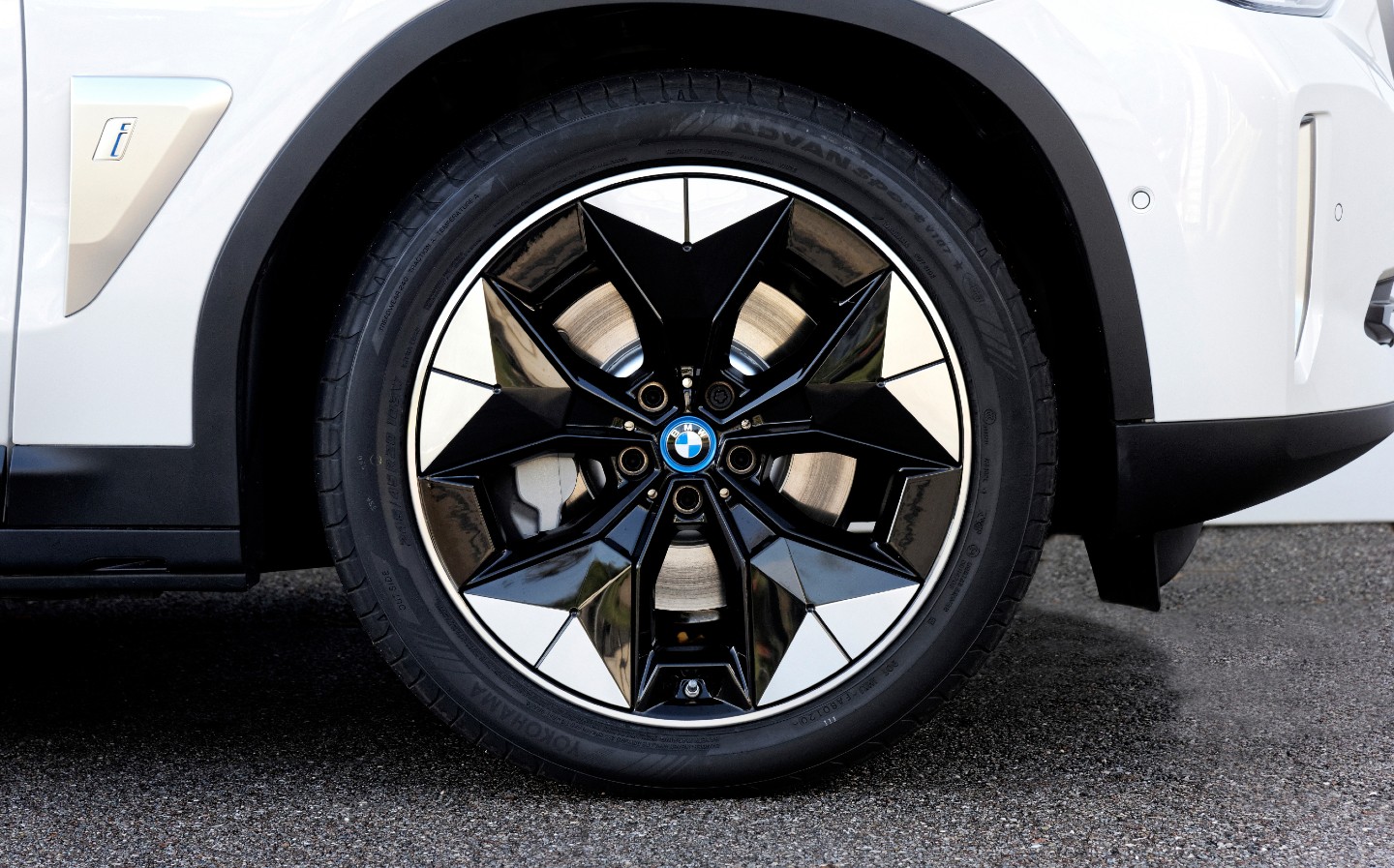
Tyres can be pricey and some owners may have skimped on the brand and spec. That will adversely affect the way the car drives and the ride quality can be firm over poor road surfaces if you’re tempted by the larger alloy wheels.
There’s been an official recall for the “cell supervision circuit inside the high-voltage battery” but it will almost certainly have been completed by now.
If the car won’t connect to your home charger, either the car or the wallbox might need a software update. It’s annoying but not serious.
Which is the best version to buy?
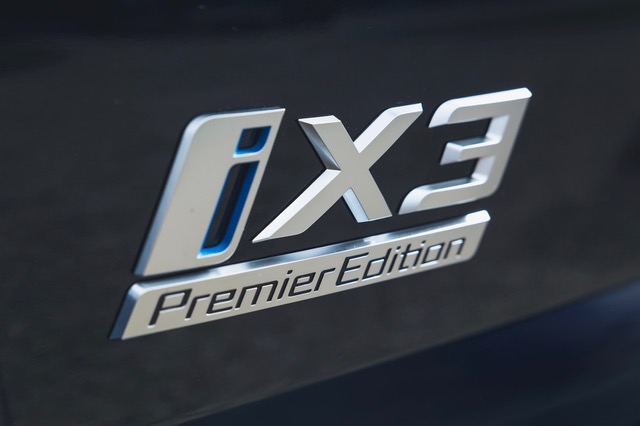
BMW launched the iX3 with two “Premier” trim levels: the Premier Edition and Premier Edition Pro. These are very well equipped for the money because BMW bundled lots of options into those early trim levels to make them easy and quick to build rather than waiting for factory orders.
The entry-level Premier Edition was the best seller with an electric tailgate, 20-inch alloy wheels, adaptive suspension and a panoramic sunroof all as standard. You will need to stretch for the Pro to add the likes of a head-up display, automatic high beam and the Harman Kardon stereo. The price difference when new was £3,000 - it shrinks to a few hundred on the used market.
Later cars added the M Sport and M Sport Pro trims, and it is these you’ll see advertised most often. If you want the sportiest styling the Pro is a better choice. But don’t obsess over the badge too much, as the specification varies a lot by the options which were added at the time the car was ordered and you will often find niceties like a panoramic roof, upgraded audio, and driver assistance packs. So filter the advert listings by the features you actually want and will use.
Finally, wer need to talk about colours. If you want bright shades you will need to look elsewhere - there were only four options and none of them are bold: Carbon Black, Mineral White, Phytonic Blue and Sophisto Grey.
How long is the warranty?
The car is covered by a three-year warranty, plus whatever you manage to get from the dealer you are buying from - expect at least 12 months. BMW additionally guarantees the high-voltage battery for eight years or 100,000 miles.
What are the ownership and running costs of a BMW iX3?
All iX3s will have to pay a minimum of £195 road tax, and those registered after 1st April 2025 are also going to be subject to the Expensive Car Supplement if they had a list price of more than £50,000. It’s worth checking the car’s first registration date and whether it’s still within this window, as it will add an extra £425 to the bill between years two and six.
Servicing and iX3 is a bargain compared to other BMWs. A five-year package costs around £600, or £14.99 a month. BMW uses Condition Based Servicing (CBS) to prompt what’s due based on what’s wearing out rather than time and mileage. The service records are stored on the car’s computer rather than bits of paper.
Tyres can be pricey though. BMW doesn’t use the huge wheels of some rivals but it does specify some run flat and EV specific rubber, which could cost £250 per corner. Cheaper alternatives are available but they can affect the range and might not last as long.
What other cars should I consider?
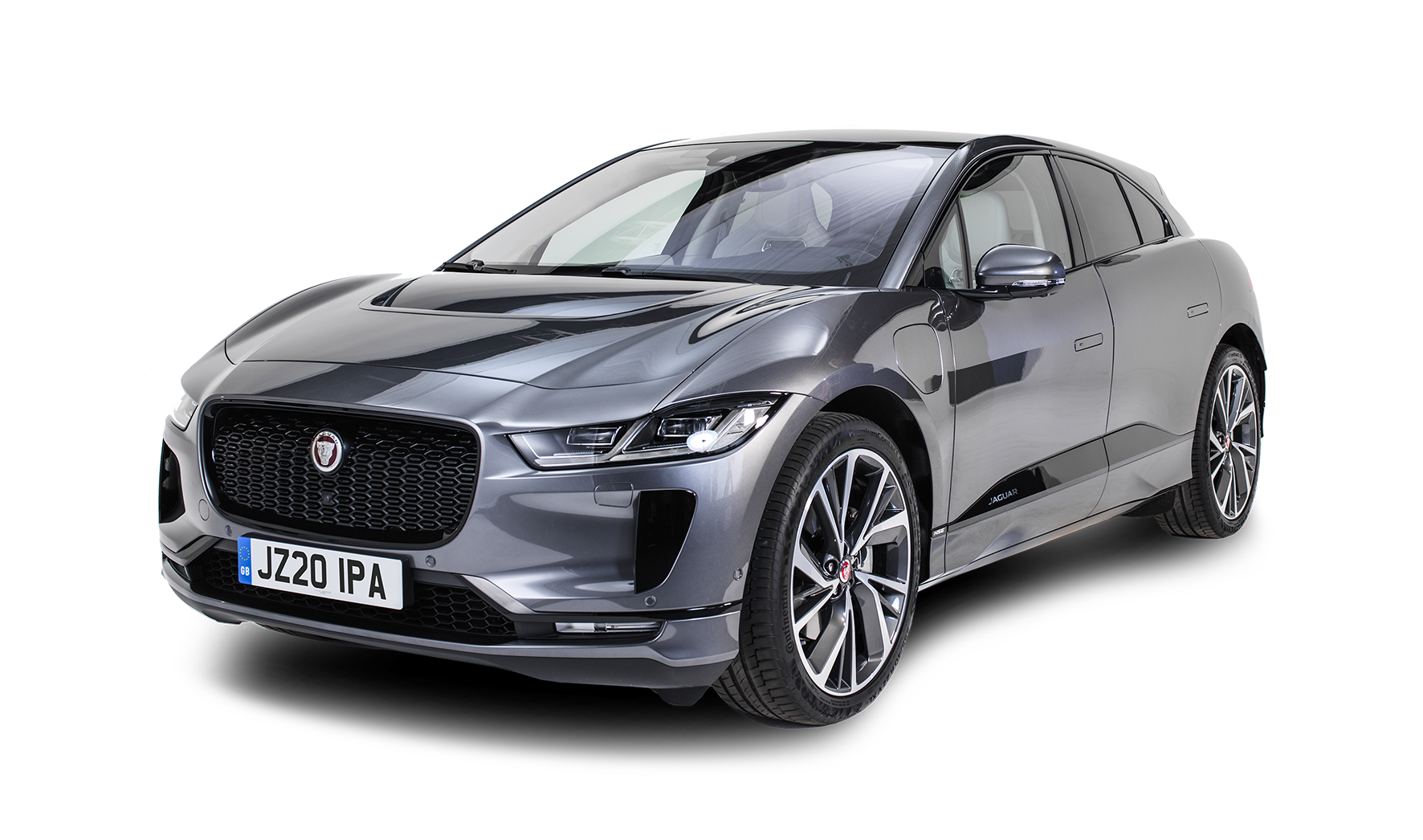
Although they are a little larger, the Jaguar I-Pace is an obvious rival. Then there are the Germany competitors with the Mercedes EQB and EQC, plus Audi’s e-tron, Q8 e-tron, Q6 and even the Q4 at the lower end of the range.
The BMW is certainly more efficient than most of these but the more modern Audis are better packaged.
The Jag has been beset by reliability problems which makes us reluctant to recommend. Don’t dismiss some off-piste choices too, such as the Polestar 2 or Volvo XC/EC40.
Like the idea of a used BMW iX3? Try these...

Want all the latest electric car news, reviews and videos? Sign up to the Electrifying newsletter, and don't forget to check out the Electrifying podcast.
 9
9