





Volkswagen’s supervisory board says that it has “unanimously” agreed to CEO Oliver Blume’s controversial plan to slash jobs and cut costs, its chairman saying that VW’s transformation “is being driven forward with full force”.
The German carmaker’s supervisory board announced that it had come to the decision after what it calls “intense and constructive discussions” among its members.
So what does the so-called ‘Future Plan 2030’ actually involve? The headline figures are very much along the lines of what has been revealed so far from within the Volkswagen Group – the company is cutting its production capacity and aiming for nine million sales a year.
The group’s sales have hovered around nine million for the last few years, but the company has always had an ambition to increase sales, with its factory capacity around 12 million a year.
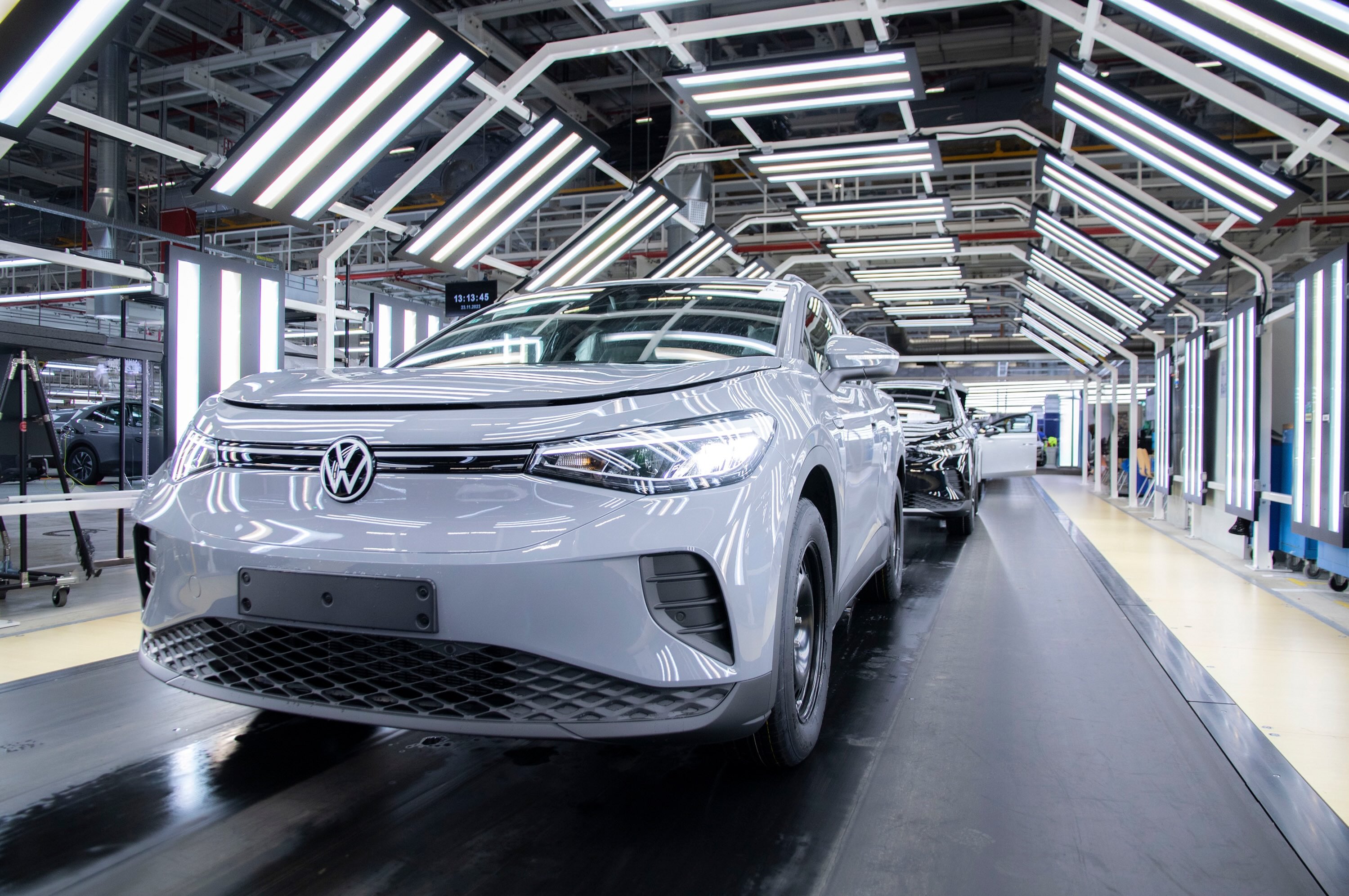
Cutting three million from its production capacity will mean dropping factories and production shifts at facilities across the world, including its home market of Germany, where the news has gone down badly.
The company’s factories in Emden, Zwickau, Hannover and Neckarsulm have already been confirmed as under threat, and they make electric models, which will either be cut or consolidated elsewhere.
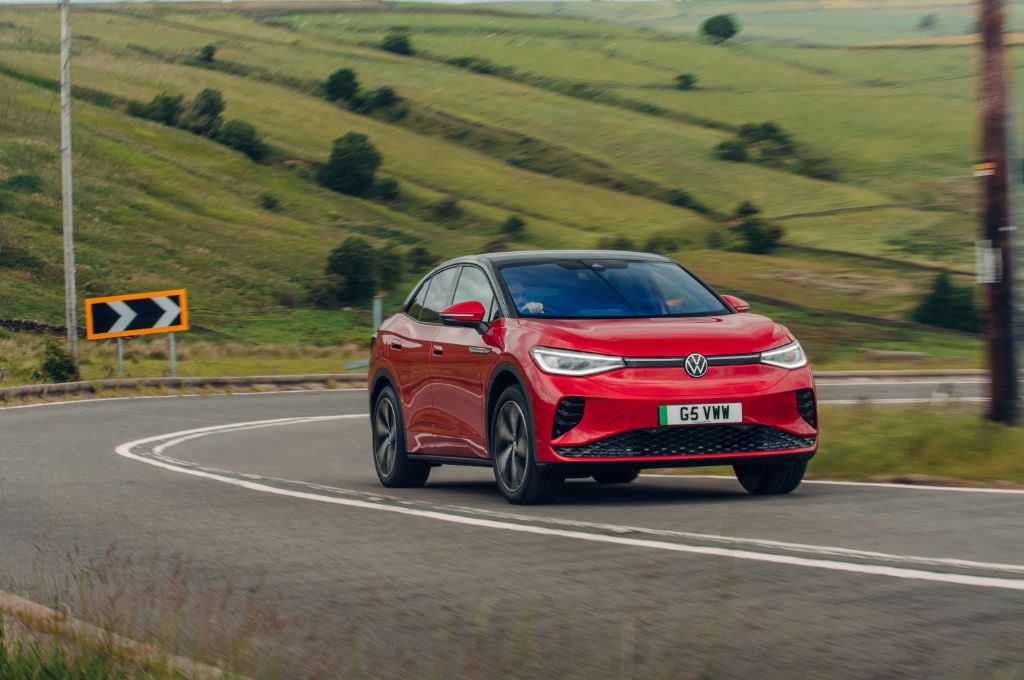
Dropping half the model range is now enshrined in VW policy, with the company looking to reduce complexity across the board. This will mean the disappearance of some familiar name badges that are no longer pulling their weight financially, apparently including the likes of the Porsche Taycan by 2030, the Volkswagen ID.5 by the end of 2027 and the Skoda Superb before the end of the decade as well.
.jpg)
We're also going to see a massive reduction in the options and customisation that customers can make as Volkswagen slashes at supplier and parts costs. The aim is to at least double profit margins on cars to nearly 10%, so anything that doesn't contribute to that will be on its way.
VW will also be looking to merge some market-specific models in markets like China and South America, which could see Audi and VW models that are currently only sold in China making their way to Europe.
The Volkswagen Group's apparent new strategy is to stop competing in the same segments across brands, which will mean that this year's mega-launch of Cupra Raval/ID.Polo/Skoda Epiq/ID.Cross won't happen again.
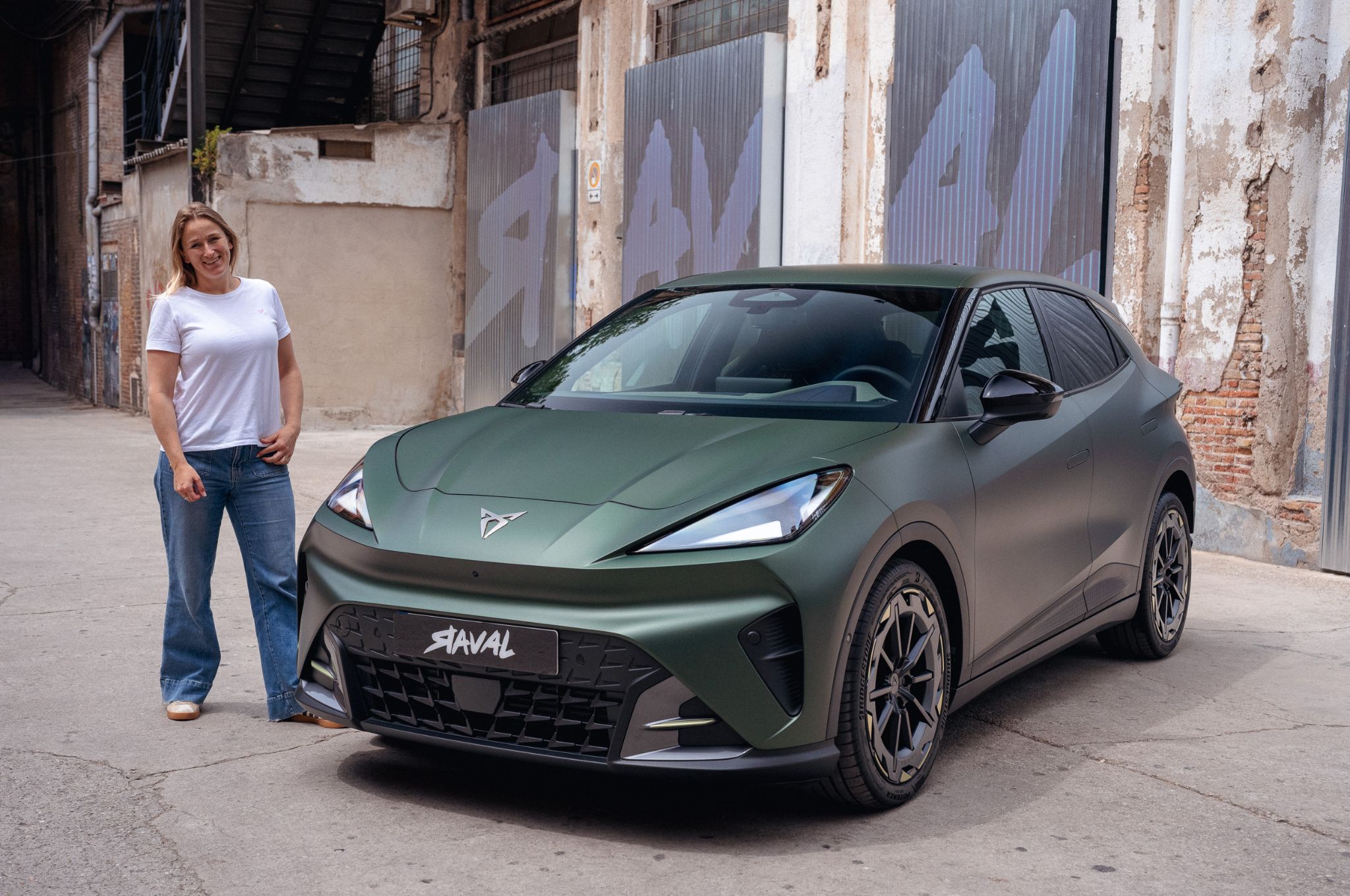
It also means that whole brands could disappear – it’s been rumoured for some time, but it could spell the end of Spanish brand Seat in favour of its more successful ‘sub-brand’, Cupra. Lamborghini is also rumouring to be up for a stock market flotation that would see it largely independent of the main group.
The 2030 plan also aims to make the overall structure of the Volkswagen Group simpler, which could mean the merging of functions that have been replicated across the group’s brands like Skoda, Volkswagen and Audi.
The supervisory board also made reference to ‘leaner leadership structures’ and ‘shorter lines of decision making’, which makes it seem like swathes of middle management could be for the chop.
Wider than that, the board has confirmed that it plans to cut 50,000 jobs overall, on top of its current incentive scheme encouraging employees to take early retirement.
Volkswagen also plans to sell off companies and real estate that it has acquired that no longer serve its core business.
It's not just Volkswagen...
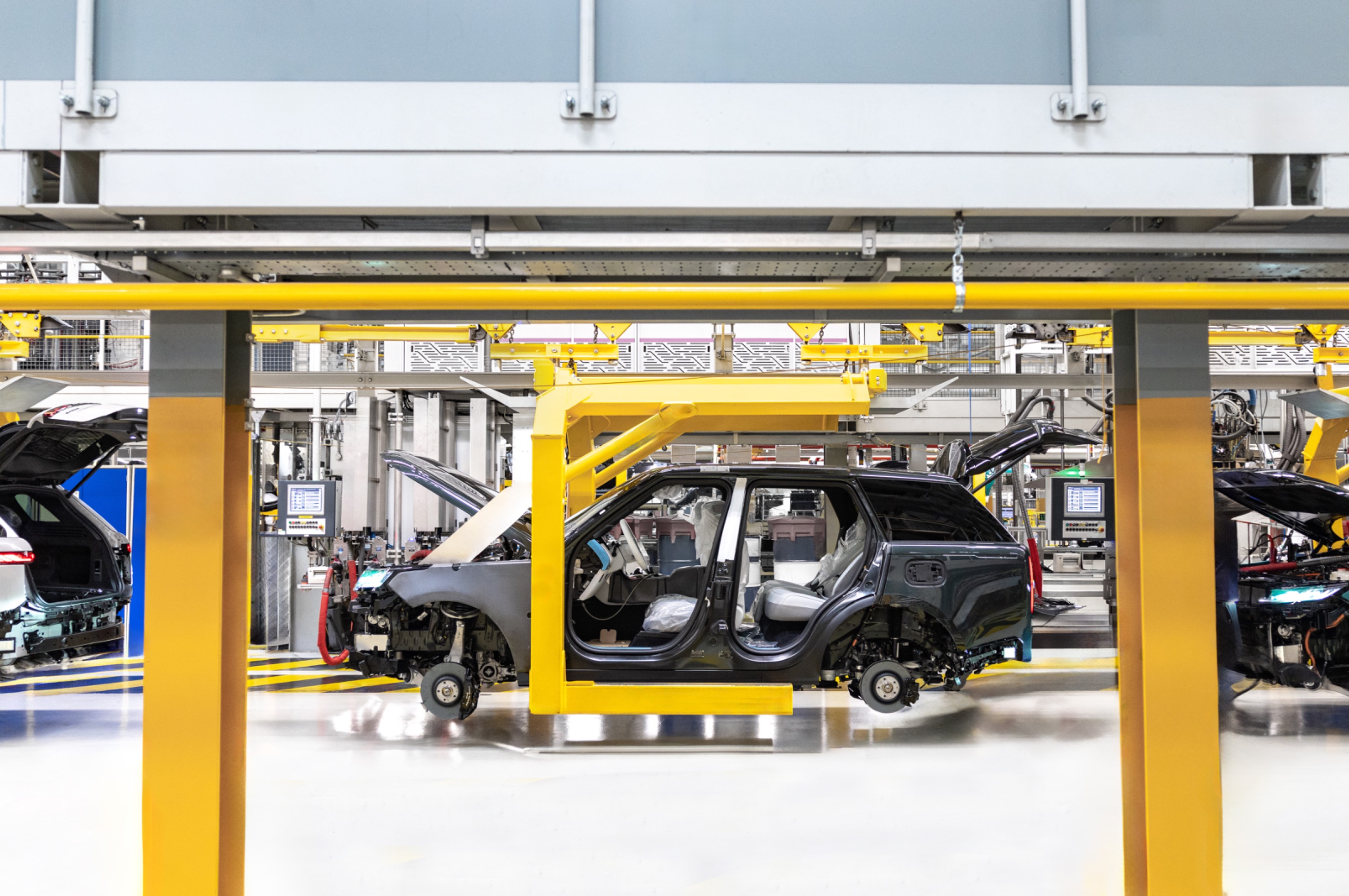
Jaguar Land Rover isn't just feeling the pinch, it's being throttled by prevailing financial winds, including its own decisions to massively push back launching its new electric models and stop selling Jaguars for a year. Last year it was also hit by a cyber attack that halted production for weeks.
The company has just announced 4,000 job cuts over the next two years, which represents well over 10% of the workforce. The UK government has already said that it won't front up any bailout cash – the manufacturer was offered a £1.5bn government-backed loan after the hack last year, but didn't take it up.
The cuts are believed to be focusing on non-production roles, cutting down senior management positions to save money. The first efforts will be on voluntary redundancies.
Land Rover has just revealed its new electric Range Rover, and has plans to build a new version of its Defender for the US market using a platform borrowed from French conglomerate Stellantis.


.jpg?width=600&height=600)