





Volkswagen has paused development work on its next-generation electric Golf because it doesn’t have any money, the company boss has apparently told staff.
According to news agency Reuters, VW CEO Thomas Schäfer said the project was being temporarily halted because it can’t afford the work.
The German carmaker is in the middle of some of the largest corporate cuts in history, ditching thousands of its workers and selling off factories, as well as cutting models that aren’t pulling their weight.
The electric Golf replacement was originally due to be launched in 2026, but has been repeatedly pushed back towards the end of the decade as Volkswagen hit problems developing its new SSP (Scalable Systems Platform) engineering system and electrical software development with Rivian.
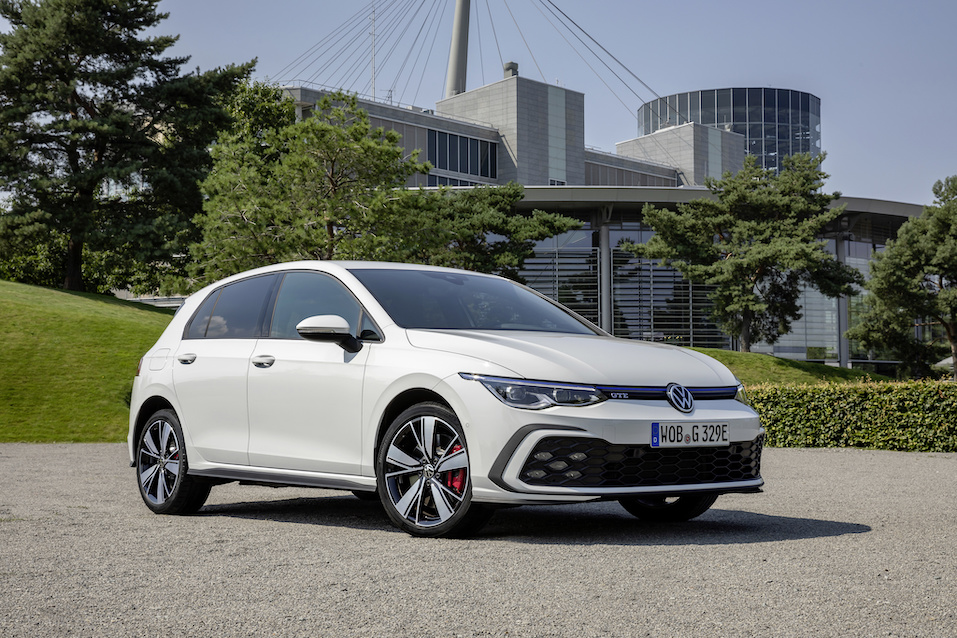
The ID.3 Neo update was an attempt to buy some time before the ID.Golf arrived to replace that model and the current generation Mk8 Golf that’s been on sale since 2019.
It’s now almost certain that the electric Golf won’t arrive until well into the 2030s, leaving Volkswagen scrambling to catch up. It would also explain why the German government has put so much effort into lobbying the European Union to water down emissions targets within the region.
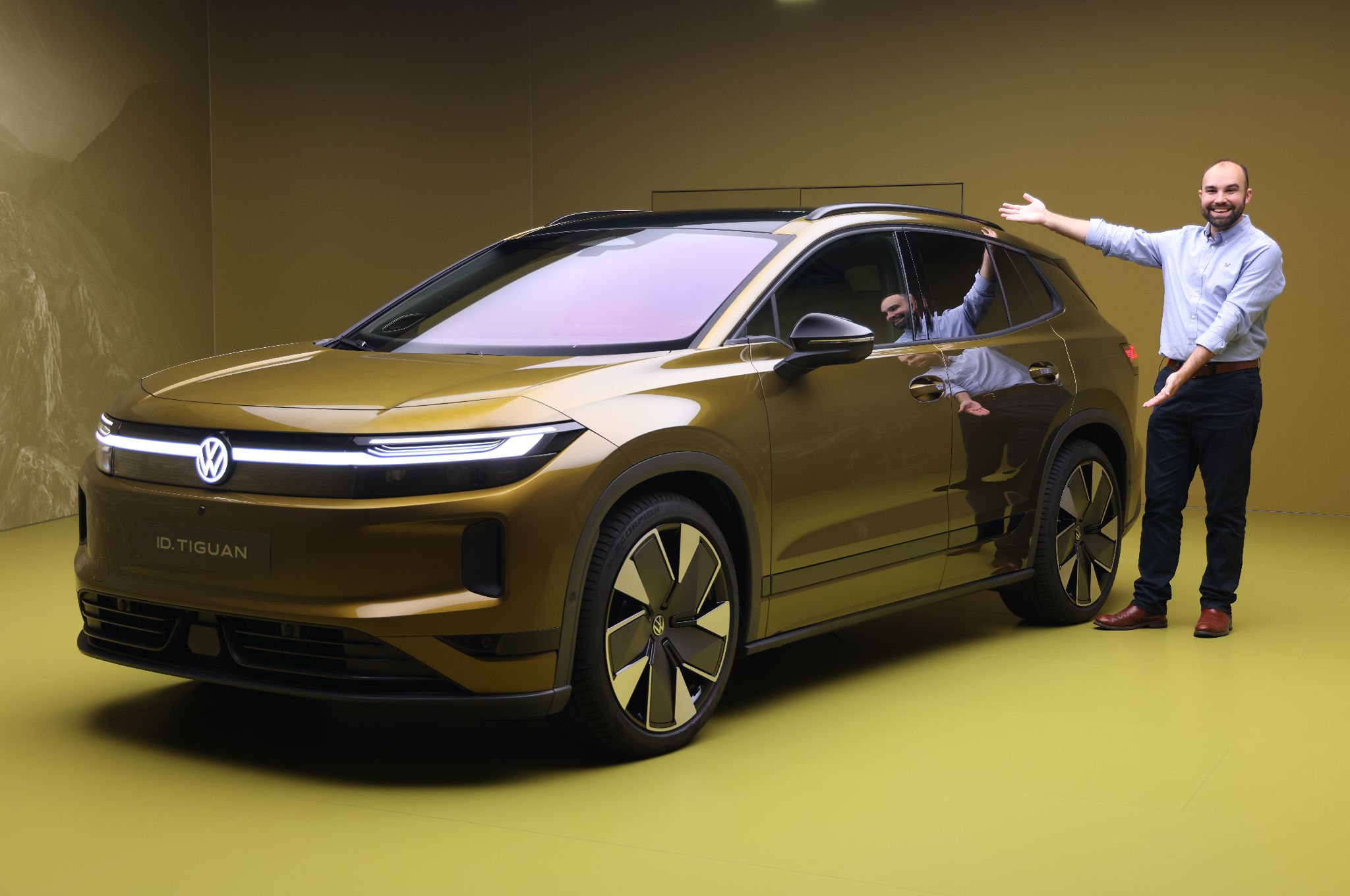
It doesn’t mean that Volkswagen is left without any new electric models – the ID.Polo and ID.Cross models are newly launched and the ID.Tiguan is set to go on sale soon.
The Golf is the company’s heartland model, though, and a big driver of sales, if less impactful now than some of the firm’s SUVs.
What will be weighing on the minds of executives is that the company really needs the next-generation SSP platform to work straight out of the box, and they’ll remember the delays they faced when the electronics on the current Golf and ID.3 models didn’t work properly.
On the plus side, the latest version of the ID.3 is the best version yet of the electric family hatchback and will offer some measure of hope that the Wolfsburg-based manufacturer will weather its current difficulties.