





 Battery size: 19.7 kWh
 Company car tax: 6%
 Emissions: 36 - 40 g/km
 Electric range: 70 - 73 miles
 Fuel economy: 176.6 mpg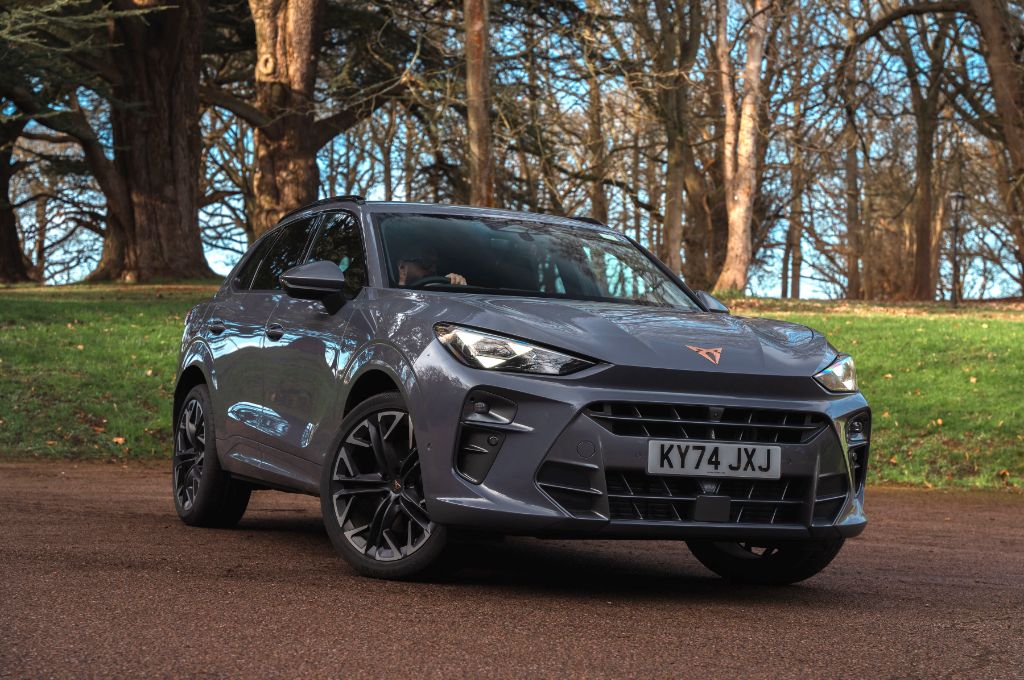






Introduction
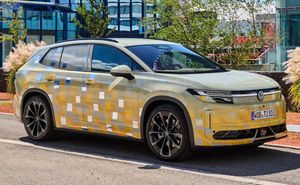
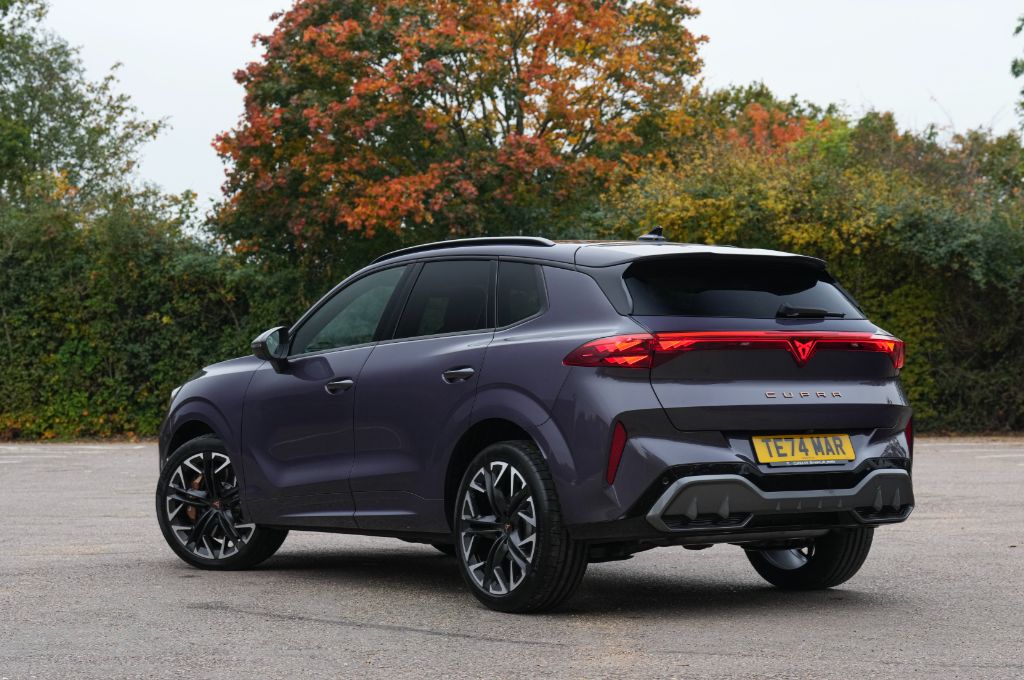
The Cupra Terramar is the Spanish brand’s mid-size SUV, sitting above the Formentor and gradually replacing the Ateca. It shares the same platform and powertrains as the Volkswagen Tiguan and Audi Q3, but with a sharper design and a more driver-focused feel.
There are several engines available, including mild-hybrid petrol and punchy 2.0-litre petrol options, but the 1.5 e-Hybrid plug-in hybrid is the one that we'll be focussing on in this review. It’s offered in two power outputs and multiple trims, but all versions share the same battery and roughly the same claimed electric-only range.

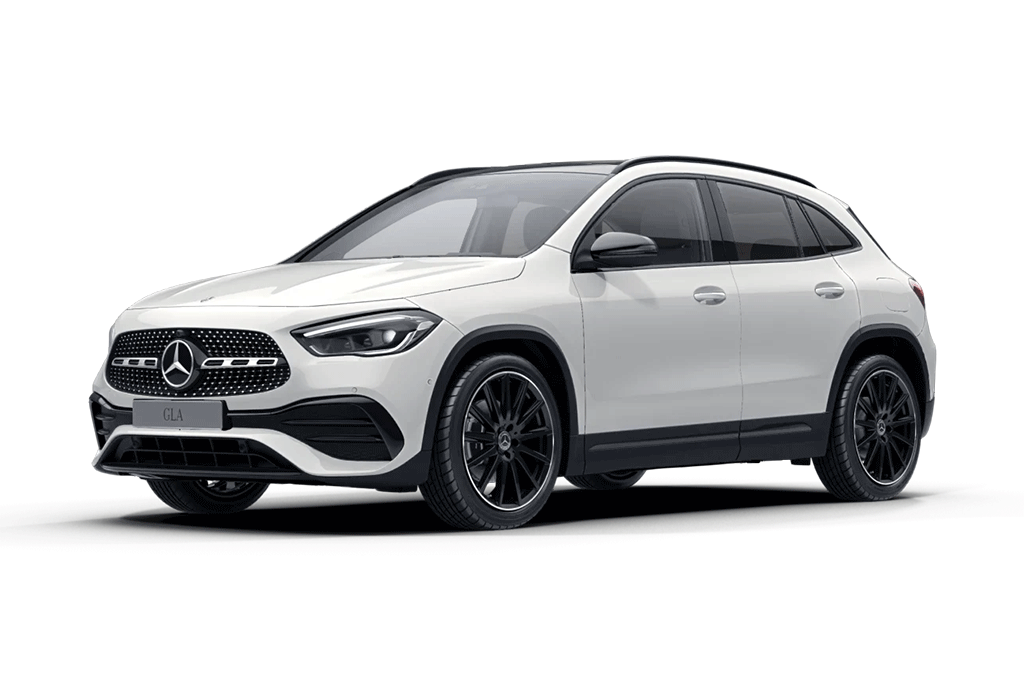
At just over 4.5-metre long, the Cupra Terramar is in the heartland family SUV class, and faces a horde of rivals. Hybrid and plug-in hybrid alternatives obviously include the Tiguan and Q3, but there's also the Toyota Rav4, Mercedes GLA, Kia Sportage, MG HS, Nissan Qashqai and Hyundai Tucson, to name a few others. That's before we've even considered pure-electric alternatives including the Tesla Model Y, BMW iX3 Neue Klasse, Audi Q4 e-tron, VW ID.4, Skoda Enyaq, Kia EV5 and more. There are a lot of choices in this class, so the Terramar needs to be good!
Range, battery and charging
As with most of the current crop of Volkswagen Group plug-in hybrids, the Cupra Terramar e-Hybrid gets a 19.7kWh (25.8kWh total capacity) lithium-ion NMC battery that delivers a claimed range of 71–74 miles of electric range depending on wheels and trim. That’s impressive for a sizable, plug-in hybrid and puts it right at the top of its class.
In the real world, expect around 50–60 miles of electric running if you're in mixed driving (you might get a bit better than that if you're exclusively driving around town or suburban roads in warmer weather). For many people, that’s enough to cover a full working week without using the 1.5-litre turbocharged petrol engine, at all, especially if you can charge easily at home or at the office.

Charging is also better than average for a PHEV. Unlike many rivals that rely purely on AC charging, the Terramar supports 50kW DC rapid charging, meaning a 10–80% top-up in around 26 minutes if you plug it into a rapid charger. Plug it into an 11kW home wallbox and a full charge takes roughly 2.5 hours, but most owners will rely on a standard 7kW home charger for a full charge in around 4 hours.
It's not unusual for plug-in hybrid drivers to rely on a standard three-pin domestic socket for charging, as it saves having to install a dedicated car charger at home, and can still deliver a full charge into a battery of this size in around 11 hours. The cables that you need for charging at a public charger or from a standard domestic, three-pin wall socket are provided as standard.
Overall, the range and charging capabilities of the Cupra Terramar are pretty impressive, and are competitive with the best plug-in hybrids out there.
Practicality and boot space
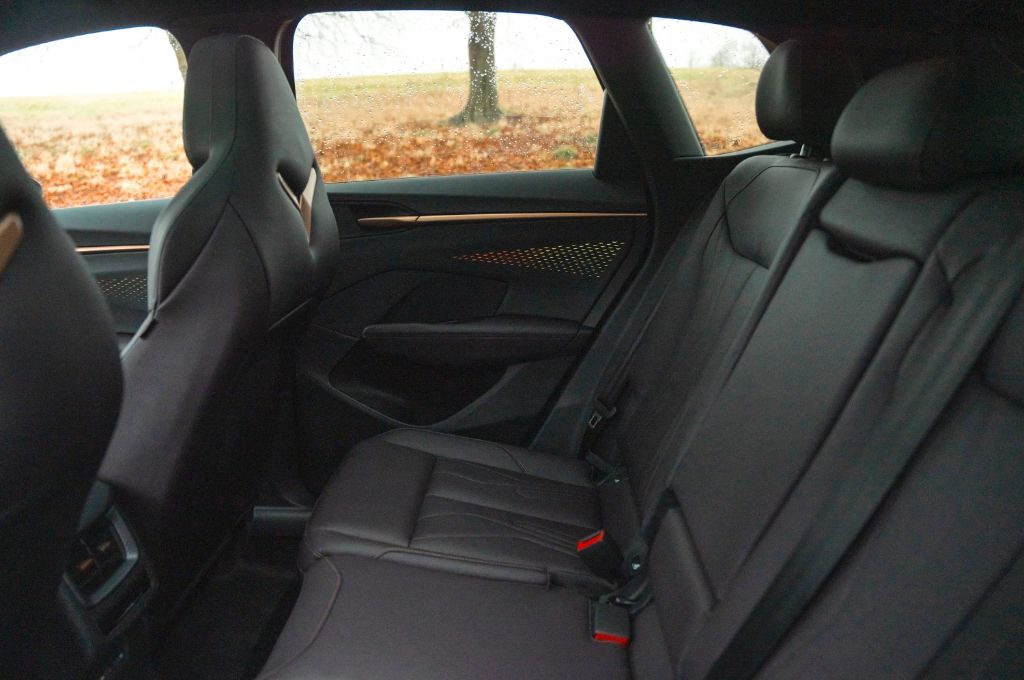
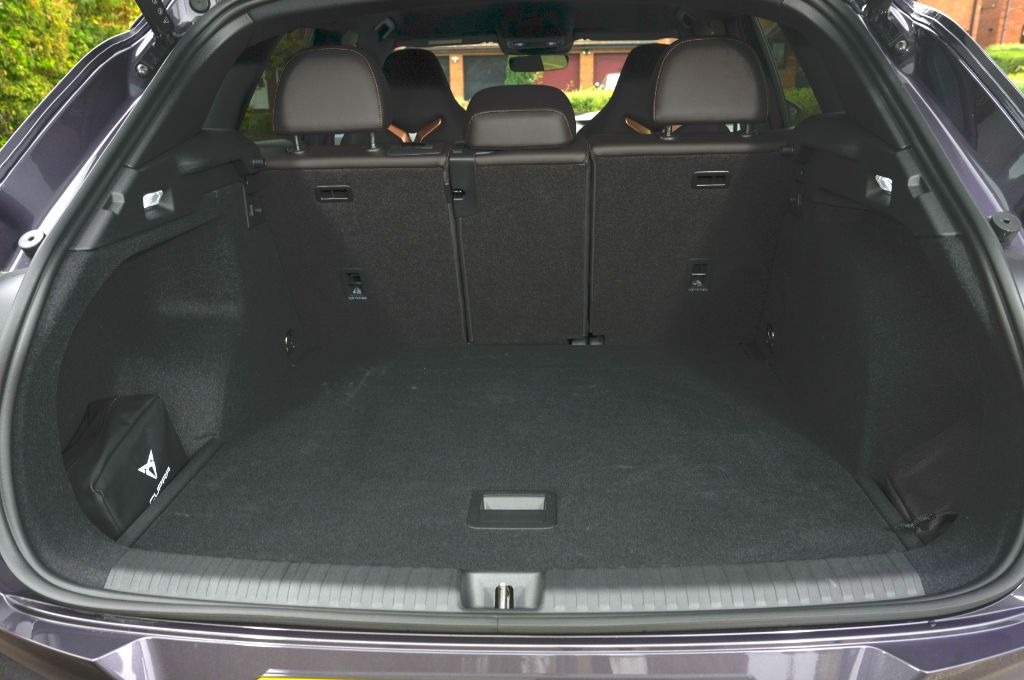
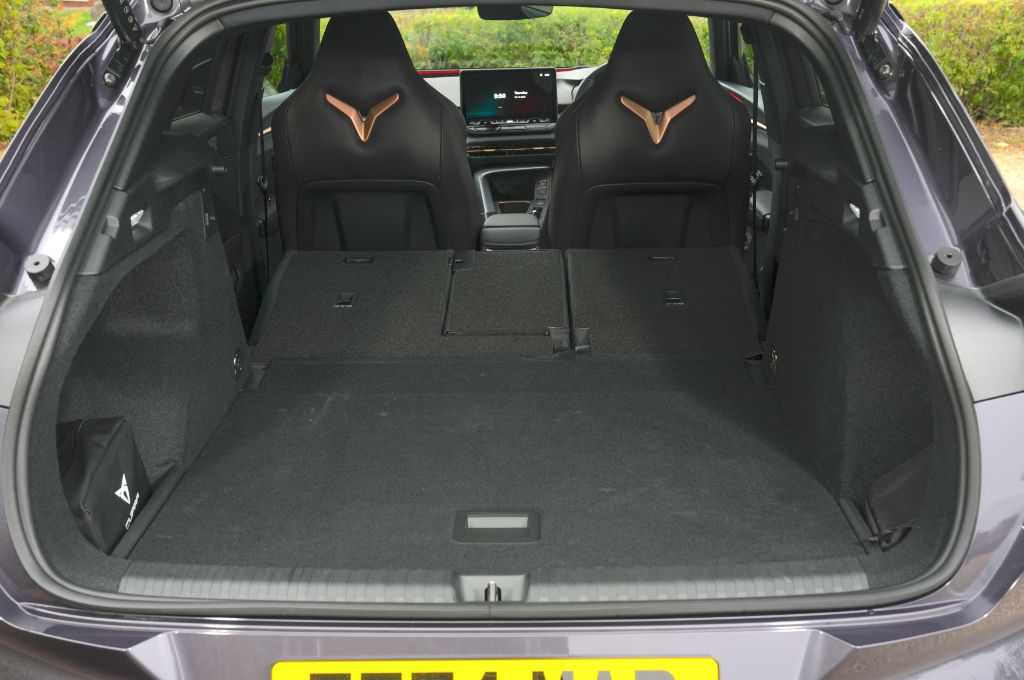
The Terramar is spacious enough for family duties, even if you've got taller adults and teens to accommodate. There’s plenty of room up front, reasonable rear legroom and a sliding rear bench that lets you trade passenger space for luggage space when needed. The 40/20/40 split-folding rear seats are useful, too, as you can drop the middle section to load longer items if you need to. Four passengers and some skis? No problem.

The standard Terramar models come with a 540-litre boot, but the plug-in hybrid Terramar e-Hybrid loses some of that boot space its battery, reducing capacity to 400- to 490 litres depending on how you slide the middle seats around. There's also no variable-height boot floor in the PHEV, which is a shame, as it means there's no obvious cubby to keep the cables. The erramars have a fixed-height boot floor but at least it’s positioned to sit level with the entrance. However the drops to 400 litres because of the large battery below it. For most families, the boot space in the Cupra Terramar e-Hybrid will still be good enough, but if boot space is your top priority, a Skoda Kodiaq or Peugeot 5008 will be more practical.
You can tow up to 1,800kg in the Cupra Terramar e-Hybrid 204, or the more powerful e-Hybrid 272 manages a caravan-worthy 2,000kg.
Interior, design/styling and technology
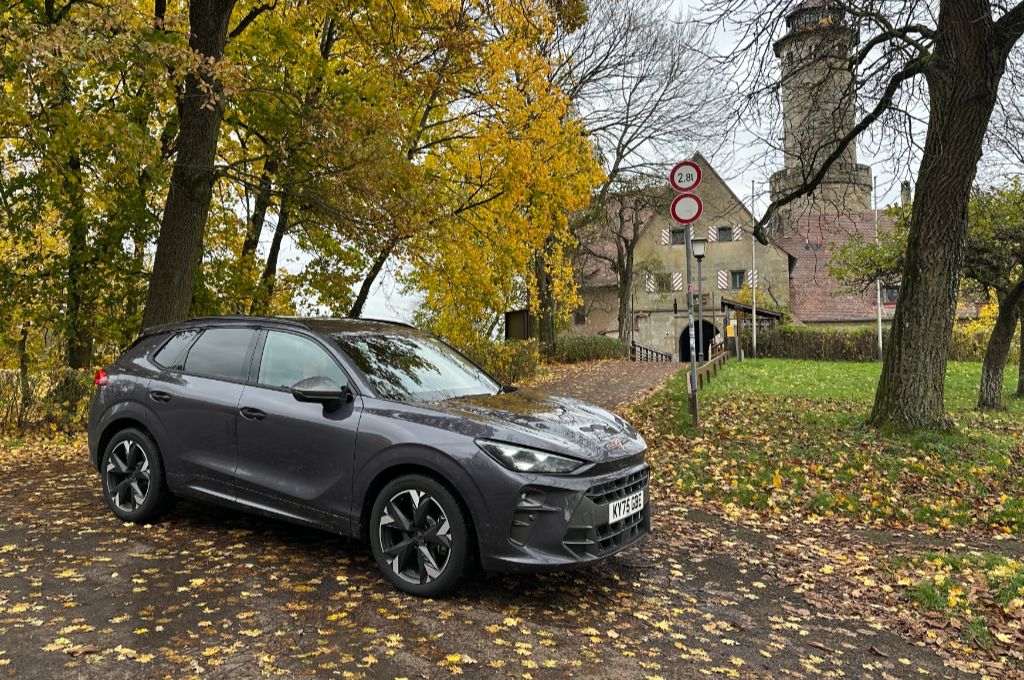
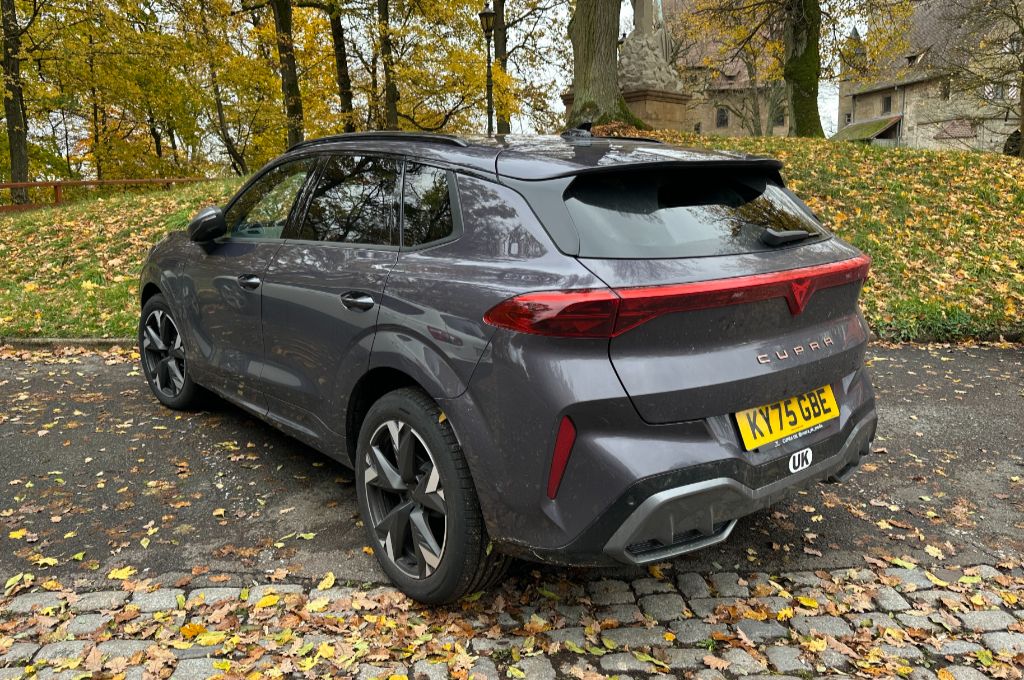
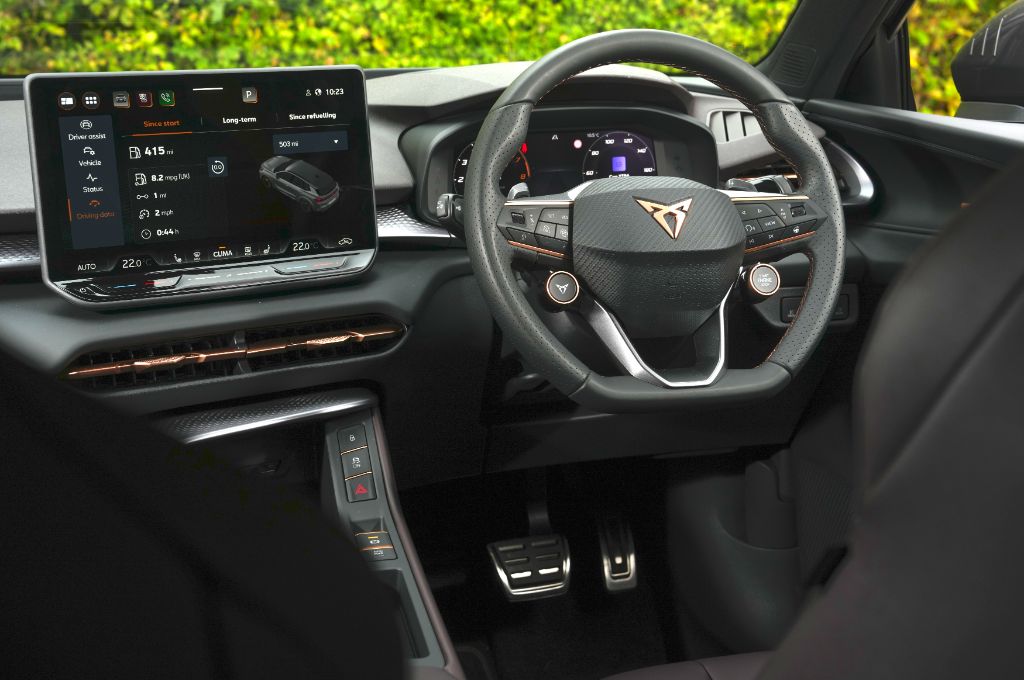
One of the things that sets Cupra apart from the other VW Group brands is its interiors, which tend to be quite a bit more dramatic in terms of styling and materials. The Terramar doesn’t disappoint on this front! I really like the copper accents that are a brand trademark, and the sports seats and angular dash design give a premium, performance-focused feel. I do wish the seats were a bit more cushy. They're quite firm, and I spent a lot of time in the Terramar when I drove it to Germany from the UK, and I did find that it could benefit from slightly softer seat squabs.

Mind you, the V2 car that I tested gets electric driver's seat adjustment with lumbar support, and there's loads of side support, so it wasn't too bad. You don't get lumbar adjustment on the entry-level Terramar V1, which is something to keep in mind if you do a lot of miles. The V2 trim also adds a head-up display and bigger digital driver's readout, heated seats and additional driver assistance systems for a semi-autonomous drive mode, so I reckon this the best trim in the range.
The 12.9-inch central touchscreen is standard in every Terramar model, and handles almost everything including sat-nav, media, driving modes and climate control. Wireless Apple CarPlay and Android Auto work well, and the screen is sharp and responsive, so it's actually a pretty easy system to get on with when you've gotten used to where all the menus are.
That said, the Terramar is still very screen-heavy. The climate sliders look slick but aren’t the easiest to use on the move, even though they’re now illuminated. Thankfully, Cupra has kept proper physical buttons on the steering wheel, which makes everyday driving less frustrating.
Build quality is solid, materials feel good in the places you touch most, and the whole cabin feels like it’ll stand up well to family life.
Motors, performance and handling
The e-Hybrid pairs a 1.5-litre petrol turbocharged engine with an electric motor, delivering either 204hp or 272hp, depending on version. I've only driven the lower-powered Cupra Terramar e-Hybrid 204hp (in V2 trim and on 19-inch alloys wheel), but I've tried the higher-powered PHEV powertrain in the Audi Q3, and I'd definitely say that this 204hp version is more than enough. With charge in the battery, the Terramar is smooth, quiet and responsive. Pulling away on electric power makes town driving relaxed, and there’s enough punch for confident overtakes when the petrol engine joins in. The most powerful version hits 0–62mph in around 7.3 seconds, which is plenty quick for a family SUV, but it only gets front-wheel drive, so it does lose traction quite easily and doesn't feel as sporty as you might hope. The e-Hybrid 204 manages 8.3 seconds to 62mph and still feels really strong when you accelerate, so it's just not worth paying the hefty extra price for the additional power.
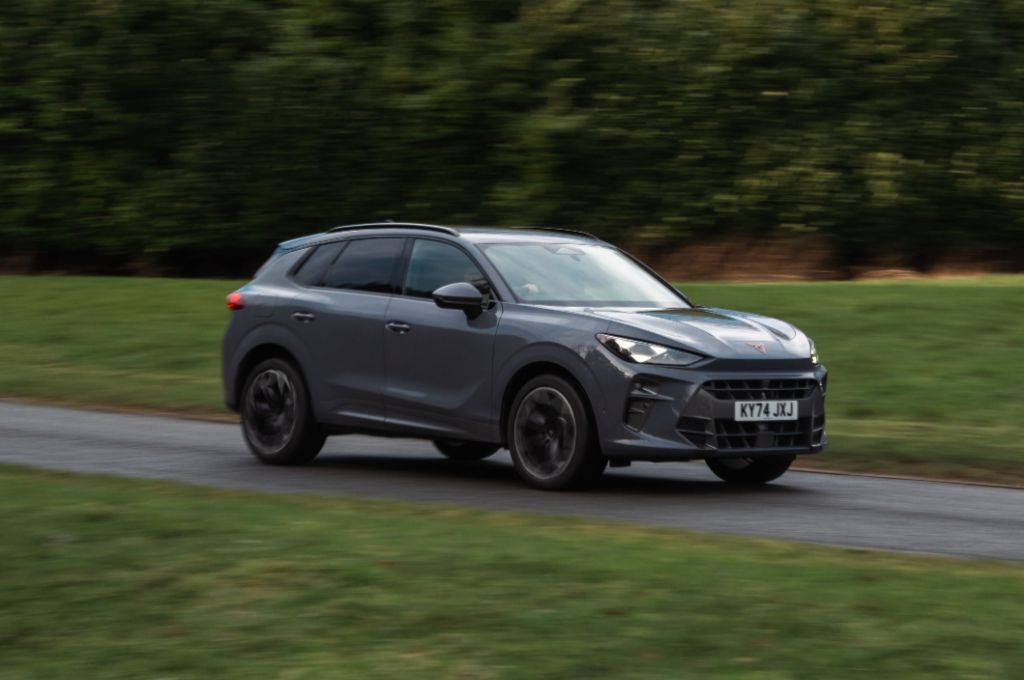
When you've run out of electric running, though, the petrol engine has to work hard in the Terramar and it's more noticeable that the six-speed automatic gearbox is a bit hesitant and sometimes seems to let the petrol engine rev harder than it needs to. And it's not a very nice sounding engine, either. It's quite coarse and boomy, which doesn't really encourage spirited driving despite Cupra's sporty image and styling. It's not bad, but you really notice that the Terramar PHEV is much nicer to drive in electric mode than when you're relying mostly on the petrol engine.
You can set the powertrain to save battery power for later in the journey, which is useful if you drive on the motorway (when the petrol engine is at its most efficient) and finish your journey in the city (where the electric motor is at its most efficient). The Cupra can also intelligently work out how best to use its available electric running depending on the route you've got plugged into the nav, or you can simply stick it in hybrid mode and let the car do its thing.
Handling is tidy and confidence-inspiring. It’s not a hot hatch, but it feels more engaging than many SUVs, with good steering and well-controlled body movements. The added weight of the battery is noticeable if you push hard, but for everyday driving it strikes a good balance between comfort and sportiness.
There's no four-wheel drive variant of the Terramar e-Hybrid. You have to go for the non-electrified 2.0-litre petrol model to get the 4Matic all-wheel drive, which seems a shame as a four-wheel drive Terramar PHEV would no doubt be popular in the UK and lots of European countries where winter conditions are a concern but buyers still want to keep running costs as low as possible.
Running Costs and pricing
List prices for the Terramar e-Hybrid start at roughly £44,000, rising to well over £50,000 for higher trims. That’s not cheap, but it’s broadly in line with rivals. You can choose from V1, V2 or VZ1 and VZ2 trims. The 'VZ' trims are the sportier-looking models, so you pay a bit more for that, but the standard V2 trim is the one to go for as it gets heated seats, electric seat adjustment, a head-up display and loads more of the comforts that we all want, at a reasonable price. It still looks really smart on the standard 19-inch alloy wheels, too. Mind you, if you want the matte finish paints that are often very popular on Cupra models then you have to go for the VZ models, and pay over £2,055! Ouch.

The 'Dark Void' metallic purple on the test car that I drove looks pretty smart, is available on every Terramar trim other than the special America's Cup Edition, and is a more reasonable £995. And the kids will love knowing that it's called 'Dark Void' because it sounds like a Star Wars film.

PCP and leasing costs are likely to land in the £400–£600 per month region depending on deposit and deals, but these monthly finance deals do change all the time so it's worth checking the latest offers before making any decisions.
Where the Terramar PHEV really shines is in its running costs, especially for company-car drivers. With CO₂ emissions as low as 36g/km, the Terramar e-Hybrid attracts very low Benefit-in-Kind (BIK), making it dramatically cheaper than self-charging hybrid, petrol or diesel alternatives as a company car. Pure electric cars are still much cheaper as a company car, though, and attract better tax benefits to the companies that run them, so do your maths carefully and think about whether you could live with an EV instead of a PHEV, as it'll likely save you a lot of money - despite the forthcoming 2028 eVED pay-per-mile tax.
Fuel costs can also be minimal if you mostly run it as an EV. It'll cost roughly 4-6p per mile to 'fuel' your Terramar PHEV from a home charger on a cheap overnight tariff, while fuel costs will jump to more like 18-22p per mile if you rely heavily on the petrol engine. For some idea of what you can expect on a long journey in the Terramar e-Hybrid 204, I returned just under 44mpg over a long, steady motorway journey through Europe in pretty cold weather where we had very little chance to charge, although we did set off with a full battery. If you do mostly shorter journeys and will rarely need to rely on the petrol engine then you'll obviously see much better economy.
Cupra backs the car with a five-year/90,000-mile warranty, which is usefully better than you get on most other VW Group cars, although Kia and Hyundai offer slightly better standard warranty cover. The Cupra's battery is covered for eight years and 100,000 miles.
Verdict
The Cupra Terramar e-Hybrid is a very recommendable plug-in hybrid SUV. That long electric range, fast charging and sporty character make it feel genuinely modern, and if you charge regularly then it's a pleasure to drive and will be cheap to run. It's a shame that the petrol engine is pretty noisy, and isn't as fun to live with as the sporty looks might suggest, and the boot isn't as big as in some alternative PHEV family SUVs. But if you can live with those compromises, the Terramar is a stylish and cost-effective choice, especially for company-car drivers who want a premium(ish) brand and aren’t ready to go fully electric just yet.
 9
9